Using the Hubble Space Telescope, a team of NASA astronomers has repeated an old experiment that was used to confirm General Relativity
Continue reading
A presentation at the June 6th AAS meeting confirms that our galaxy is inside an enormous cosmic void, the largest one ever discovered.
Continue reading
The T2K experiment just released its first batch of data, which could help answer why there is an apparent imbalance of matter and antimatter in the Universe.
Continue reading
Continue reading
A study presented at the annual meeting of the American Astronomical Society this week has dealt another blow to the case for finding habitable planets around red dwarf stars.
Continue reading
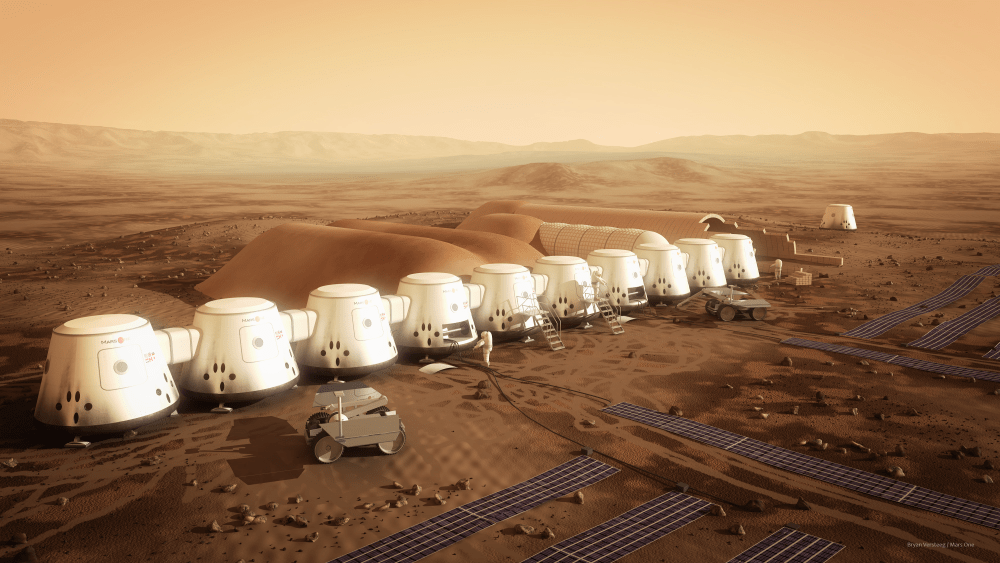
A new study suggests that Mars had a much larger ocean than previously thought. However, we can't understand how the Martian climate was ever able to support such an ocean.
Continue reading
A new study by scientists from UNLV indicates that astronauts going to Mars will be at an increased risk of cancer caused by exposure to radiation.
Continue reading
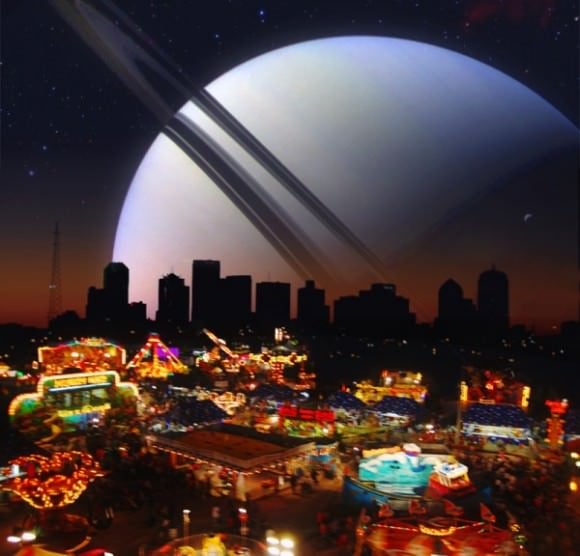
There's one reason to stay up late this summer, as the planet Saturn reaches opposition this week on June 15th and crosses into the evening sky.
Continue reading
Cosmologists tell us that the Universe is flat. It sure feels like 3-dimensions. What does this even mean, and how do we know it's true?
Continue reading
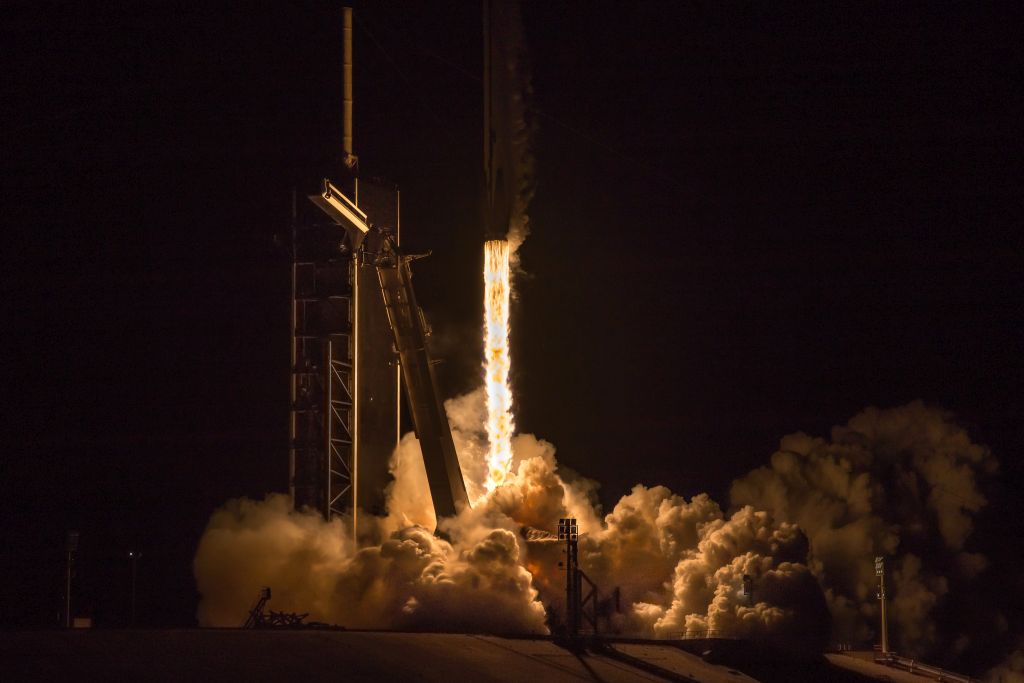
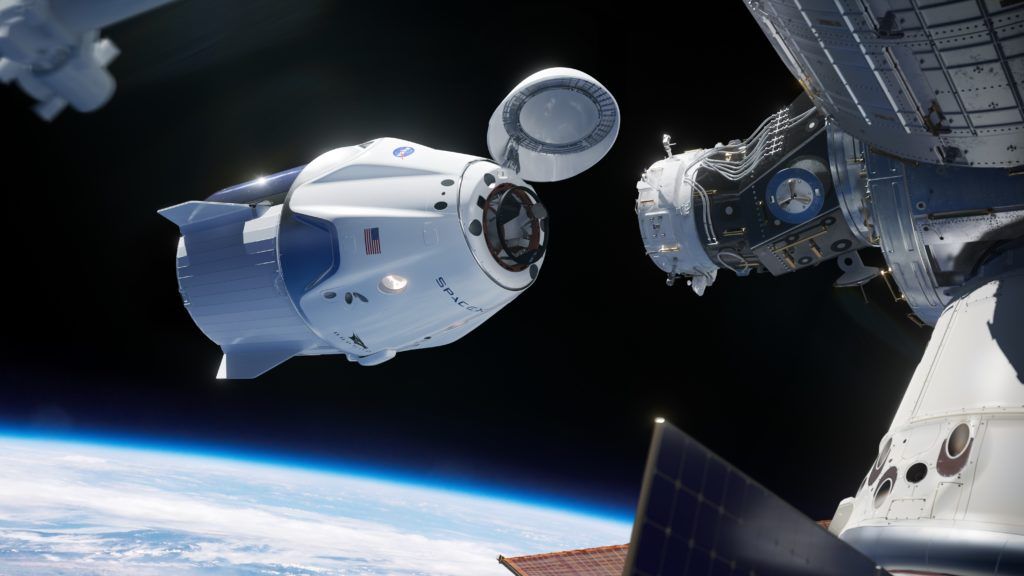
KENNEDY SPACE CENTER, FL - The first ever reused Dragon supply ship successfully arrived at the International Space Station (ISS) two days after a thunderous liftoff from NASA's Kennedy Space Center atop a SpaceX Falcon 9 rocket on Saturday, June 3. The first stage booster made a magnificent return to the Cape and erect ground landing some 8 minutes after liftoff.
Continue reading
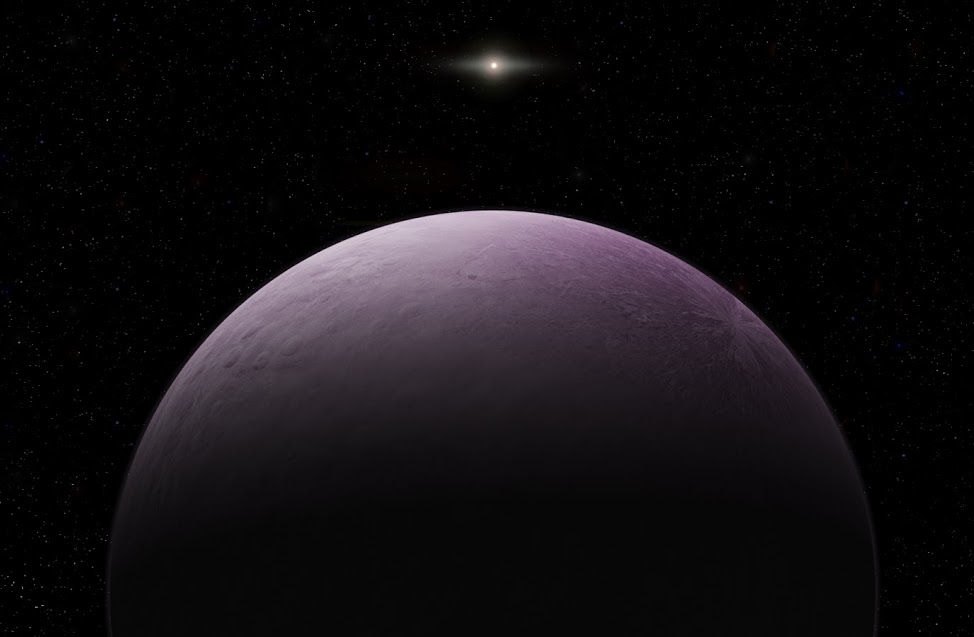
New observations conducted a team of astronomers using the ALMA telescope have explained why the coldest object is so frigid!
Continue reading
A new study by a team of researchers from the Future of Humanity Institute argues that the reason we haven't detected any aliens is because they are currently sleeping.
Continue reading
Saturn is the second largest planet in the Solar System, so big that you could fit Earth inside it 763 times and still have some room left over!
Continue reading
Located in the Taurus Constellation, between 390 and 456 light years from Earth, is the famous and easily-visible Pleiades Constellation.
Continue reading
Continue reading
Continue reading
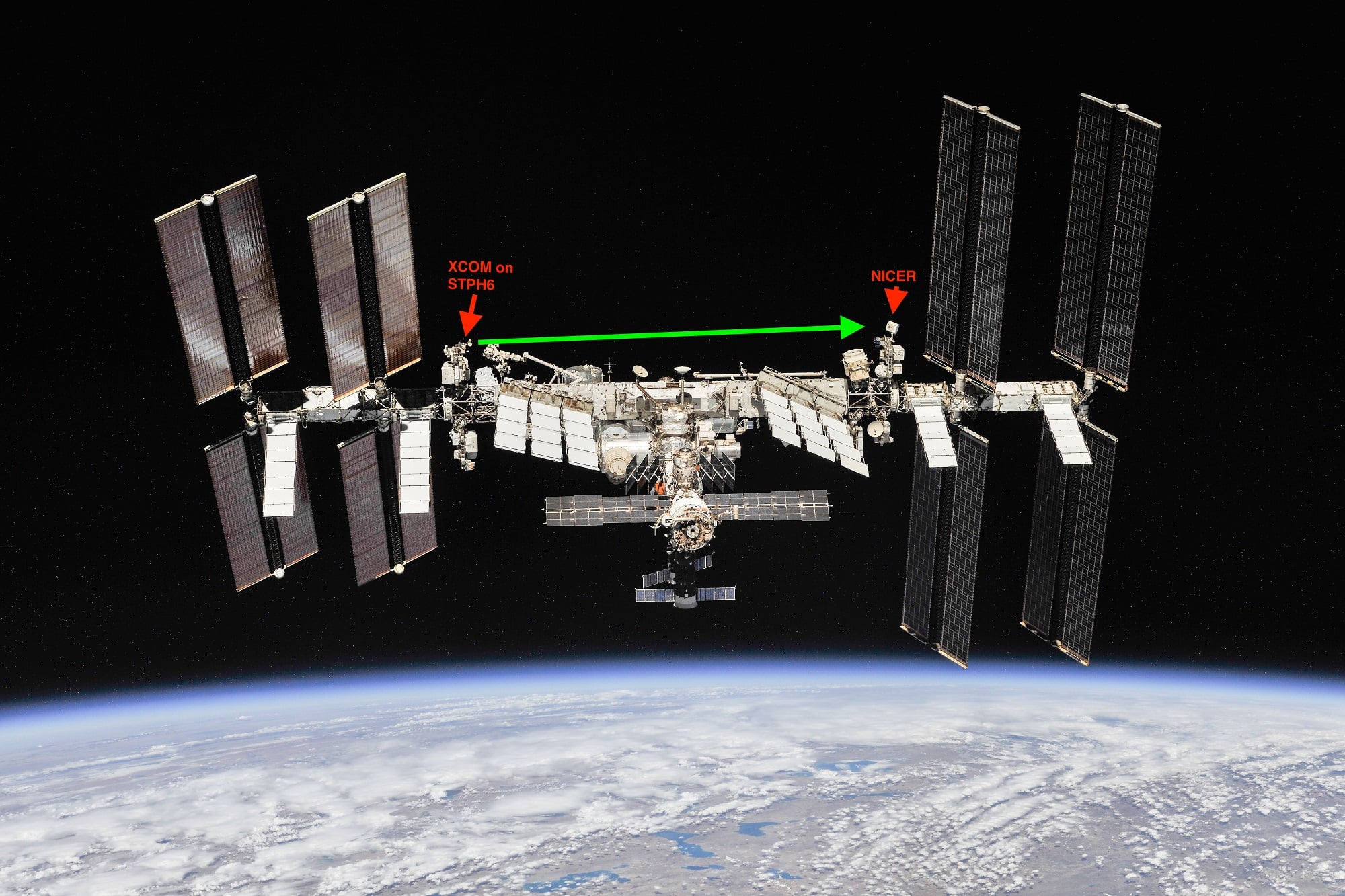
The Neutron Star Interior Composition Explorer (NICER) is being deployed to the ISS, and promises to yield some impressive scientific returns very soon.
Continue reading
KENNEDY SPACE CENTER, FL - After threatening stormy skies over the Florida Space Coast miraculously parted just in the nick of time, the first ever recycled SpaceX Dragon cargo freighter blasted off on the 100th flight from historic pad 39A on the Kennedy Space Center (KSC) - bound for the International Space Station (ISS) and loaded with a science rich cargo for the multinational crew late Saturday afternoon June 3.
Continue reading
Continue reading
Stratolaunch just unveiled its new air-launch vehicle - the Stratolaunch Aircraft - which also happens to be the largest aircraft in the world
Continue reading
Owning land here on Earth is nice and legal. But what about a plot of land on the Moon or Mars? When can I buy some ice on Europa?
Continue reading
LIGO has detected a third instance of gravitational waves. Like the previous two, this one was caused by merging black holes.
Continue reading
In a new article, Dr. Morris Jones of METI International proposed expanding our search for evidence of intelligent life by examining more exotic forms of communication
Continue reading
A team of researchers questions the existence of an event horizon around black holes and wonders what it would look like when a star collides with one.
Continue reading
KENNEDY SPACE CENTER, FL - The 100th blastoff from NASA's historic pad 39A features a SpaceX Dragon resupply mission carrying three tons of science and crew supplies to the International Space Station as well as another unfathomable ground landing of the Falcon 9 rockets first stage. UPDATE: Stormy weather and lightning scrubs launch until Saturday, June 3 at 5:07 p.m.
Continue reading
Continue reading
A new study by researchers from St. Andrews University and the University of Strasbourg has shed light on why Venus has so few volcanoes compared to Earth.
Continue reading
Continue reading
Continue reading
KENNEDY SPACE CENTER VISITOR COMPLEX, FL - Following up last week's announcement of NASA's proposed Fiscal Year 2018 top line budget of $19.1 Billion by the Trump Administration, Universe Today spoke to NASA' s Kennedy Space Center (KSC) Director Robert Cabana to get his perspective on the new budget and what it means for NASA and KSC; "Stay on the path!" - with SLS, Orion, ISS and Commercial Crew was his message in a nutshell.
Continue reading
Great progress is being made on the European Extremely Large Telescope. Construction of the dome and the main telescope was marked by the "First Stone" ceremony held at the telescope's site in Chile.
Continue reading
The Big Bang was a tremendous theory, but it had a few problems. In 1980 Alan Guth developed the revolutionary theory of cosmic inflation, and astronomers have been looking for evidence to this day.
Continue reading
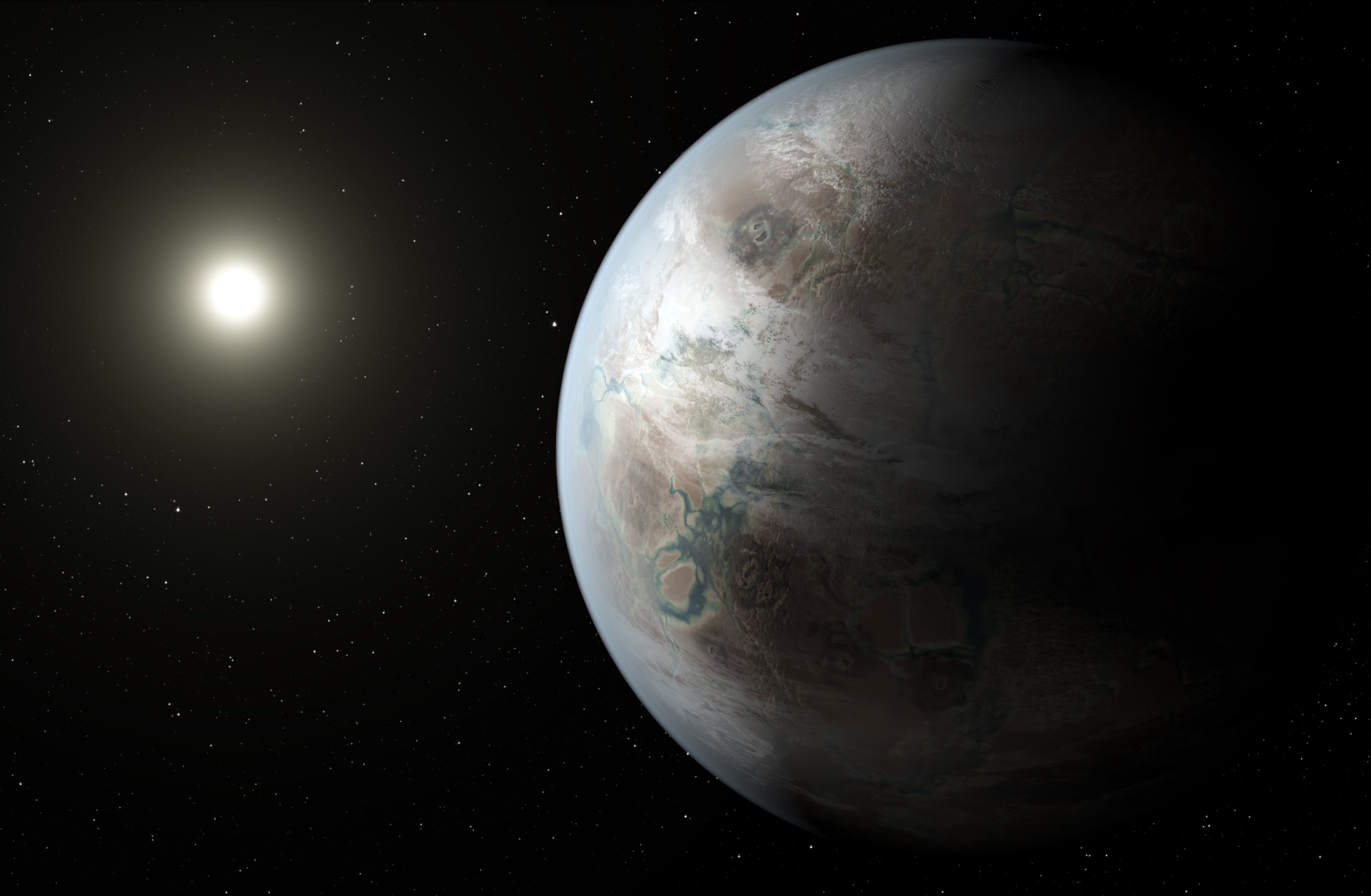
A study produced by an international team of researchers, using the HARPS-N survey, has detected a potentially habitable super-Earth just 21 light years away.
Continue reading
Continue reading
Juno is starting to reveal the complexity and beauty of our Solar System's largest planet.
Continue reading
In the hopes of telling us more about Near-Earth Objects, the NELIOTA project has begun to study bright flashes on the Moon, which are generated by meteors striking the surface.
Continue reading
Located 577 light years away in the Cancer constellation is the open star cluster known as the Beehive Cluster (aka. Messier 44 or Praesepe)
Continue reading
SpaceX is targeting a June 1 blastoff for the firms next cargo delivery mission to the International Space Station (ISS) for NASA following today's (May 28) successful test firing of the Falcon 9 booster's main engines on the Florida Space Coast under sunny skies.
Continue reading
The Sun uses its enormous mass to crush hydrogen into fusion, releasing enormous energy. How long will it be until we've got this energy source for Earth?
Continue reading
While viewing a massive star in the Fireworks Galaxy that was expected to go supernova, a team of astrophysicists instead found that it had formed a black hole.
Continue reading
Earlier this week, the island nation of New Zealand made history with the first successful launch of a rocket from their soil. The rocket in question was Rocket Lab's Electron prototype.
Continue reading
The Trump Administration has proposed a $19.1 Billion NASA budget request for Fiscal Year 2018, which amounts to a $0.5 Billion reduction compared to the recently enacted FY 2017 NASA Budget. Although it maintains many programs such as human spaceflight, planetary science and the Webb telescope, the budget also specifies significant cuts and terminations to NASA's Earth Science and manned Asteroid redirect mission as well as the complete elimination of the Education Office.
Continue reading
Continue reading
Located in the southern hemisphere is the small constellation of Columba, one of the 88 constellations currently recognized by the IAU.
Continue reading
A team of Japanese researchers were able to fertilize mice embryos and produce a healthy litter of mice using frozen sperm that spent nine months in space.
Continue reading
Tabby's Star is dimming again, and two new studies have been released that offer new and interesting theories on what could be causing it.
Continue reading
Continue reading
In the space of just 3 days, a pair of NASA astronauts conducted an unplanned and rapidly executed contingency space walk on the exterior of the space station on Tuesday, May 23 in order to replace a critical computer unit that failed over the weekend.
Continue reading
Under the right conditions, two colliding rocky bodies might form a temporary structure called a 'synestia'. This rotating mass of partially vaporized rock would might only last a hundred years or so.
Continue reading
Continue reading