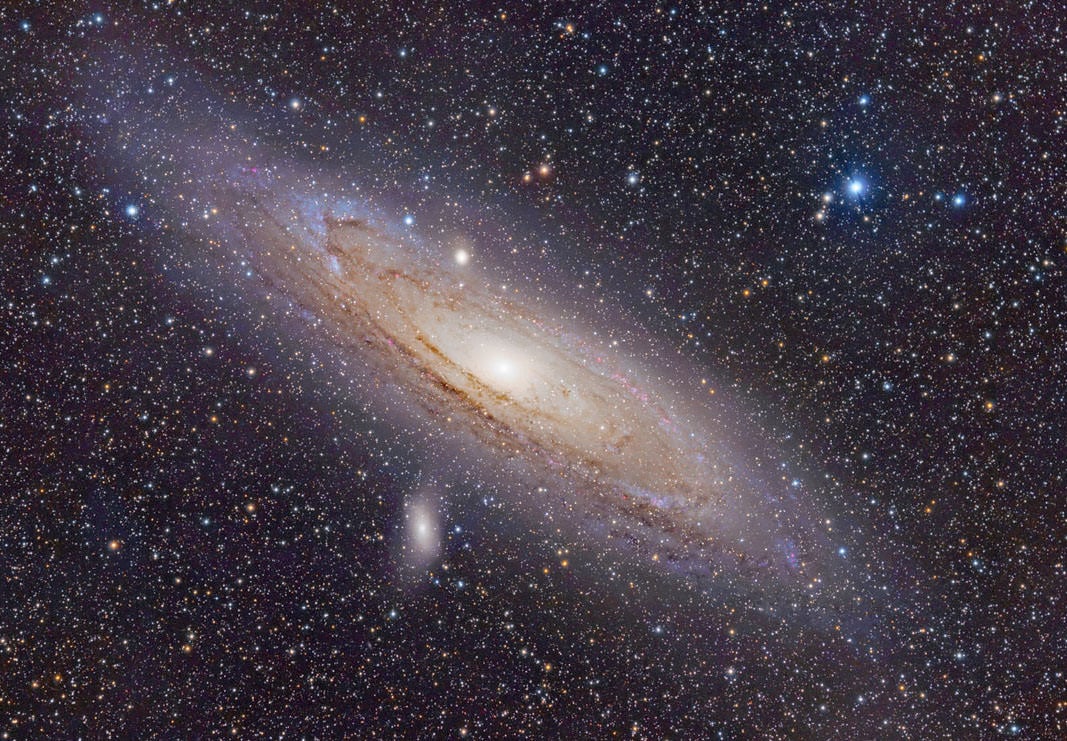
Thanks to the work of an amateur astronomer, an international team of scientists recently confirmed the existence of a previously-unknown dwarf galaxy behind Andromeda.
Continue reading
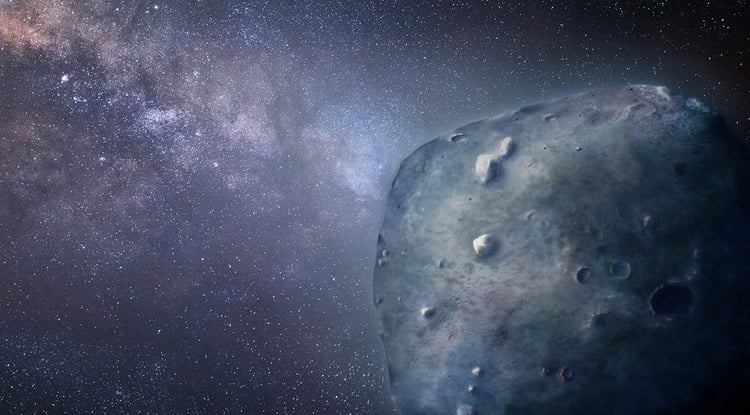
A team of astronomers recently observed Phaeton, a Near-Earth Object (NEO) that behaves like both an asteroid and a comet
Continue reading
Continue reading
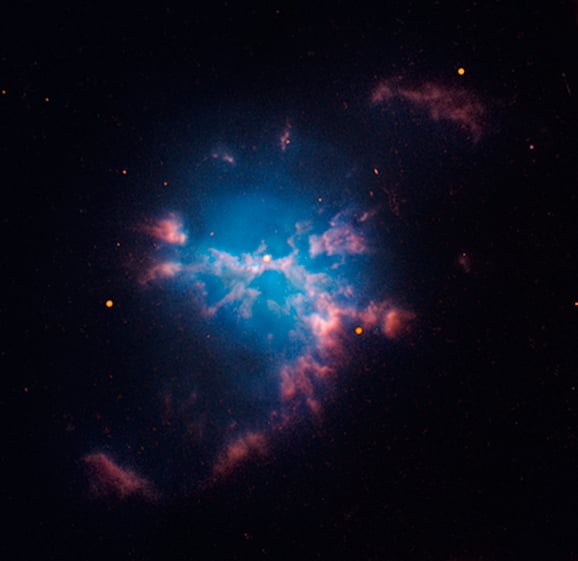
An international team of astronomers recently observed an unexpected sight, a binary star system that is set to collide and explode in a nova inside of a nebula.
Continue reading
Continue reading
Continue reading
Continue reading
Continue reading
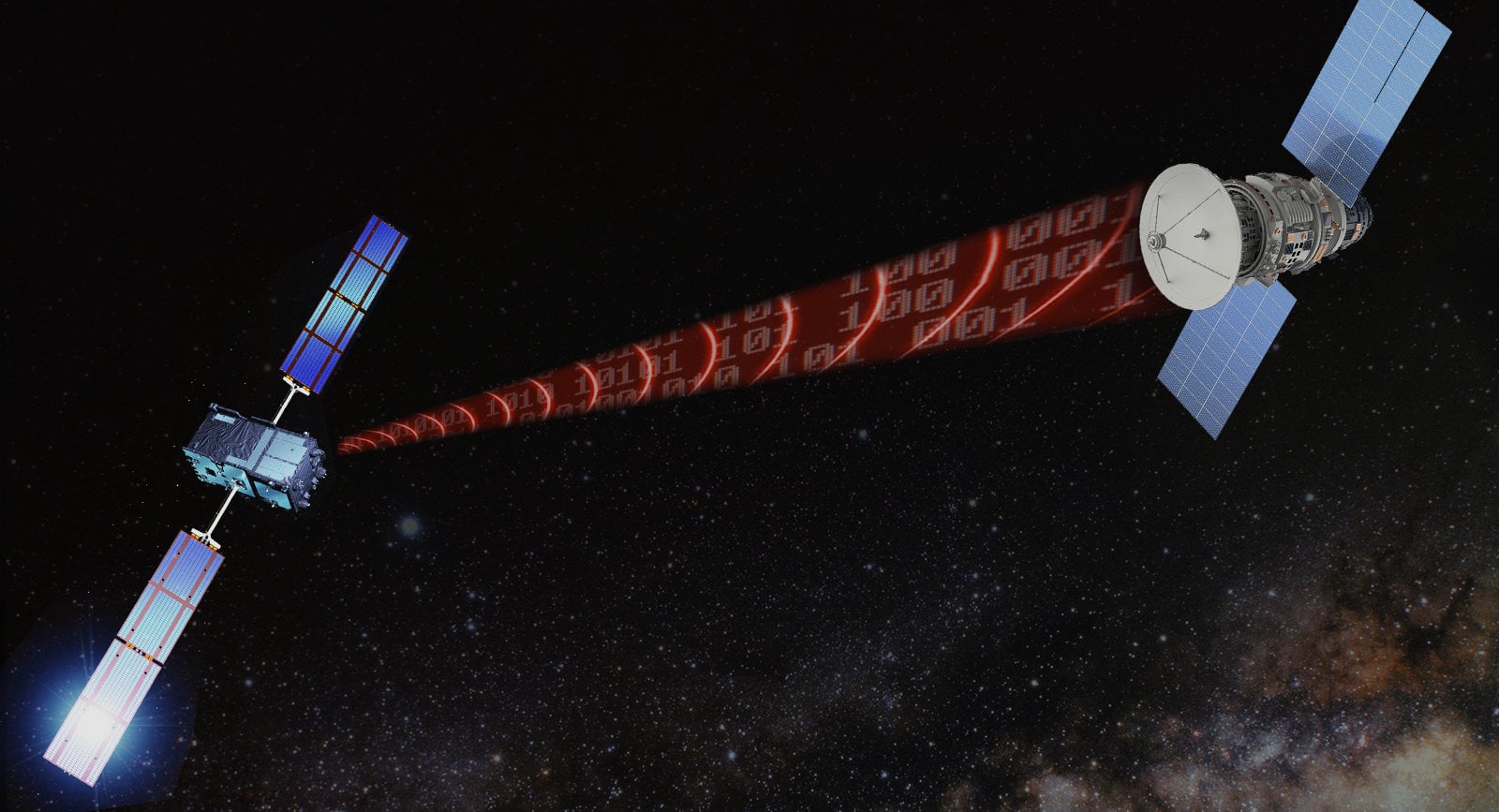
A new study by a team of Russian scientists demonstrates how gravitational waves could be encoded to send information, in the same way that radio waves are used now.
Continue reading
Continue reading
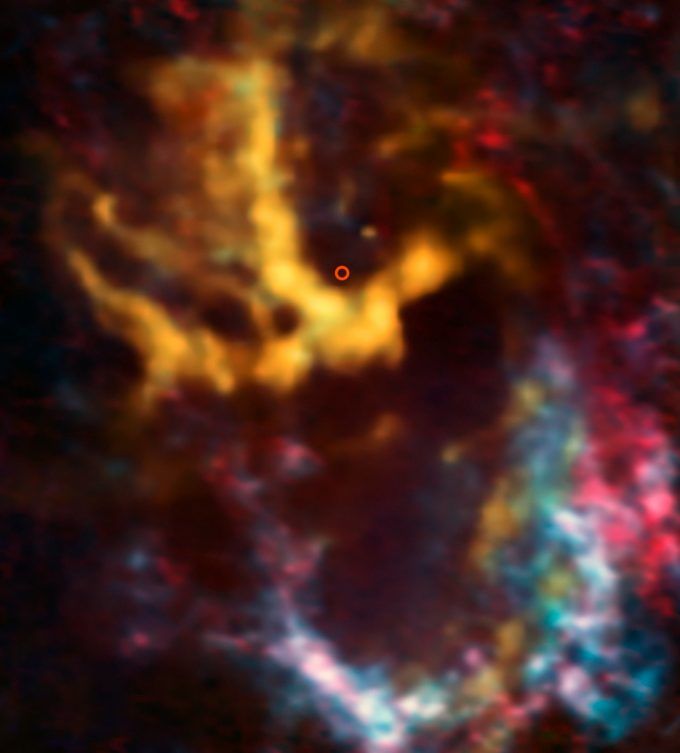
A team using ALMA has observed gas and dust cloudlets near the super massive black hole at the center of the Milky Way.
Continue reading
Continue reading
Continue reading
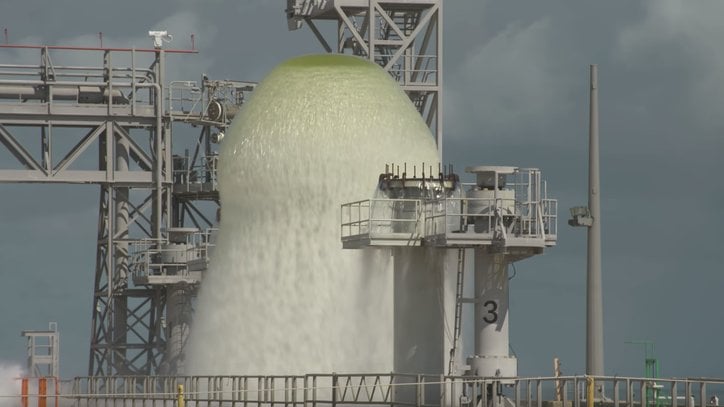
To keep the extremely powerful Space Launch System safe during launch, NASA has developed the IOP/SS (Ignition Overpressure Protection and Sound Suppression water deluge system. It releases almost half a million gallons of water during launch.
Continue reading
Continue reading
Continue reading
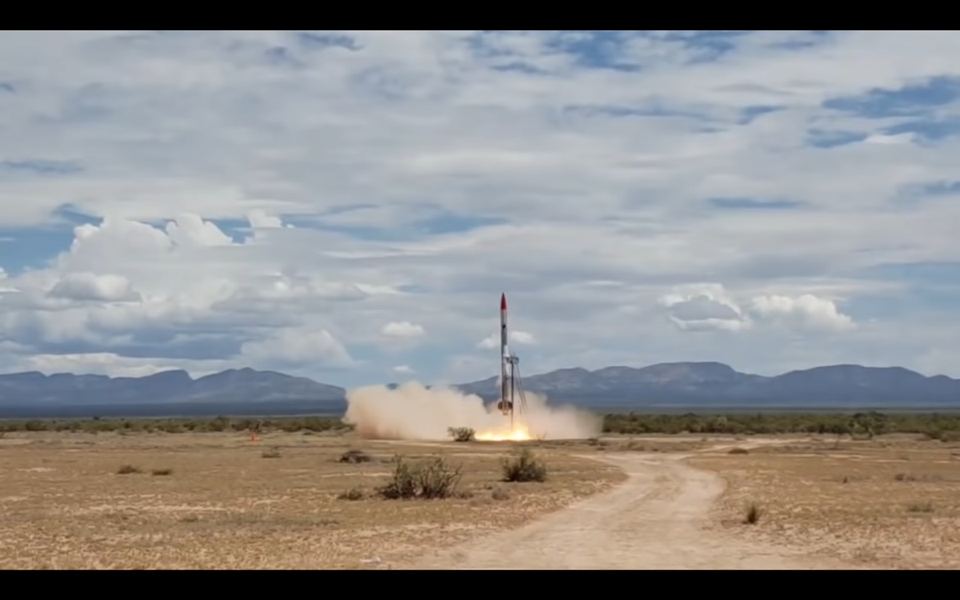
The commercial launch provider Exos aerospace successfully completed its launch test, pushing the company closer to providing greater access to space
Continue reading
Continue reading
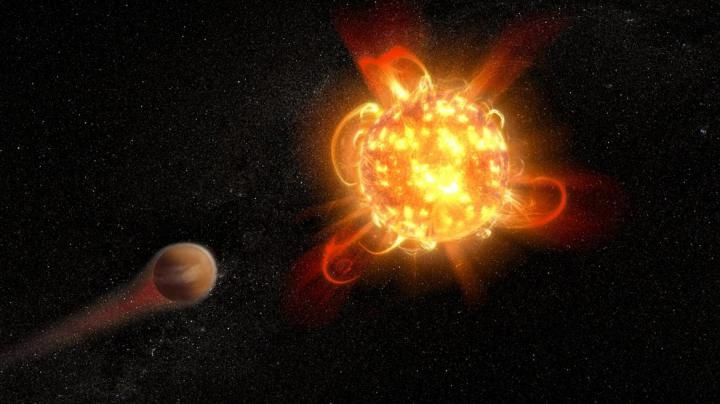
Astronomers observed a red dwarf superflare much more powerful than anything our Sun can produce. Bad news for any habitable-zone planets orbiting it.
Continue reading
Continue reading
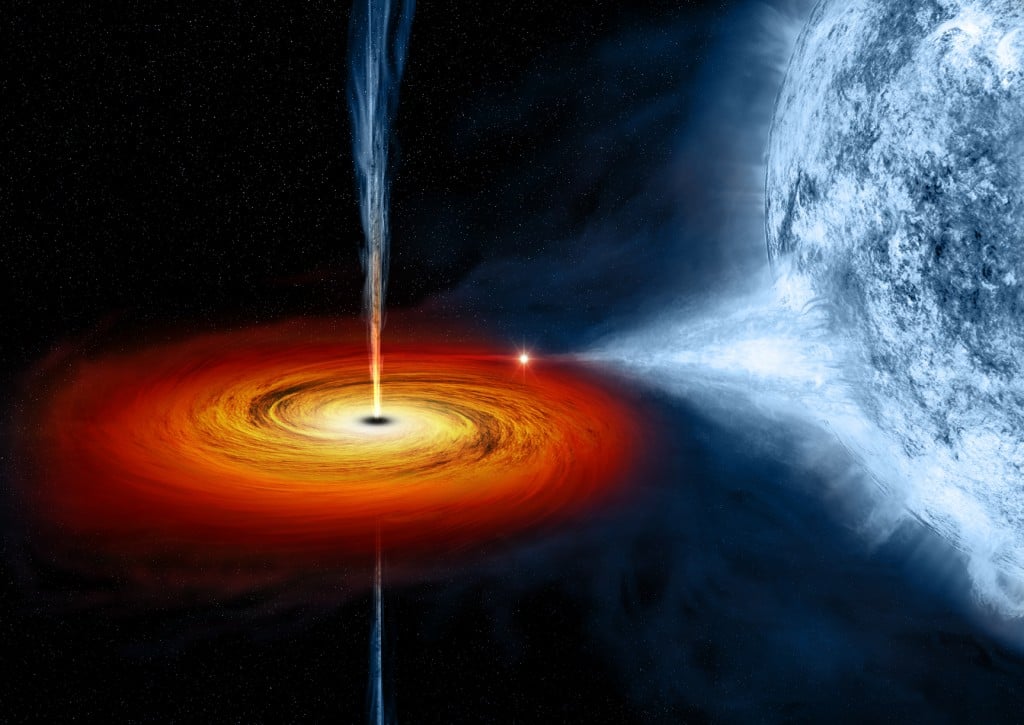
An international team of scientists recently witnessed the birth of a binary neutron star system, which was indicated by a rather faint and short-lived supernova.
Continue reading
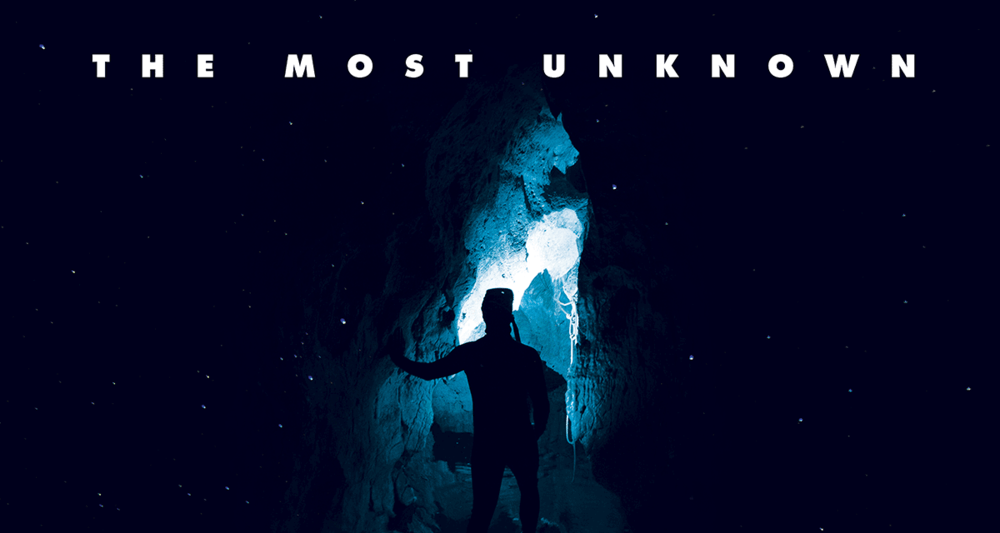
We recently came across a fascinating documentary that not only looks at some of the big questions today in multi-interdisciplinary science.
We're talking about The Most Unknown, directed by Peabody-award winning filmmaker Ian Cheney
Continue reading
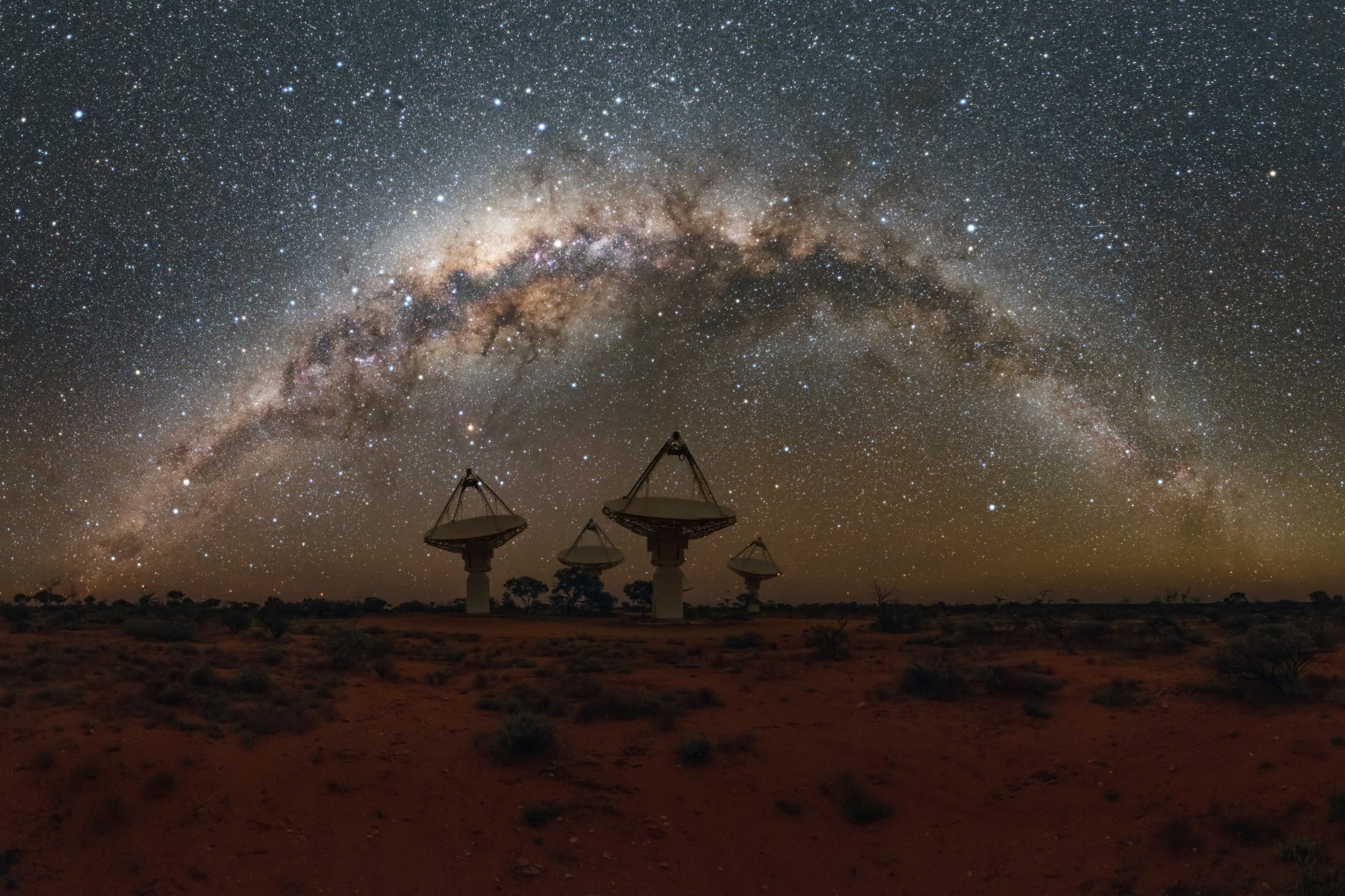
Using the Australia Square Kilometer Array Pathfinder in western Australia, a team of researchers almost doubled the number of FRBs observed in our Universe
Continue reading
Continue reading
Continue reading

The Event Horizon Telescope has completed its observations. Now scientists are crunching the data and hope to soon have the very first picture of a black hole's event horizon.
Continue reading

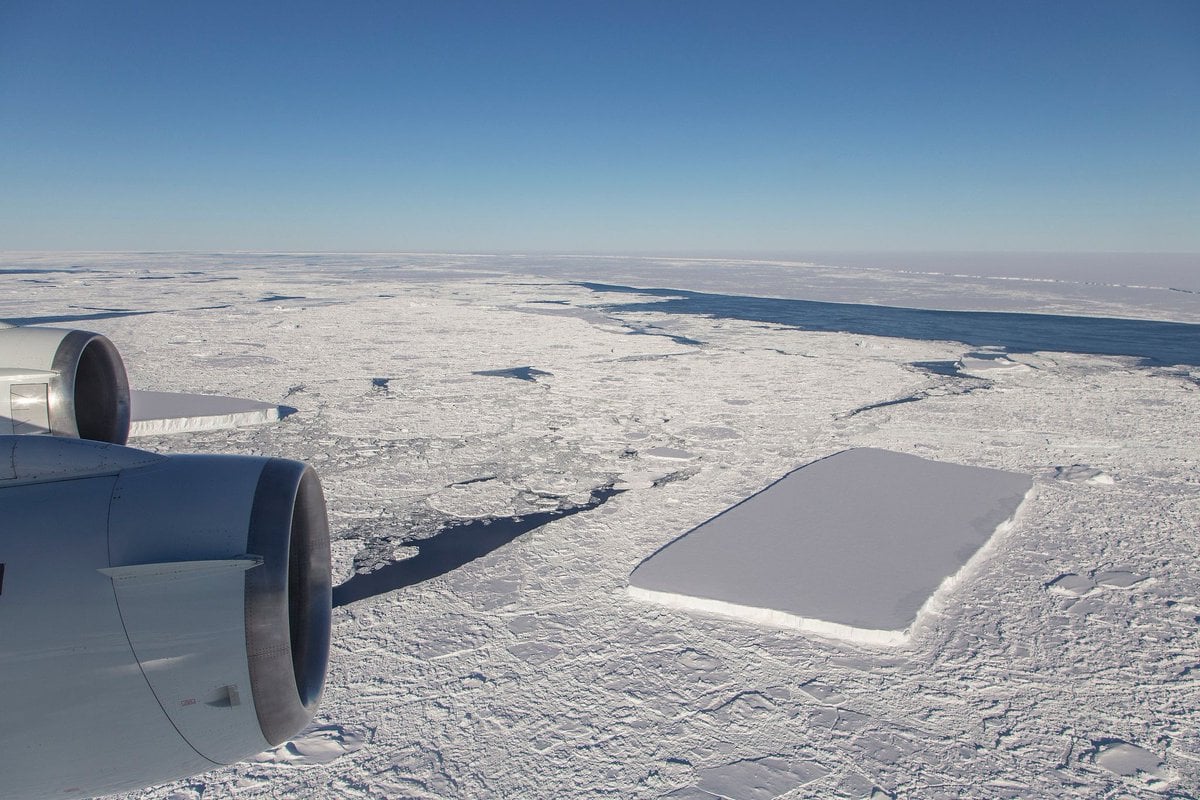
In the 60 years that NASA has been keeping track, the arctic seasonal sea ice is the thinnest and youngest it's ever been. It also covers a much smaller area.
Continue reading
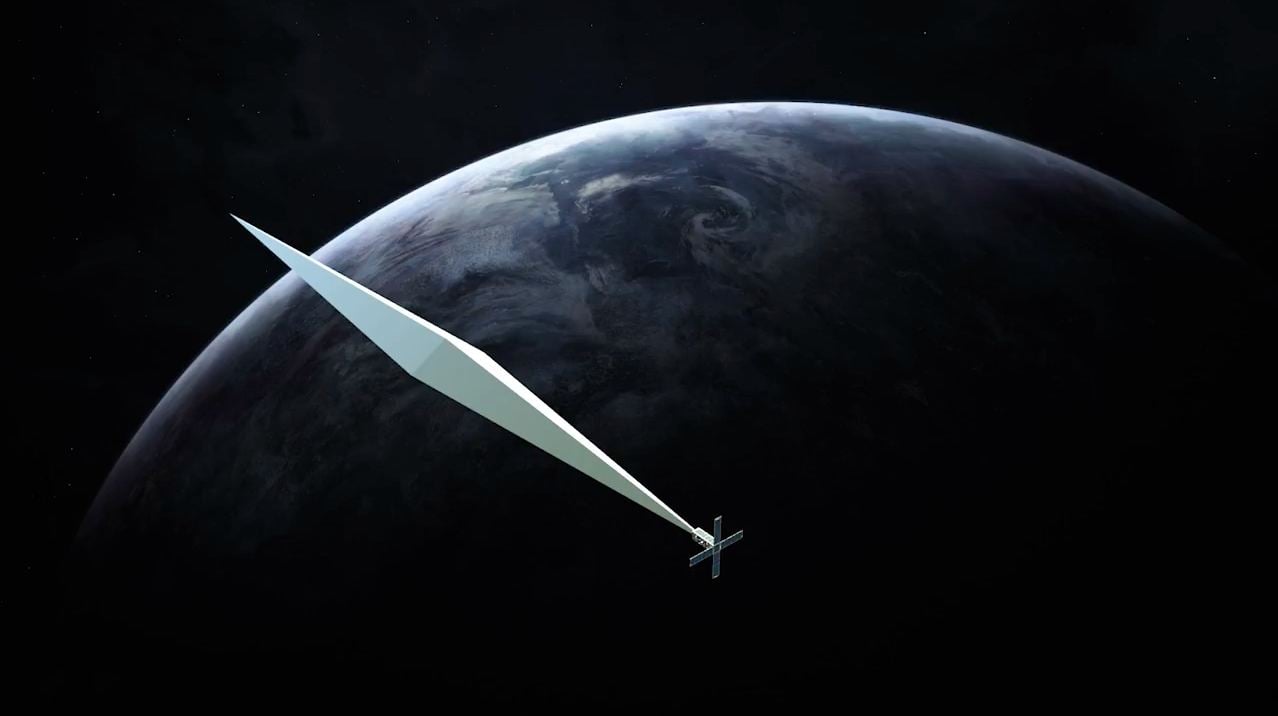
In collaboration with the Nevada Museum of Art and some private aerospace companies, artists Trevor Paglen plans to launch the world's first satellite that has a strictly artistic purpose.
Continue reading
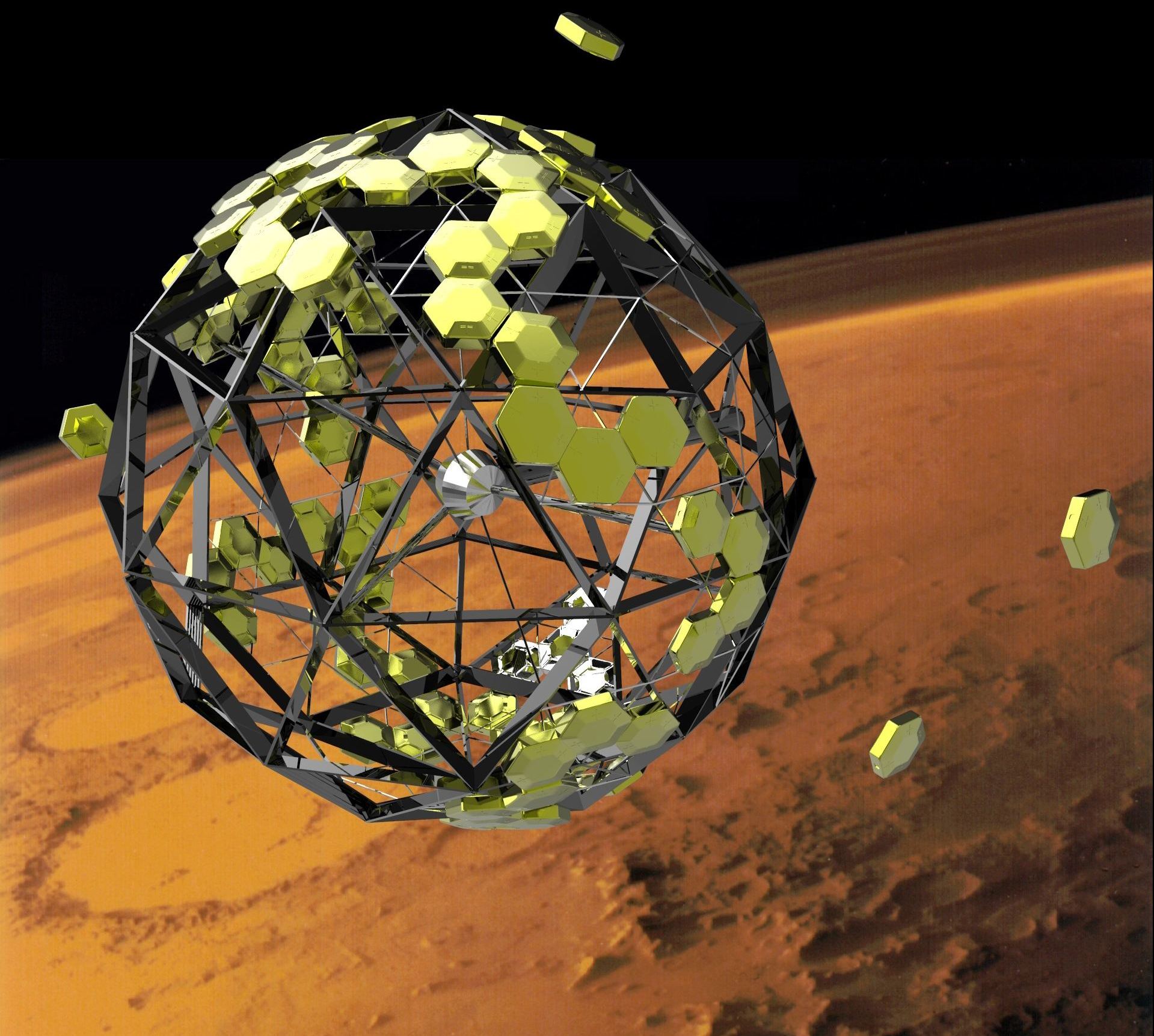
At this year's AIAA Space and Astronautics Forum and Exposition, engineer Marco Peroni presented his proposal for a modular Martian base that would provide its own radiation shielding.
Continue reading

The tiny robot lander MASCOT did a fine job on the surface of asteroid Ryugu, and its zigzag path allowed it to gather important data on this ancient piece of rock.
Continue reading
Continue reading
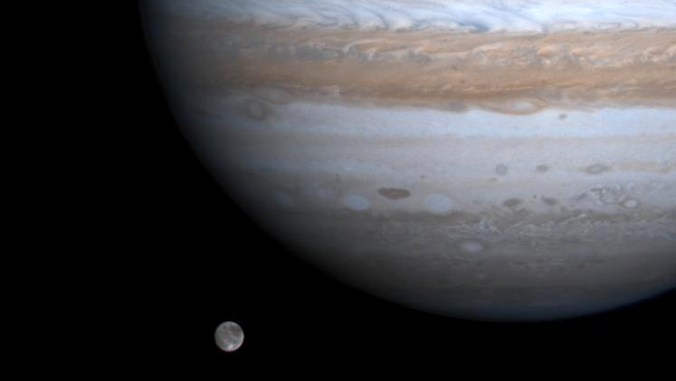
A new study shows that the surface of Ganymede was once a very tectonically active place, with evidence of slip-faulting similar to the San Andreas Fault.
Continue reading
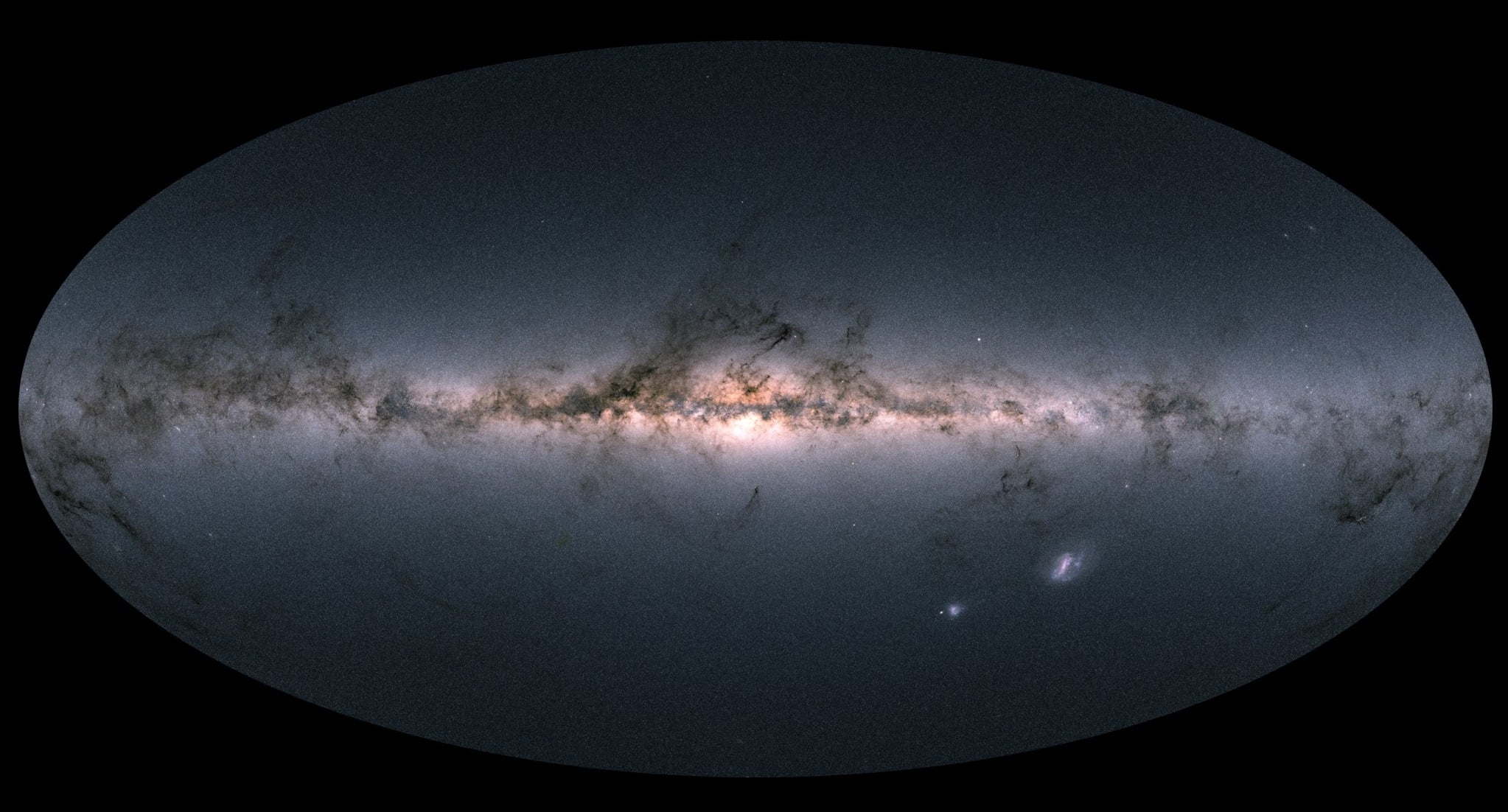
A new study from the Harvard-Smithsonian Center for Astrophysics addresses the possibility of panspermia on a galactic (and intergalactic) scale
Continue reading

According to a new study by an international team of scientists, quantum mechanics may allow for some truly-cutting edge astronomy in the near future.
Continue reading
Continue reading
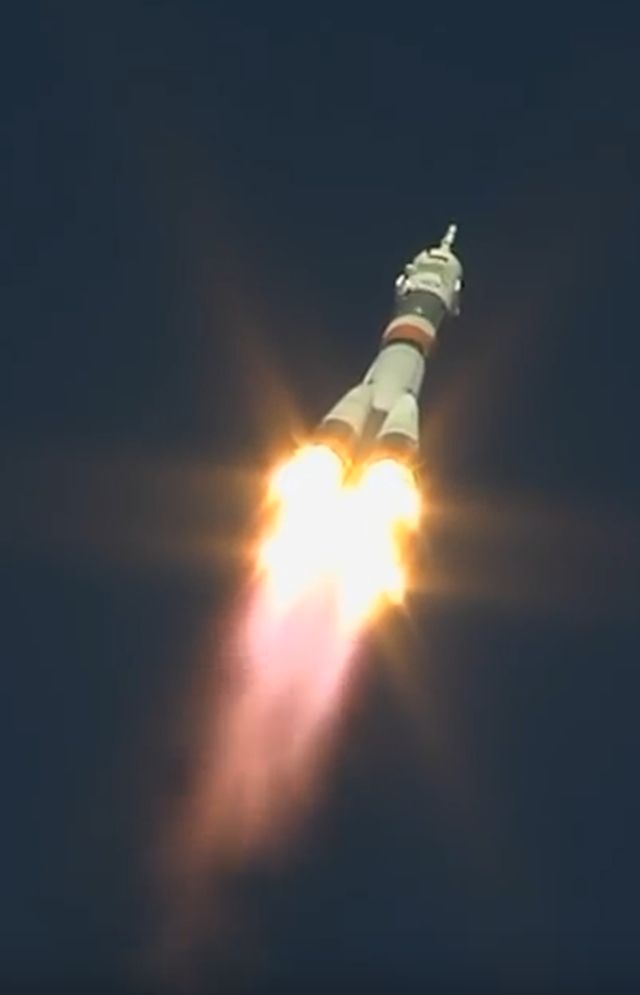
A Soyuz spacecraft carrying two crew members to the ISS has experienced a booster failure. The craft executed an emergency landing and both crew are safe.
Continue reading
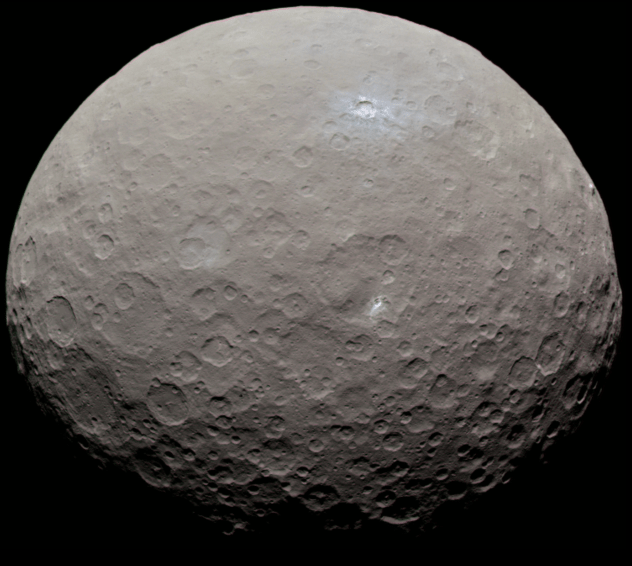
According to a new study from the Planetary Science Institute, Ceres poles reoriented sometime in the past, which bolsters the case for it having an interior ocean.
Continue reading
Continue reading
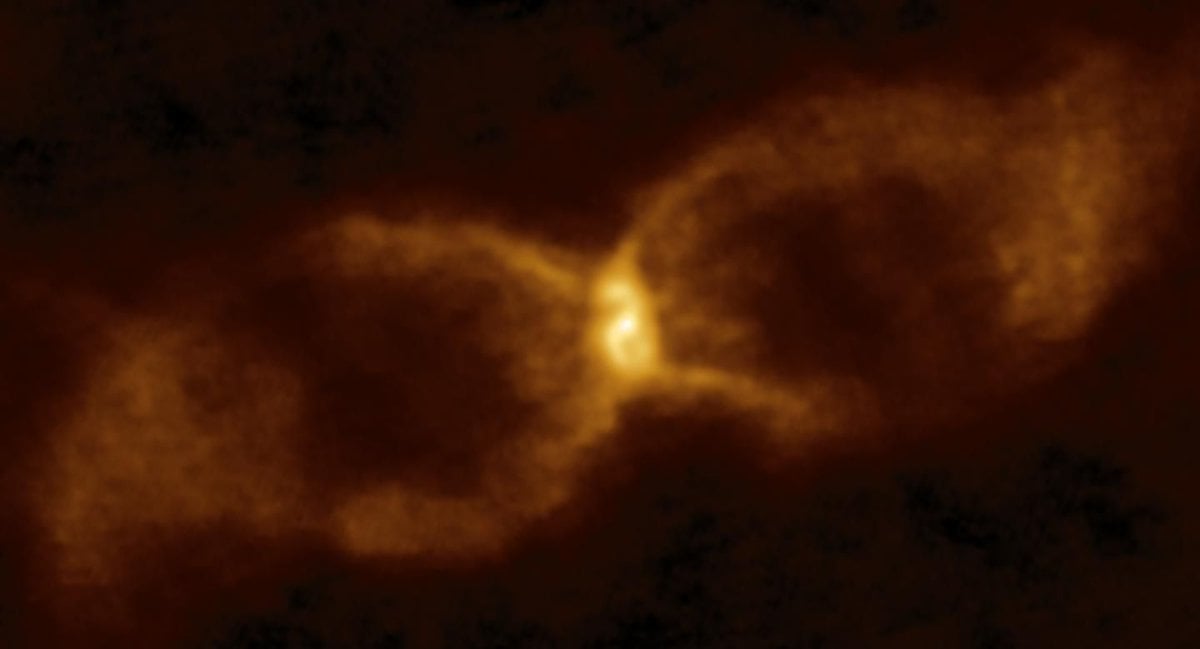
A collision between a white dwarf and a brown dwarf created the object we call CK Vulpeculae. It was first observed 348 years ago by French Monk Astronomer Per Dom Anthelme.
Continue reading
Continue reading
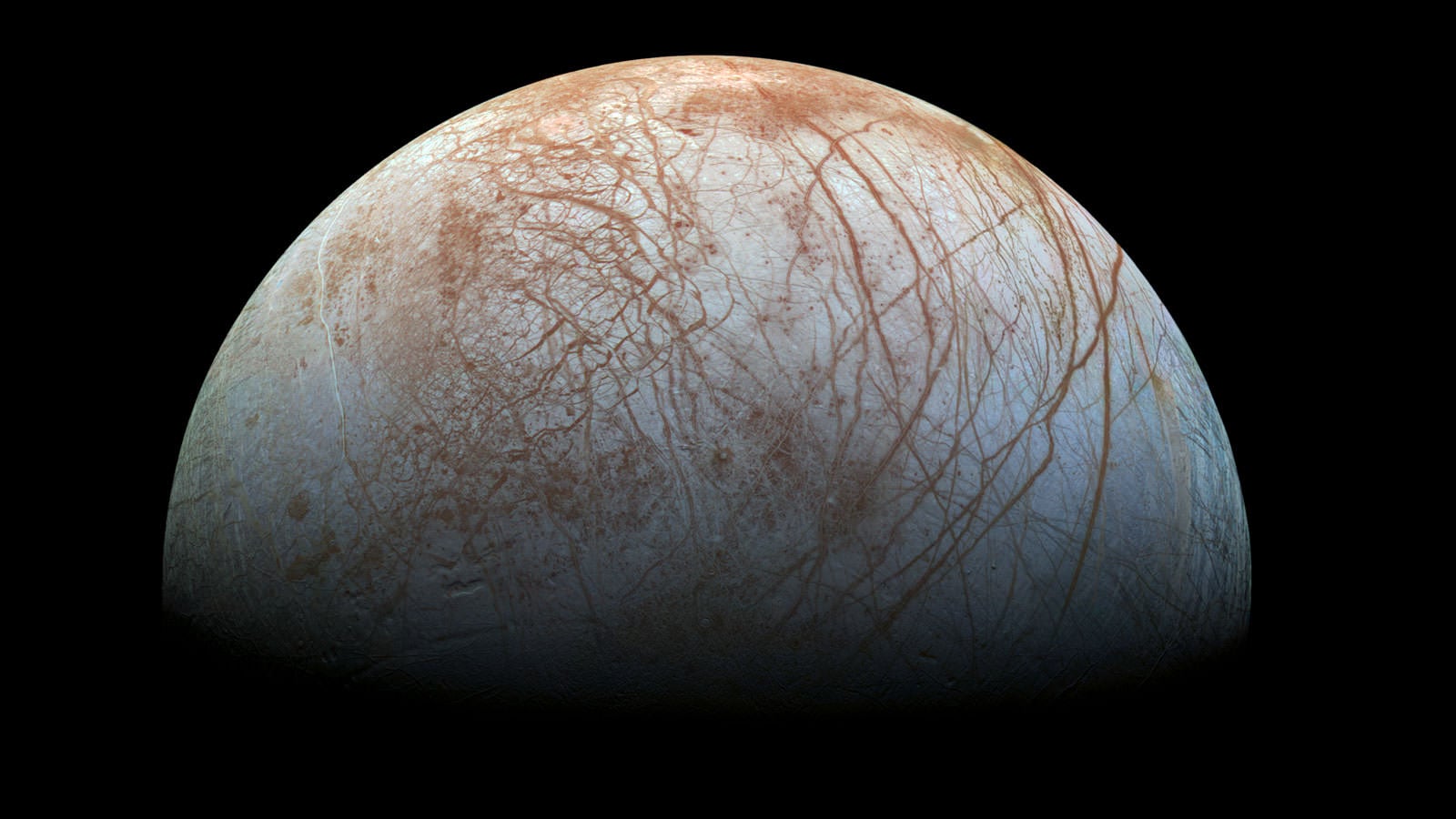
According to a new NASA-backed study, Europa's surface may be covered in towering icy spikes, which could make a landed mission there difficult.
Continue reading
Continue reading
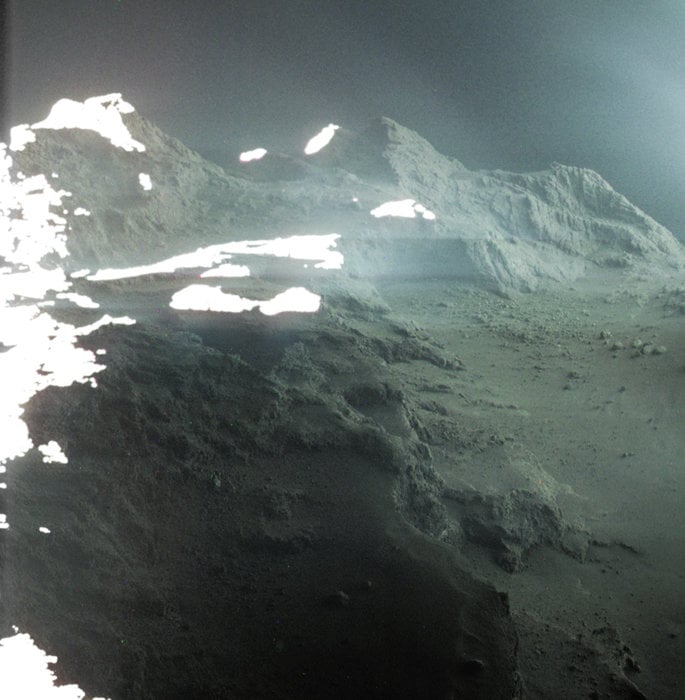
Thanks to an amateur astronomer, the latest image to come from the Rosetta mission provides of glimpse of the surface of Comet 67P and reminds us of the mission's accomplishments.
Continue reading
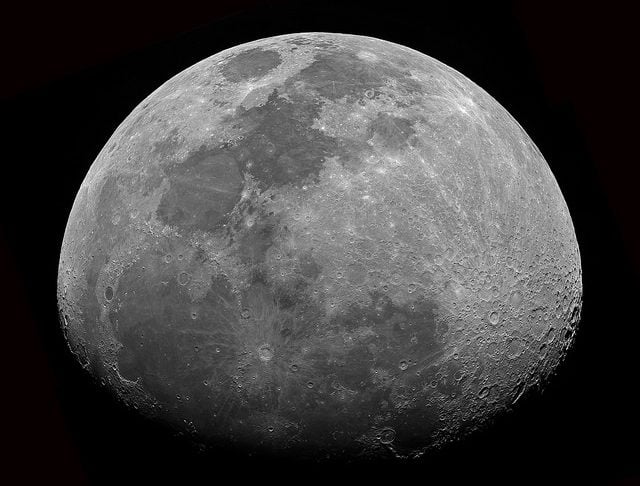
Microsoft has teamed up with researchers to create a time capsule using synthetic DNA, which will be sent to the Moon in 2020.
Continue reading
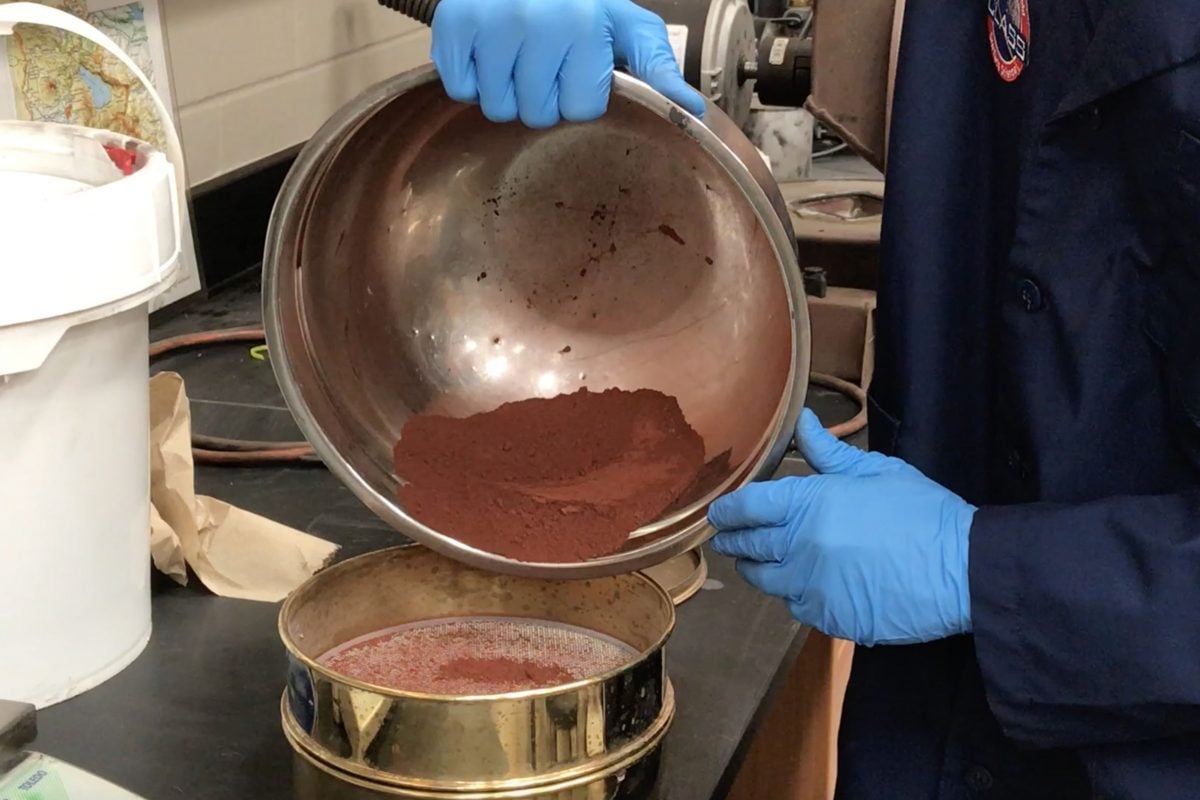
Researchers from UCF have developed a standarized, scientific way to create Martian soil simulant, which could accelerate efforts to colonize the Red Planet!
Continue reading
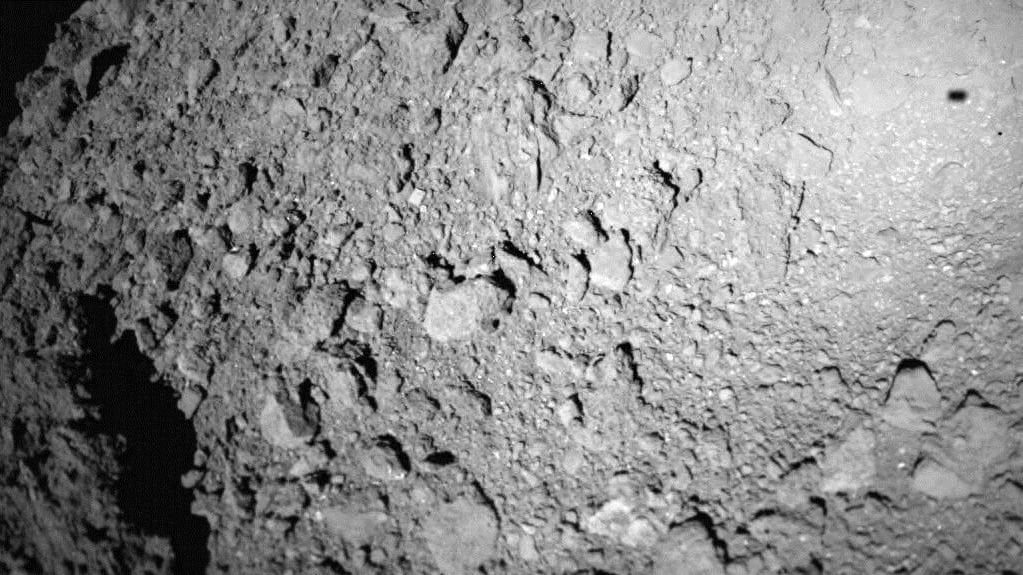
The tiny hopping robot explorer called method has completed its 16 hour mission to asteroid Ryugu.
Continue reading
Continue reading
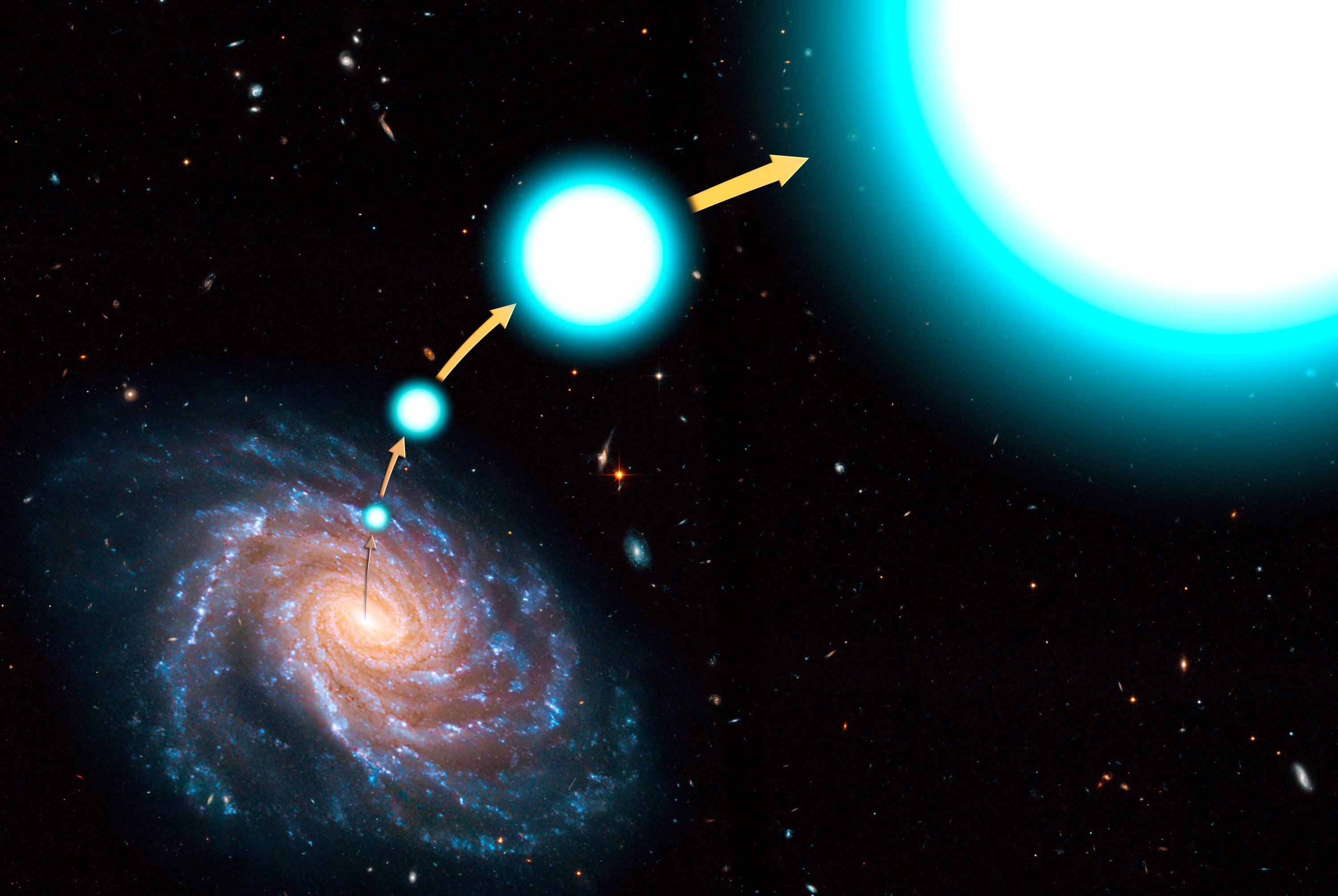
Based on Gaia's second data release, a team of astronomers from the Leiden Observatory have observed hyper-velocity stars that appear to be moving into our galaxy.
Continue reading
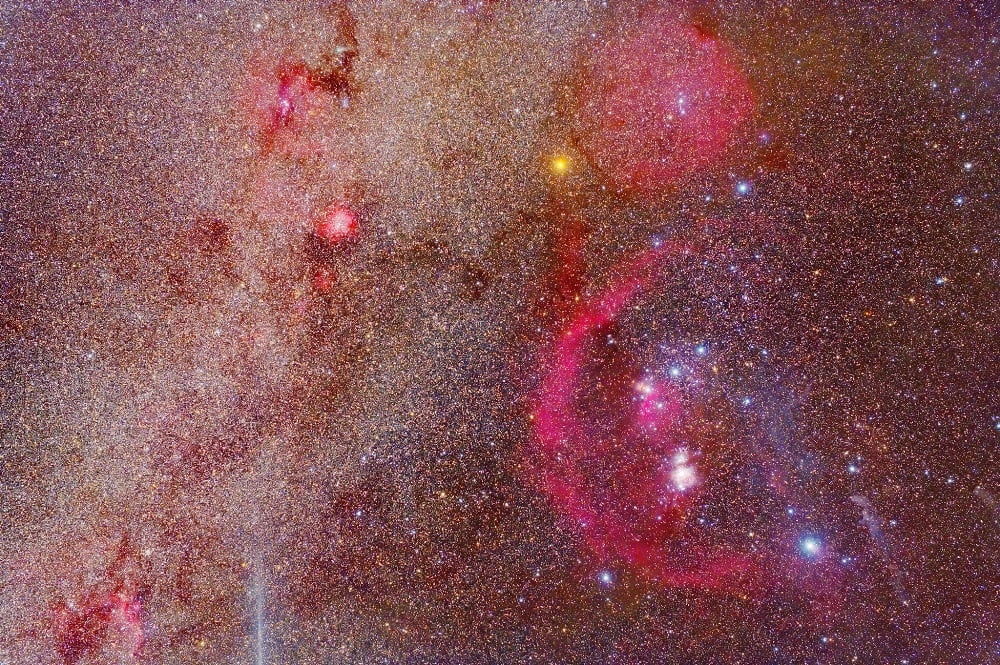
Ready for one more? While all eyes are still following Comet 21/P Giacobini-Zinner as it glides through northern hemisphere skies, we'd like to turn your attention towards another icy interloper: periodic Comet 38P Stephan-Oterma.
Continue reading
Continue reading
 Universe Today