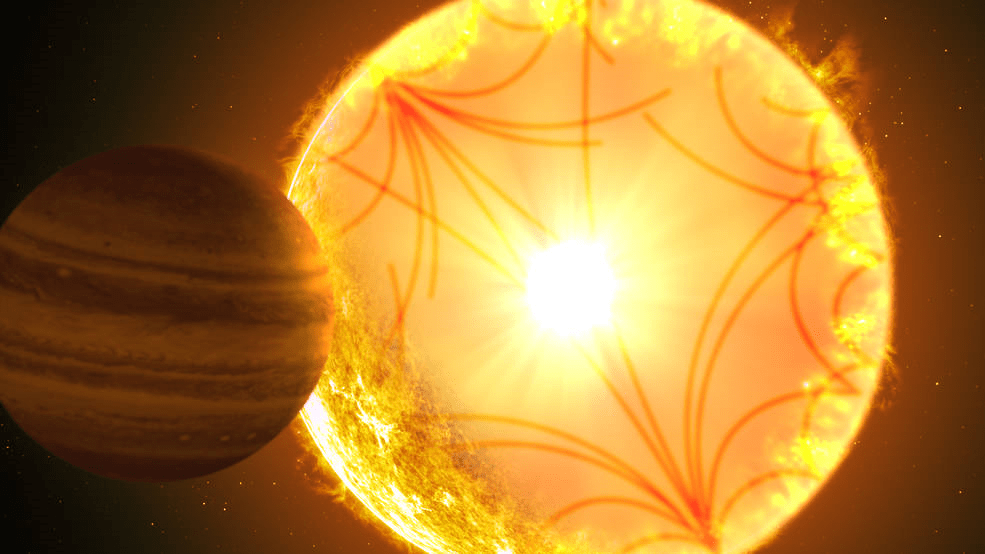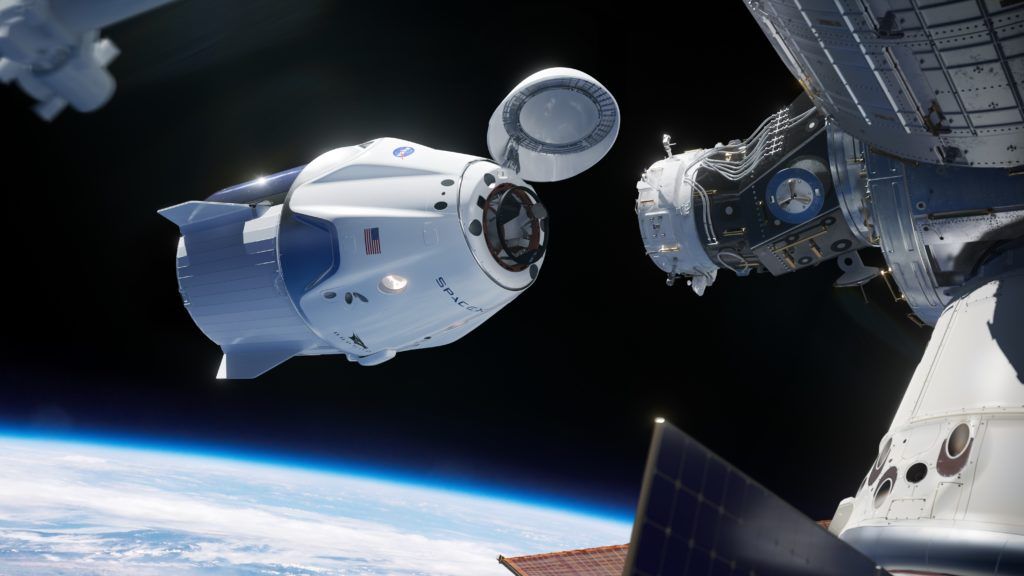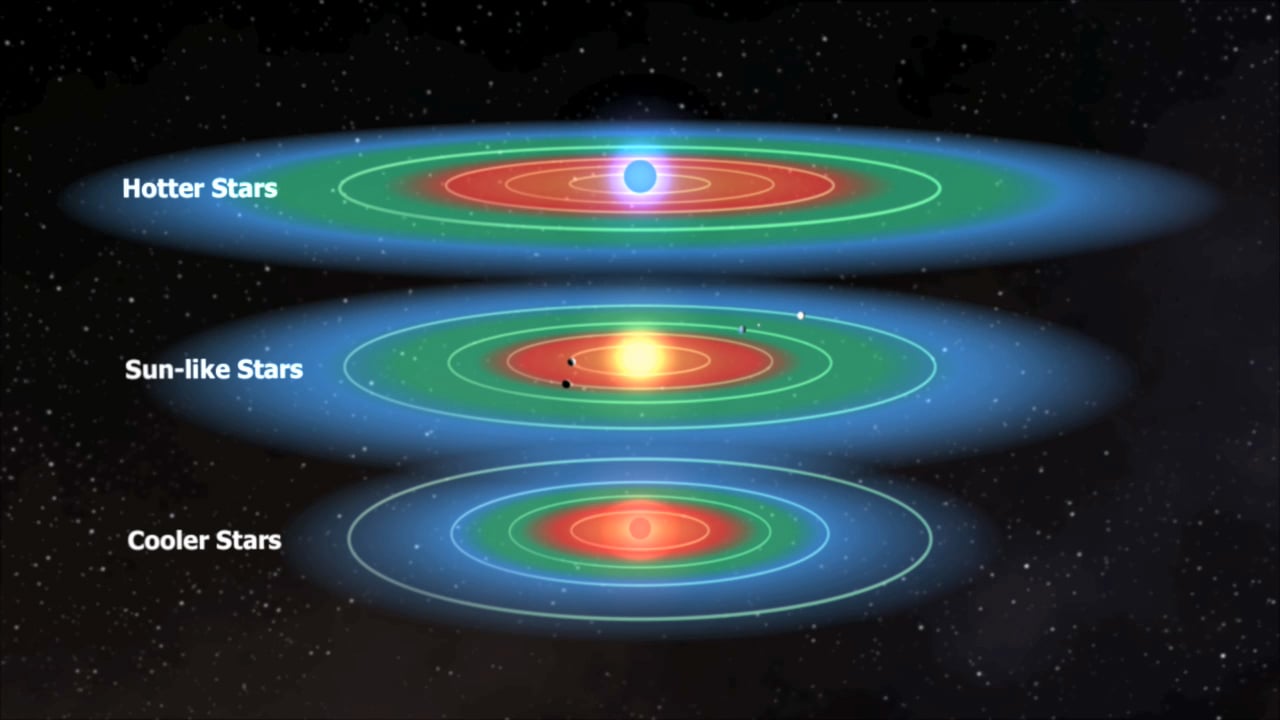
A new study conducted by an international team of scientists examines what the term "habitable zone" means and how next-generation telescopes will test our assumptions.
Continue reading
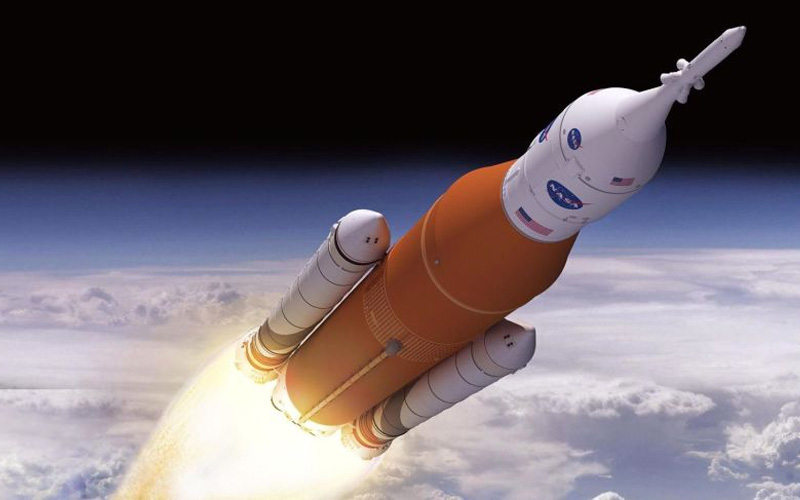
The SLS rocket found its future launch manifest severely curtailed in a new budget request. This leaves the long overdue rocket with uncertain long term prospects.
Continue reading
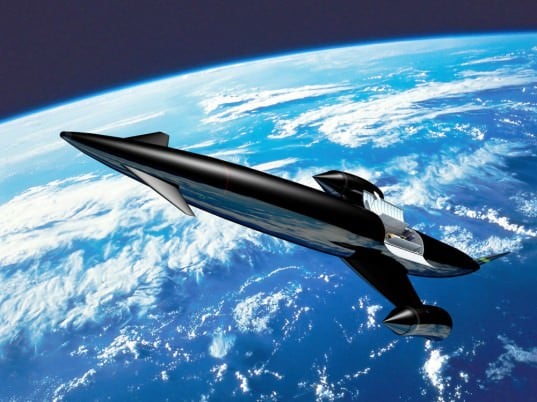
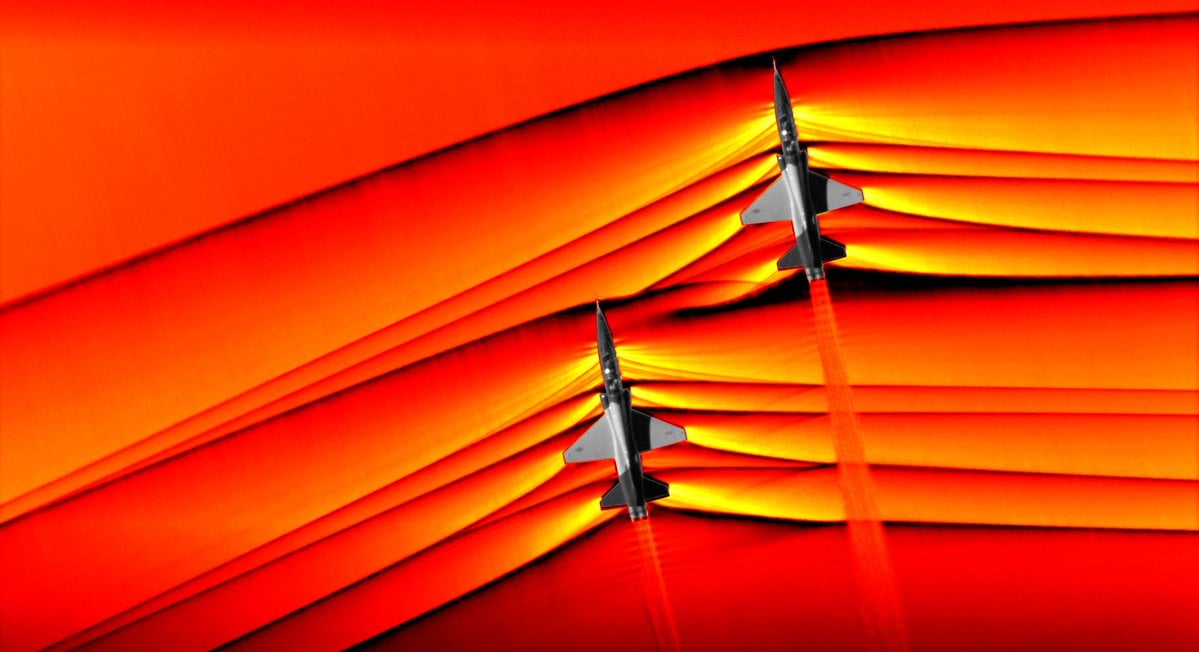
The ESA and Reaction Engines recently took another step towards the realization of the hypersonic SABRE engine.
Continue reading
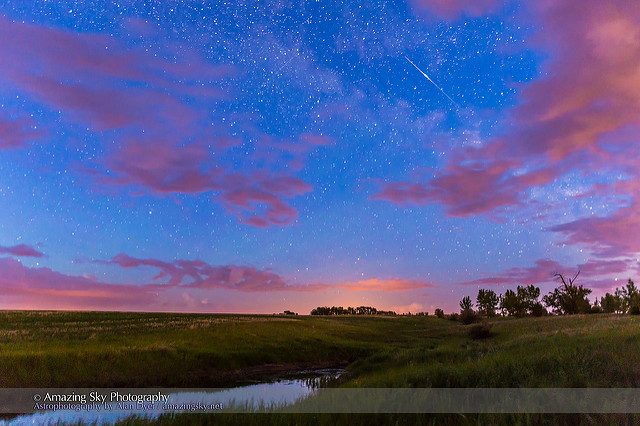
Fast-forward to 2019, and the age of the predictable Iridium flare may be coming to an end. Already, scrolling through Heavens-Above reveals very few Iridium flares for the coming months, and these familiar nighttime flashes may become a thing of the past come 2020.
Continue reading
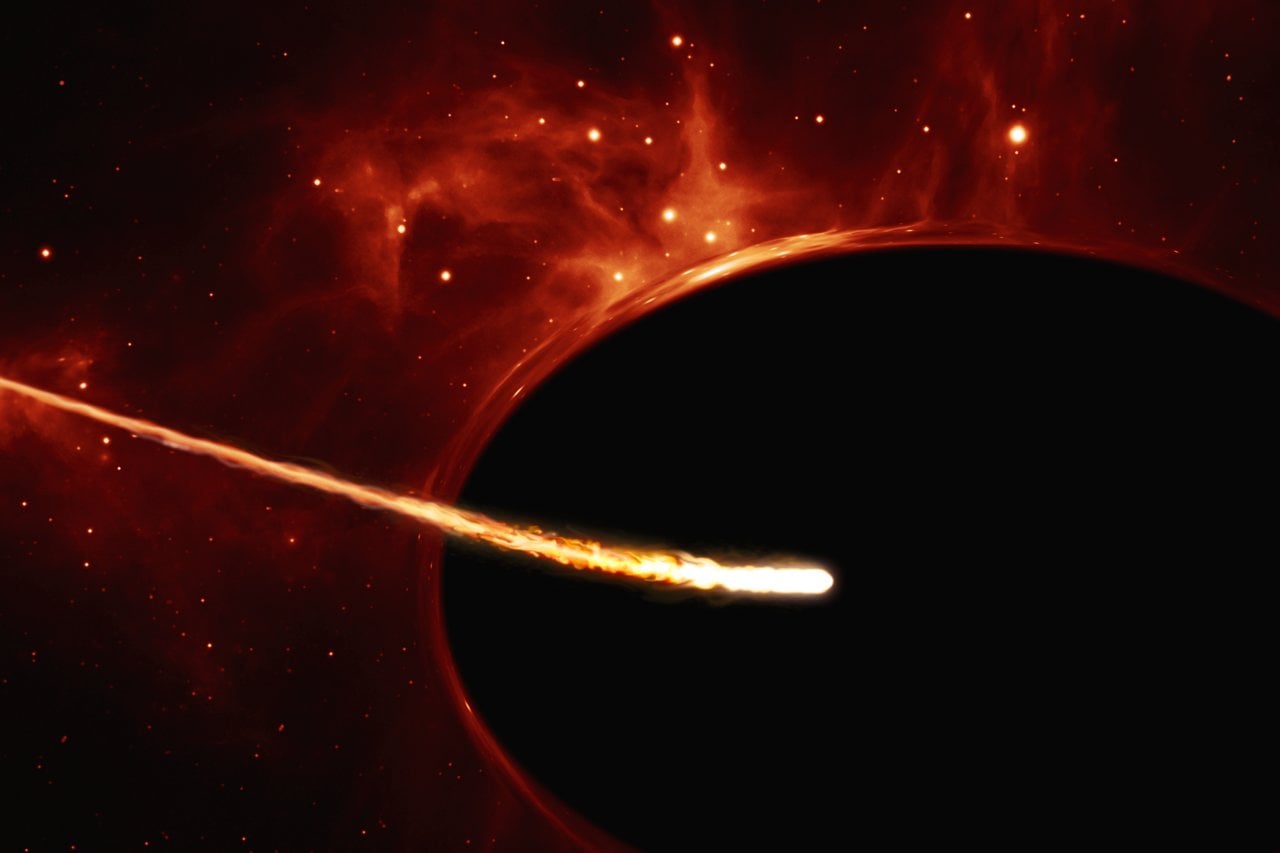
According to a new study, black holes could be used as a gravitational slingshot, allowing for interstellar space exploration.
Continue reading
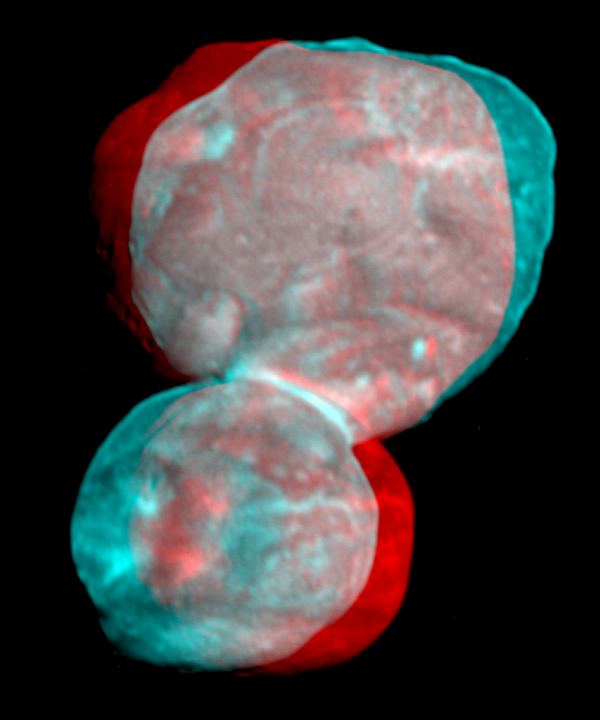
The New Horizons team has released new images that take advantage of the "binocular effect" to create 3D impressions of Ultima Thule.
Continue reading

Located in the Scorpius constellation, roughly 32,600 light years from Earth, is the globular cluster known as Messier 80.
Continue reading
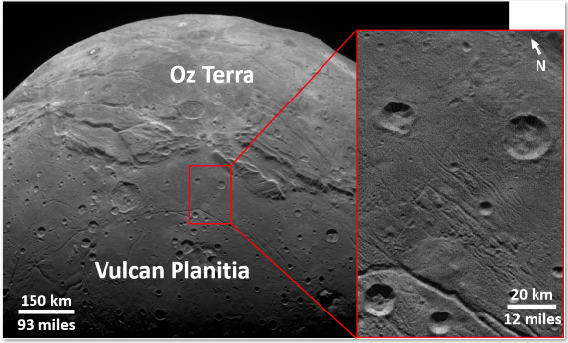
The New Horizons team just shared new findings about the lack of small craters on Pluto and Charon's surface, which reveal things about the Kuiper Belt.
Continue reading
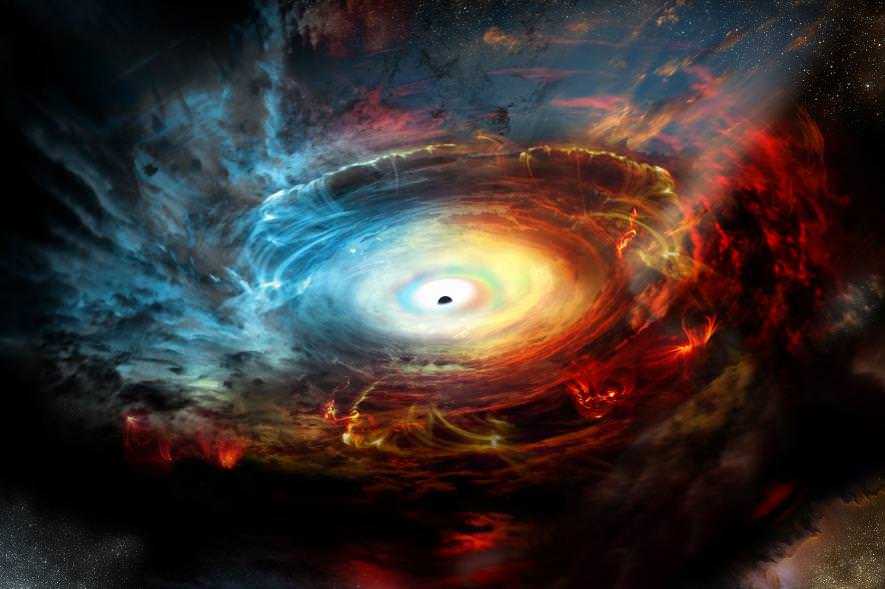
A new study has proposed ways to search for advanced alien life by looking for the gamma rays produced by a black hole spacecraft
Continue reading
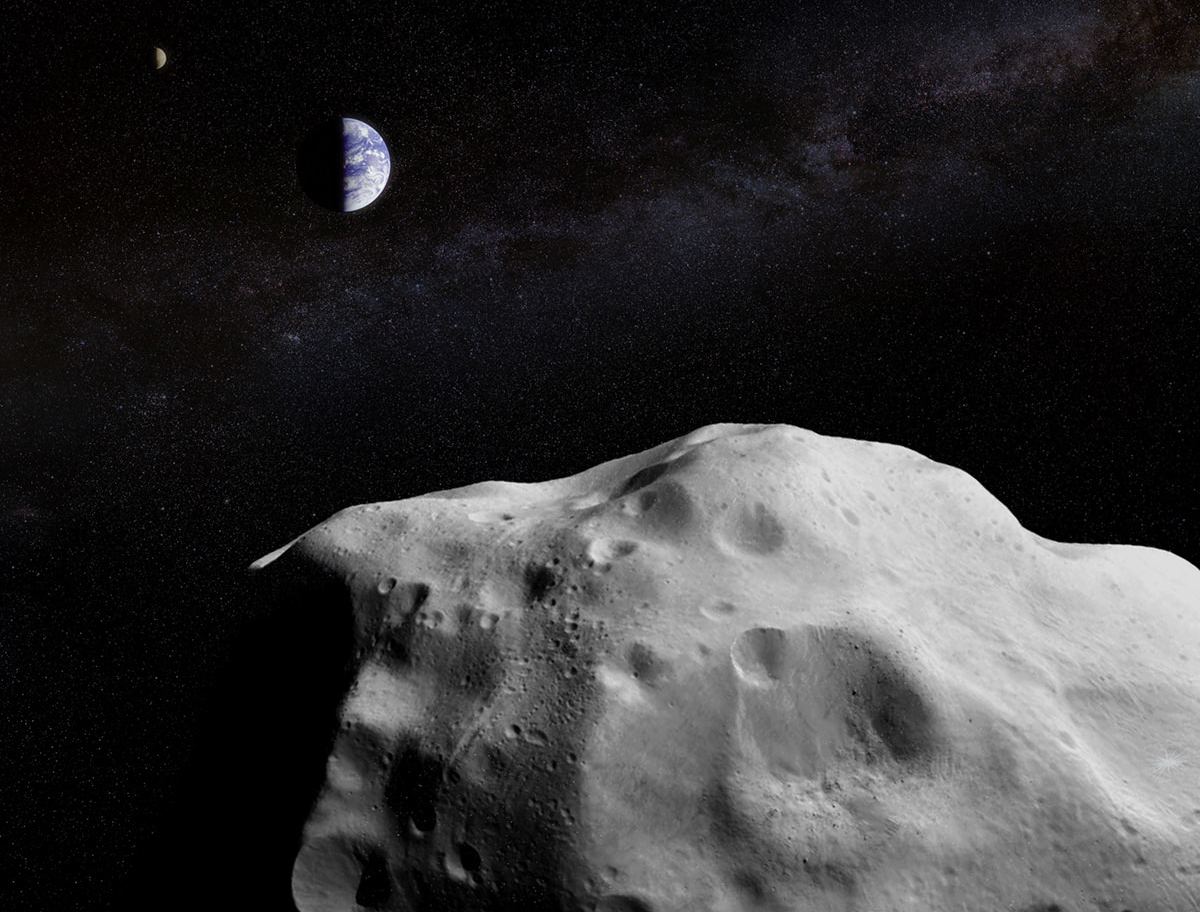
A new study from John Hopkins University has shown that blowing up asteroids might be harder than we thought.
Continue reading
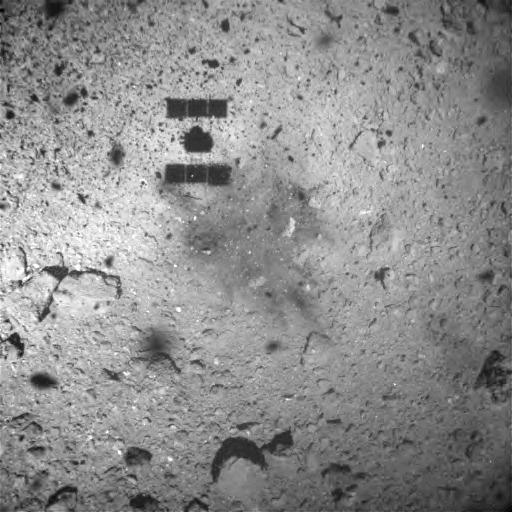
The Hayabusa2 spacecraft left its mark on asteroid Ryugu, which mission controllers noticed after the spacecraft touched down on the surface and left a dark patch behind.
Continue reading
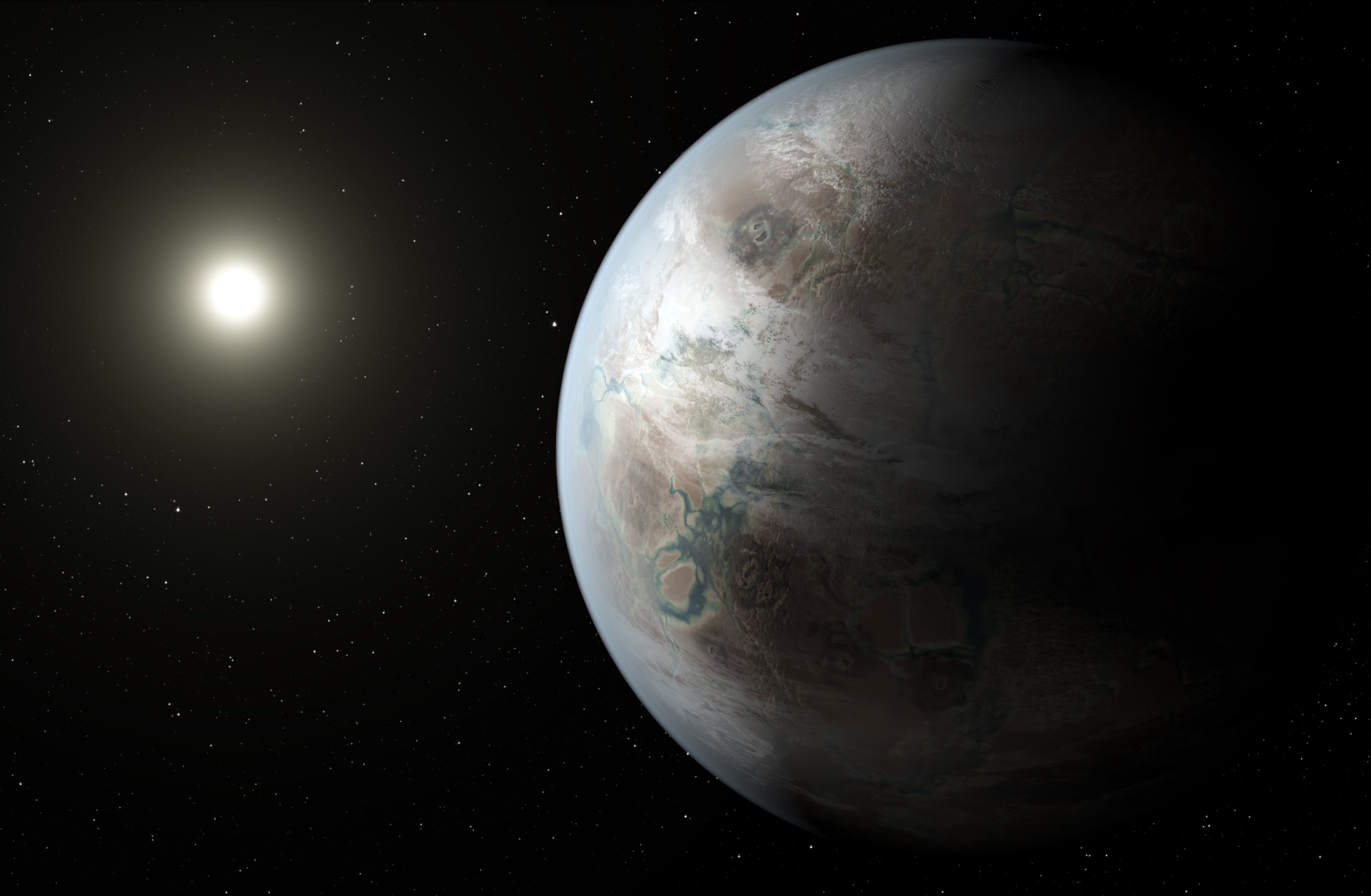
A new study has placed new constraints on the emergence of complex life, which effectively narrows what what we would consider to be a star's "habitable zone"
Continue reading
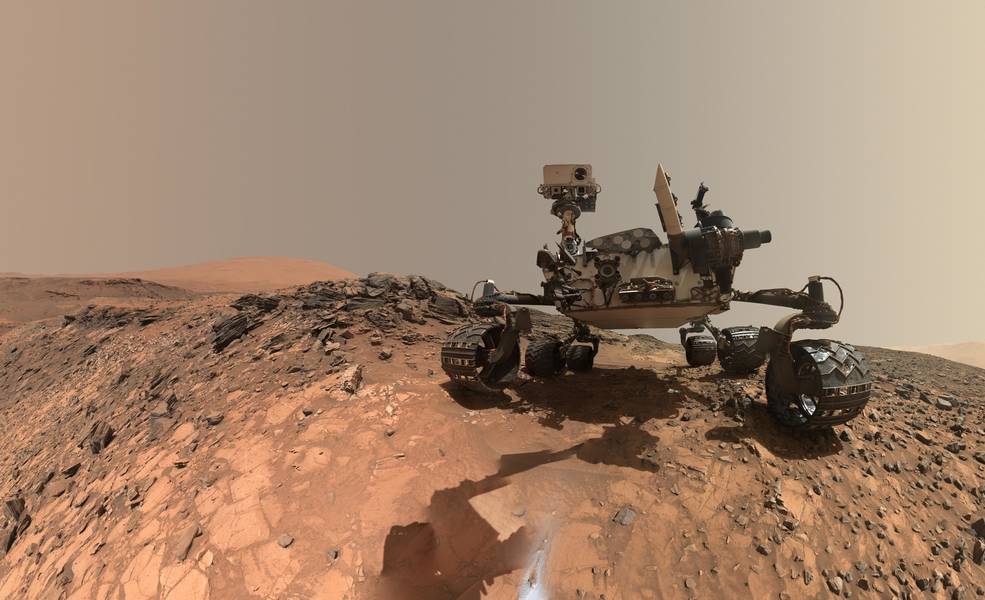
A few weeks after Curiosity suffered a glitch that put it in safe mode, the rover is once again operating normally.
Continue reading
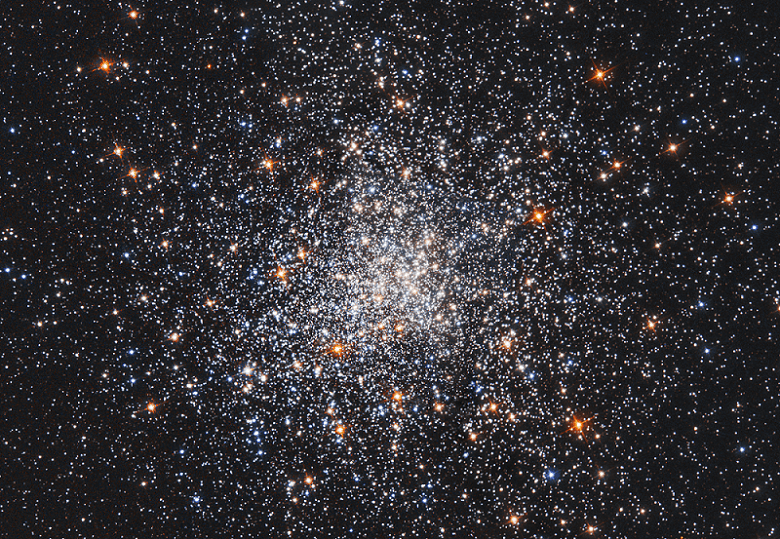
Located 42,000 light-years from Earth is the globular cluster known as Messier 79, which may have originated outside of our galaxy.
Continue reading
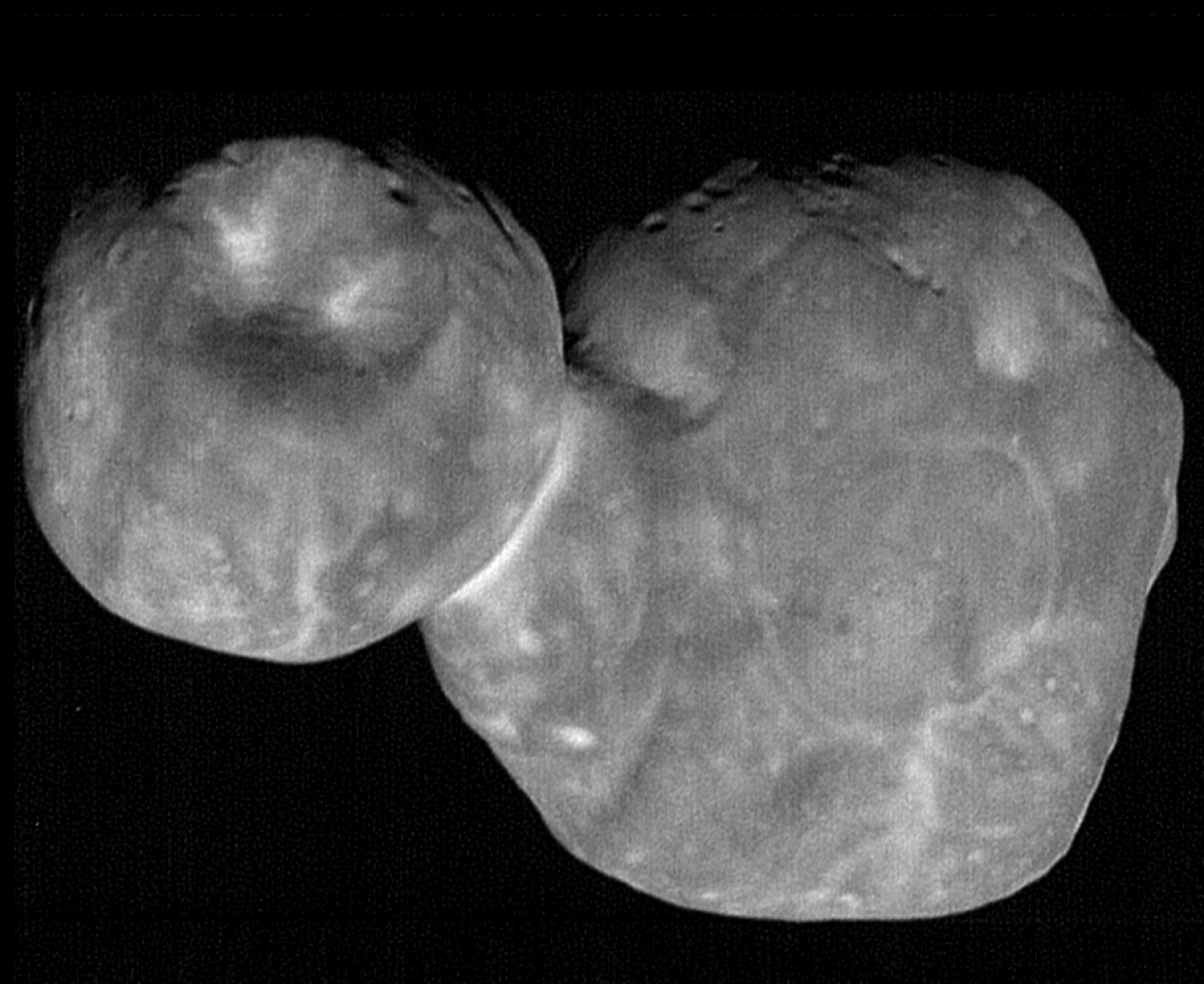
The latest images taken by New Horizons of Ultima Thule are the most detailed to date, and are providing new clues about the objects origin and evolution.
Continue reading
 Universe Today