
Continue reading
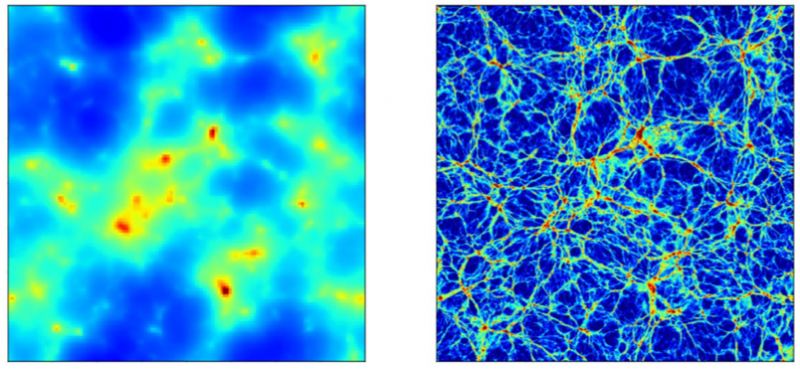
Neutrinos are a form of dark matter, and they play a role in the evolution of the universe.
Continue reading
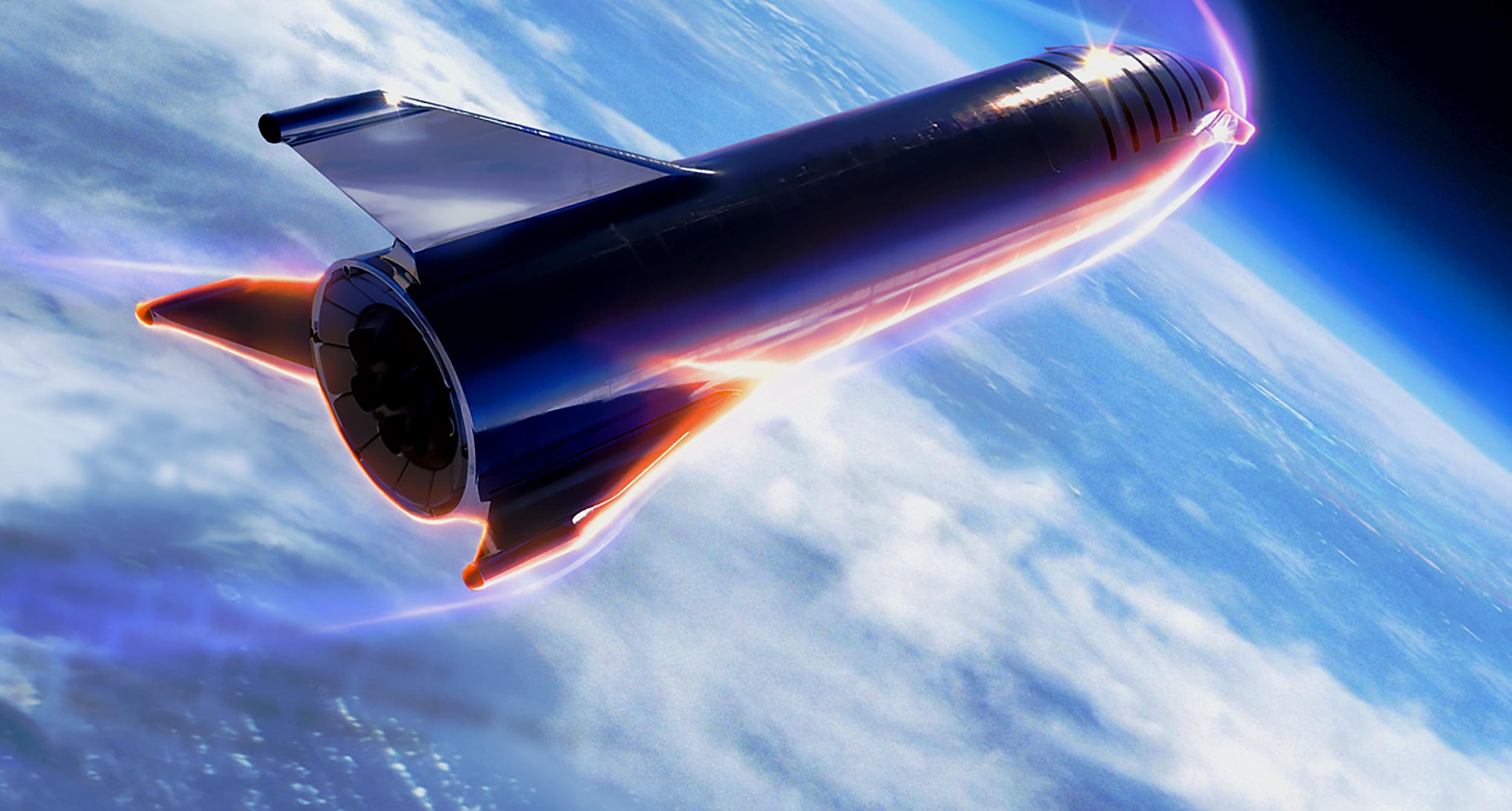
According to recent statements and preparations at Boca Chica, SpaceX could be attempting a high-altitude flight test with the Starship as early as tomorrow!
Continue reading
Continue reading
Continue reading
Continue reading
Continue reading
Continue reading
Continue reading
Continue reading
Continue reading
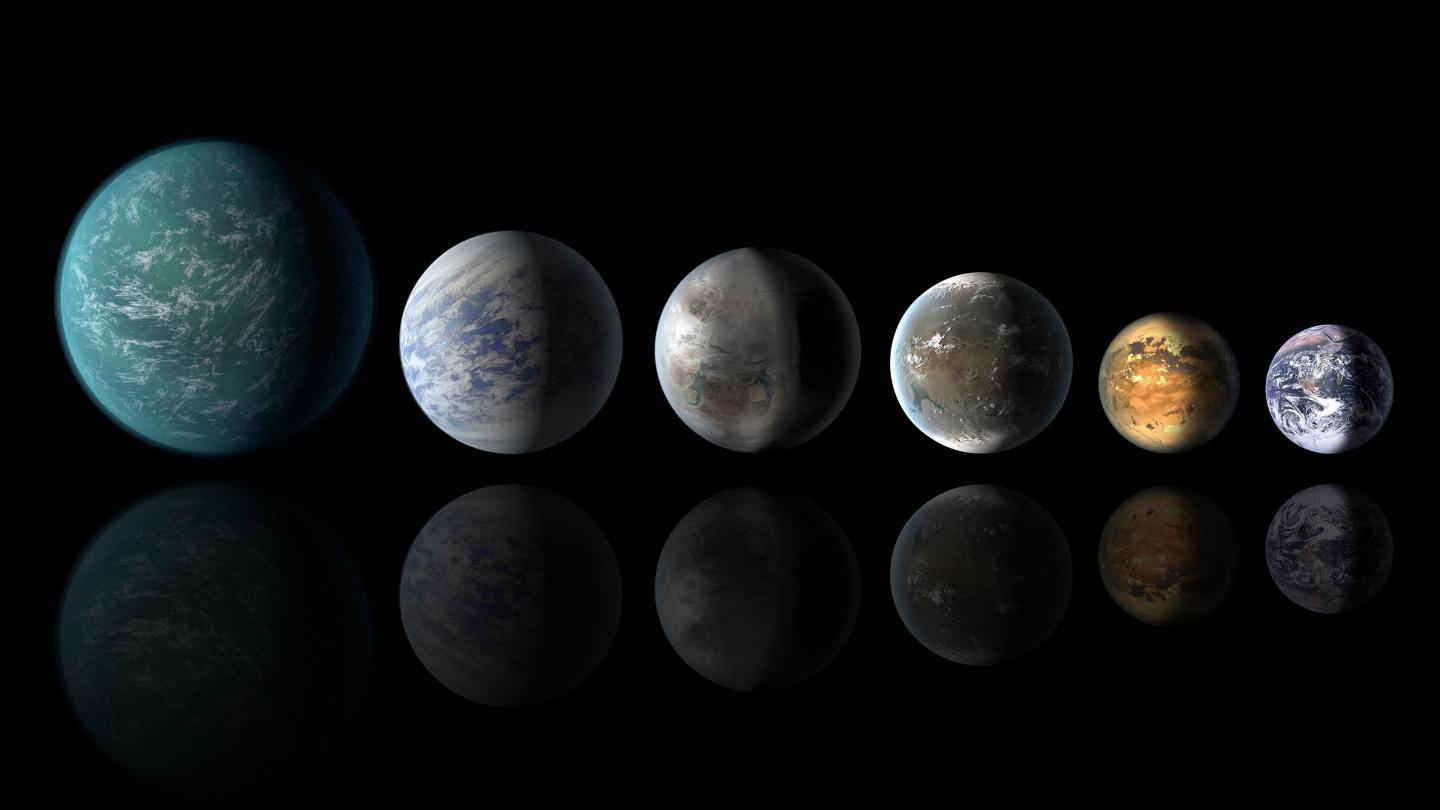
Is it possible that the reason we haven't heard from any aliens is because there's too much water out there?
Continue reading
Continue reading
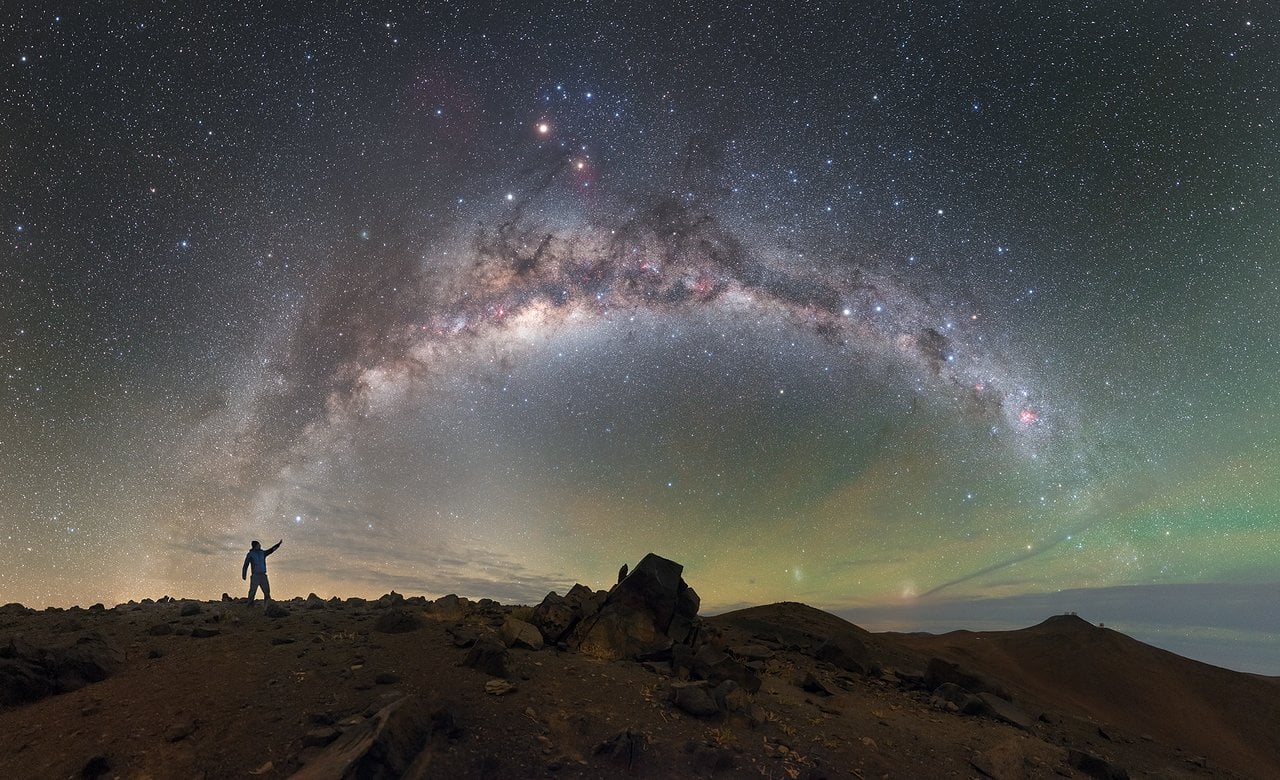
Ultra-precise measurements of stars in our galaxy put us closer to galactic center than we thought.
Continue reading
Continue reading

Distant light from the big bang is twisted as it travels to us. This could mean dark matter is more exotic than we thought.
Continue reading

Continue reading
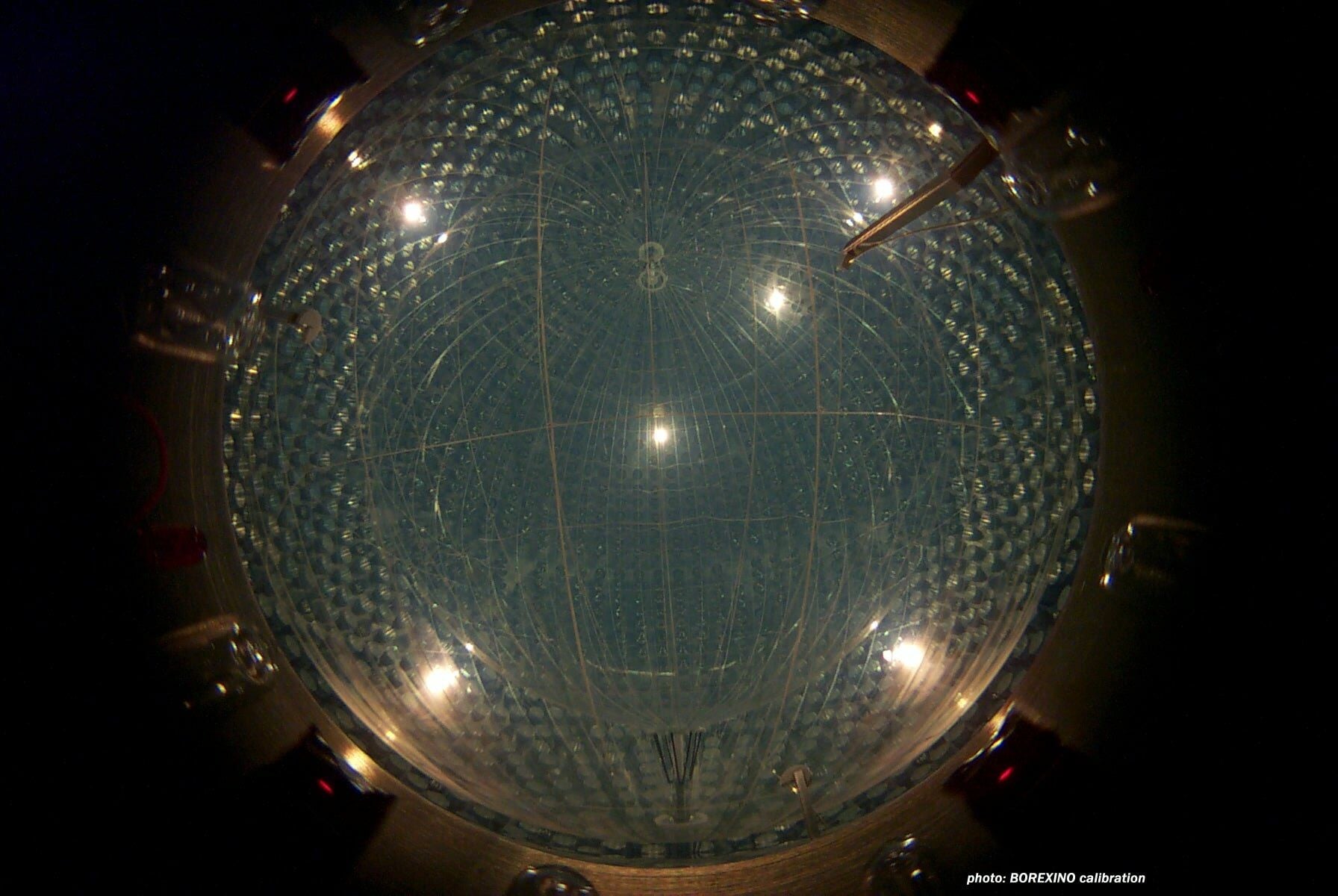
Astronomers have detected a fusion cycle in our Sun that powers massive stars and creates the elements central to life in the cosmos.
Continue reading
Continue reading
Continue reading

Continue reading
Continue reading
Continue reading

Continue reading
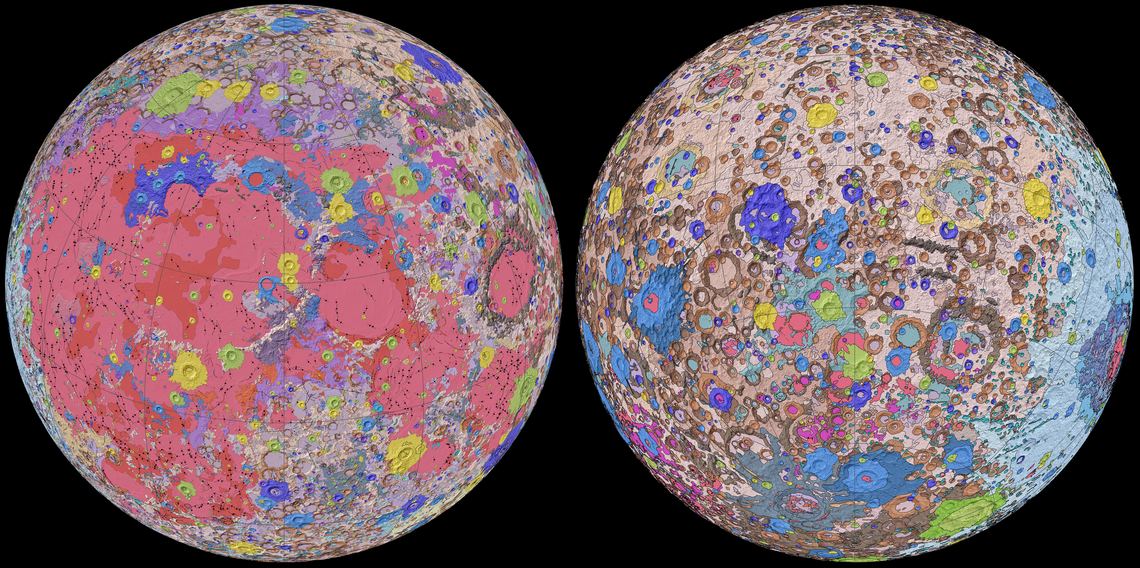
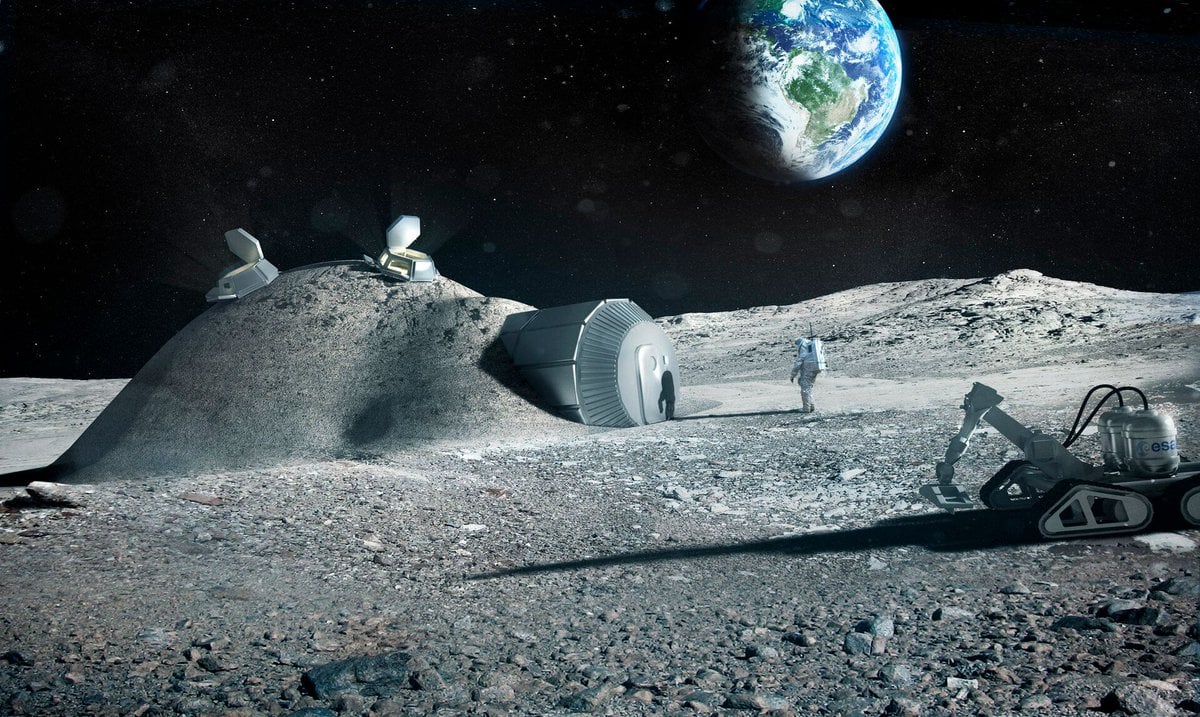
A new study led by the Harvard-Smithsonian Center for Astrophysics explains how the Moon may not have enough resources to support everything we plan to build up there.
Continue reading
Continue reading
Continue reading
Continue reading
Continue reading
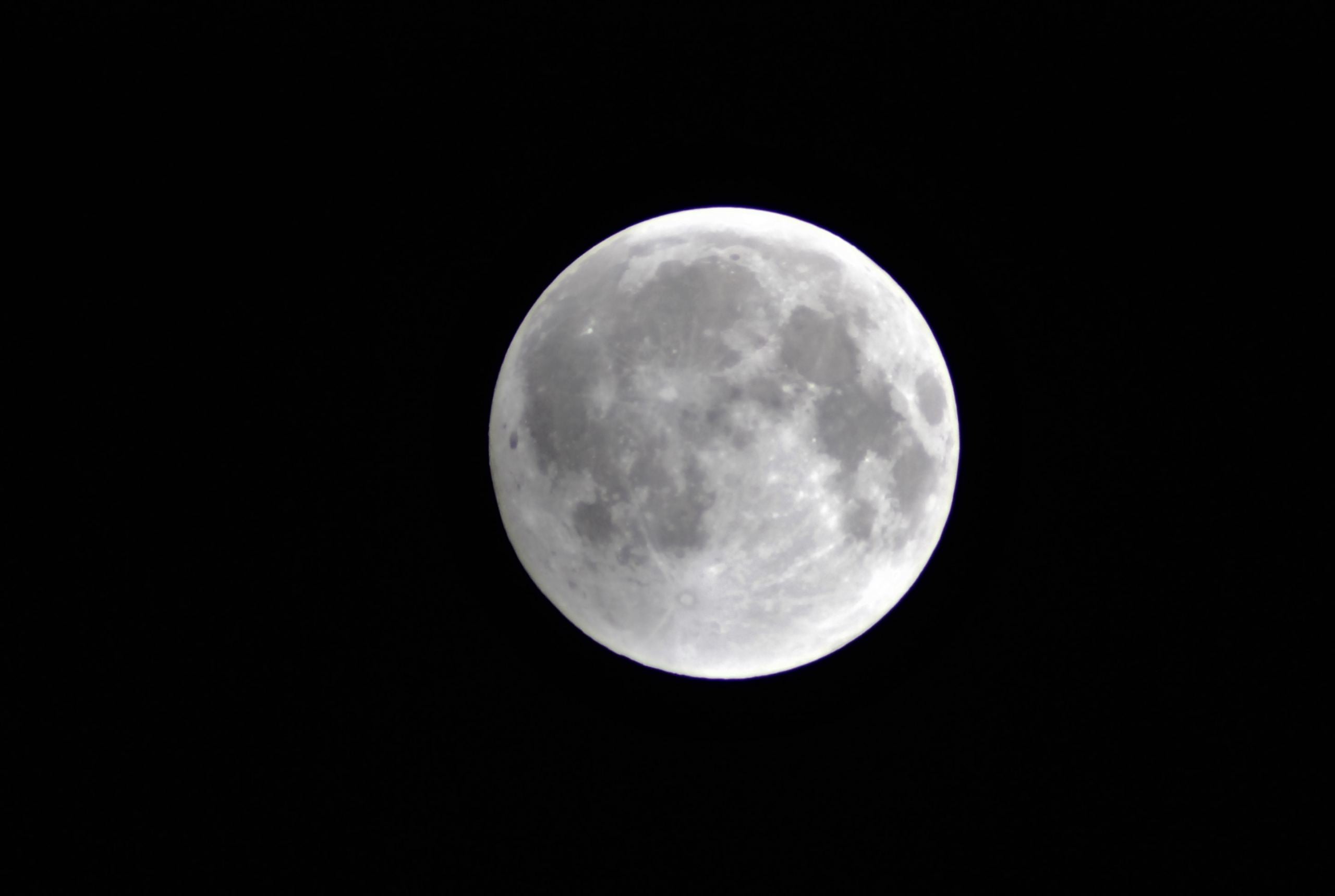
A penumbral lunar eclipse in the early morning hours of November 30th marks the start of the last eclipse season for 2020.
Continue reading
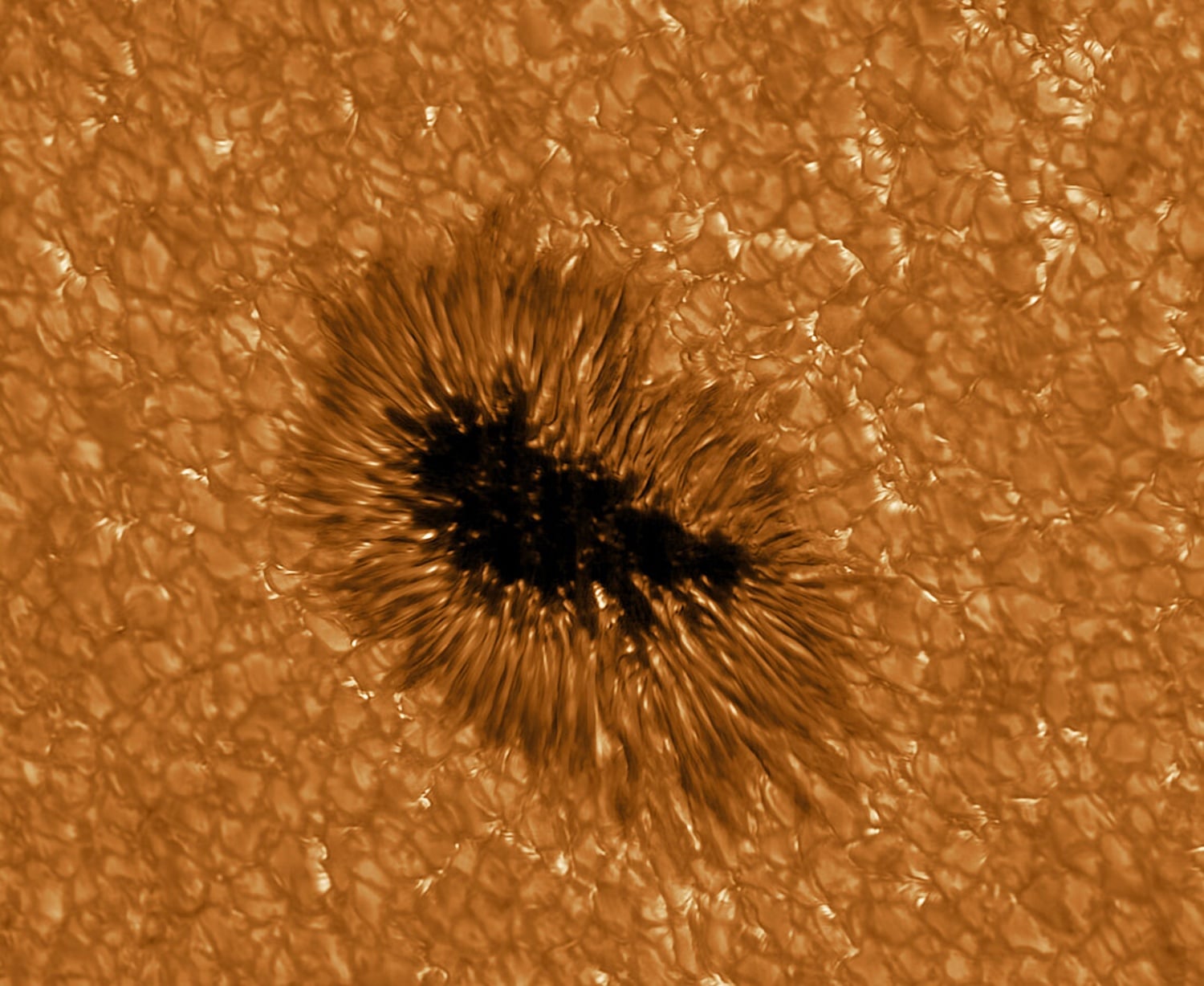
Predicting the appearance of a sunspot is like predicting a tornado. But astronomers are starting to do it.
Continue reading
Continue reading
Continue reading
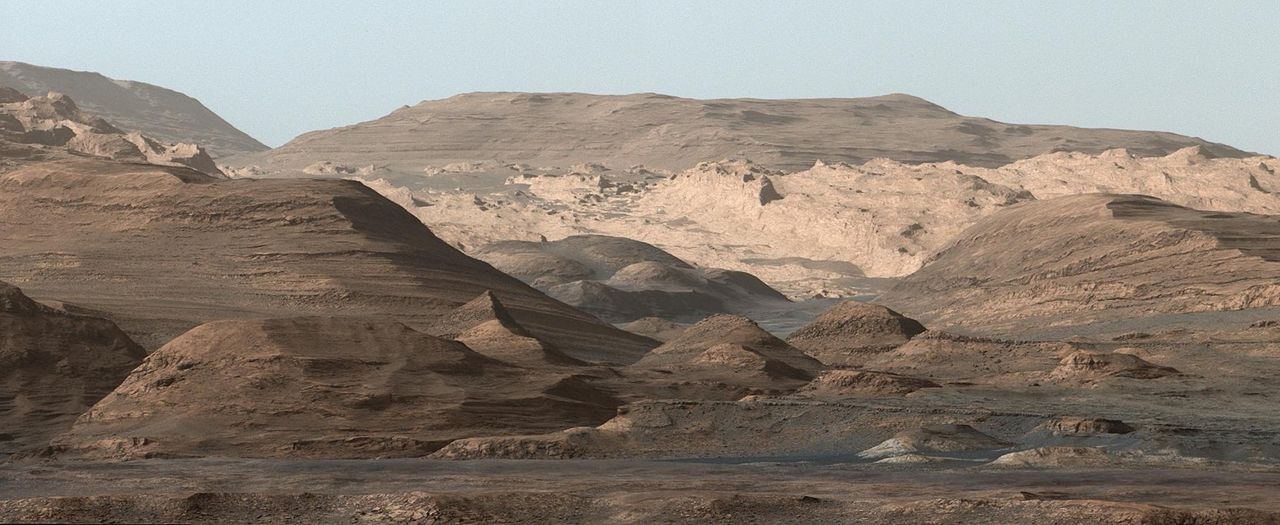
A new study of the Curiosity rover's data has show that the Gale Crater once experienced massive flooding, bolstering the case for past life on Mars.
Continue reading
Continue reading
Continue reading
Continue reading
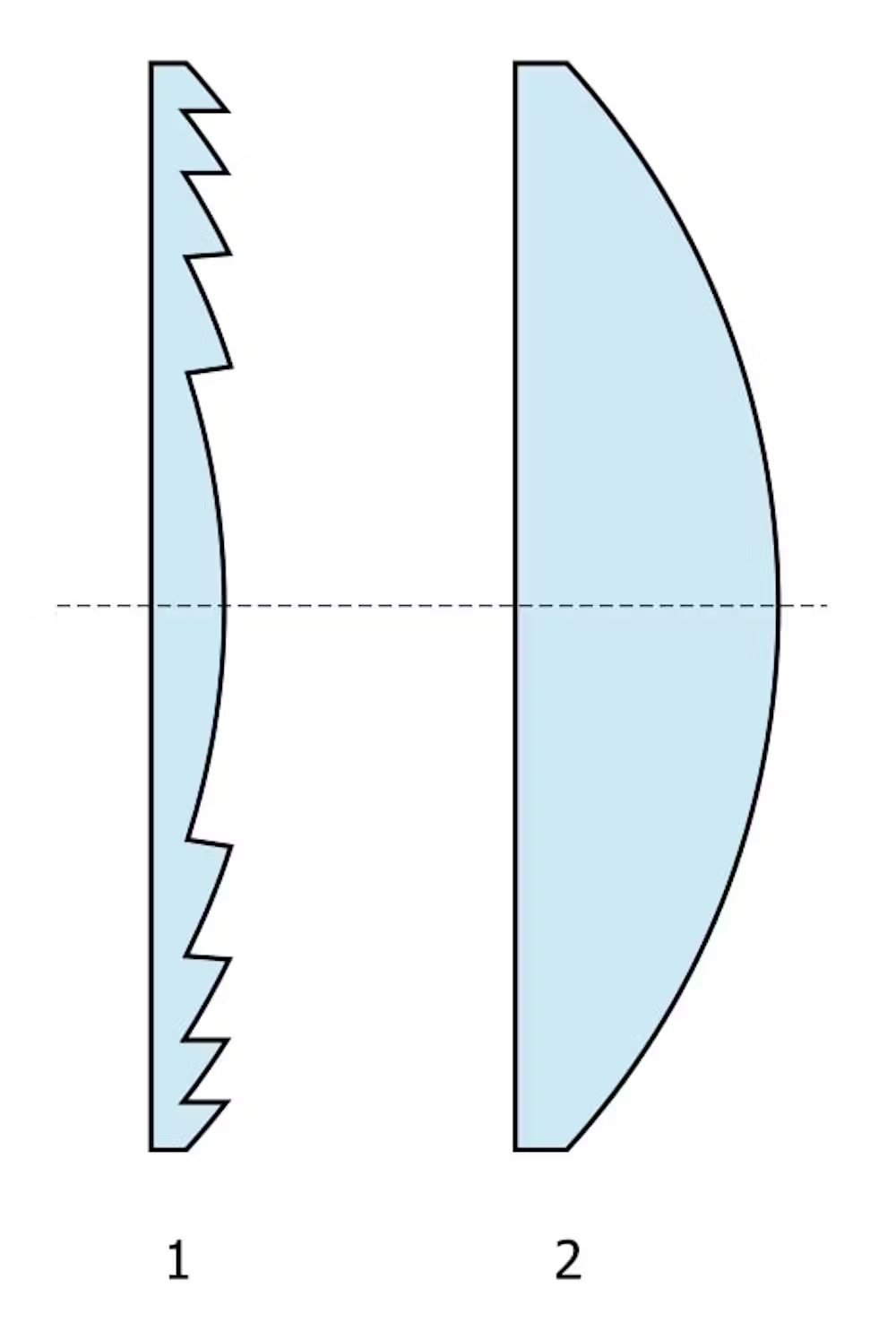
Nailing down cosmic expansion could depend on distant quasars, and the time it takes their light to reach us when gravitationally lensed.
Continue reading
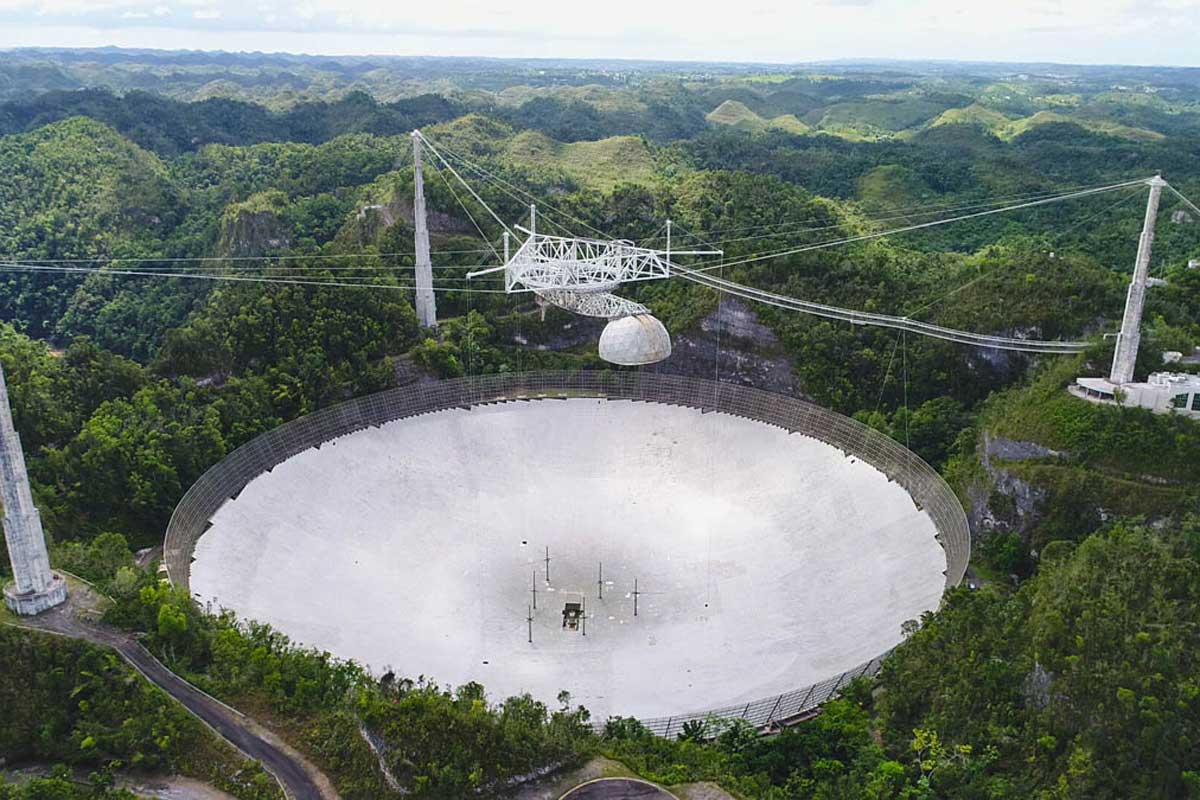
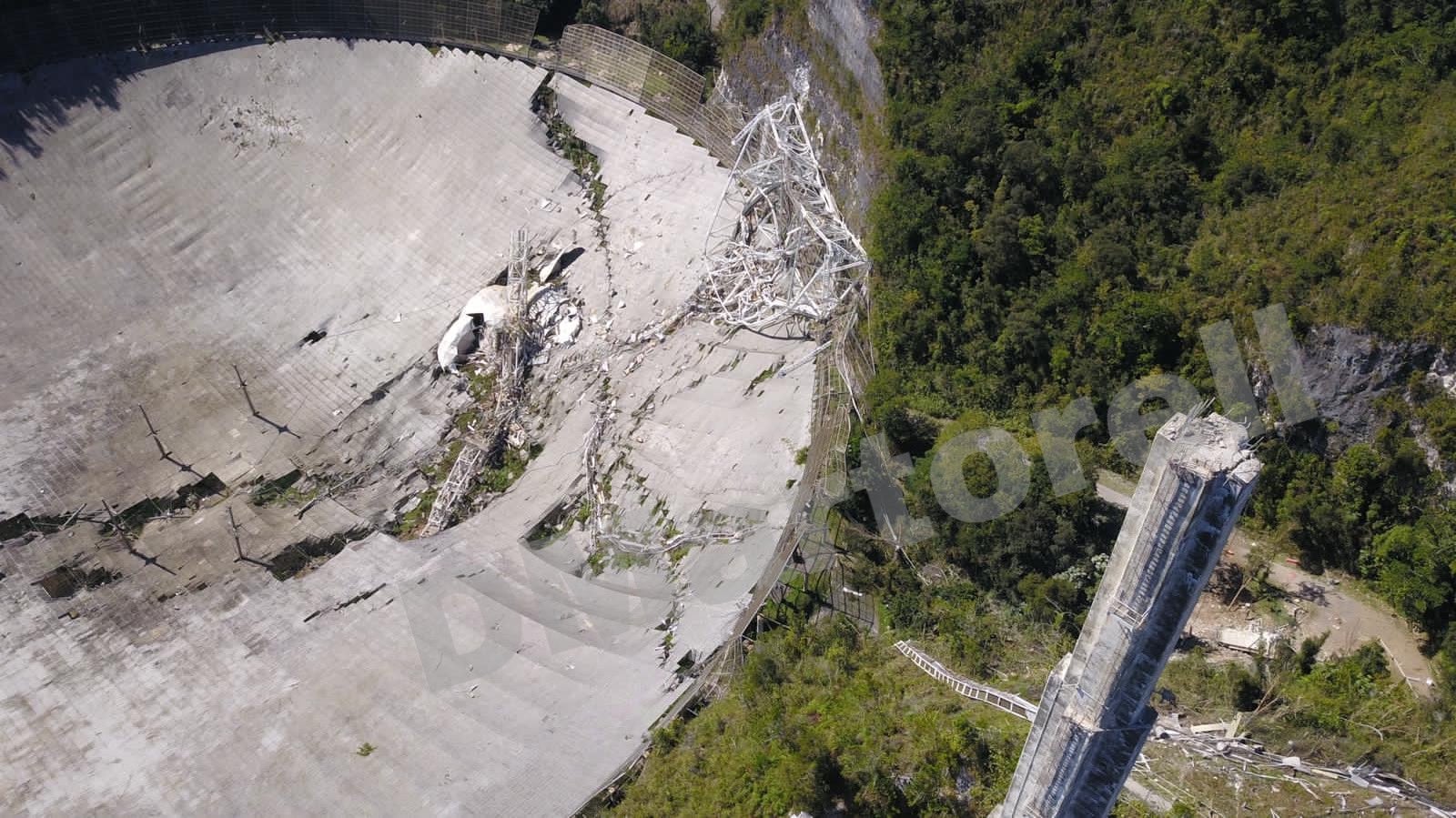
In the wake of a second structural failure, the NSF has announced that the iconic Arecibo Observatory will be decommissioned after 57 years of service.
Continue reading
Continue reading
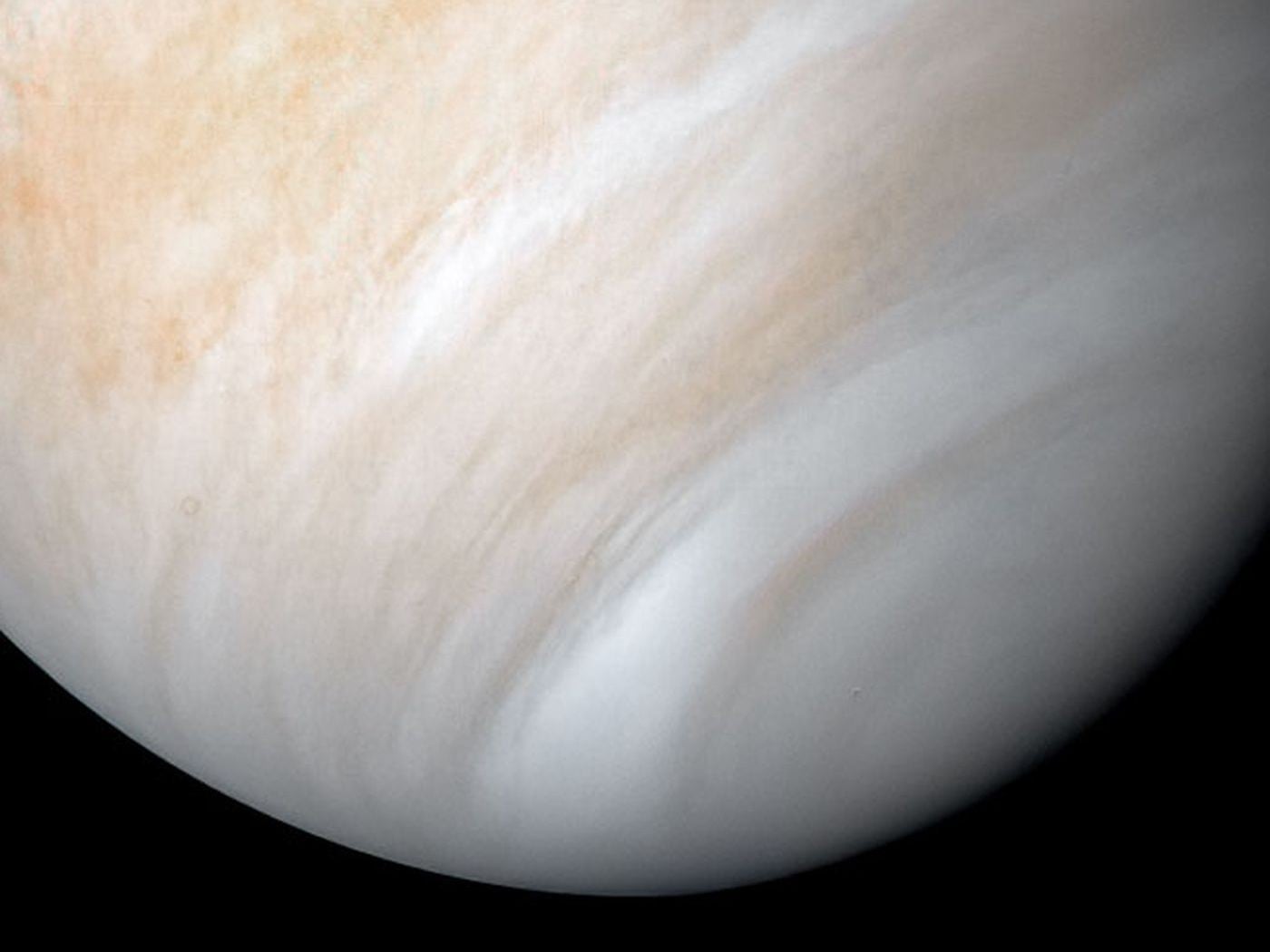
The team that detected phosphine in Venus' atmosphere has reexamined the data and confirmed their discovery, with a few caveats and addendums.
Continue reading
Continue reading
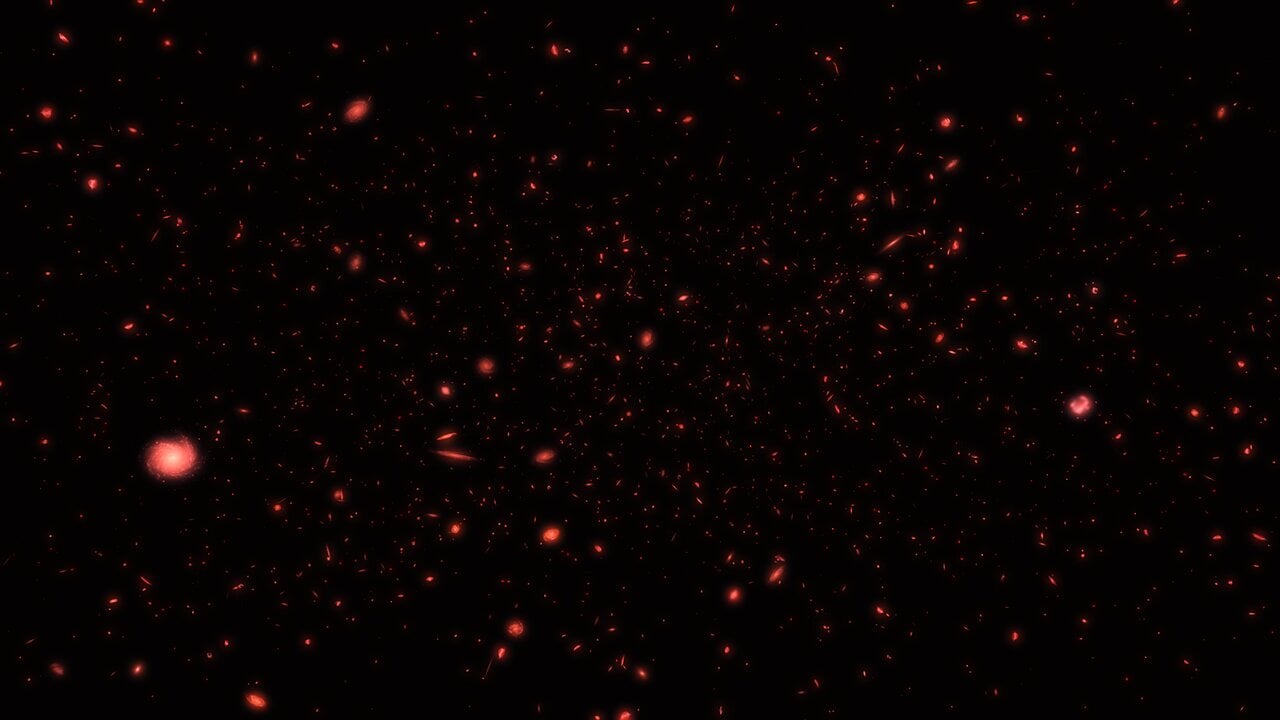
A team from UT Austin has renewed a proposal for a liquid-mirror telescope on the Moon that could study the first stars in the Universe.
Continue reading
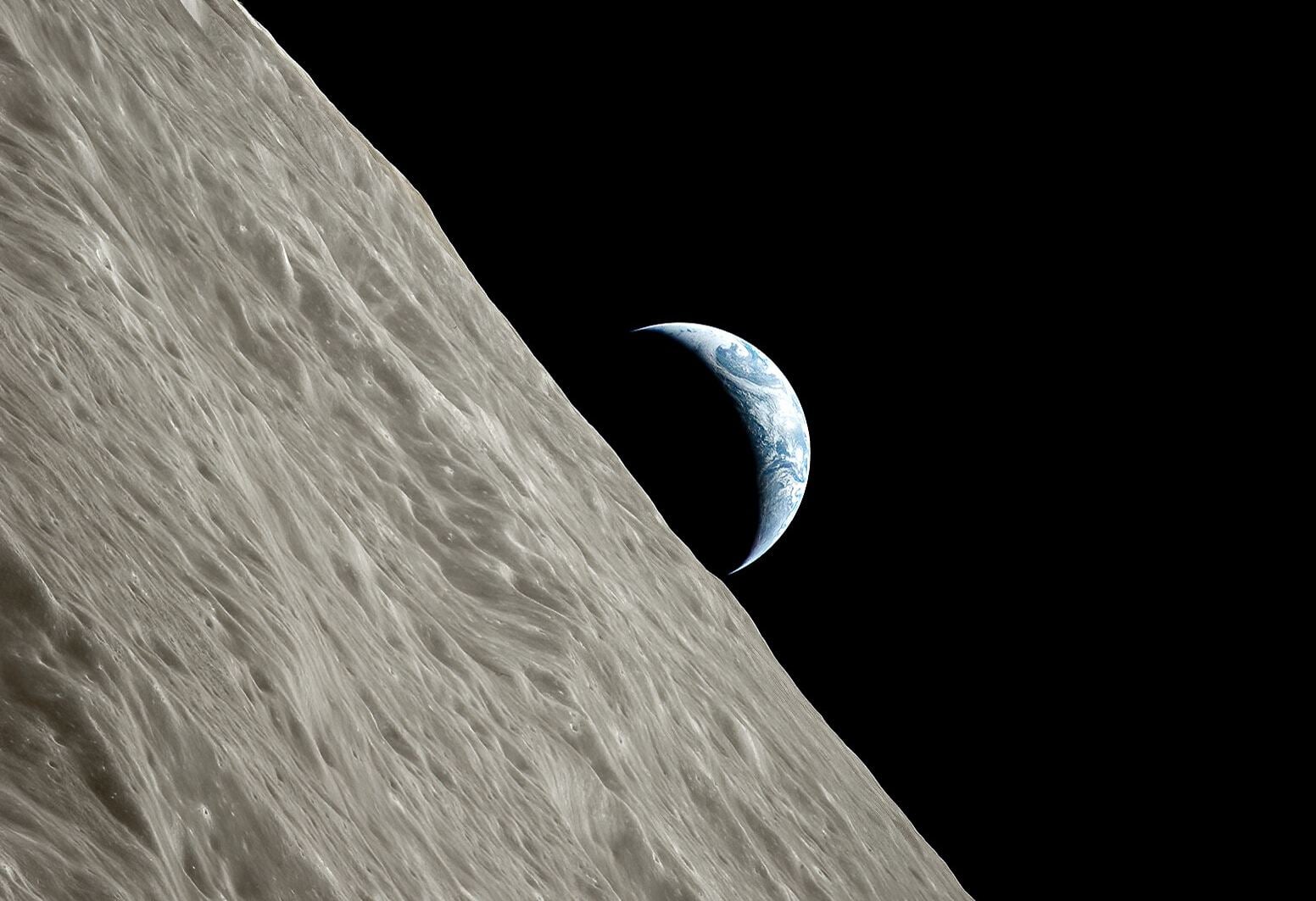
According to NASA, an object detected between the Earth and Moon could actually be the spent stage of a rocket booster from the early Space Age.
Continue reading
Continue reading
Continue reading
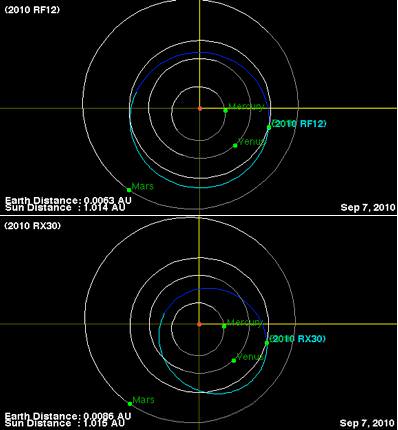
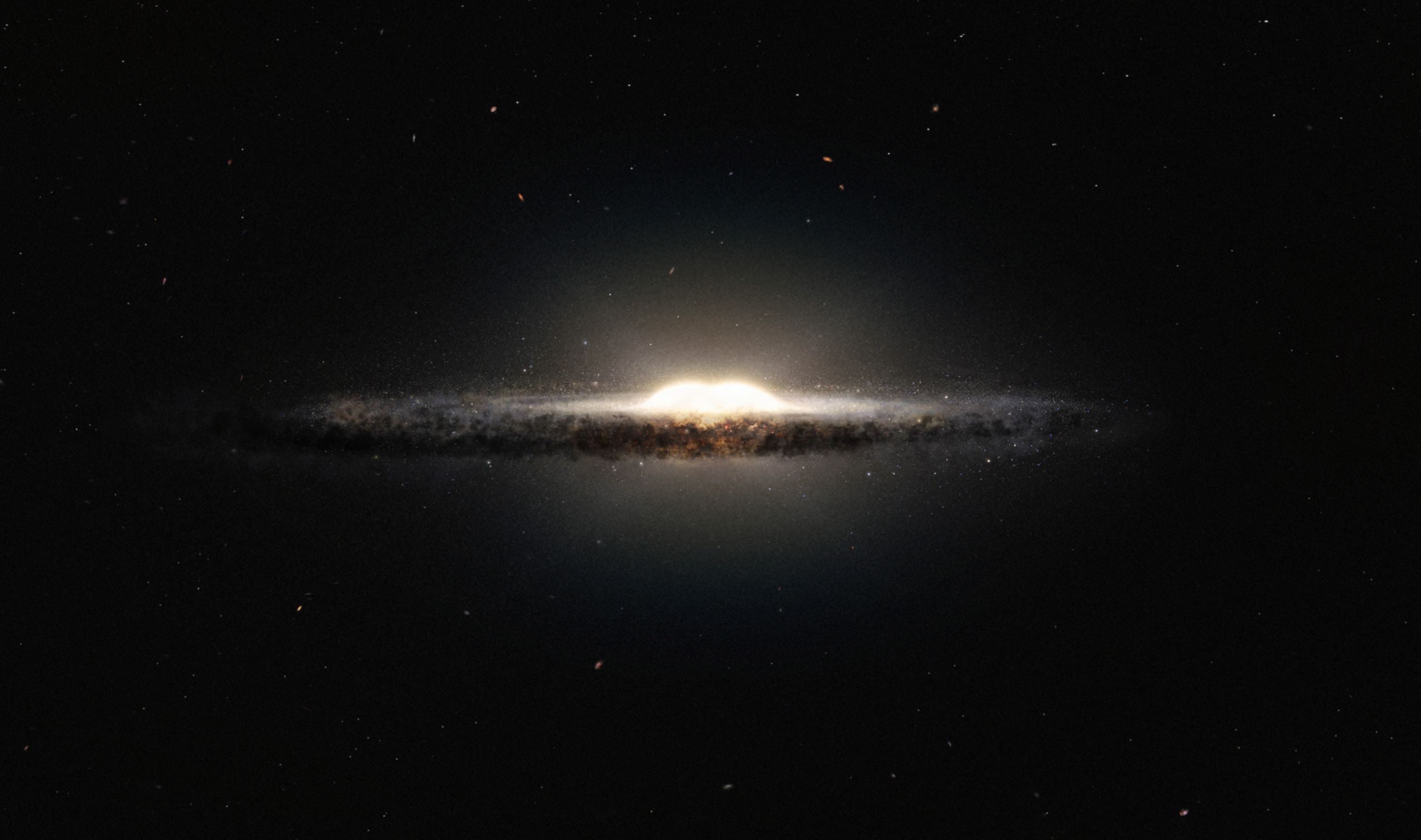
Some of the oldest stars in our galaxy have orbits similar to the Sun, and we don't know why
Continue reading
Continue reading

Continue reading
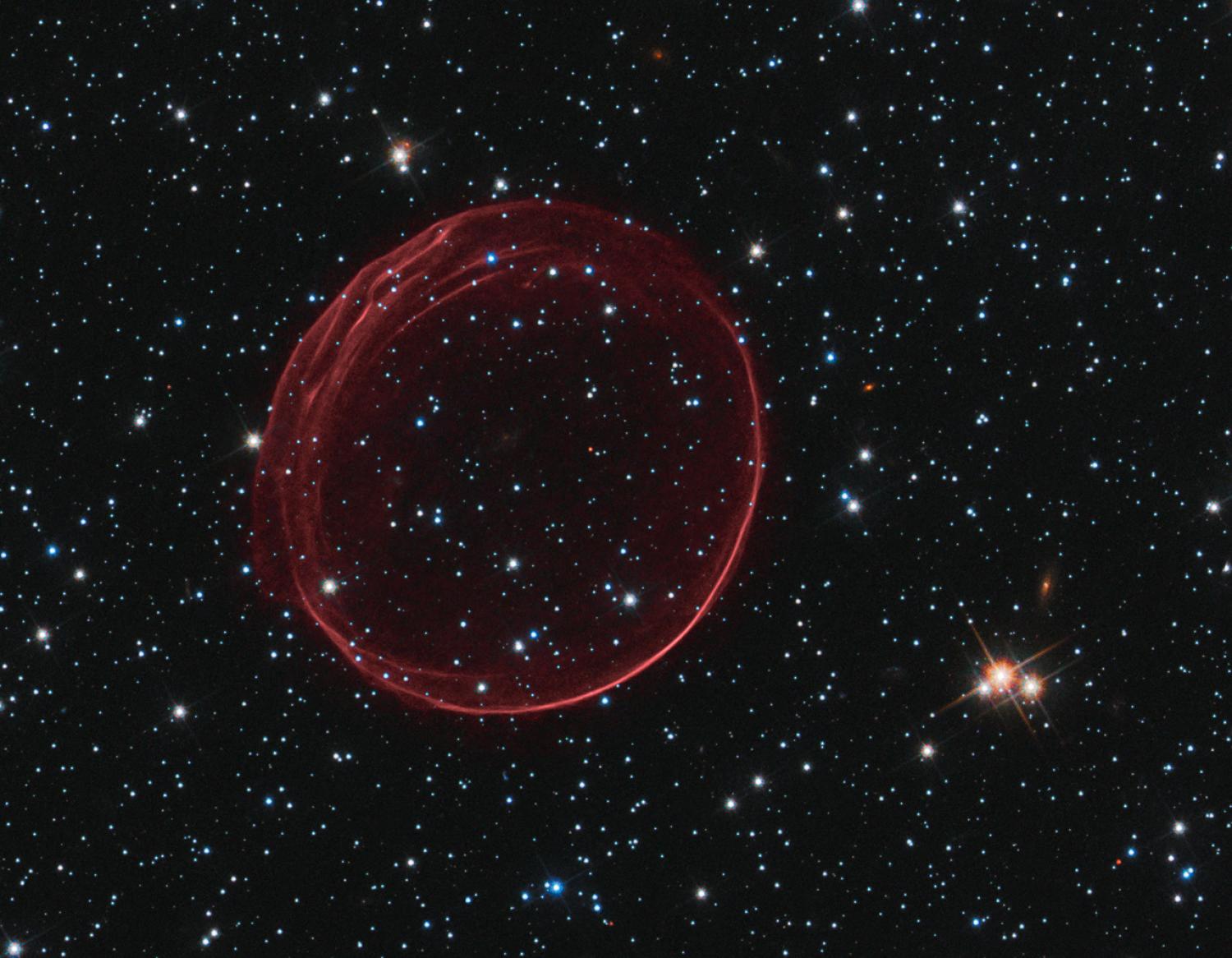
A new study by CU Boulder geoscientist Robert Brakenridge shows how nearby supernovae could have disrupted Earth's climate in the past
Continue reading
 Universe Today