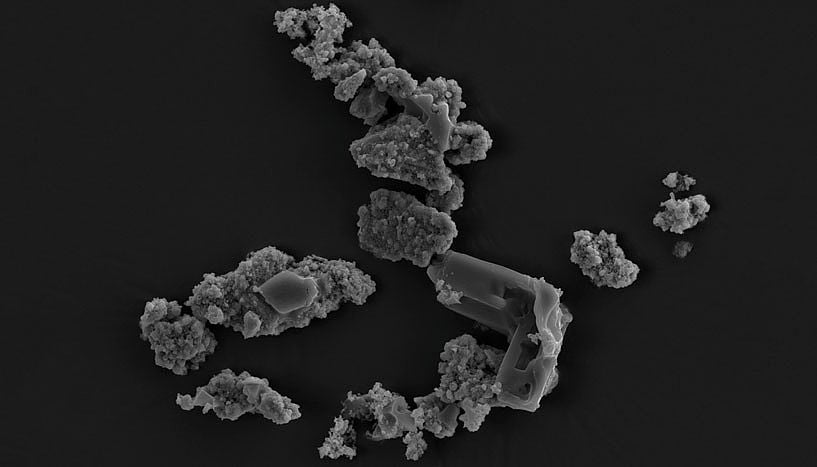
A new study by a team astrobiologists shows how certain types of extreme bacteria thrive on meteors, which could reveal things about the origins of life on Earth.
Continue reading
Continue reading
Continue reading
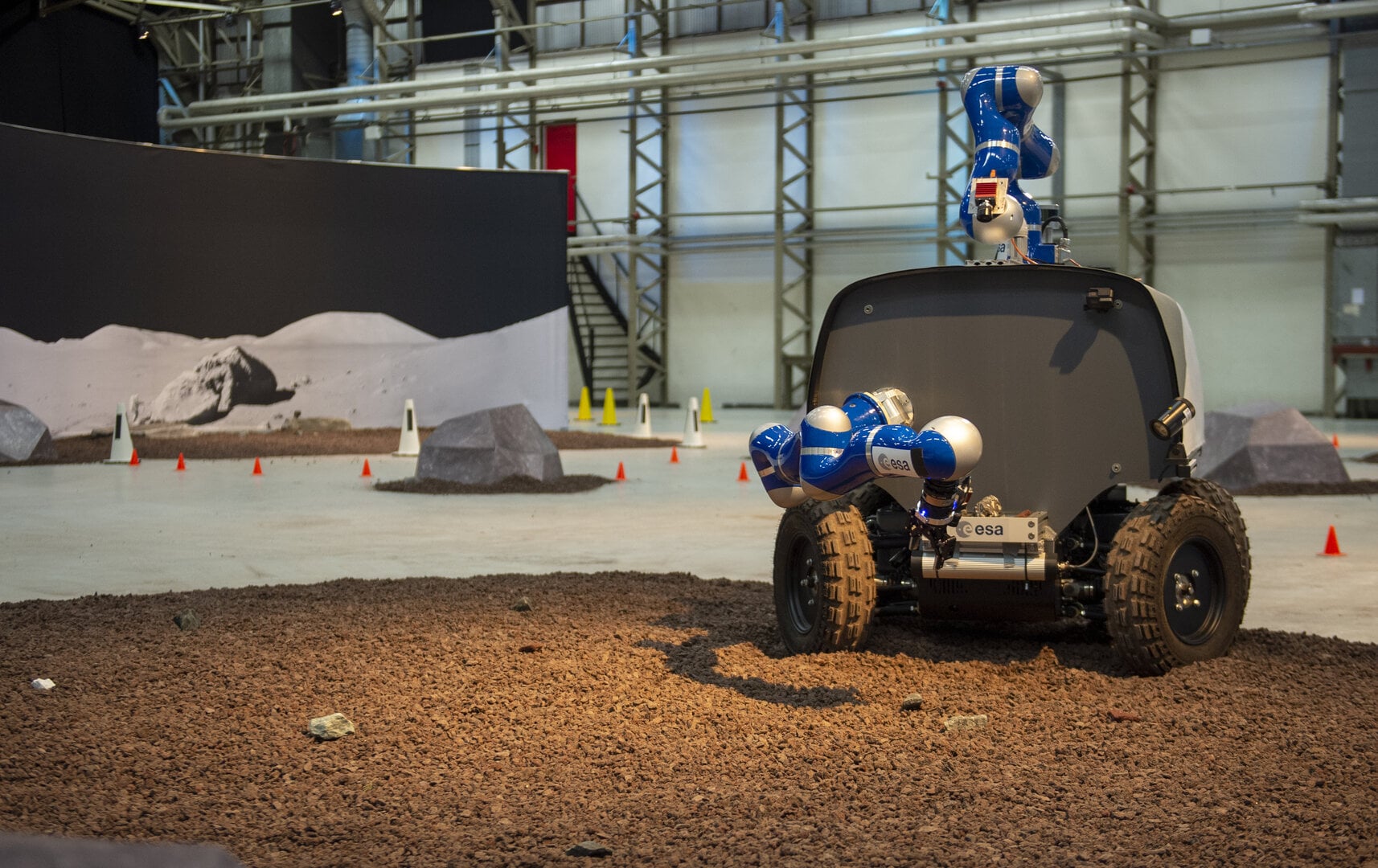
ESA astronaut Luca Parmitano just completed the second round of tests where he remotely-controlled a rover on Earth from the ISS.
Continue reading
Continue reading
Continue reading
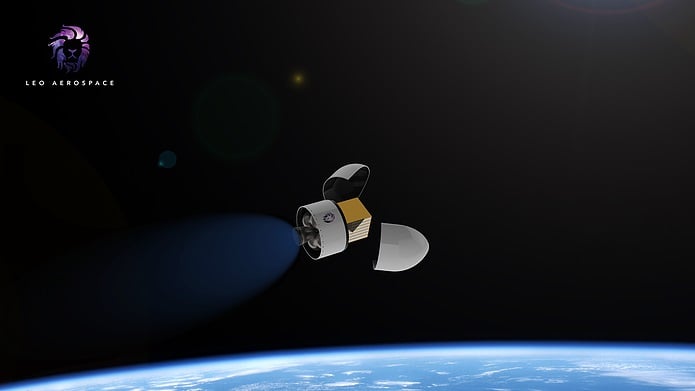
LEO Aerospace is developing a "Rockoon" system that will provide commercial launch services for microsatellites, as well as a platforms for conducting everything from scientific research to emergency rescues.
Continue reading

Continue reading
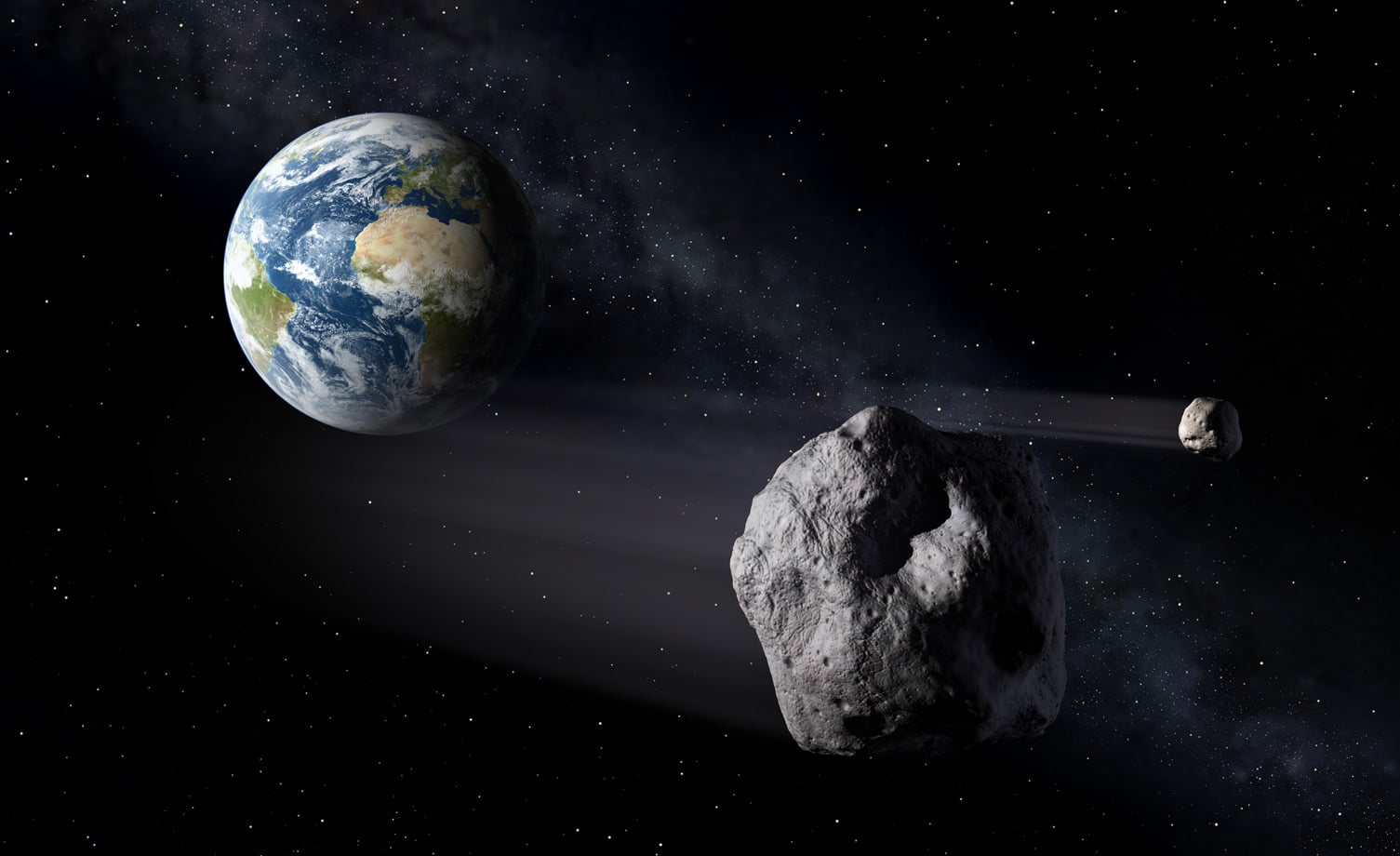
A new study by an Australian-US team has found that a large impact that happened ca. 3.2 billion years ago could be what started Earth's tectonics activity, which could be crucial to why Earth is able to support life.
Continue reading
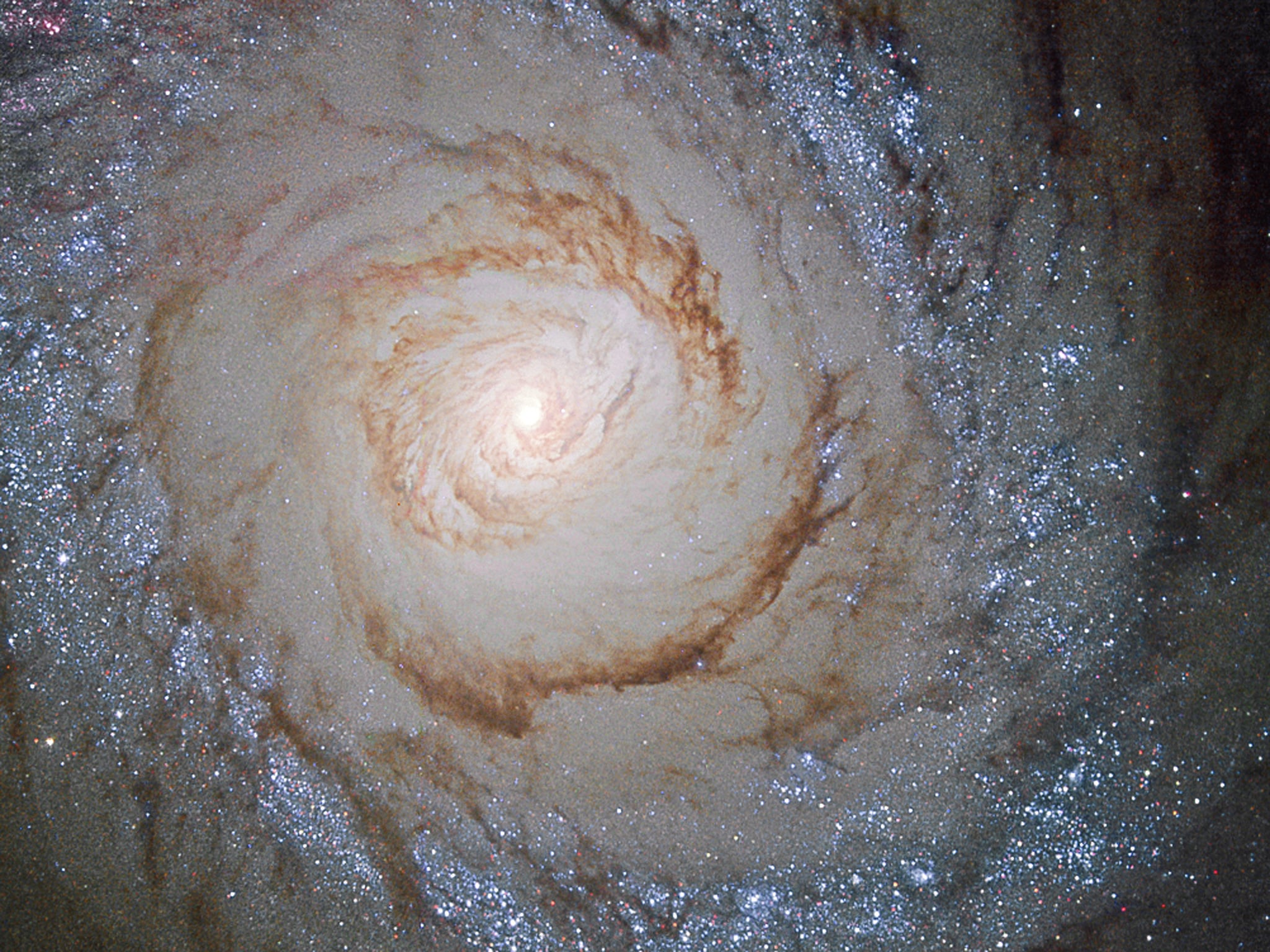
Located in the constellation Canes Venatici, roughly 15 million light years from Earth, is the spiral galaxy known as the Cat's Eye Galaxy (aka. Messier 94)
Continue reading

A team of Australian researchers have found evidence that microgravity can disrupt the spread of cancer cells, which could lead to new treatments.
Continue reading
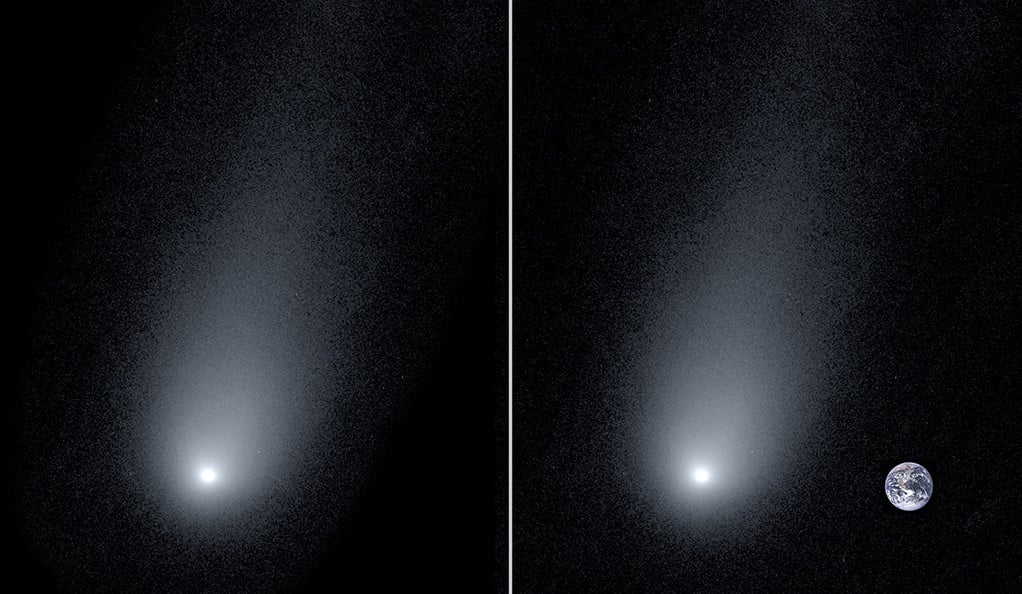
A team of astronomers from Yale have taken the clearest picture of the interstellar comet 2I/Borisov to date, showcasing its long tail!
Continue reading
Continue reading
Continue reading
Continue reading
Tonight we are excited to welcome amateur astronomer and astrophotographer extraordinaire Dylan O'Donnell to the WSH. Dylan is an Australian web developer, the Director of DNA Digital and zen10 Australia, and a Public Science Communicator. Dylan has a Masters of Information Technology and his astrophotography been featured by NASA and ESA, and to date, two of his images have been selected for NASA Astronomy Photo of the Day (APOD).
Continue reading
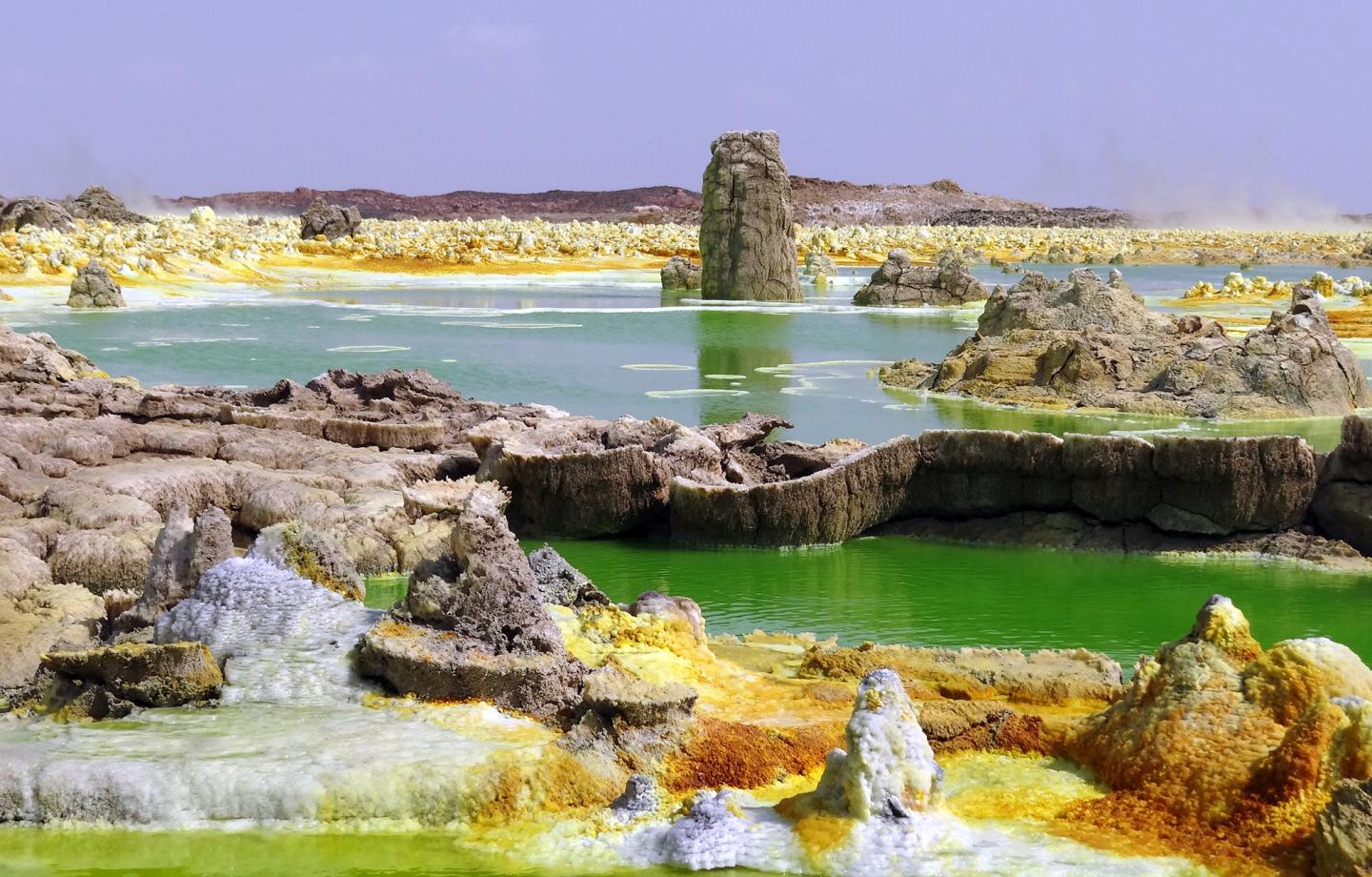
Continue reading
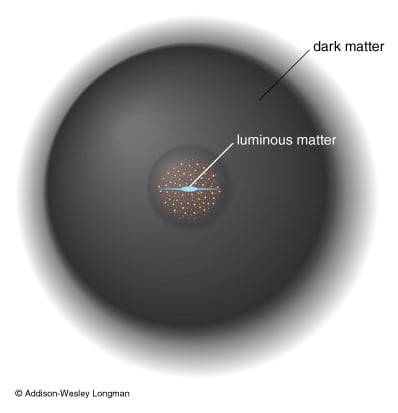
Continue reading
Continue reading
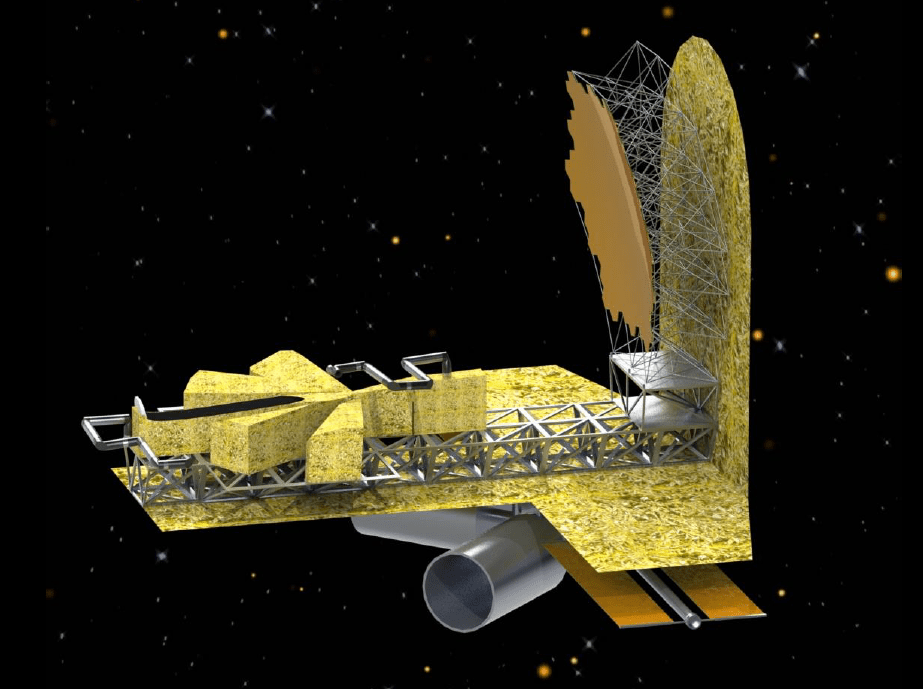
Continue reading
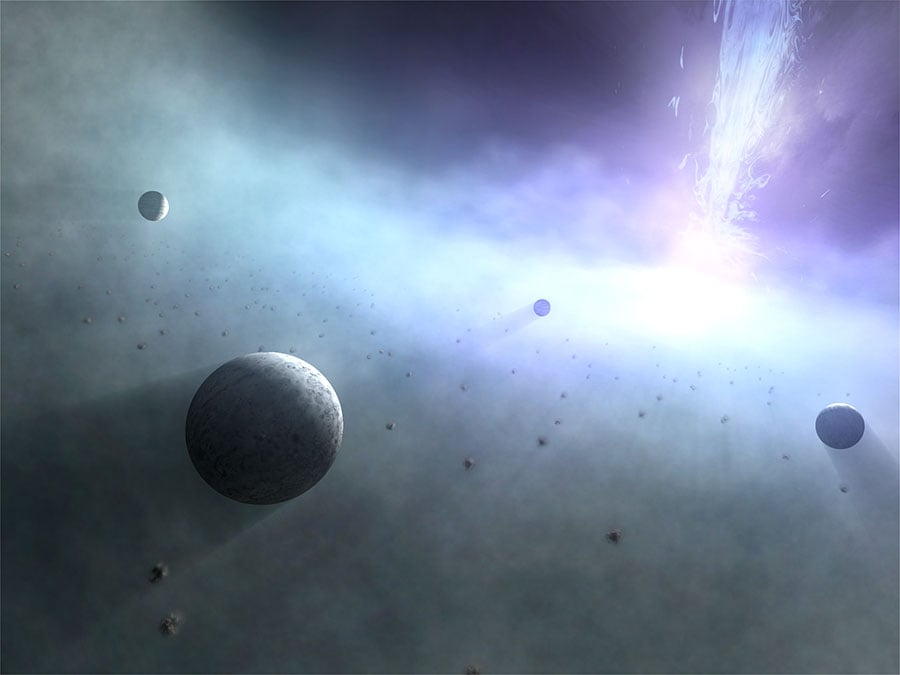
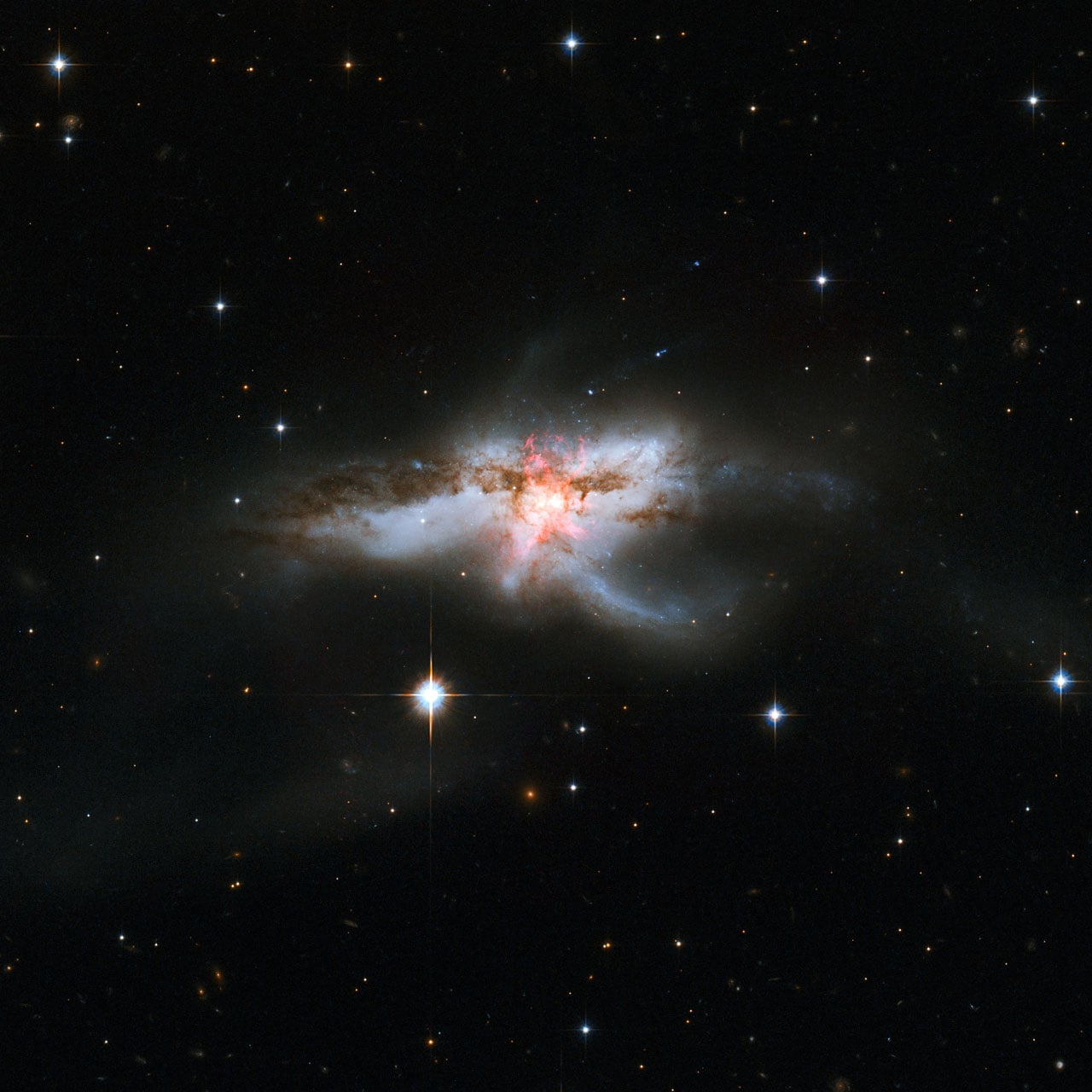
A team of scientists from Japan have theorized that planetary systems could form around Supermassive Black Holes.
Continue reading

Continue reading
Continue reading
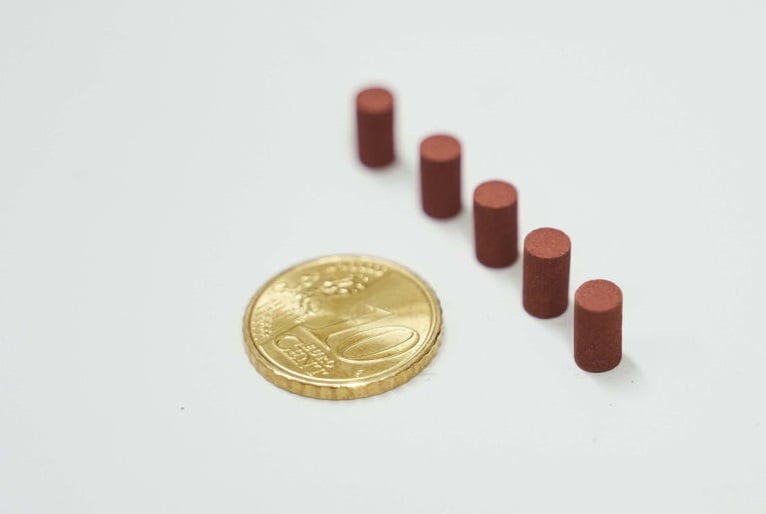
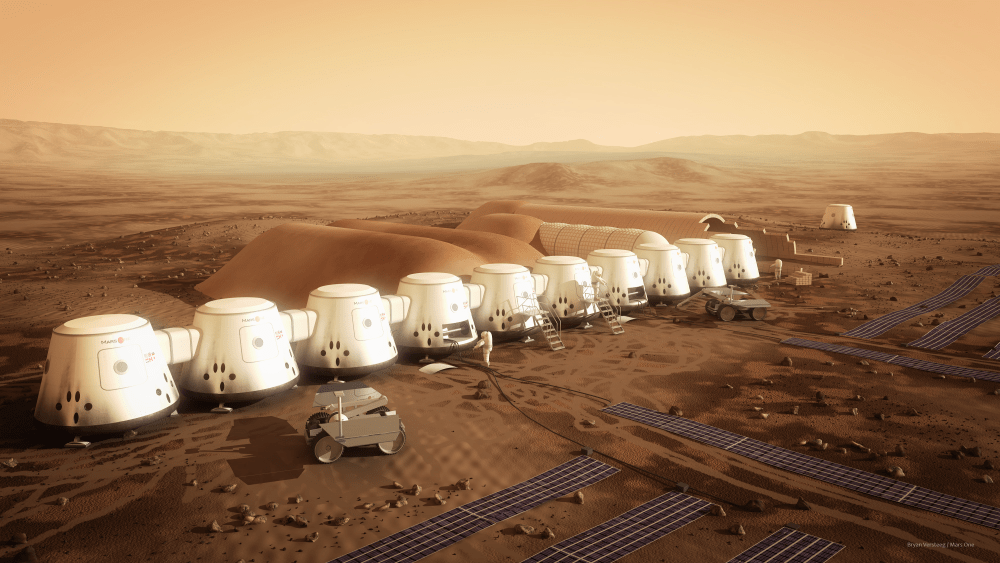
A researcher, whose work is supported by the ESA and NASA, has developed an idea for using bacteria to help build a base on Mars
Continue reading
Continue reading
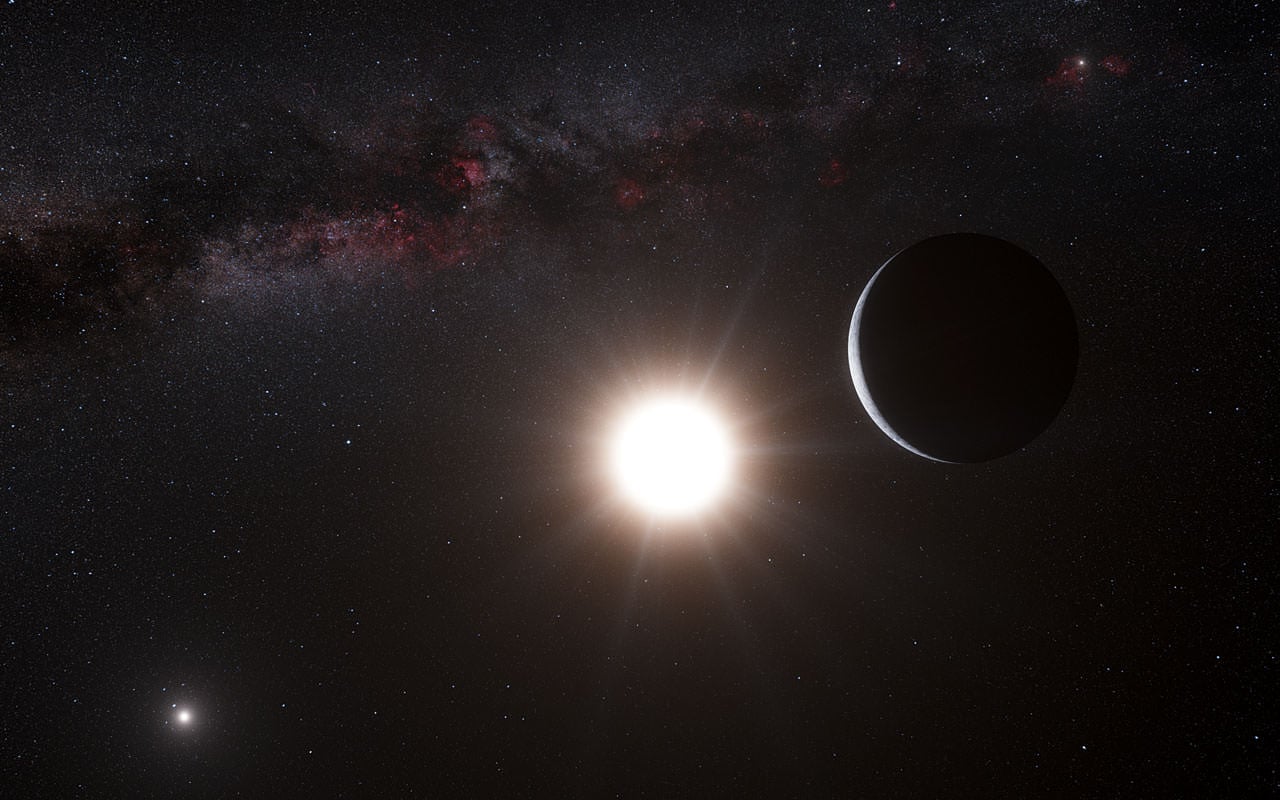
A new study has shown that the Alpha Centauri is not likely to support life and that one of its stars is more likely to have habitable planets than the other
Continue reading
Continue reading
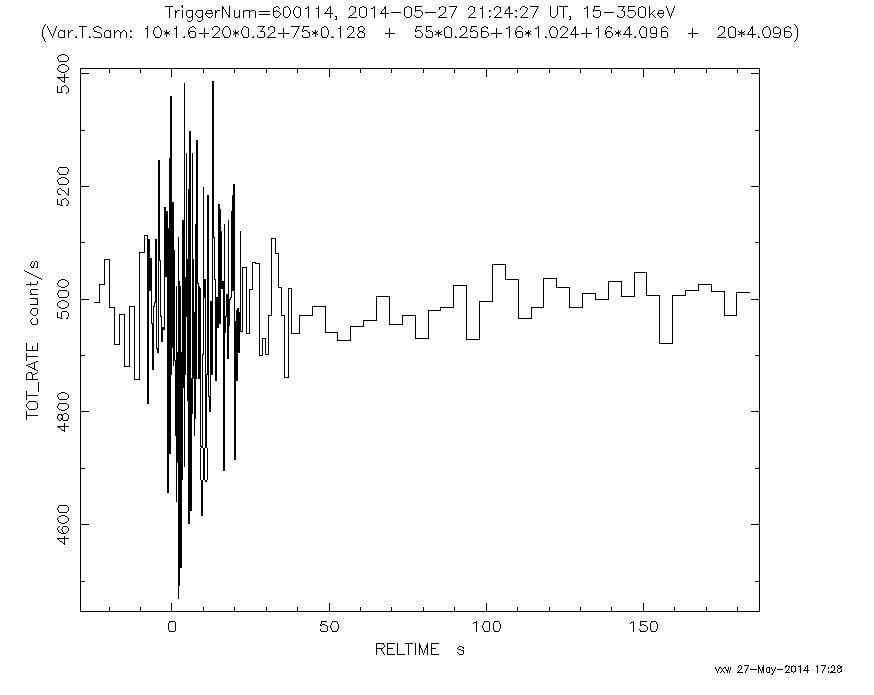
An international effort involving multiple observatories and astronomers from around the world have observed the most powerful gamma-ray burst ever.
Continue reading

Continue reading
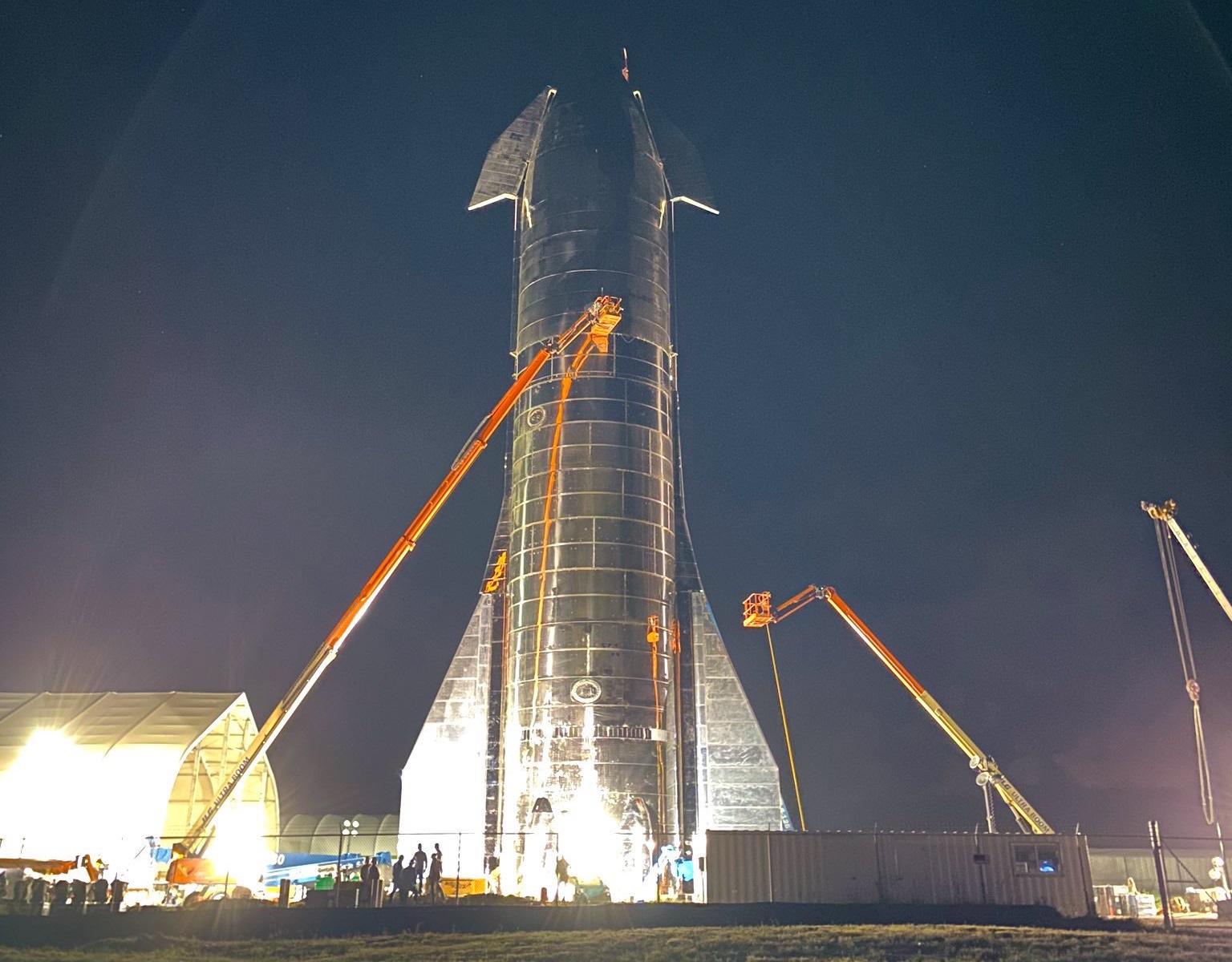
During a recent cryogenic loading test at Boca Chica, Texas, the Starship Mk 1 prototype experienced a sudden failure and is likely to be scrapped.
Continue reading
Continue reading
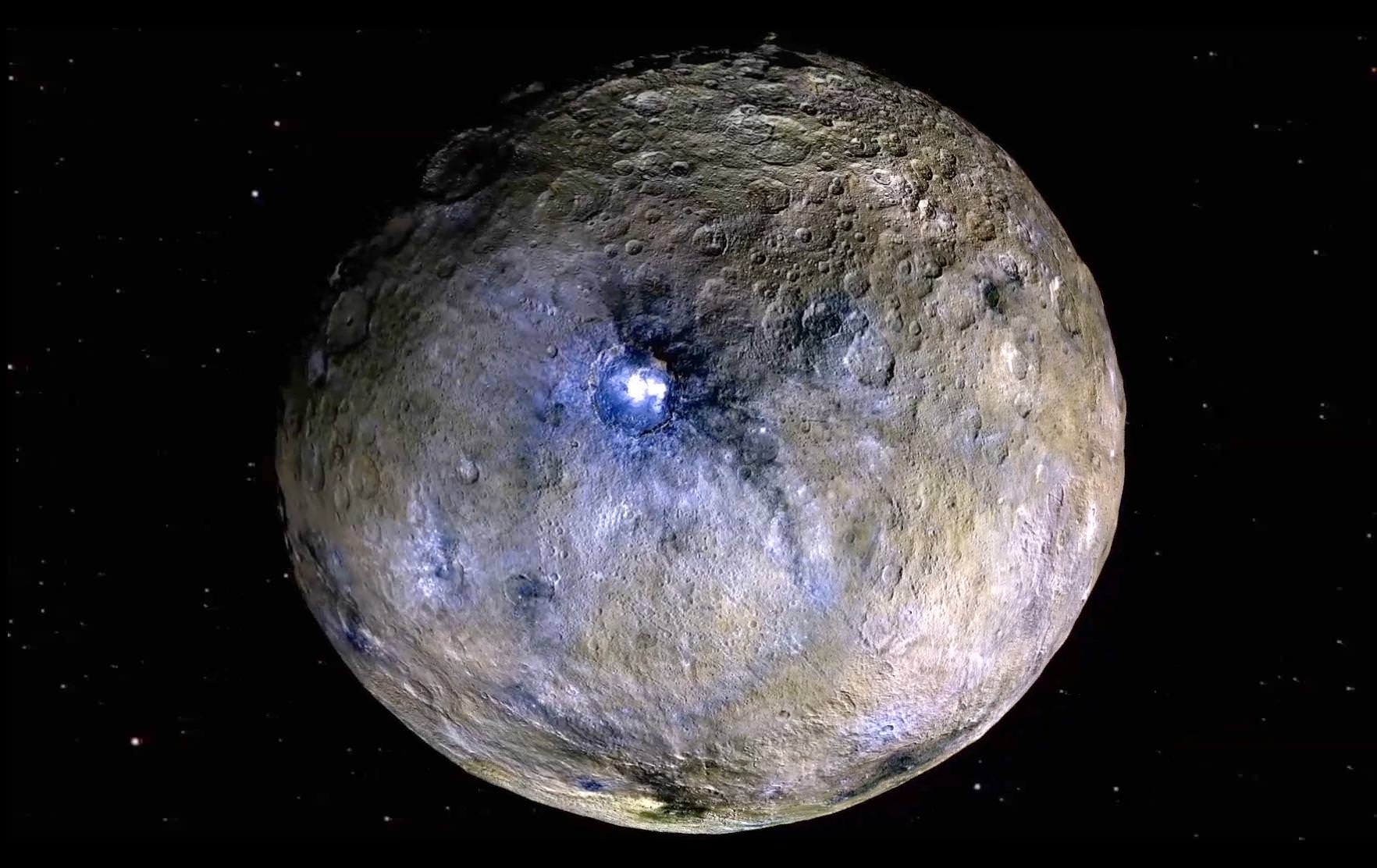
How might humanity go about establishing a colony on Ceres, the largest object in the Main Asteroid Belt?
Continue reading
Continue reading
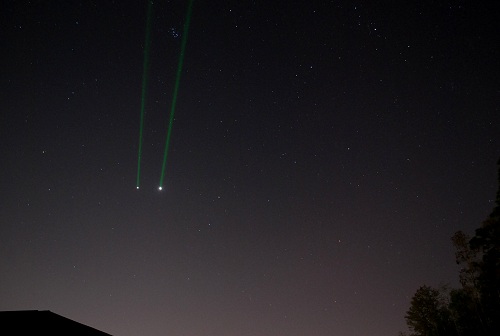
Get ready: The queries are inbound. "Did you see those two bright things in the sky last night?" Says a well meaning family member/friend/coworker/random person on Twitter that knows you're into astronomy. "They were HUGE!"
Continue reading
Continue reading
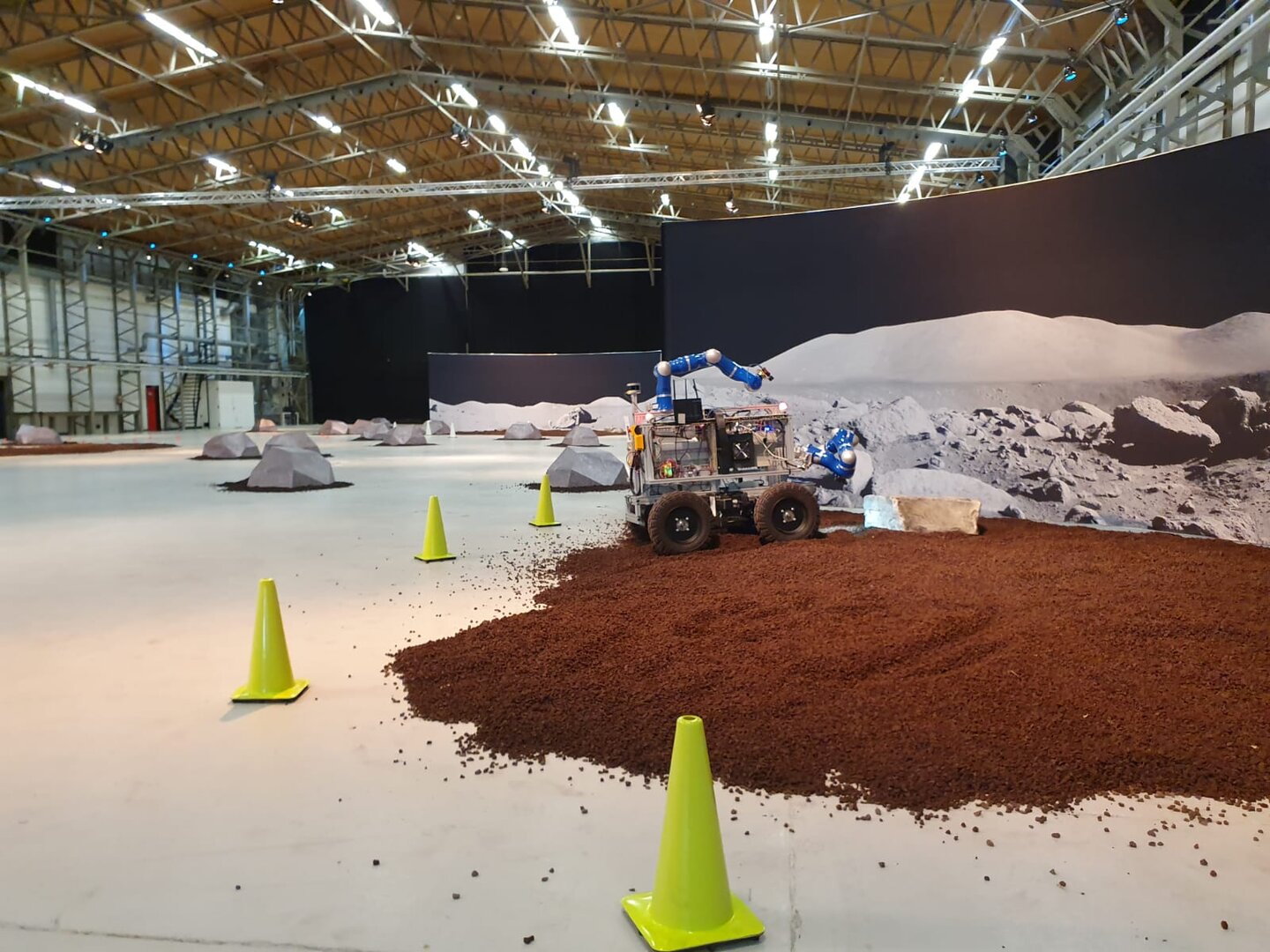
The ESA has begun conducting experiments as part of their Analog project, which will allow human operators to control robotic rovers from orbit.
Continue reading
Continue reading
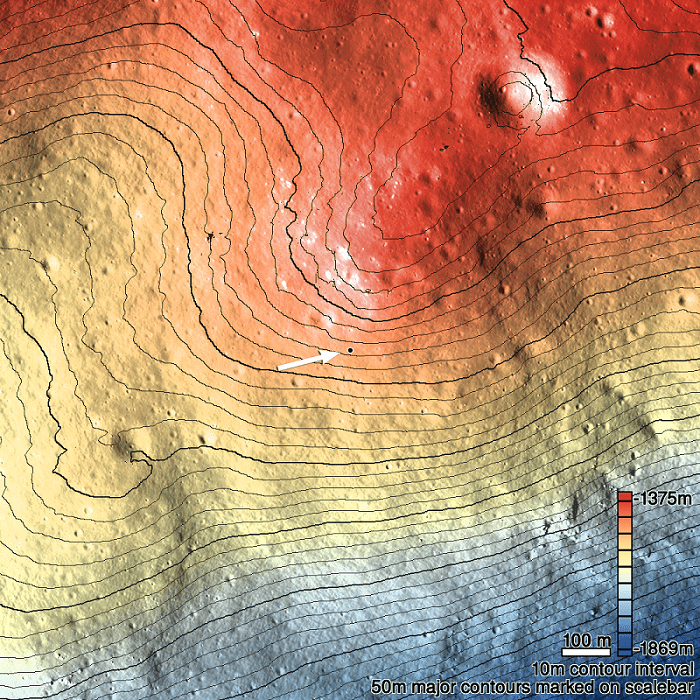
Thanks to an amateur tracker, the Lunar Reconnaissance Orbiter Camera team found the lunar impact site of China's Longjiang-2 satellite.
Continue reading
Continue reading
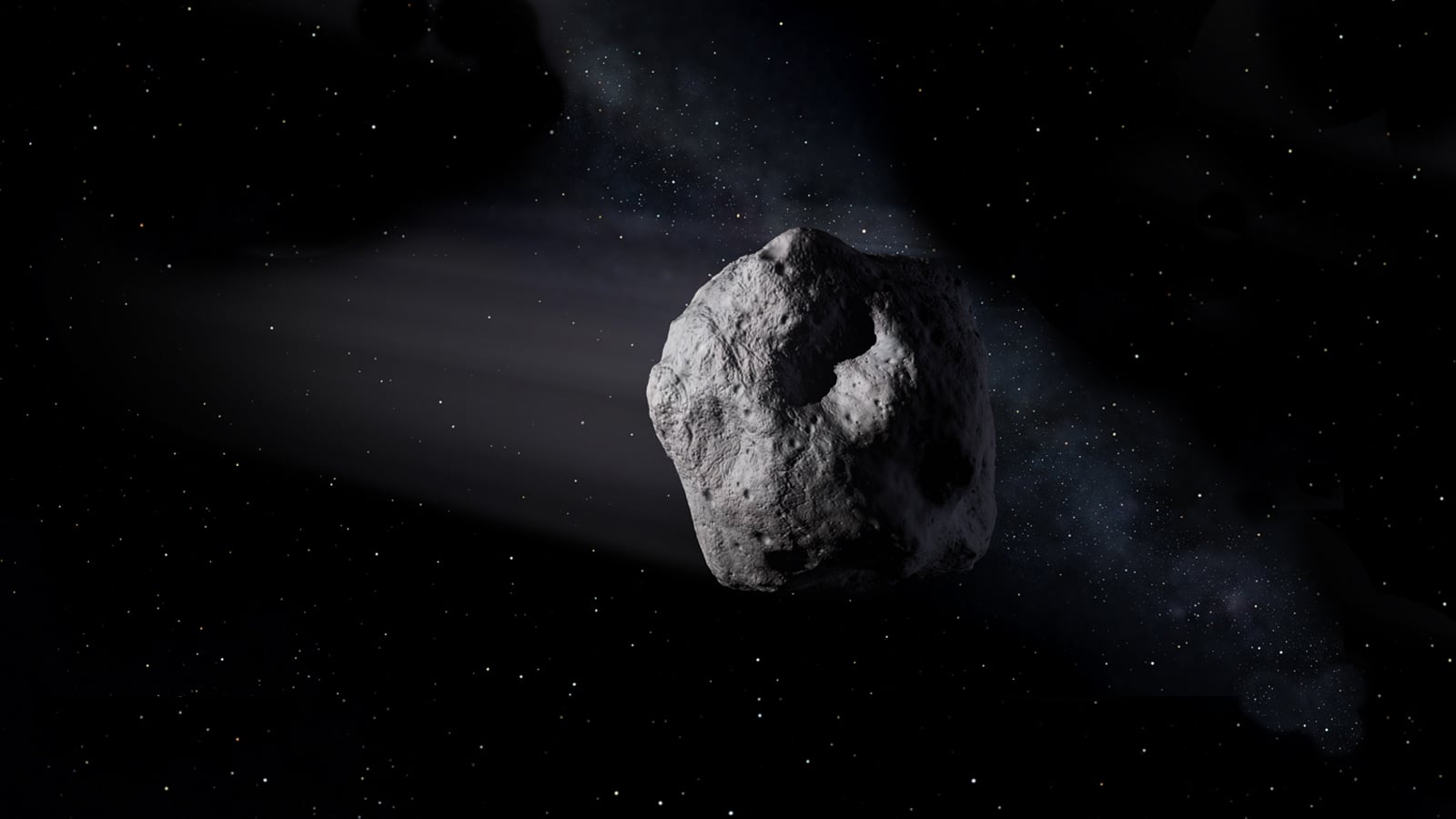
A team of astronomers estimates that the LSST (which will be operational in 2020) will allow us to learn more about Earths' "transient moons".
Continue reading
Continue reading
Continue reading
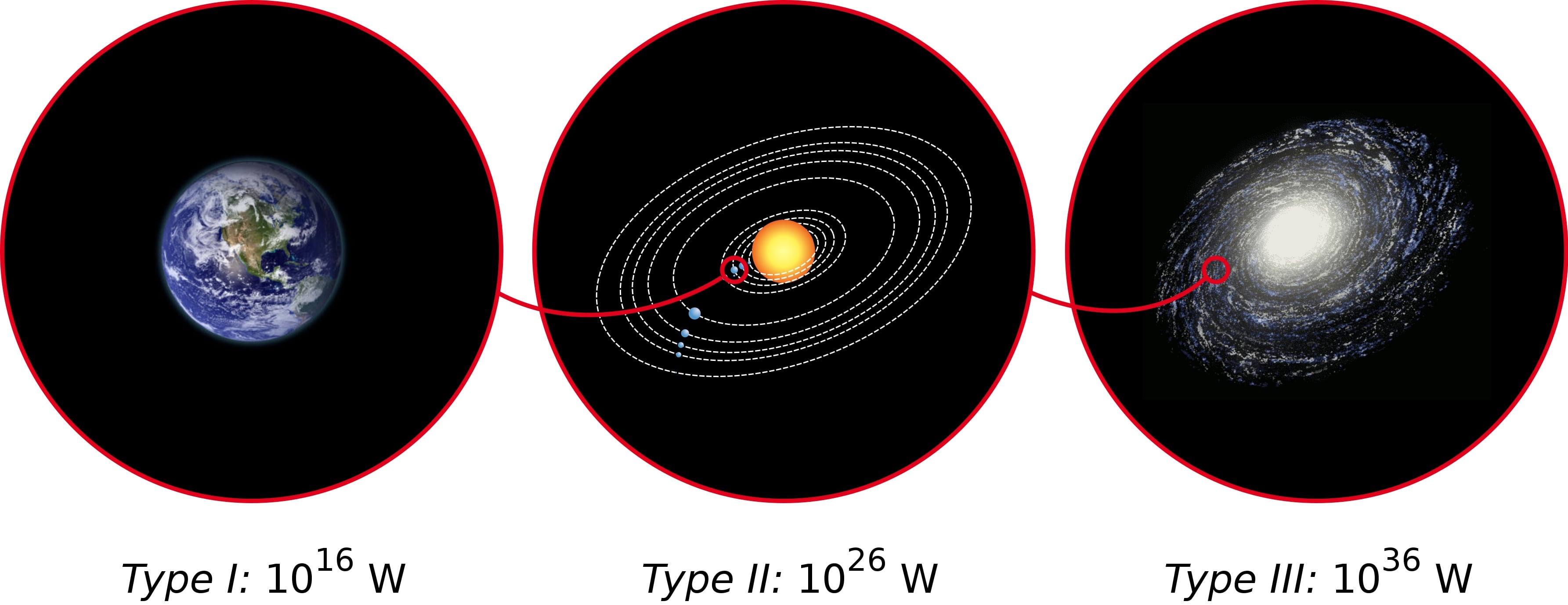
When it comes to planets, the largest planet in the universe probably isn't the most massive.
Continue reading
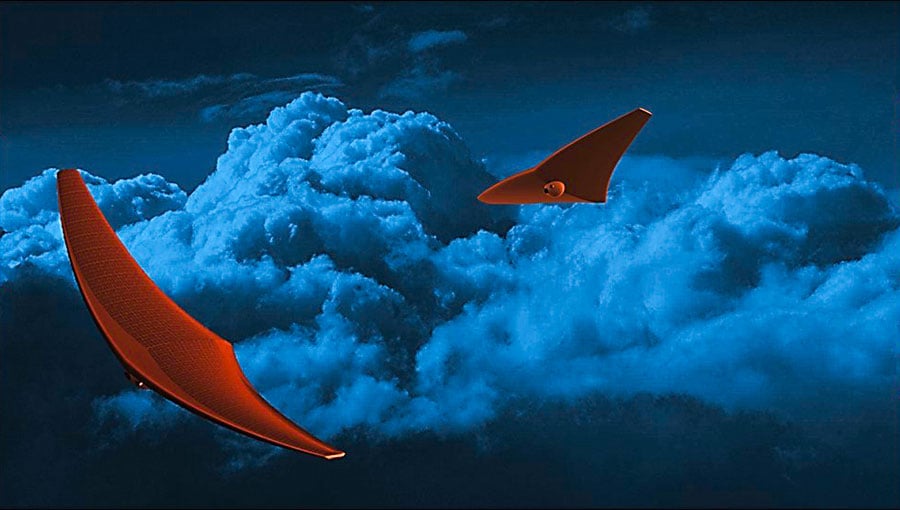
Researchers at the University of Buffalo's CASH Lab are working on a glider inspired by the stingray to explore Venus.
Continue reading
Continue reading
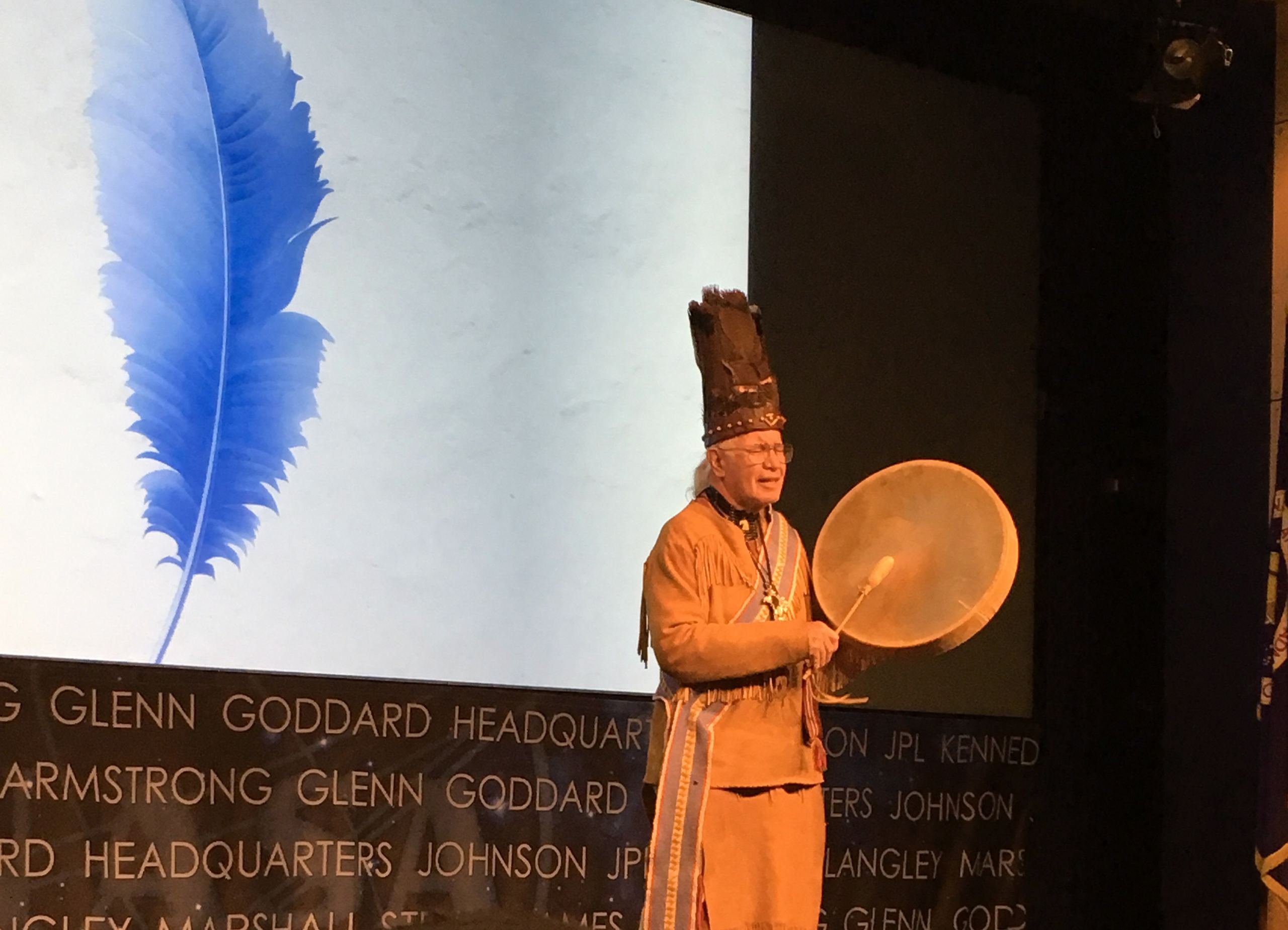
The KBO formerly known as Ultima Thule (2014 MU69) has officially been named "Arrokoth", the traditional Powhatan-Algonquin language.
Continue reading
Continue reading
Continue reading
Continue reading
Continue reading
 Universe Today