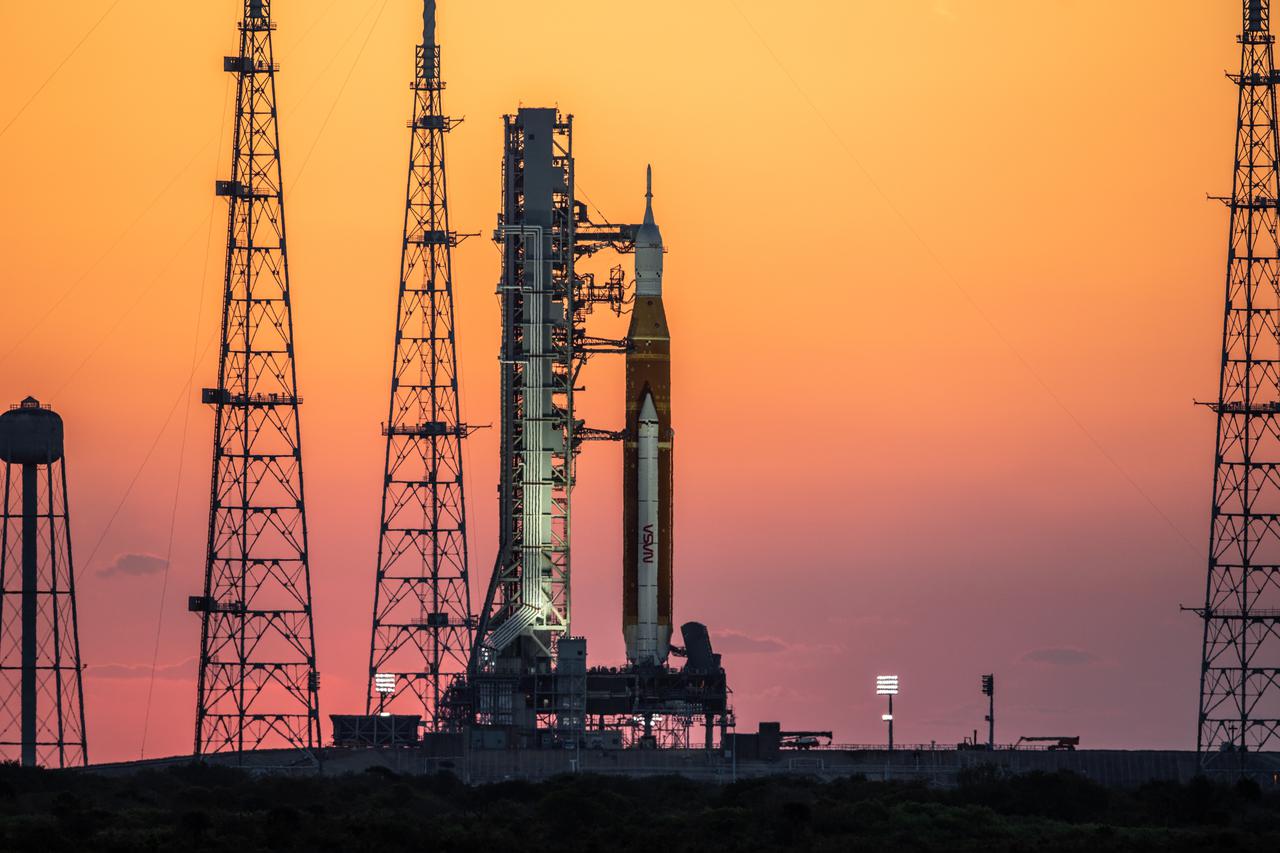
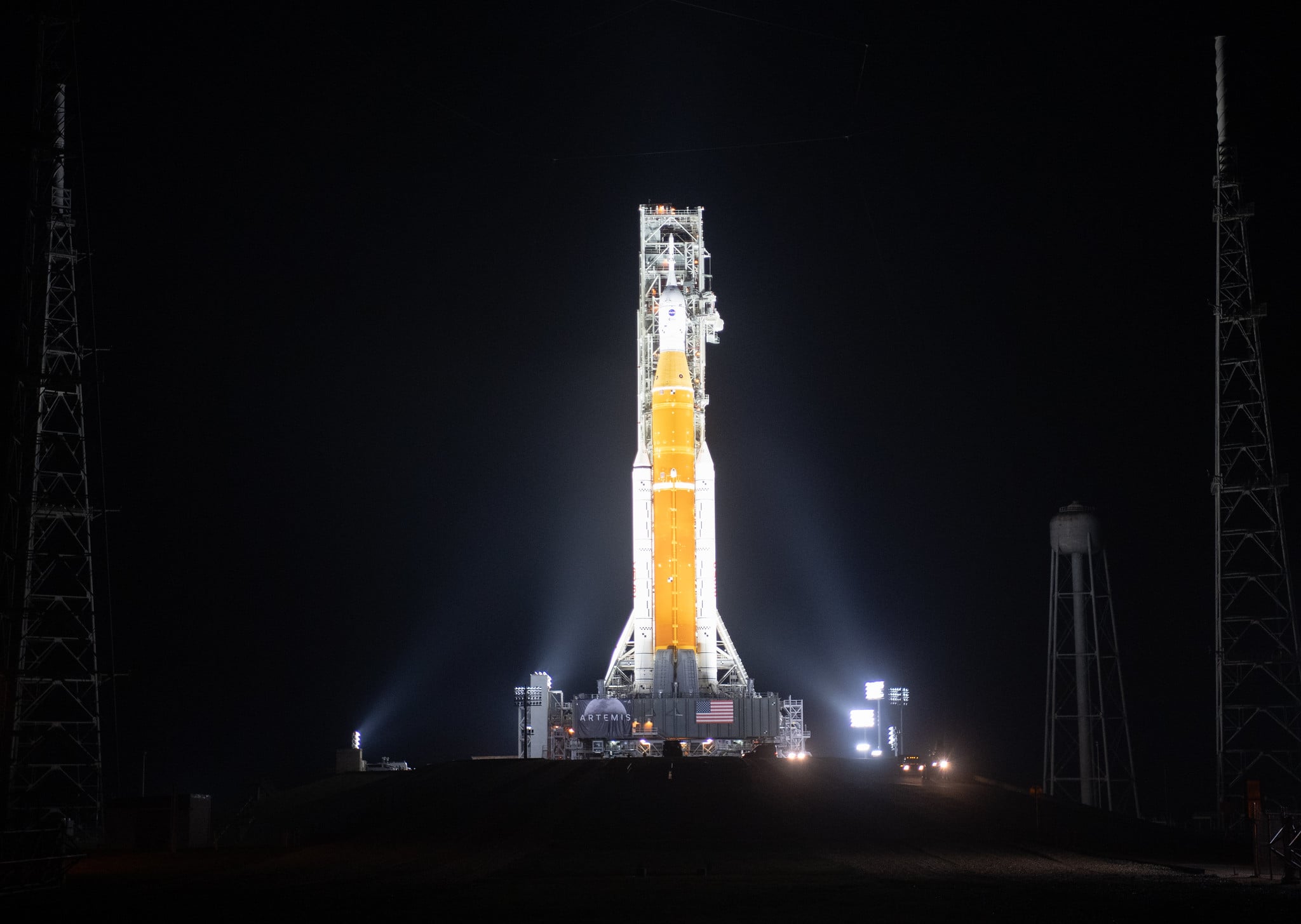
NASA will be conducting a Wet Dress Rehearsal with the SLS rocket this weekend in preparation for its maiden flight!
Continue reading

Continue reading
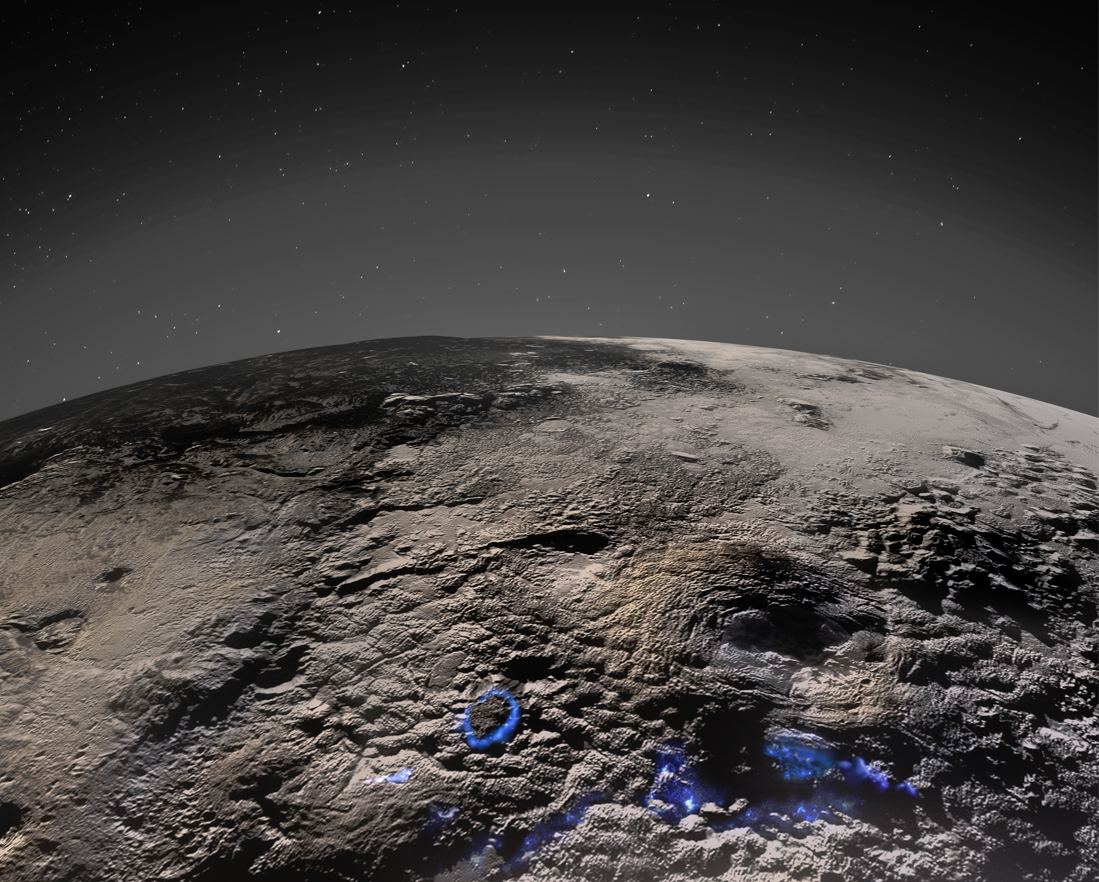
Continue reading
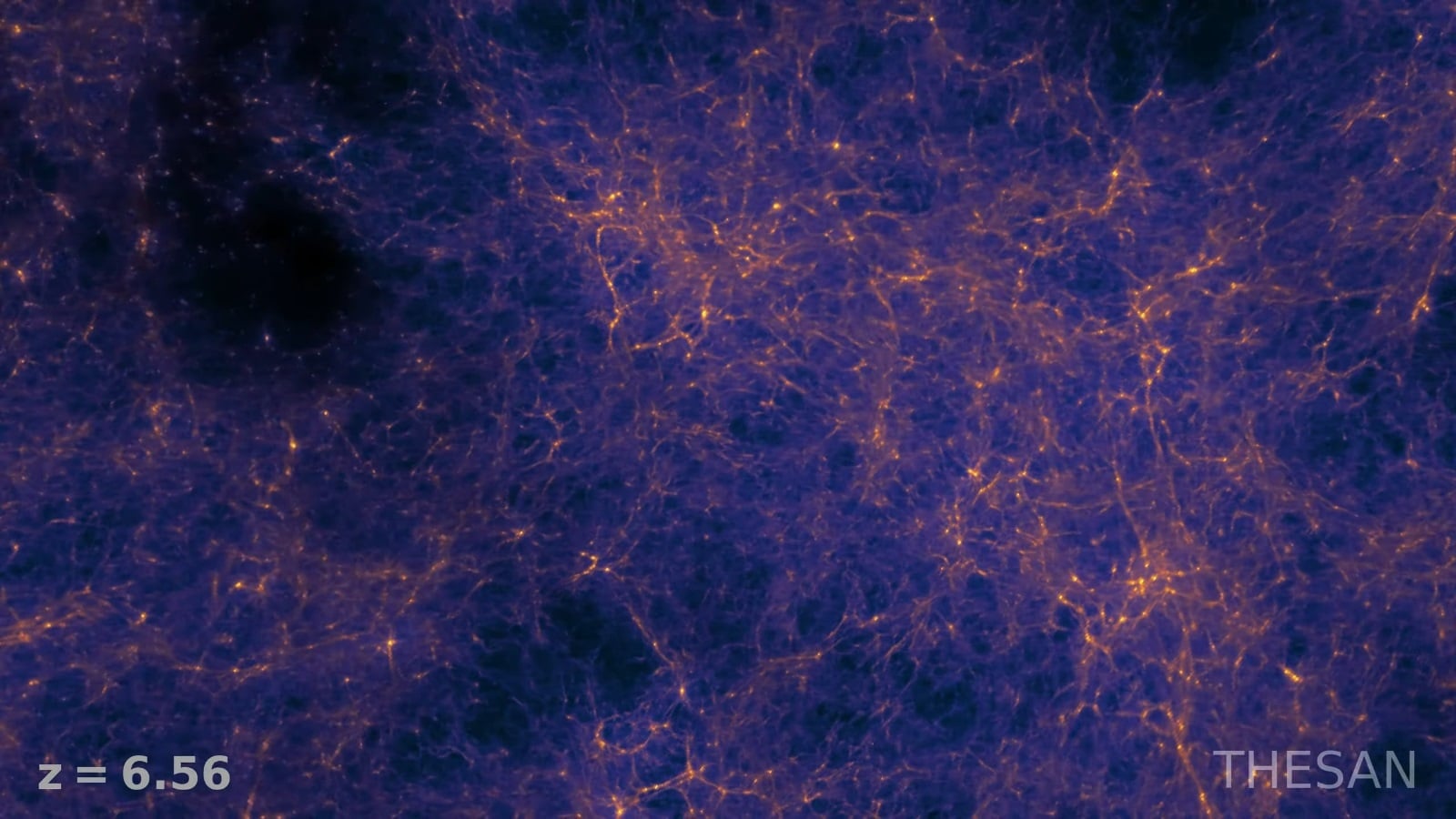
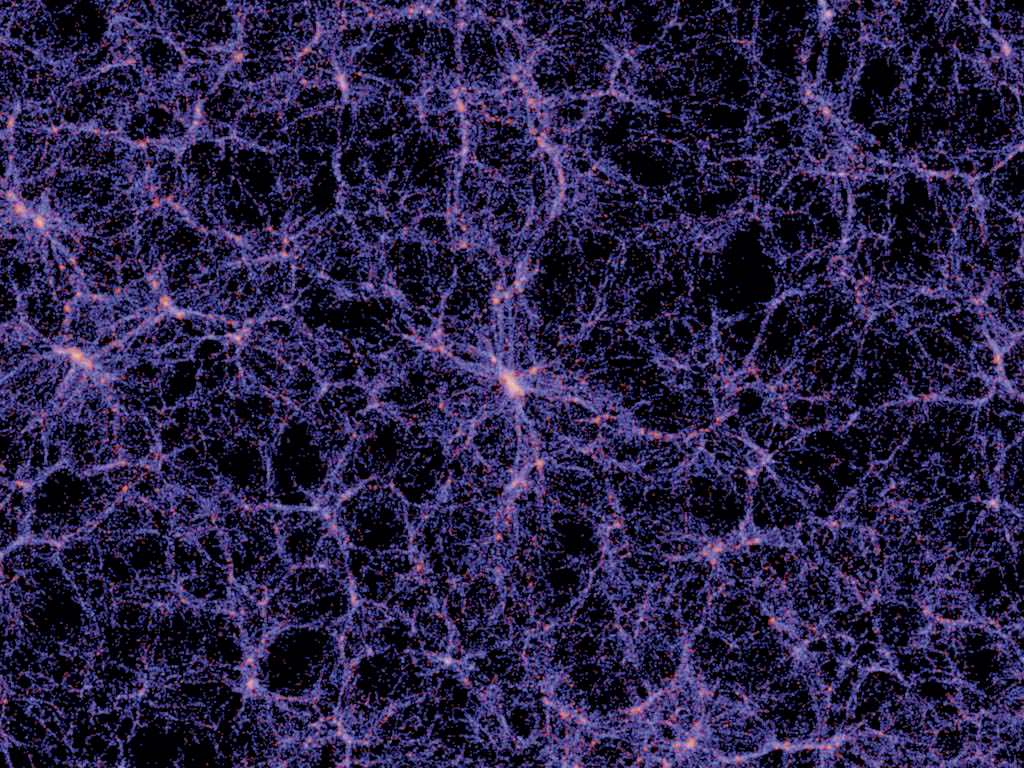
A new simulation suite created by an international team of scientists shows what the James Webb will be seeing soon!
Continue reading
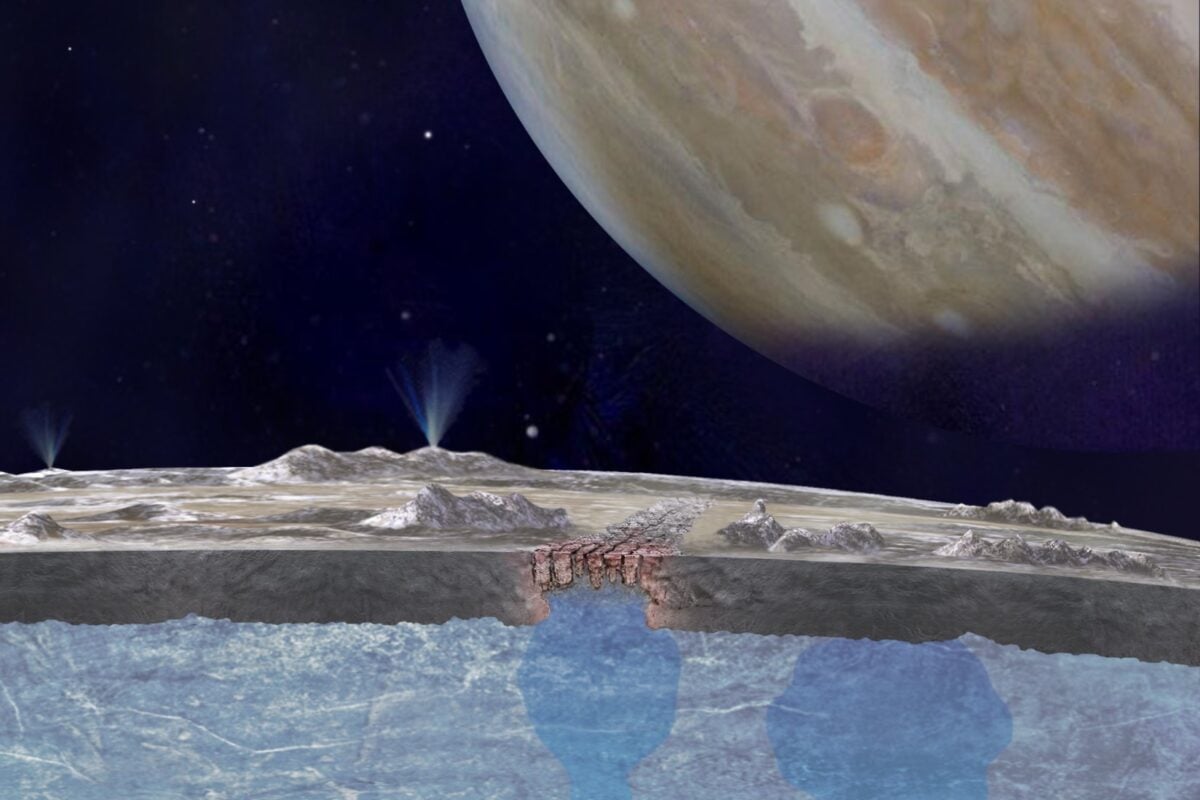
Continue reading
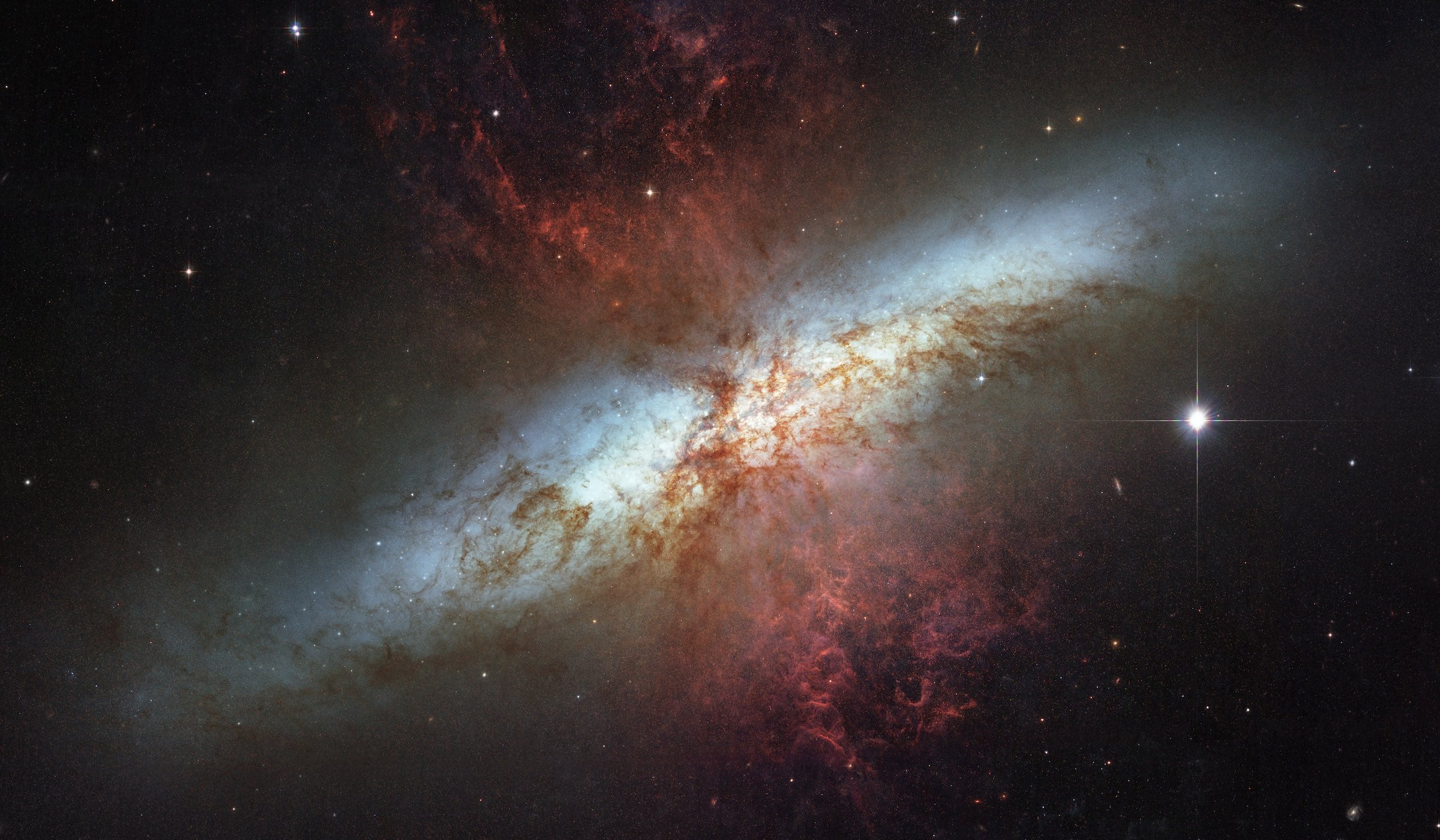
Supermassive black holes play a central role to weaken star production in their galaxies.
Continue reading
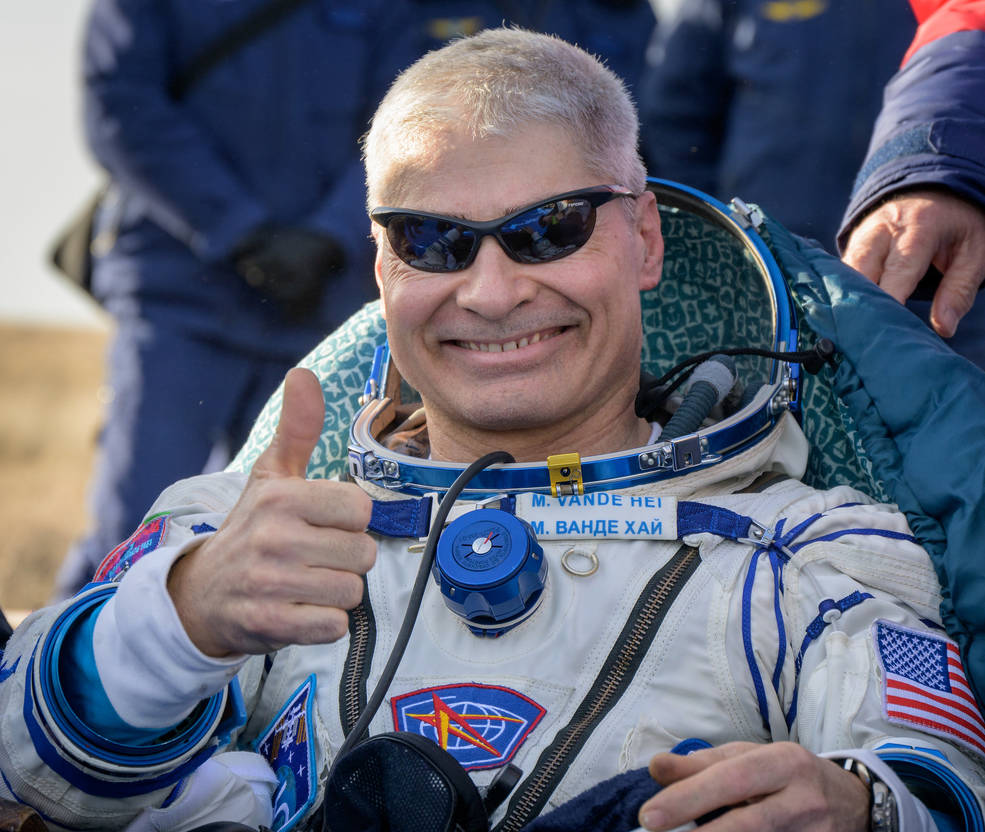
Continue reading
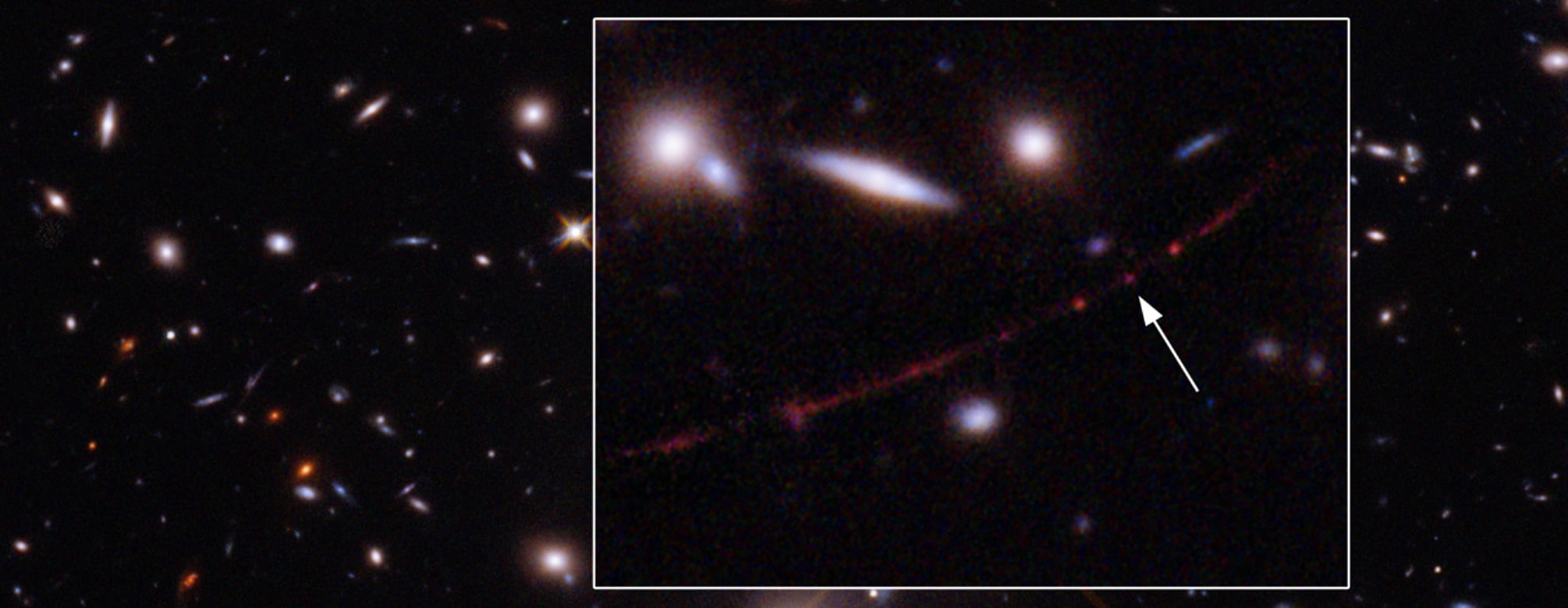
Continue reading
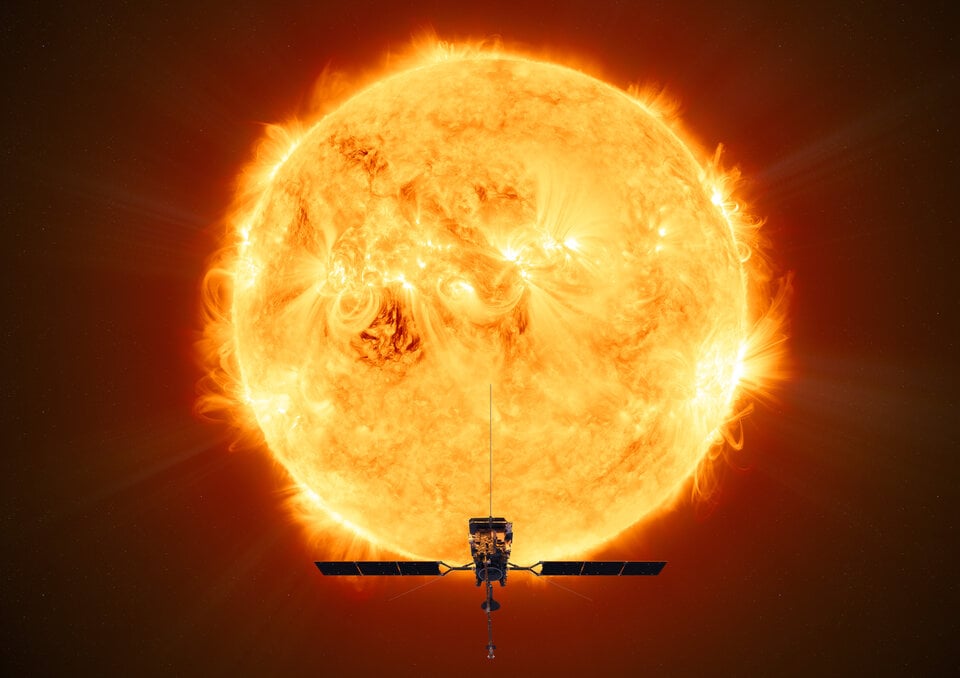
The European Space Agency's Solar Orbiter snaps an amazing image, en route to its first close pass near the Sun.
Continue reading

Continue reading
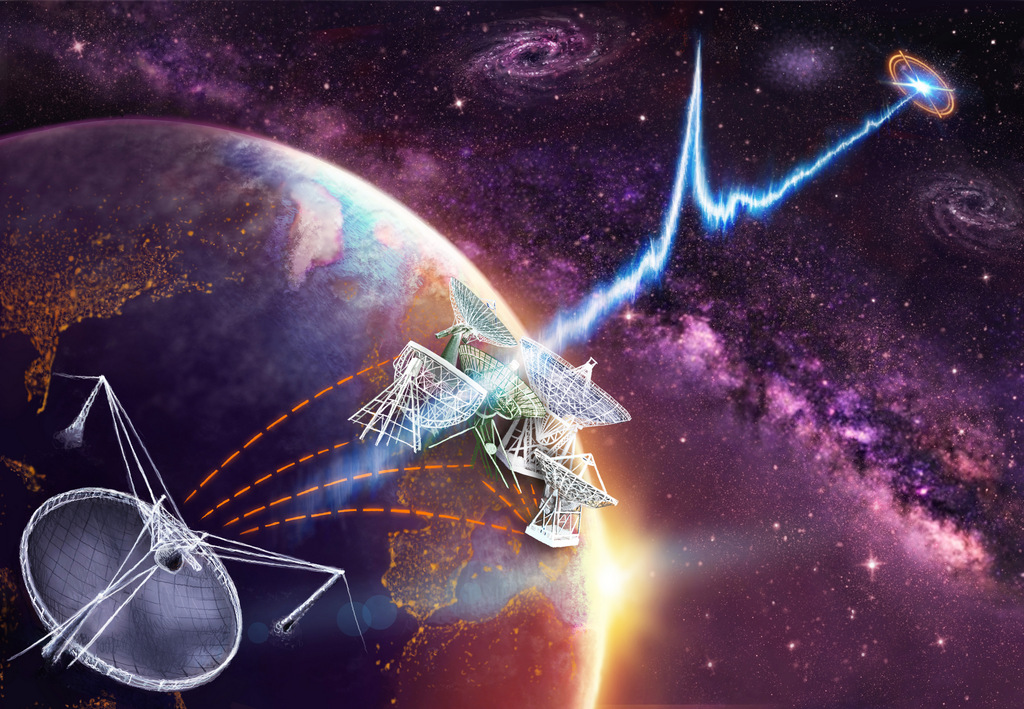
An international team of researchers has composed an updated Arecibo Message, known as the Beacon in the Galaxy (BITG) Message.
Continue reading
Continue reading
Continue reading
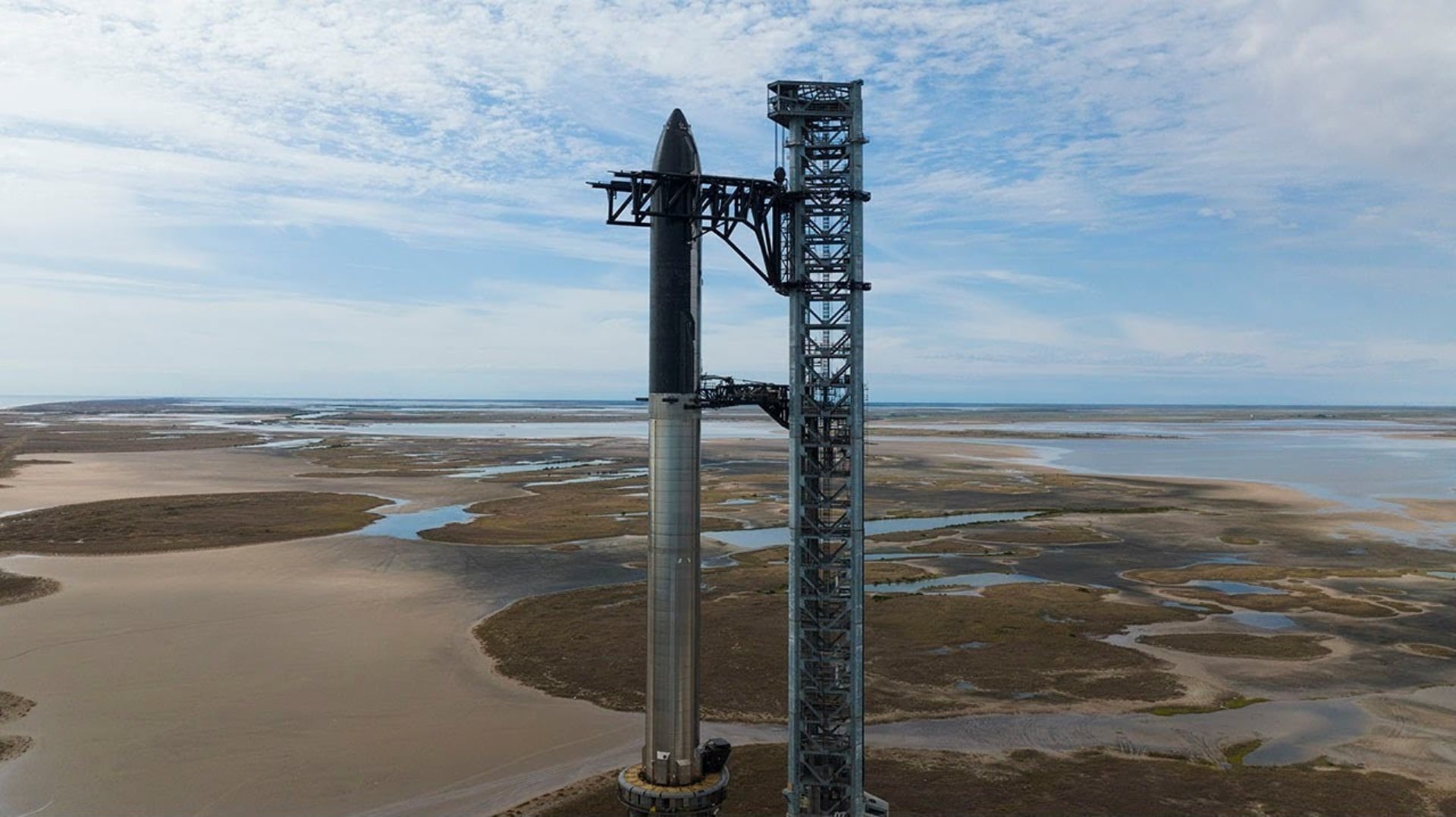
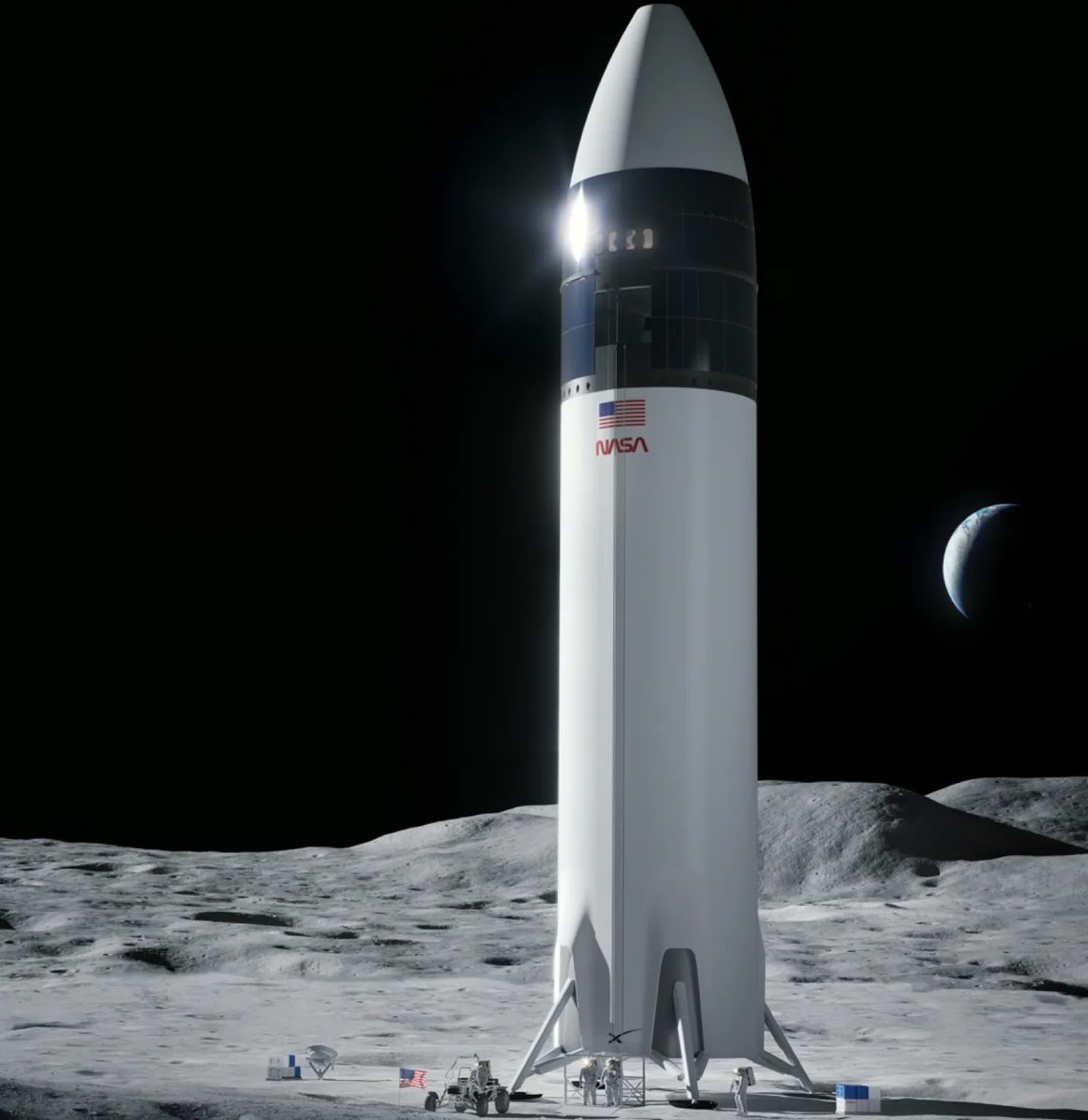
According to Elon Musk's latest updates, the Starship could be ready to fly with the new Raptor engines by May
Continue reading
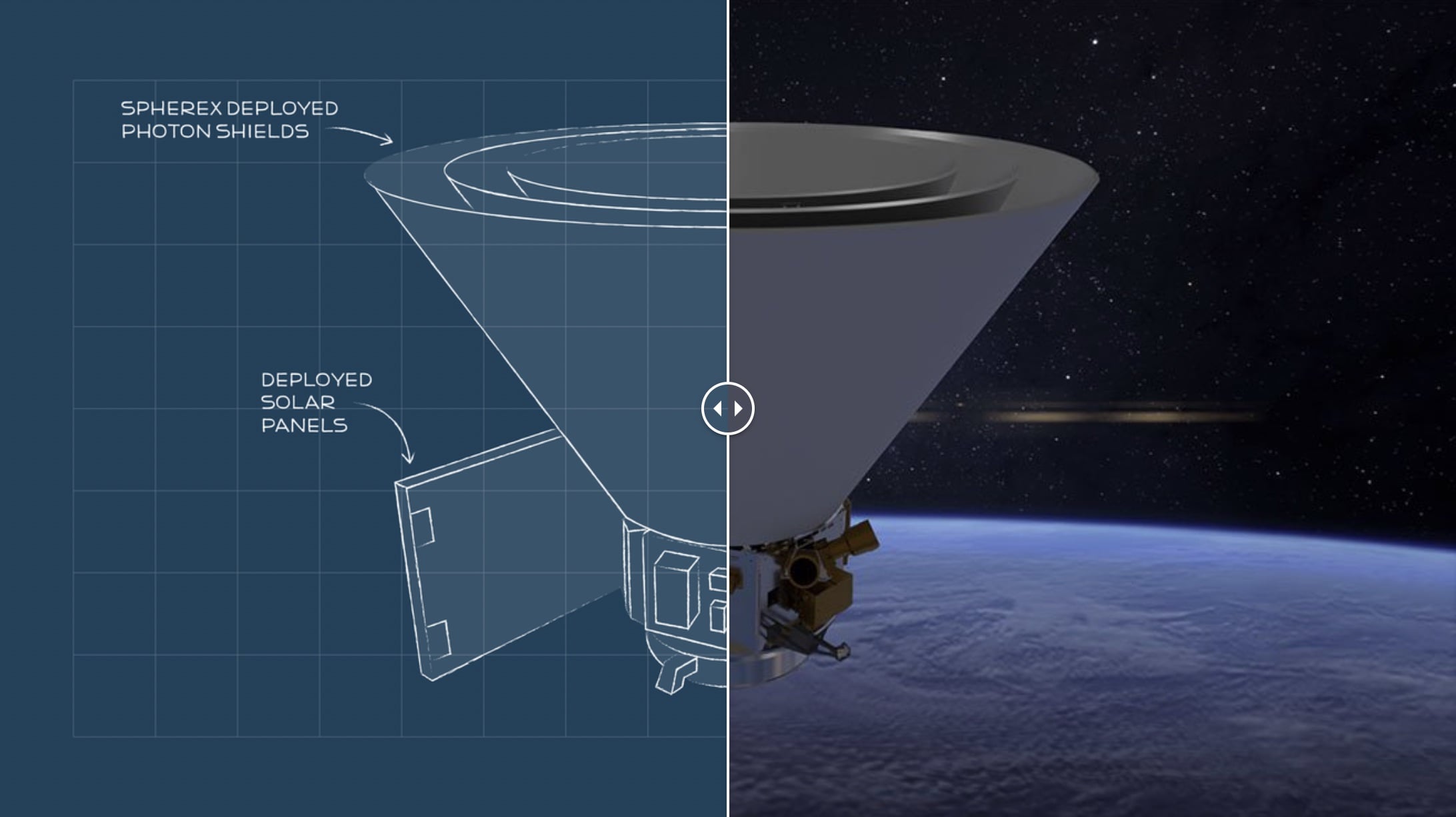
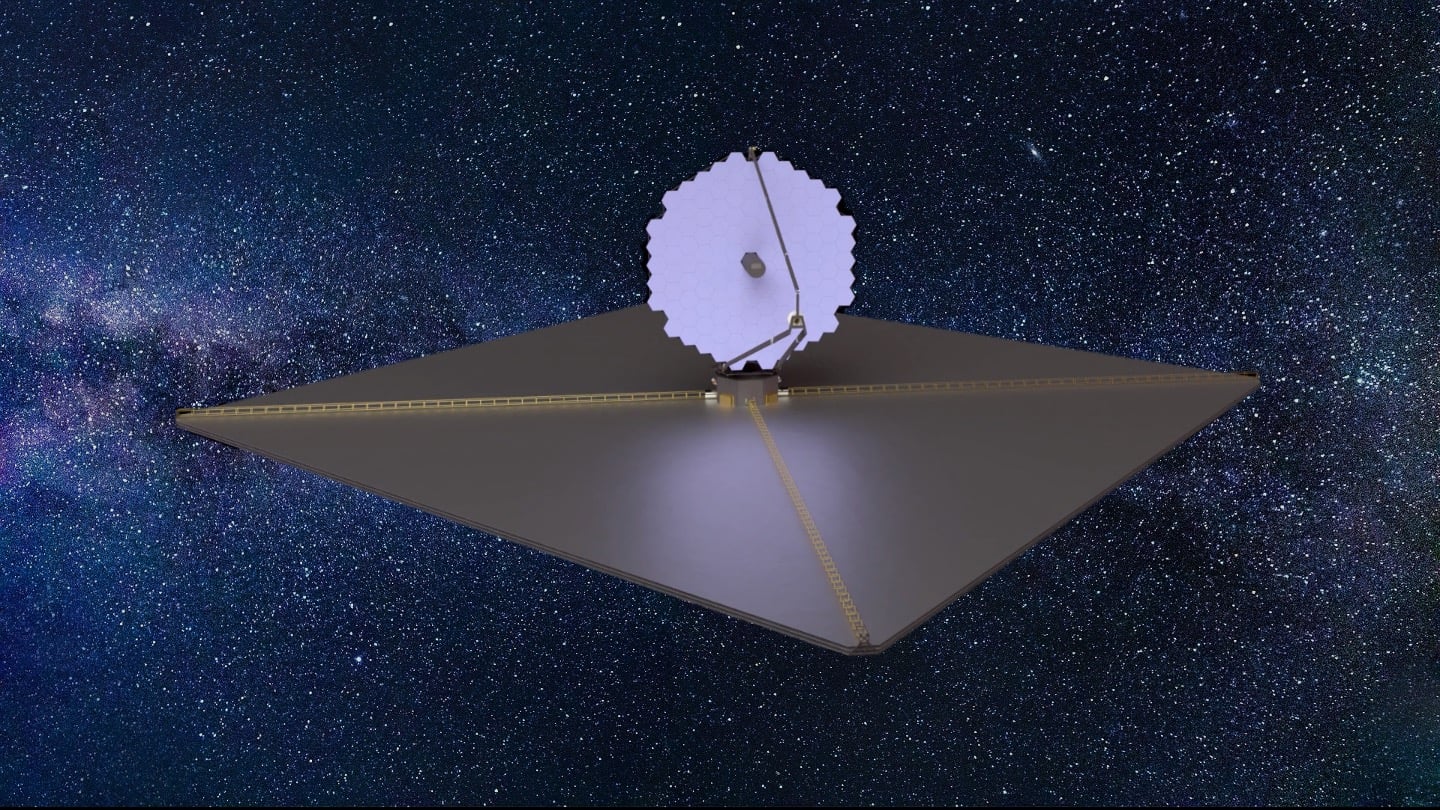
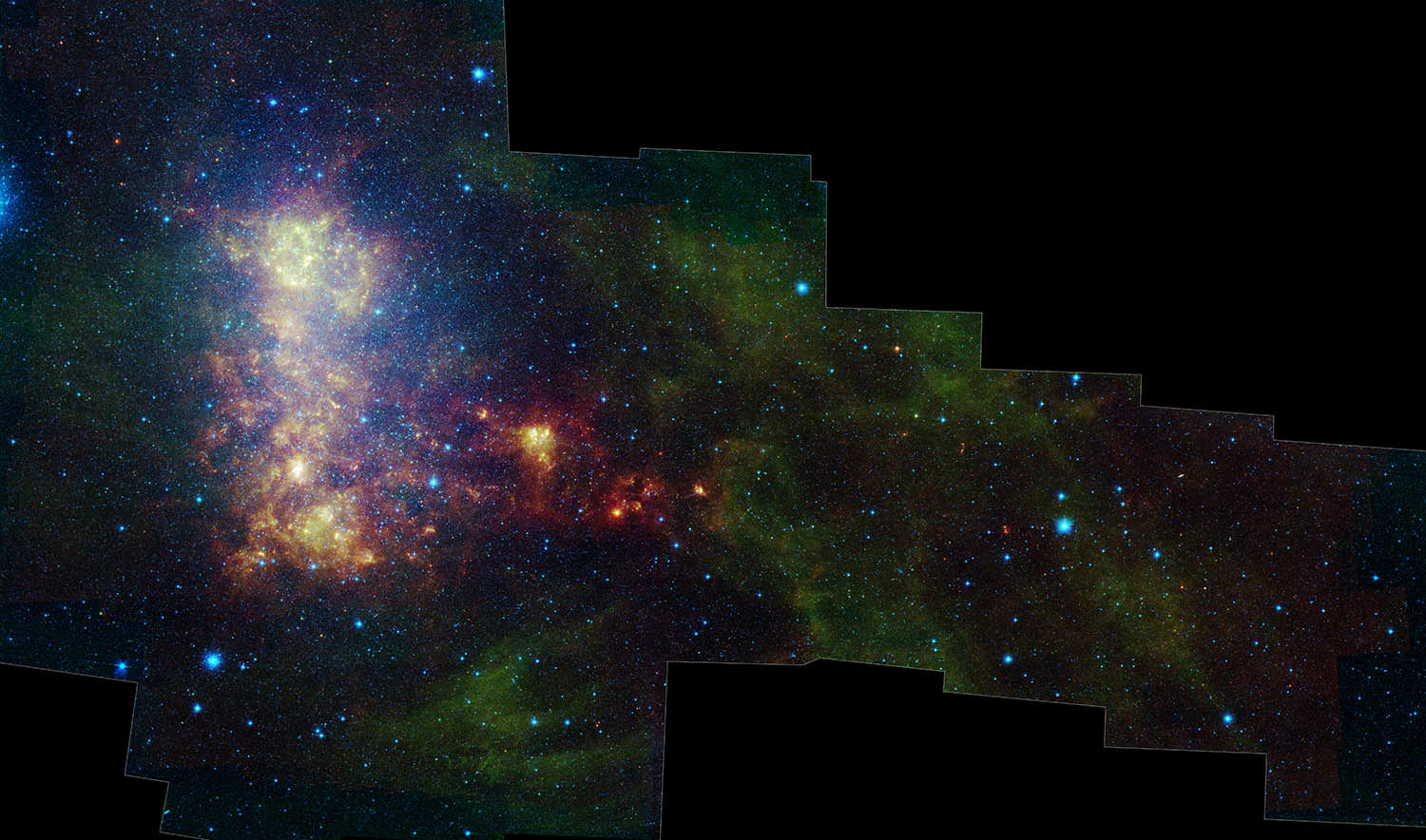
The JWST will only capture a small portion of the infrared sky. To see more, we need a satellite like SPHEREx.
Continue reading
Continue reading
Continue reading
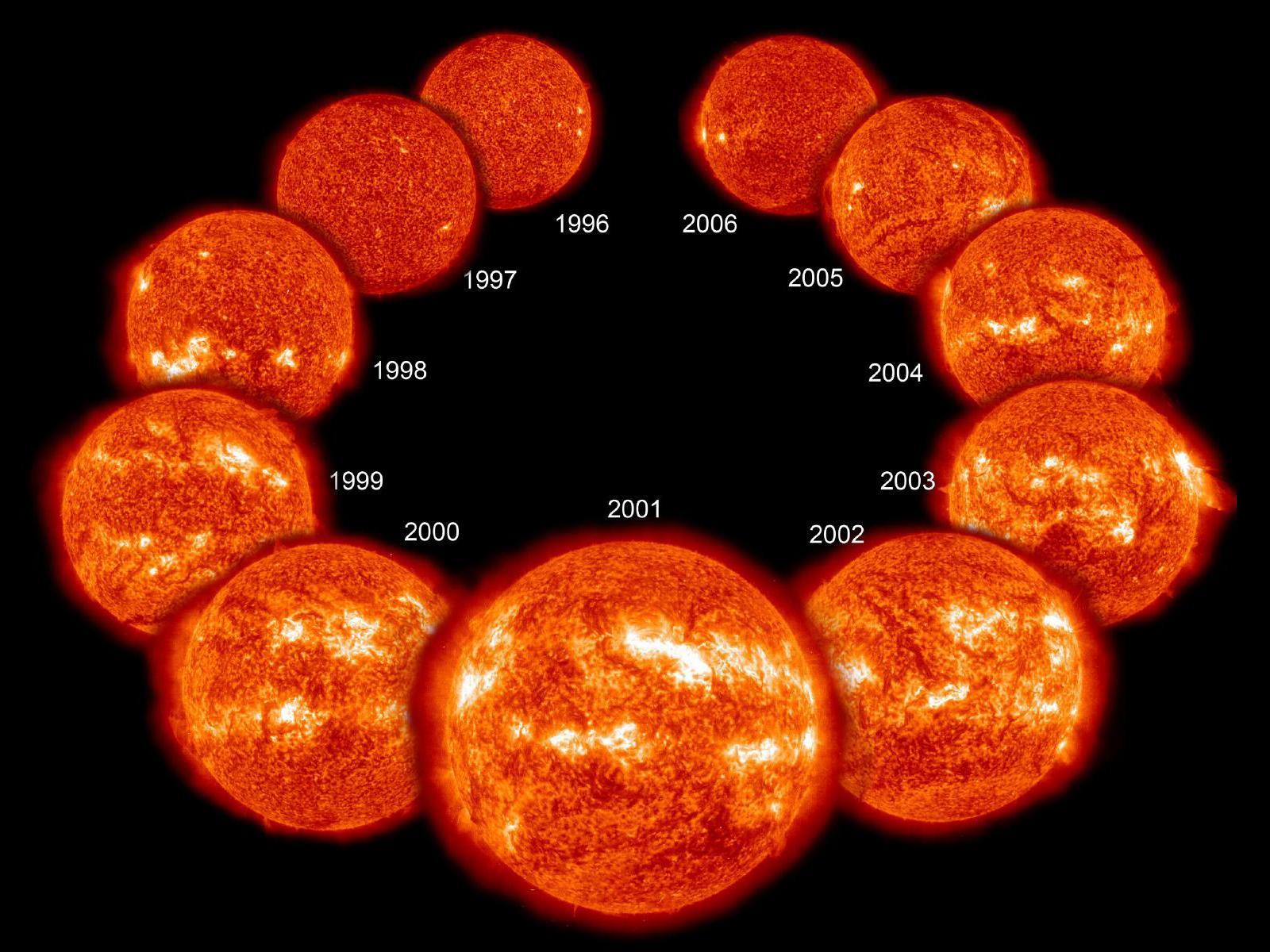
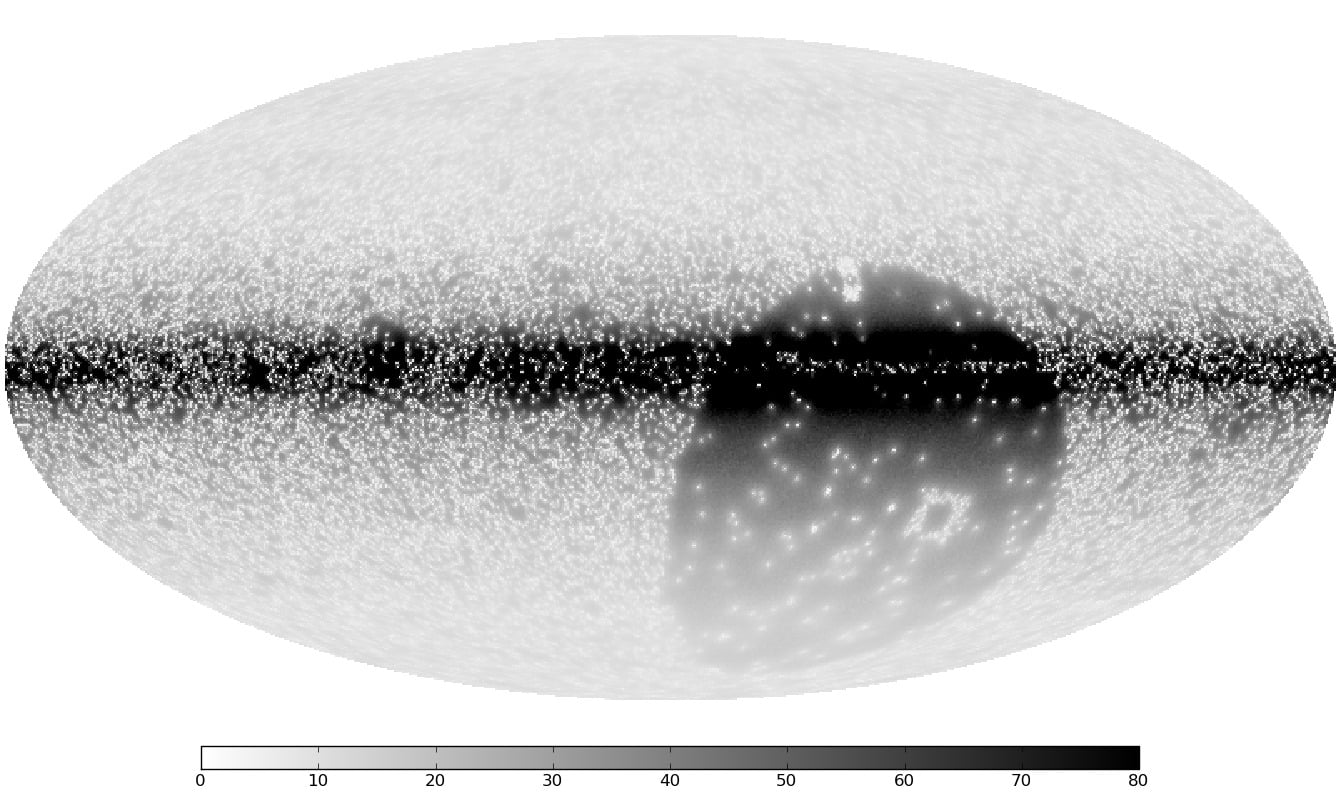
A study of nearly 60 stars lets us understand why our Sun was once quiet for 70 years.
Continue reading
Continue reading
Continue reading
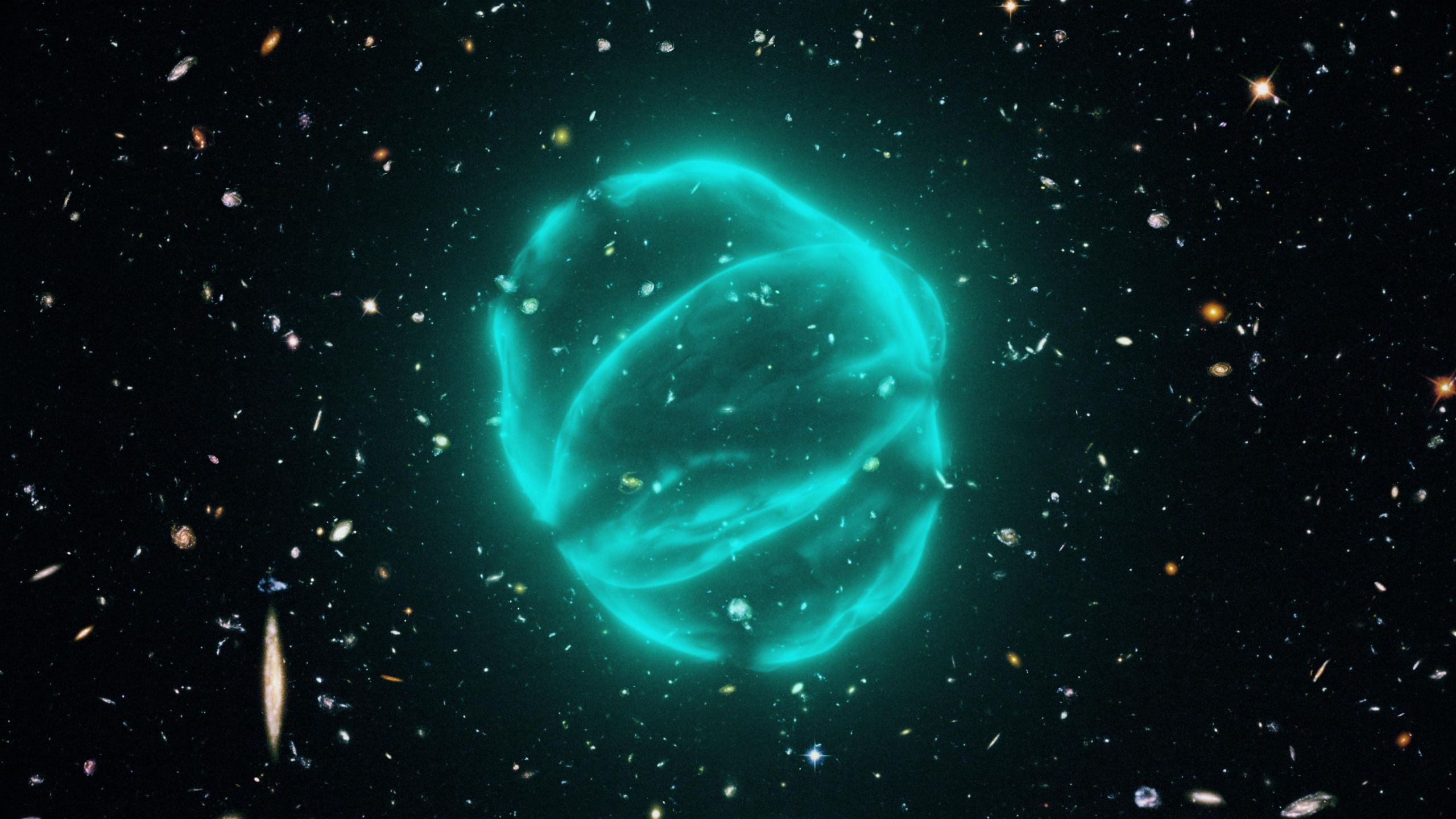
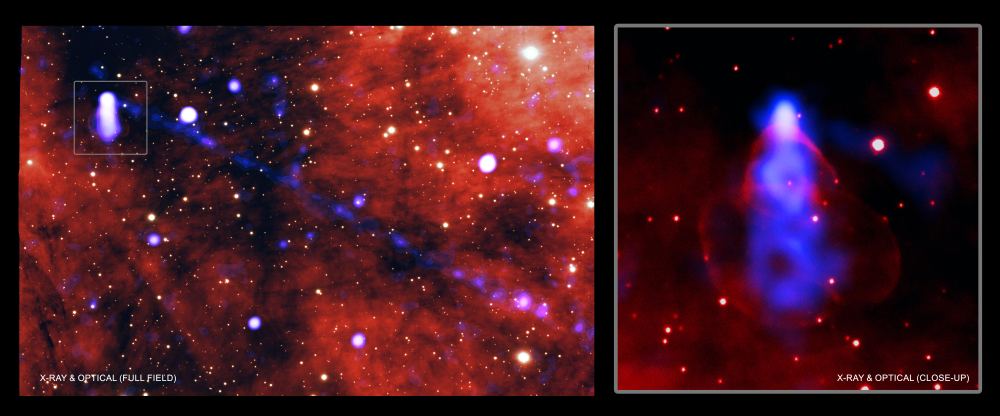
Strange galaxy-sized circles are emitting radio light, and we don't know why.
Continue reading
Continue reading
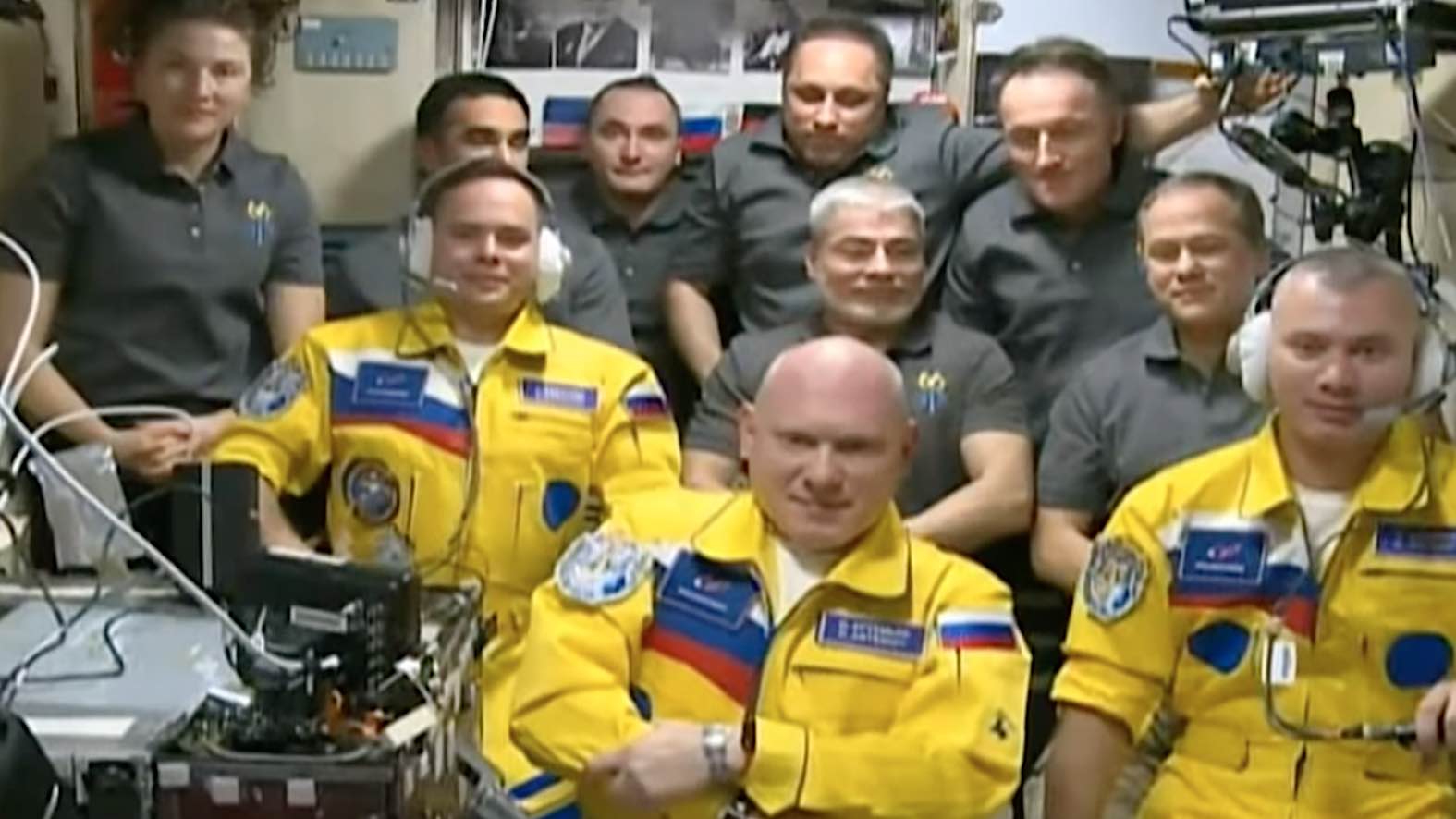
Seriously, what was up with those yellow uniforms? Not much, it seems! Things aboard the ISS are as they've always been, cooperative and continuous!
Continue reading
Continue reading
Continue reading
Continue reading
Continue reading
Continue reading
Continue reading
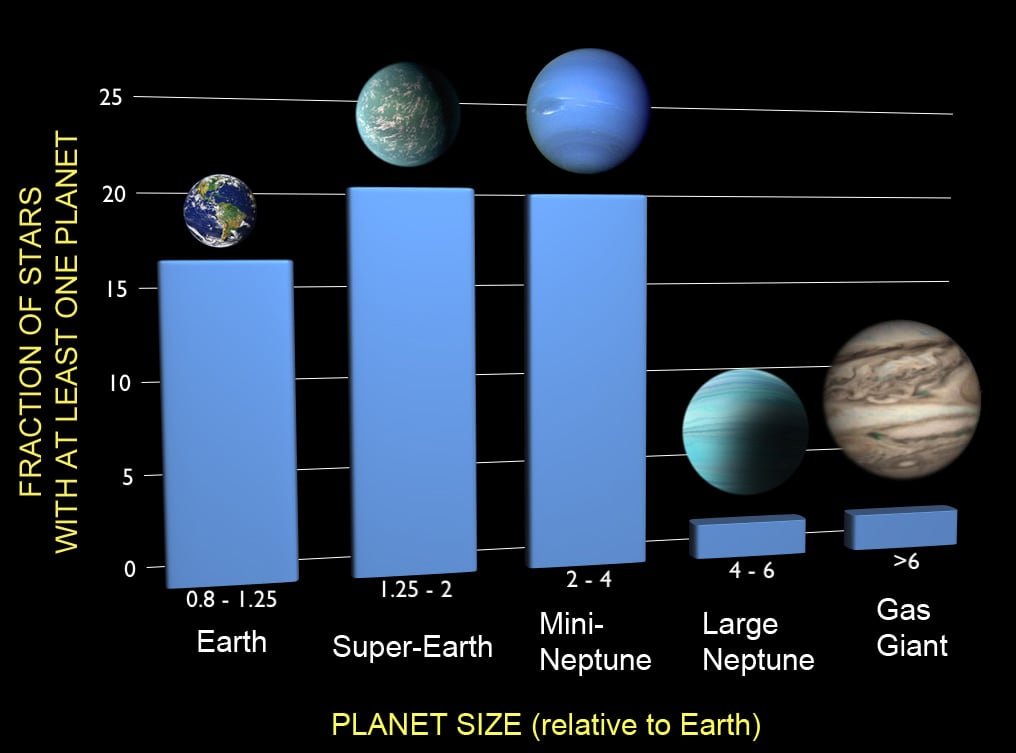
There are now more than 5,000 known planets in the universe, and we're just getting started.
Continue reading
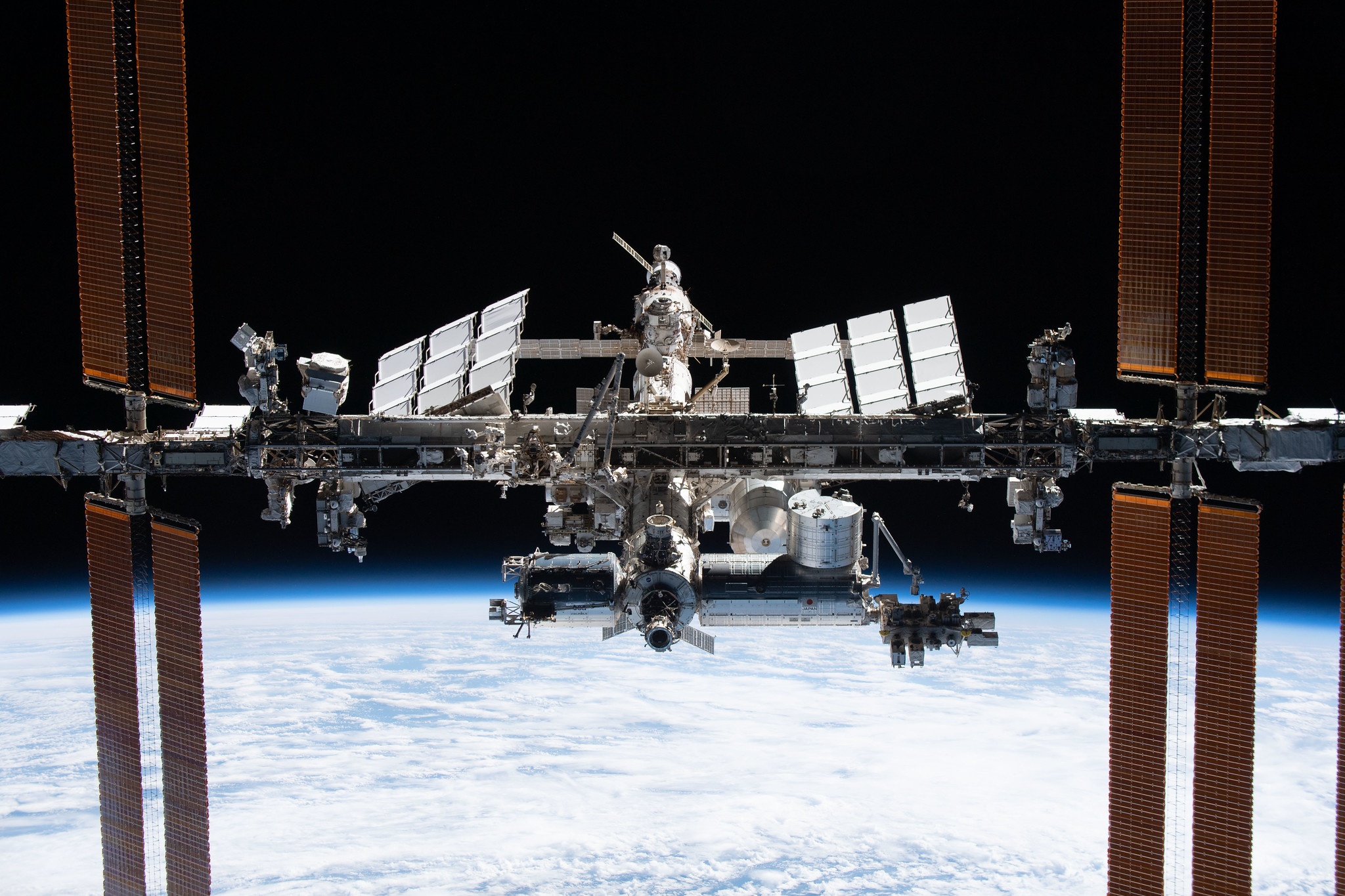
In response to growing concerns about the fate of the ISS, NASA has released an FAQ session that will put your fears to rest!
Continue reading
Continue reading

Eddie Vedder's Invincible: a musical tribute to the rollout of the SLS, the coming launch of Artemis I, and humanity's long awaited return to the Moon!
Continue reading
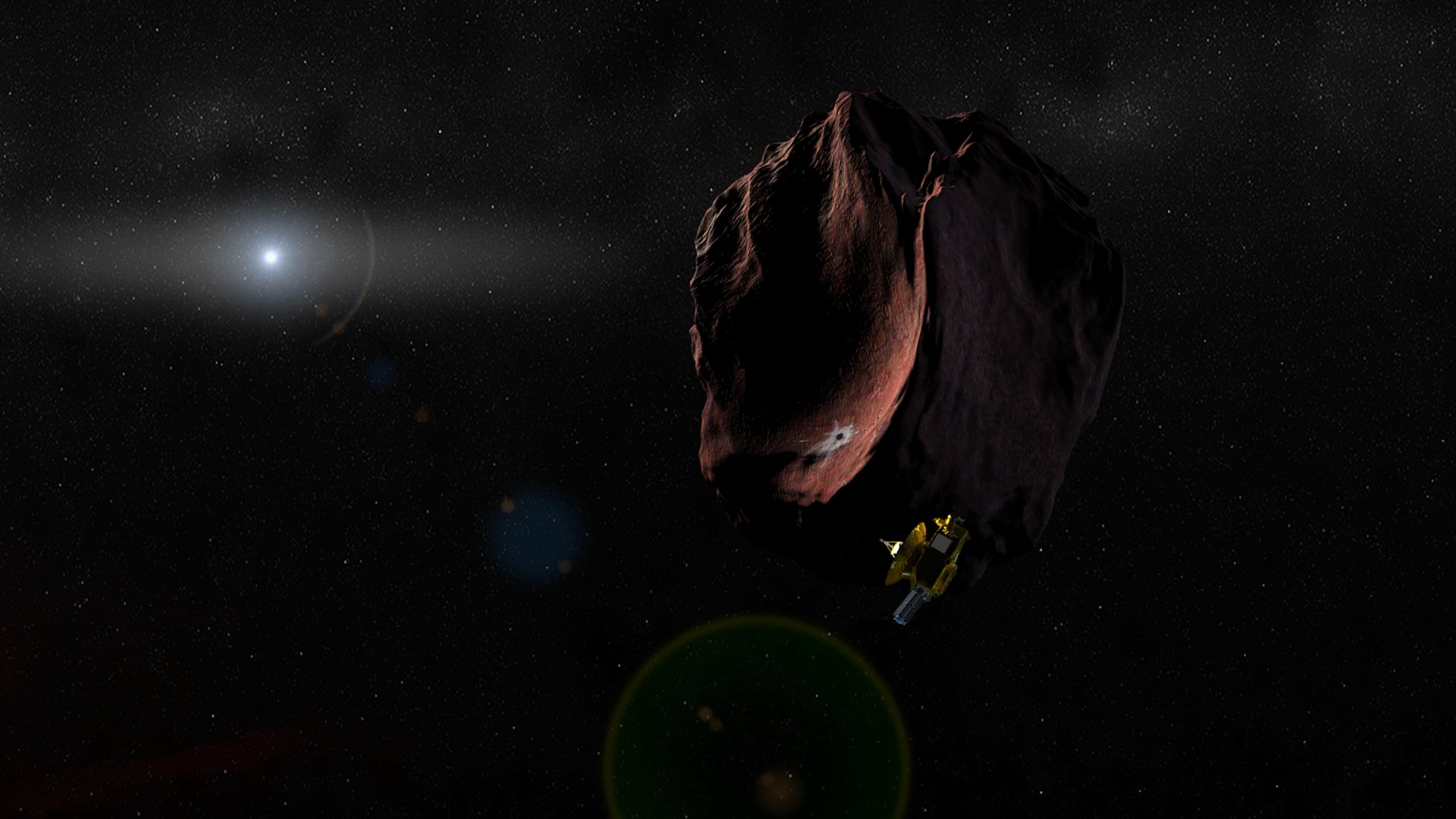
A new study takes a look at Von Neumann probes and asks the really important questions: "why would aliens send them?" and, "where might we find them?"
Continue reading
Continue reading
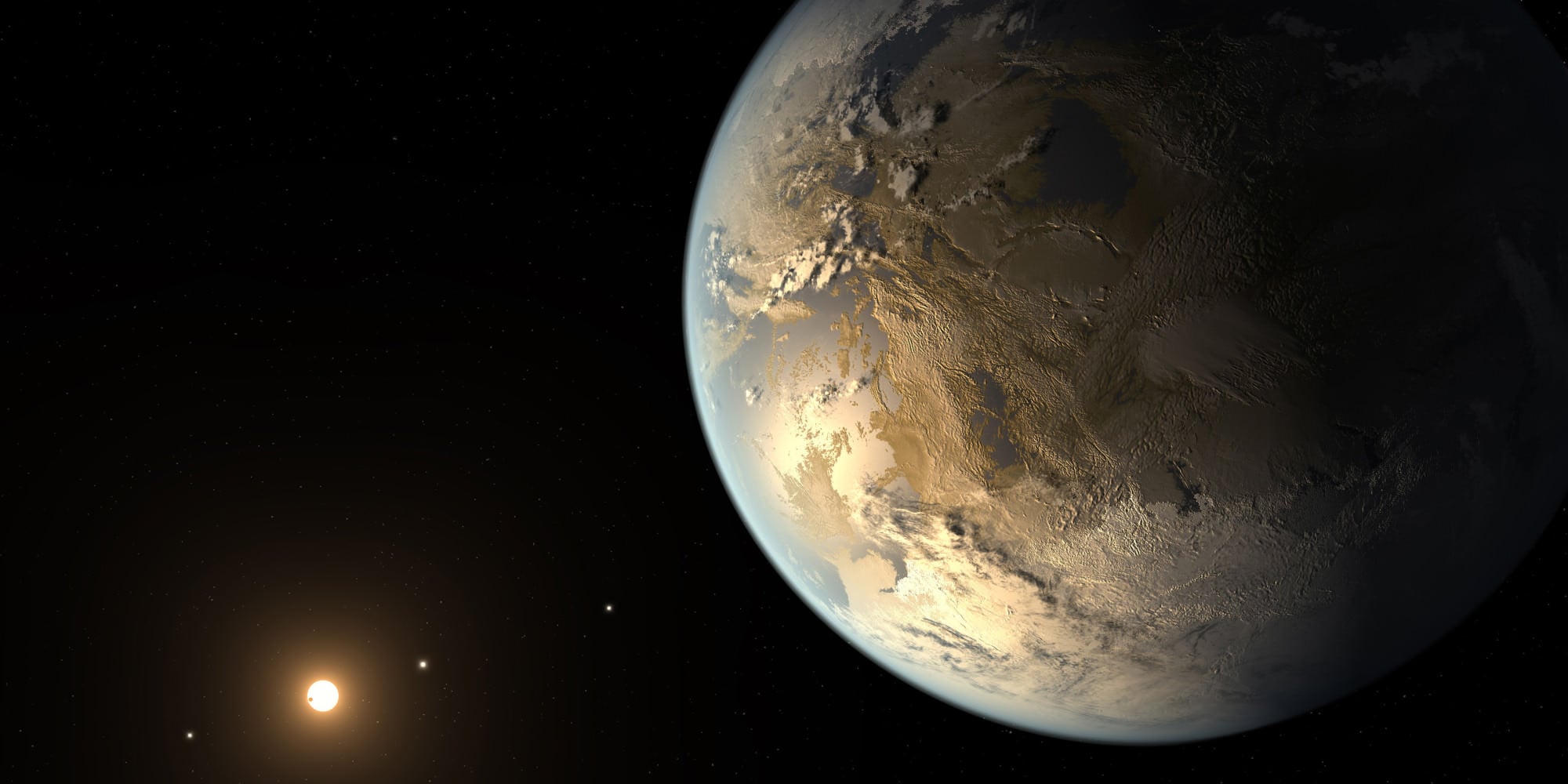
A new study has shown how machine learning will aid next-generation telescopes in the search for water on exoplanets.
Continue reading
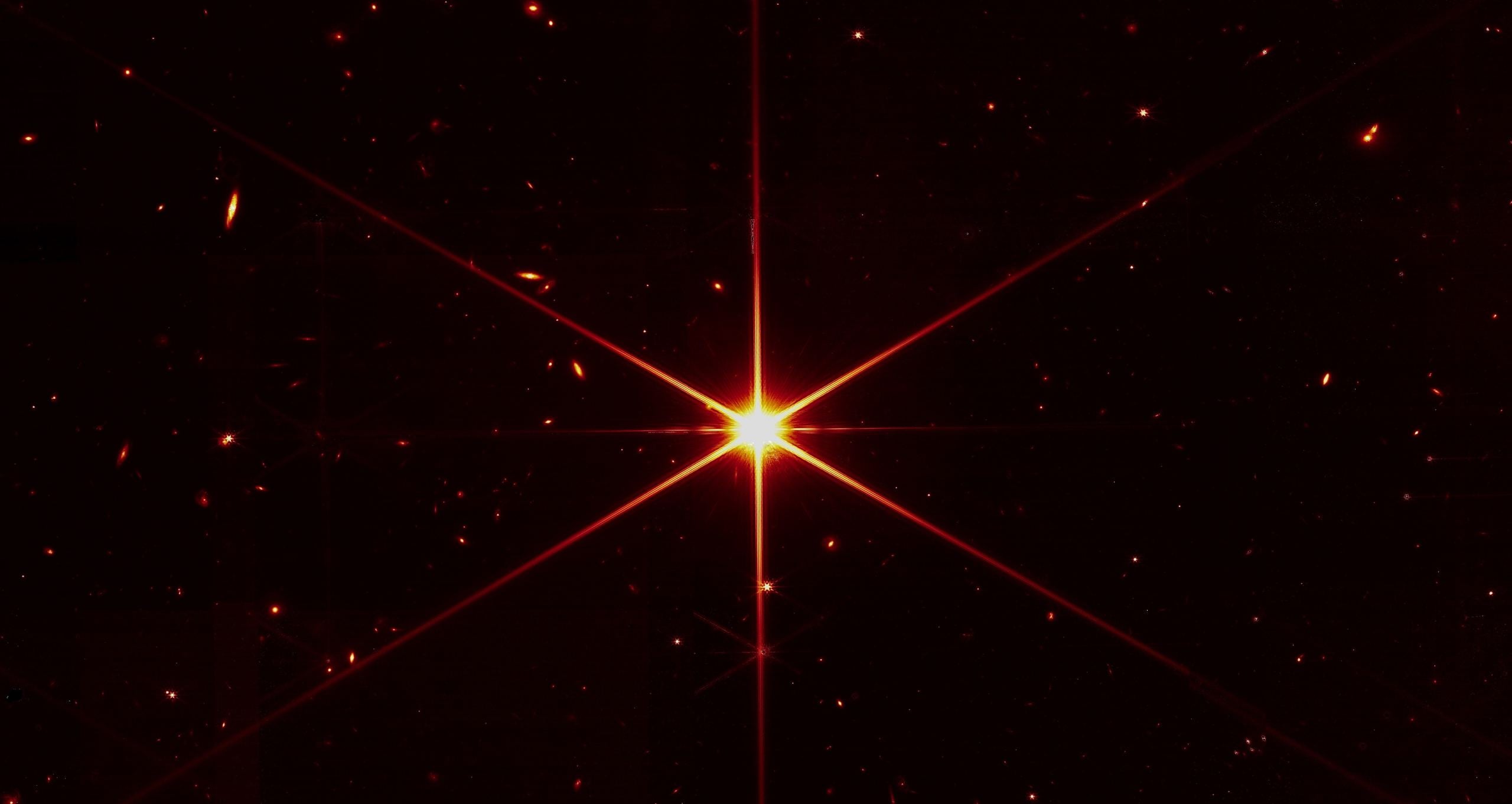
The new image taken by James Webb... were you wondering why it looks so spikey? As it turns out, that's an effect caused by its segmented mirrors!
Continue reading
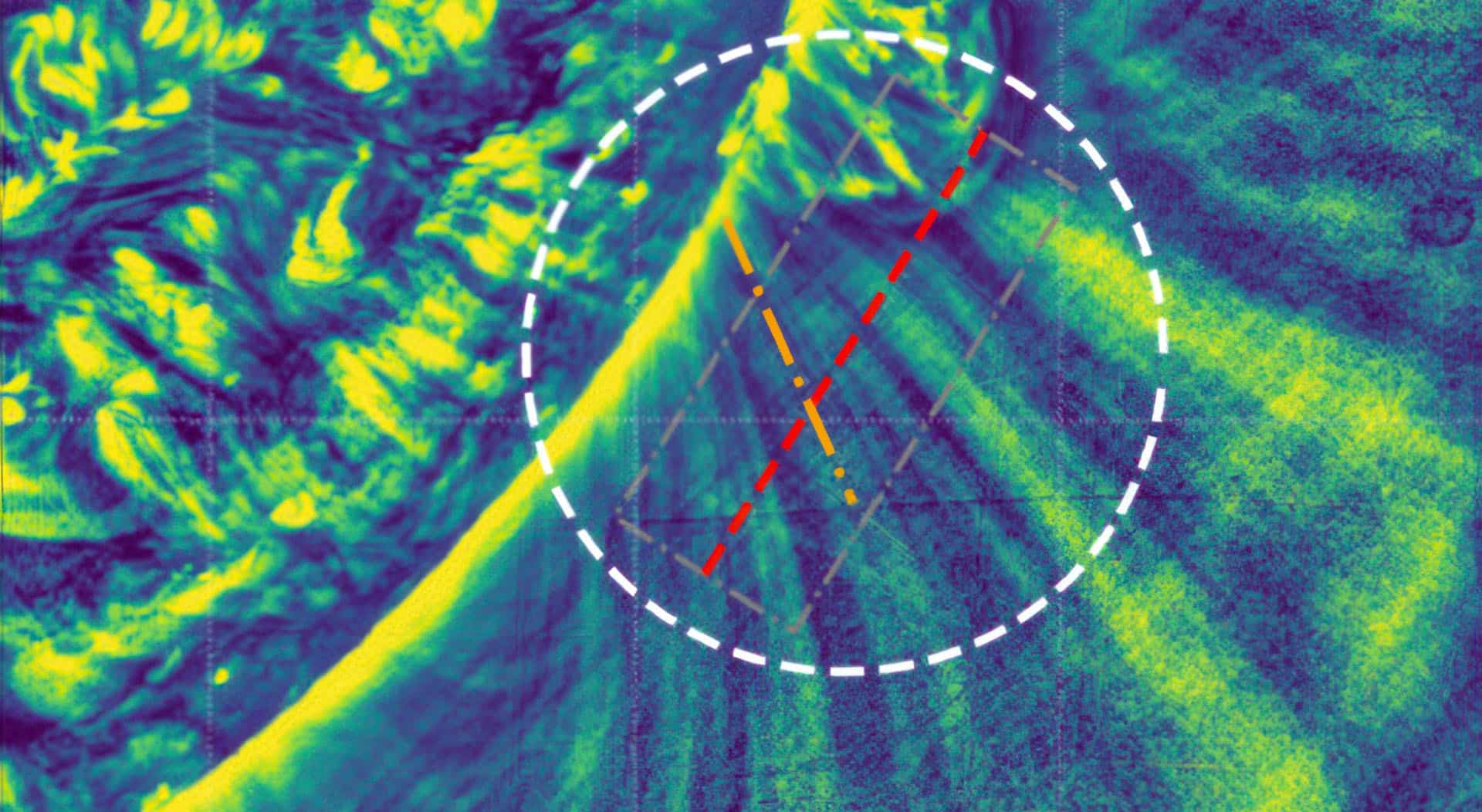
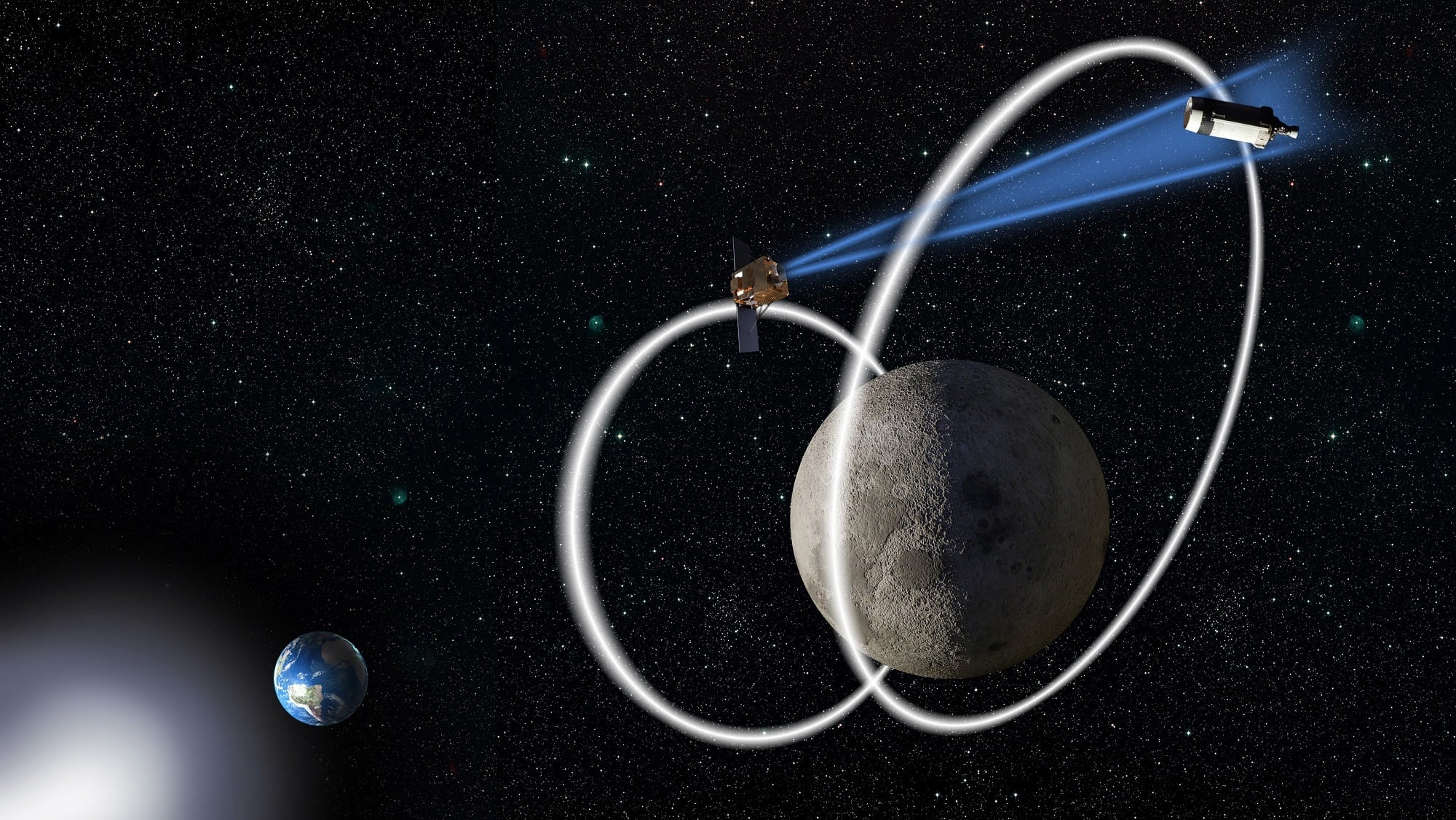
Detecting gravitational waves by observing the Moon's motion could help solve one of the greatest mysteries in cosmology.
Continue reading
Continue reading
Continue reading
Continue reading
Continue reading
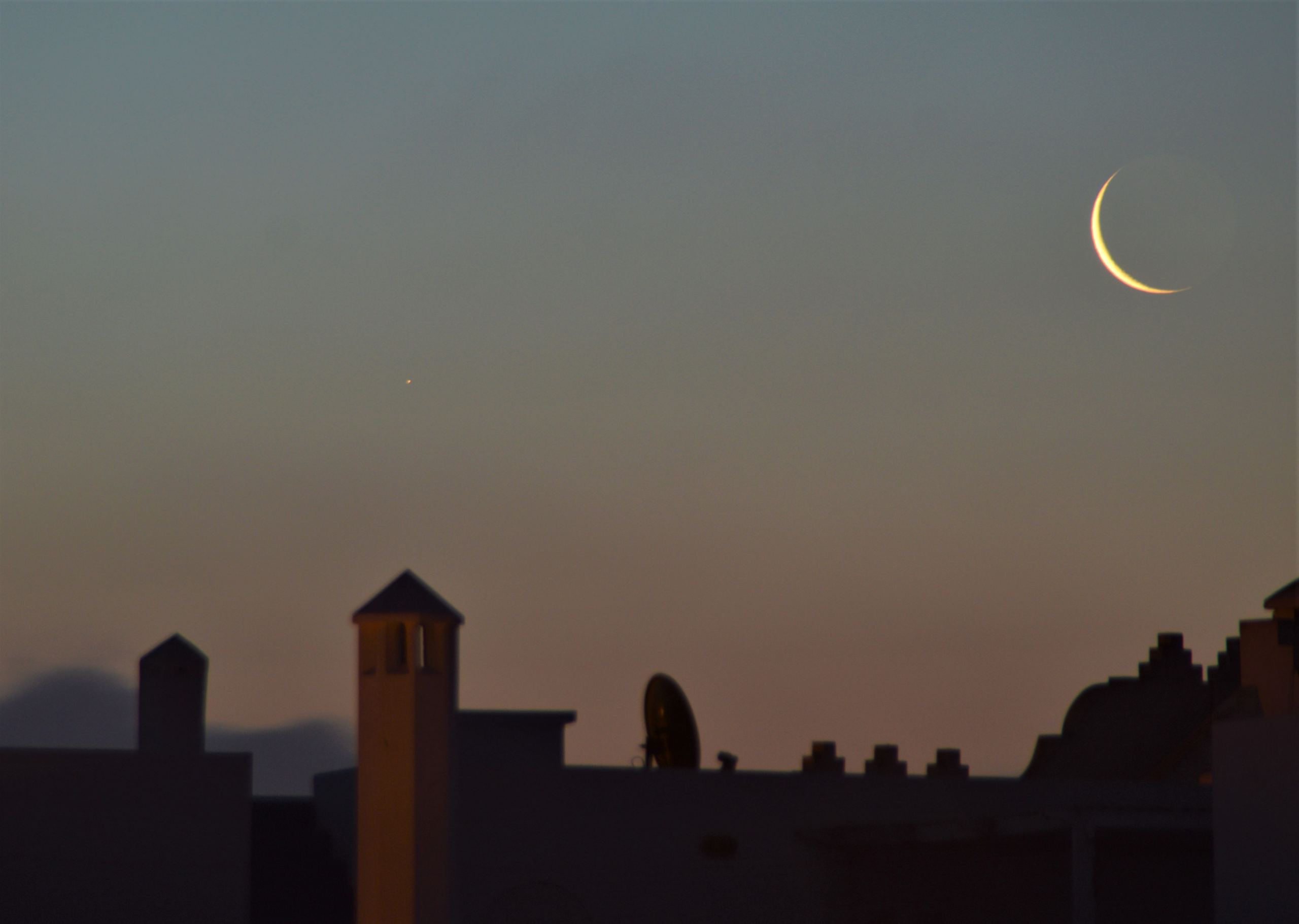
Ice was discovered on Mercury's poles thanks to planetary radar.
Continue reading
Continue reading
Continue reading
Continue reading
Continue reading
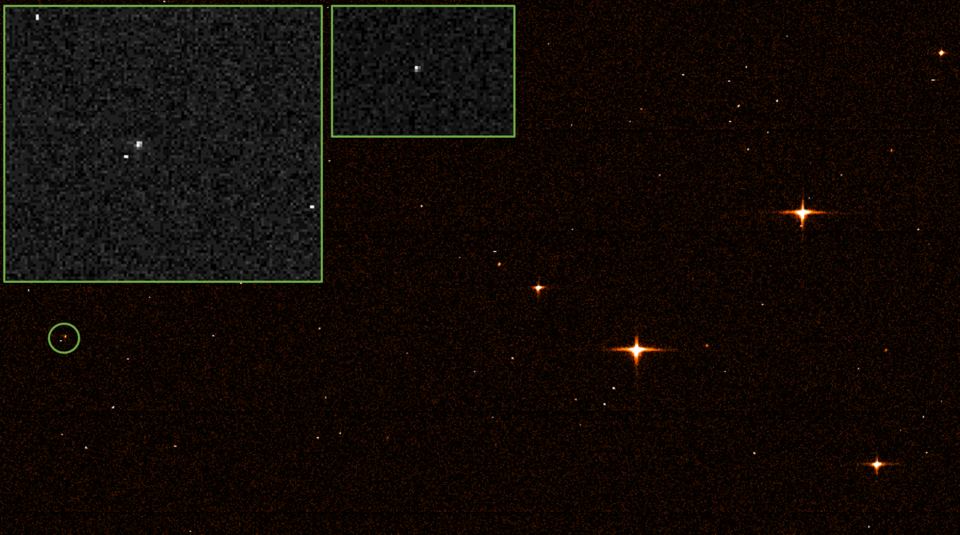
Continue reading
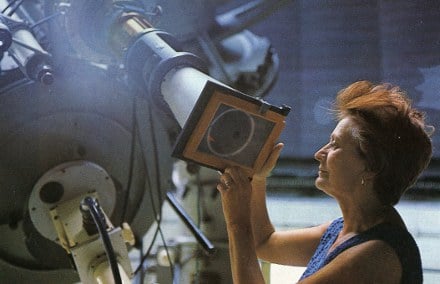
Continue reading
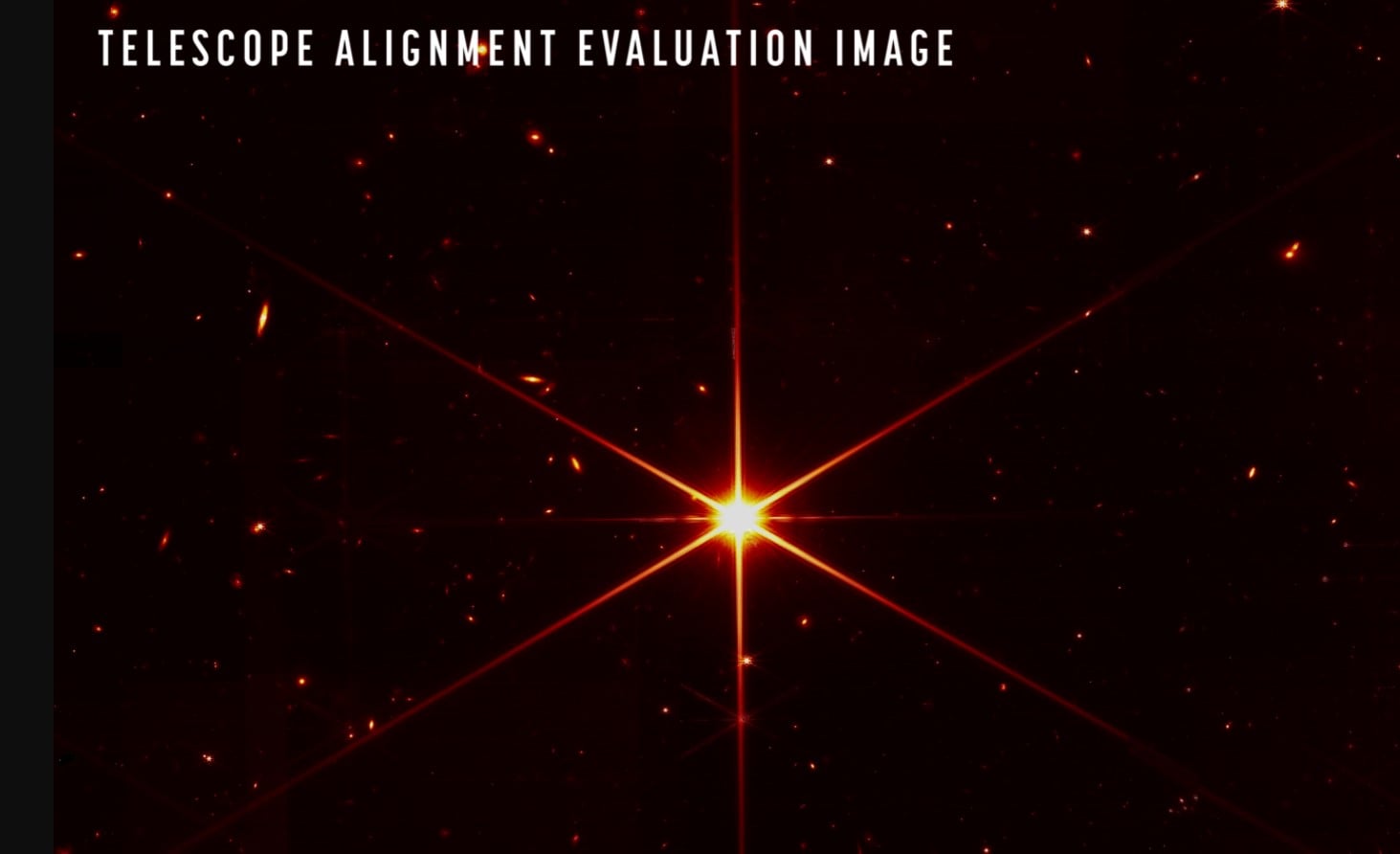
Continue reading
 Universe Today