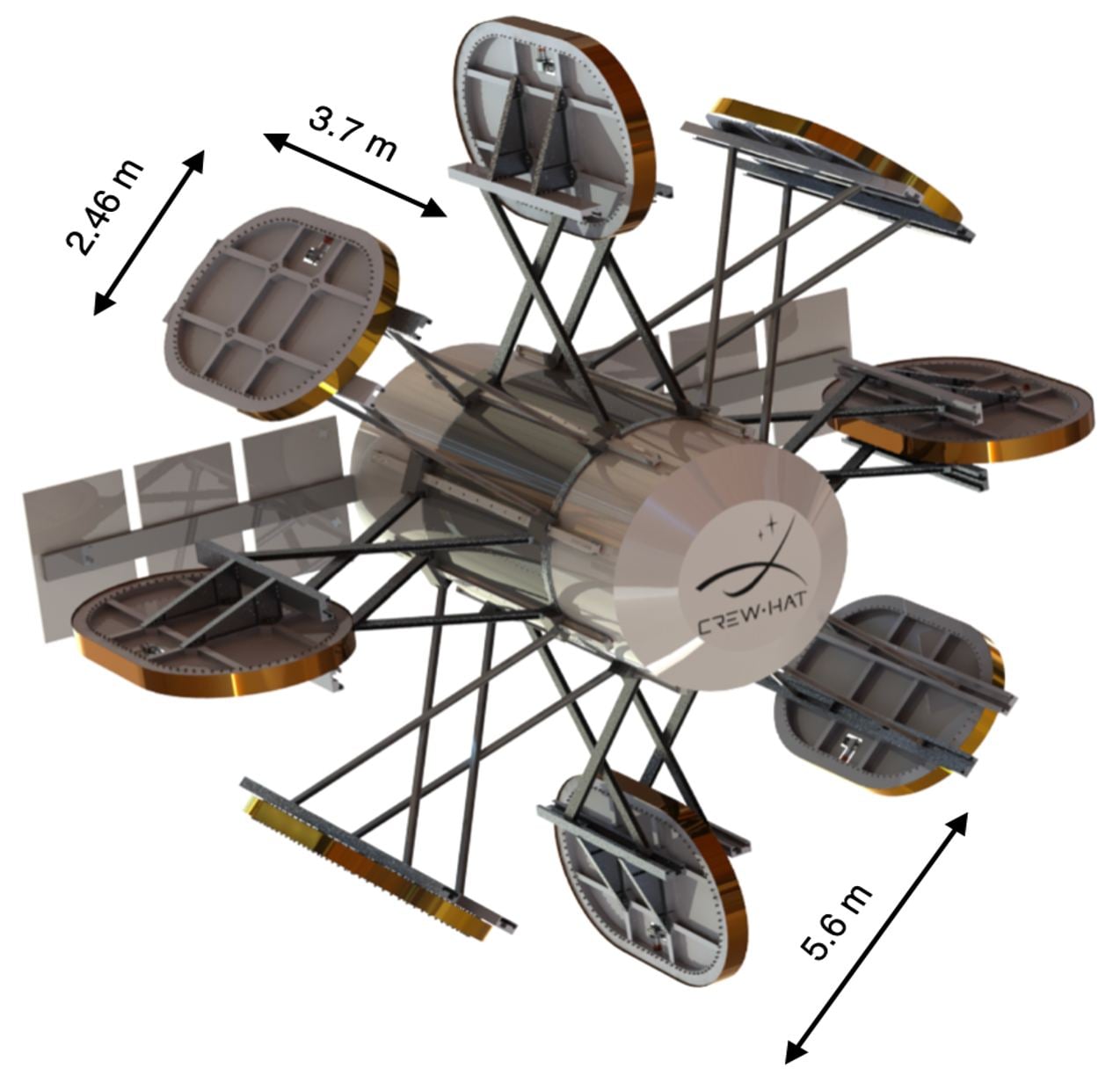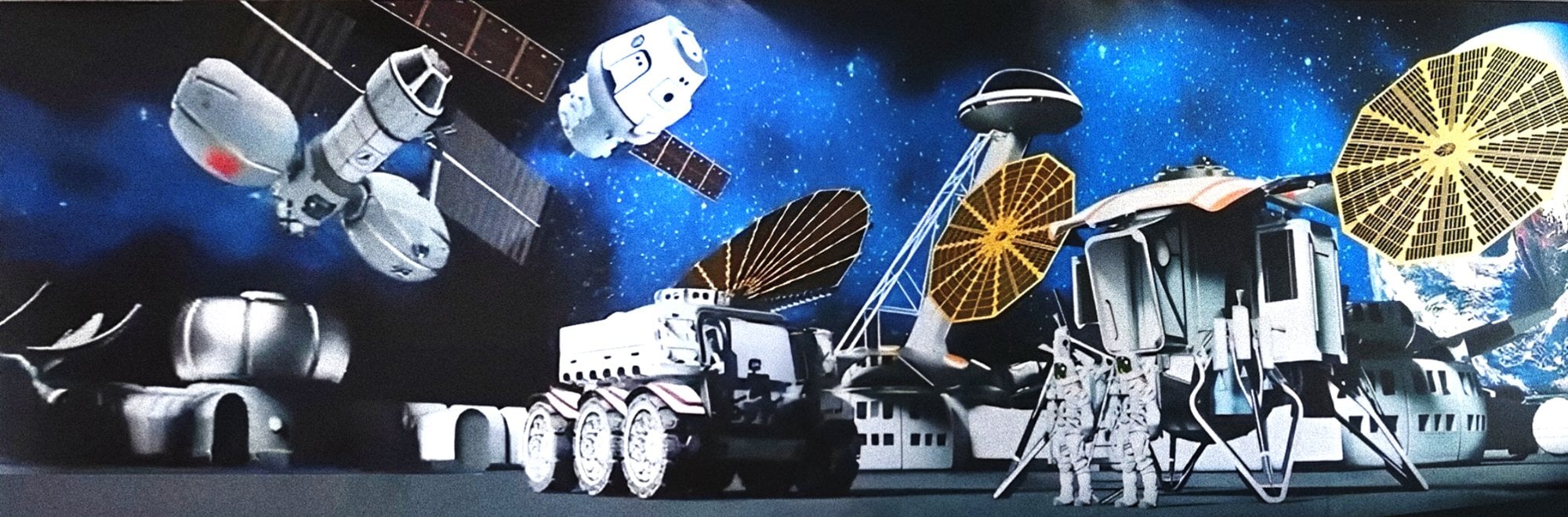
In a recent interview, an engineer associated with the Chinese space agency confirmed that China has established a Crewed Lunar Program.
Continue reading

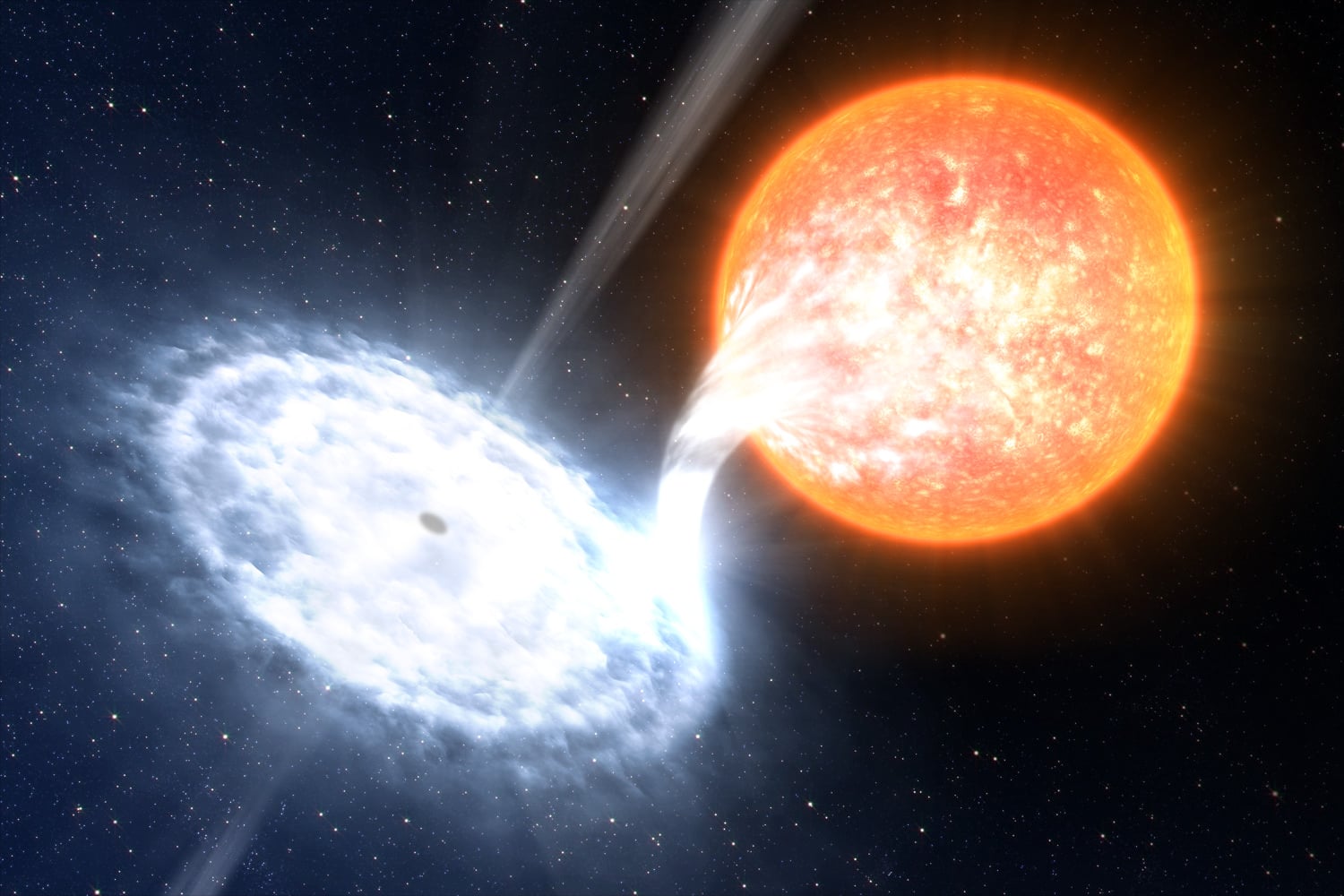
A team of astronomers from Columbia University has found a new way to probe the depths of merging black holes, which could lead to a new understanding of physics!
Continue reading
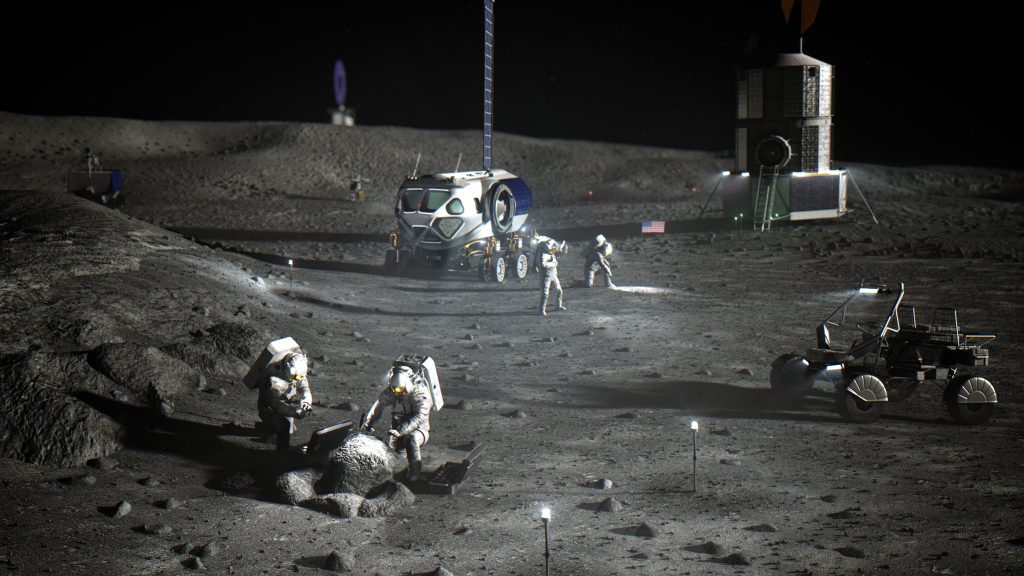
Sandia National Laboratories is developing microgrid technology that will power the Artemis Base Camp and operations on the Moon!
Continue reading
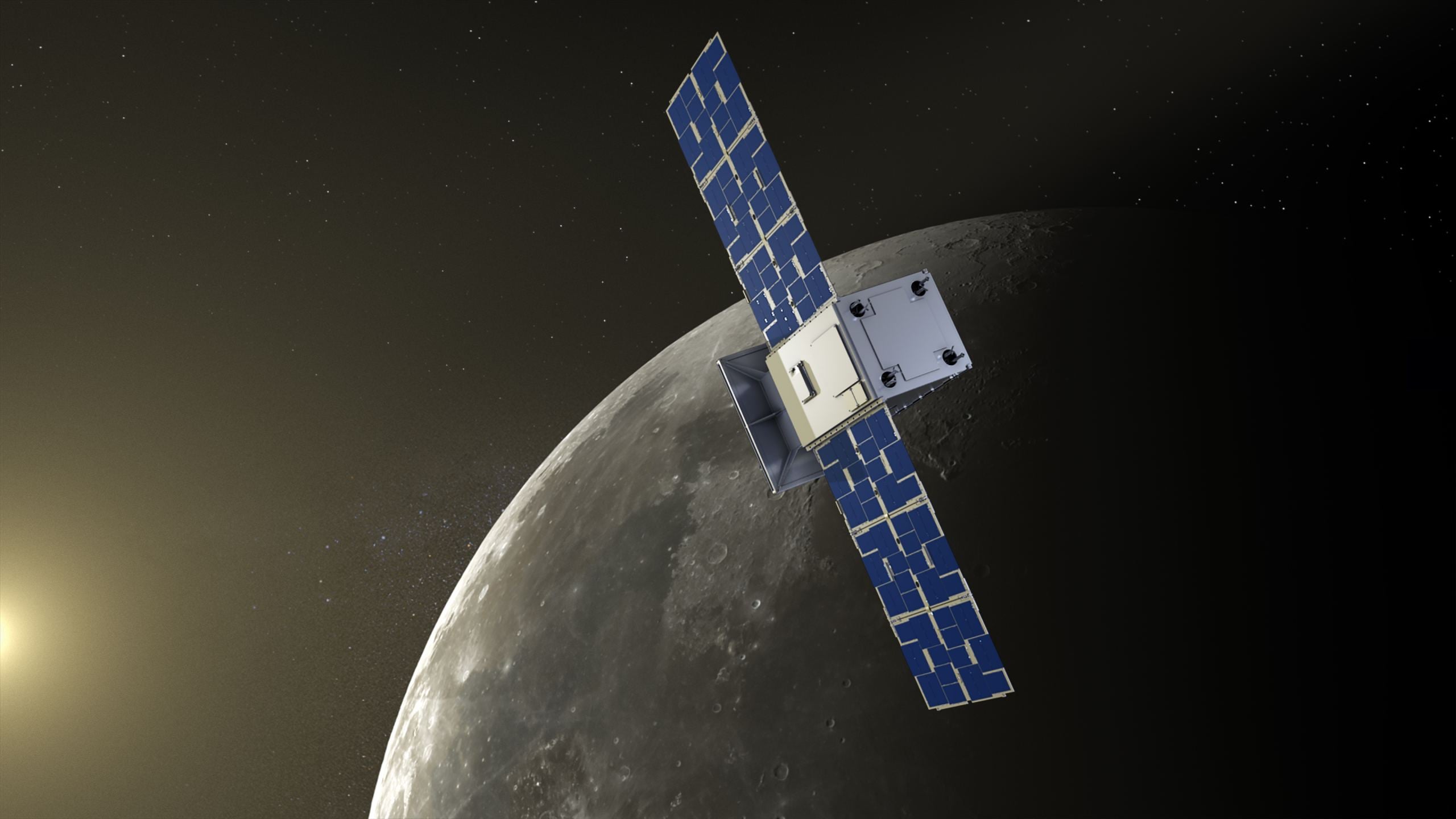
To validate the Lunar Gateway's orbit around the lunar poles (a halo orbit), NASA is sending the CAPSTONE mission to the Moon!
Continue reading
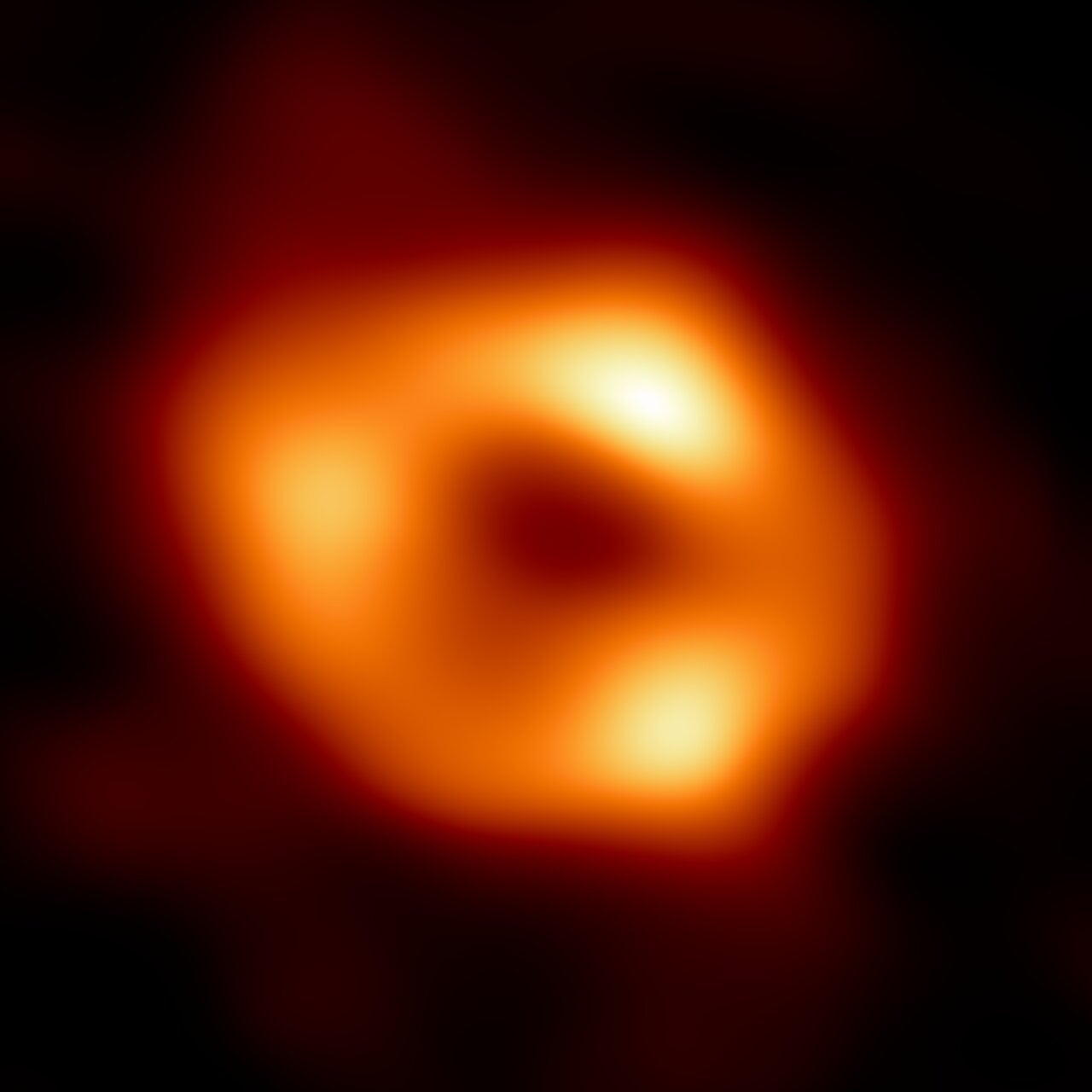
The Event Horizon Telescope has just released the first images of Sagittarius A*, the supermassive black hole at the center of our galaxy!
Continue reading
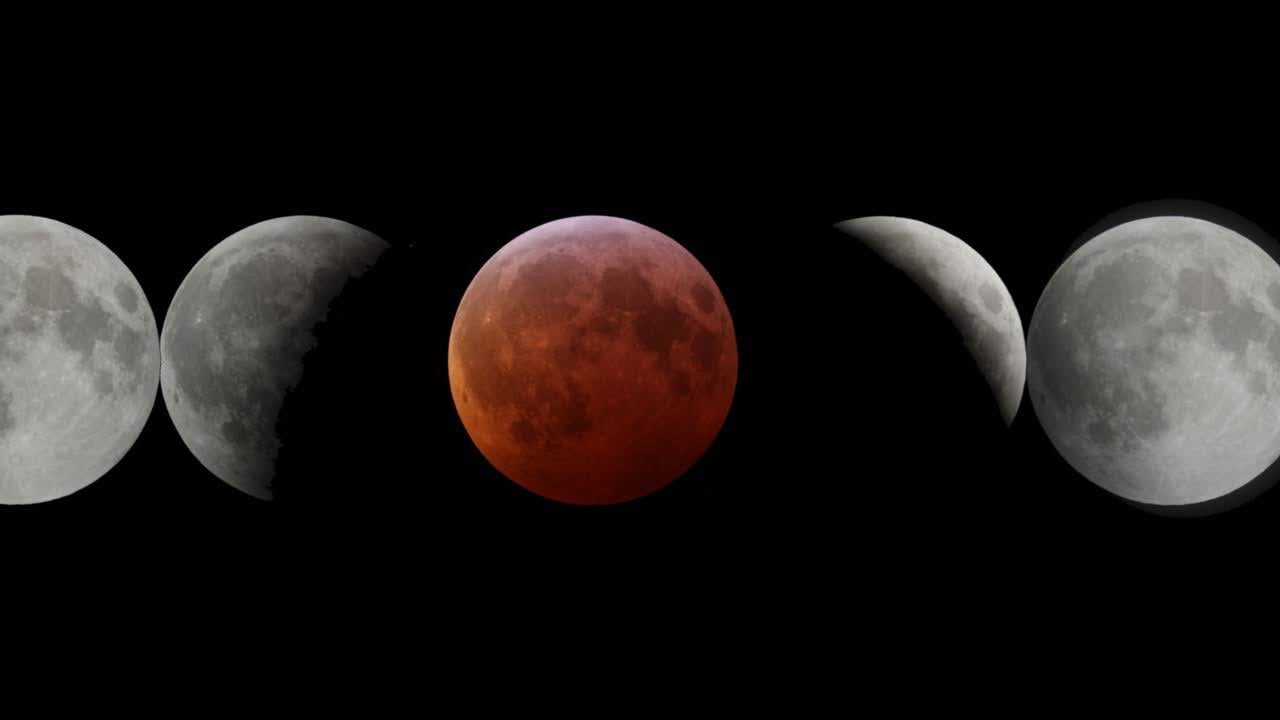
Don't miss one of the top astronomical events for 2022: Sunday night's total lunar eclipse.
Continue reading
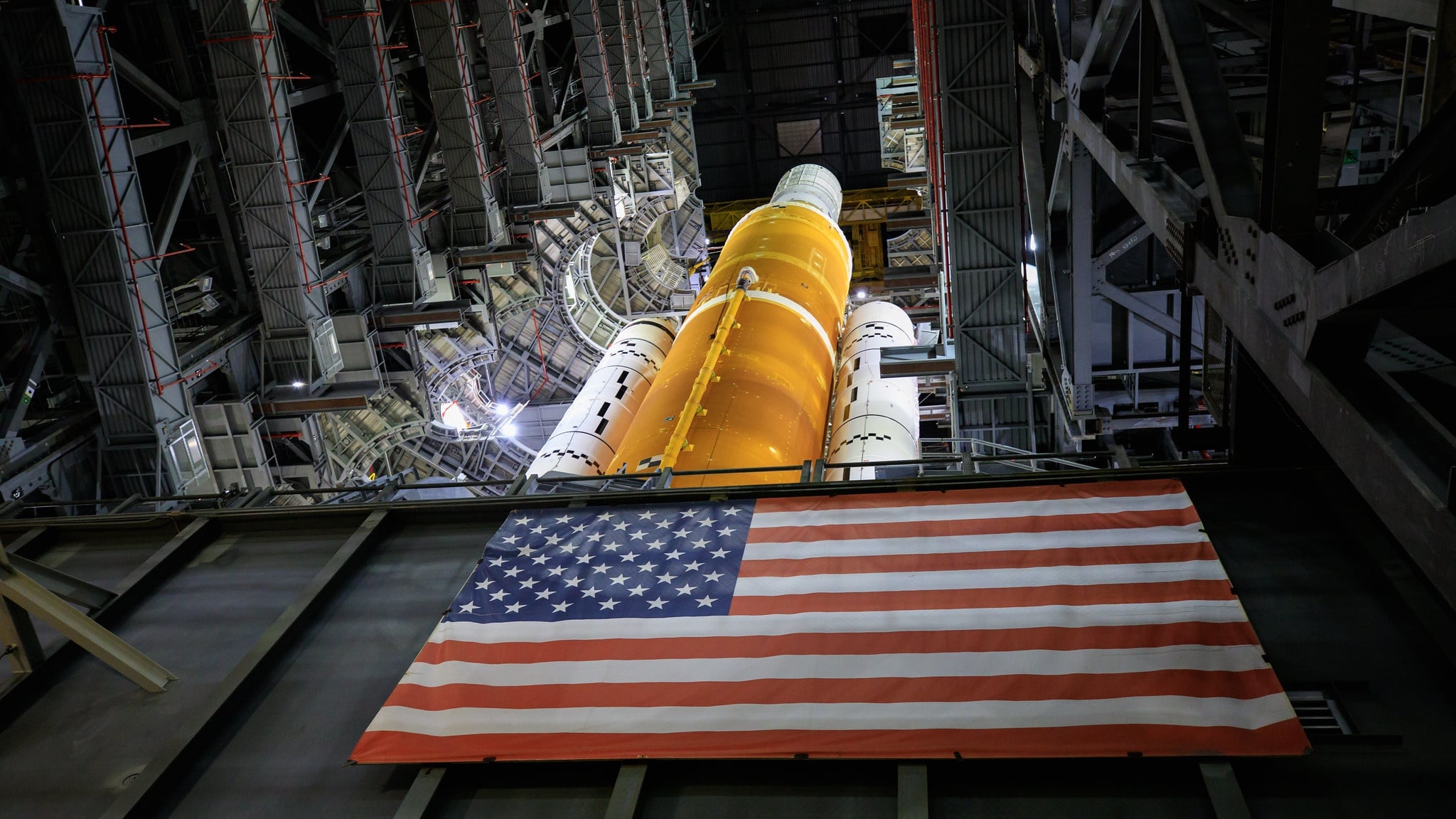
Technical issues have imposed delays on the Artemis I mission. NASA now claims it will likely launch by August at the earliest.
Continue reading
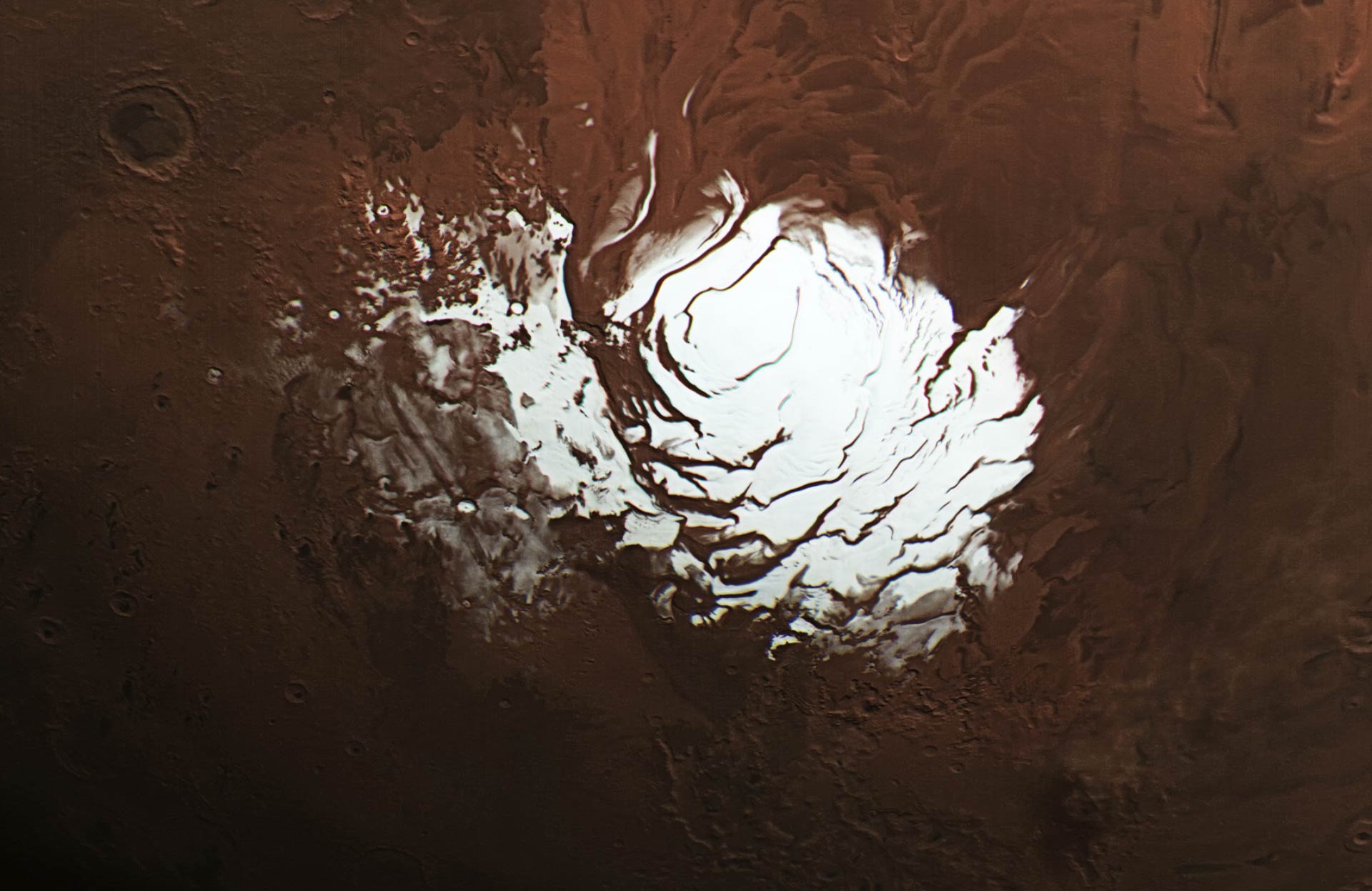
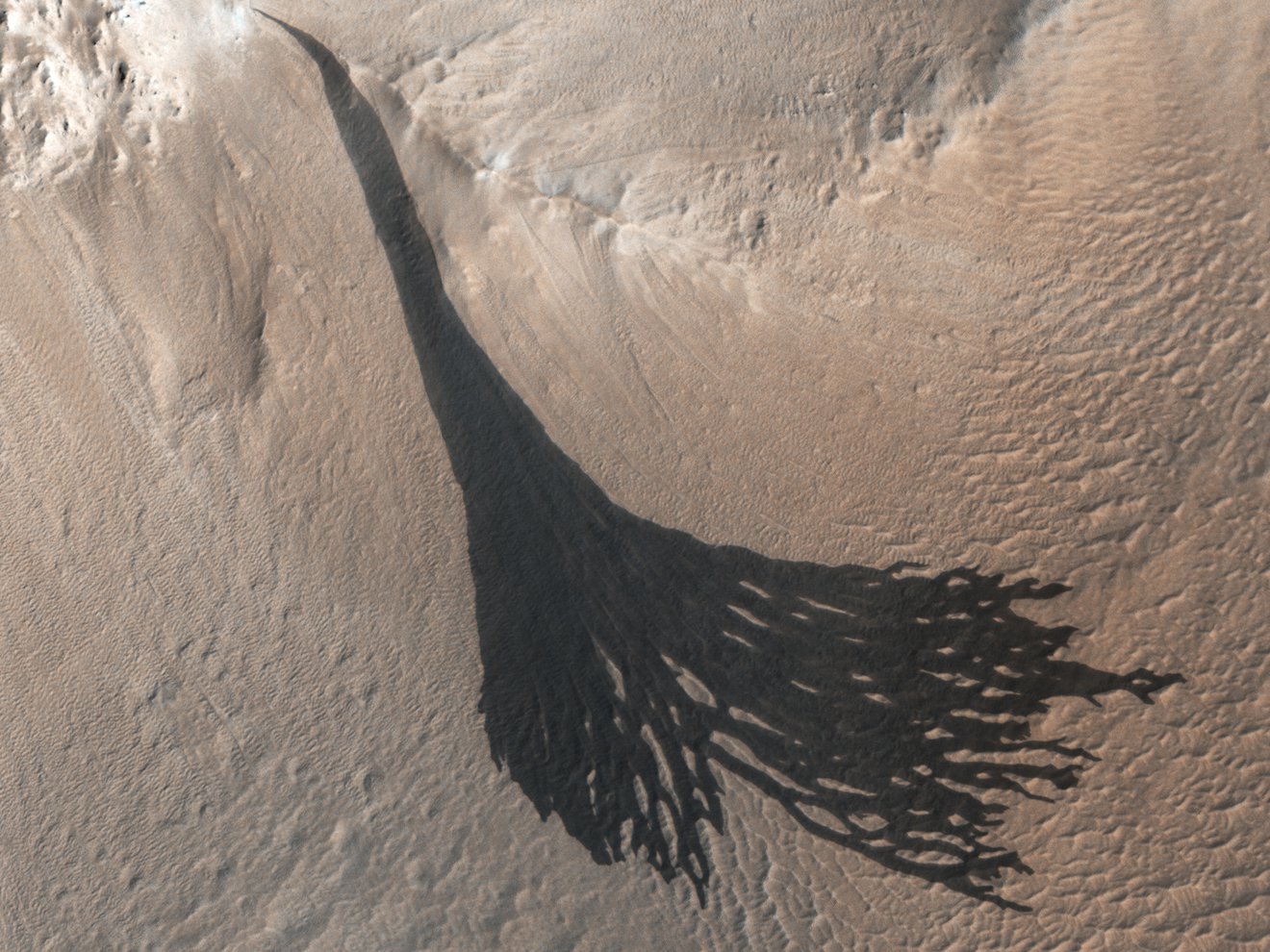
New research has shown that the southern polar glaciers on Mars are migrating, and have been for a very long time!
Continue reading
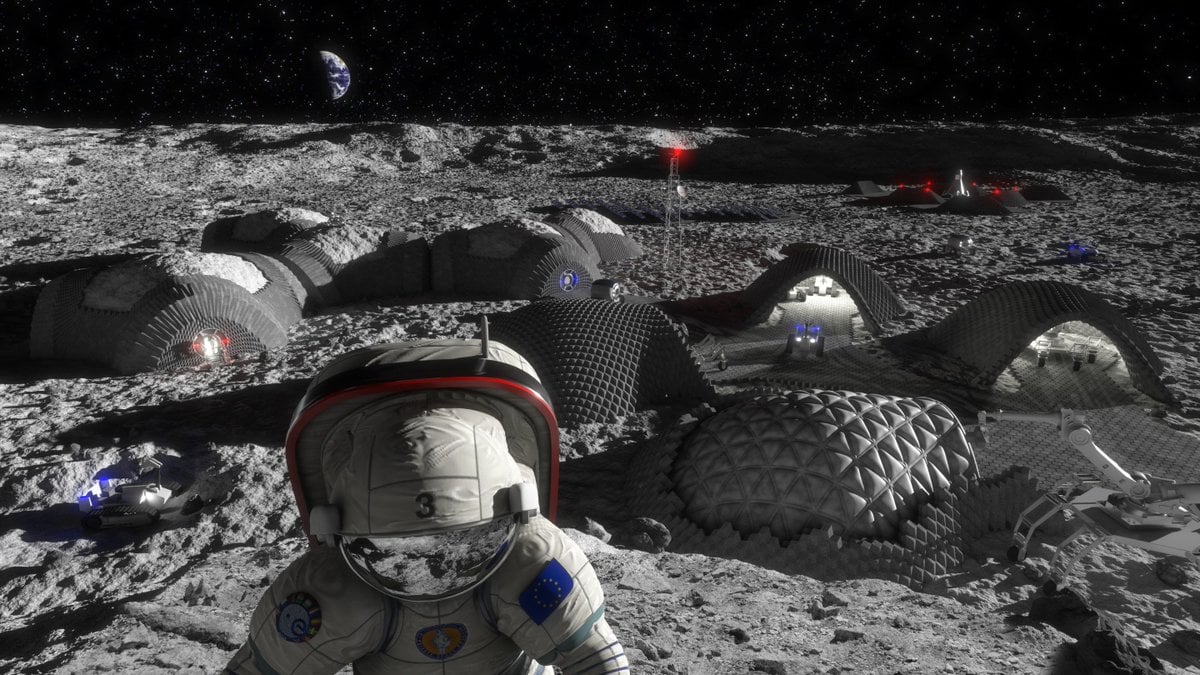
A new study considers the most cost-effective way to build landing pads on the Moon, which is essential to establishing a sustainable human presence there.
Continue reading
In anticipation of Artemis, the Canadian government just passed an amendment to extend its Criminal Code to the Moon!
Continue reading
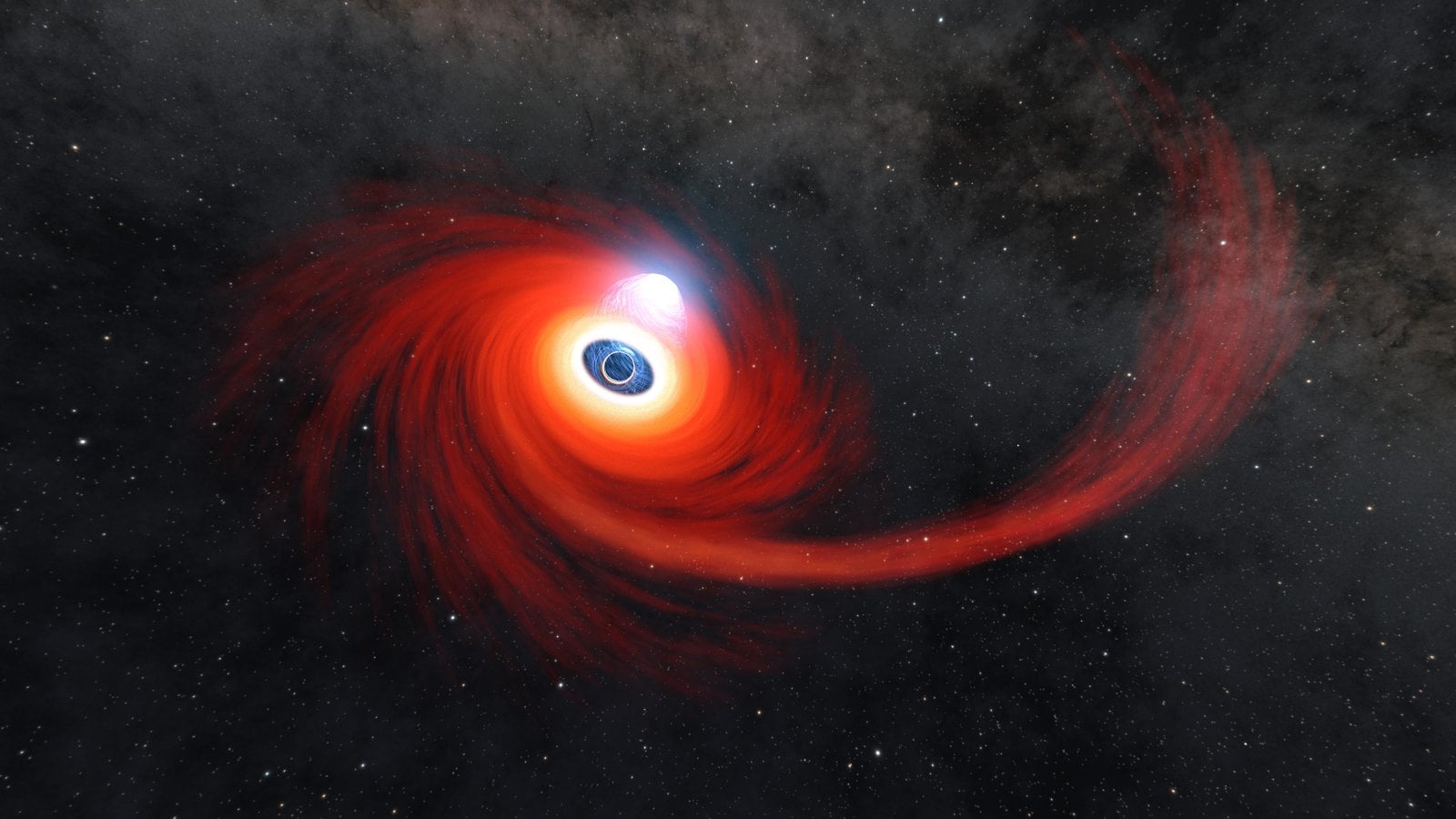
Astronomers may have seen the magnetic field of a black hole undergo a magnetic reversal.
Continue reading
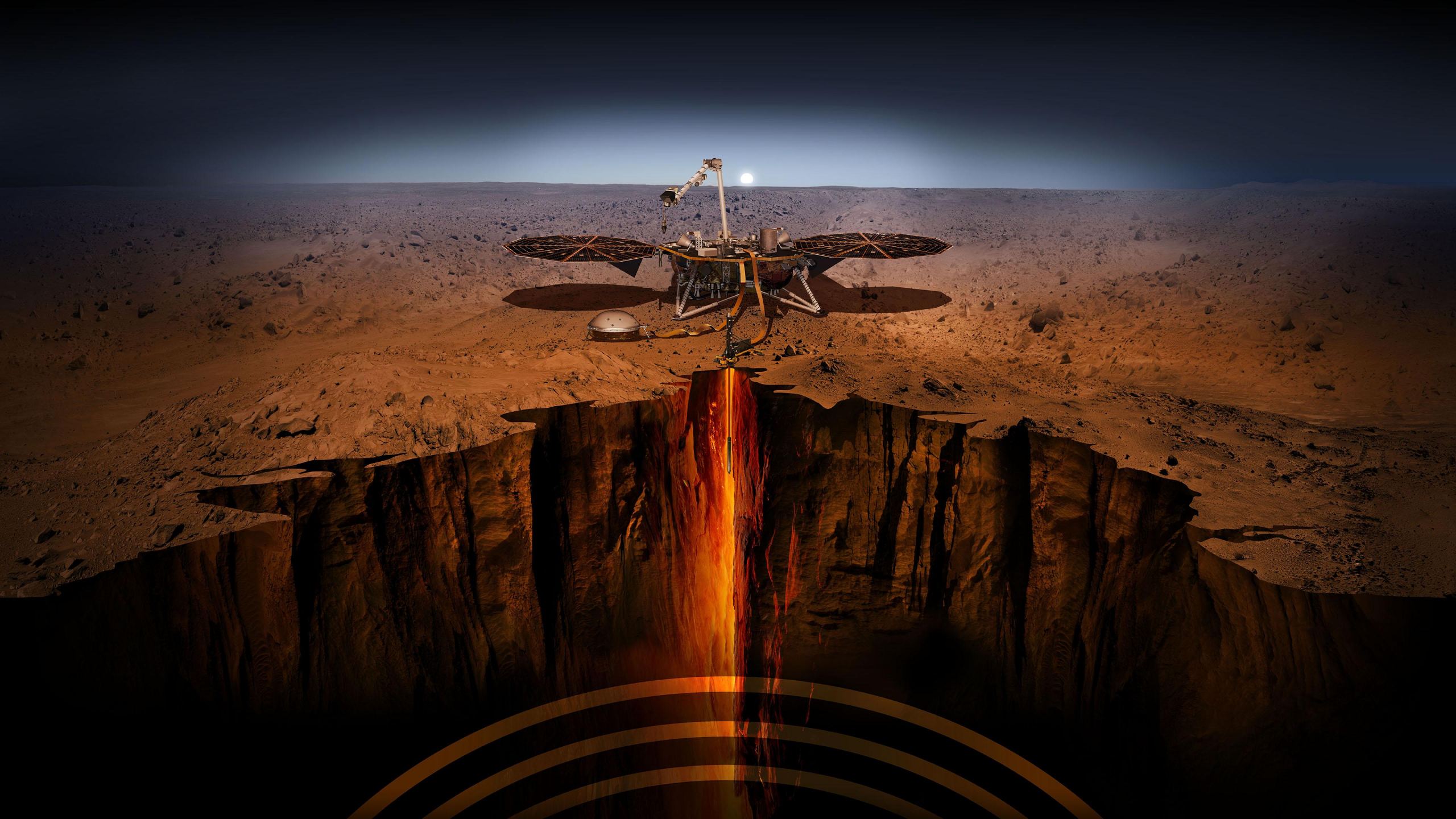
NASA's Mars InSight lander just detected the two most powerful "marsquakes" to date, which are already revealing things about Mars' geology.
Continue reading
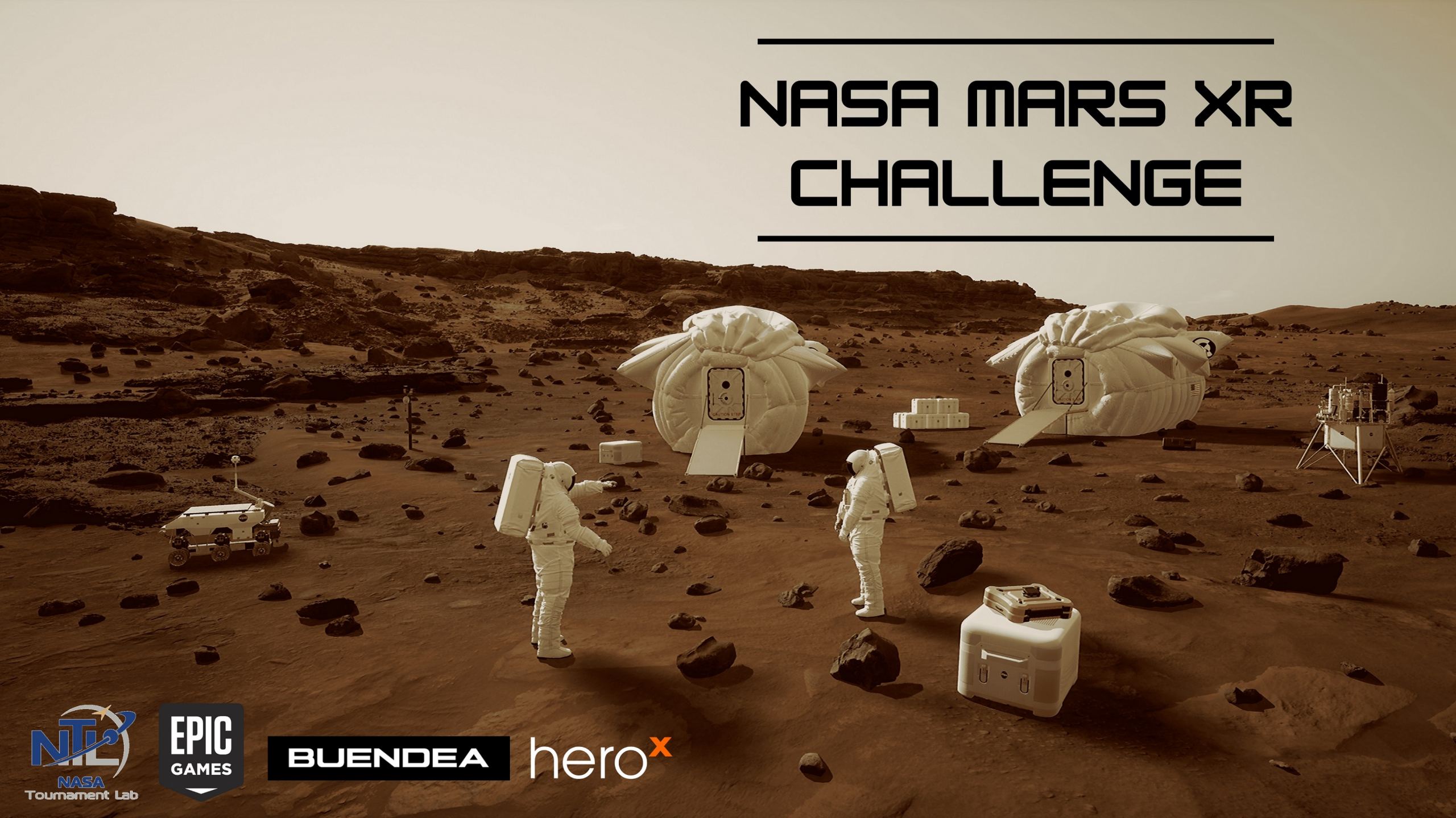
NASA and HeroX have launched the NASA MarsXR Challenge, which will award up to $70,000 in prizes for innovative ideas on how to simulate future Mars missions.
Continue reading
 Universe Today