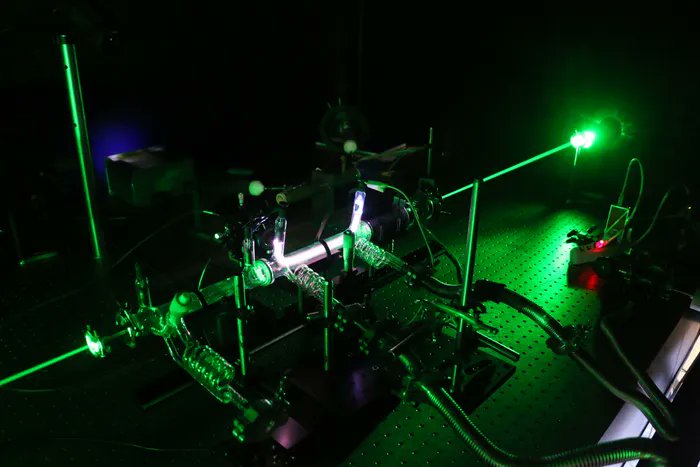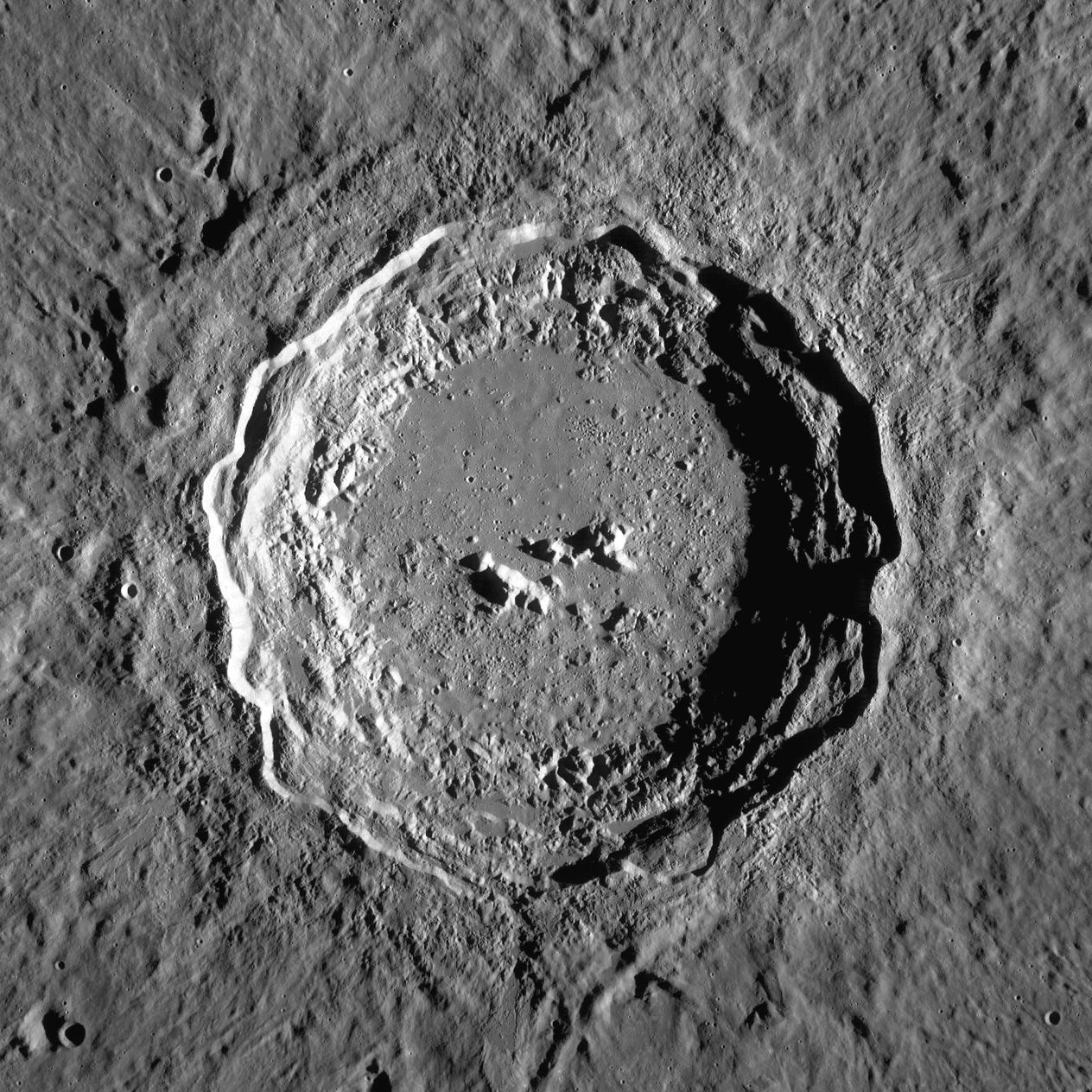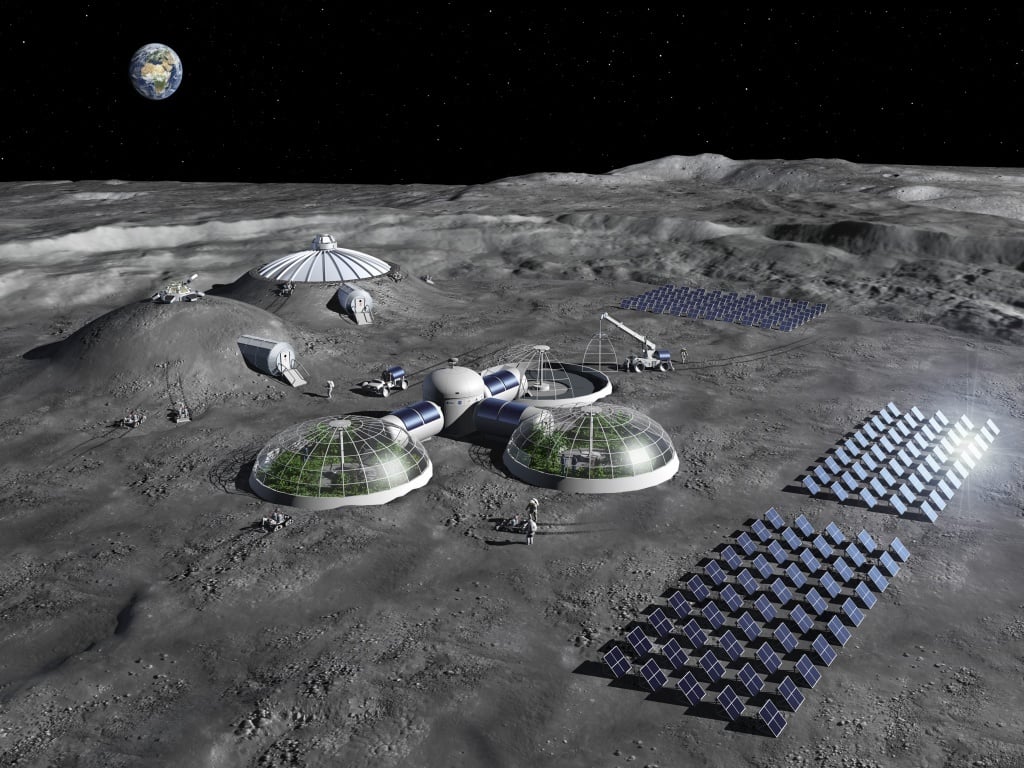
Researchers from TalTech have devised a cost-effective method for producing lightweight, flexible solar cells on the Moon!
Continue reading
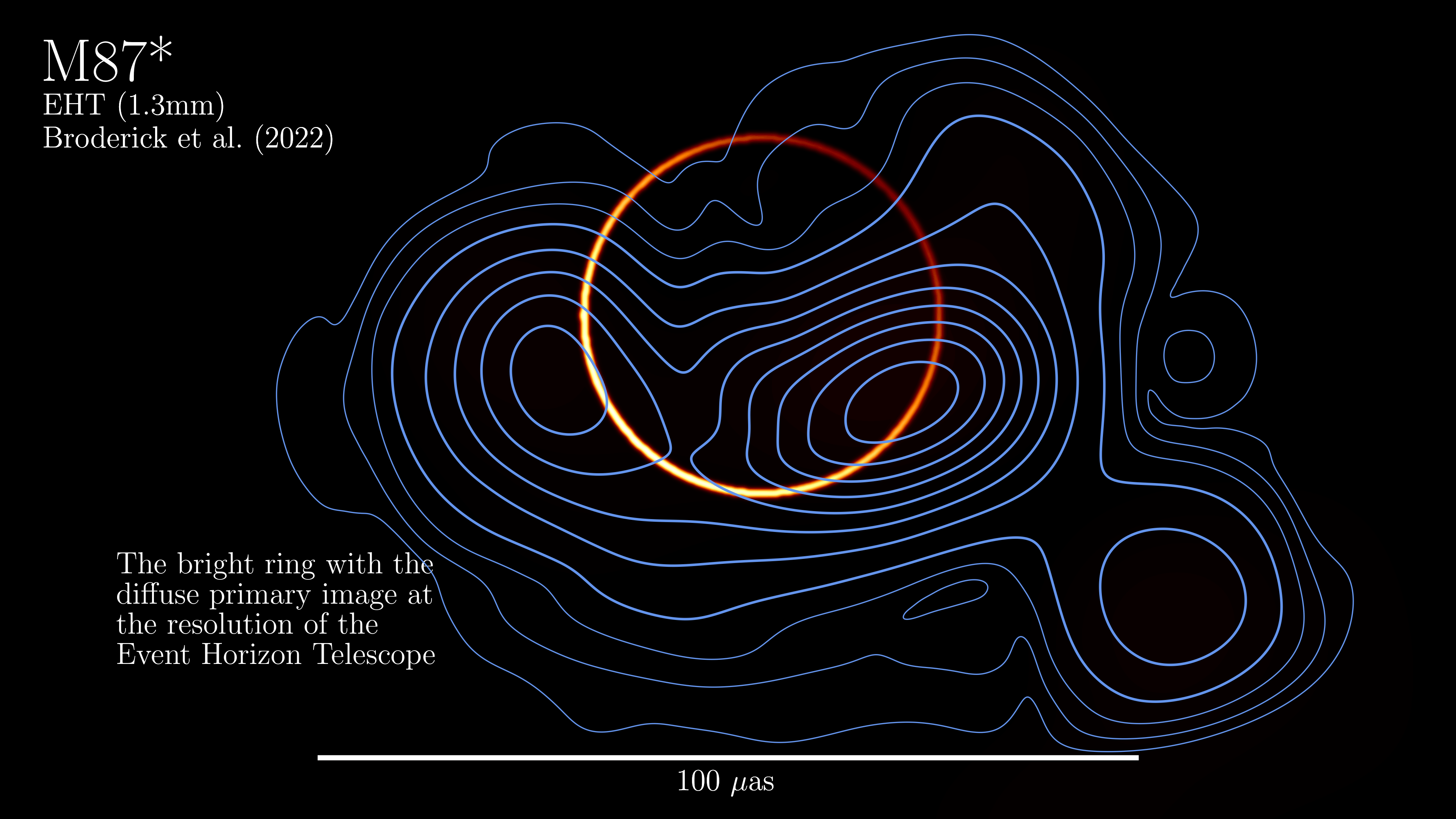
Using data from the Event Horizon Telescope, a team of astronomers have calculated the photon ring of M87*.
Continue reading
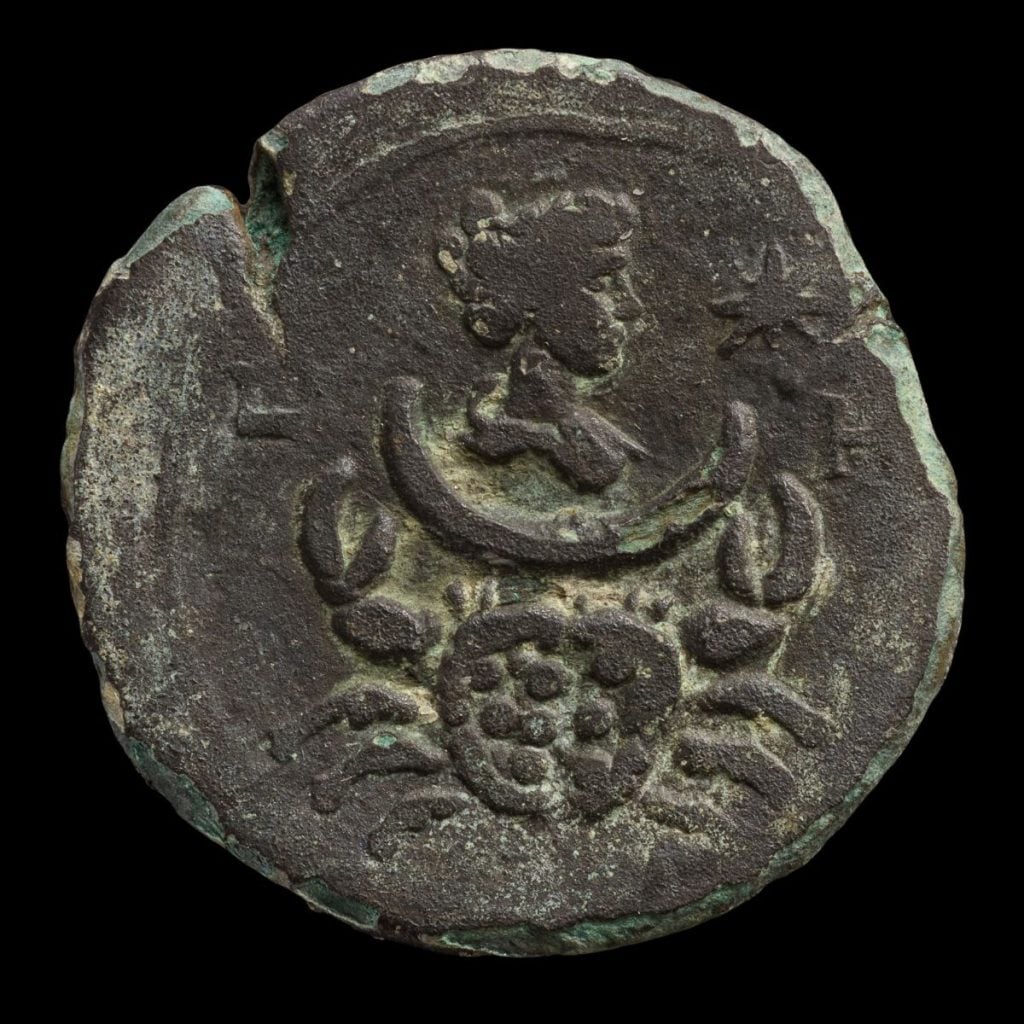
What does the Roman coin found recently off the shores of Israel depict?
Continue reading
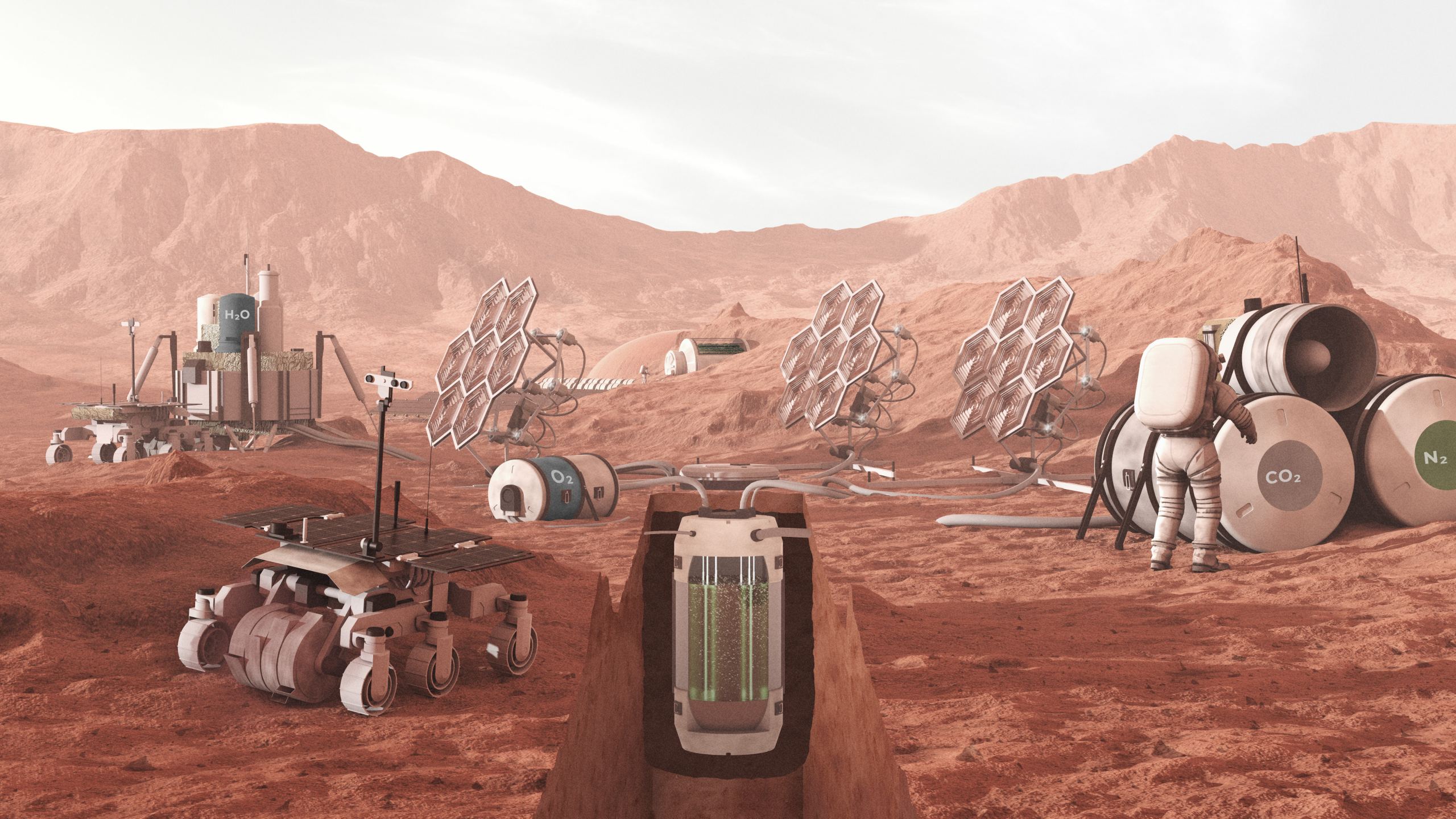
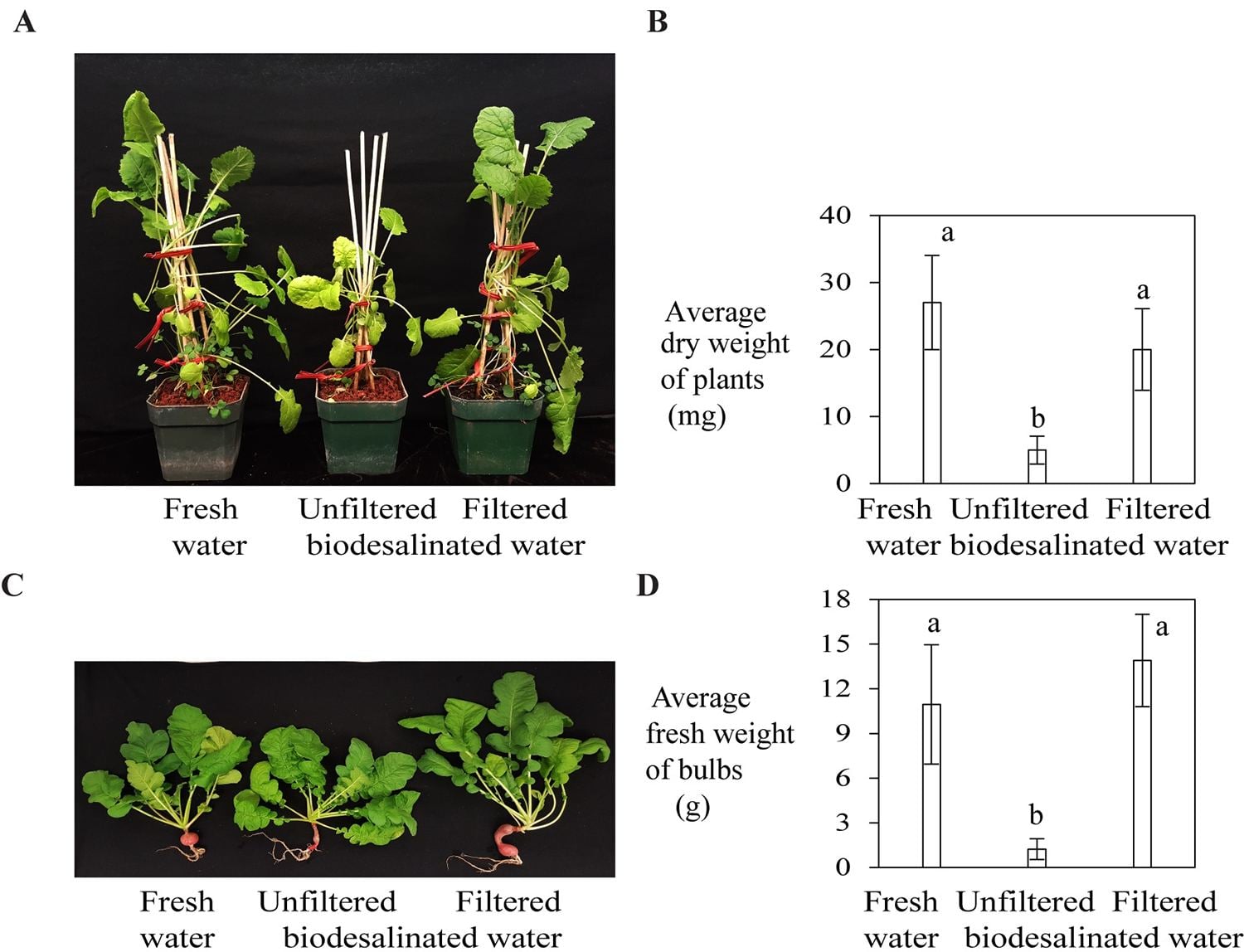
An international team of researchers has found a strain of cyanobacteria that could produce biomass on Mars and grow food for astronauts!
Continue reading

A new James Webb image shows the Great Barred Spiral Galaxy in stunning detail!
Continue reading
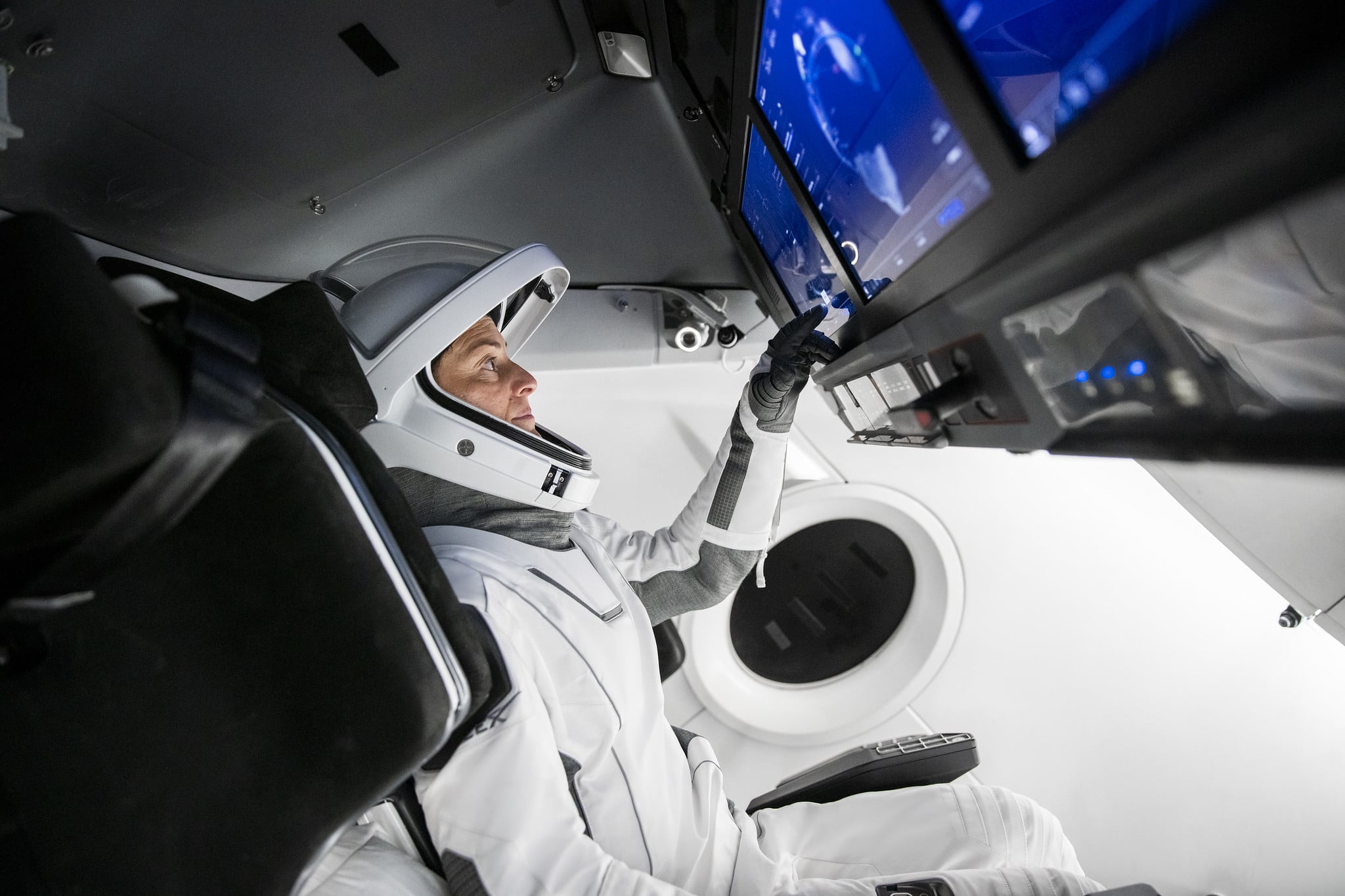
Nicole Aunapu Mann, the mission commander of the Crew-5 mission, will be the first Indigenous woman to go to space!
Continue reading
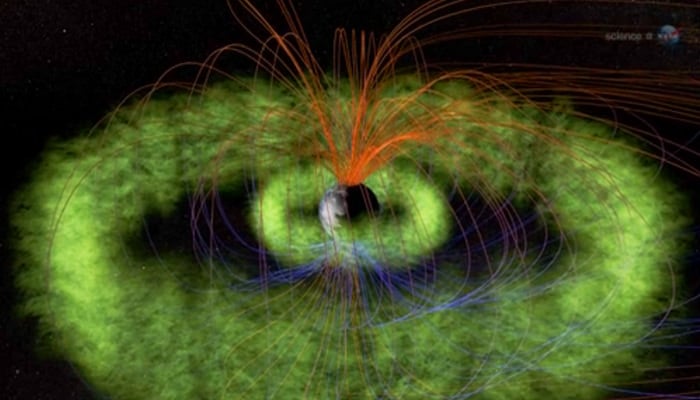
Some exoplanets could be discovered by tuning into their radio transmissions.
Continue reading
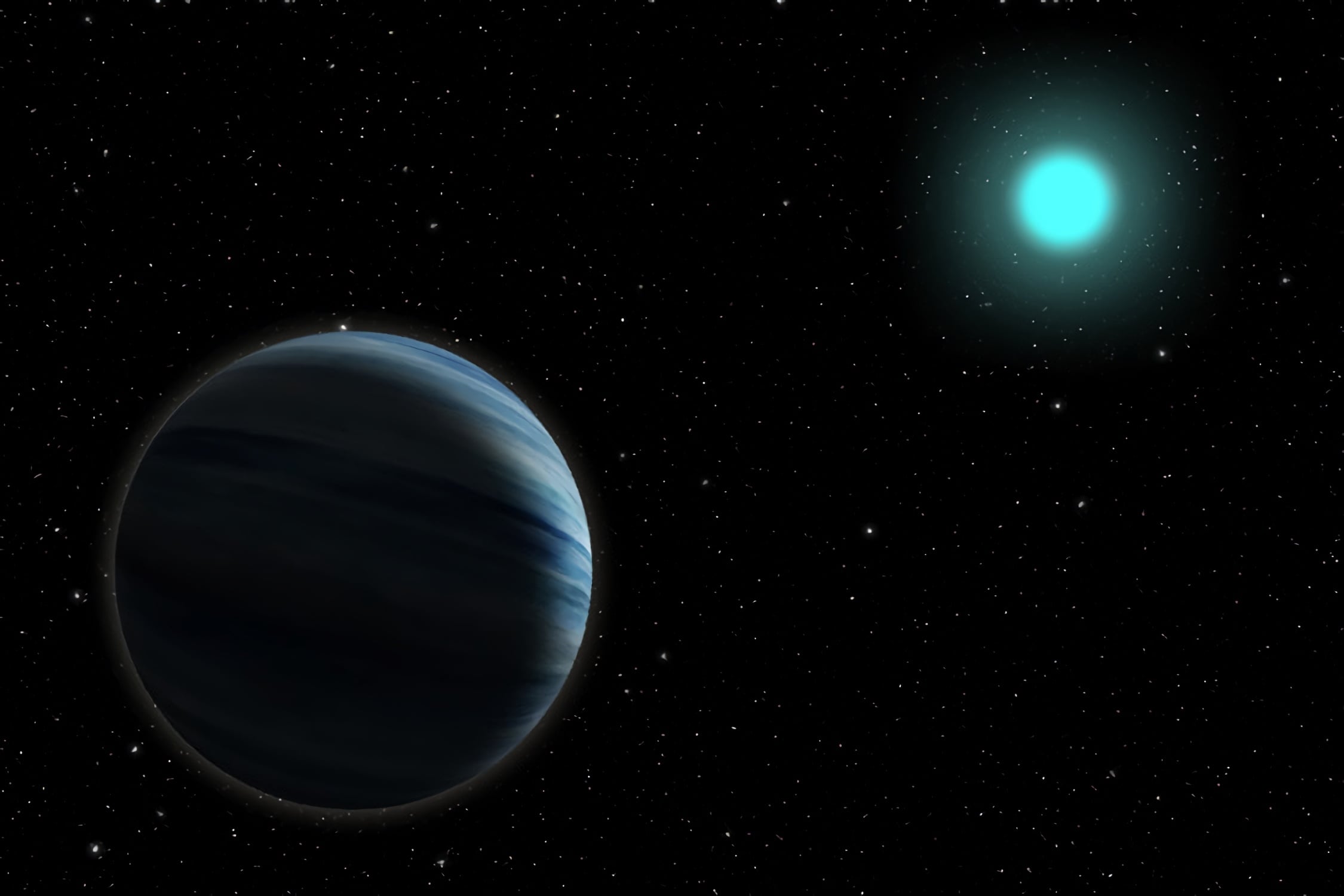
We don't see many Neptune-sized worlds closely orbiting their star. That may be because the star robs them of their atmospheres.
Continue reading
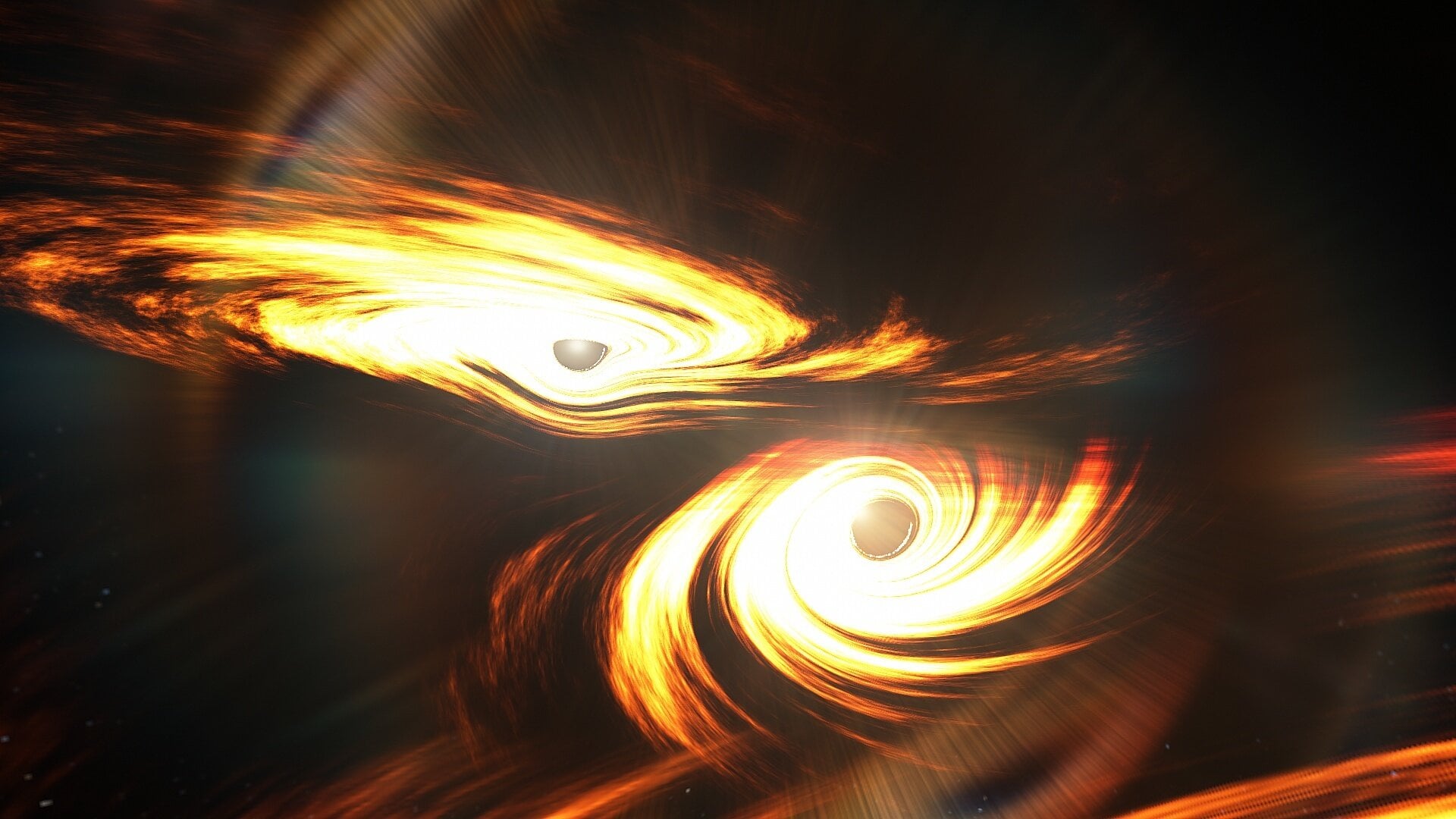
Computer simulations show the role primordial black holes may have played in the early universe, but the process isn't clear cut.
Continue reading
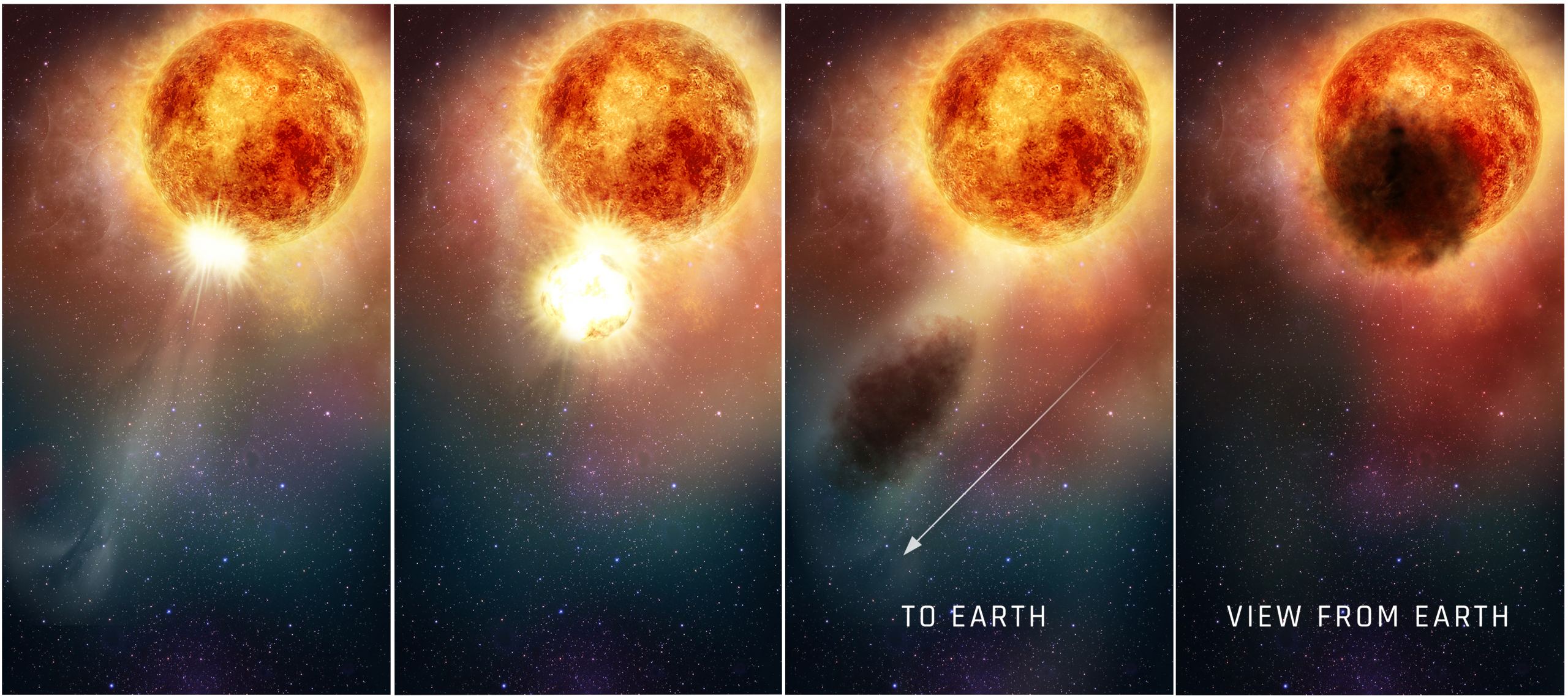
Using data from Hubble and other observatories, a team of scientists have determine the cause of Betelgeuse's dimming - old age!
Continue reading
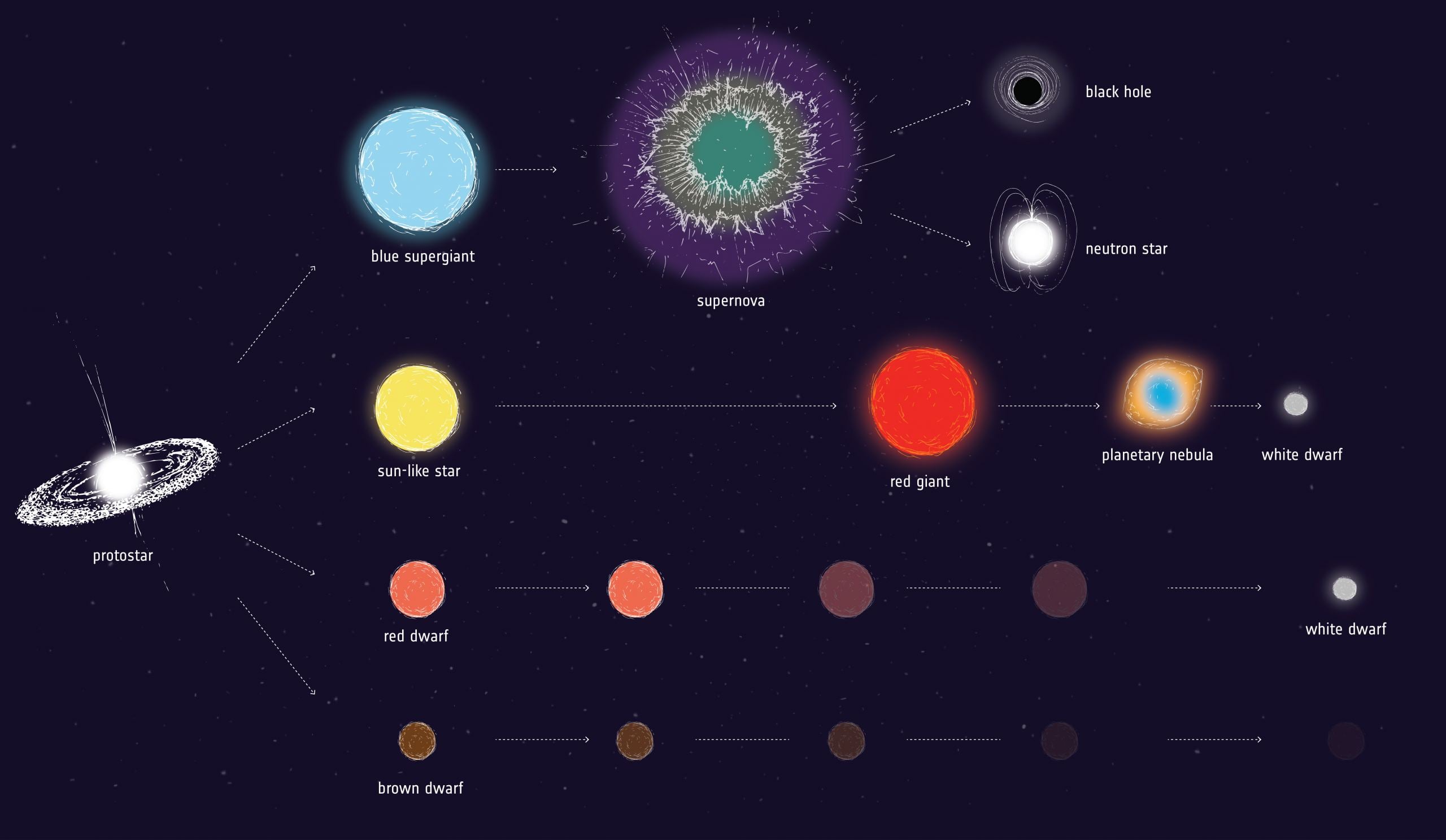
Observations from the Gaia spacecraft gives us a detailed picture of how the Sun will live and die.
Continue reading
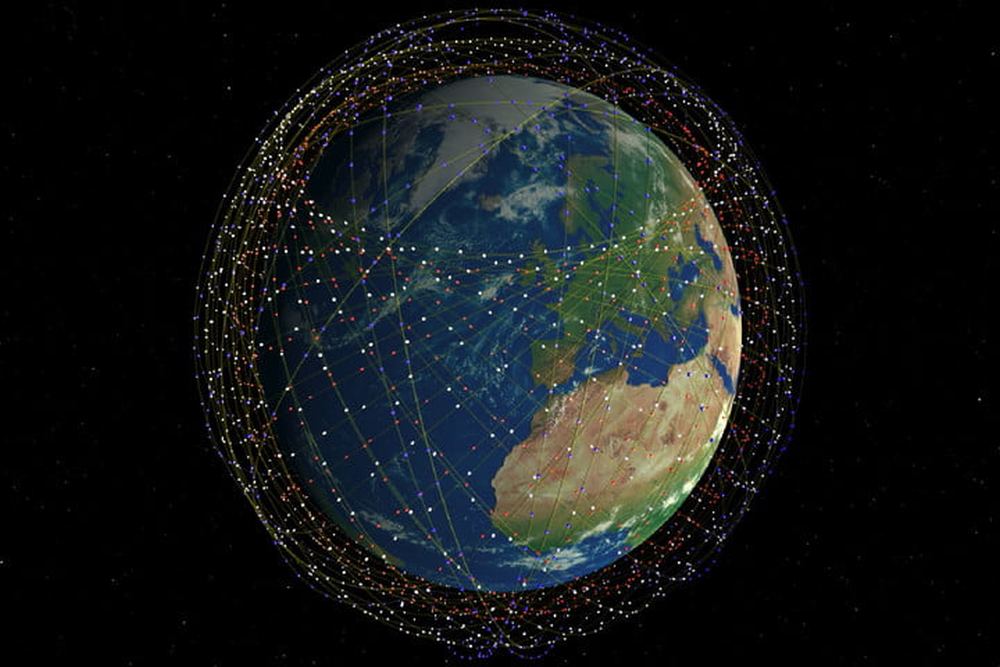
The new generation of Starlink satellites remain above the accepted brightness threshold.
Continue reading
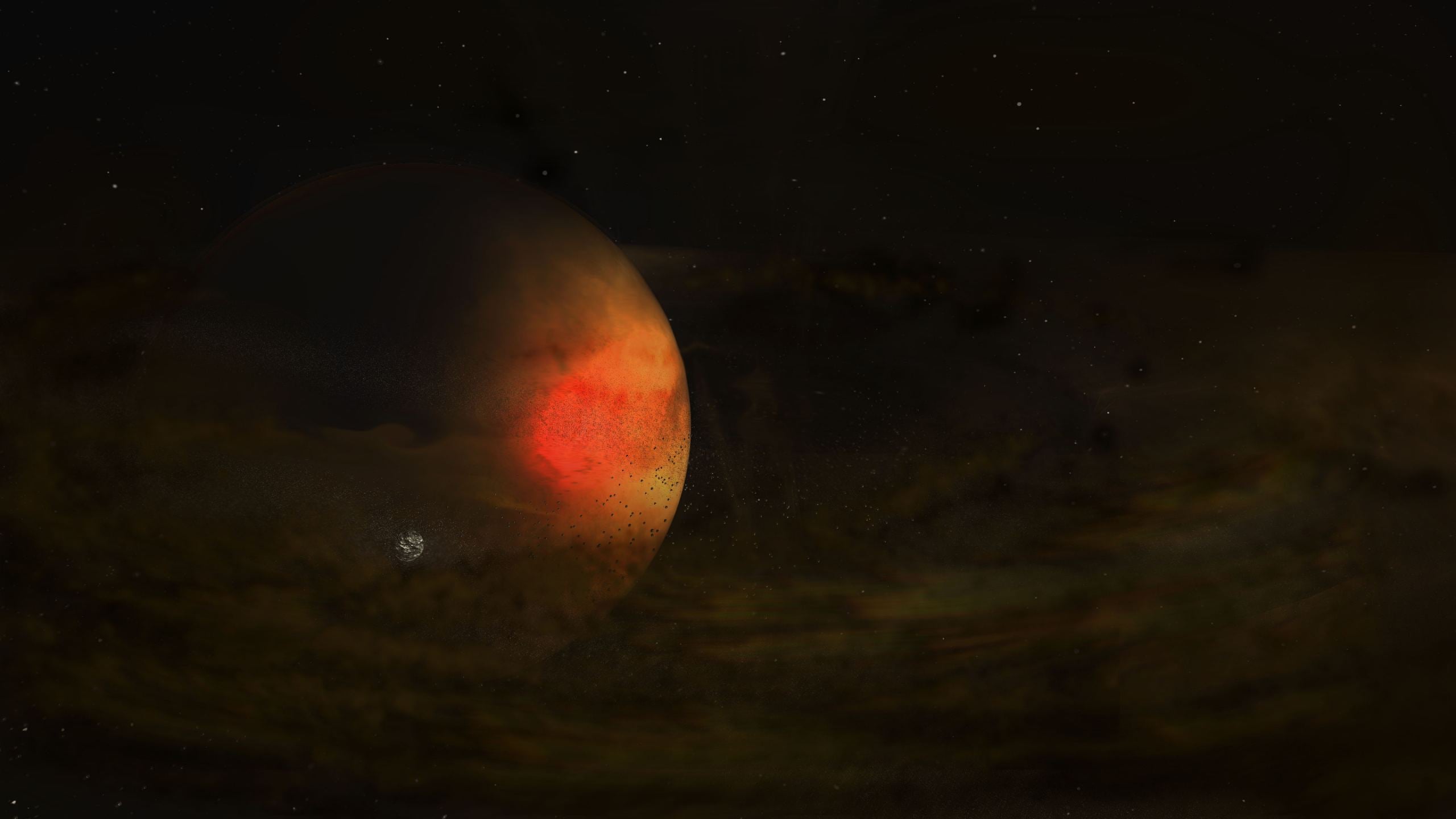
Using the Atacama Large Millimeter/submillimeter Array (ALMA) have observed what could be the youngest exoplanet ever detected!
Continue reading
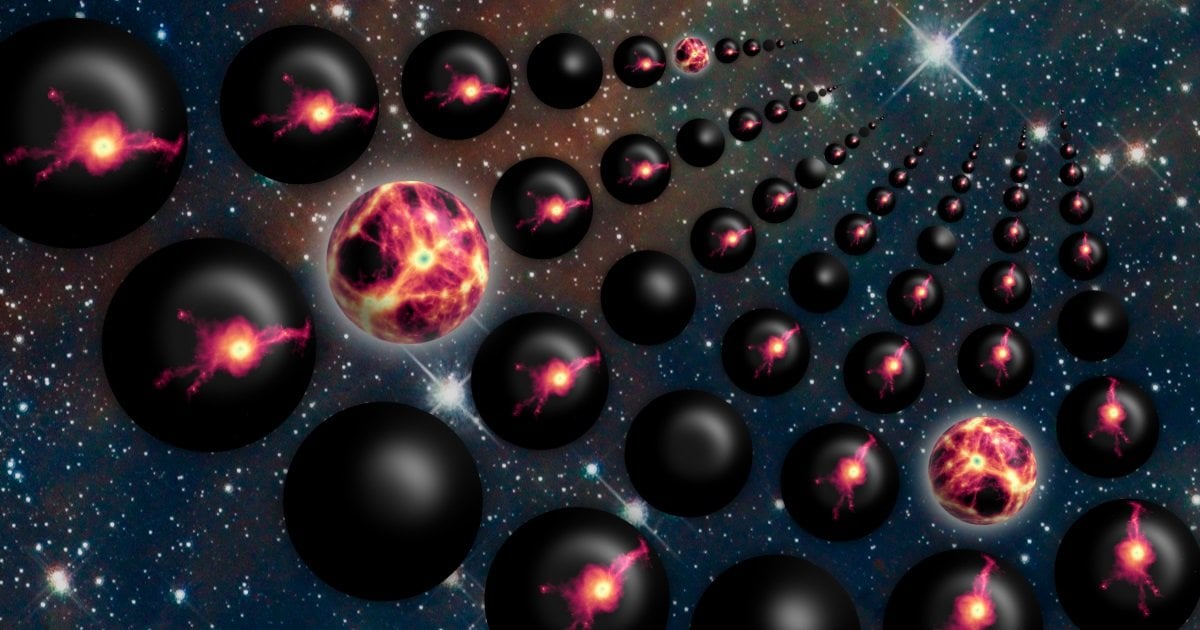
The cyclic universe model proposes a universe with no beginning, but a new study shows it might need a beginning after all.
Continue reading
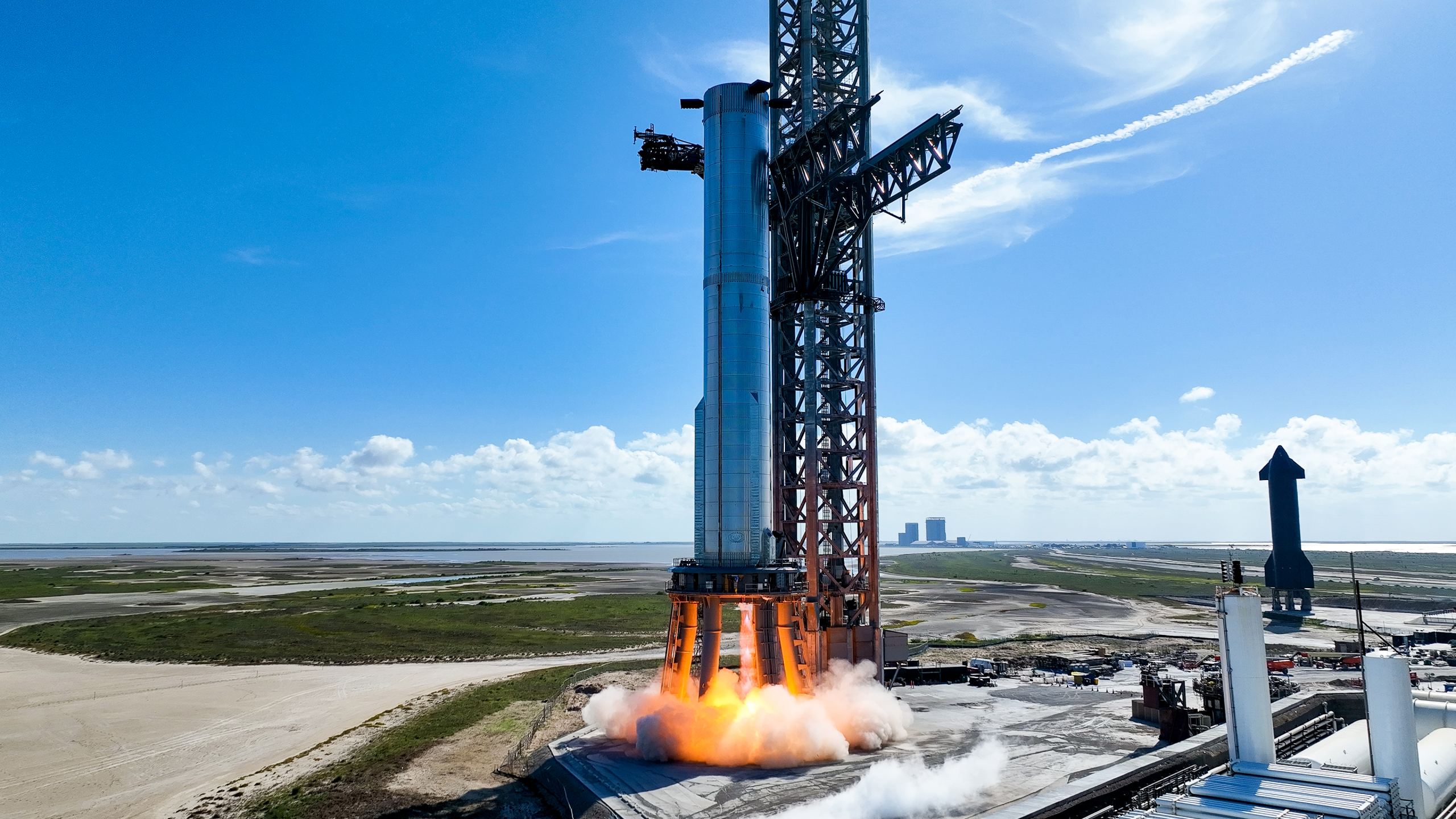
Musk just tweeted an image of the BN7 Super Heavy Booster successfully conducting a static fire test!
Continue reading
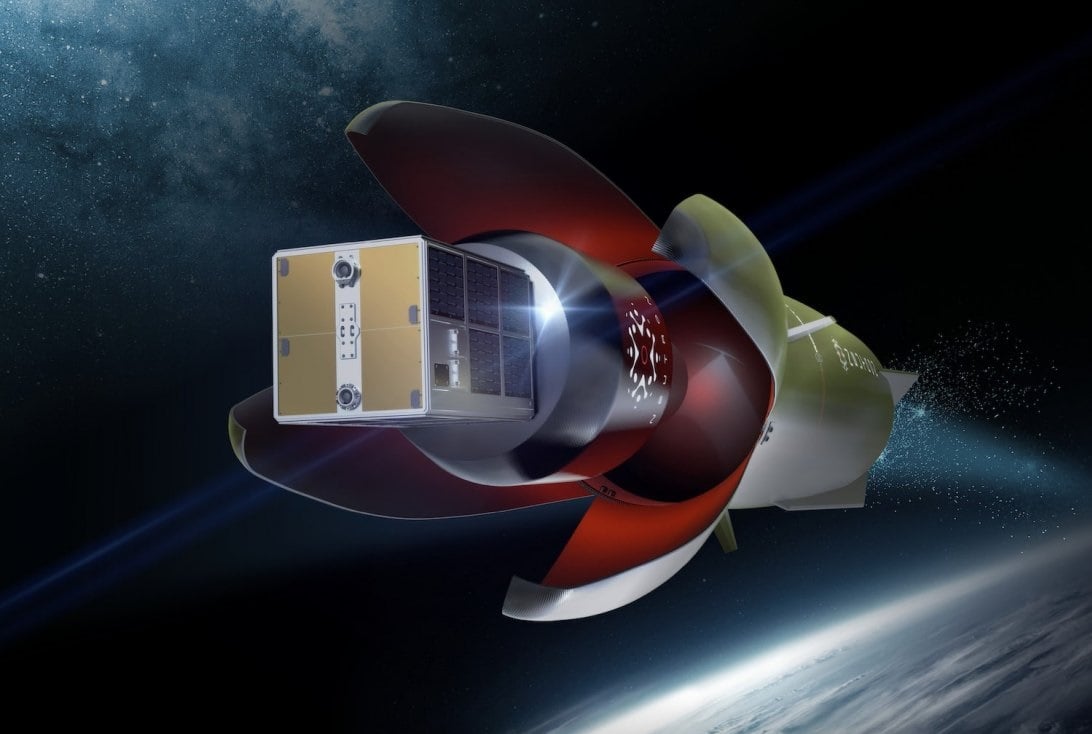
A new animation shows what Rocket Lab's totally-reusable rocket will look like when it starts sending satellites to space.
Continue reading
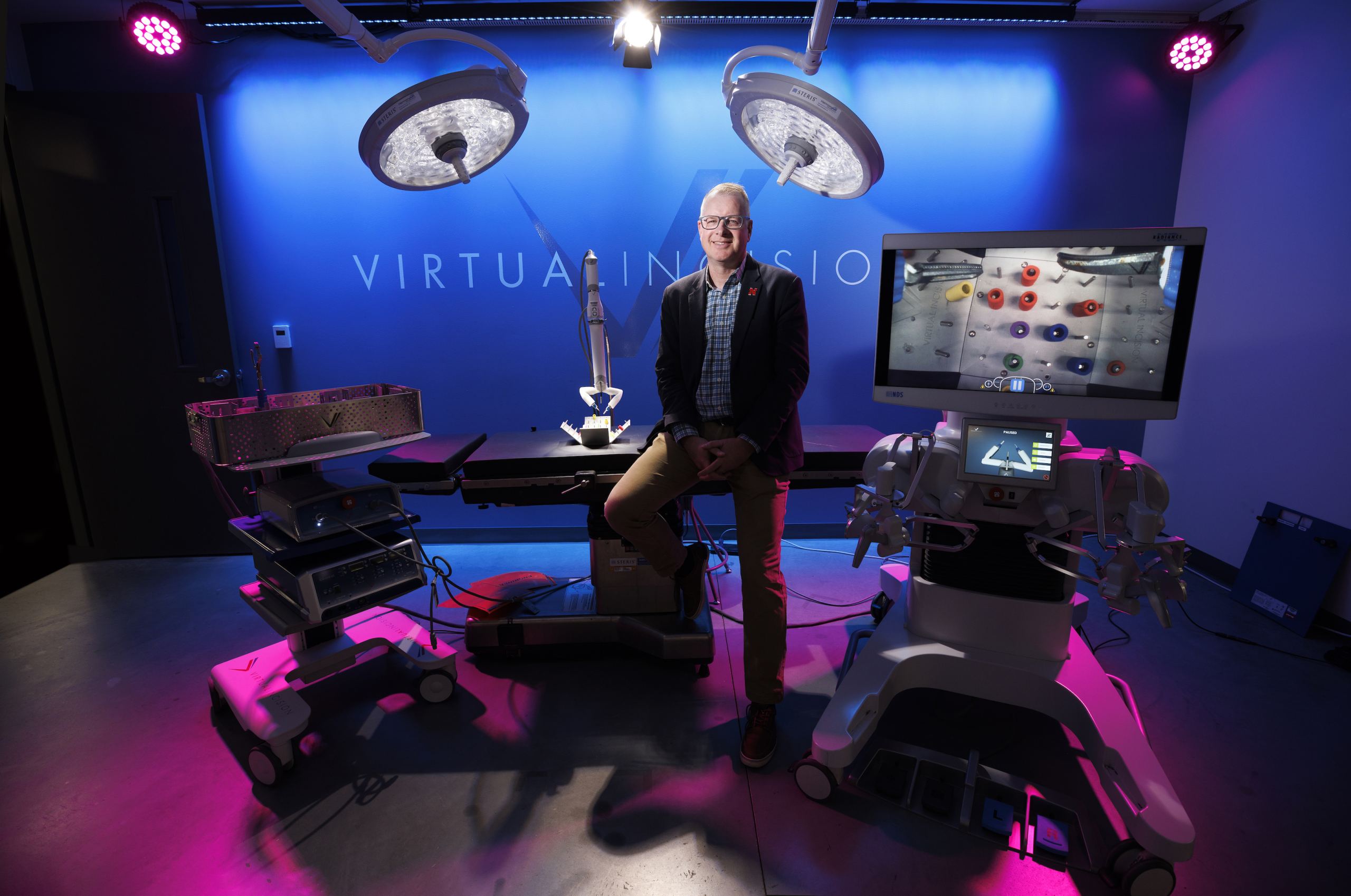
The Miniaturized In-vivo Robotic Assistant (MIRA) is getting ready to fly to the ISS and evaluate if robotic-assisted surgery (RAS) will work in space!
Continue reading
 Universe Today