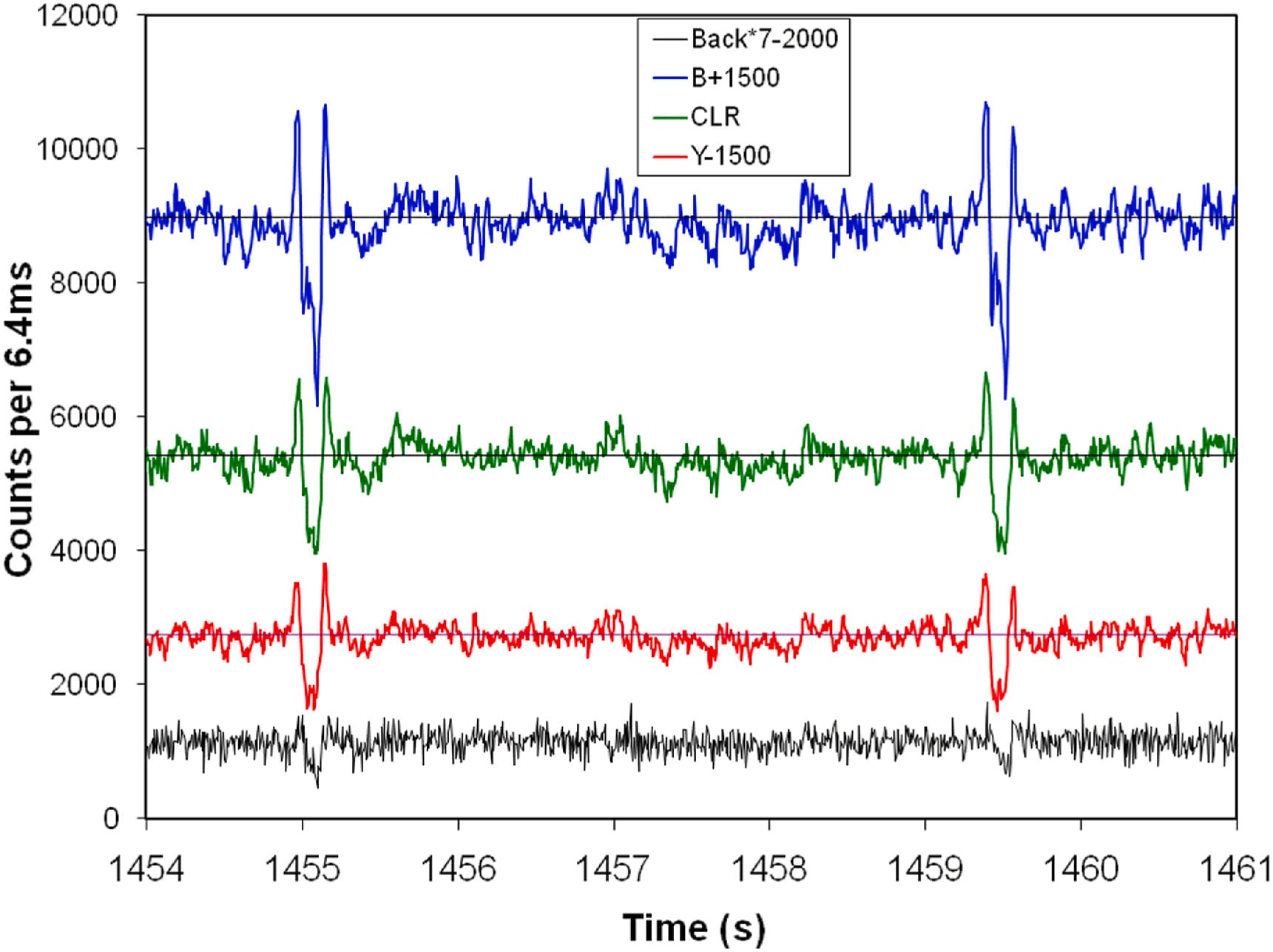
Veteran NASA scientist Richard H. Stanton describes the results of a multi-year survey of more than 1300 Sun-like stars for optical SETI signals. This survey revealed two fast identical pulses from a Sun-like star about 100 light-years from Earth, that match similar pulses from a different star observed four years ago.
Continue reading
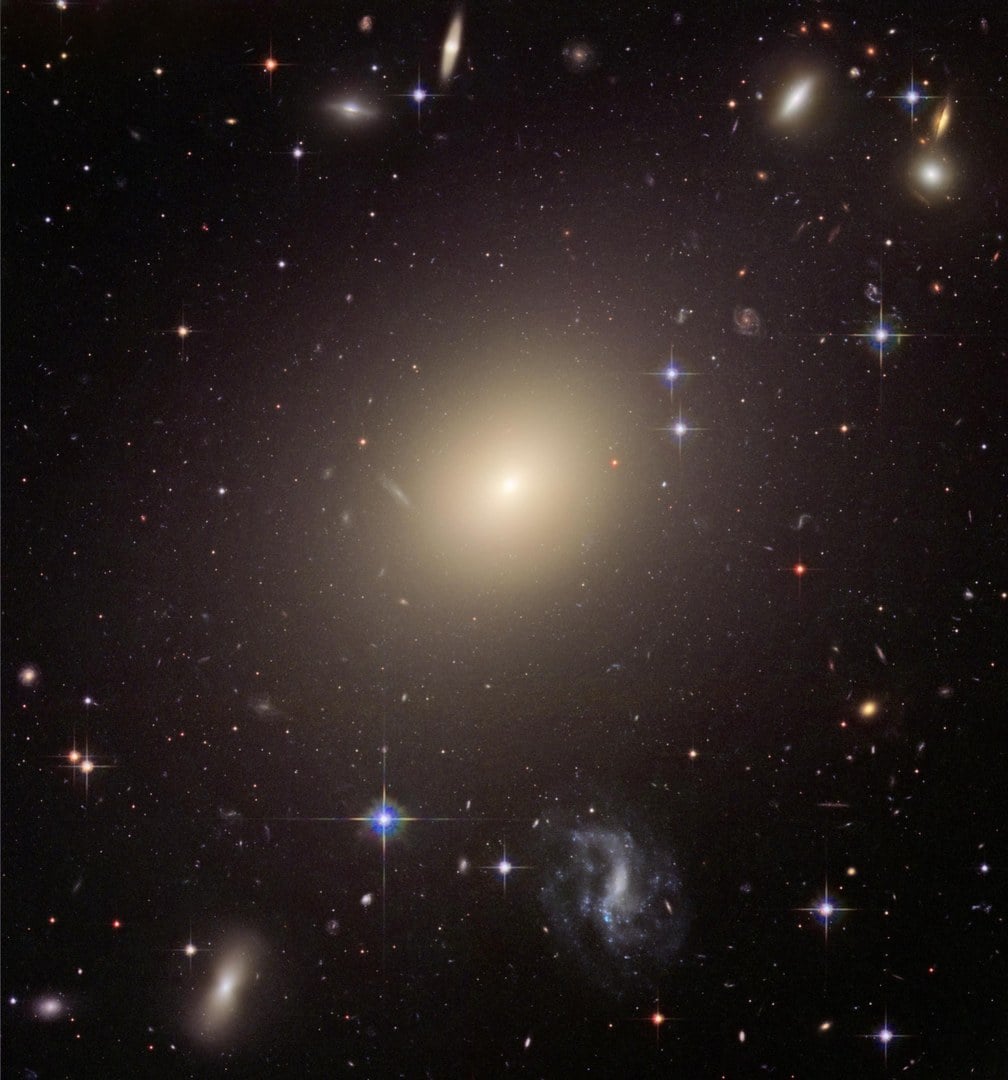
The Cosmic Microwave Background is one of the bedrock pieces of evidence for the Big Bang. It's described as the cosmic afterglow from the Universe's birth. However, new research calls into question our understanding of the CMB and what it tells us about the evolution of the Universe.
Continue reading
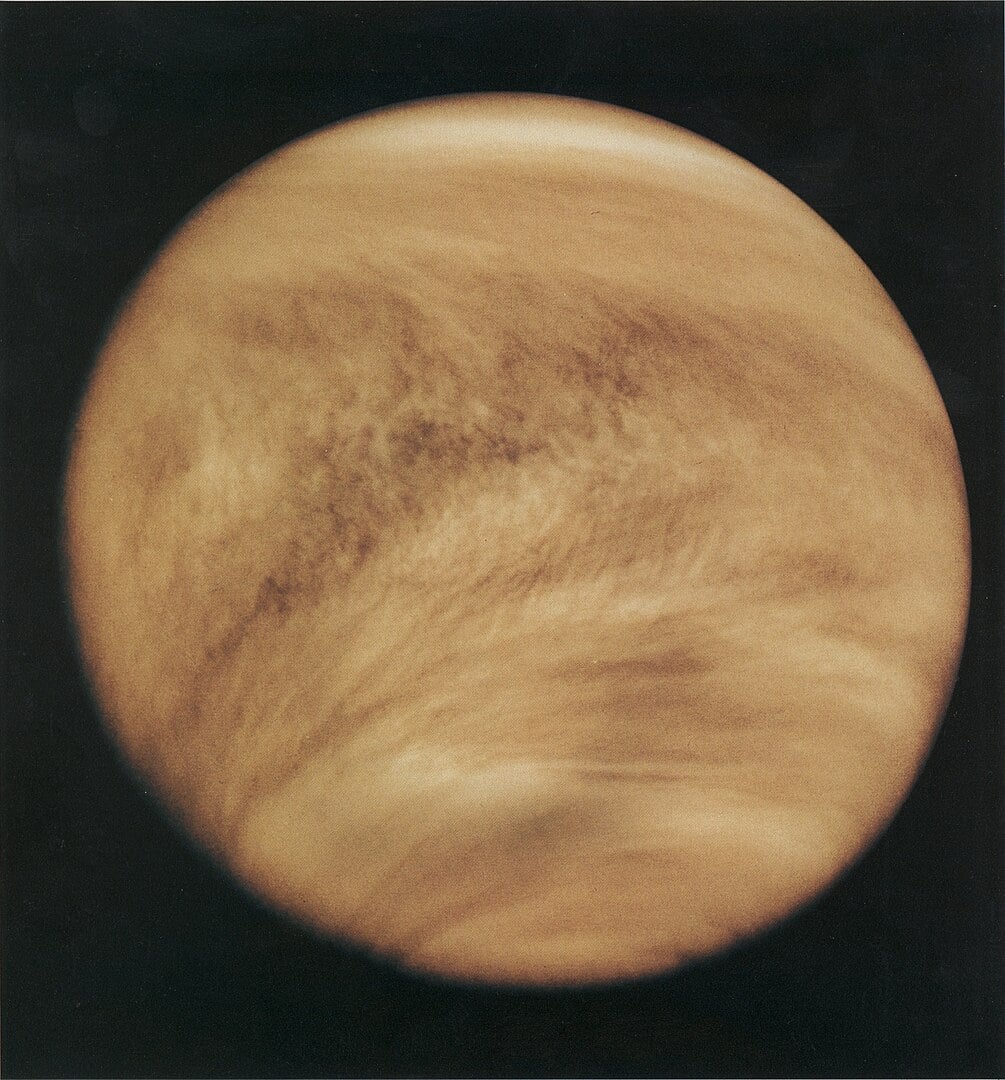
Could some type of life find refuge in Venus' clouds? The detection of phosphine and potentially ammonia in the planet's atmosphere is posing that question. If life could survive there, would it be like Earth life? Or would it have a different molecular basis?
Continue reading
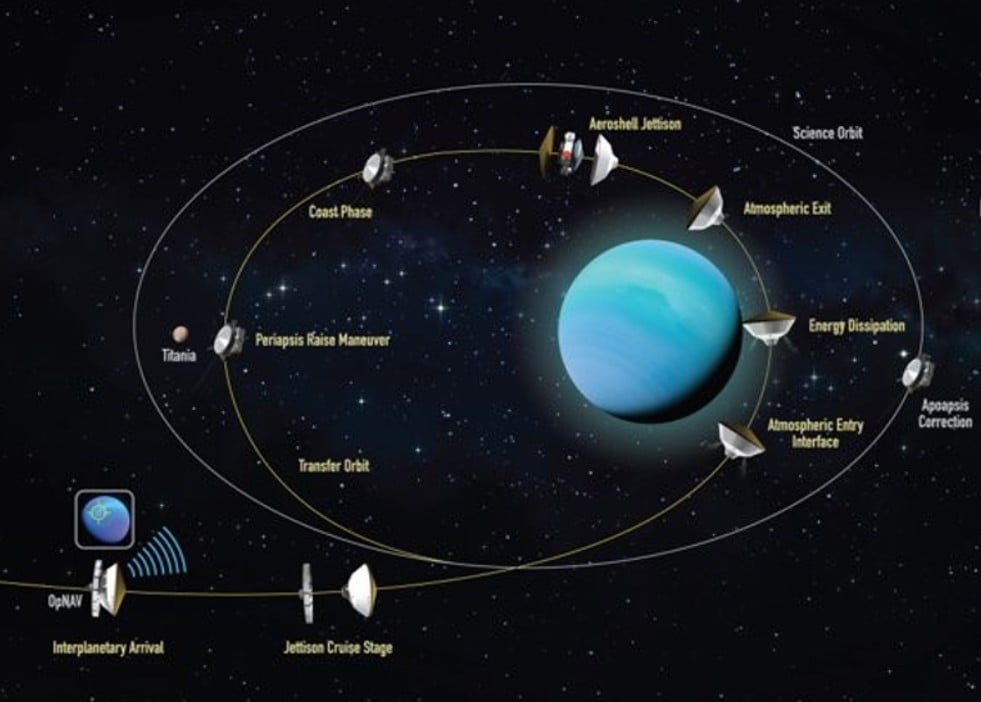
Getting a probe to the Icy Giant planets takes some time - a journey to Uranus could take as long as 13 years, even with a gravity assist from Jupiter. However, several ideas are in the works to speed up that process, especially given the increased interest in sending a probe their way. One of those ideas is to use an aerocapture system to slow a probe down once it reaches its intended target. A new paper from Andrew Gomez-Delrio and their co-authors at NASA's Langley Research Center describes how a proposed Uranus Orbiter and Probe (UOP) mission could utilize the same aerocapture technology that Curiosity used to dramatically improve both the speed and payload capacity of the mission.
Continue reading
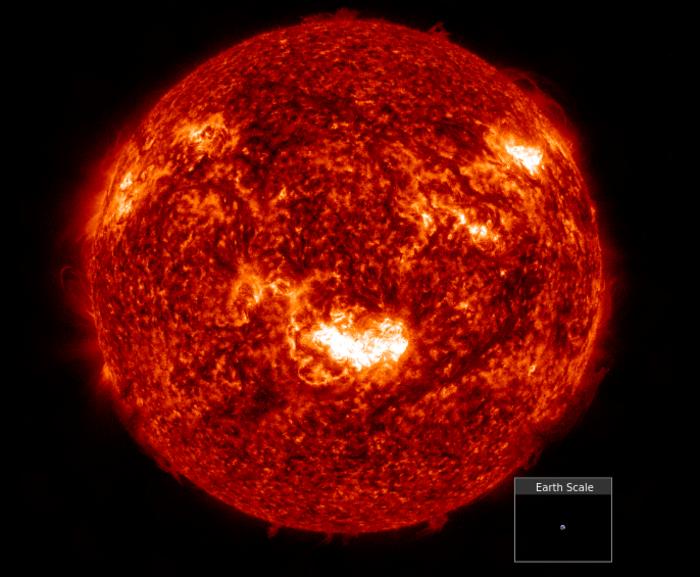
One year ago, our star erupted with almost apocalyptic force—unleashing the most violent solar assault in two decades. Dubbed the Gannon storm, it wasn't just another solar flare. Multiple coronal mass ejections collided and merged into a single devastating megastorm that slammed into Earth's protective shield. As our magnetosphere buckled the night skies exploded with spectacular auroral displays. The event even reached Mars with images from Curiosity sprinkled with streaks from charged particles.
Continue reading
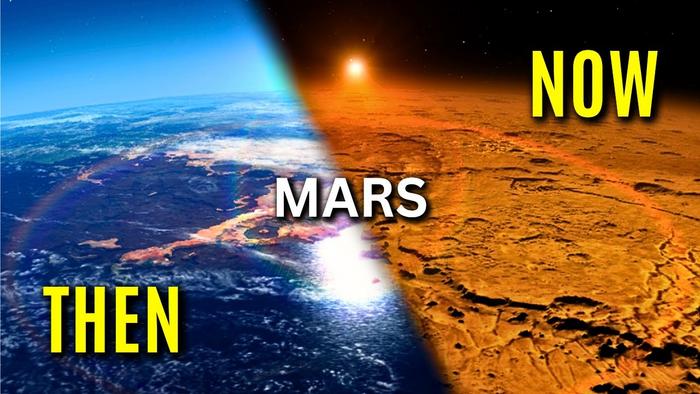
Mars once flowed with water—then 3 billion years ago, it mysteriously disappeared. Where did these ancient Martian seas go? Did the Red Planet's collapsing magnetosphere allow solar winds to strip away its water into space or did the water sink into the Martian regolith, hiding from our view?NASA's InSight mission may have cracked the case. Seismic waves from meteorite impacts revealed water layer lurking 5.4-8 kilometres below the surface.
Continue reading
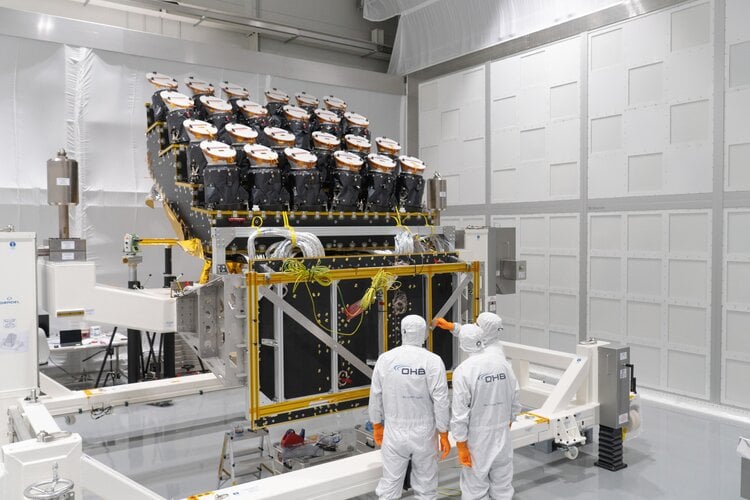
ESA's Plato Mission just hit a major milestone: 24 of 26 high-tech cameras have now been mounted and will soon be ready to hunt. This isn't your average telescope; it's a planet-spotting powerhouse designed to catch distant worlds passing in front of their stars. The clever camera arrangement creates a cosmic wide-angle lens, scanning a massive 5% of the entire sky in one go. No other planet-hunter comes close to this field of view.
Continue reading
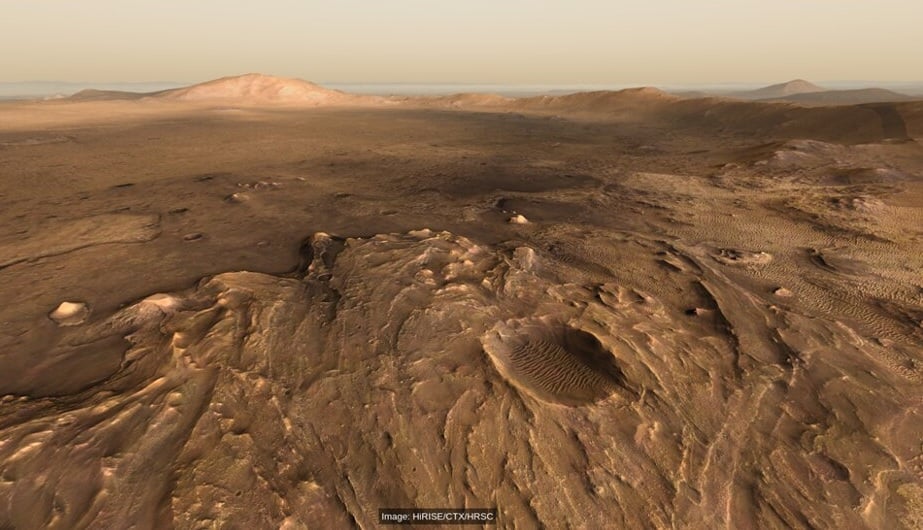
NASA's Perseverance Rover landed in Jezero Crater, an ancient impact crater that was probably filled with water for a long time. During its exploration, the rover has discovered volcanic rocks on the crater floor, but the original source hasn't been found. Now, a team of researchers thinks there's a composite volcano right on the edge of Jezero Crater. They identify a conical-shaped structure that rises about 2 km above the surrounding plains.
Continue reading
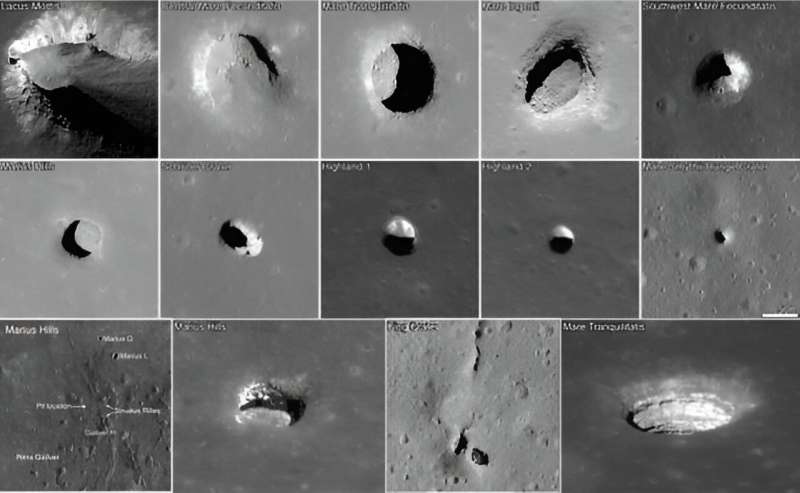
Some parts of the Moon are more interesting than others, especially when searching for future places for humans to land and work. There are also some parts of the Moon that we know less about than others, such as the Irregular Mare Patches (IMPs) that dot the landscape. We know very little about how they were formed, and what that might mean for the history of the Moon itself. A new mission, called the LUnar Geology Orbiter (LUGO), aims to collect more data on the IMPs and search for lava tubes that might serve as future homes to humanity.
Continue reading
.jpg)
We don't have to rely solely on the JWST to observe the Universe's oldest stars. Some of the oldest stars in the Universe reside in globular clusters, and the Milky Way has about 150 of them. How old exactly? New research has the answer.
Continue reading
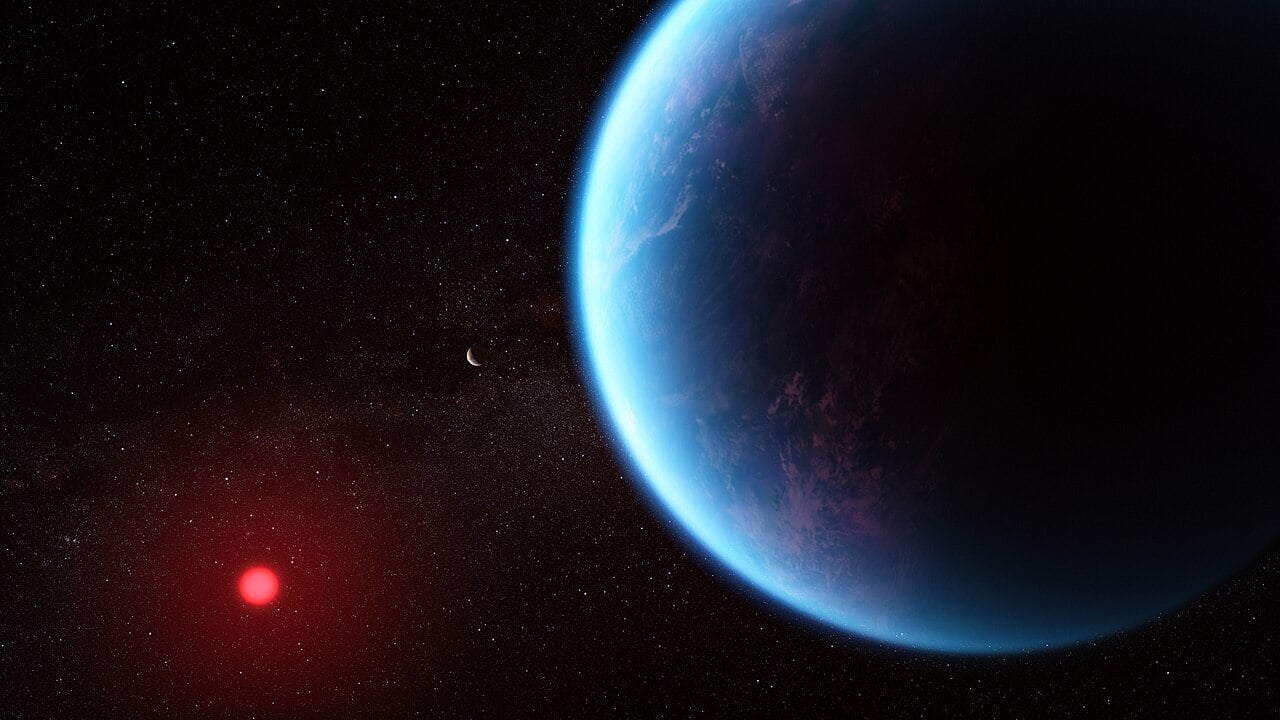
Extraordinary claims require extraordinary evidence. That truism, now known as the "Sagan standard" after science communication Carl Sagan, has been around in some form since David Hume first published it in the 1740s. But, with modern-day data collection, sometimes even extraordinary evidence isn't enough - it's how you interpret it. That's the argument behind a new pre-print paper by Luis Welbanks and their colleagues at Arizona State University and various other American institutions. They analyzed the data behind the recent claims of biosignature detection in the atmosphere of K2-18b and found that other non-biological interpretations could also explain the data.
Continue reading
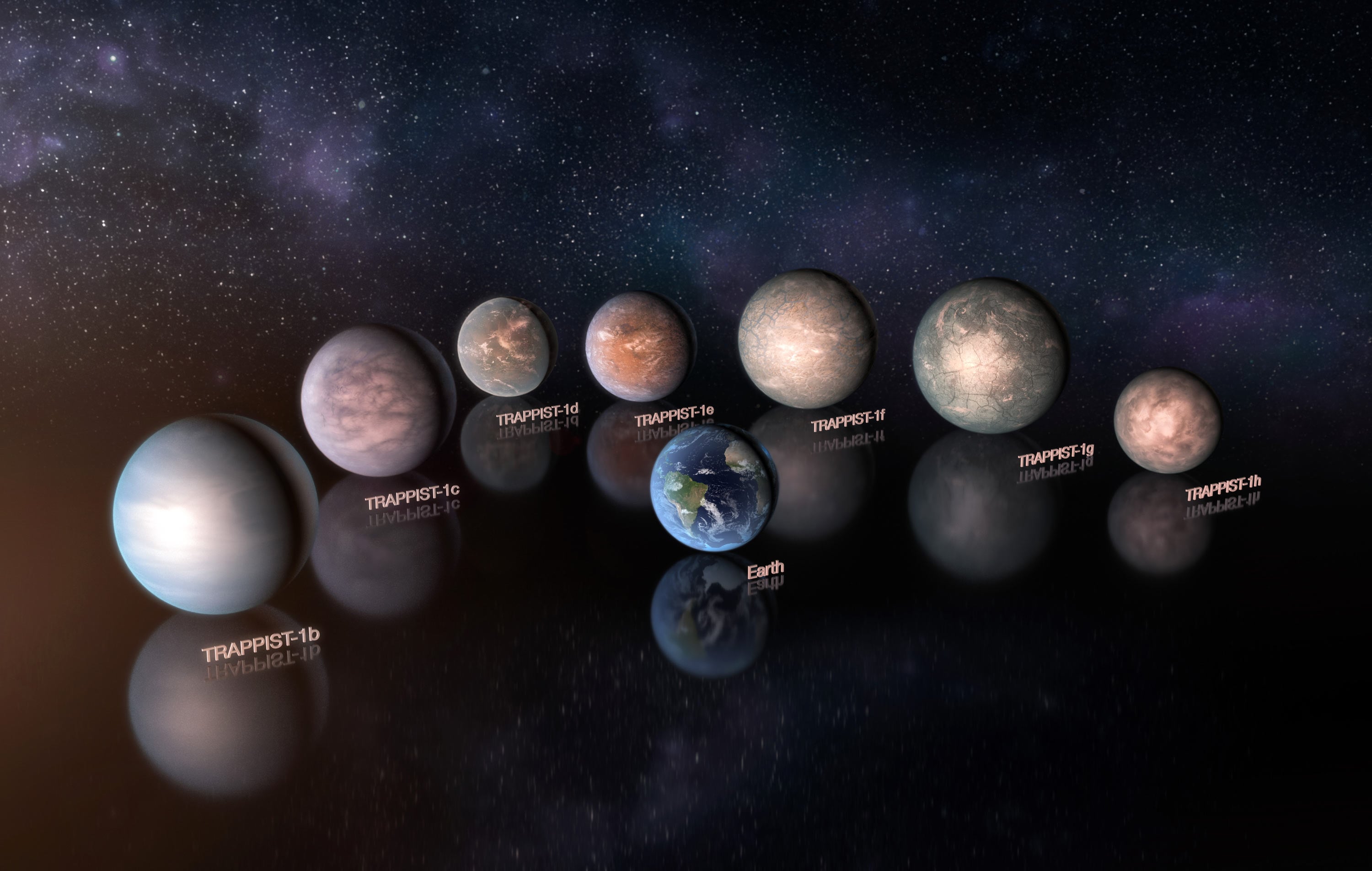
Most astronomers agree that life is likely common throughout the Universe. While Earth is the only world known to have life, we know that life arose early on our world, and the building blocks of life, including amino acids and sugars, form readily. We also know there are countless worlds in the cosmos that might be home for life. But just because life is likely, that doesn't mean proving it will be easy. Many of the biosignatures we can observe can also have abiotic origins. So how can we be sure? One way is to compare our observations of a habitable world with other worlds in the system.
Continue reading
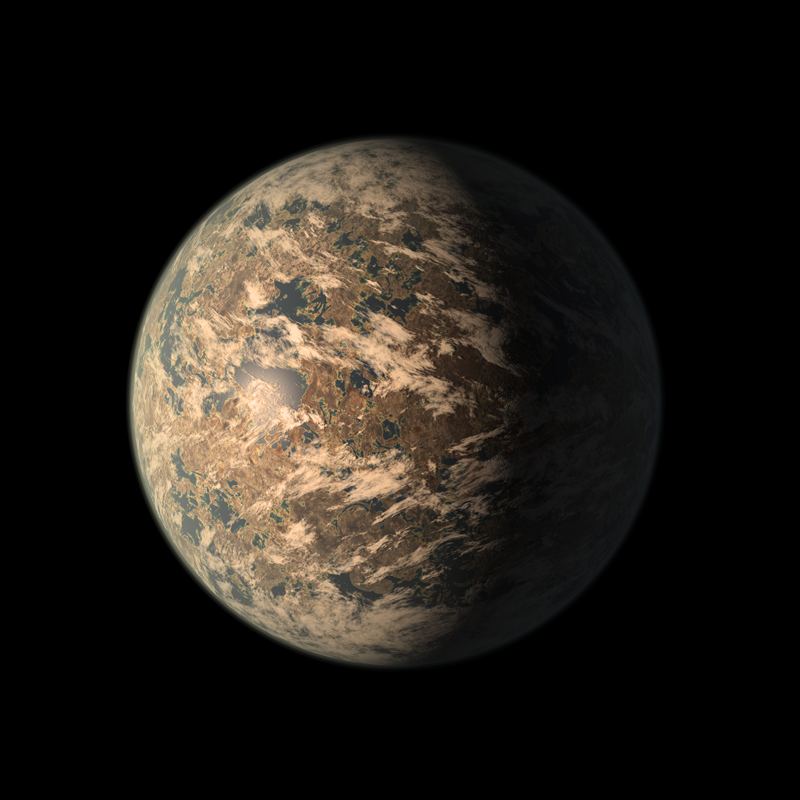
We tend to think of habitability in terms of individual planets and their potential to host life. But barring outliers like rogue planets with internal heating or icy moons with subsurface oceans created by tidal heating, it's exoplanet/star relationships that generate habitability, not individual planets. New research emphasizes that fact.
Continue reading
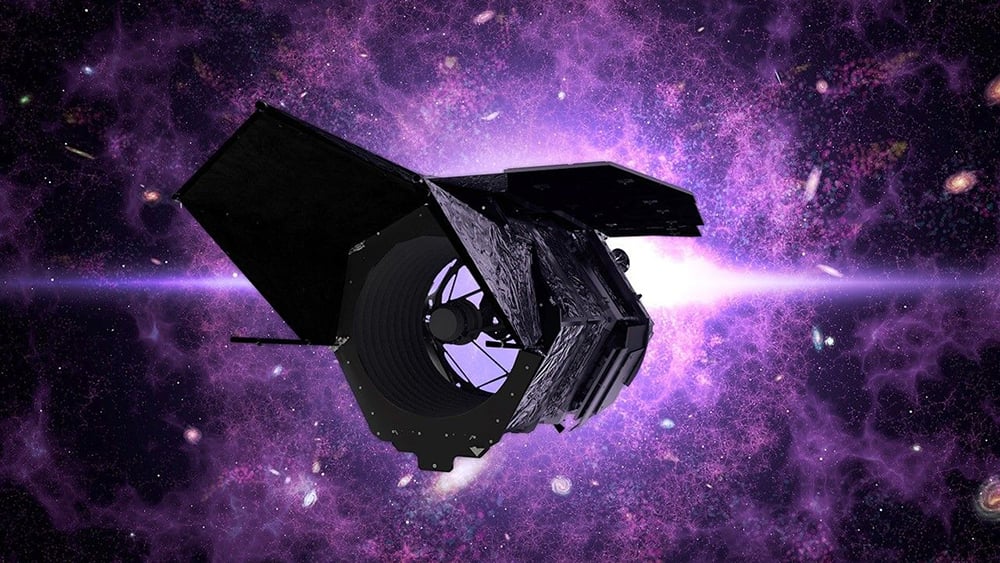
Over the past decade or so, astronomers have speculated about the characteristics of rogue planets in the Milky Way Galaxy. These "free-floating" worlds don't orbit stars, but instead roam the spaceways. They're hard to spot with current technology, but the upcoming Nancy Grace Roman Space Telescope (Roman) will be a perfect instrument to find them and give insights into the history and features they may have in common with Solar System worlds.
Continue reading
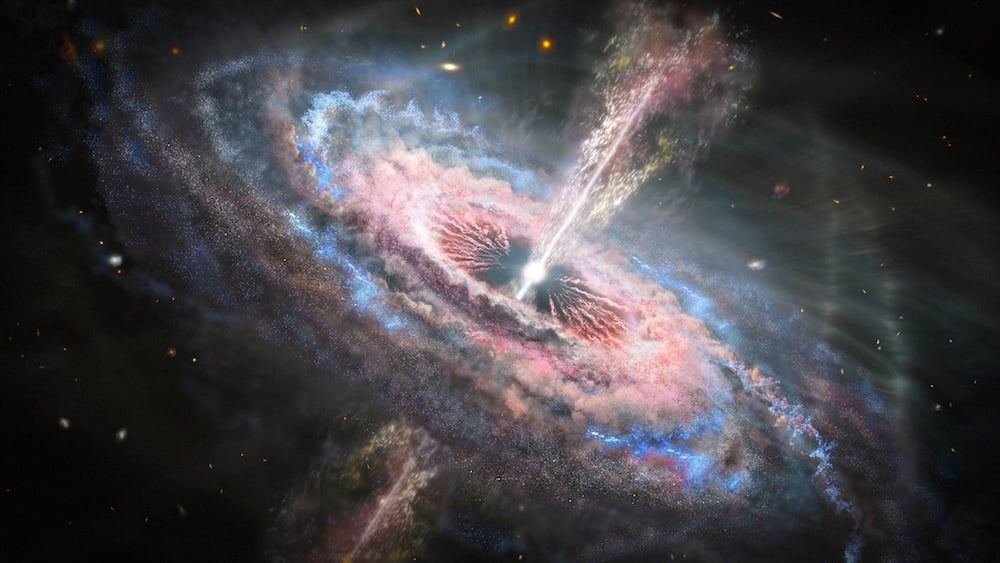
One of the unanswered questions in astronomy is just how supermassive black holes grew so big, so quickly. A team of astronomers have tried to answer this question by searching for actively feeding supermassive black holes (aka quasars) as a way to measure how much material material they are actually accumulating. They studied nebulae near the quasars that light up with the quasar is releasing radiation and found that many of the more distant quasars have only been active for a few hundred thousand years, not long enough to grow to the size we see today.
Continue reading
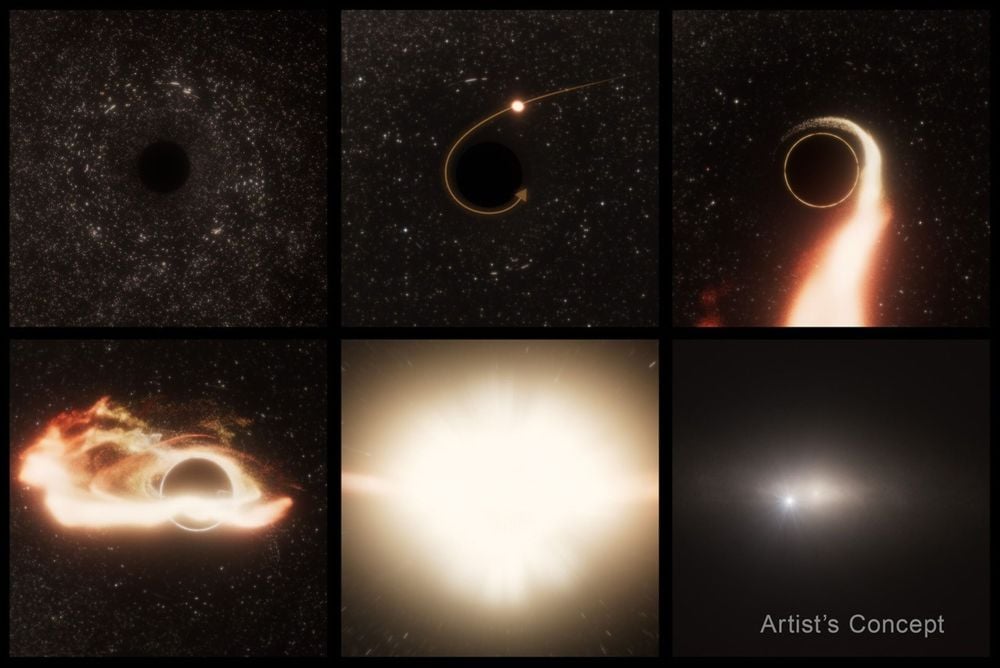
Supermassive Black Holes reside at the center of large galaxies, where they dominate their surroundings and sometimes eat stars. When they gobble up a star, they emit a distinctive light flare. This makes it easier for astronomers to pinpoint their location. Astronomers have detected one of these flares offset from a galactic center. Is the black hole shifting its location?
Continue reading

The Fermi Paradox presents us with a striking contradiction: despite the high probability of numerous civilizations existing throughout the Universe, we've encountered no evidence or communication from any alien intelligence. A new paper just published calculates that we should have a 99% chance of detecting at least one signal from another civilisation—assuming they survive for several hundred years and could be distributed anywhere across the Milky Way galaxy. This calculation further deepens the mystery of our apparent cosmic solitude.
Continue reading
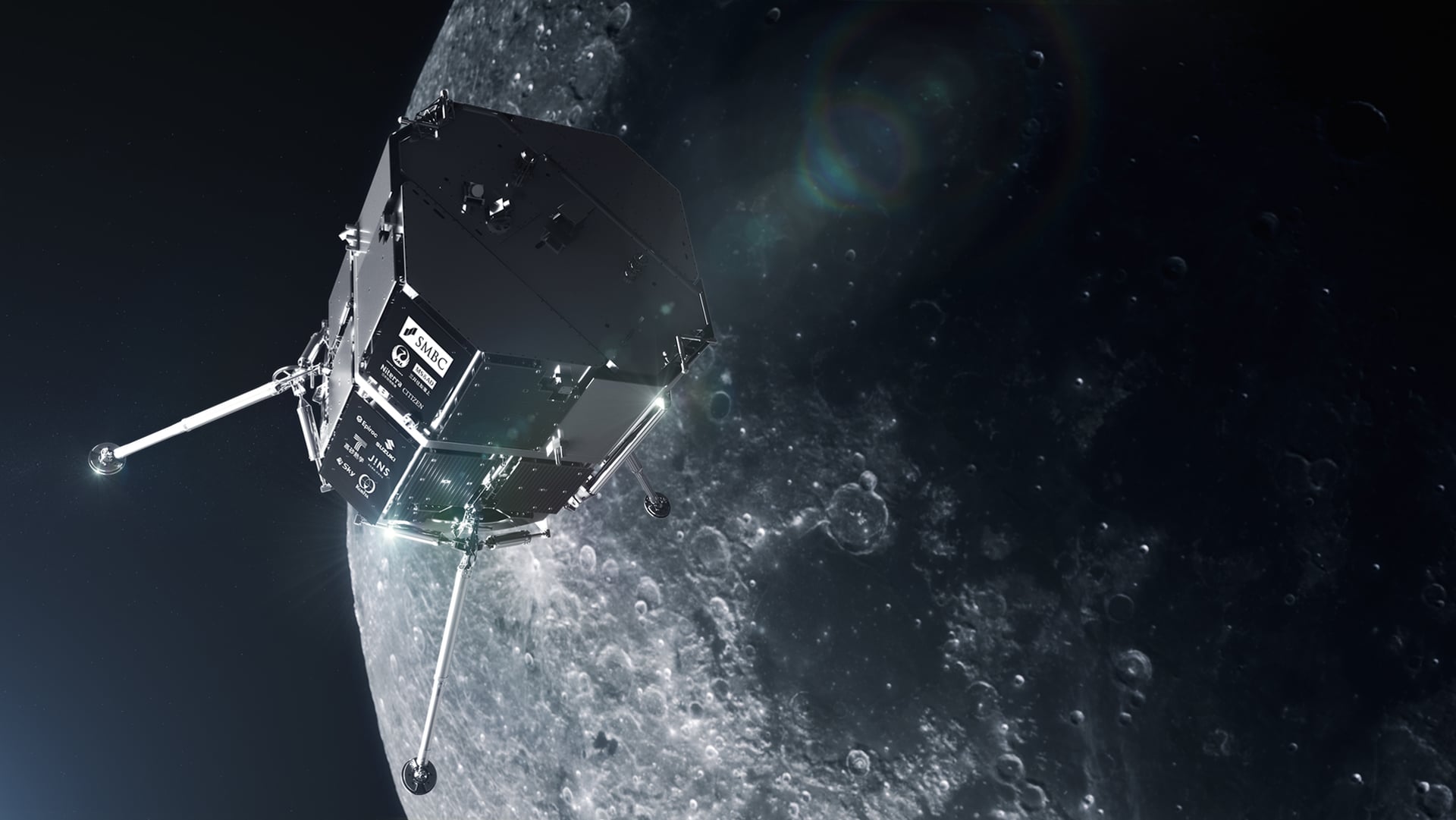
On May 7th, the Japanese space exploration company ispace announced that its HAKUTO-R RESILIENCE lander entered lunar orbit after completing a 9-minute thruster burn. It's now in a stable lunar orbit, and operators will spend the next month testing and preparing for its landing attempt on June 5. This is the company's second attempt at landing on the Moon, after the first attempt crashed in 2023. It's carrying a micro-rover and several science experiments.
Continue reading
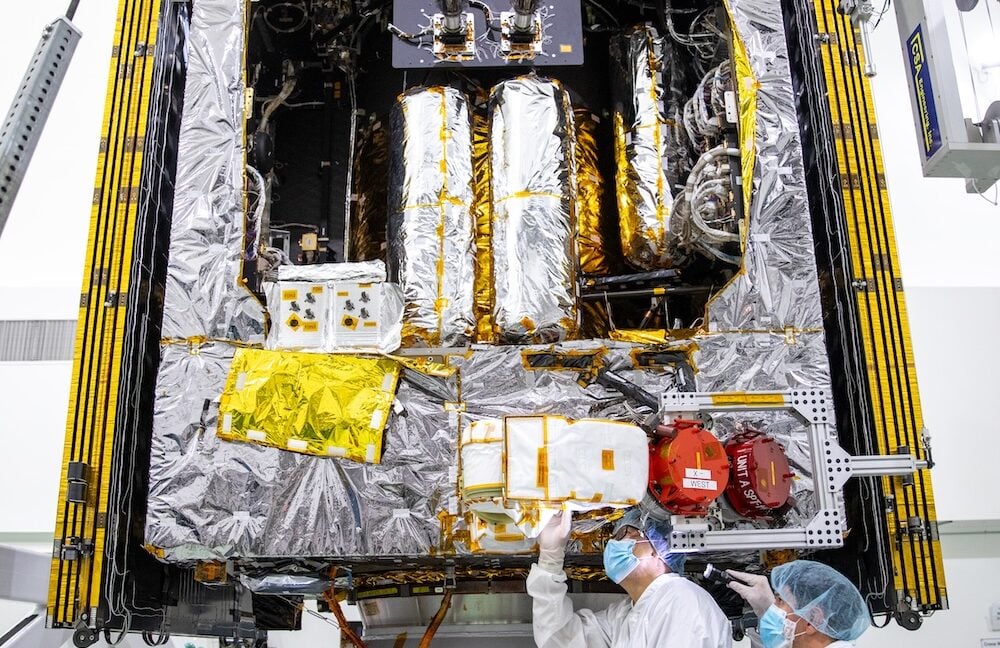
NASA's Psyche mission is on its way to explore a metal-rich asteroid in the asteroid belt between Mars and Jupiter. All was going well since its launch in October 2023 until nasa announced a decrease in fuel pressure for the propulsion system. It uses a solar electric propulsion system, generating thrust with four electric ion engines that expel xenon ions, giving the spacecraft a gentle nudge in the opposite direction. It has been firing its thrusters continuously since May 2024, but in April 2025, engineers detected the pressure drop. Thankfully they have redundancy built in but are still troubleshooting the issue.
Continue reading
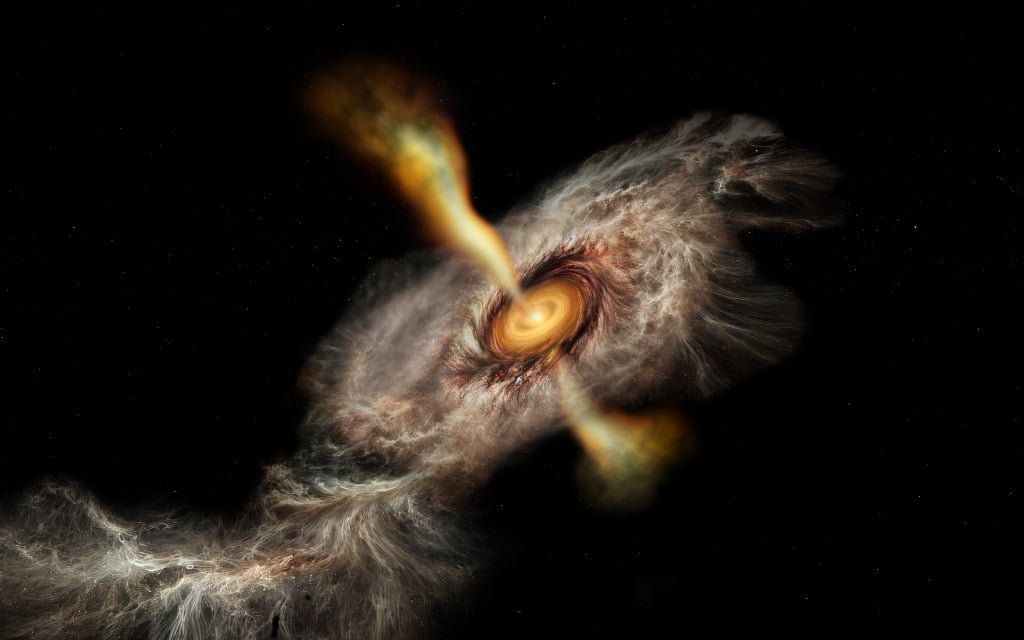
The most massive stars in the Milky Way contain one hundred times more mass than the Sun, even more in some cases. These O-type stars are extremely hot, luminous, and blue, and often die in supernova explosions. Astrophysicists want to know how they get so big, and a simple household chemical might hold the answer.
Continue reading
 Universe Today