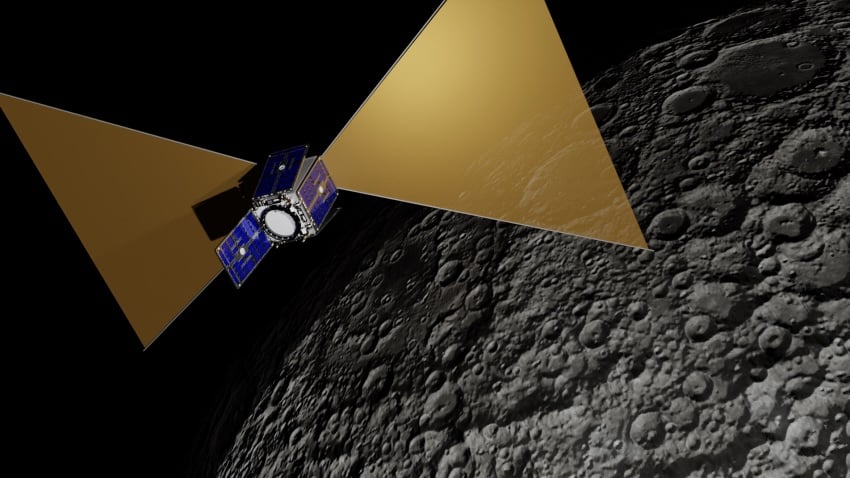
Shortly after the Big Bang, after the CMB was released, there was a time that's tricky to observe called Cosmic Dark Ages. Clouds of hydrogen could be detected at that time using a specific frequency of radio waves, but Earth's radiation introduces too much noise. Researchers are proposing a CubeSat called Cosmo Cube that could orbit the Moon, observing when it's in the quiet radio shadow cast by the Moon. It could help detect the first structures coming together, leading to the formation of the first galaxies.
Continue reading

A team of international researchers led by Tomas Stolker in the Netherlands has imaged a young gas giant exoplanet near a 12-million-year-old star. The planet is orbiting a star whose planet formation has finished, while a same-aged companion star in this double star system still has a planet-forming disk.
Continue reading
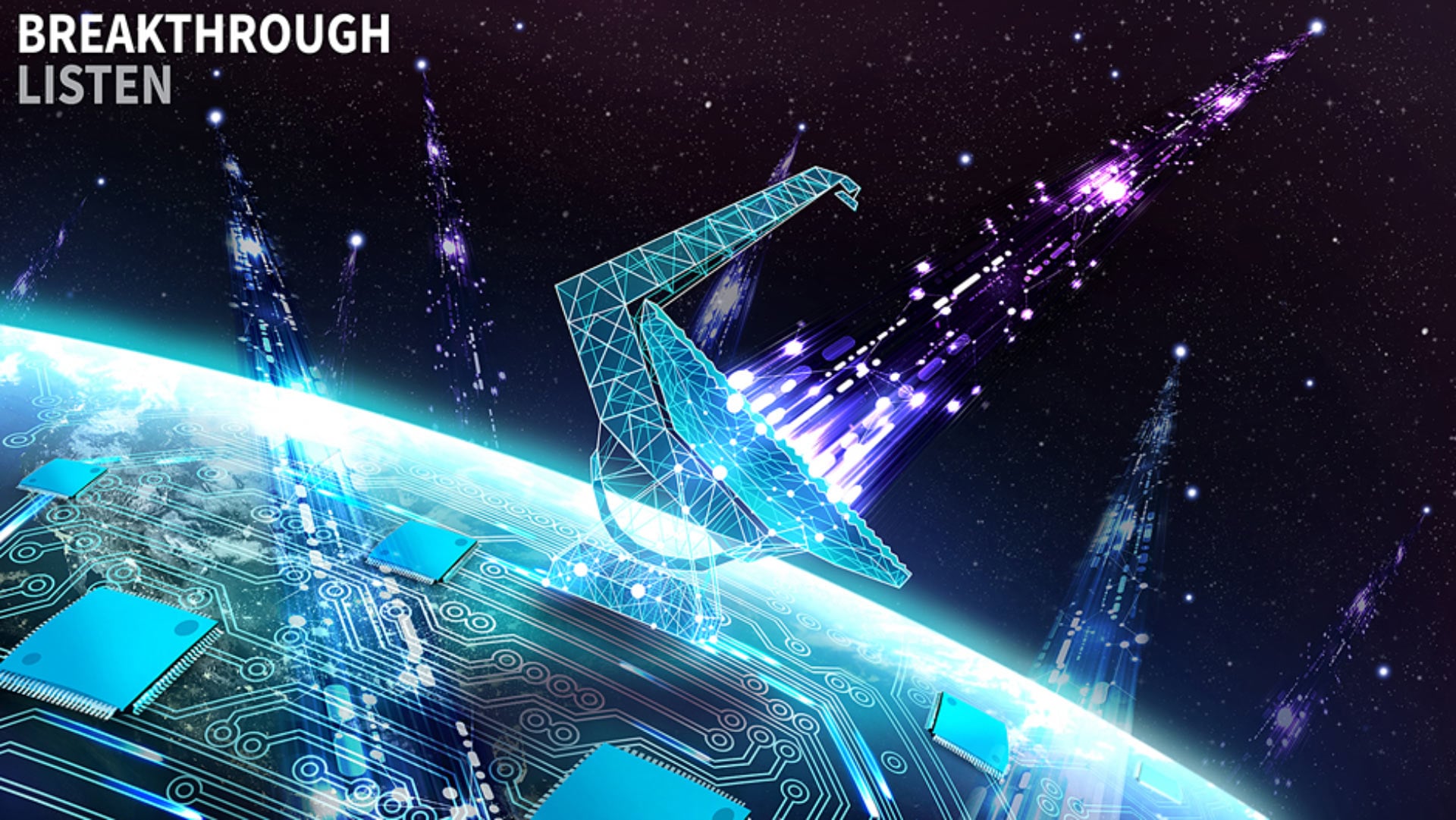
In a recent study, a team of astronomers examined 27 confirmed and candidate exoplanets identified by TESS for signs of radio transmissions during star-planet occultations. The purpose was to see if radio signals from these targets of interest (TOIs) were interrupted as they passed behind their stars, thereby indicating that they were artificial in origin.
Continue reading
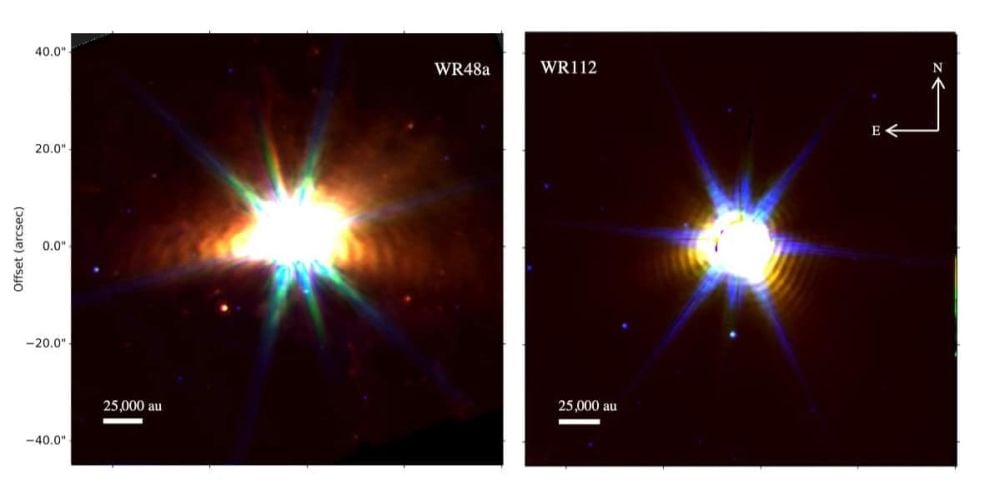
Cosmic dust does far more than float through space. It's the raw material from which stars, planets and possibly even life emerge. Yet astronomers have long puzzled over where this vast amount of dust comes from and what it's made of.
Continue reading
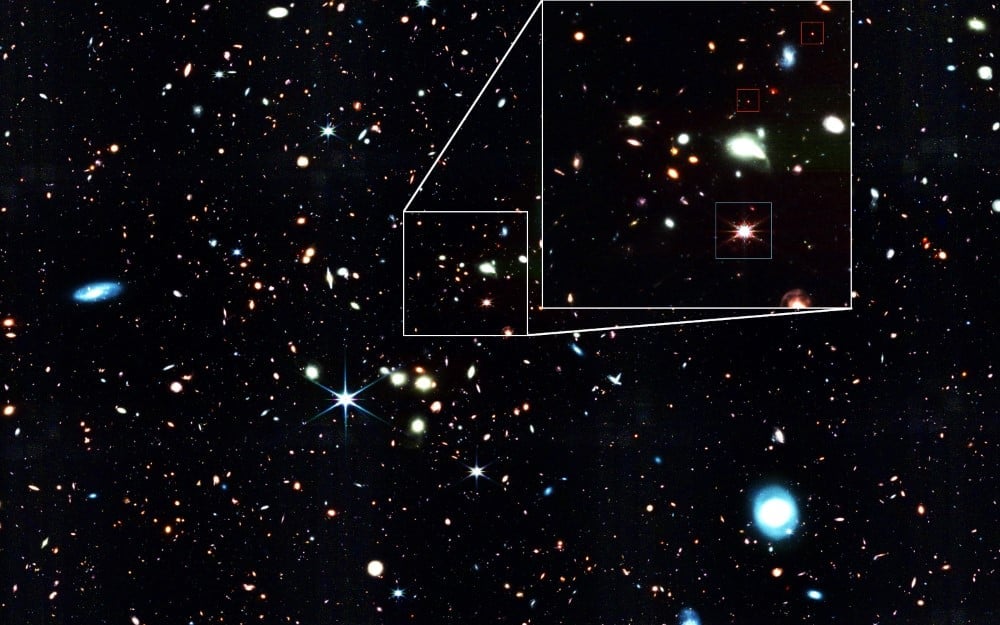
Names are a strange thing in astronomy. Sometimes scientists come up with grandiose, simple name, like the Extremely Large Telescope. Other times, they come up with unique sounding names, like quasars. And sometimes they come up with names that, while descriptive in some sense, are completely misleading in others. That is the case for Little Red Dots (LRD) - active galactic nuclei in the early universe that show up as a little red dot in the images captured by whatever telescope found them. However, they actually represent supermassive black holes hundreds of millions of times the size of our Sun. A new paper from Federica Loiacono and her colleagues at Istituto Nazionale di Astrofisica in Italy describes one of these behemoths they found with the James Webb Space Telescope at a period of the early universe, about 11 billion years ago, known as the “cosmic noon”.
Continue reading
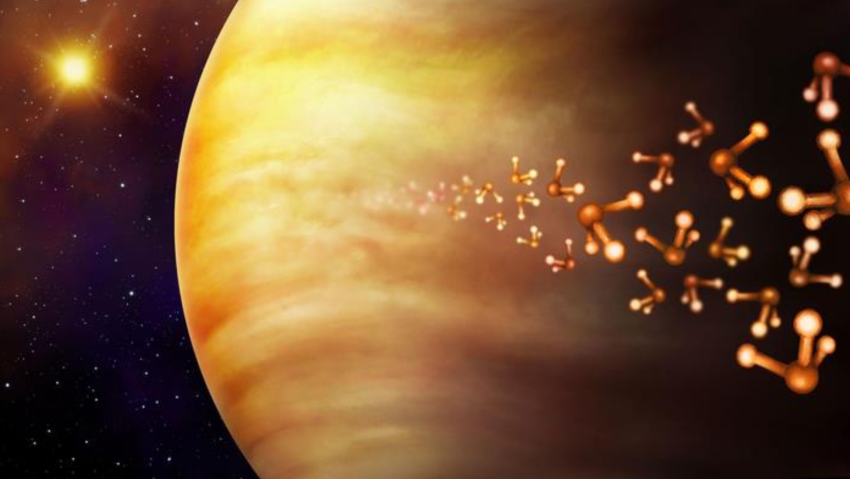
Is there life on Venus? The controversial detection of phosphine and ammonia hints that bacterial life could be surviving in the planet's milder upper atmosphere. But to confirm its existence, we'll need to measure the atmosphere directly. A new mission concept was recently unveiled called the Venus Explorer for Reduced Vapours in the Environment (VERVE). It's a CubeSat that could fly with ESA's EnVision mission in 2031, studying the atmosphere for more evidence of active biology.
Continue reading
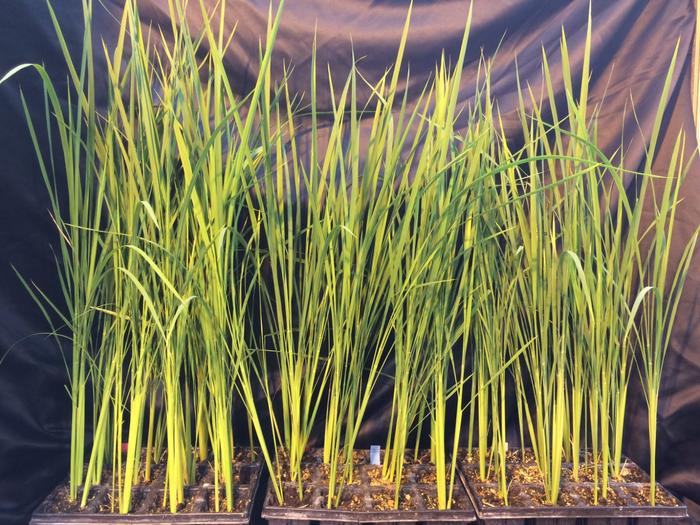
If we can learn to grow our own food in space, it'll make surviving off Earth less challenging. While plants do grow in space, some genetic improvements are in order. Researchers have unveiled "Moon rice," a genetically manipulated strain of rice that grows much shorter than even dwarf varieties of rice and could be grown reliably in space. They're also simulating microgravity, constantly rotating the rice in all directions to see how it responds.
Continue reading
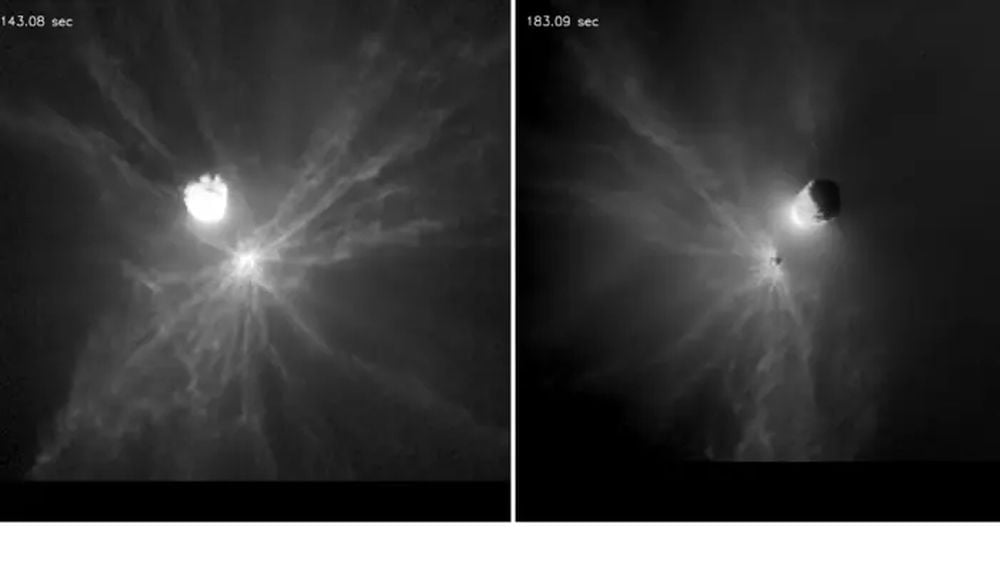
Sometimes a mission can be too successful. When NASA's DART spacecraft slammed into Dimorphos in 2022 as part of an asteroid redirection test, it altered the asteroids orbit, proving that kinetic impactors can be used to defend Earth from hazardous objects. Unfortunately, the impact also created a shower of boulders that also gave Dimorphos an unpredicted kinetic kick.
Continue reading

China's Tianwen-3 is poised to be the first sample-return mission to Mars. The science team now includes a group of astrobiologists from Hong Kong University (HKU), led by Professor Yiliang Li. In a recent paper, the team advised the China National Space Agency (CNSA) on landing site selection and how the first samples from Mars should be analyzed and curated once they are brought back to Earth.
Continue reading
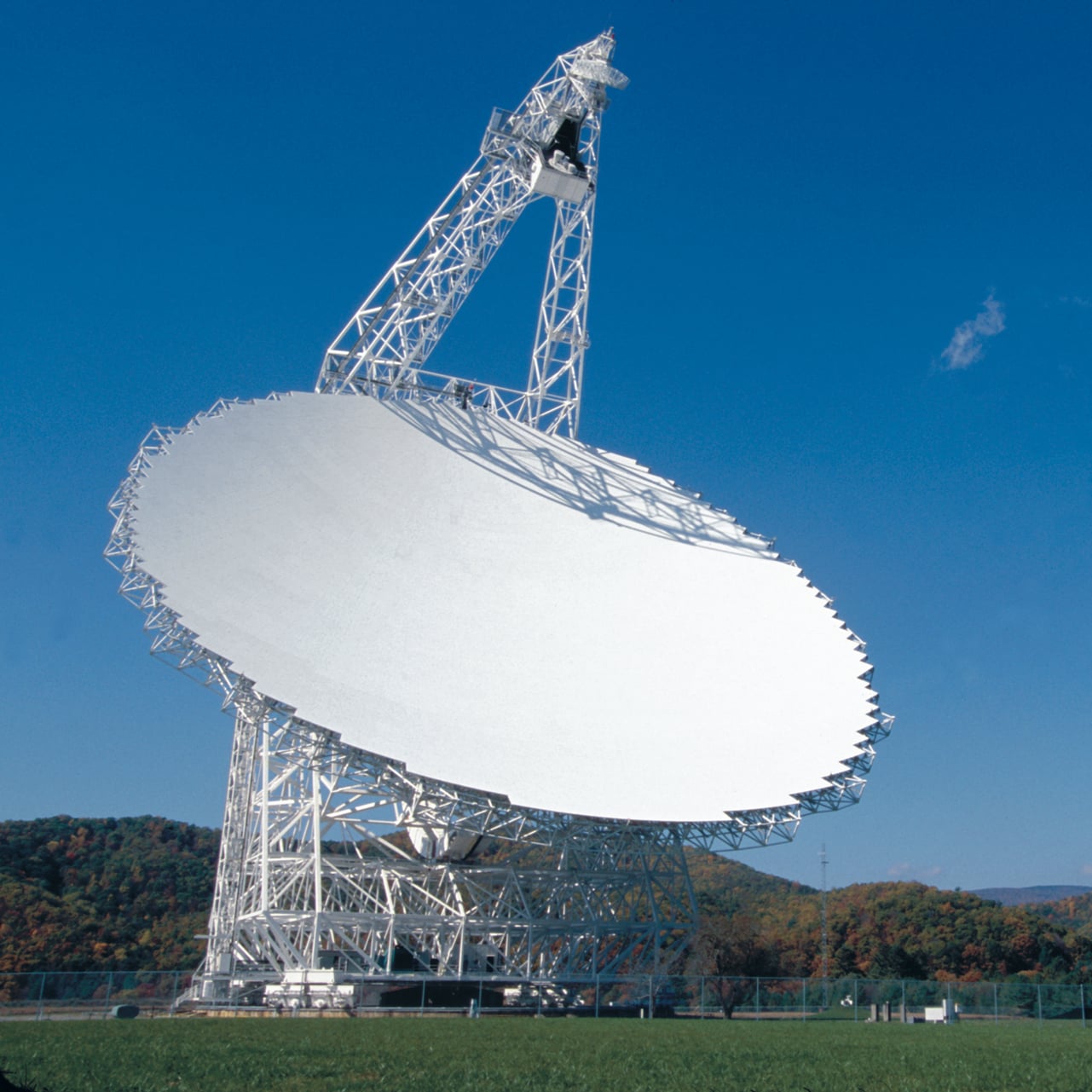
Alarmingly, a team of scientists propose that every flight you take could be alerting alien civilizations to our existence. I must apologise now as I pack for a flight out to Mexico in a few days! The new research reveals that airport radar systems from Heathrow to JFK are unintentionally broadcasting powerful signals up to 200 light years into space, that’s far enough to reach over 120,000 star systems that might harbor intelligent life! These "accidental technosignatures" would appear obviously artificial to any aliens with technology similar to ours, potentially making every takeoff and landing an announcement that we're here!
Continue reading
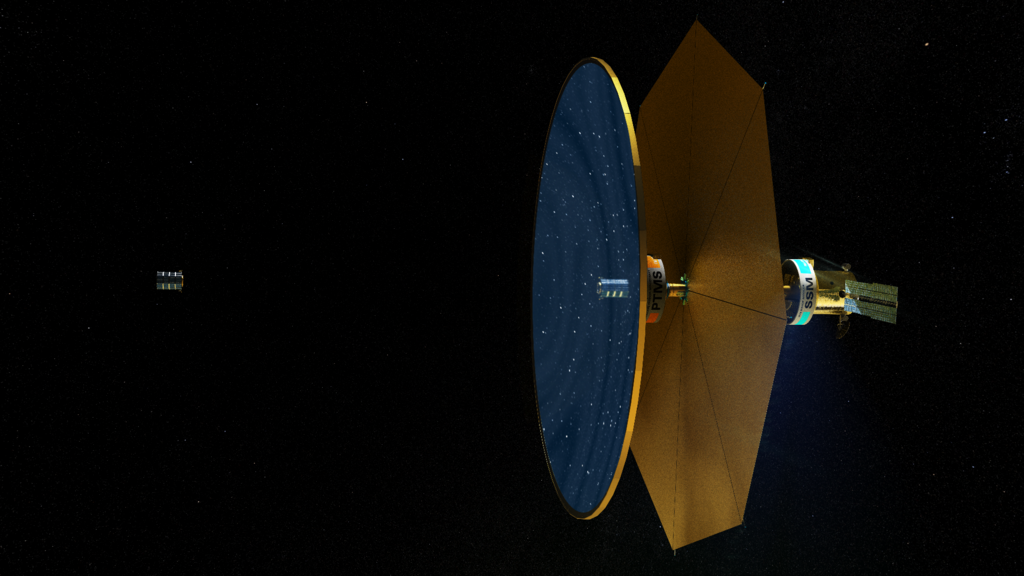
A team of researchers has cracked the code for building space telescopes with mirrors the size of a soccer field, not from perfectly figured glass, but from liquid floating in zero gravity! The new research reveals how a 50-metre liquid mirror telescope could maintain its optical quality for decades despite the constant slewing motions needed to observe different stars, with deformations taking years to propagate from the edges toward the centre. The idea could enable the next generation of space telescopes capable of directly imaging Earth-like planets around other stars, potentially answering the ultimate question: are we alone in the universe?
Continue reading
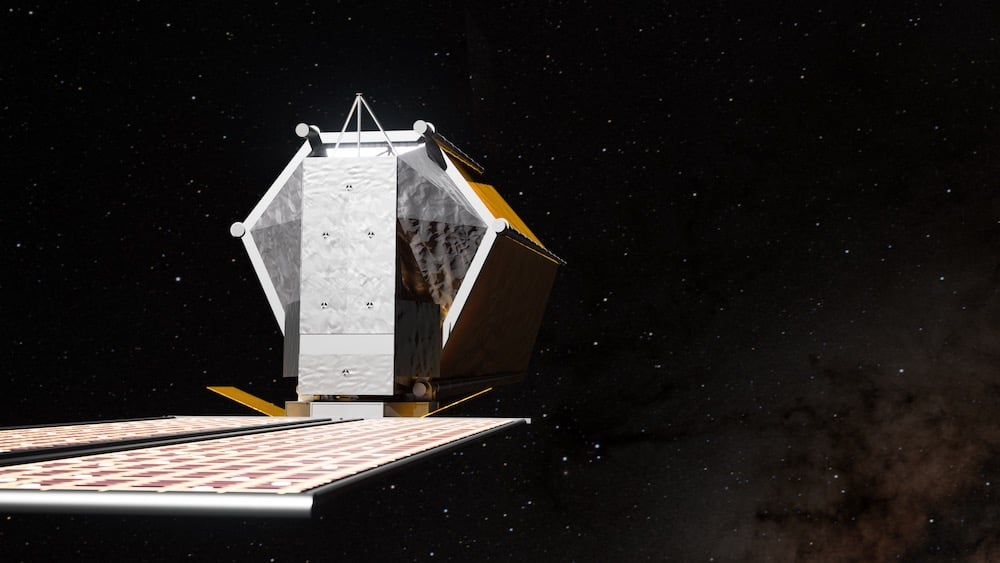
A team of scientists are preparing to use NASA's upcoming Habitable Worlds Observatory to answer one of the most profound questions of all time: How does life begin? Rather than searching for individual signs of life, the team plan to study patterns across dozens of exoplanets to test competing theories about the origins of life; from scenarios where life is so rare we might be alone within 33 light-years, to theories predicting that life emerges wherever basic conditions exist. This approach could transform perhaps our oldest question into testable science, potentially revealing whether our biosphere is an accident or part of a universe teeming with life.
Continue reading
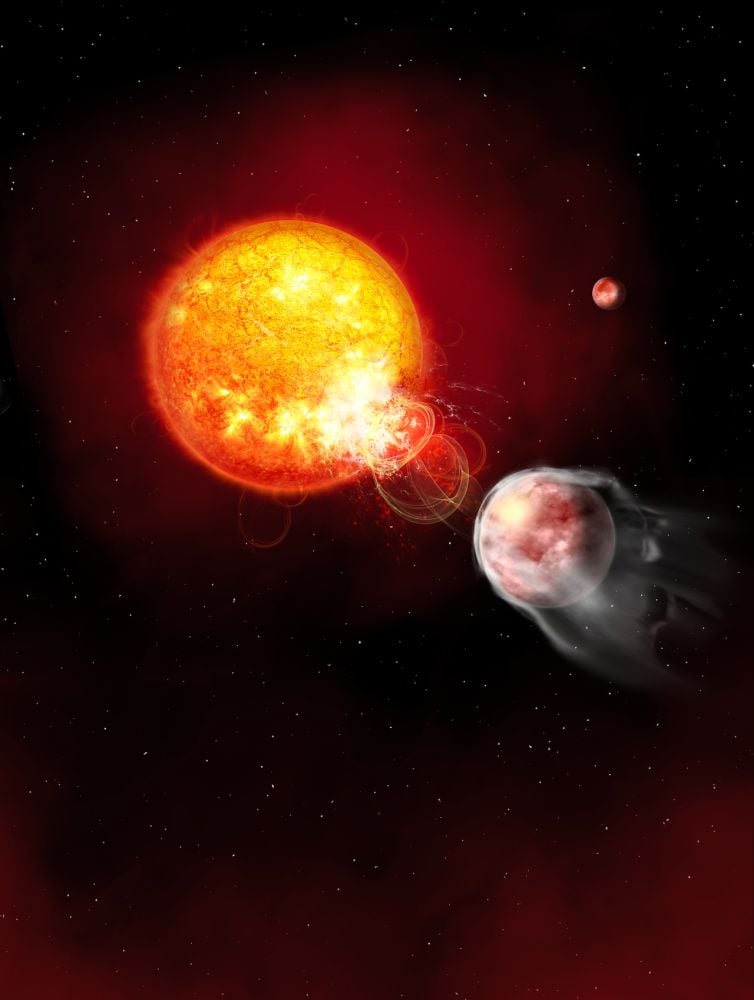
Astronomers have discovered hundreds of exoplanets on extremely short orbits of less than 10 days. Our Solar System has nothing like this, and these planets are so close to their stars that they can disrupt the stars' magnetic fields. Scientists think this can induce stellar flaring, and researchers have detected the first example of exoplanet-induced stellar flaring.
Continue reading

The search for habitable exoplanets boils down to the search for water. Exoplanet scientists lack the technological capability to detect surface water on exoplanets from great distances, so instead they can only search for planets in habitable zones where surface water is likely. But what if we could directly detect the surface water itself?
Continue reading
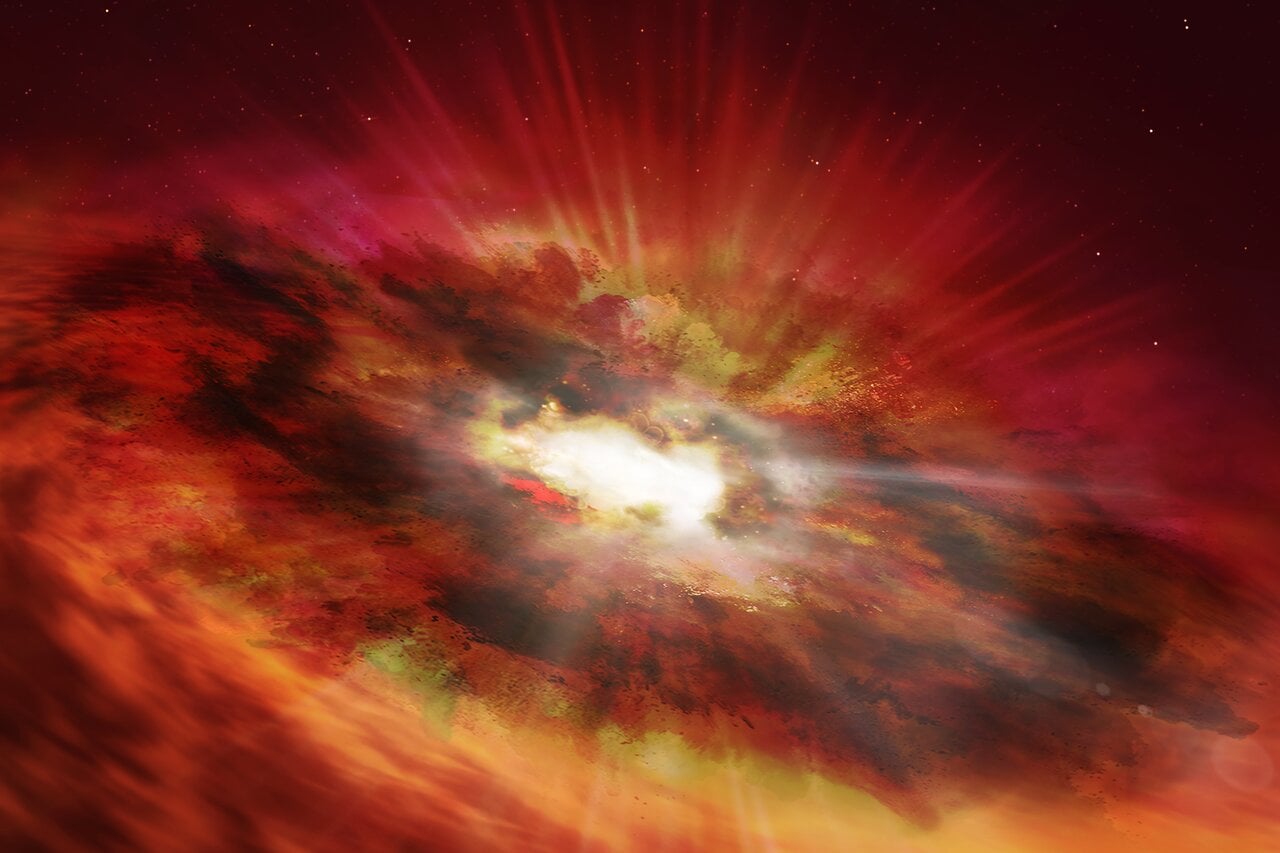
With the recent first light milestone for the Vera Rubin observatory, it's only a matter of time before one of astronomy’s most long-awaited surveys begins. The Legacy Survey of Space and Time (LSST) is set to start on November 5th, and will scan the sky of billions of stars for at least ten years. One of the most important things it hopes to find is evidence (or lack thereof) of primordial black holes (PBHs), one of the primary candidates for dark matter. A new paper from researchers at Durham University and the University of New Mexico looks at the difficulties the LSST will have in finding those enigmatic objects, especially the statistical challenges, and how they might be overcome.
Continue reading
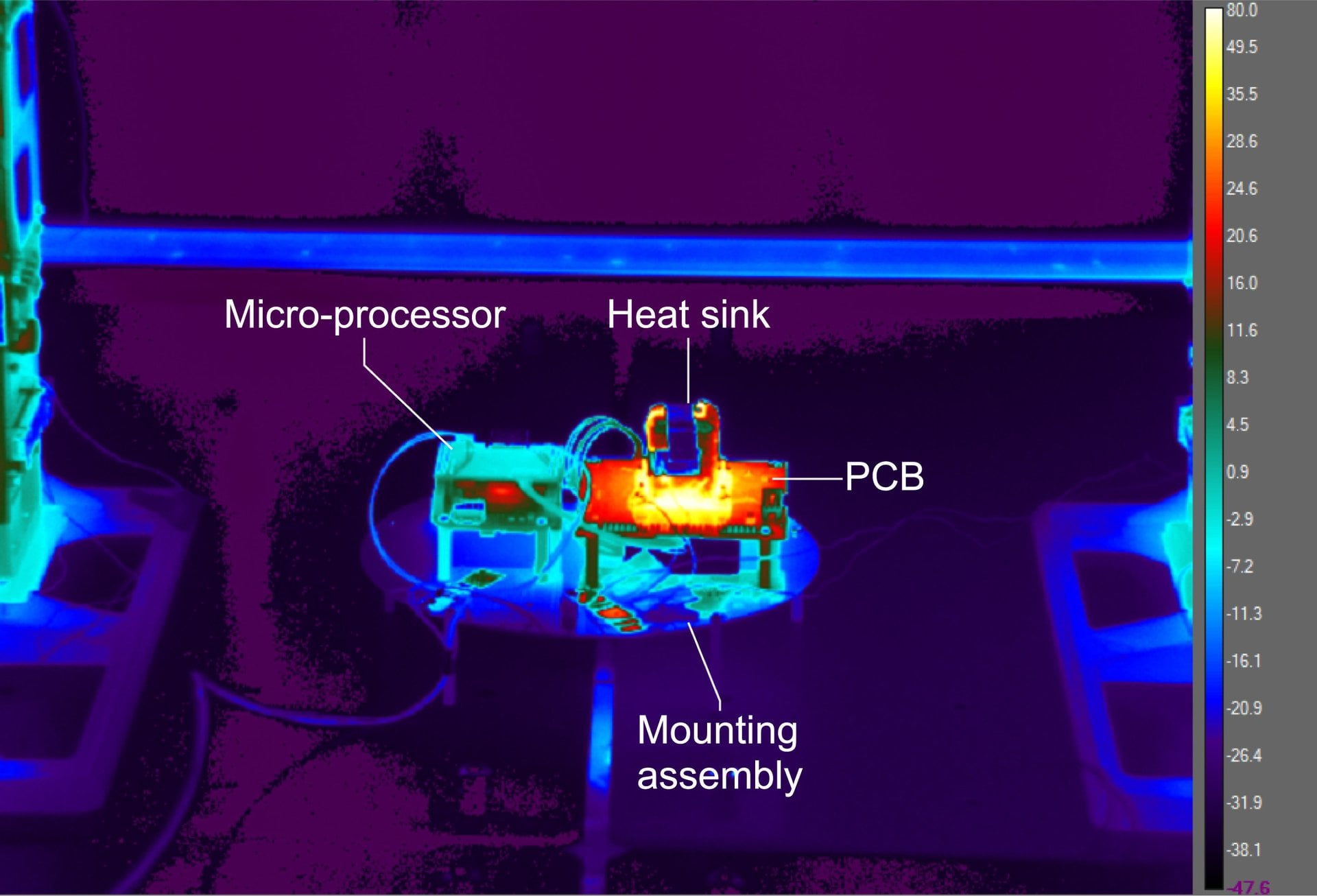
It's cold in space, but overheating is a bigger problem than low temperatures. That's because the only way to regulate a spacecraft's heat is through radiation, or slowing down its computing. Engineers have tested a new type of heat sink in space that contains a wax-based phase change material that melts within the normal operating temperature range of the electronics, absorbing heat and then helping to radiate it away. The heat sink was part of a CubeSat launched in August 2024.
Continue reading
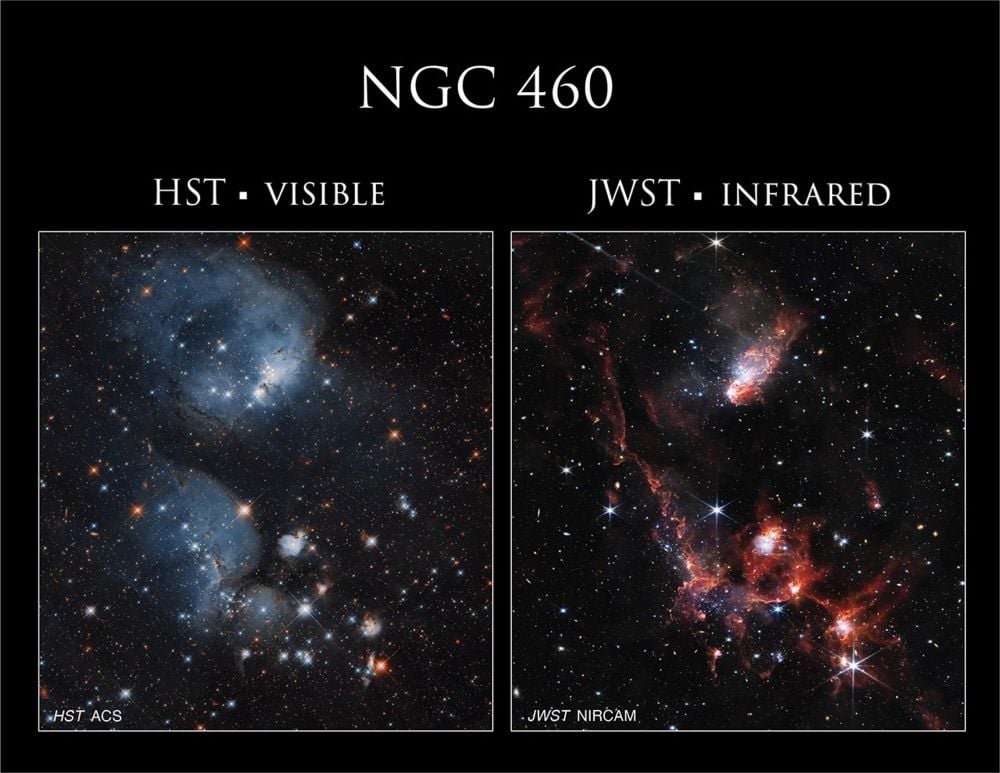
When the JWST was being built, some labelled it as the Hubble's successor. In some ways it is, even though the Hubble is still performing important science observations. When the two telescopes team up, we get the best of both.
Continue reading
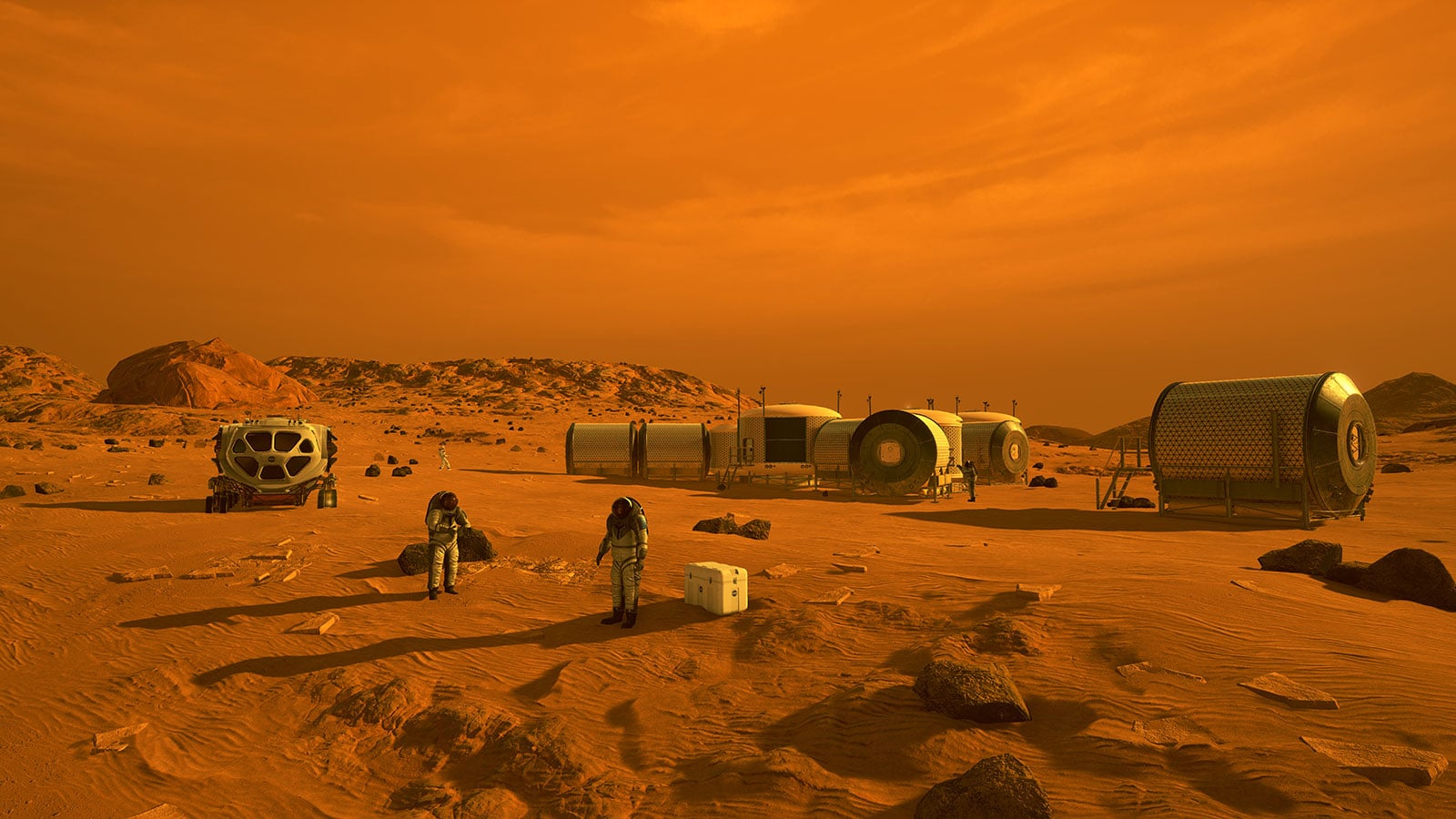
An international team of scientists led by the Harvard School of Engineering and Applied Sciences (SEAS) proposed a new method for living beyond Earth. Their experiment demonstrated how bioplastic structures can be grown using algae, which would be rugged enough to survive the hostile Martian environment.
Continue reading
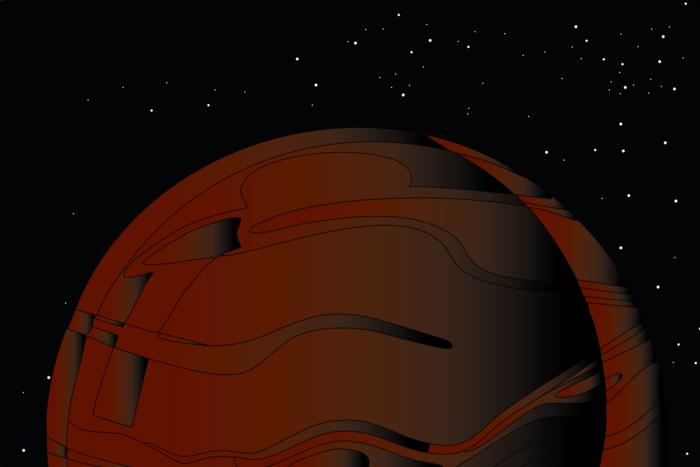
Although dark matter doesn't seem to interact with regular matter or itself, if it has particle-like properties, it could self-annihilate if packed into a tight space. In a new paper, researchers have proposed that dark matter could make its way into brown dwarfs near the Galactic Center, where everything is packed more closely together. The dark matter could annihilate inside the brown dwarfs, creating Dark Dwarfs that could be detected.
Continue reading
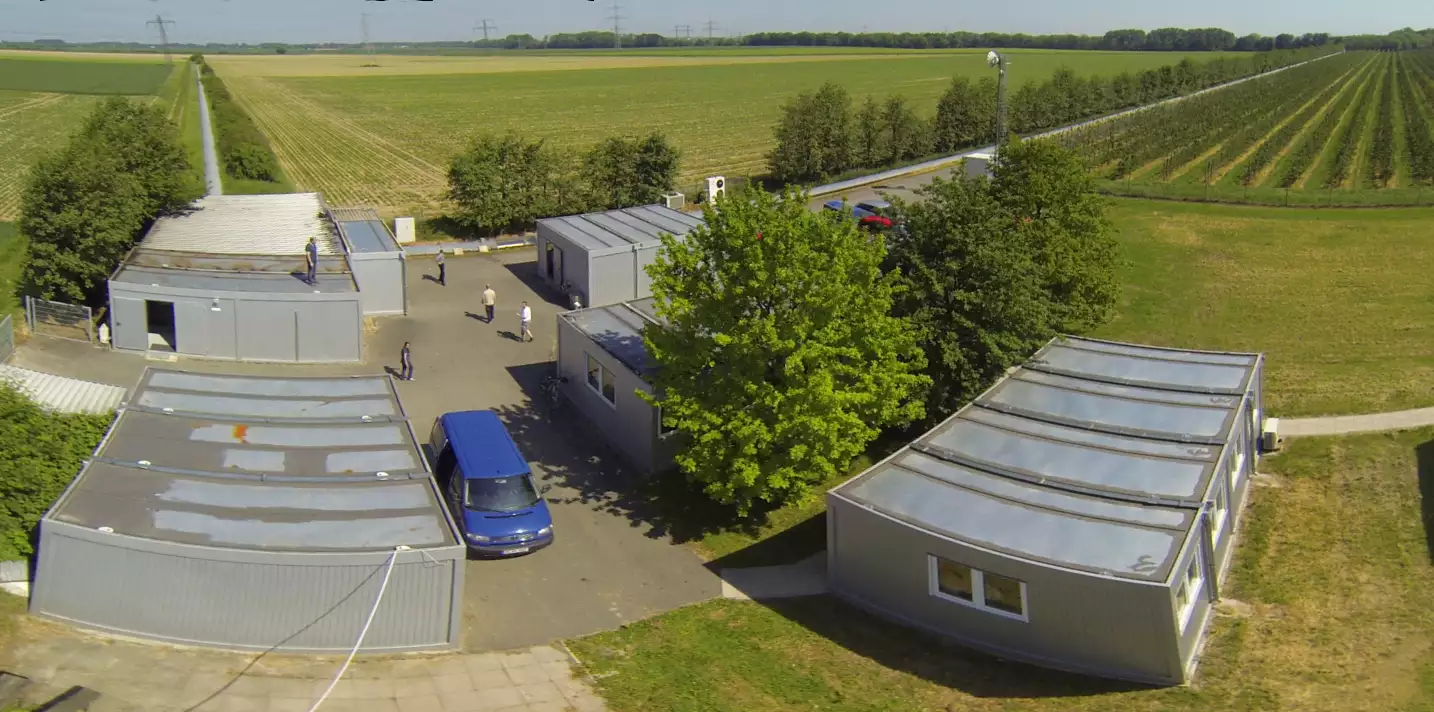
Gravitational waves come in all shapes and sizes - and frequencies. But, so far, we haven’t been able to capture any of the higher frequency ones. That’s unfortunate, as they might hold the key to unlocking our understanding of some really interesting physical phenomena, such as Boson clouds and tiny block hole mergers. A new paper from researchers at Notre Dame and Caltech, led by PhD student Christopher Jungkind, explores how we might use one of the world’s most prolific gravitational wave observatories, GEO600, to capture signals from those phenomena for the first time.
Continue reading
 Universe Today