The LHC Will Revolutionize Physics. Can it Revolutionize the Internet Too? By Ian O'Neill - September 04, 2008 03:54 PM UTC | Physics Continue reading
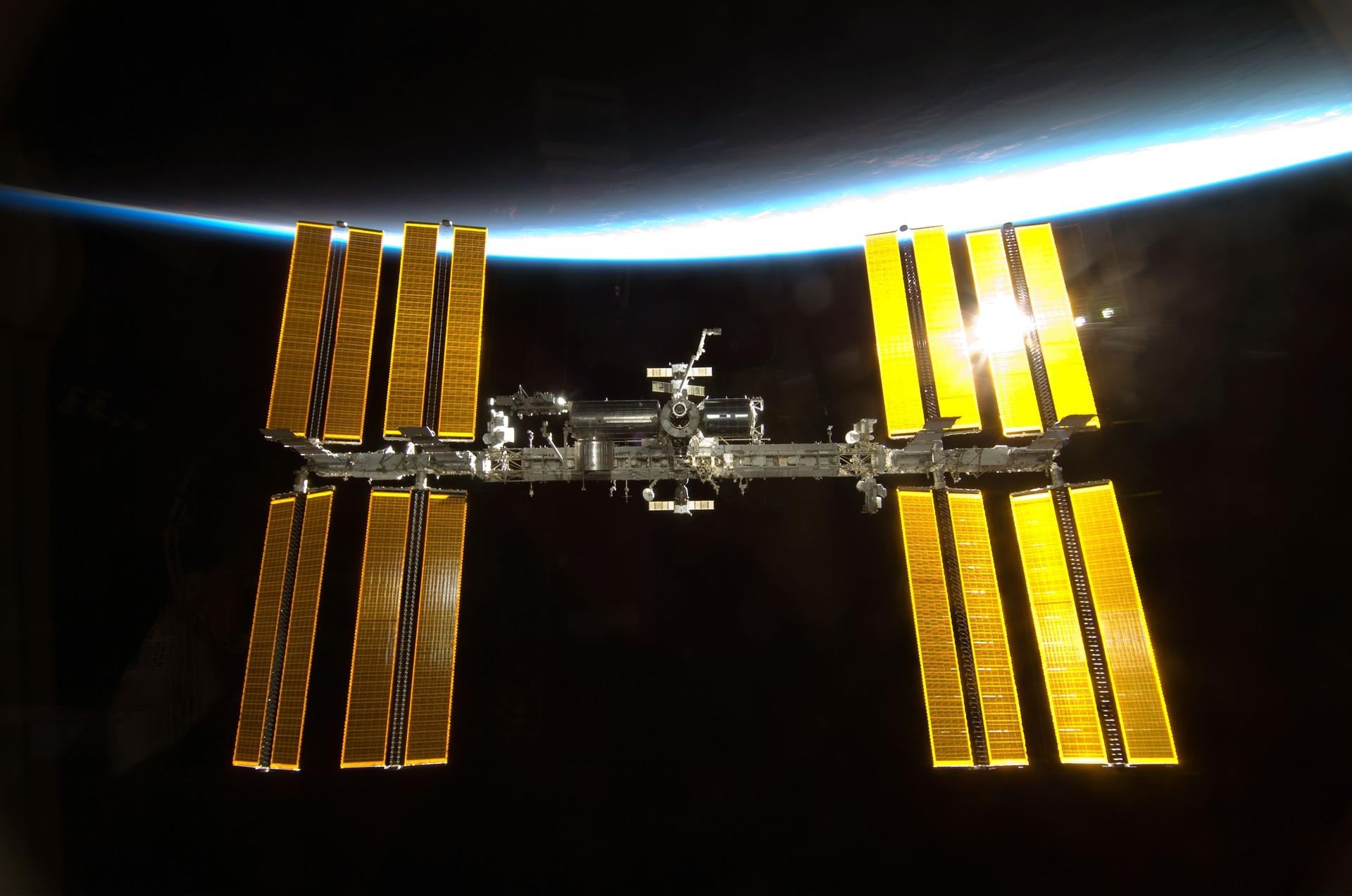
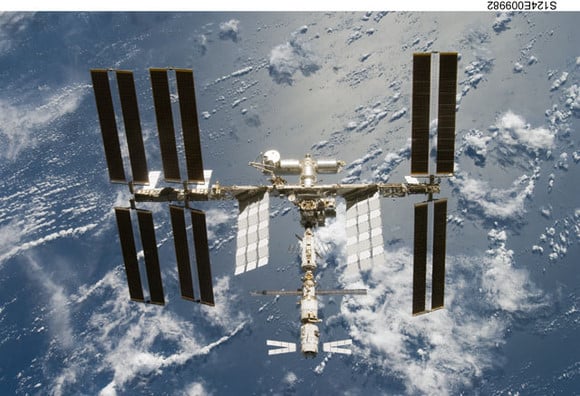
US Astronauts May Have to Leave Space Station in 2012 By Nancy Atkinson - September 04, 2008 03:13 PM UTC | Space Policy Continue reading
Communicating Via the Cepheid Galactic Internet By Nancy Atkinson - September 03, 2008 07:41 PM UTC | Milky Way Continue reading
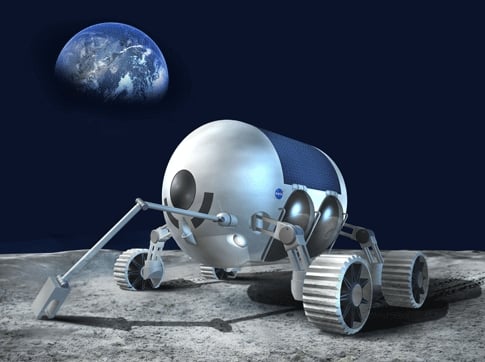
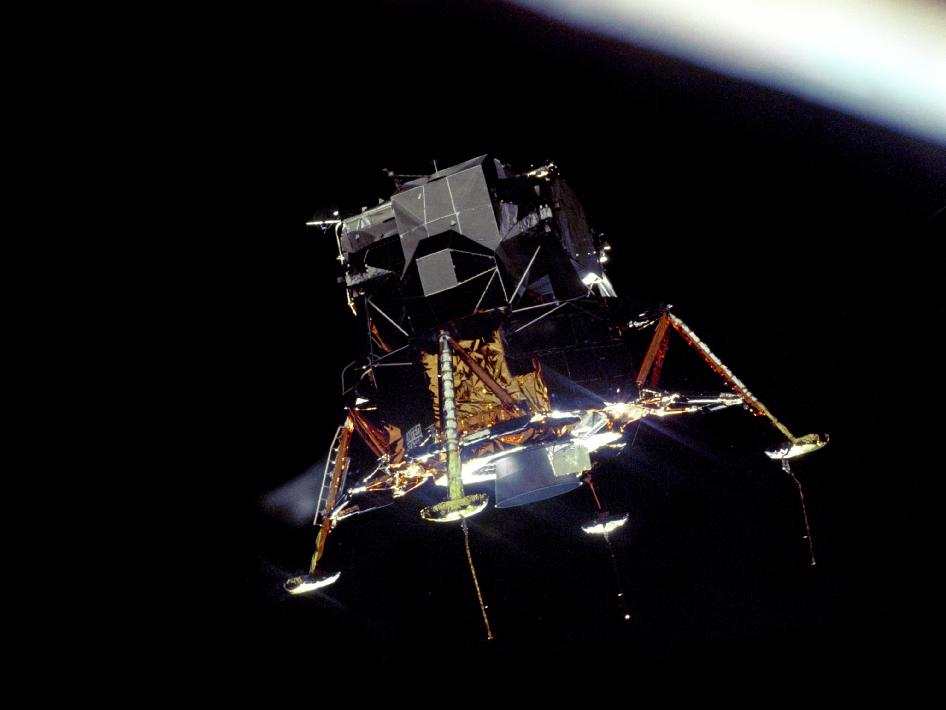
NASA Reaches Out to Design Students to Confront Lunar Dust Problem By Ian O'Neill - September 03, 2008 04:59 PM UTC | Planetary Science Continue reading
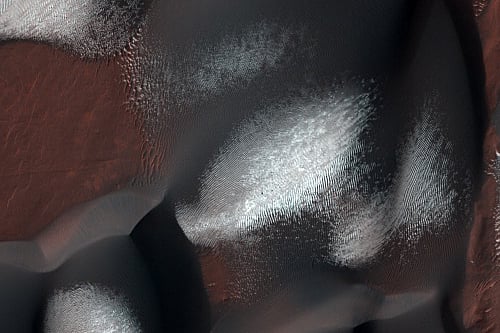
Where In The Universe Challenge #19 By Nancy Atkinson - September 03, 2008 02:45 PM UTC | Observing Continue reading
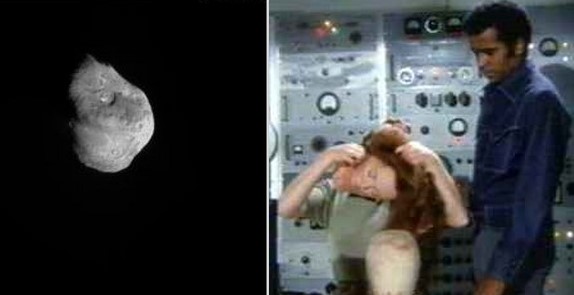
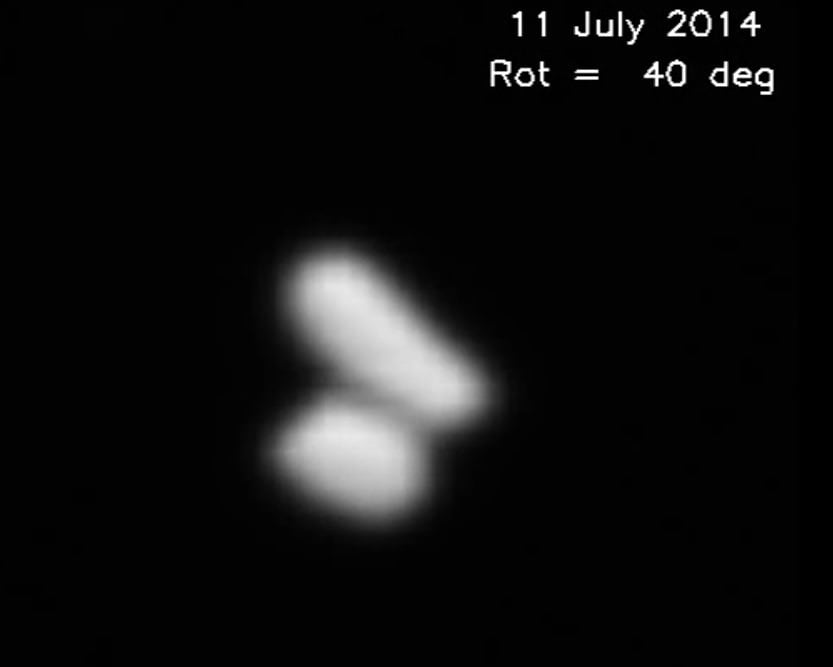
Asteroid Imposters By Nancy Atkinson - September 03, 2008 02:03 PM UTC | Planetary Science Continue reading
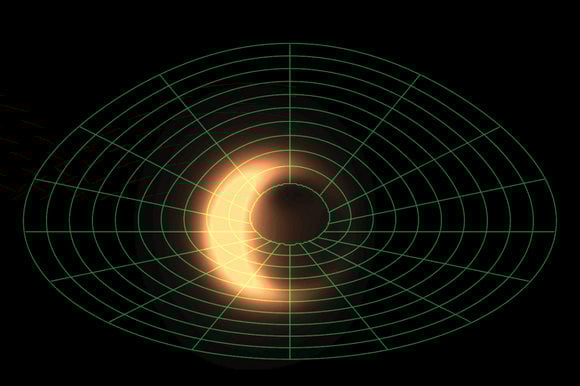
Astronomers Link Telescopes to Zoom In On Milky Way's Black Hole By Nancy Atkinson - September 03, 2008 11:27 AM UTC | Black Holes Continue reading
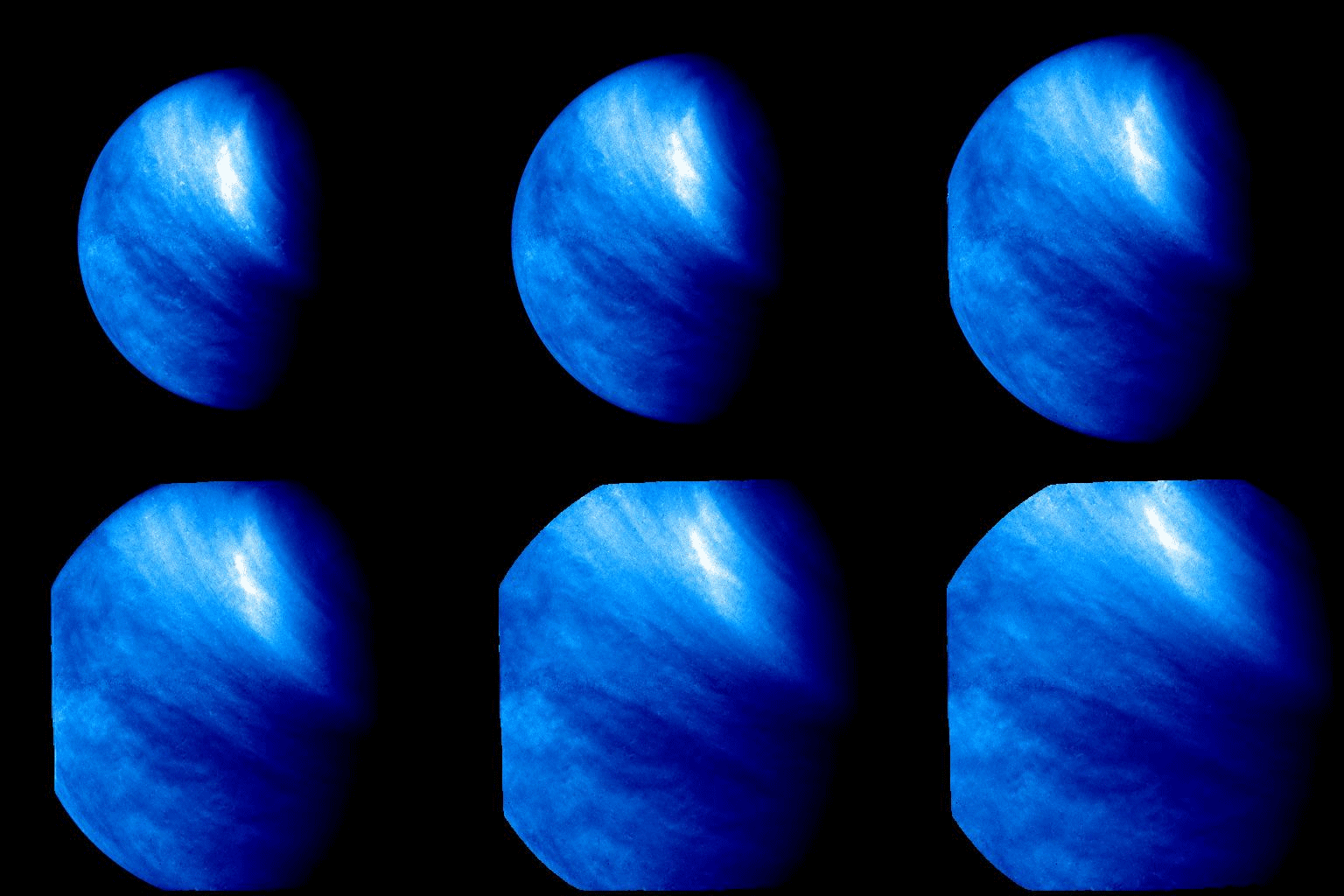
Understanding the "Superotation" Winds of Venus By Nancy Atkinson - September 03, 2008 08:18 AM UTC | Planetary Science Continue reading
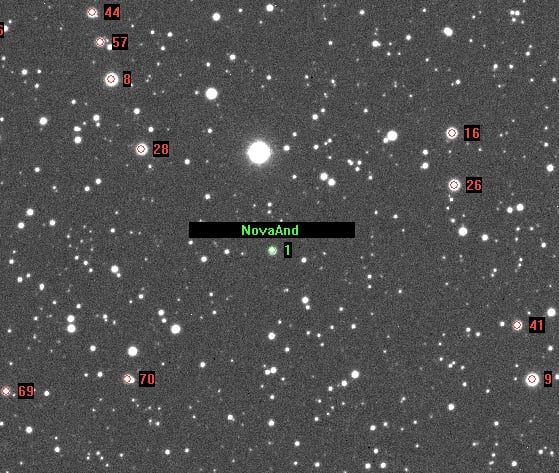
Observing Alert: Possible New Dwarf Nova In Andromeda By Tammy Plotner - September 03, 2008 08:09 AM UTC | Observing Continue reading
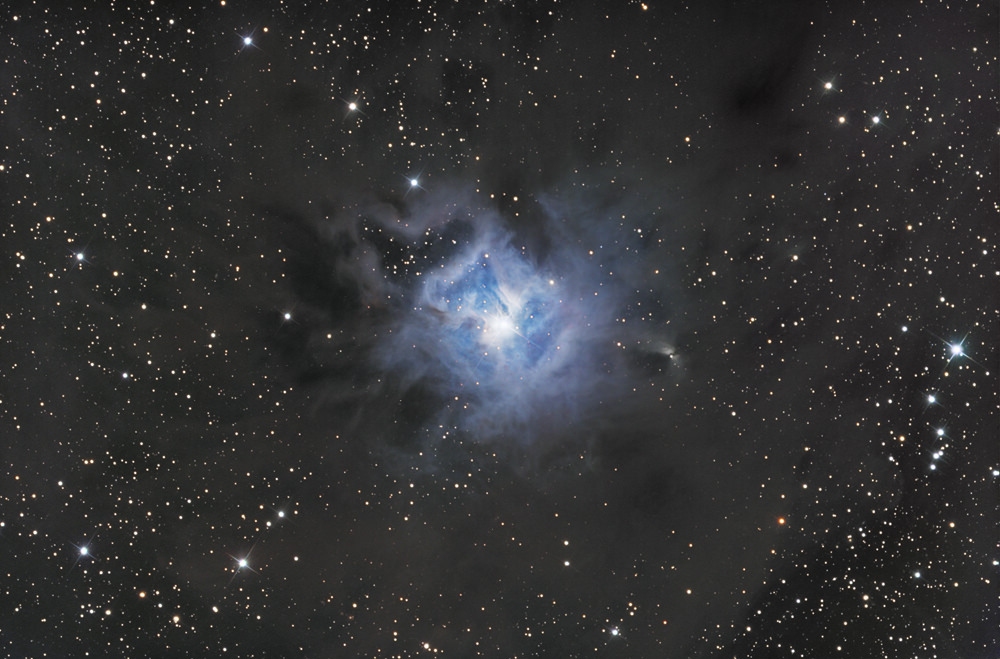
NGC 7023 - 'Iris From The Dust' by Kent Wood By Tammy Plotner - September 03, 2008 07:42 AM UTC | Observing Continue reading
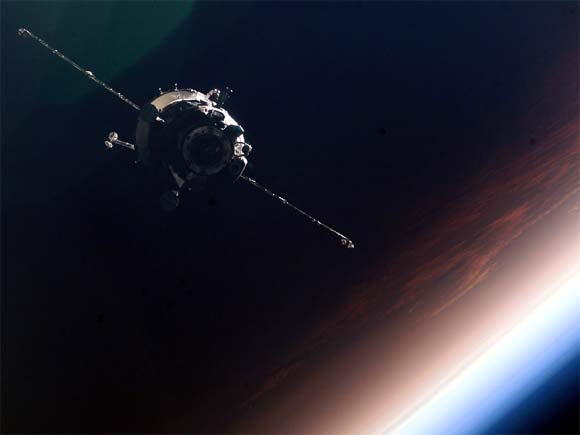
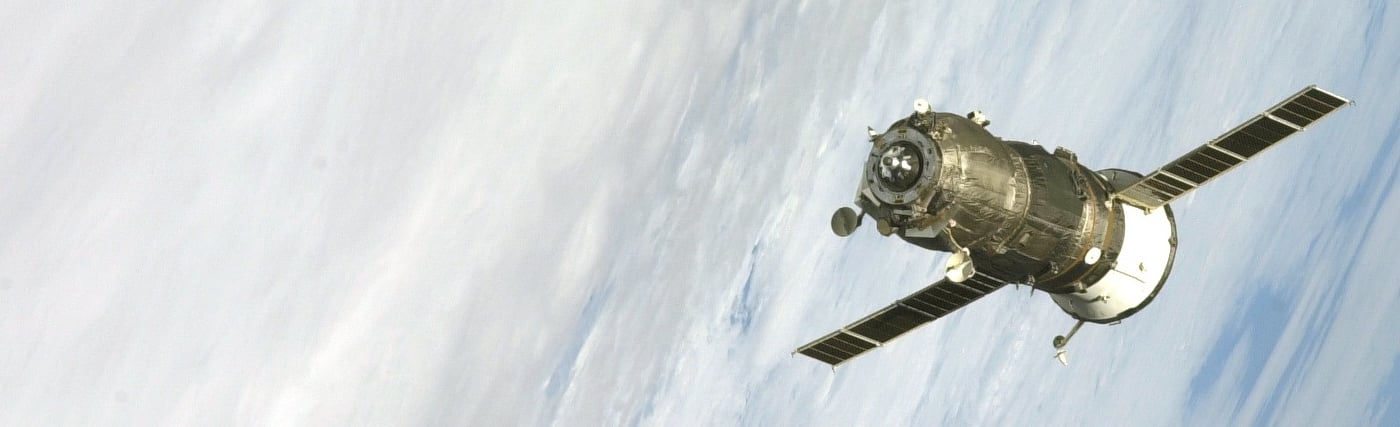
Russian Progress Supply Ship is Dropped from Space Station to Burn Next Week By Ian O'Neill - September 03, 2008 03:22 AM UTC | Missions Continue reading
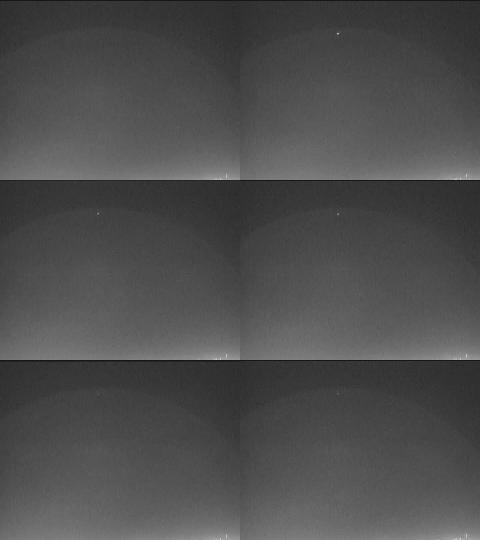
Explosions on the Moon By Nancy Atkinson - September 02, 2008 06:04 PM UTC | Planetary Science Continue reading
Pushing the Polite Boundaries of Science About Dark Matter By Nancy Atkinson - September 02, 2008 03:46 PM UTC | Cosmology Continue reading
Countdown to Asteroid Flyby By Nancy Atkinson - September 02, 2008 10:14 AM UTC | Planetary Science Continue reading
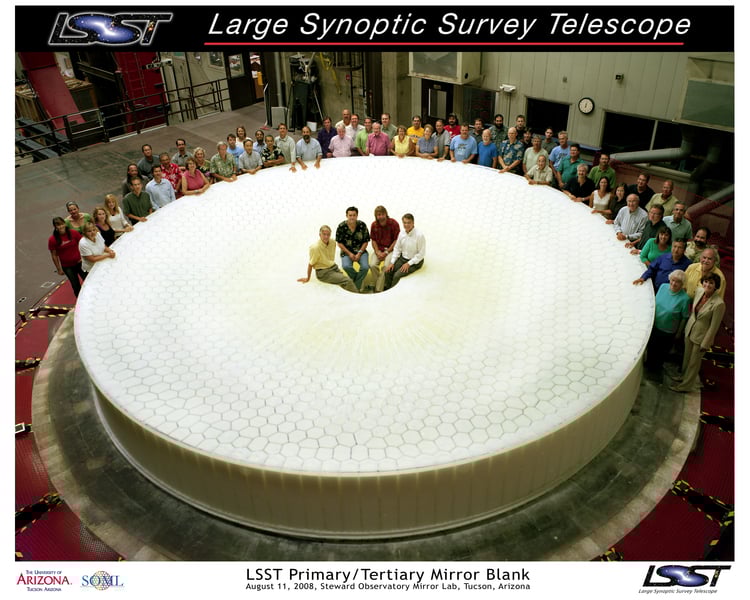
New Eye to the Universe Under Construction By Nancy Atkinson - September 02, 2008 09:44 AM UTC | Telescopes Continue reading
Pretty Picture of the Day: M83 By Nancy Atkinson - September 02, 2008 09:11 AM UTC | Extragalactic Continue reading
Tune into Paranormal Radio with Captain Jack Tonight at 9pm (EST): 10 Mysteries of the Solar System (Updated) By Ian O'Neill - September 01, 2008 03:39 PM UTC | Site News Continue reading
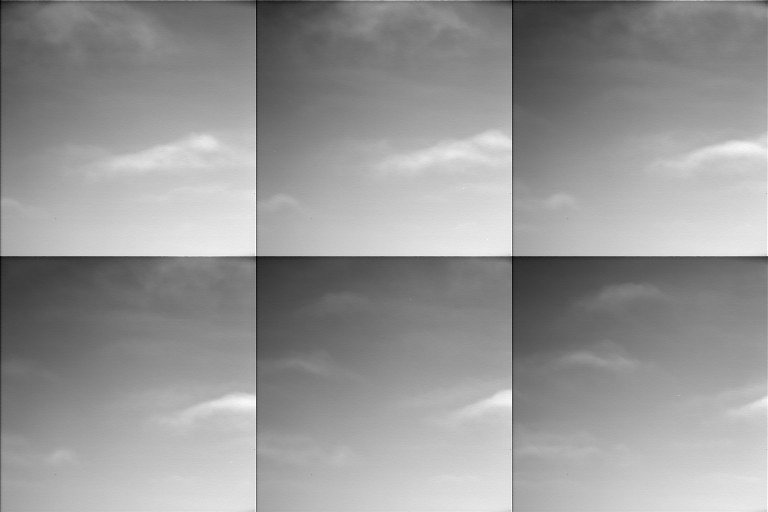
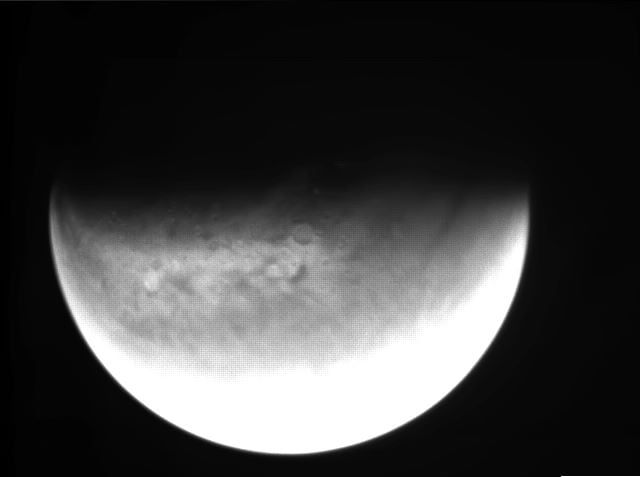
Phoenix Lander Just Watchin' the Clouds Go By By Nancy Atkinson - September 01, 2008 11:39 AM UTC | Planetary Science Continue reading
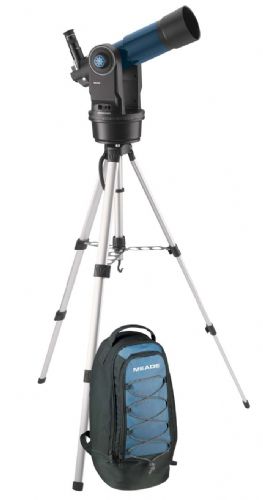
The Meade ETX80 Backpack Observatory - In A Heartbeat... By Tammy Plotner - September 01, 2008 09:06 AM UTC | Telescopes Continue reading
Podcast: Electromagnetism By Nancy Atkinson - August 30, 2008 07:13 AM UTC | Physics Continue reading
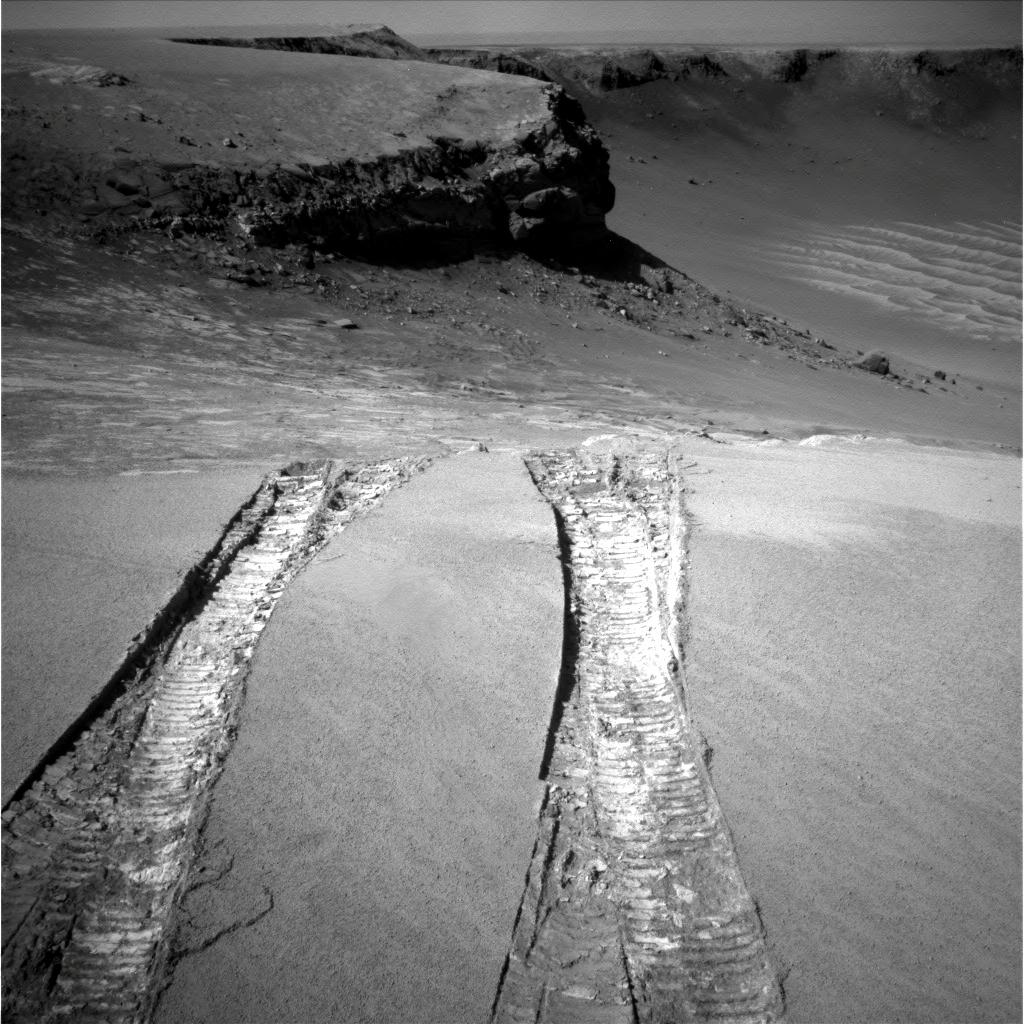
Mars Rover On the Road Again (Gallery) By Nancy Atkinson - August 30, 2008 06:58 AM UTC | Planetary Science Continue reading
NASA is Making Preliminary Plans to Extend Shuttle Launches Beyond 2010 By Ian O'Neill - August 29, 2008 08:46 PM UTC | Space Policy Continue reading
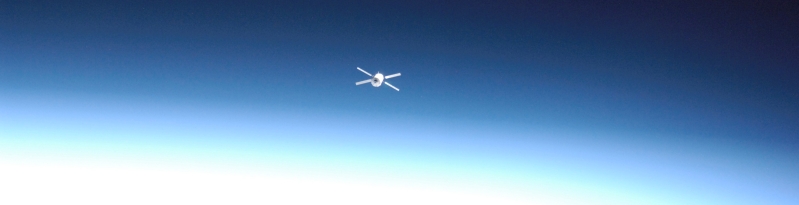
Countdown to the Final Burn: ATV Jules Verne will Undock on September 5th By Ian O'Neill - August 29, 2008 03:40 PM UTC | Space Exploration Continue reading
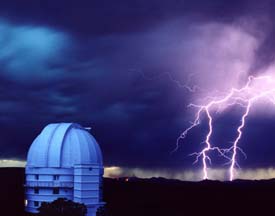
How Far Would You Go For Dark Skies? By Tammy Plotner - August 29, 2008 09:21 AM UTC | Observing Continue reading
Weekend SkyWatchers Forecast - August 29 - 31, 2008 By Tammy Plotner - August 29, 2008 08:53 AM UTC | Observing Continue reading
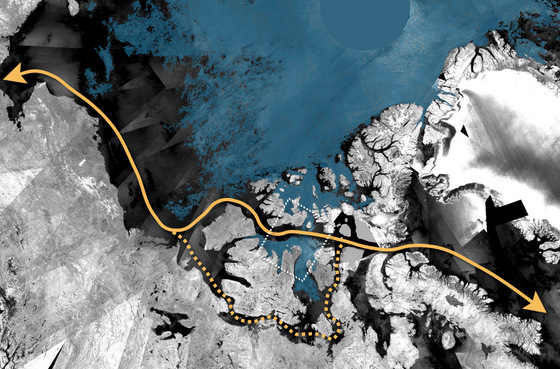
Satellite Images Show Arctic Ice At Another Low By Nancy Atkinson - August 29, 2008 08:44 AM UTC | Planetary Science Continue reading
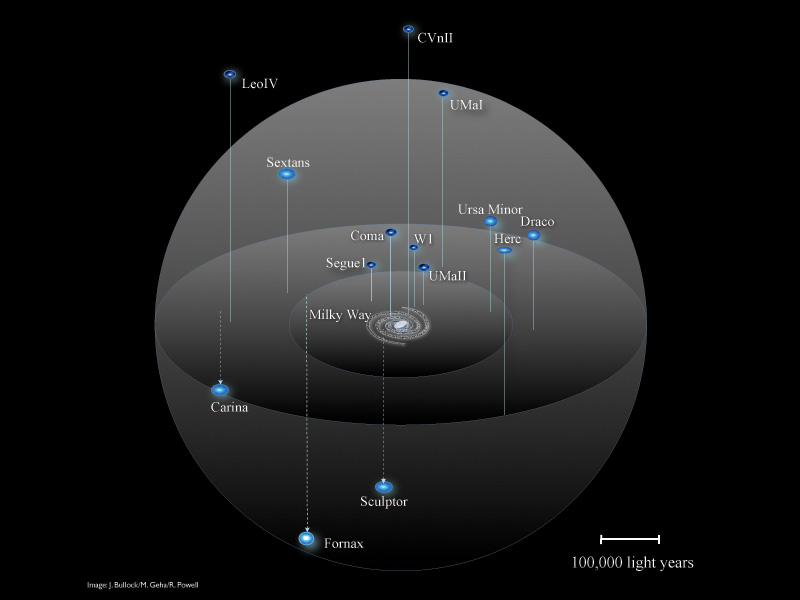
Minimum Mass for Galaxies Provides Insight on Dark Matter By Nancy Atkinson - August 29, 2008 07:15 AM UTC | Extragalactic Continue reading
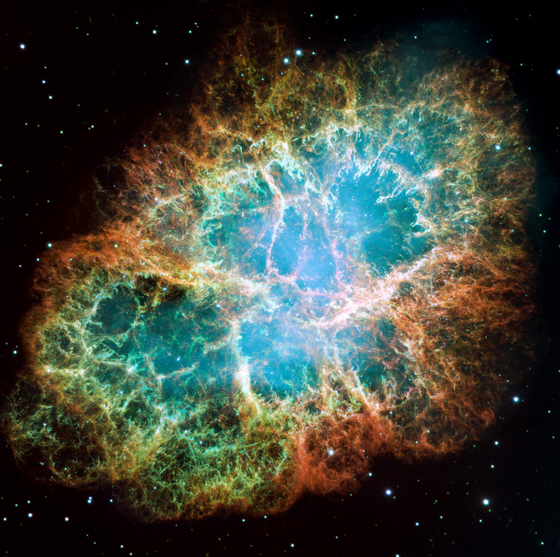
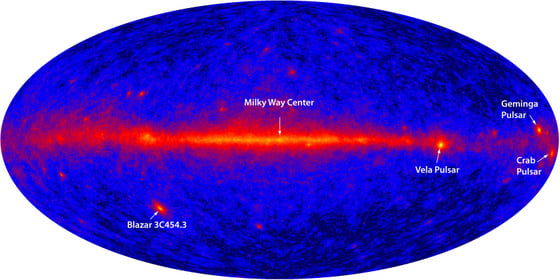
Astronomers Locate High Energy Emissions from the Crab Nebula By Nancy Atkinson - August 29, 2008 06:51 AM UTC | Stars Continue reading
Space Station Evades Space Debris By Nancy Atkinson - August 28, 2008 02:41 PM UTC | Space Exploration Continue reading
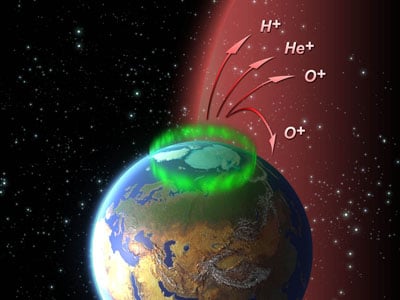
Earth's Atmosphere is Leaking into Space By Nancy Atkinson - August 28, 2008 09:20 AM UTC | Planetary Science Continue reading
NASA Security Badges are a Health and Safety Risk By Ian O'Neill - August 27, 2008 07:17 PM UTC | Site News Continue reading
Where In The Universe #18 By Nancy Atkinson - August 27, 2008 05:42 PM UTC | Observing Continue reading
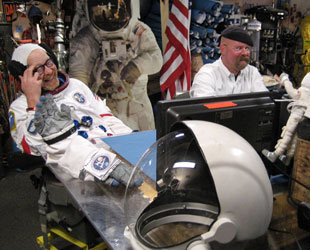
TV Alert: Mythbusters and the Moon Hoax Myth By Nancy Atkinson - August 27, 2008 12:26 PM UTC | Planetary Science Continue reading
Large Hadron Collider Rap Is a Hit By Nancy Atkinson - August 27, 2008 11:50 AM UTC | Physics Continue reading
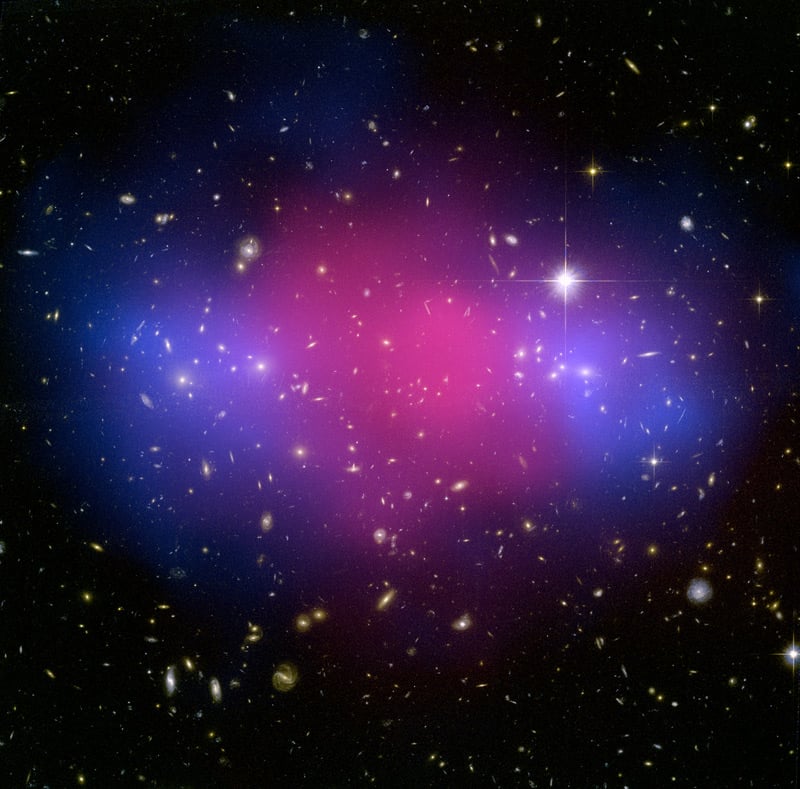
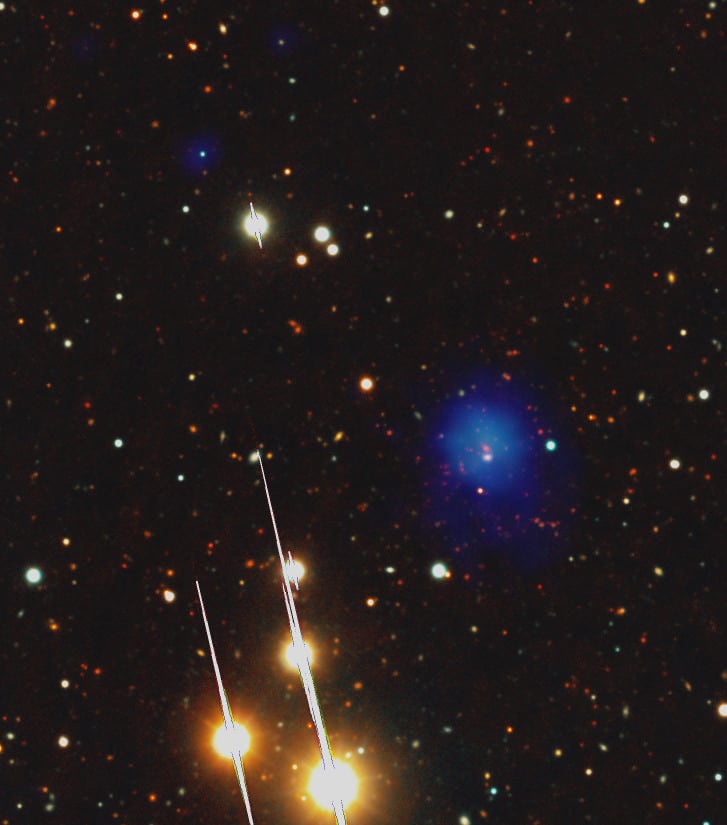
Clash of Clusters Separates Dark Matter From Ordinary Matter By Nancy Atkinson - August 27, 2008 10:57 AM UTC | Cosmology Continue reading
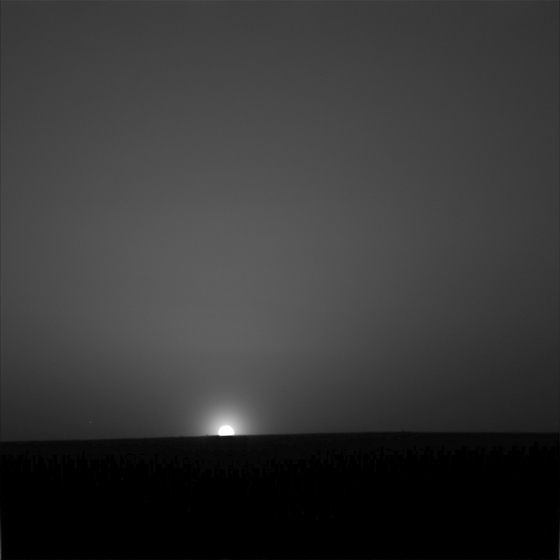
A Chilly Sunrise on Mars By Nancy Atkinson - August 27, 2008 05:22 AM UTC | Planetary Science Continue reading
Cosmonaut Photographed South Ossetia From ISS Shortly After Russian Invasion By Ian O'Neill - August 27, 2008 12:05 AM UTC | Space Exploration Continue reading
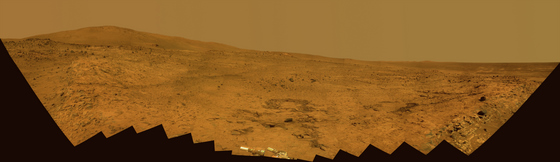
Hey, What Are Spirit and Opportunity Up to These Days? By Nancy Atkinson - August 26, 2008 02:19 PM UTC | Planetary Science Continue reading
Has the First Extraterrestrial (Computer) Virus Been Discovered on the Space Station? By Ian O'Neill - August 26, 2008 01:55 PM UTC | Astrobiology Continue reading
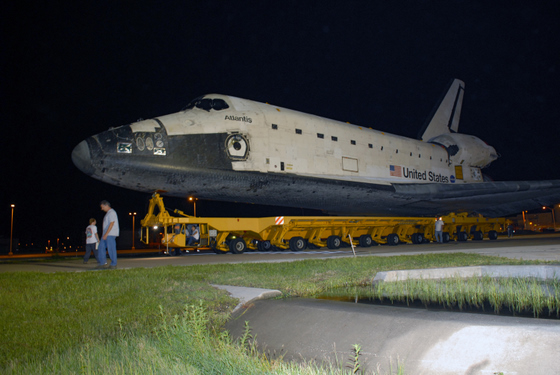
Atlantis Takes First Steps To Hubble By Nancy Atkinson - August 26, 2008 06:38 AM UTC | Missions Continue reading
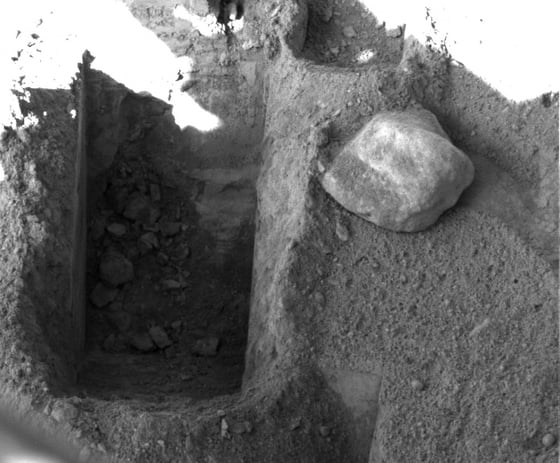
Phoenix Digs Deep for 90th Day on Mars By Nancy Atkinson - August 25, 2008 05:21 PM UTC | Planetary Science Continue reading
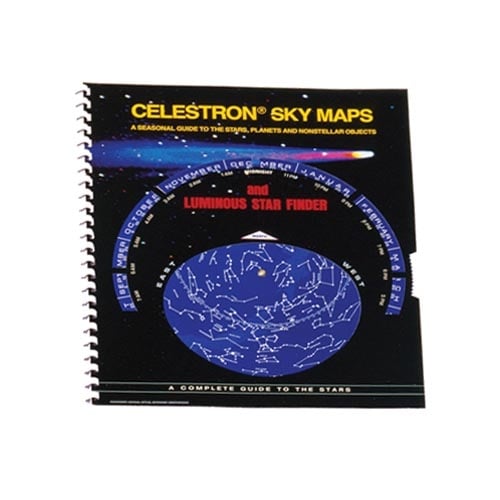
Celestron Sky Maps and Star Finder - Start Out Right By Tammy Plotner - August 25, 2008 05:13 PM UTC | Observing Continue reading
How To Save the World From Asteroid Impact: Plastic Wrap By Nancy Atkinson - August 25, 2008 08:35 AM UTC | Planetary Science Continue reading
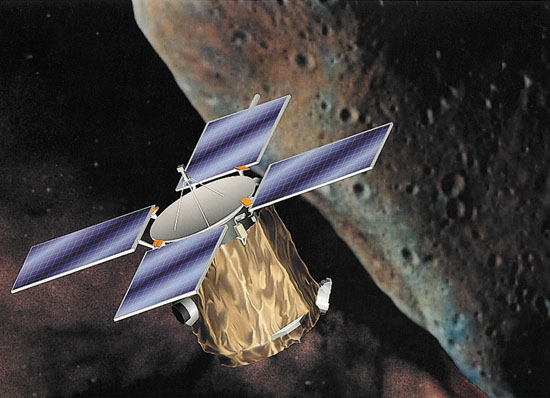
Rosetta Prepares for Meet-Up With Asteroid Next Week By Nancy Atkinson - August 25, 2008 07:21 AM UTC | Space Exploration Continue reading
Cosmic 'Needle in a Haystack' Confirms Dark Energy By Nancy Atkinson - August 25, 2008 05:50 AM UTC | Cosmology Continue reading
Big Brother is Watching Over the Red Planet By Ian O'Neill - August 23, 2008 03:46 PM UTC | Planetary Science Continue reading
Please (Again)-- Mars Will NOT Look As Big As the Full Moon By Nancy Atkinson - August 23, 2008 03:07 PM UTC | Planetary Science Continue reading
Videos of NASA/ATK Rocket Failure By Nancy Atkinson - August 23, 2008 02:35 PM UTC | Missions Continue reading
 Universe Today