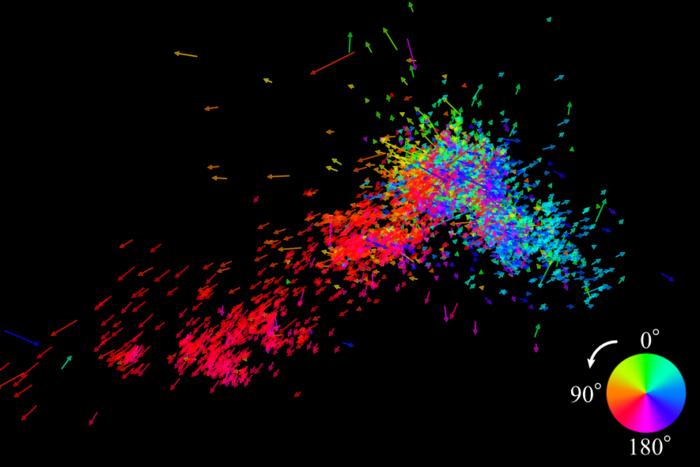
The two most prominent satellite galaxies of the Milky Way are the Large and Small Magellanic Clouds. A team of astronomers have recently tracked the movements of 7,000 stars in the Small Magellanic Cloud (SMC) and found that many of them are being pulled away towards the Large Magellanic Cloud! It seems the SMC is being pulled apart, perhaps leading to its eventual destruction as the tidal forces strip away its stars!
Continue reading
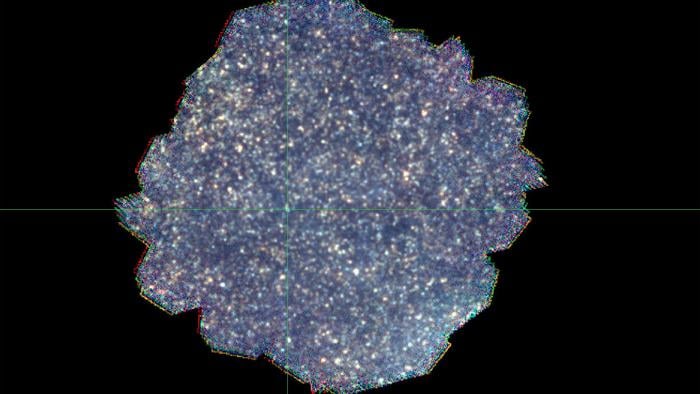
One of the things about astronomy that captivates me is that for every question we answer, we open up a whole bunch of other questions. Dark matter and dark energy are one such phenomenon that rather continues to confound us. There's also the mystery of missing infrared light too but a team of astronomers think they may have found it! The team examined a region of sky using the Herschel Space Telescope and, by staking 141 images, found where individual dust-rich galaxies appeared blended together. The galaxies are absorbing starlight and re-emitting infrared radiation, and is this that may well account for the missing light.
Continue reading
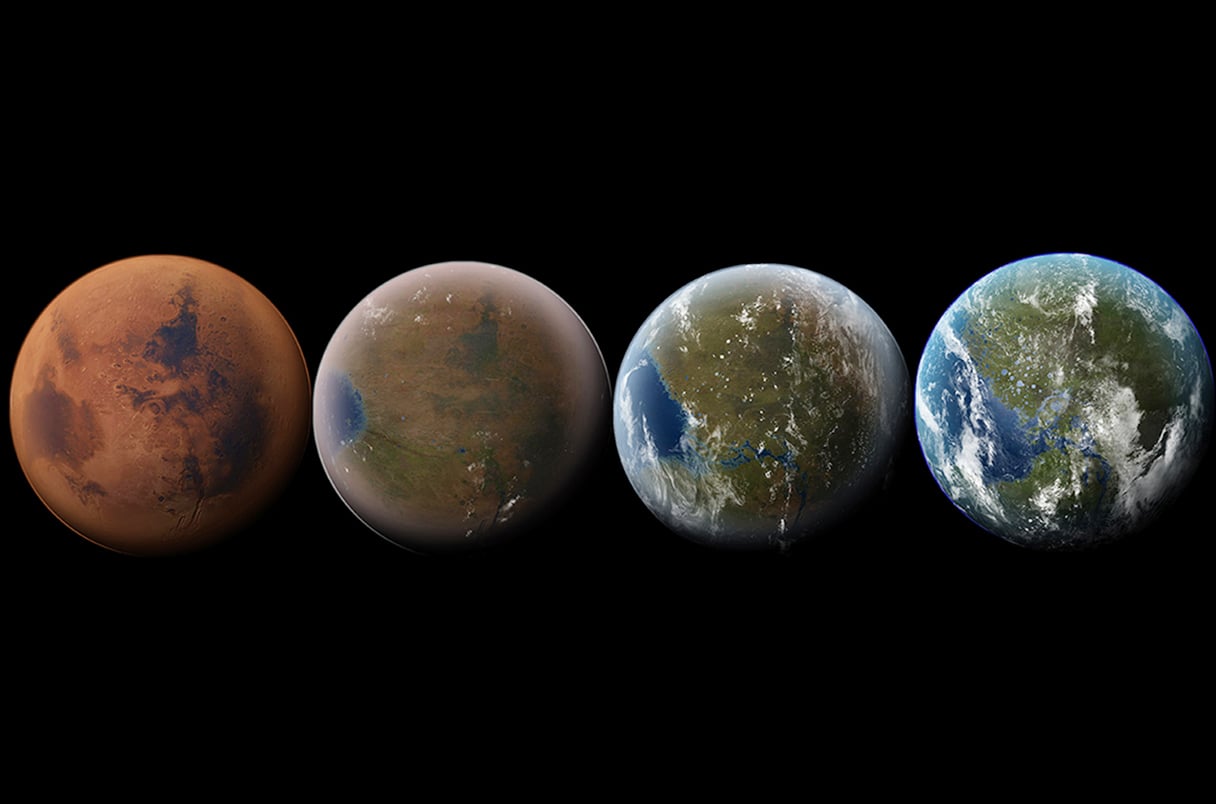
Mars is a cold, dry desert, but it could be possible to rapidly increase the temperature of the planet by releasing particles into the atmosphere. Researchers investigated two possible chemicals: graphene or aluminum. With just two liters per second of release, we could double the Mars greenhouse effect, raising its temperature by +5 Kelvin in only 1.1 years. Once the chemical release is stopped, the planet would cool back to its normal state.
Continue reading
Continue reading
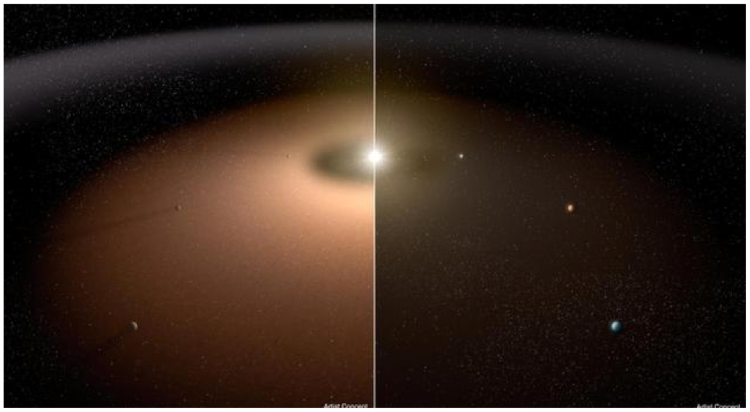
What can exozodiacal dust, also called exozodi, teach astronomers about identifying Earth-like exoplanets? This is what a recently submitted NASA white paper—which highlights key findings from the annual Architecture Concept Review—hopes to address as a team of researchers discussed how exozodi orbiting within a star's habitable zone (HZ) could interfere with detecting Earth-like exoplanets. This study has the potential to help scientists better understand observational constraints of observing Earth-like exoplanets and what improvements could be made for future telescopes and instruments to overcome these constraints.
Continue reading
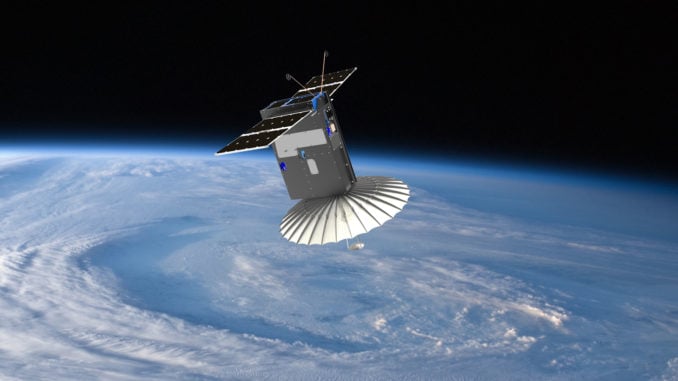
The widespread use of low Earth orbit (LEO), especially by thousands of CubeSats, has opened up many opportunities in research and business applications. One particular field that has benefited from the data that CubeSats provide is farming. Precision agriculture (PA) is a technique that uses advanced sensors, including the remote ones on CubeSats, to determine the health and productivity of a farm. A recent review paper from Lamia Rahali and her co-authors at the Mediterranea University of Reggio Calabria's Department of Agriculture looks at how CubeSats have been changing the practice of precision agriculture - and how they may continue to do so.
Continue reading
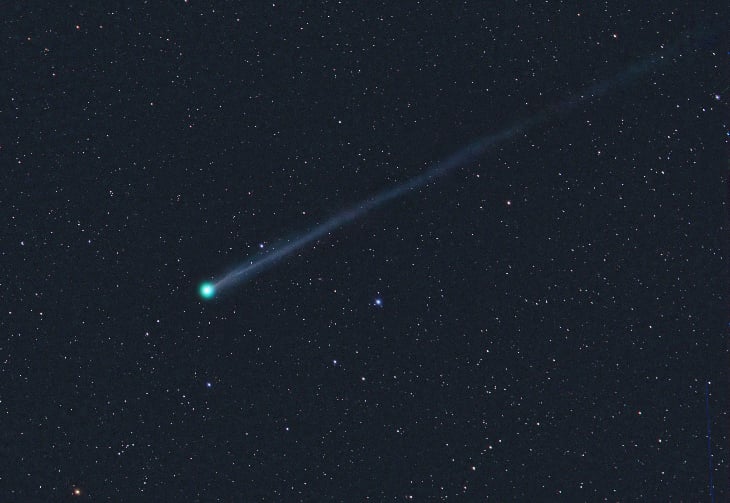
Newly discovered comet C/2025 F2 SWAN could put on a brief dawn display over the next few weeks. Discovered thanks to the hard work of online sleuths and amateur astronomers, the comet may brighten towards perihelion on May 1st.
Continue reading
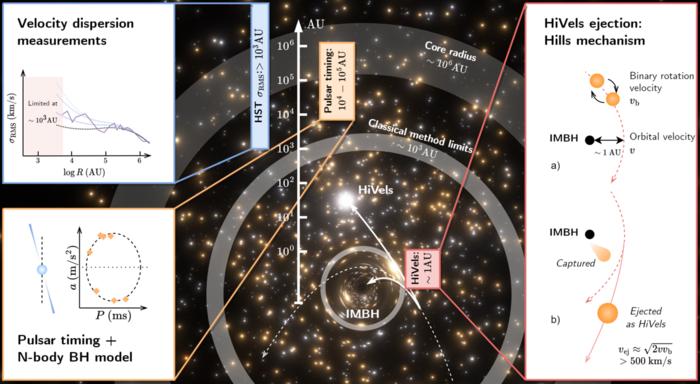
Astronomers are on the hunt for those in-between black holes, not the small stellar ones or the supermassive ones, but something right in the middle. Recently, a group of scientists spotted a star travelling at high velocity out of the globular cluster M15. This speedy star got kicked out about 20 million years ago and is now zooming along at an incredible 550 km/s, fast enough that it's actually escaping our entire Galaxy! The researchers think this stellar ejection might have happened because of some cosmic game of pool - basically a three-body interaction involving one of those middle-sized black holes they've been trying to find!
Continue reading
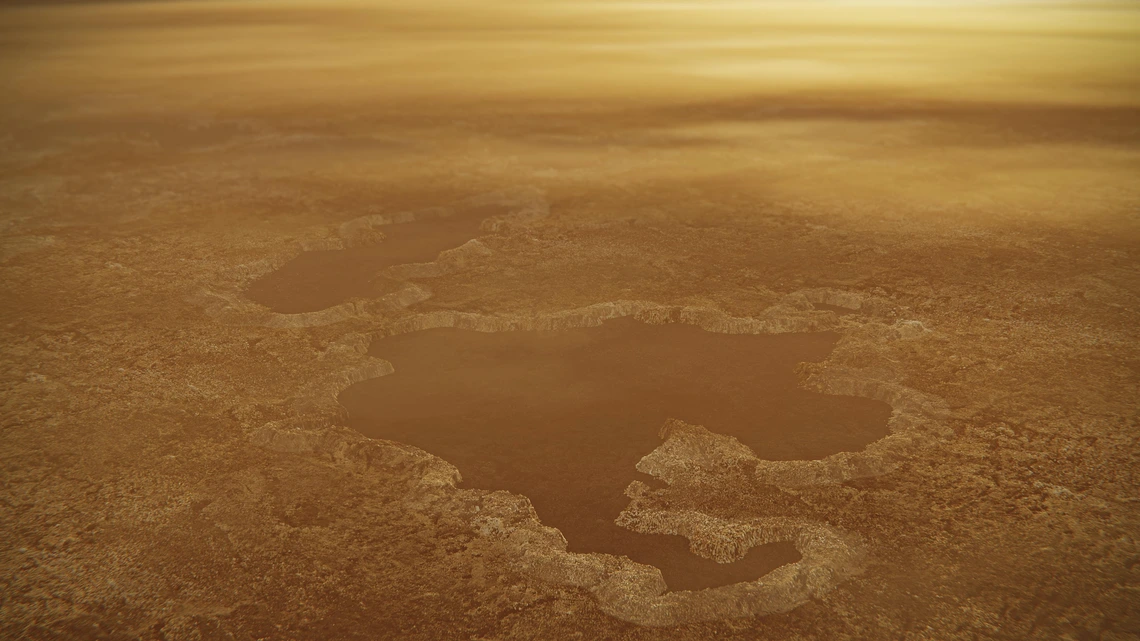
The search for life in our Solar System, however primitive, past or present has typically focussed upon Mars and a select few moons of the outer Solar System. Saturn's moon Titan for example has all the raw materials for life scattered across its surface, rivers and lakes of methane along with rock and sand containing water ice. There's even a sprinkling of organic compounds too but according to a new study, Titan can probably only support a few kilograms of biomass overall, that's just one cell per litre of water across Titan's ocean.
Continue reading
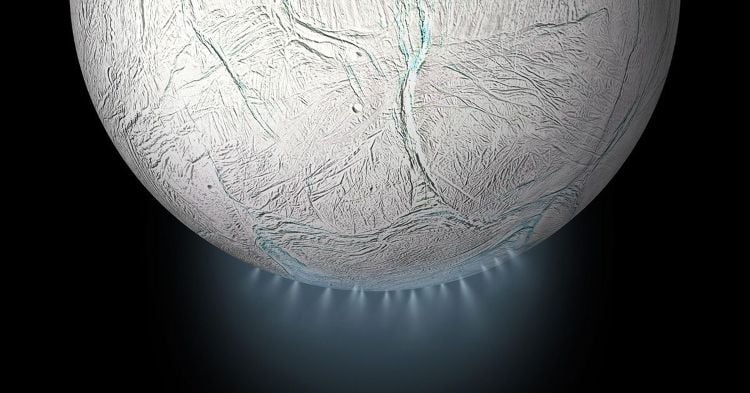
What kind of mission would be best suited to sample the plumes of Saturn's ocean world, Enceladus, to determine if this intriguing world has the ingredients to harbor life? This is what a recent study presented at the 56th Lunar and Planetary Science Conference hopes to address as a team of researchers investigated the pros and cons of an orbiter or flyby mission to sample Enceladus' plumes. This study has the potential to help scientists, engineers, and mission planners design and develop the most scientifically effective mission to Enceladus with the goal of determining its potential habitability.
Continue reading
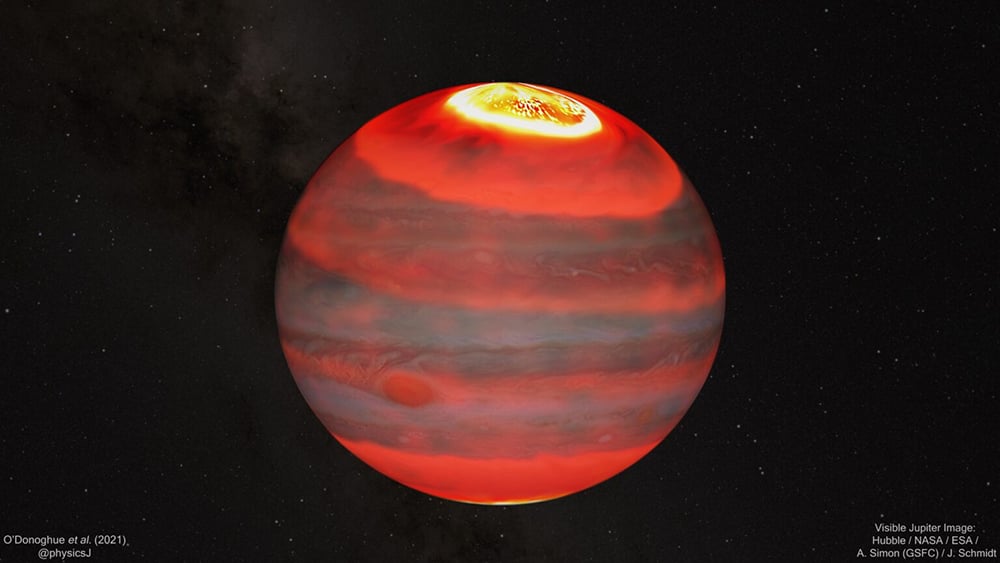
In the great tug-of-war between the Sun and its planets, Jupiter, Saturn, and Uranus are much more susceptible to solar activities than scientists thought. Jupiter itself has an interesting reaction as it gets pummeled several times a month by solar wind bursts. They compress its magnetosphere and create a huge "hot spot" with temperatures over 500C.
Continue reading
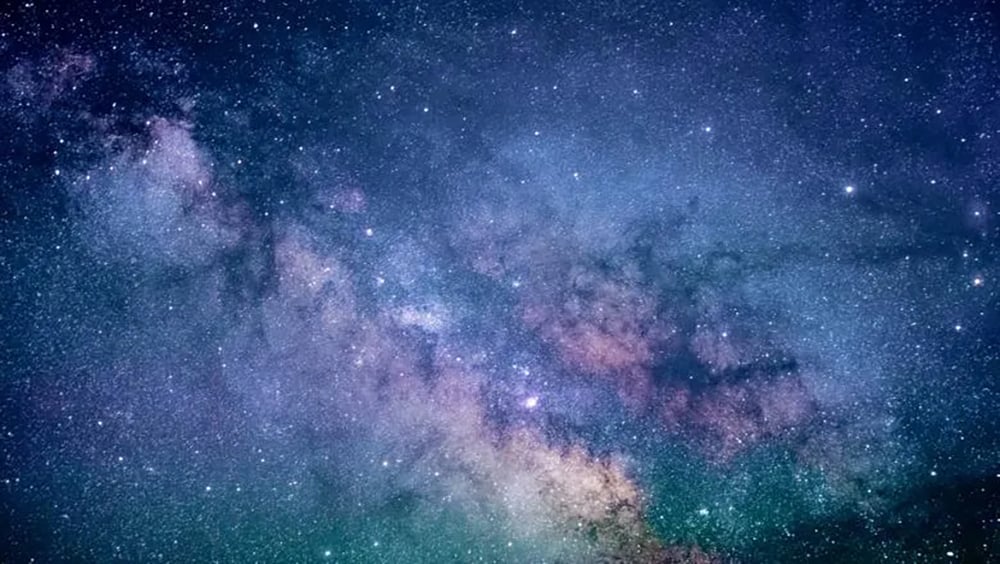
Up until recently, astronomy was reliant entirely on electromagnetic waves. While that changed with the confirmation of gravitational waves in 2016, astronomers had developed fundamental frameworks in the electromagnetic spectrum by that point. One critical framework broke the spectrum into three categories based on their wavelength - infrared, optical, and ultraviolet. To astronomers, each of these categories was created by a different physical phenomenon, and monitoring each gave its insight into what that phenomenon was doing, no matter what the other spectra said. This was especially prevalent when researching galaxies, as infrared and optical wavelengths were used to analyze different aspects of galaxy formation and behavior. However, Christian Kragh Jespersen of Princeton's Department of Astrophysics and his colleagues think they have found a secret that breaks the entire electromagnetic framework - the optical and infrared are connected.
Continue reading
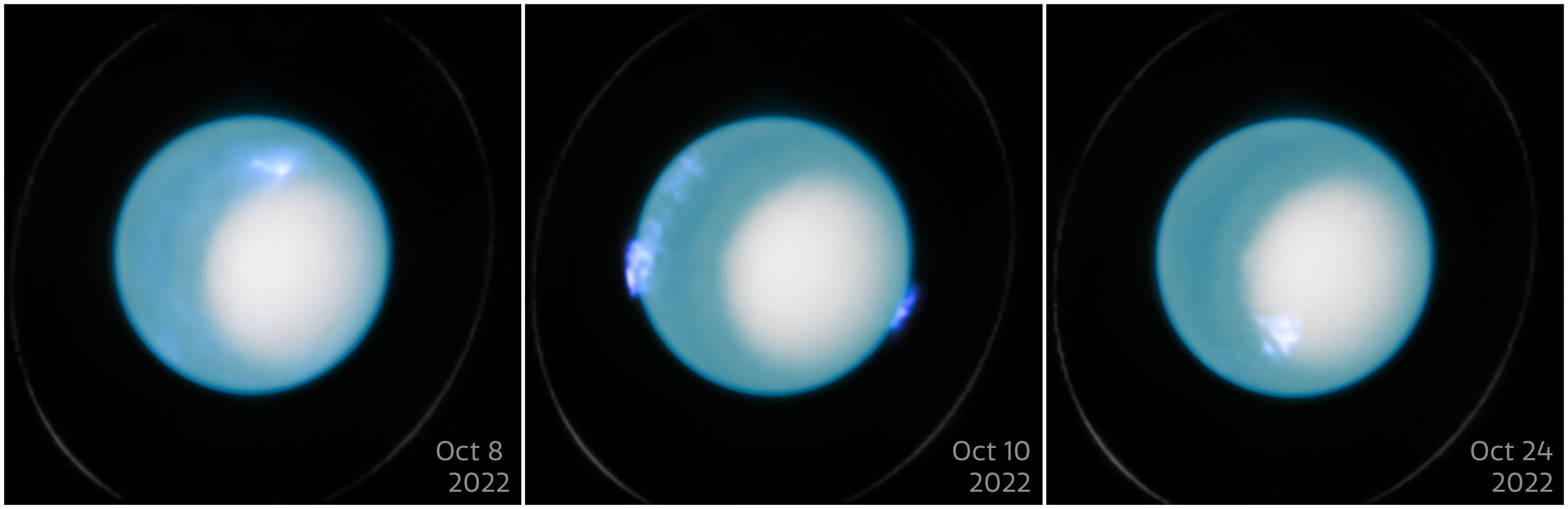
It's easy to measure the rotation rate of terrestrial planet by tracking surface features but the gas and ice giants pose more of a problem. Instead, previous studies have relied upon indirect measures like measuring the rotation of their magnetic fields. Now a team of astronomers have used the Hubble Space Telescope to refine the rotation rate of Uranus with an incredible level of accuracy. This time though, instead of studying the rotation of the magnetic field, they tracked aurora to measure one rotation!
Continue reading
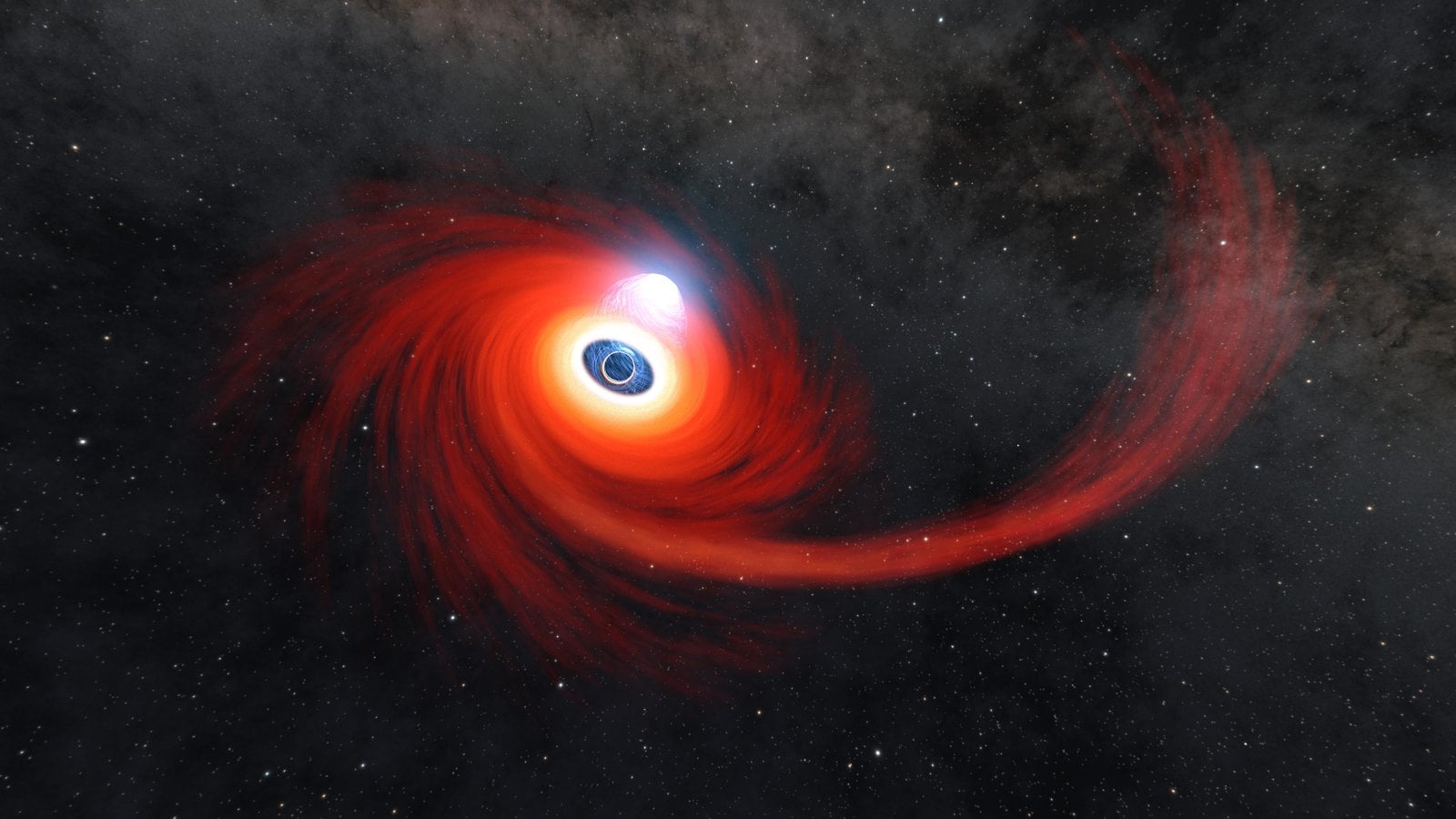
We all know that black holes can devour stars. Rip them apart and consume their remnants. But that only happens if a star passes too close to a black hole. What if a star gets close enough to a star to experience strong tidal effects, but not close enough to be immediately devoured? This scenario is considered in a recent paper on the arXiv.
Continue reading
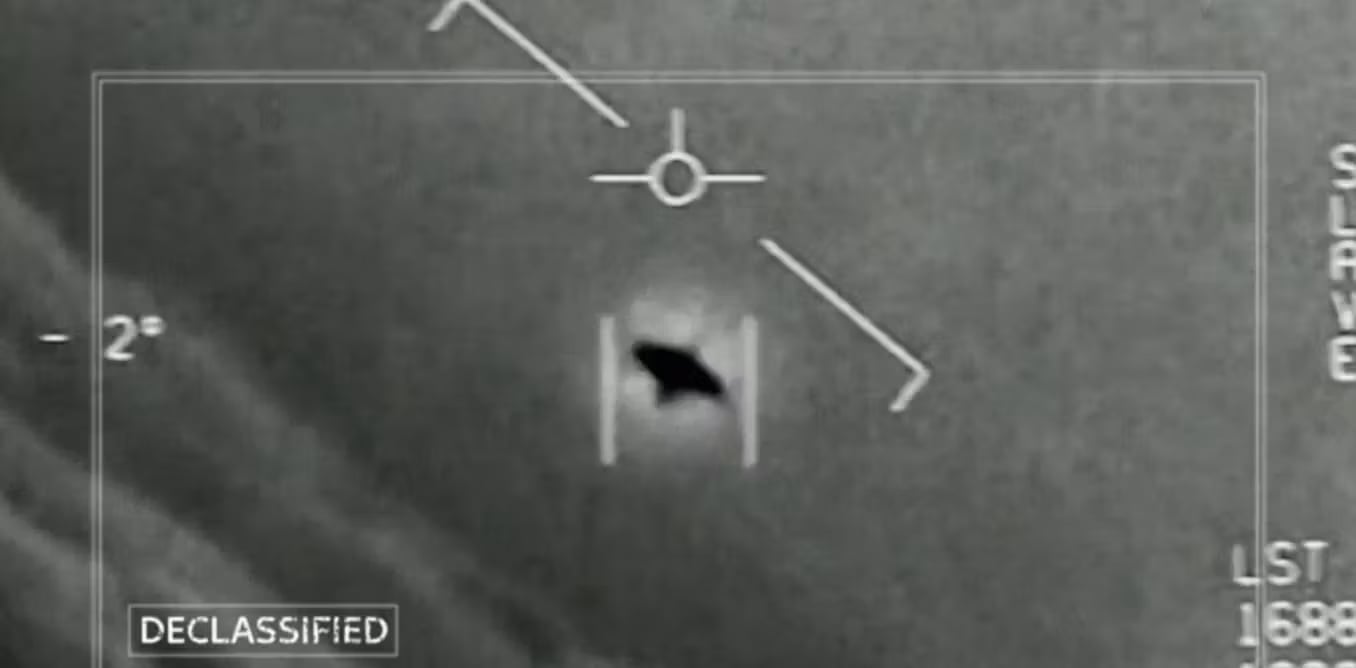
In 2021, the Office of the Director of National Intelligence (ODNI) released a report detailing recently-declassified information on Unidentified Aerial Phenomena (UAP). Since then, the Department of Defense has released annual reports on UAP through the All-domain Anomaly Resolution Office (AARO). Nevertheless, there is still a lack of publicly available scientific data on the subject. To address this, a new study led by the Harvard-Smithsonian Center for Astrophysics (CfA) and the Galileo Project proposes an All-Sky Infrared Camera to search for potential indications of extraterrestrial spacecraft.
Continue reading
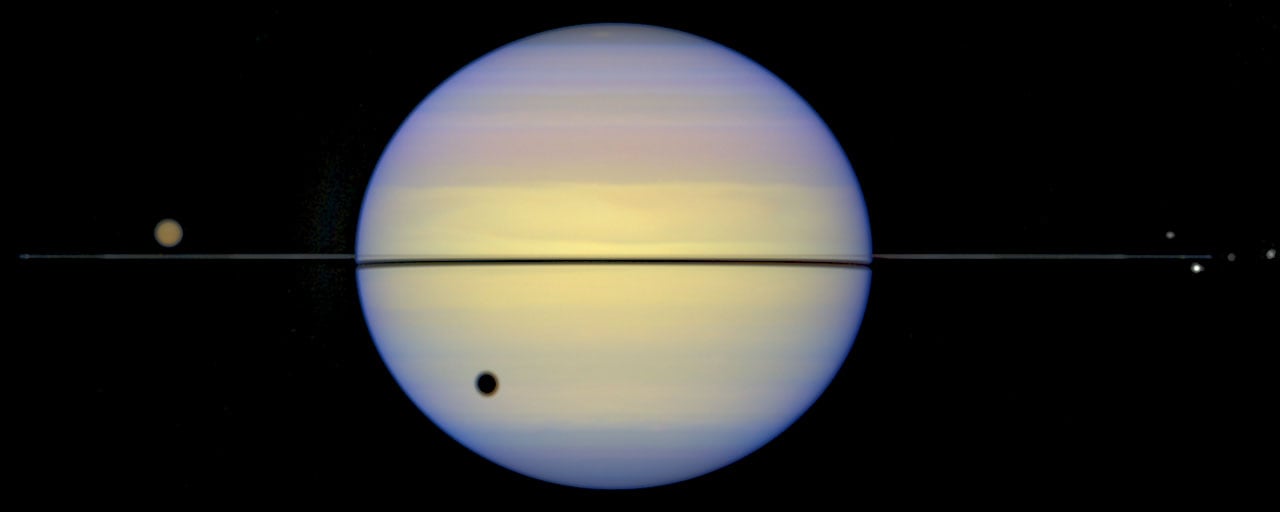
Familiar Saturn currently provides dawn observers with a bizarre, 'ring-less' view.
Continue reading
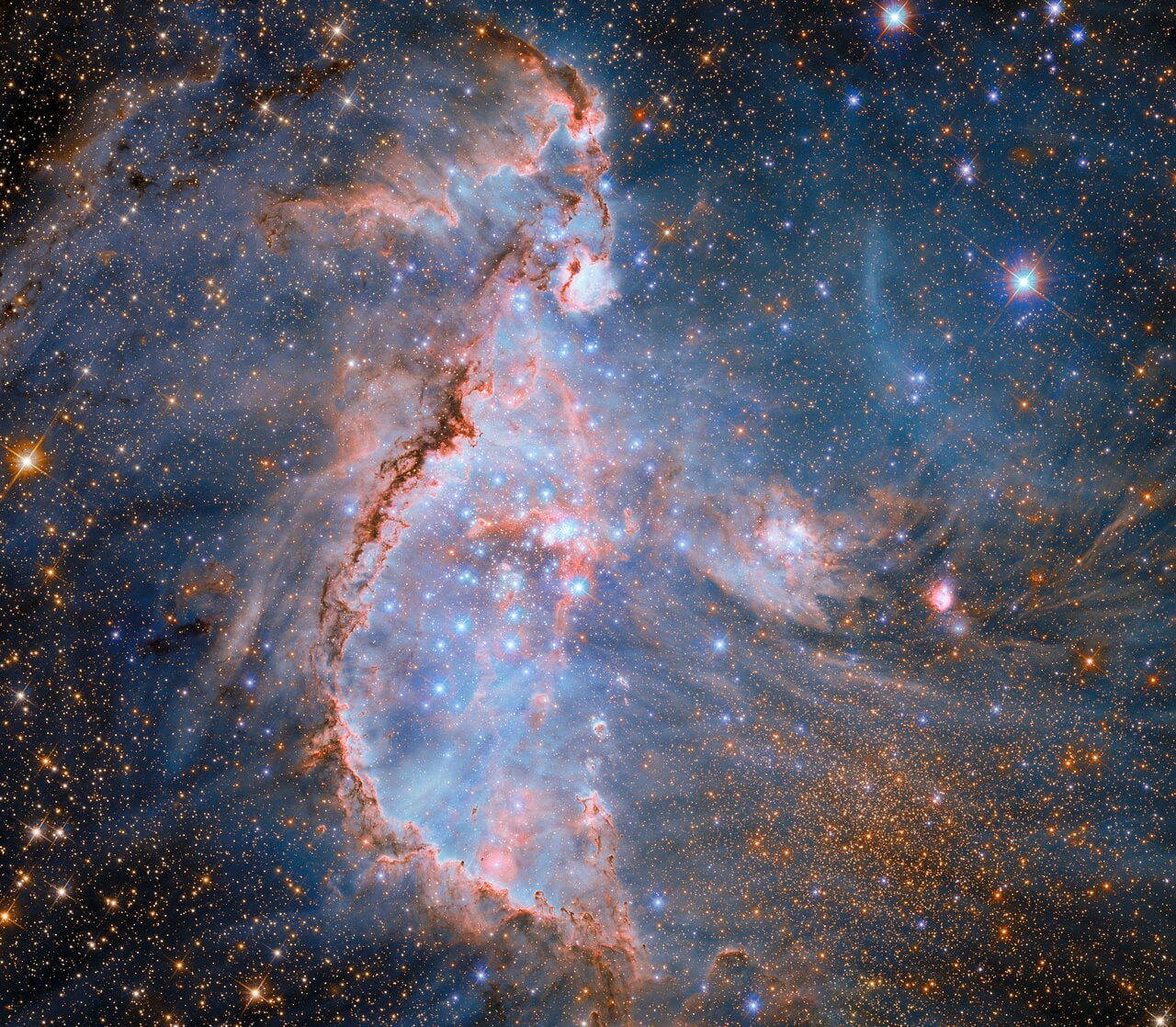
NGC346 is a young star cluster in the Small Magellanic Clouds with an estimated 2,500 stars. It's about 200,000 light years away and this image, taken by the Hubble Space Telescope reveals a beautiful region of star formation. The bright blue stars are many times more massive than the Sun and will live short lives ending in spectacular supernova explosions. The image helps us to understand the stellar formation process in a galaxy that has fewer metals than our own Galaxy.
Continue reading
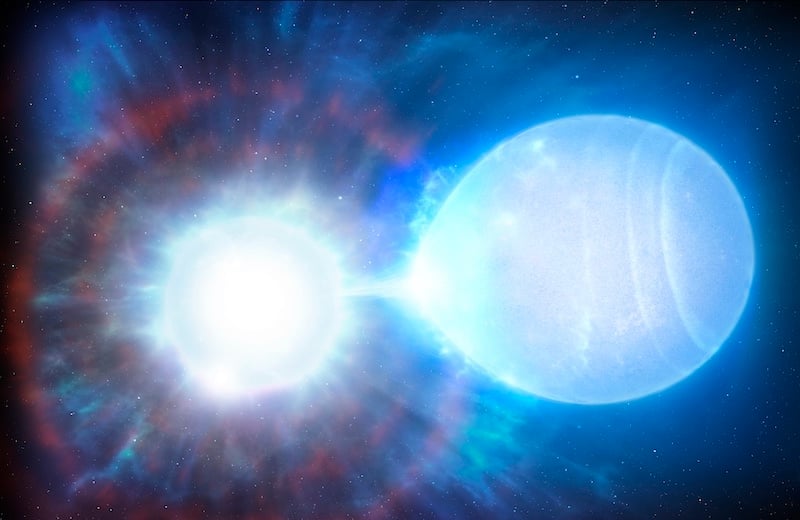
Astronomers have discovered a remarkable star system just 150 light-years from Earth that's destined for a spectacular cosmic display. The system contains a white dwarf star drawing material from its companion star, with the pair orbiting at just 1/60th of the Earth-Sun distance. With their combined mass reaching 1.56 times that of our Sun, these stars are gradually spiralling toward each other, setting the stage for a spectacular explosion. Fortunately, scientists estimate this cataclysmic event won't occur for roughly 23 billion years, long after our own Sun will have reached the end of its life cycle.
Continue reading

Although astronomers have ruled out a smash-up between Earth and an asteroid known as 2024 YR4 in the year 2032, the building-sized space rock still has a chance of hitting the moon. In fact, the chances — slight as they are — have doubled in the past month.
Continue reading
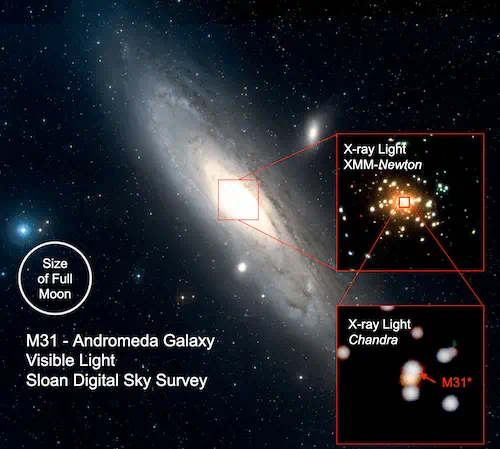
Despite their name, black holes can sometimes emit radiation. A team of astronomers has recently detected a flicker of X-ray radiation from the supermassive black hole at the center of the Andromeda Galaxy. This flicker was identified using 15 years of data from the Chandra X-ray Observatory, revealing two distinct flashes in 2006 and 2013. Interestingly, these flashes coincided with bursts of neutrinos detected by the IceCube Neutrino Observatory, offering exciting new insights into the extreme conditions surrounding the black hole.
Continue reading
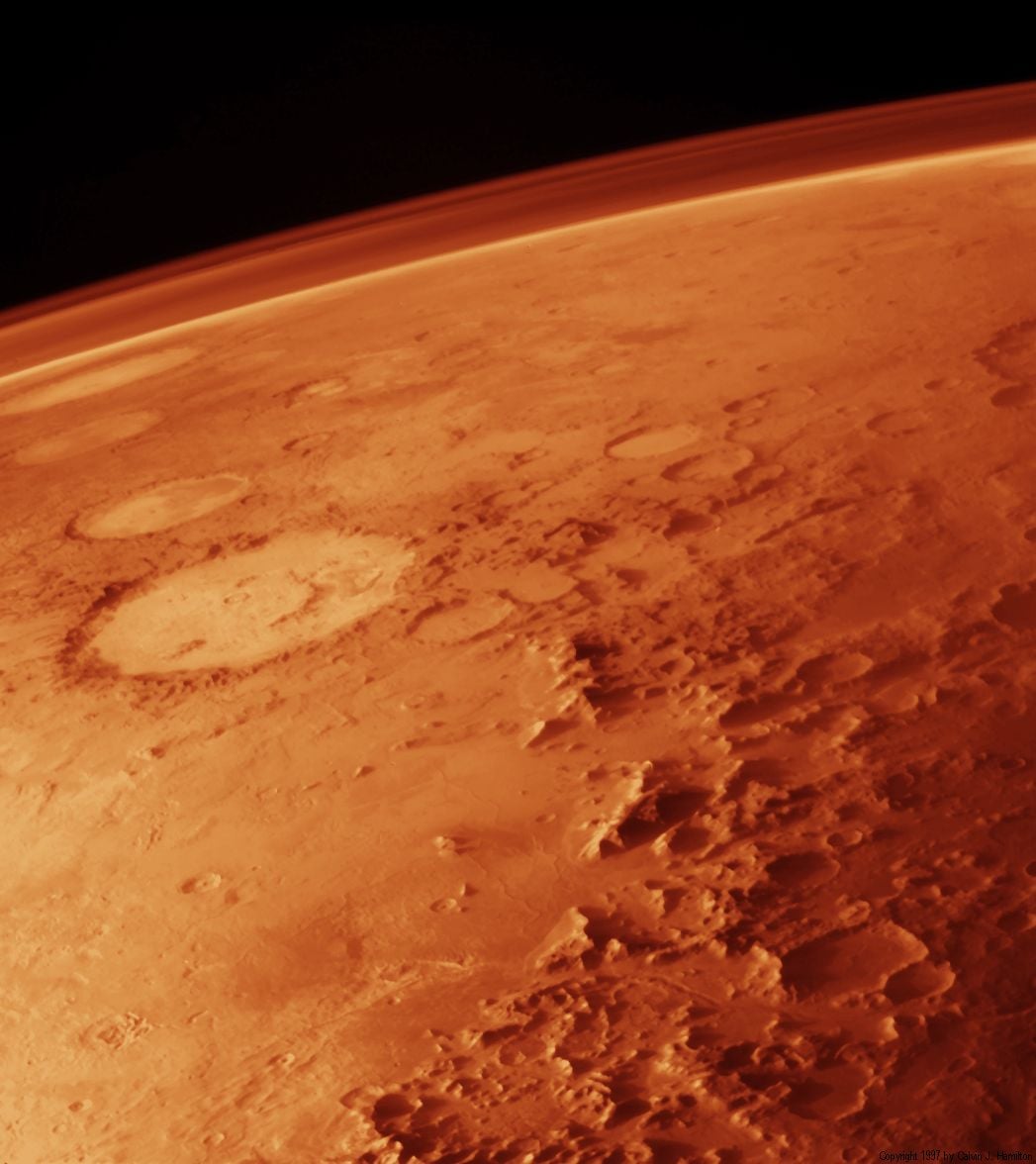
Terraforming Mars has been the long-term dream of colonization enthusiasts for decades. But when you start to grapple with the actual physics of what would be necessary to do so, the effort seems further and further out of reach. Depictions like those of Kim Stanley Robinson's Mars Trilogy are just wildly unrealistic regarding the sheer amount of material that must be moved to the Red Planet to achieve anything remotely resembling Earth-like conditions. That is the conclusion of an abstract presented at the 56th Lunar and Planetary Science Conference by Leszek Czechowski of the Polish Academy of Sciences.
Continue reading
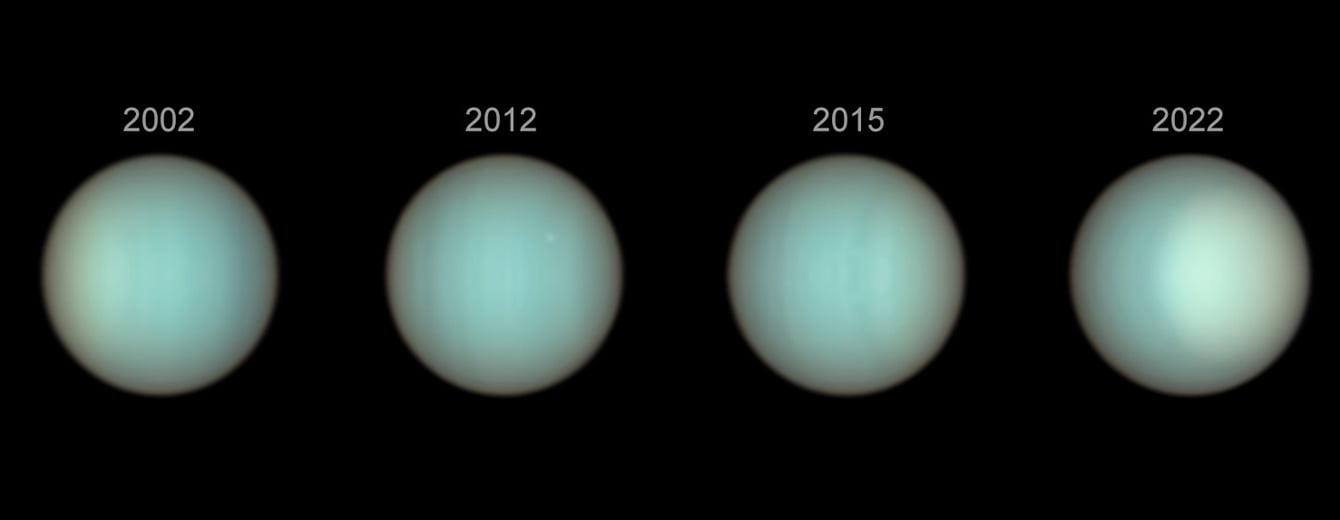
In 1986, the Voyager 2 spacecraft made a flyby of Uranus. It gave us the first detailed images of the distant world. What was once only seen as a featureless pale blue orb was revealed to be...well, a mostly featureless pale blue orb. The flyby gave astronomers plenty of data, but the images Voyager 2 returned were uninspiring. That's because Voyager only viewed Uranus for a moment in time. Things change slowly on the ice giant world, and to study them you need to take a longer view.
Continue reading
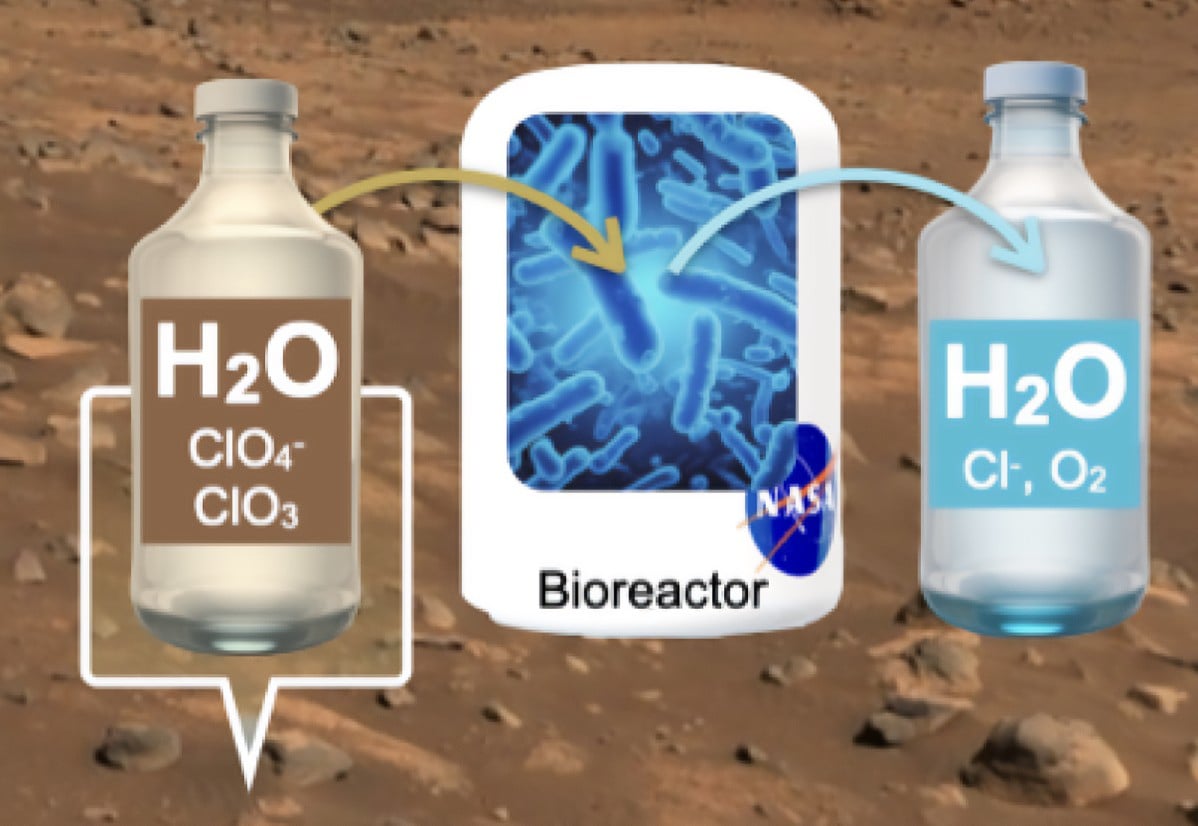
Mars exploration technology has seen a lot of recent successes. MOXIE successfully made oxygen from the atmosphere, while Ingenuity soared above the red planet 72 times. However, to date, no one has ever achieved one thing that will be absolutely critical to any long-term presence on Mars - making drinkable water. There have been plenty of ideas on how to do that. Still, NASA recently started funding a Worcester Polytechnic Institute (WPI) graduate student named Lydia Ellen Tonani-Penha to look into the problem under their Space Technology Graduate Research Opportunities (NSTGRO) funding program. Her Project Tethys will examine ways to purify the frozen or liquid brine that Mars is infused with.
Continue reading
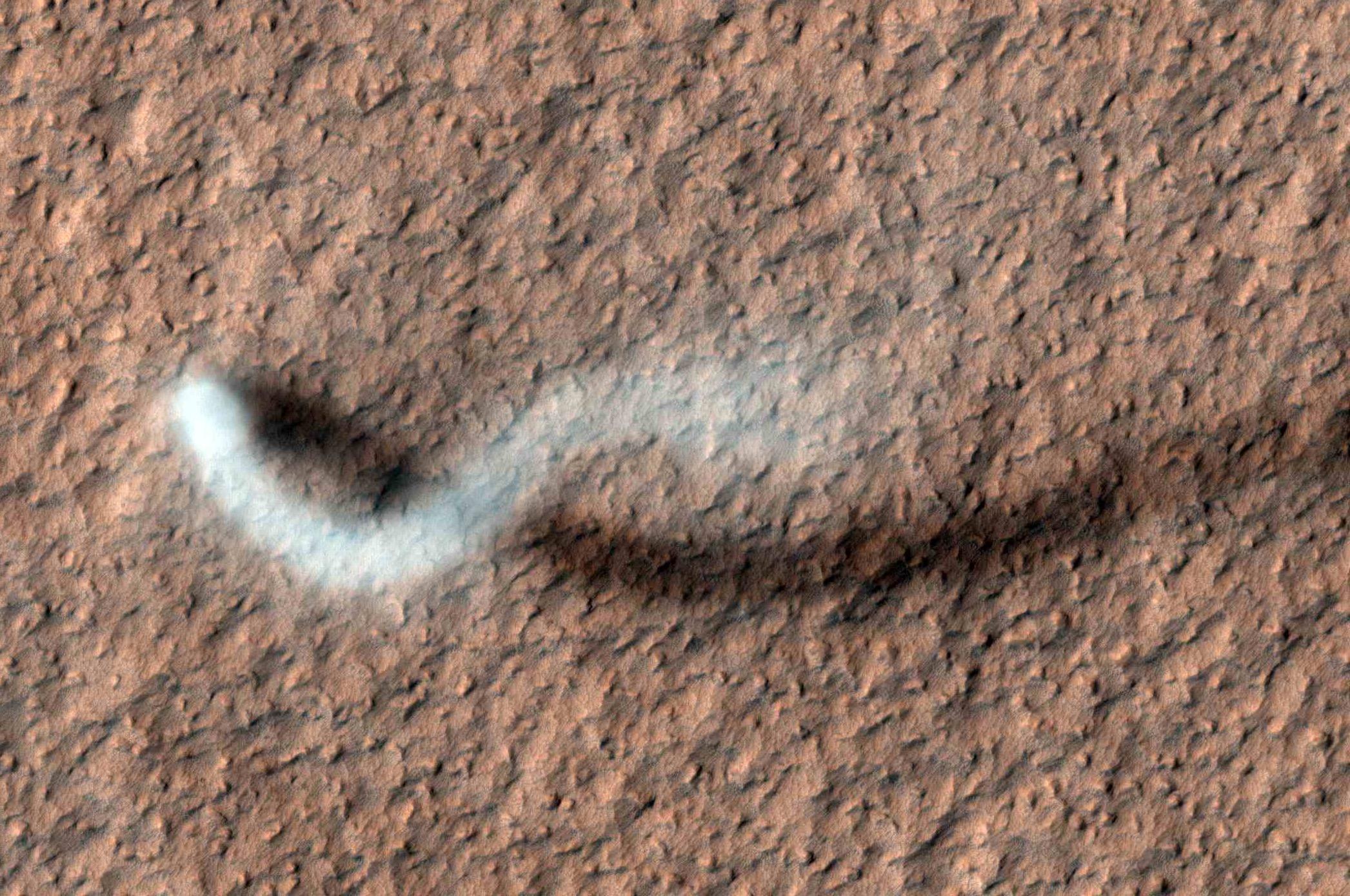
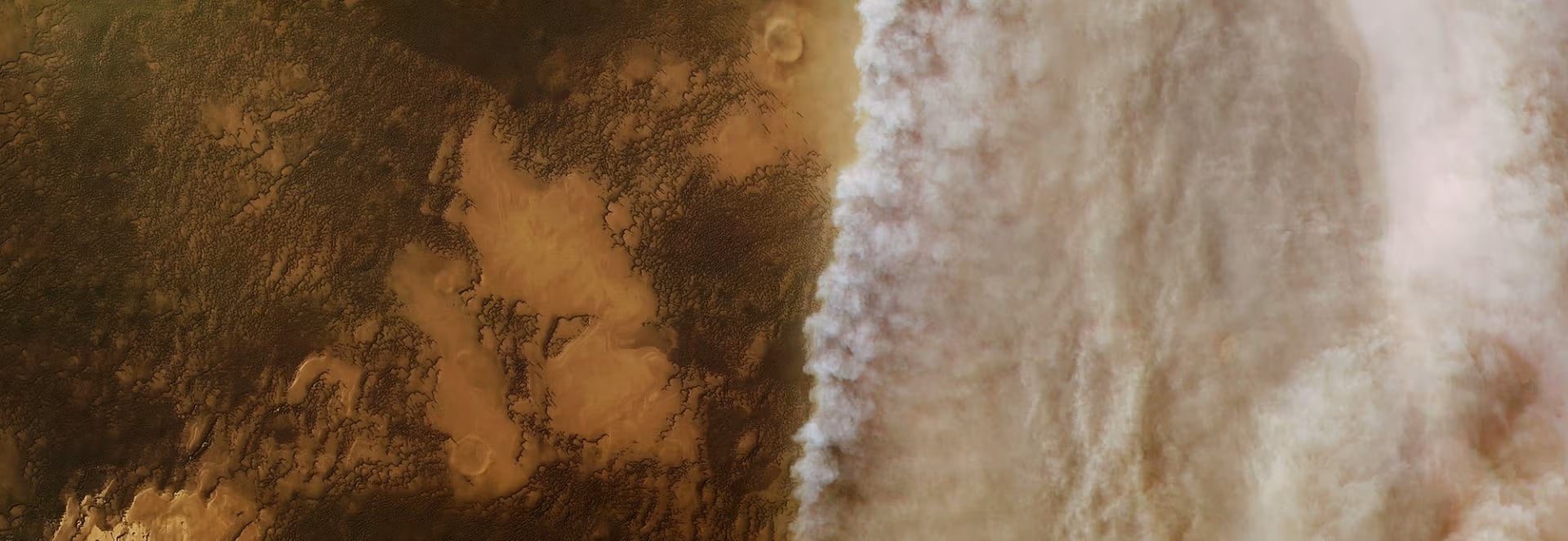
NASA's Perseverance was scanning the rim of Jezero Crater when it spotted a Martian dust devil overtake and consume another smaller one. The rover was about a kilometer away from the larger dust devil, which was about 65 meters wide. The smaller one was about 5 meters wide. This isn't Perseverance's first encounter with dust devils. It's seen clusters dancing around it and even captured audio of a dust devil on Mars for the first time.
Continue reading

Tardigrades are some of the most durable animals ever found. They can handle temperature ranges from -271°C to over 150°C, pressures above 1,200 atmospheric levels, extreme drying, and intense ionizing radiation. Researchers have been studying some of the adaptations that can keep tardigrades alive in extreme environments and consider how they could apply to human space exploration, as well as insights into extraterrestrial life.
Continue reading
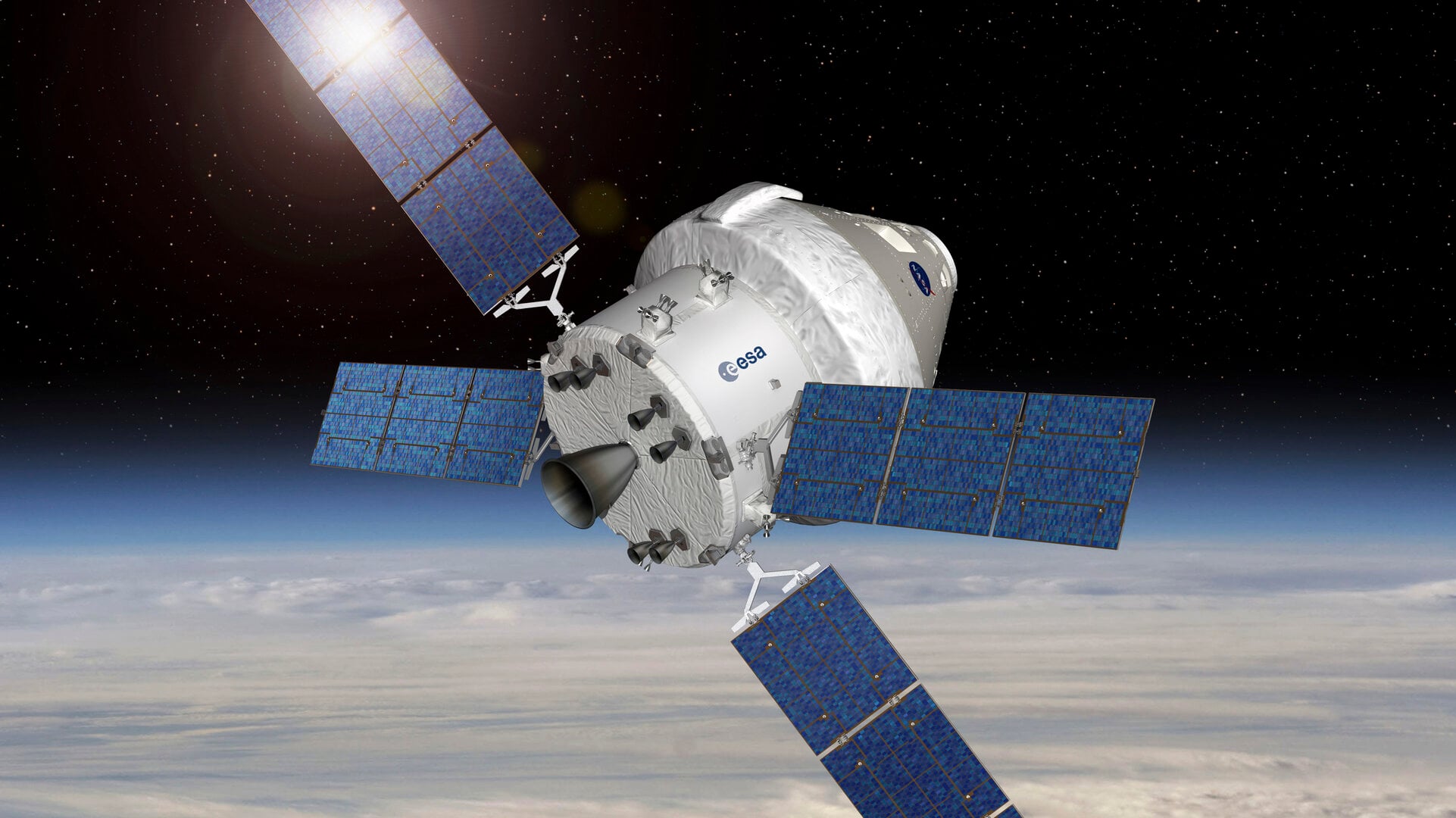
In a recent paper, an international team of scientists identified how the Orion spacecraft's European Service Module (ESM) could be reused. Rather than letting them burn up in Earth's atmosphere, as planned, they recommend that the ESMs use their power and propulsion capability to conduct valuable scientific research.
Continue reading
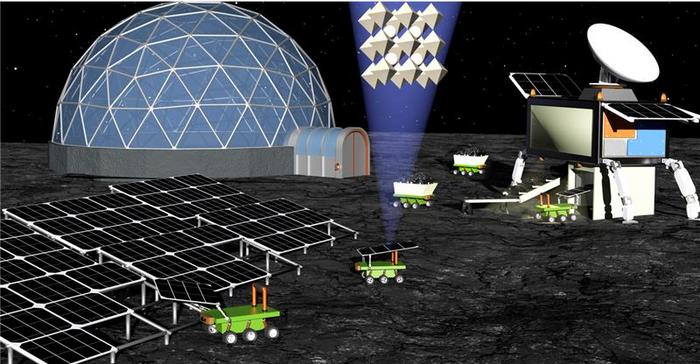
Any advanced civilisation needs power. Don't know about you but I've been camping lots, even wild camping but the experience is a whole lot easier if you have power! It's the same for a long-term presence on the Moon (not that I'm likening my camping to a trip to the Moon!) but instead of launching a bunch of solar panels, a new paper suggests we can get power from the lunar regolith! Researchers suggest that the fine dusty material on the surface of the Moon could be melted to provide a type of crystals that can produce solar electricity! This would allow solar panels to be built on the Moon with only 1% of components sent from Earth!
Continue reading
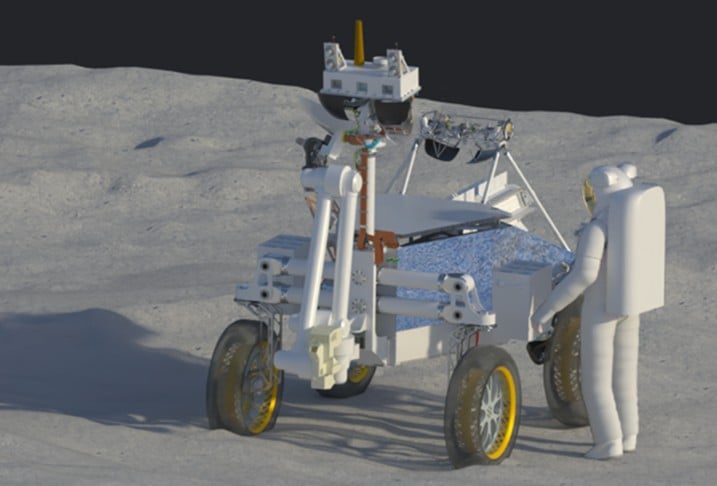
Sometimes, a brief update is all that is needed to keep the public interested in major projects. That's precisely what John Baker and James Keane of NASA's Jet Propulsion Laboratory provided to the 56th annual Lunar and Planetary Science Conference held in Texas last month. Their brief paper showcased the ongoing development of the Endurance autonomous rover, which was more thoroughly fleshed out in a massive 296-page mission concept study back in 2023. But what has the team been up to since then?
Continue reading
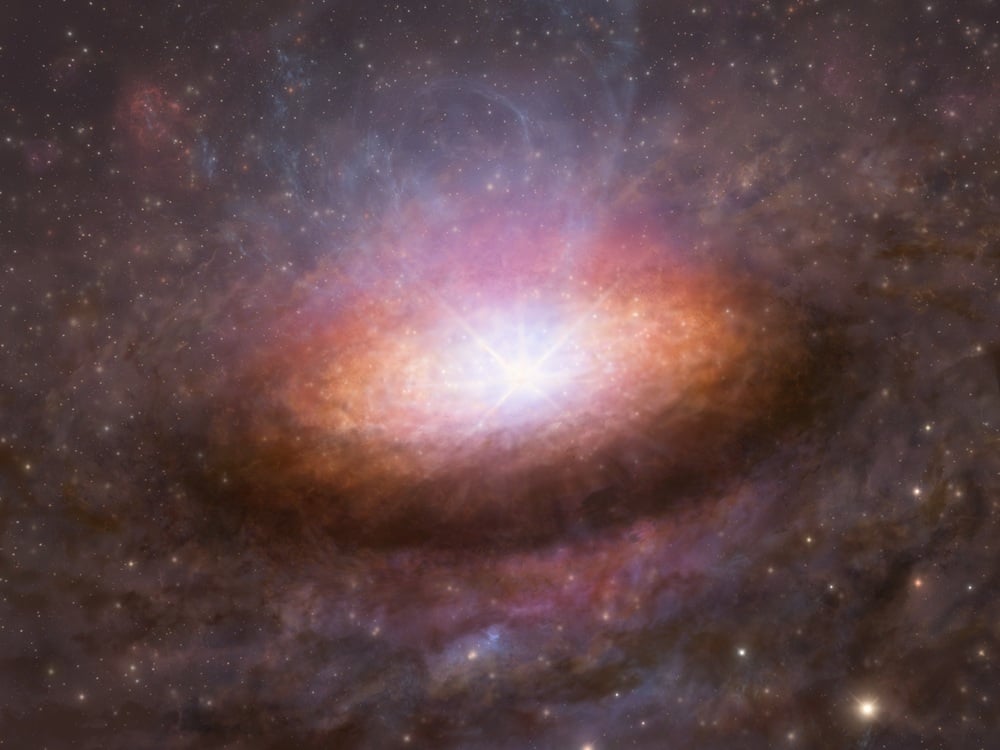
To the uninitiated, astronomers' interest in ancient black holes might seem like an obsession. Why spend so much time, energy, and resources looking back billions of years just to detect the nearly undetectable? They do it because ancient black holes hold unique clues to understanding the modern Universe.
Continue reading
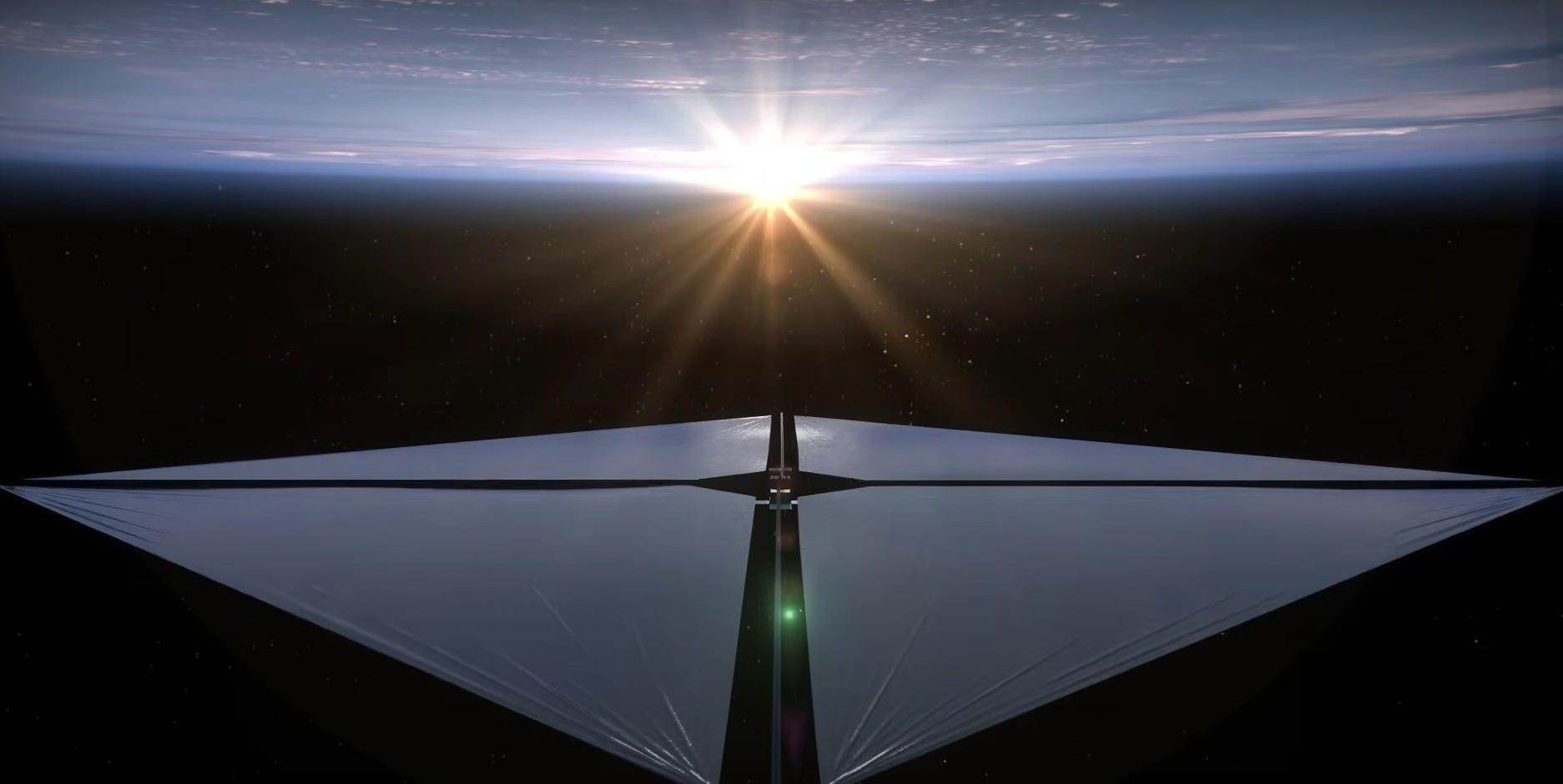
An innovative proposal would be a first for planetary exploration.
Turns out, it's as tough to drop inward into the inner solar system, as it is to head outward. The problem stems from losing momentum from a launch starting point on Earth. It can take missions several years and planetary flybys before capture and arrival in orbit around Mercury or Venus.
Now, a new proposal would see a mission make the trip, using innovative and fuel efficient means.
Continue reading
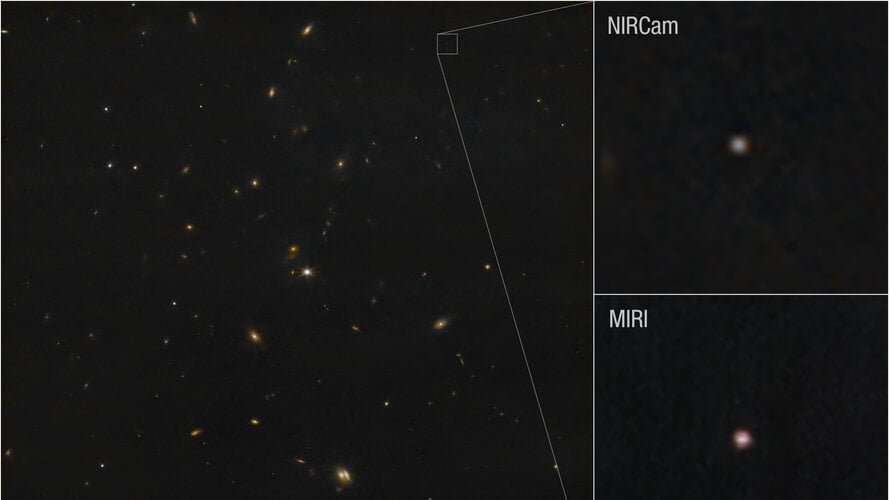
The Torino scale assess' the risk of a near-Earth object impacting Earth. The list has just had a new addition, asteroid 2024 YR4 which poses a risk to Earth in 2032. The risk has been downgraded to 0% but there's still value in studying asteroids that are going to come close to Earth. The James Webb Space Telescope just joined in the study by observing the asteroid to provide a new estimate of its size and showed that it's spinning rapidly.
Continue reading
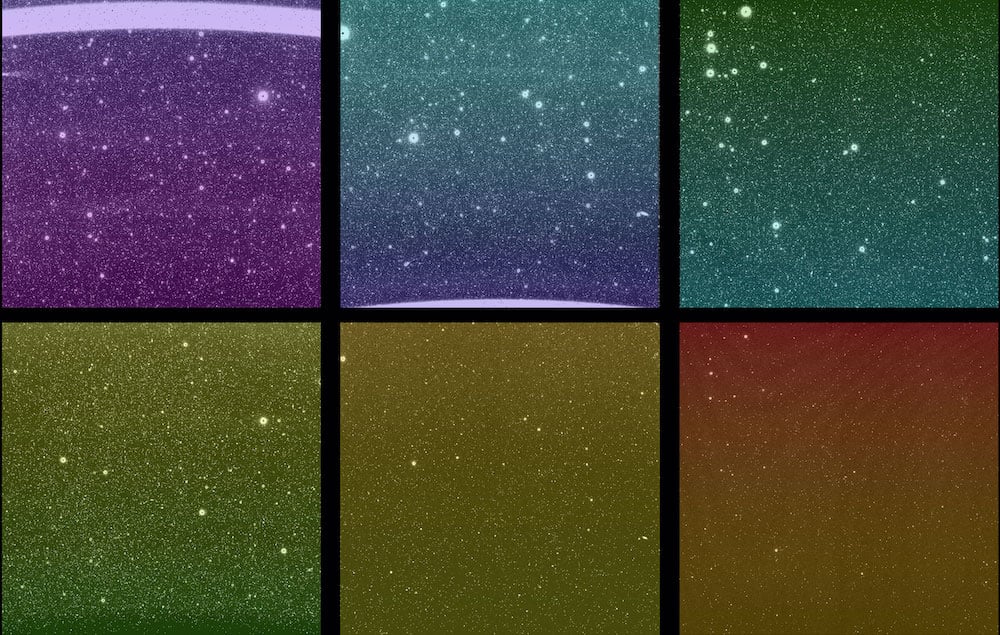
The news is always full of images from the Hubble Space Telescope and more recently the James Webb Space telescope but there is a new kid on the block. NASA's SPHEREx space telescope was launched back in early March and we can already see its first image. The telescope has six detectors and together they can capture a region of sky 20 times wider than the Moon. The first images are uncalibrated but they give a hint as to the capabilities of the instrument.
Continue reading
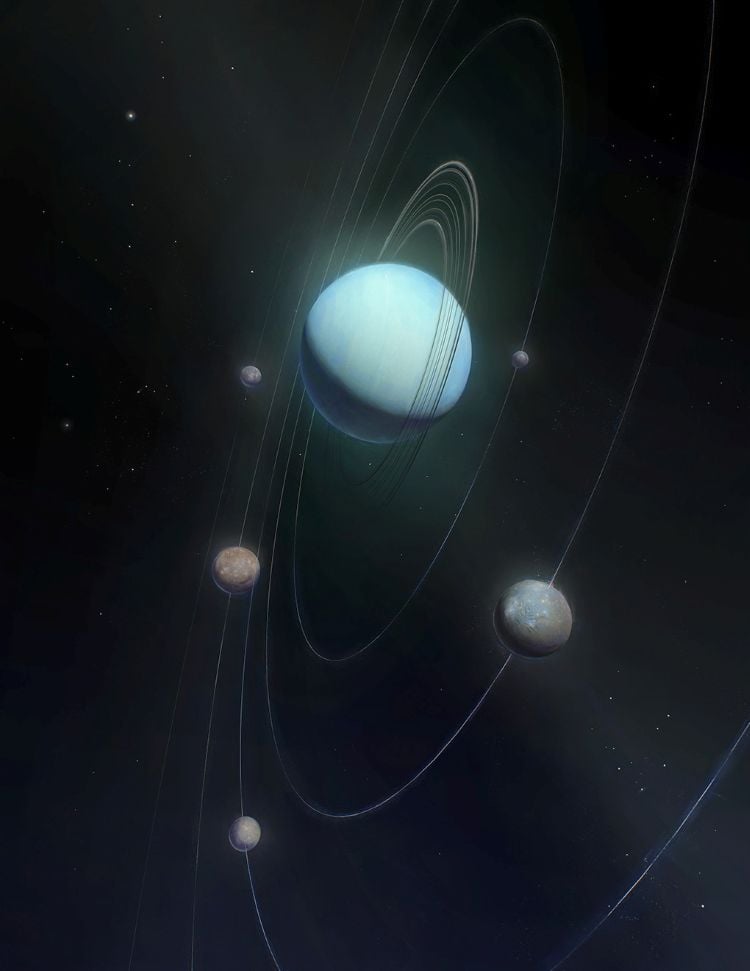
How can Uranus be used to indirectly study its moons and identify if they possess subsurface oceans? This is what a recent study presented at the 56th Lunar and Planetary Science Conference hopes to address as a team of scientists investigated using passive radar sounding methods from Uranus to study its five largest moons: Miranda, Ariel, Umbriel, Titania, and Oberon. This study has the potential to help researchers better understand the formation and evolution of Uranus and its largest moons despite a spacecraft not currently visiting Uranus.
Continue reading
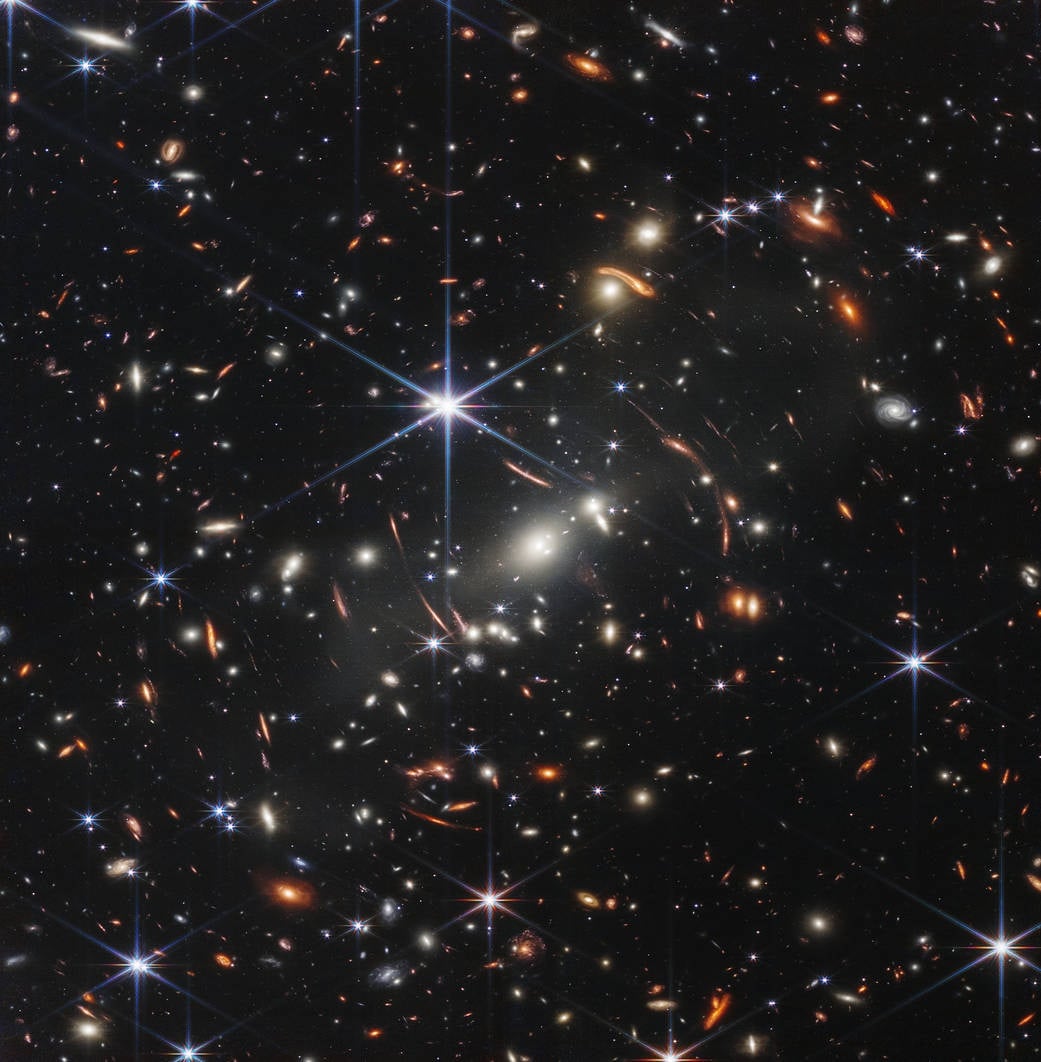
When galaxies run out of primordial hydrogen and helium, they cease star formation, shifting to primarily long-lived red stars. These galaxies are considered "red and dead." It usually takes billions of years for galaxies to run out of hydrogen, but now astronomers using JWST have found examples of galaxies that have already stopped forming stars just 700 million years after the Big Bang, much earlier than predicted by cosmological models.
Continue reading
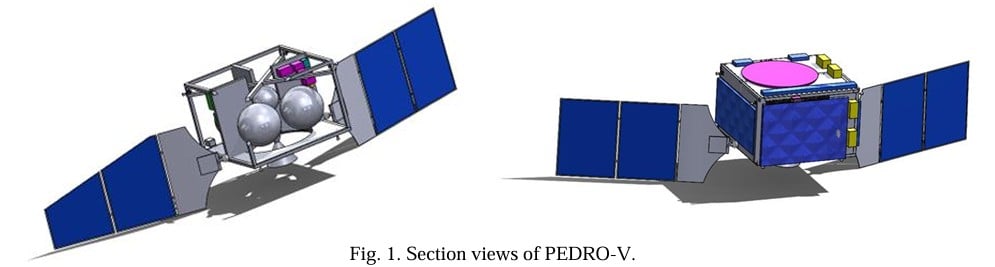
Sometimes, the best way to learn how to do something is just to do it. That is especially true if you're learning to do something using a specific methodology. And in some cases, the outcome of your efforts is something that's interesting to other people. A team from across the European Union, led by PhD candidate Domenico D'Auria, spent a few days last September performing just such an exercise - and their work resulted in a mission architecture known as the Planetary Exploration Deployment and Research Operation - Venus, or PEDRO-V.
Continue reading
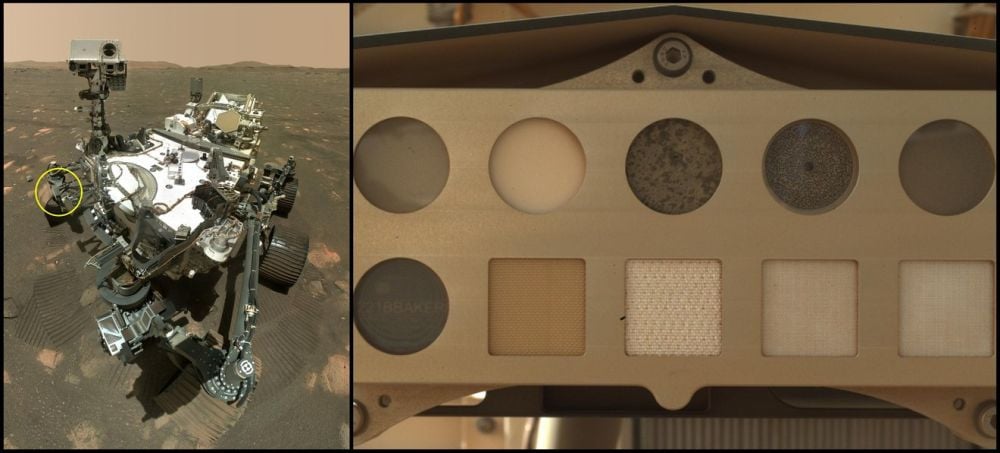
NASA's Perseverance Rover is an ambitious mission. Along with its day-to-day exploration, the rover carried an experimental rotorcraft and is also caching samples for eventual return to Earth. But there's another aspect to its mission that's hidden in the glare of its ambitions. The rover is busy testing five different spacesuit materials.
Continue reading
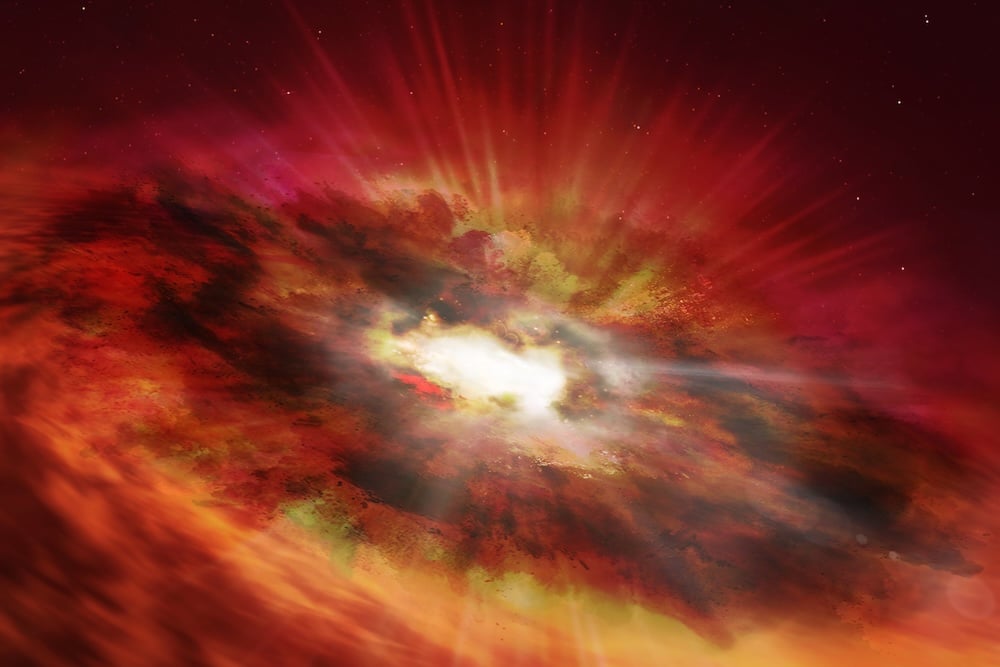
Blackholes are a fascinating class of object to study. We have learned significant amounts over the years but one of the outstanding mysteries remains; how there were supermassive black holes with millions or even billions of times the mass of the Sun present in the first billion years after the Big Bang. Our current models of stellar mass black hole evolution and mergers cannot explain their existence. A new paper suggests that ultralight dark matter particles, like axions may have done the trick and provides a mass range for expected particles.
Continue reading

As humans continue to make tentative progress out into the cosmos, the impact of space exploration on our fragile bodies is only beginning to be understood. We know that space travel decreases muscle and bone mass but a team of researchers have discovered which bones suffer the most! Using a group of mice that became astro-rodents for 37 days, they discovered that bone degeneration effective the femur most but not the vertebrae. They concluded that it's our weight-bearing bones that suffer the most.
Continue reading
Continue reading
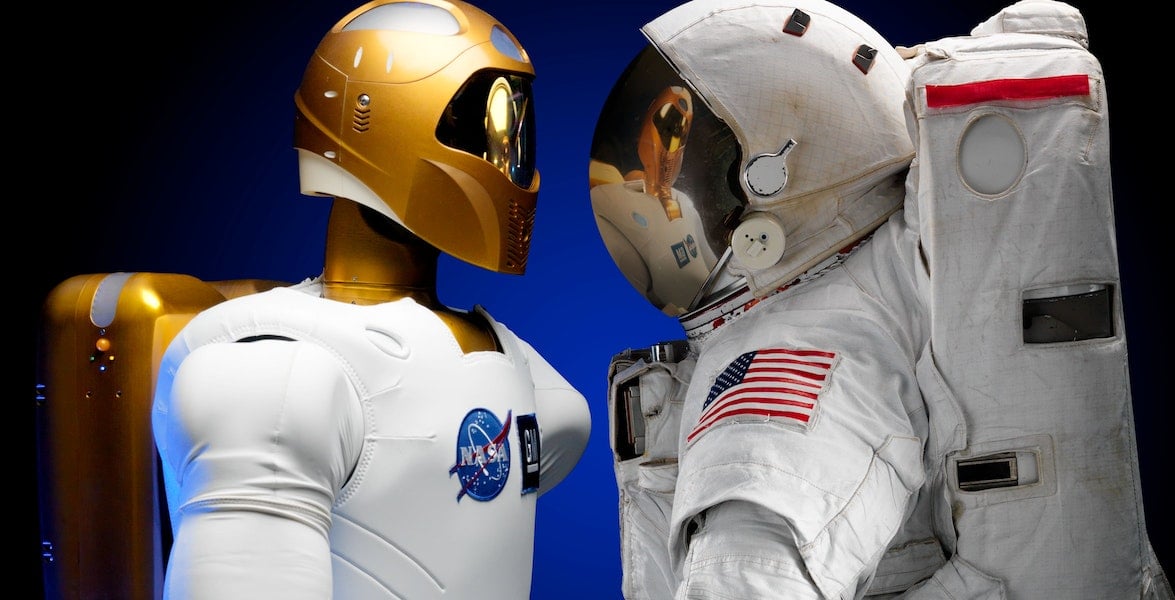
Many health problems are faced by astronauts who spend significant amounts of time in space. But perhaps one of the most insidious is the danger to their mental health. In particular, a prolonged sense of loneliness that could crop up as part of a long-term deep space mission could have dire consequences. A recent paper from Matthieu Guitton, the editor-in-chief of the journal Computers in Human Behavior: Artificial Humans and a researcher at the CERVO Brain Research Center in Quebec, proposes one potential solution to that risk - social robots.
Continue reading
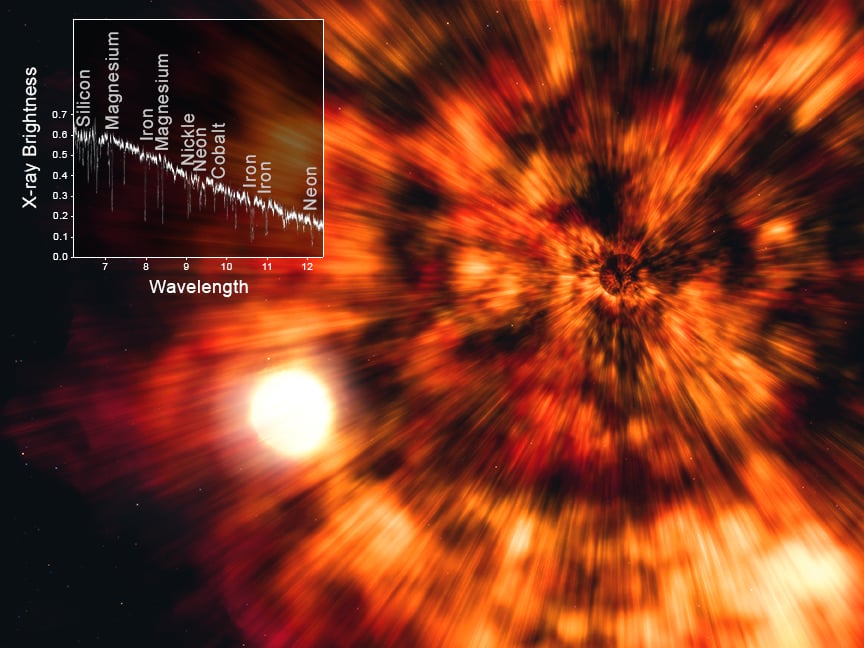
One of the common misconceptions about black holes is that they devour not only matter, but also the history of that matter. So when a black hole forms, you can only guess how it came to be. That isn't entirely true. Informational history is only lost when matter crosses the event horizon, and perhaps not even then. The material surrounding a black hole still has a rich history. In a recent study, astronomers have used that history to uncover the origins of a black hole system.
Continue reading

Though wildly different in so many ways, Earth and Saturn's moon Titan have something important in common. Among all the objects in the Solar System, they're the only two with liquids on their surfaces. There are parallels in how the liquids move in cycles on both worlds and a new mission proposal outlines how we can understand Titan better by studying these parallel processes.
Continue reading
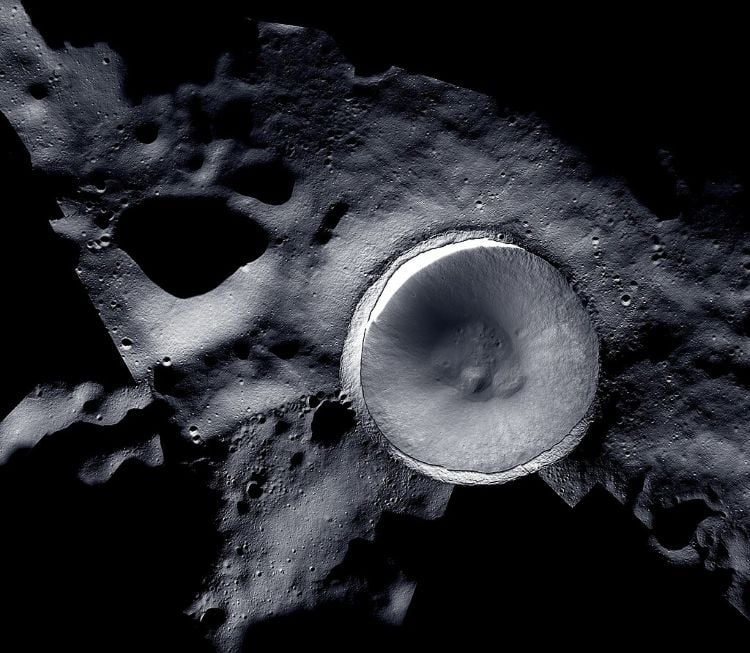
Could microbes survive in the permanently shadowed regions (PSRs) of the Moon? This is what a recent study presented at the 56th Lunar and Planetary Science Conference hopes to address as a team of researchers from the United States and Canada investigated the likelihood of long-term survival for microbes in the PSR areas of the Moon, which are craters located at the poles that don't see sunlight due to the Moon's small axial tilt. This study has the potential to help researchers better understand unlikely locations where they could find life as we know it throughout the solar system.
Continue reading
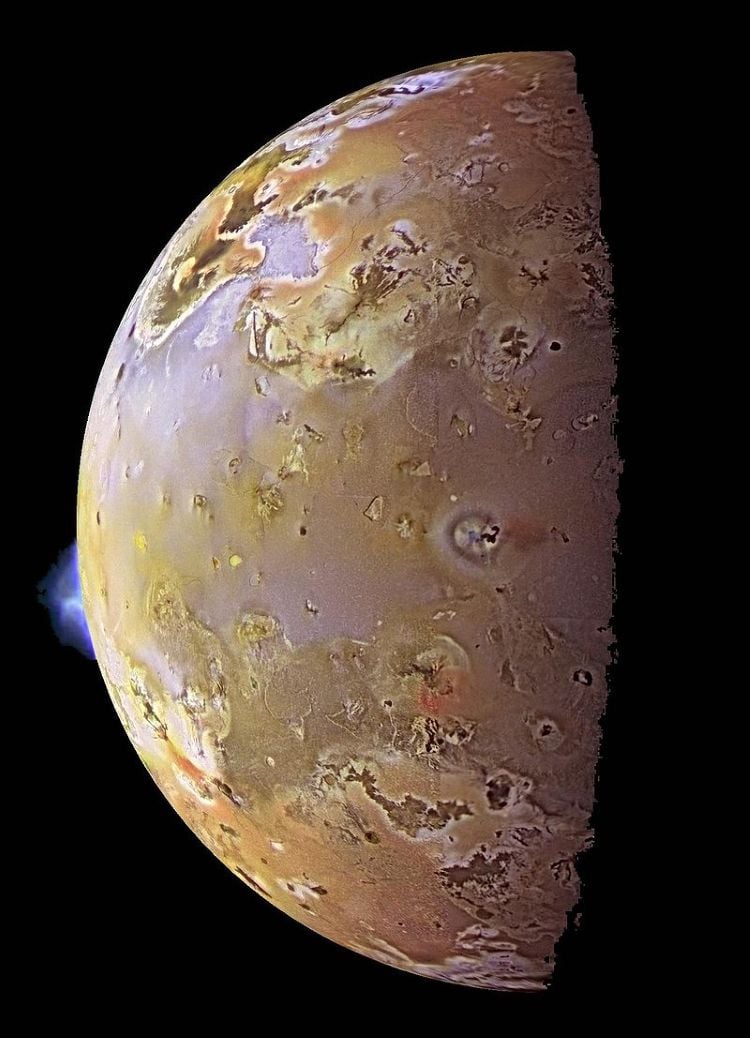
What can a sample return mission from Jupiter's volcanic moon, Io, teach scientists about planetary and satellite (moon) formation and evolution? This is what a recent study presented at the 56th Lunar and Planetary Science Conference hopes to address as an international team of more than two dozen scientists discussed the benefits and challenges of a mission to Io with the goal of sampling its volcanic plumes that eject from its surface on a regular basis.
Continue reading
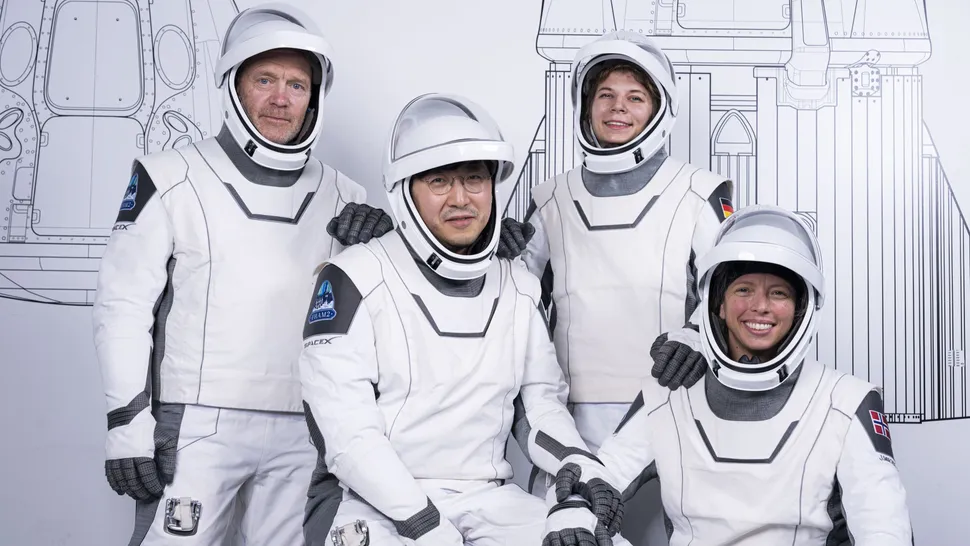
It's getting a little harder to be the first humans to achieve something but, if all goes to plan, a team of four private astronauts are expected to head off into a polar orbit around Earth aboard the SpaceX Dragon capsule today (31 March) at 9:46pm ET and take the crew over the North and South Poles of Earth. Financed by Chun Wang, a Malta-based investor, they are planning a series of experiments, including attempting to grow oyster mushrooms in microgravity, which could eventually become a source of food for space missions.
Continue reading
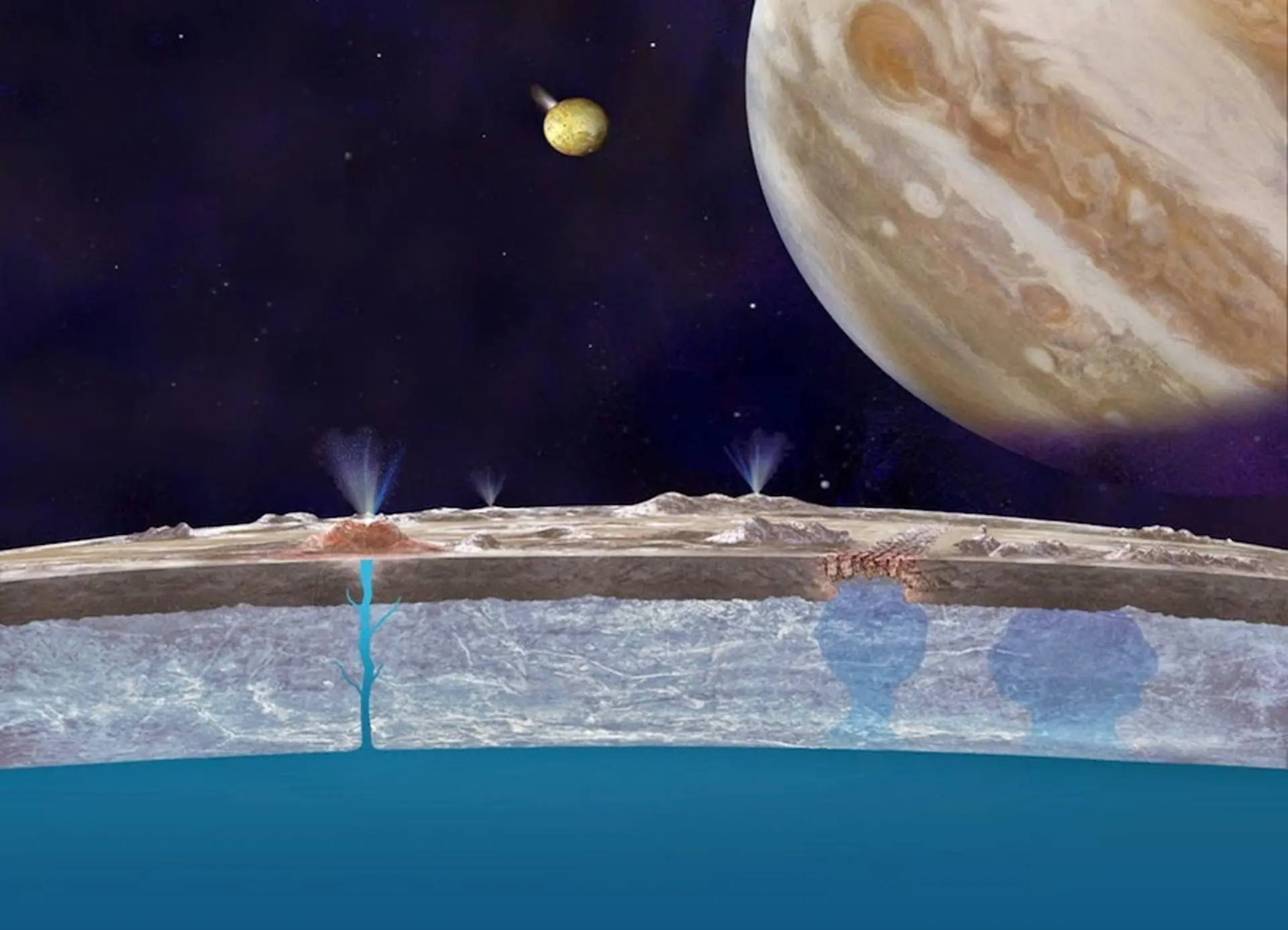
Astronomers suspect that Europa has cryovolcanoes, regions where briny water could erupt through Europa's ice shell, throwing water—and hopefully organic molecules—into space. NASA's Europa Clipper and ESA's JUICE mission are on their way and will be able to scan the surface of the icy moon for signs of cryovolcanism. What should they be looking for? Pockets of brine just below the surface could be active for 60,000 years and should be warmer than their surroundings.
Continue reading

Continue reading
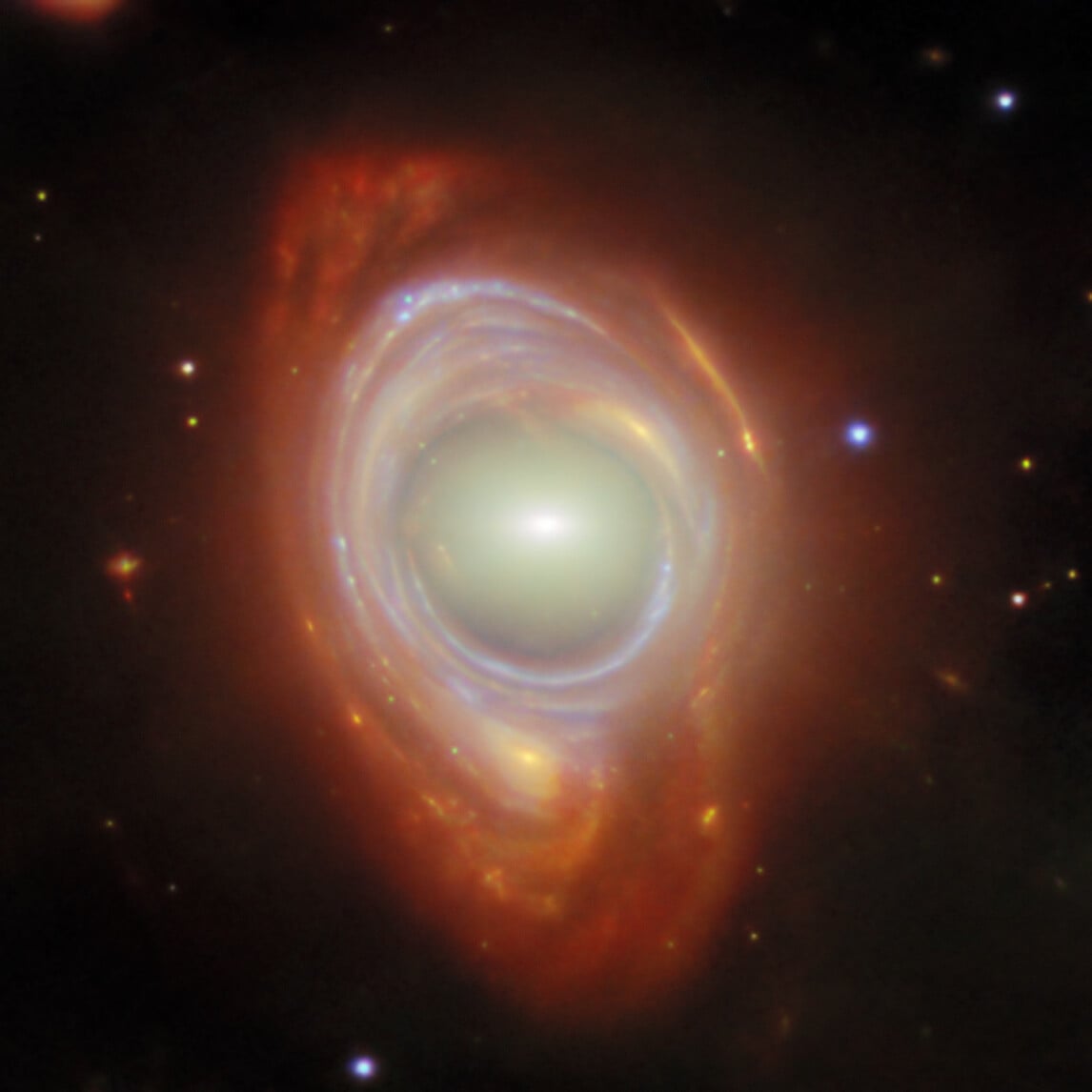
One of the first verified predictions of general relativity is the gravitational deflection of starlight. The effect was [first observed in 1919 during a total solar eclipse.](https://briankoberlein.com/post/einstein-and-eddington/) Since stars appear as points of light, the effect is seen as an apparent shift in the position of stars near the eclipse. But the effect happens more generally. If a distant galaxy is obscured by a closer one, some of the distant light is gravitationally lensed around the closer galaxy, giving us a warped and distorted view of the faraway stars. This effect can also magnify the distant galaxy, making its light appear brighter, and we have used this effect to observe some of the most distant stars in the Universe.
Continue reading
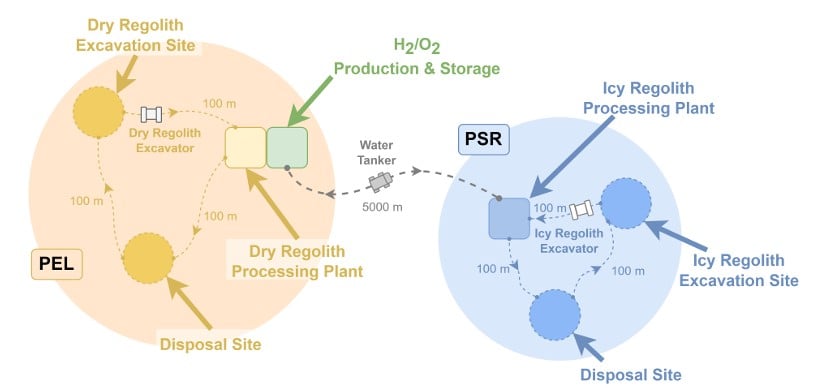
In-situ resource utilization will likely play a major role in any future long-term settlement of the Moon. However, designing such a system in advance with our current level of knowledge will prove difficult, mainly because there's so much uncertainty around both the availability of those resources and the efficacy of the processes used to extract them. Luckily, researchers have tools that can try to deal with both of those uncertainties - statistical modeling. A team from Imperial College London, the University of Munich, and the Luxembourg Institue of Science and Technology recently released a pre-print paper on arXiv that uses a well-known statistical modeling method known as Monte Carlo simulation to try to assess what type of ISRU plan would be best for use on the Moon.
Continue reading
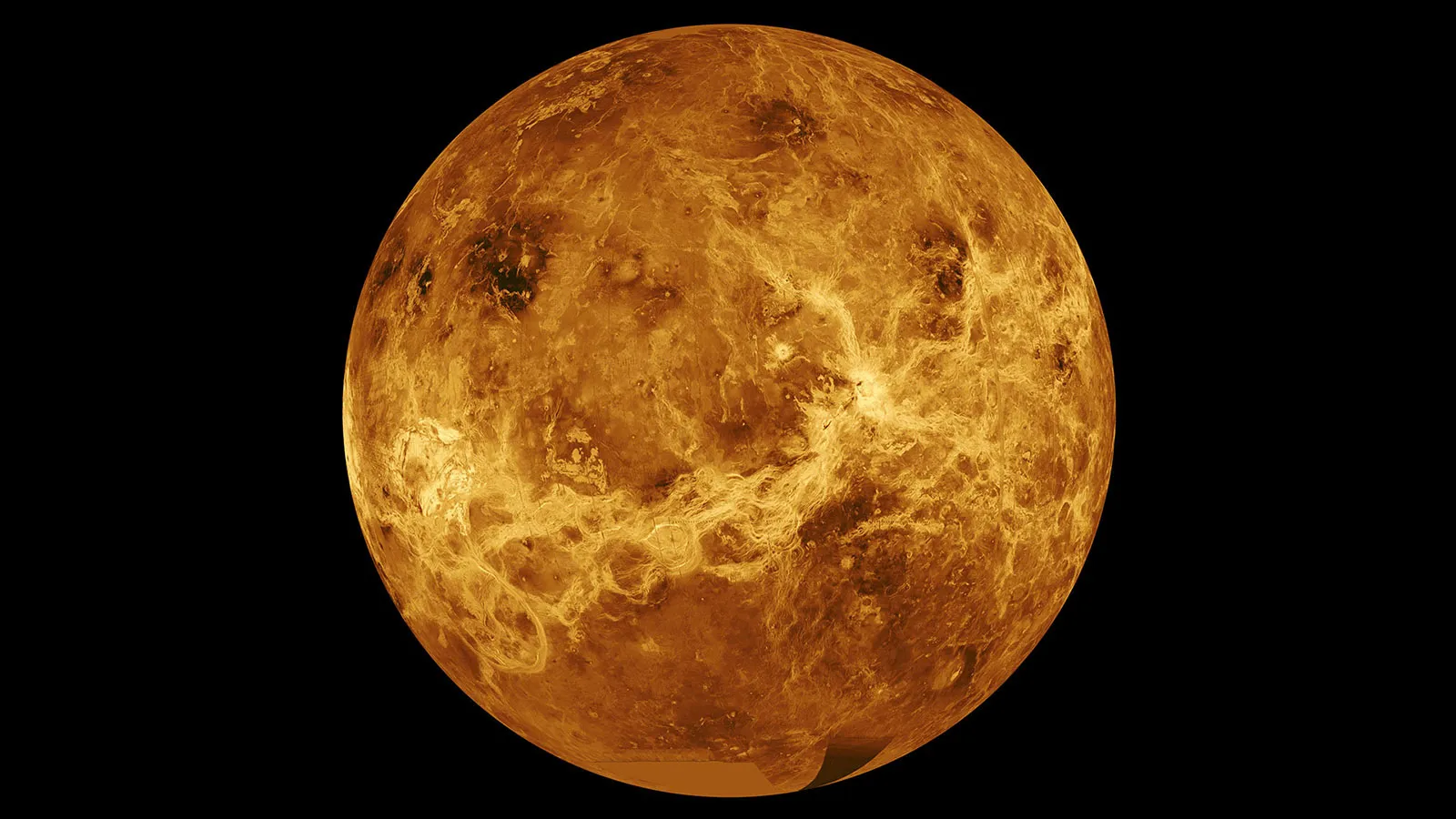
Even though Jupiter's moon Io is considered the most volcanically active world in the Solar System, Venus actually has more volcanoes and volcanic features on its surface. For a long time, scientists thought that most of these features and volcanoes were ancient remnants of the planet's geological past. However, newer research shows that Venus is still volcanically active.
Continue reading
 Universe Today