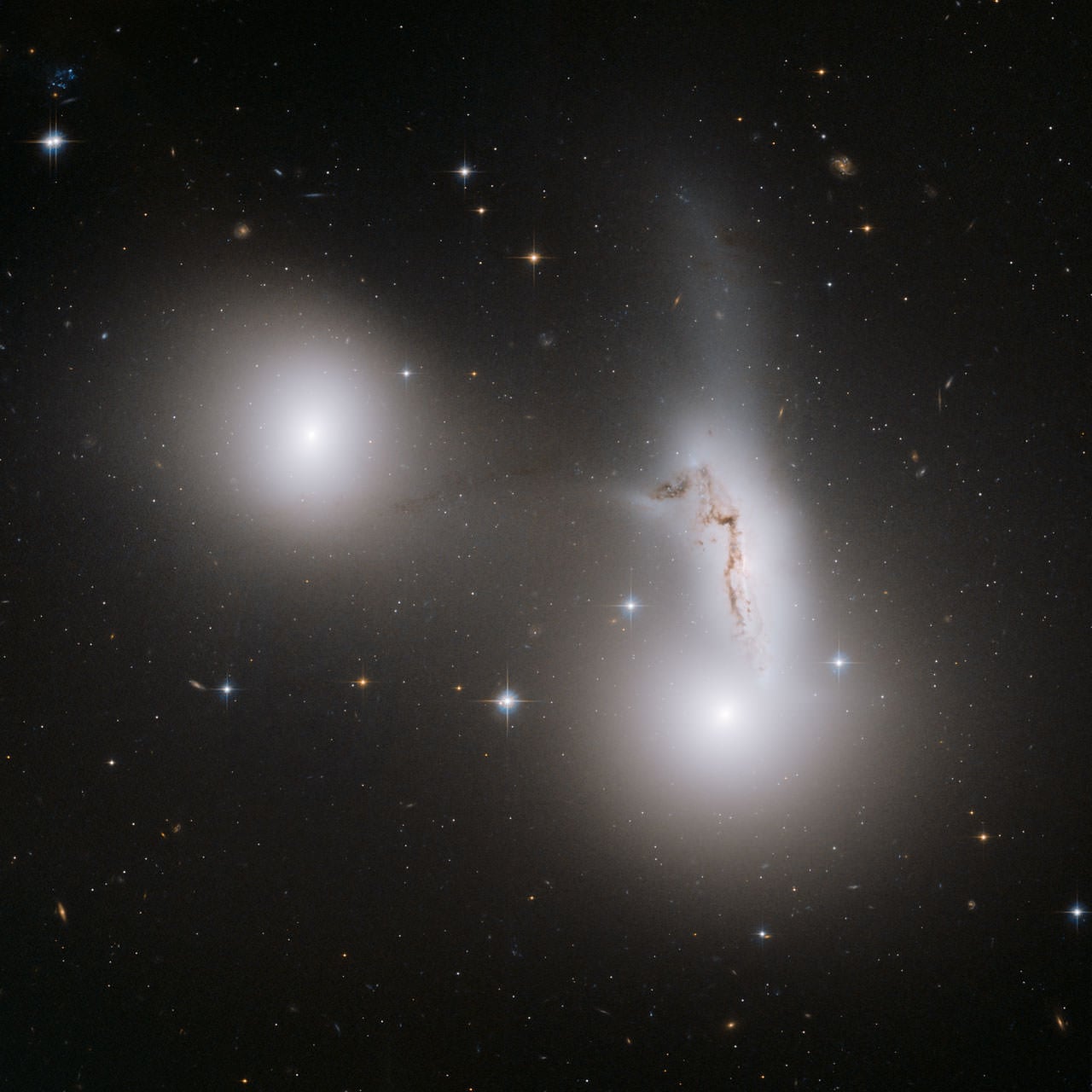
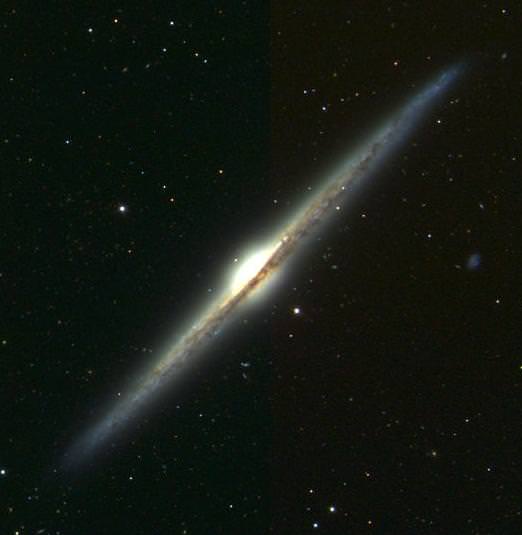
Hubble Watches Triple Galaxy Smash Up By Nancy Atkinson - March 03, 2009 08:30 AM UTC | Extragalactic Continue reading
Public Wants Hubble to Study Hugging Galaxies By Nancy Atkinson - March 02, 2009 09:00 PM UTC | Extragalactic Continue reading
Enjoy the Carnival of Space #92 By Nancy Atkinson - March 02, 2009 08:43 PM UTC | Site News Continue reading
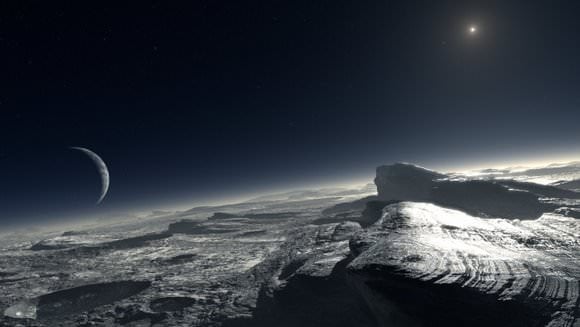
Pluto's Atmosphere Boasts Methane, Warmer Temps By Anne Minard - March 02, 2009 05:01 PM UTC | Planetary Science Continue reading
Circumference of the Earth By Fraser Cain - March 02, 2009 02:49 PM UTC | Planetary Science Continue reading
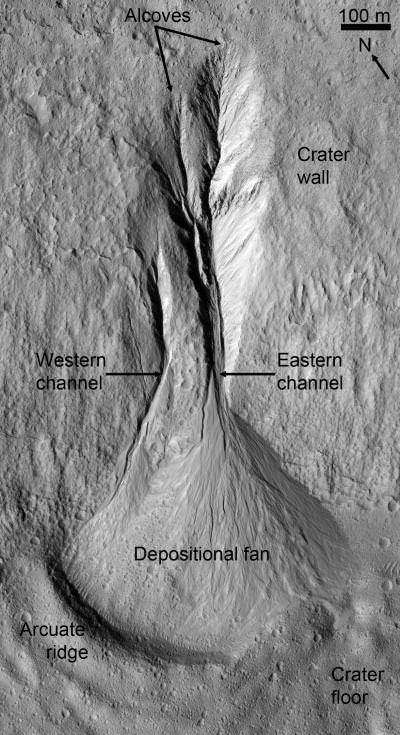
Mars Gullies From Snow and Ice Melt "Relatively Recent" By Nancy Atkinson - March 02, 2009 12:18 PM UTC | Planetary Science Continue reading
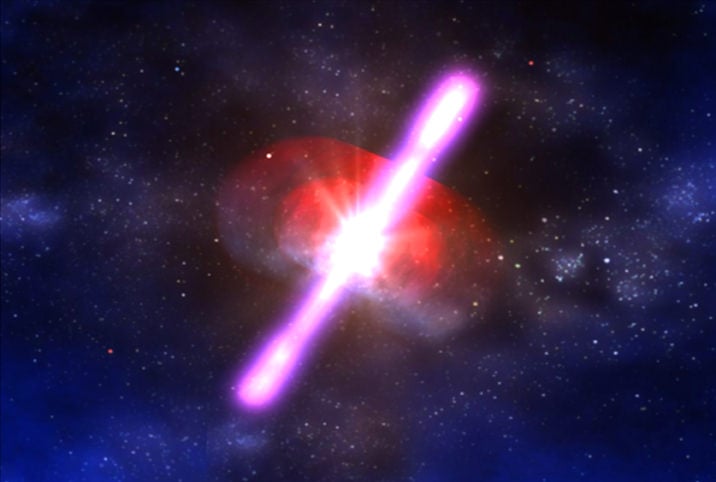
Swift Satellite Catches Early Stages of GRB By Nancy Atkinson - March 02, 2009 08:53 AM UTC | Physics Continue reading
Asteroid 2009 DD45 Just Buzzed by Earth By Nancy Atkinson - March 02, 2009 07:20 AM UTC | Planetary Science Continue reading
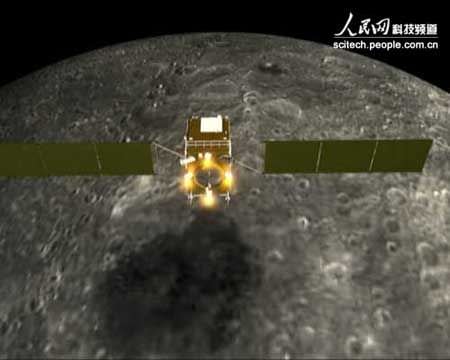
Chang'e 1 Bites the (Moon) Dust By Nancy Atkinson - March 01, 2009 12:08 PM UTC | Planetary Science Continue reading
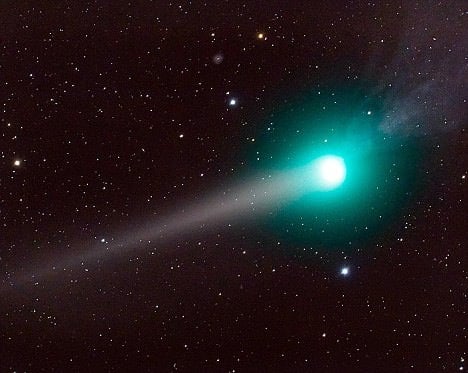
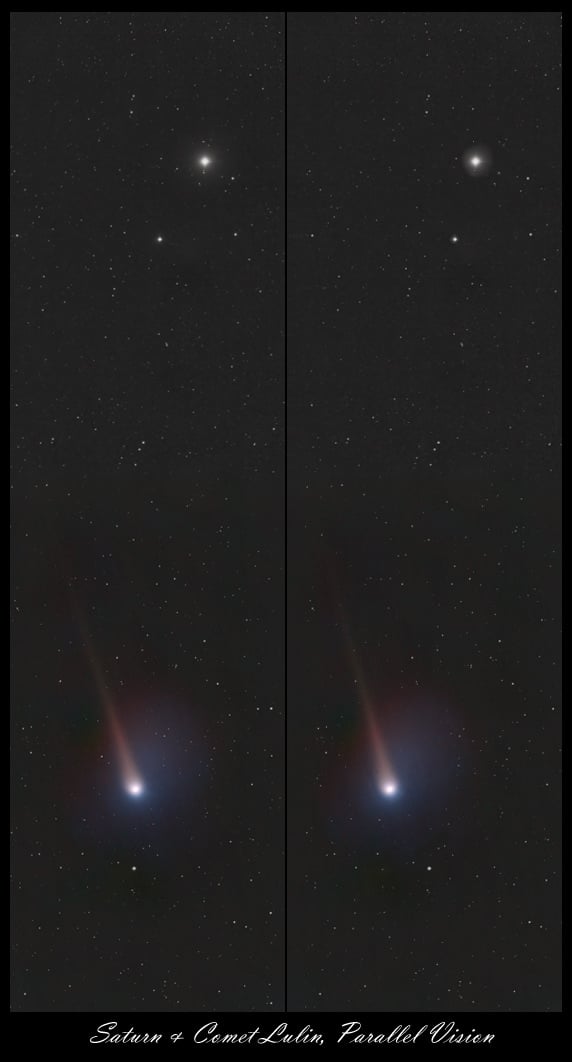
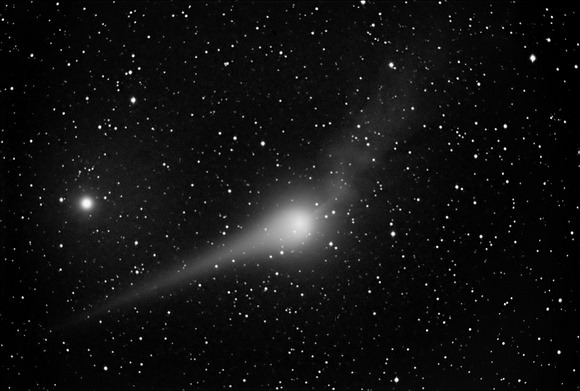
Comet Lulin Approaches M44 and Eskimo Nebula By Tammy Plotner - March 01, 2009 09:46 AM UTC | Observing Continue reading
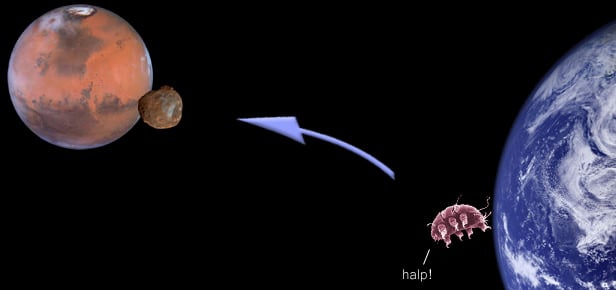
Russia Will Send Life to Phobos By Ian O'Neill - March 01, 2009 05:20 AM UTC | Space Exploration Continue reading
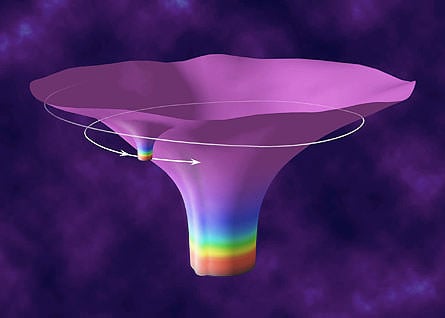
Is There a Mysterious Black Hole Constant? By Ian O'Neill - March 01, 2009 12:37 AM UTC | Black Holes Continue reading
New Technique Allows Astronomers to Discover Exoplanets in Old Hubble Images By Ian O'Neill - February 28, 2009 04:50 PM UTC | Exoplanets Continue reading
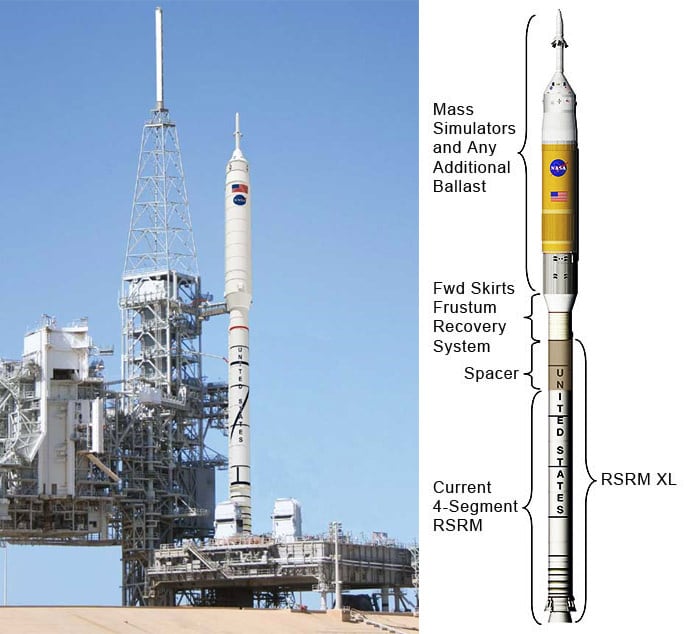
Could a Second Ares I-X Test Flight Close the 5-Year Gap? By Ian O'Neill - February 28, 2009 05:41 AM UTC | Space Exploration Continue reading
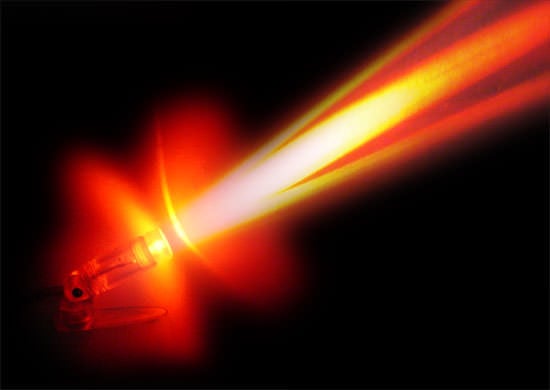
Powerful Fusion Laser to Recreate Conditions Inside Exoplanets By Ian O'Neill - February 28, 2009 04:01 AM UTC | Exoplanets Continue reading
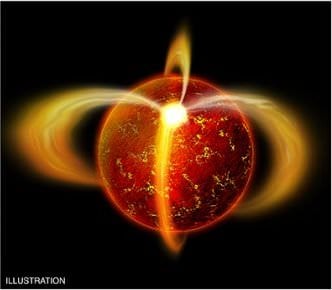
Ancient Pulsar Still Pulsing By Nancy Atkinson - February 27, 2009 02:20 PM UTC | Stars Continue reading
MRO Goes Into Safe Mode By Nancy Atkinson - February 27, 2009 01:31 PM UTC | Missions Continue reading
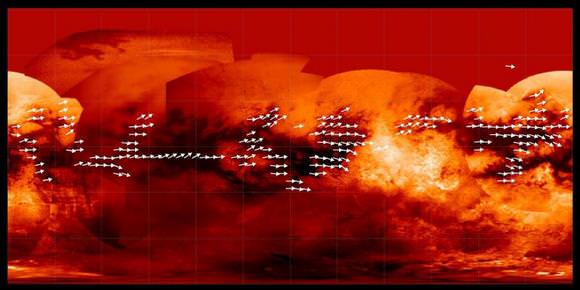
Titan Dunes Turn Climate Models Upside Down By Anne Minard - February 27, 2009 07:55 AM UTC | Planetary Science Continue reading
Weekend SkyWatcher's Forecast: February 27 - March 1, 2009 By Tammy Plotner - February 27, 2009 06:21 AM UTC | Observing Continue reading
Obama Will Retire Shuttle in 2010, US Will Go Back to the Moon in 2020 By Ian O'Neill - February 27, 2009 01:38 AM UTC | Space Policy Continue reading
Intergalactic Dust Could Be Messing Up Observations, Calculations By Nancy Atkinson - February 26, 2009 02:28 PM UTC | Extragalactic Continue reading
Comet Lulin Video - Watch the Outgassing Process By Tammy Plotner - February 26, 2009 09:06 AM UTC | Solar Astronomy Continue reading
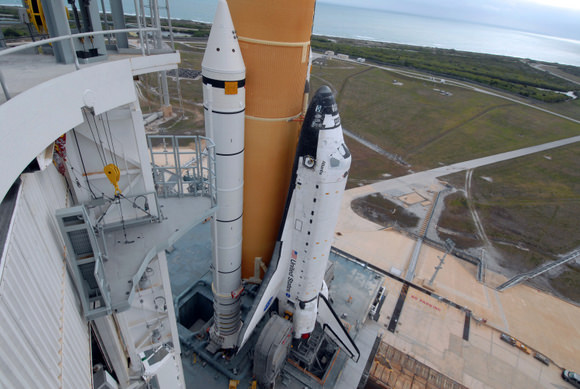
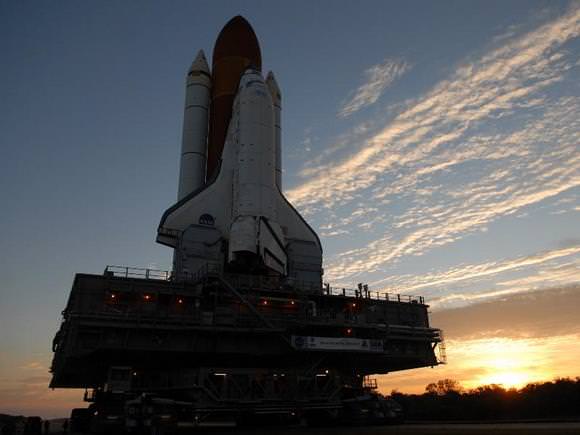
NASA Hopes To Resolve Shuttle Valve Problem By Nancy Atkinson - February 26, 2009 07:39 AM UTC | Space Exploration Continue reading
New Issue of Space Lifestyle Magazine Now Available By Nancy Atkinson - February 26, 2009 06:38 AM UTC | Site News Continue reading
Where In The Universe #44 By Nancy Atkinson - February 25, 2009 04:29 PM UTC | Extragalactic Continue reading
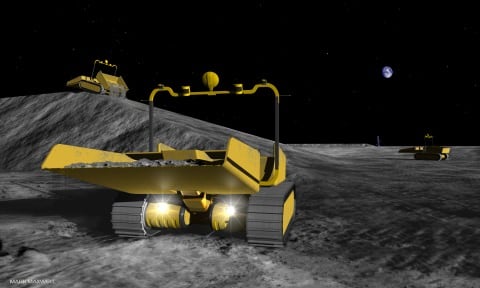
Robots Could Prepare Moon Outpost Site By Nancy Atkinson - February 25, 2009 11:30 AM UTC | Space Exploration Continue reading
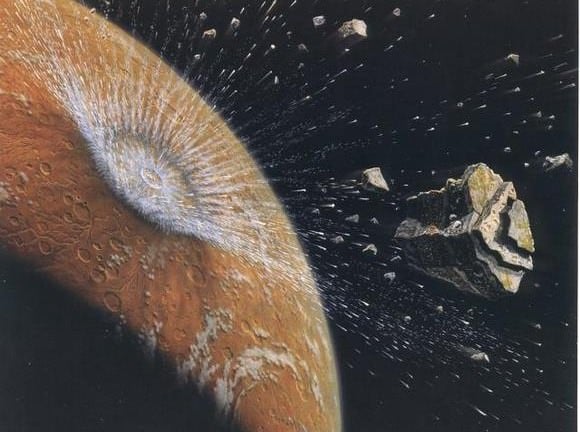
Jupiter, Saturn Plowed Through Asteroids, Study Says By Anne Minard - February 25, 2009 11:01 AM UTC | Planetary Science Continue reading
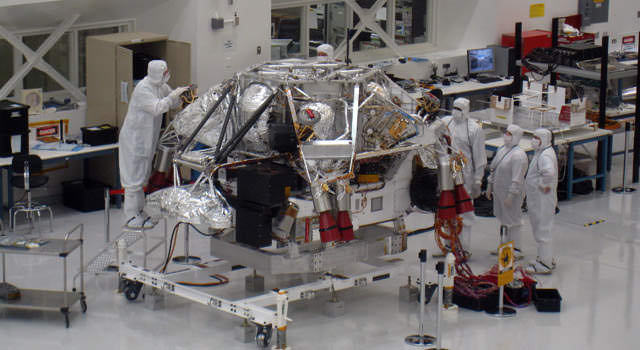
JPL Offers a Peek Inside MSL Clean Room By Nancy Atkinson - February 25, 2009 08:15 AM UTC | Planetary Science Continue reading
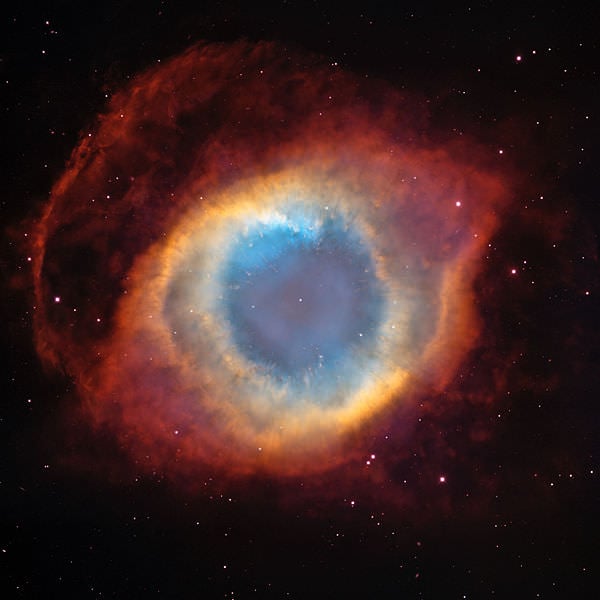
Penetrating New View Into The Helix Nebula By Anne Minard - February 25, 2009 06:50 AM UTC | Stars Continue reading
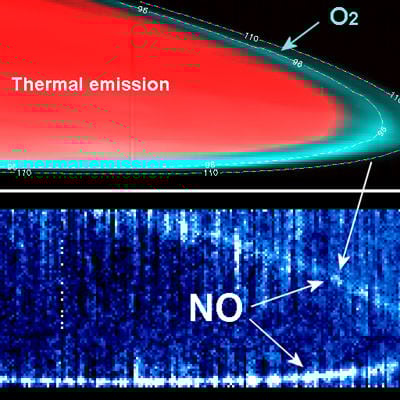
Venus is Glowing in the Dark! By Nancy Atkinson - February 24, 2009 06:19 PM UTC | Planetary Science Continue reading
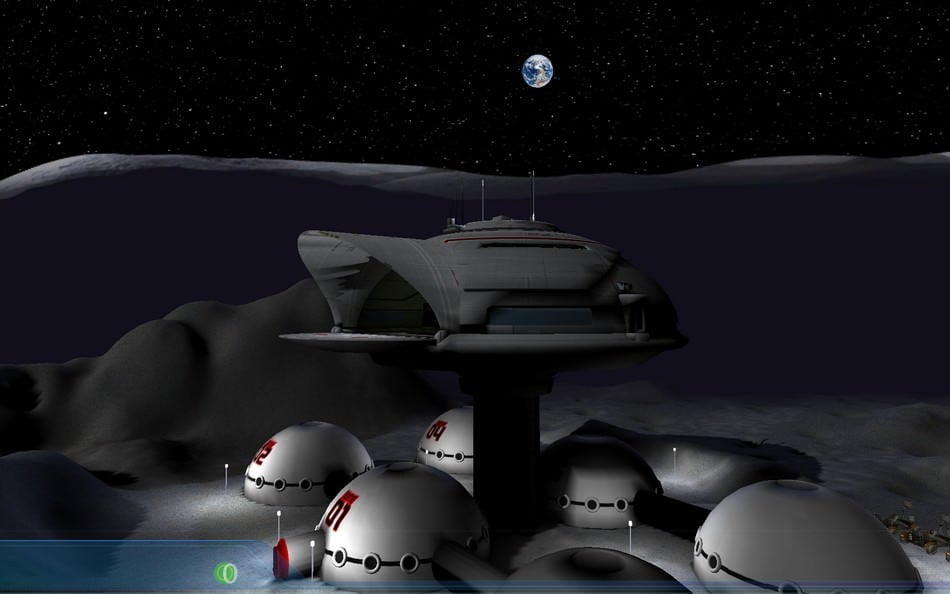
Introducing NASA's Virtual Universe "Astronaut: Moon, Mars and Beyond" By Ian O'Neill - February 24, 2009 06:17 PM UTC | Space Exploration Continue reading
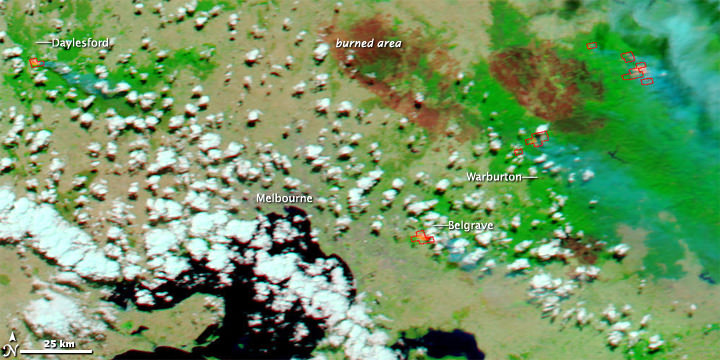
Satellite Images Show Devastation from Fire and Floods in Australia By Nancy Atkinson - February 24, 2009 02:36 PM UTC | Planetary Science Continue reading
How To See Comet Lulin By Nancy Atkinson - February 24, 2009 10:38 AM UTC | Observing Continue reading
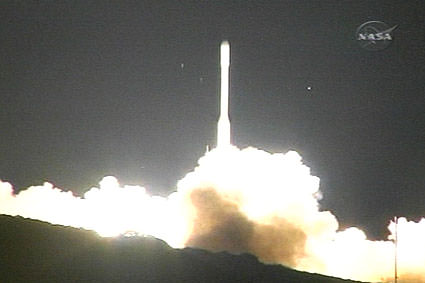
OCO Press Conference Notes: Fairing Did Not Separate By Nancy Atkinson - February 24, 2009 08:26 AM UTC | Missions Continue reading
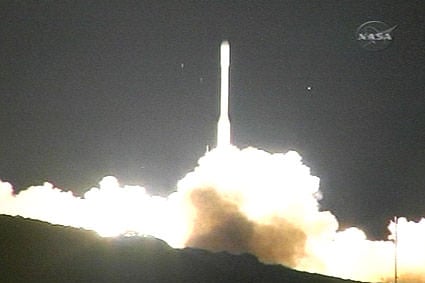
Orbiting Carbon Observatory Launch Failure By Ian O'Neill - February 24, 2009 03:54 AM UTC | Missions Continue reading
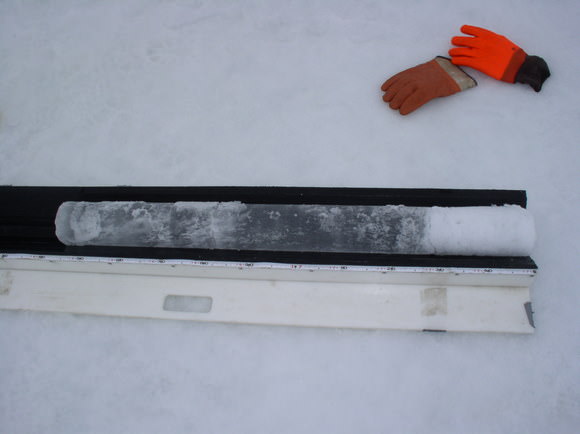
Evidence of Supernovae Found in Ice Core Sample By Nancy Atkinson - February 23, 2009 04:07 PM UTC | Stars Continue reading
UFOs or High Altitude Lightning? By Nancy Atkinson - February 23, 2009 02:08 PM UTC | Site News Continue reading
Lost City of Atlantis Still Lost (and not found on Google Earth) By Nancy Atkinson - February 23, 2009 11:02 AM UTC | Site News Continue reading
Arizona Scientist: We Could All Be Martians By Anne Minard - February 21, 2009 02:43 PM UTC | Astrobiology Continue reading
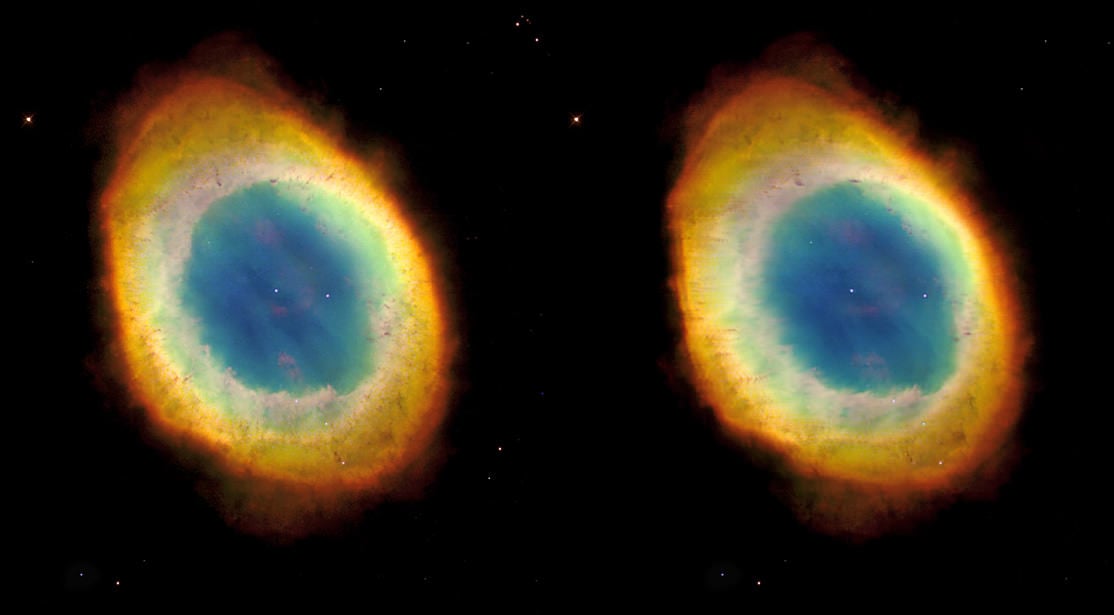
Tunnel Vision - Step Into the "Ring"... By Tammy Plotner - February 21, 2009 07:27 AM UTC | Milky Way Continue reading
NASA Delays Discovery Launch Fourth Time By Anne Minard - February 21, 2009 05:25 AM UTC | Space Exploration Continue reading
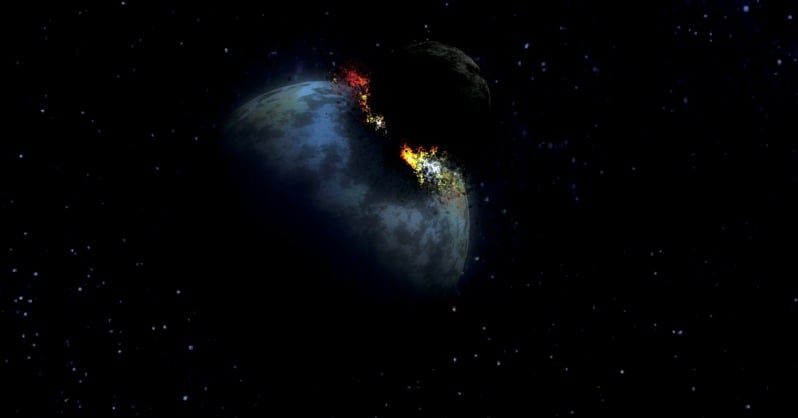
Sounds Painful: Are Deadly Asteroids Stuck in Earth's Lagrangian Points? By Ian O'Neill - February 21, 2009 03:12 AM UTC | Planetary Science Continue reading
GLOBE at Night 2009 - Can You See the Stars? By Tammy Plotner - February 20, 2009 06:54 PM UTC | Observing Continue reading
Sweet Potatoes Flew into Space Aboard Columbia By Anne Minard - February 20, 2009 03:54 PM UTC | Space Exploration Continue reading
Earth Hour 2009 - Where Will You Be When The Lights Go Out? By Tammy Plotner - February 20, 2009 03:04 PM UTC | Site News Continue reading
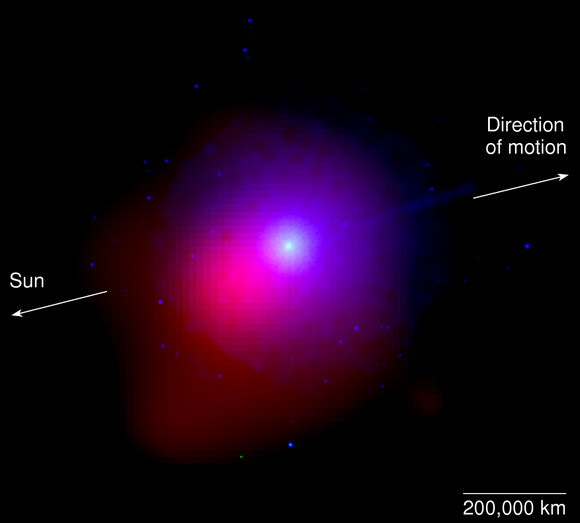
Swift Spacecraft Keeping an Eye on Comet Lulin By Nancy Atkinson - February 20, 2009 12:15 PM UTC | Solar Astronomy Continue reading
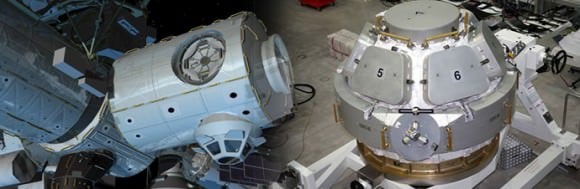
Help NASA Name the Next ISS Module By Nancy Atkinson - February 20, 2009 08:51 AM UTC | Space Exploration Continue reading
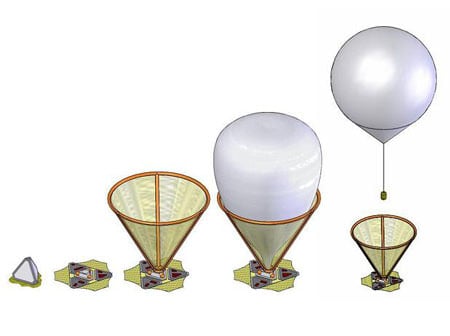
NASA Funds Development of Mars Balloon By Nancy Atkinson - February 20, 2009 07:51 AM UTC | Missions Continue reading
Weekend SkyWatcher's Forecast - February 20-22, 2009 By Tammy Plotner - February 20, 2009 06:12 AM UTC | Observing Continue reading
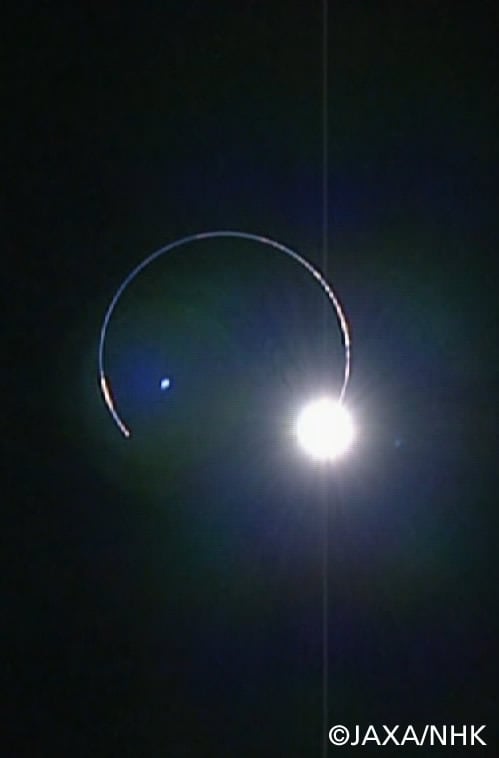
Kaguya Captures Eclipse -- From the Moon By Nancy Atkinson - February 19, 2009 05:03 PM UTC | Planetary Science Continue reading
 Universe Today