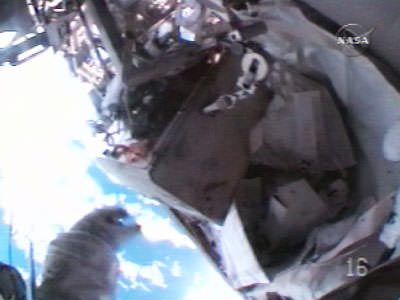
Orbiting Toolbag Will Enter Atmosphere Aug. 3 By Nancy Atkinson - August 02, 2009 03:48 PM UTC | Space Exploration Continue reading
A Plethora of Recent Astronomy Cast Offerings By Nancy Atkinson - August 02, 2009 09:43 AM UTC | Site News Continue reading
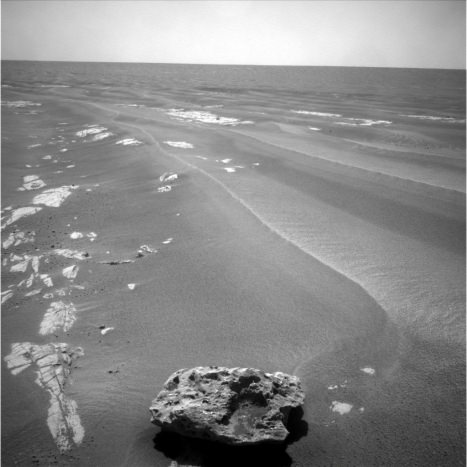
Opportunity Spies Unusual Rock -- Large Meteorite? By Nancy Atkinson - August 01, 2009 08:25 AM UTC | Planetary Science Continue reading
Top Five Celestial Objects Anyone Can See With a Small Telescope By Nancy Atkinson - July 31, 2009 02:34 PM UTC | Observing Continue reading
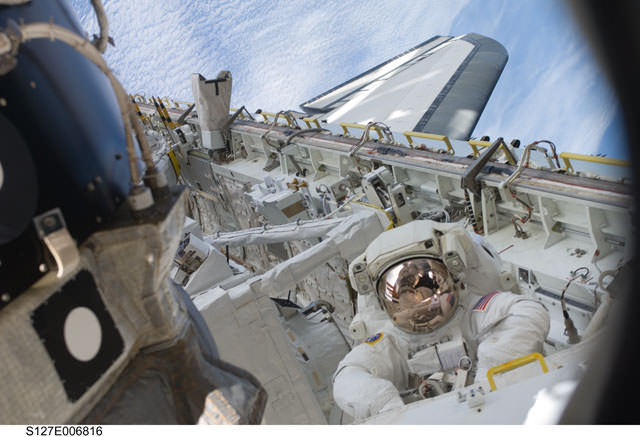
The Perils of Wearing a Spacesuit By Nancy Atkinson - July 31, 2009 12:23 PM UTC | Space Exploration Continue reading
Endeavour Lands Safely (Video) By Nancy Atkinson - July 31, 2009 09:37 AM UTC | Missions Continue reading
Weekend SkyWatcher's Forecast: July 31 - August 2, 2009 By Tammy Plotner - July 31, 2009 04:59 AM UTC | Observing Continue reading
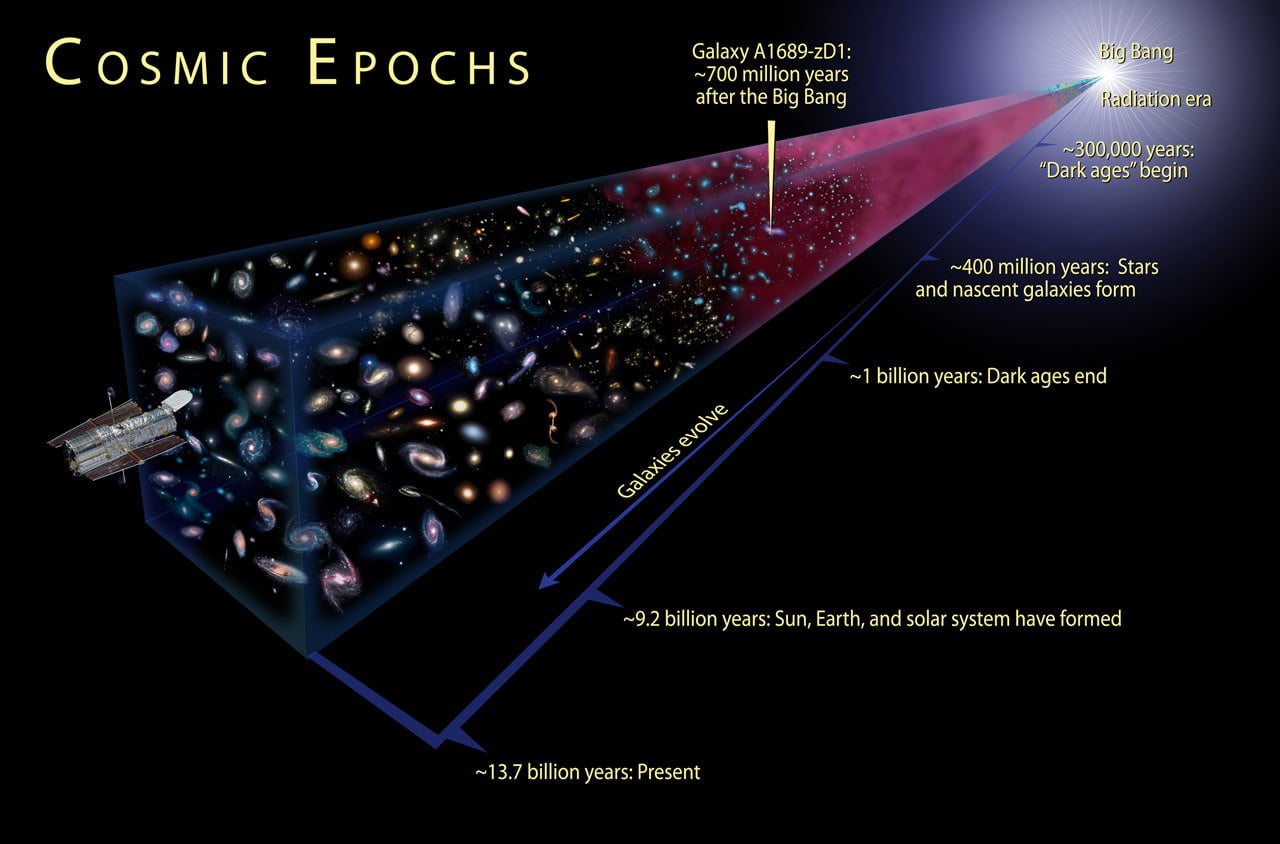
How Many Atoms Are There in the Universe? By John Carl Villanueva - July 30, 2009 09:36 PM UTC | Cosmology Continue reading
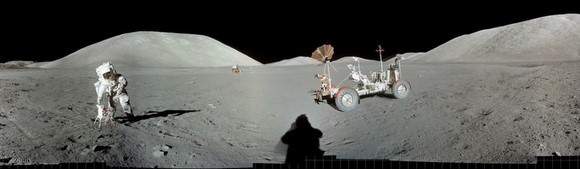
Gigapan the Apollo Landing Sites By Nancy Atkinson - July 30, 2009 07:27 PM UTC | Missions Continue reading
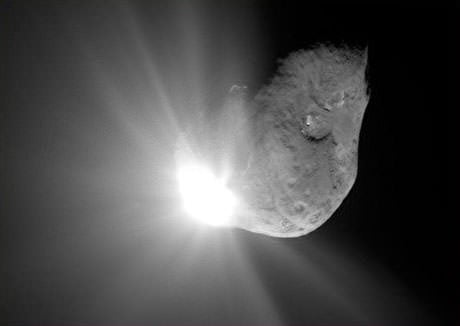
Newly Discovered Cometary Route Sneaks Past Jupiter, but Decreases Risk of Earth Impacts By Anne Minard - July 30, 2009 11:01 AM UTC | Planetary Science Continue reading
Sub-surface Oceans In Early Comets Suggest Possible Origin of Life By Brian Ventrudo - July 30, 2009 10:48 AM UTC | Astrobiology Continue reading
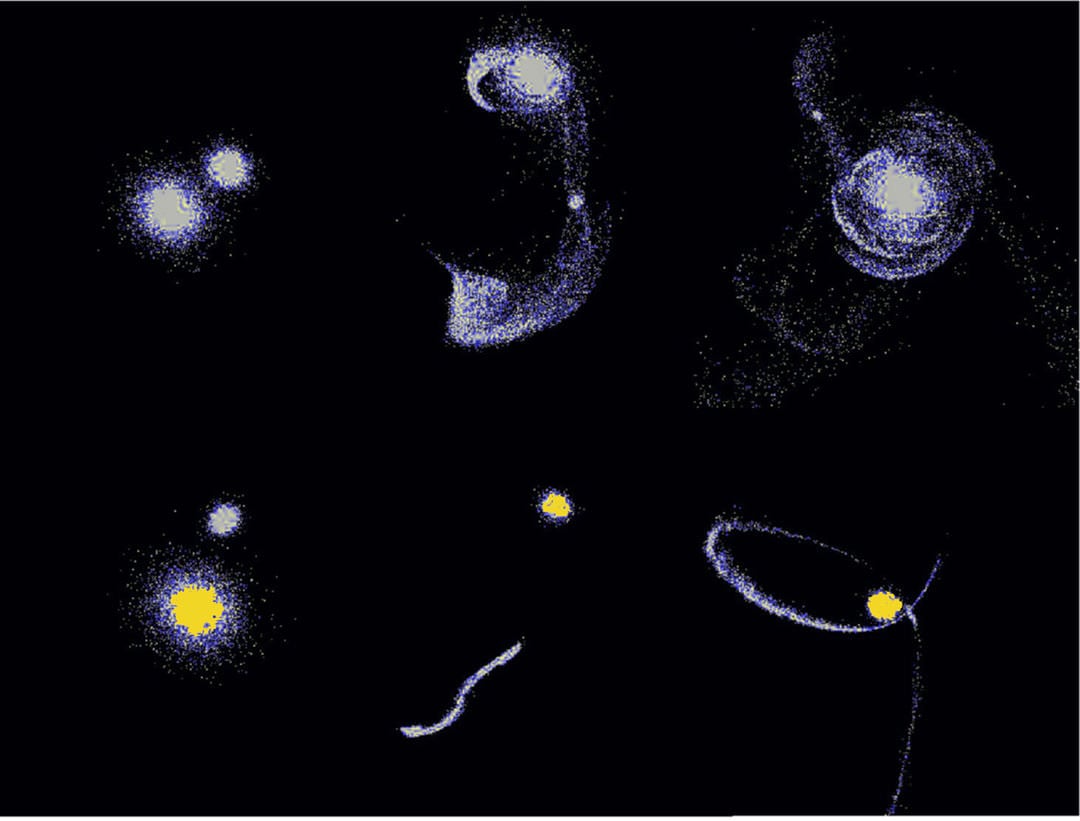
Galaxies Bring Dancing With the Stars to New Level By Nancy Atkinson - July 30, 2009 09:47 AM UTC | Extragalactic Continue reading
Saturn Sees Days Shorter Than Thought, Winds Like Jupiter -- Sort of By Anne Minard - July 30, 2009 08:49 AM UTC | Planetary Science Continue reading
Watch WhiteKnightTwo Take Flight (Video) By Nancy Atkinson - July 30, 2009 08:40 AM UTC | Space Exploration Continue reading
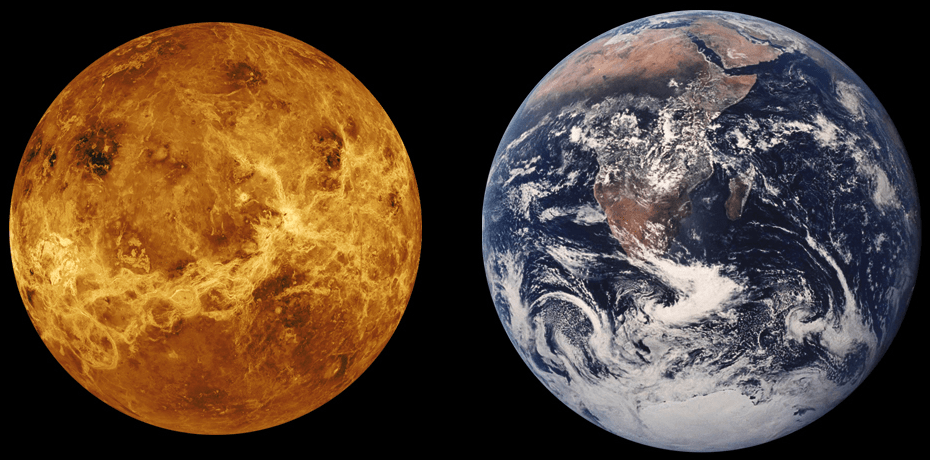
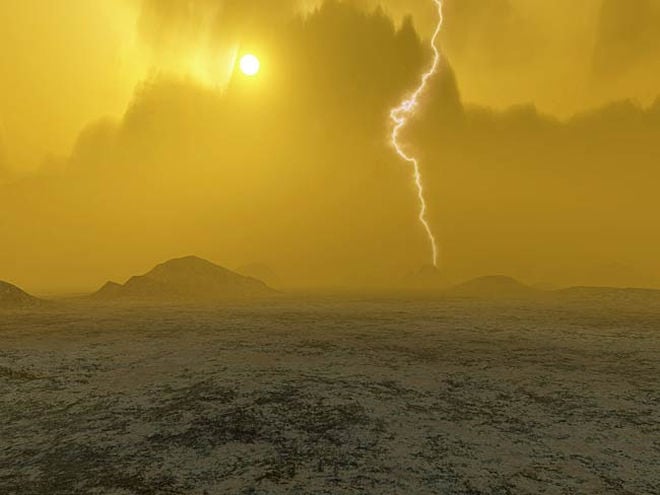
Is There Water on Venus? By Fraser Cain - July 29, 2009 10:32 PM UTC | Planetary Science Continue reading
How Long Does it Take to Get to Venus? By Fraser Cain - July 29, 2009 10:13 PM UTC | Space Exploration Continue reading
Keep Track of NEOs with New "Asteroid Watch" Website By Nancy Atkinson - July 29, 2009 09:04 PM UTC | Planetary Science Continue reading
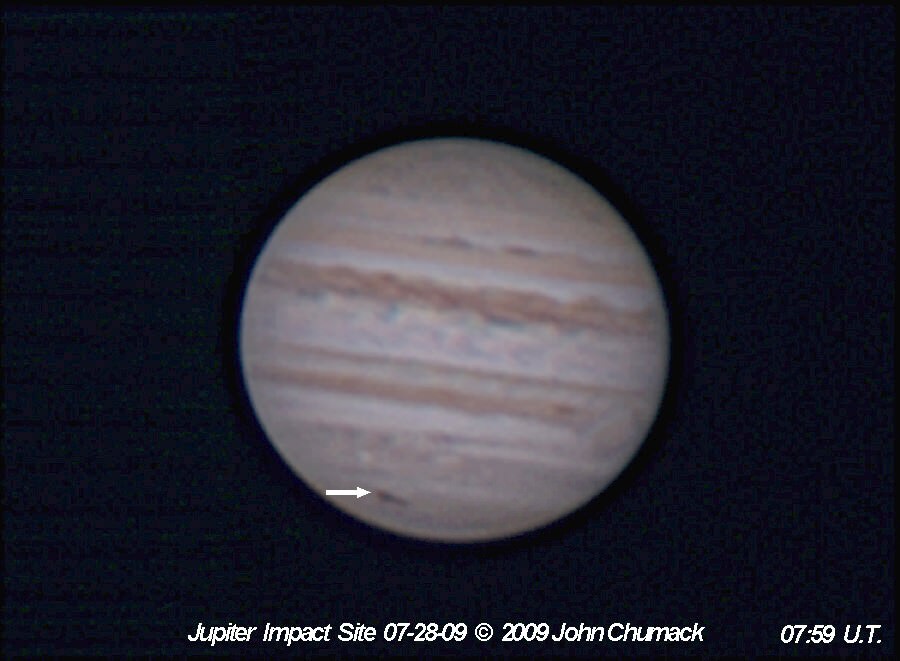
Observe the Jupiter Impact Site! By Tammy Plotner - July 29, 2009 01:38 PM UTC | Observing Continue reading
Where In The Universe #64 By Nancy Atkinson - July 29, 2009 06:07 AM UTC | Cosmology Continue reading
Closest-Ever Look At Betelgeuse Reveals its Fiery Secret By Anne Minard - July 29, 2009 01:10 AM UTC | Stars Continue reading
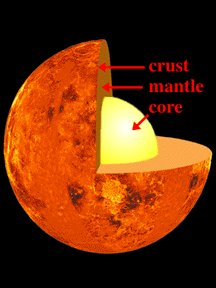
Composition of Venus By Fraser Cain - July 28, 2009 01:31 PM UTC | Planetary Science Continue reading
Triple Spaceship Sighting Alert! By Nancy Atkinson - July 28, 2009 12:31 PM UTC | Space Exploration Continue reading
STS-127: A Mission in Pictures By Nancy Atkinson - July 28, 2009 12:17 PM UTC | Missions Continue reading
Circumference of Venus By Fraser Cain - July 28, 2009 12:01 PM UTC | Planetary Science Continue reading
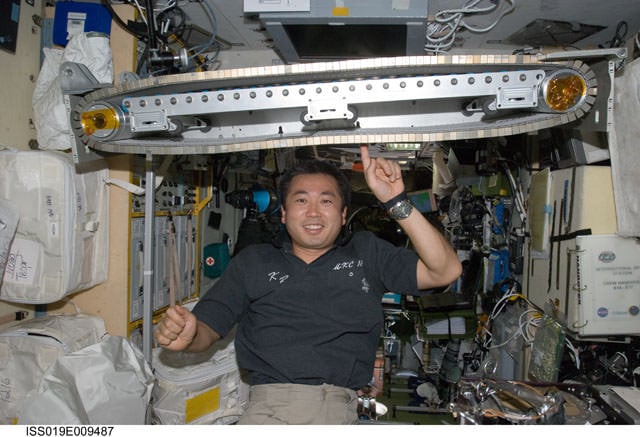
Long Duration Space Underwear By Nancy Atkinson - July 28, 2009 10:34 AM UTC | Space Exploration Continue reading
Altman: Augustine Commission Allowing Constellation Program to "Take a Breath" By Nancy Atkinson - July 28, 2009 08:19 AM UTC | Space Policy Continue reading
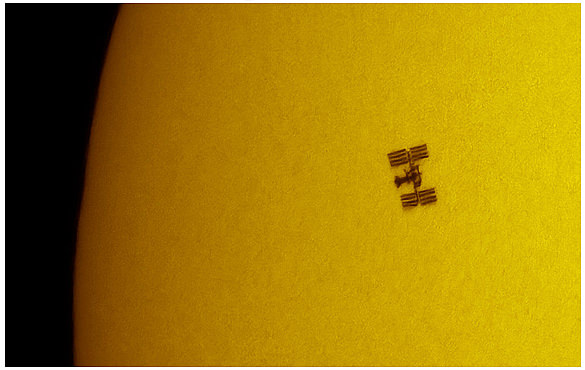
Stunning Image of ISS and Endeavour Transitting Sun By Nancy Atkinson - July 28, 2009 07:00 AM UTC | Solar Astronomy Continue reading
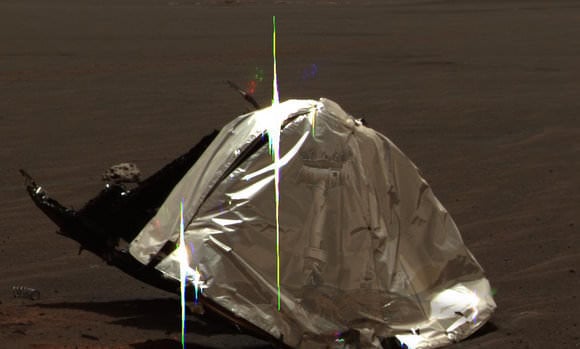
Astro Art of the Week: Rover Picture That Never Was By Nancy Atkinson - July 28, 2009 06:34 AM UTC | Site News Continue reading
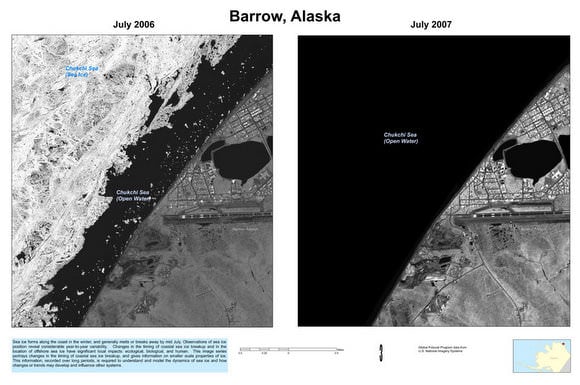
Declassified Ice Loss Images By Nancy Atkinson - July 27, 2009 08:23 PM UTC | Planetary Science Continue reading
Galaxy Zoo Discovers New Group of Galaxies: 'Green Peas' By Anne Minard - July 27, 2009 01:52 PM UTC | Extragalactic Continue reading
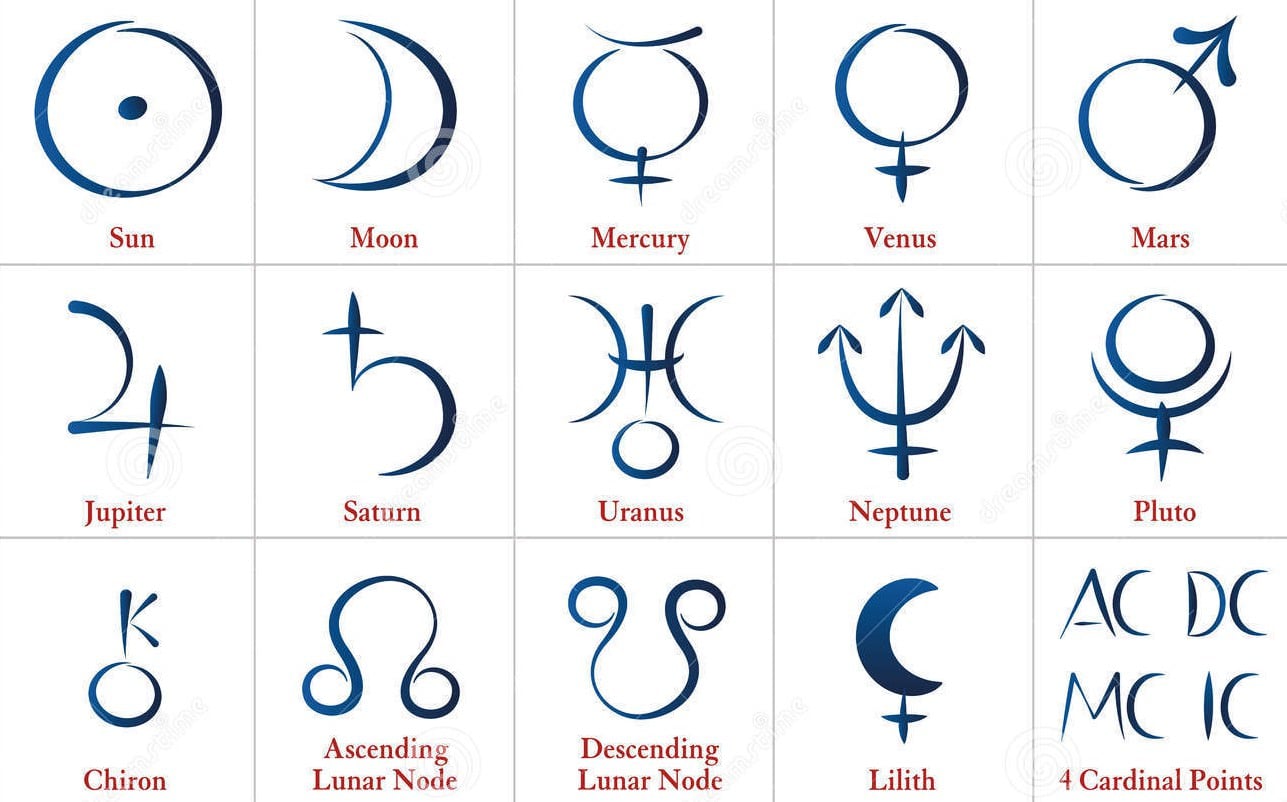
Symbols of the Planets By Matthew Williams - July 26, 2009 10:04 PM UTC | Planetary Science Continue reading
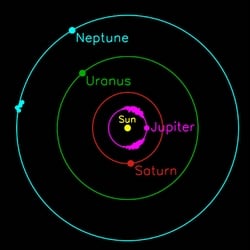
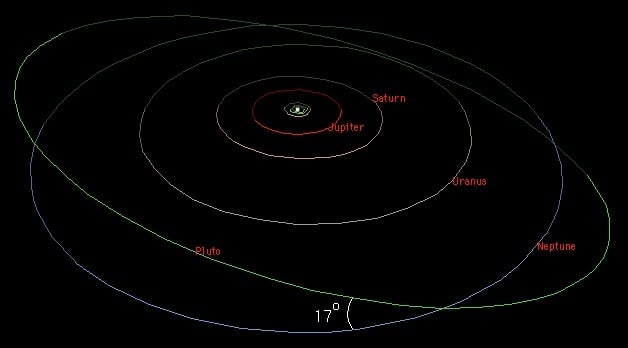
Orbits of the Planets By Abby Cessna - July 26, 2009 10:01 PM UTC | Planetary Science Continue reading
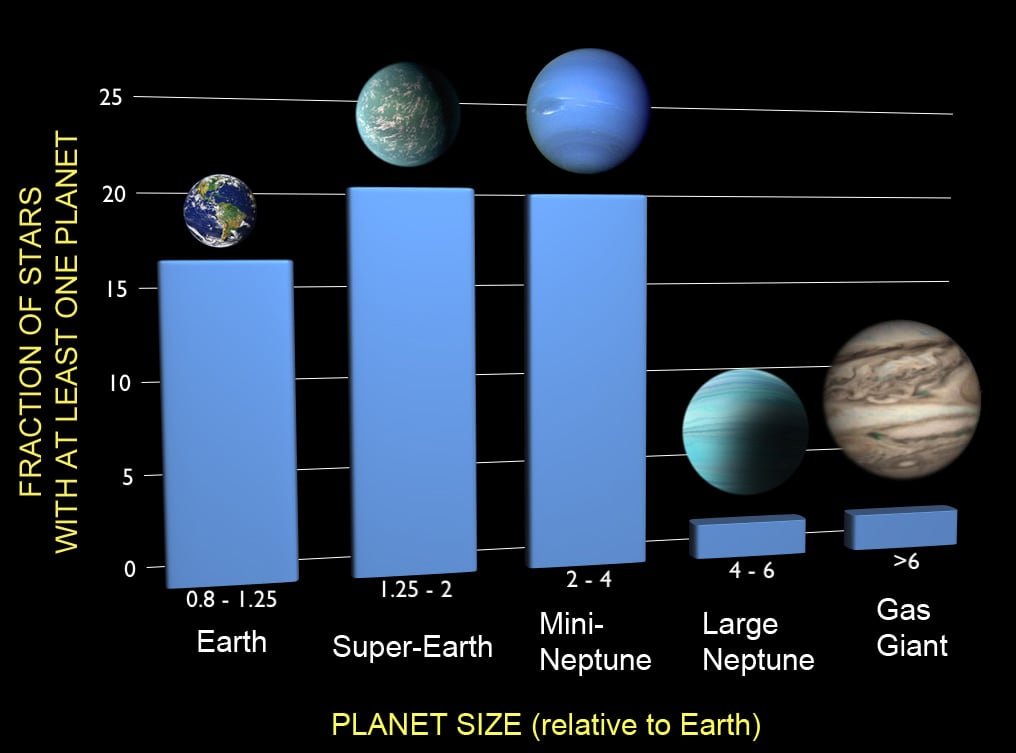
What are the Sizes of the Planets? By Abby Cessna - July 26, 2009 09:58 PM UTC | Planetary Science Continue reading
Carnival of Space #113: Extraterrestrial Impacts By Nancy Atkinson - July 26, 2009 11:55 AM UTC | Site News Continue reading
Viewing the Jupiter Impact With Your Telescope By Tammy Plotner - July 24, 2009 01:48 PM UTC | Observing Continue reading
Hubble Powers Up to Capture Jupiter Impact Site By Nancy Atkinson - July 24, 2009 01:16 PM UTC | Telescopes Continue reading
Company Flies Biofuel Rocket (Video) By Nancy Atkinson - July 24, 2009 11:21 AM UTC | Space Exploration Continue reading
Weekend SkyWatcher's Forecast: July 24-26, 2009 By Tammy Plotner - July 24, 2009 11:03 AM UTC | Observing Continue reading
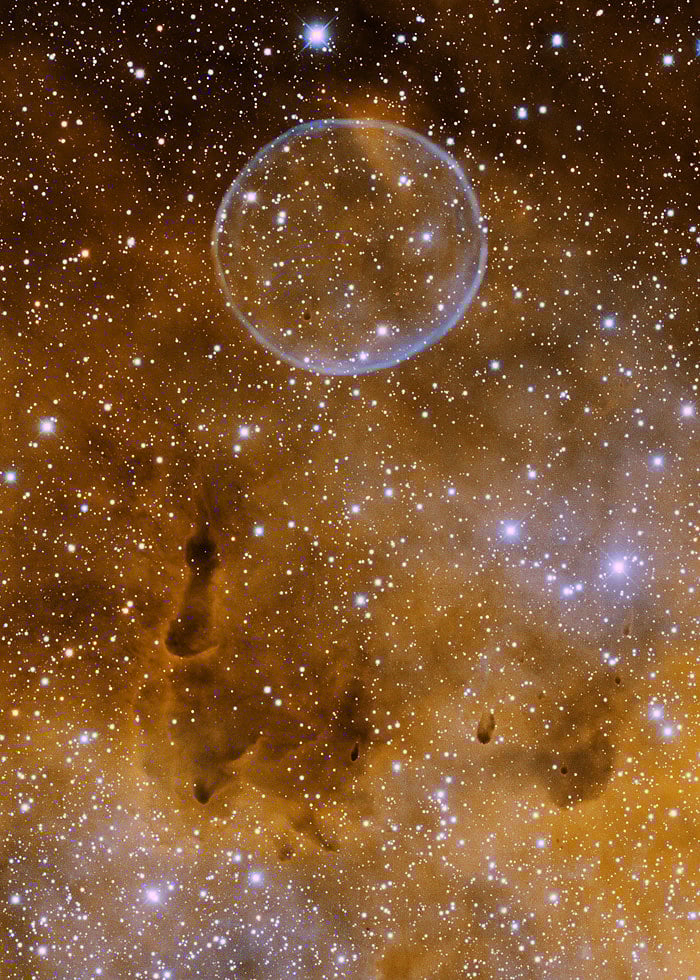
Giant Soap Bubble In Space By Nancy Atkinson - July 24, 2009 09:59 AM UTC | Extragalactic Continue reading
 Universe Today