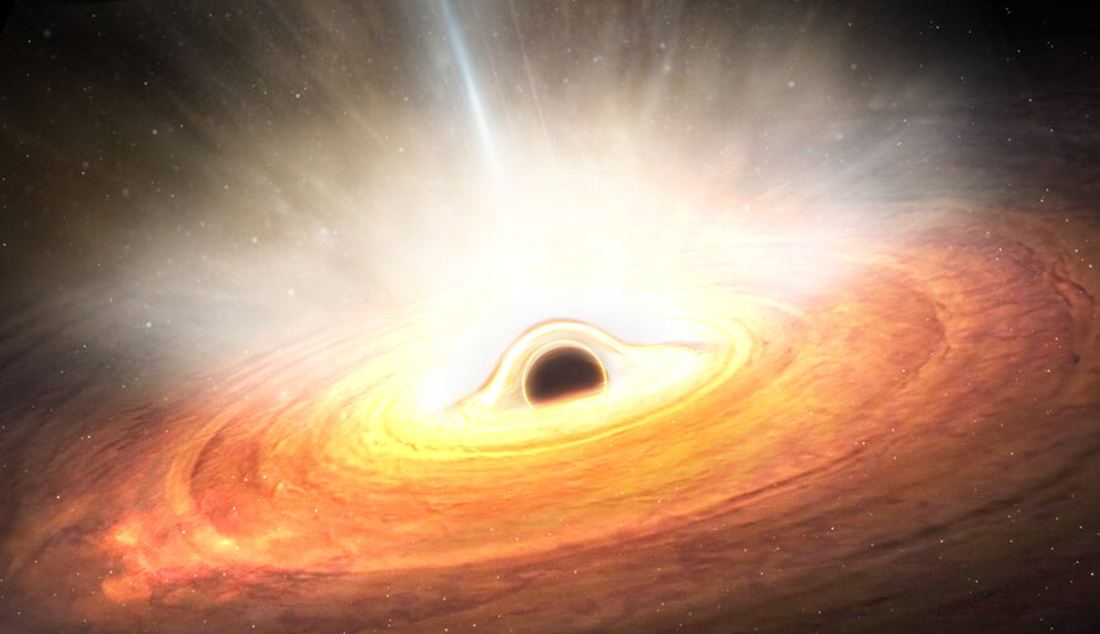
In a recent paper, a team of researchers proposes how humanity may someday relocate its entire civilization near the center of our galaxy to take advantage of the relativistic effects of the supermassive black hole there. They also indicate how other advanced civilizations could have done so already.
Continue reading
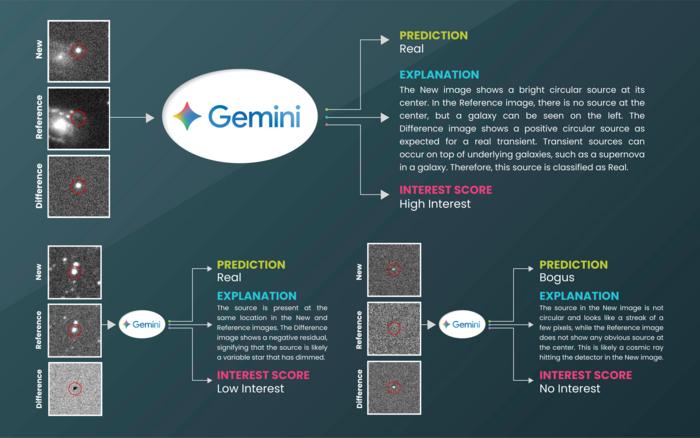
How can artificial intelligence (AI) help astronomers identify celestial objects in the night sky? This is what a recent study published in Nature Astronomy hopes to address as an international team of researchers investigated the potential for using AI to conduct astrophysical surveys of celestial events, including black holes consuming stars or even exploding stars themselves. This study has the potential to help astronomers use AI to enhance the field by reducing time and resources that have traditionally been used to scan the night sky.
Continue reading
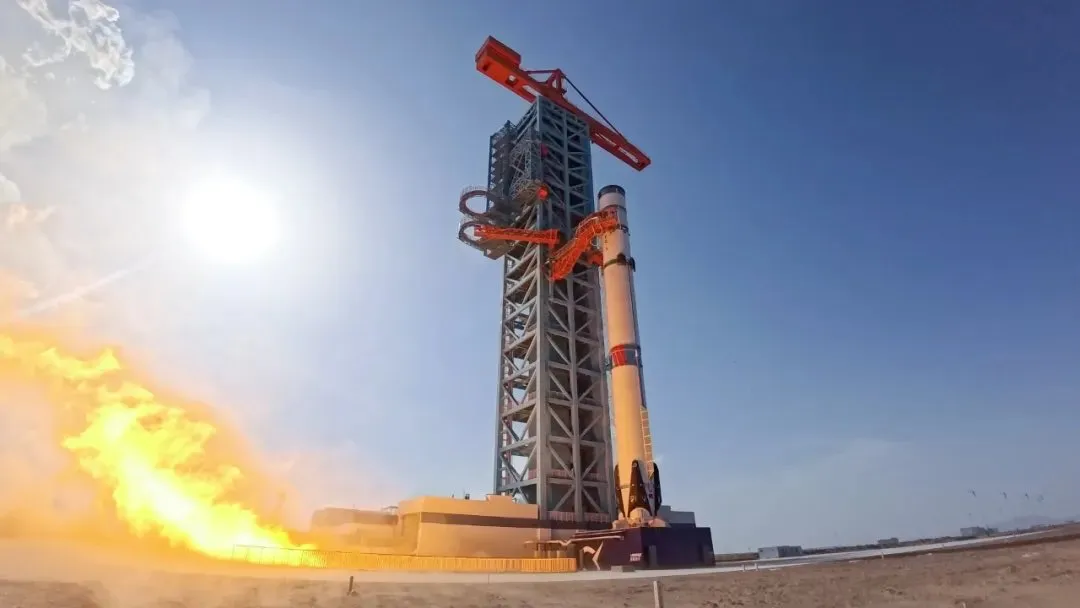
On Monday, Chinese company LandSpace executed a static-fire test with its 217-foot-tall Zhuque-3, a reusable rocket that China hopes will rival SpaceX. The rocket is on the way to its inaugural test flight expected at some point later this year.
Continue reading
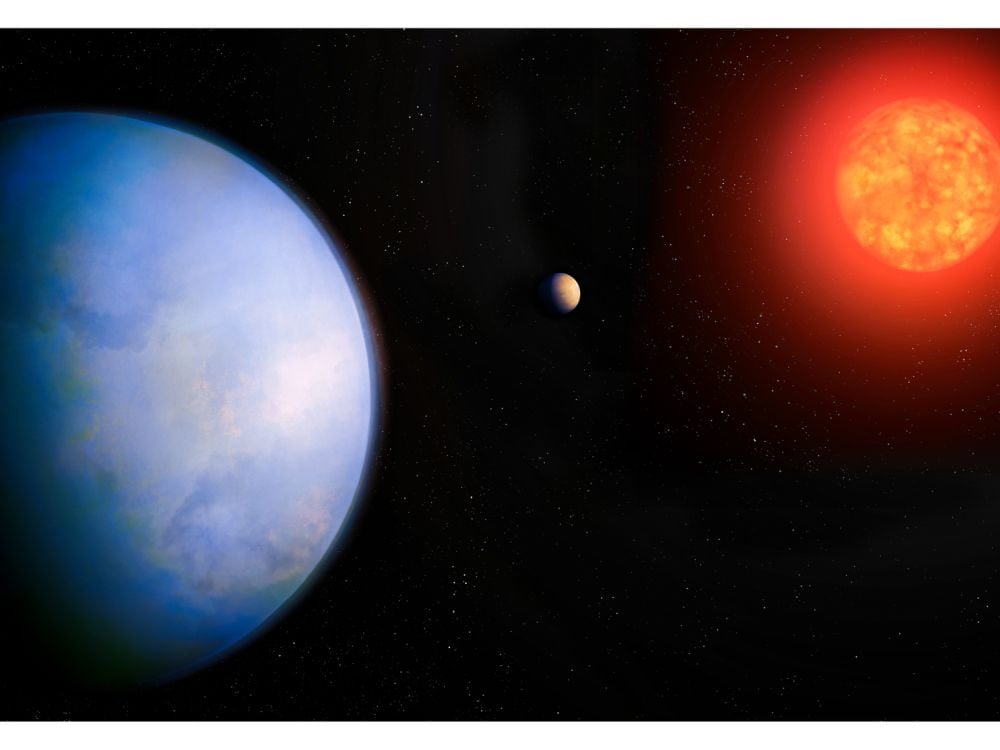
Astronomers have found a new super-Earth only about 20 light years away. At that distance, it's a candidate for direct imaging.
Continue reading
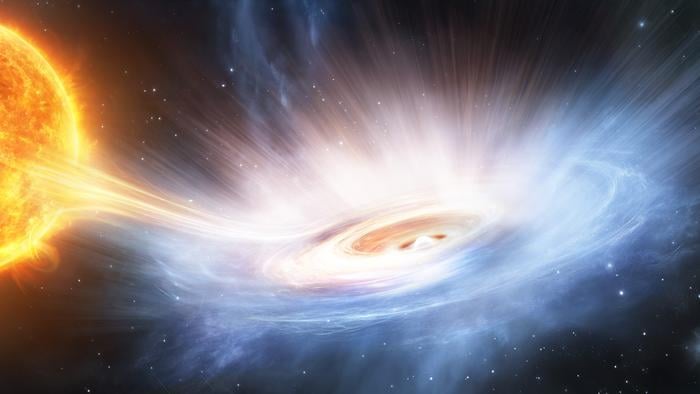
The Universe is a strange place. The X-Ray Imaging and Spectroscopy Mission (XRISM) orbiting observatory recently highlighted this fact, when it was turned on a pulsar to document its powerful cosmic winds.
The discovery comes courtesy of ESA’s Resolve instrument, a soft X-ray spectrometer aboard XRISM. The study looked at neutron star GX 13+1. This is a strong X-ray source located in the constellation Sagittarius, very near the galactic plane towards the core of our galaxy. GX 13+1 is about 23,000 light-years distant.
Continue reading
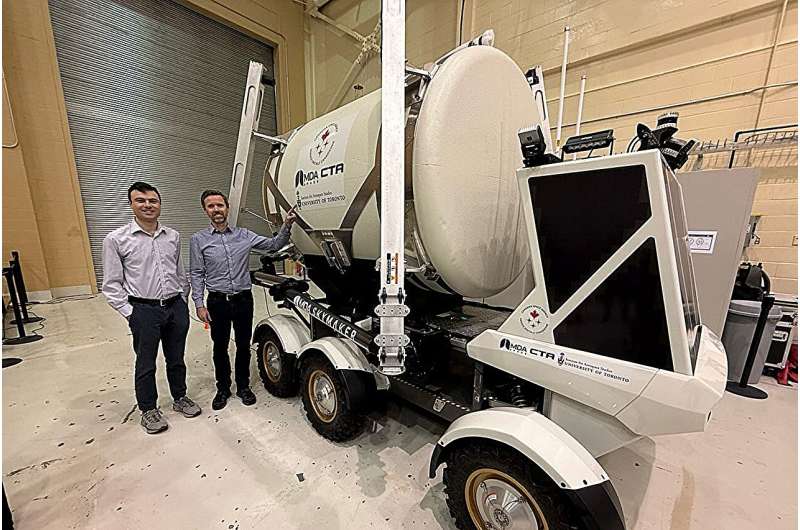
Driving on the Moon for the first time has got to be an exhilarating experience. But driving the same path on the Moon for the 500th time probably won’t be nearly as exciting to whatever poor astronaut got stuck with that duty for the day. With that in mind, a team of researchers led by PhD student Alec Krawciw and Professor Tim Barfoot of the University of Toronto are working on a way to automate the mundane task of driving goods back and forth from a lunar landing site to a nascent lunar exploration base.
Continue reading
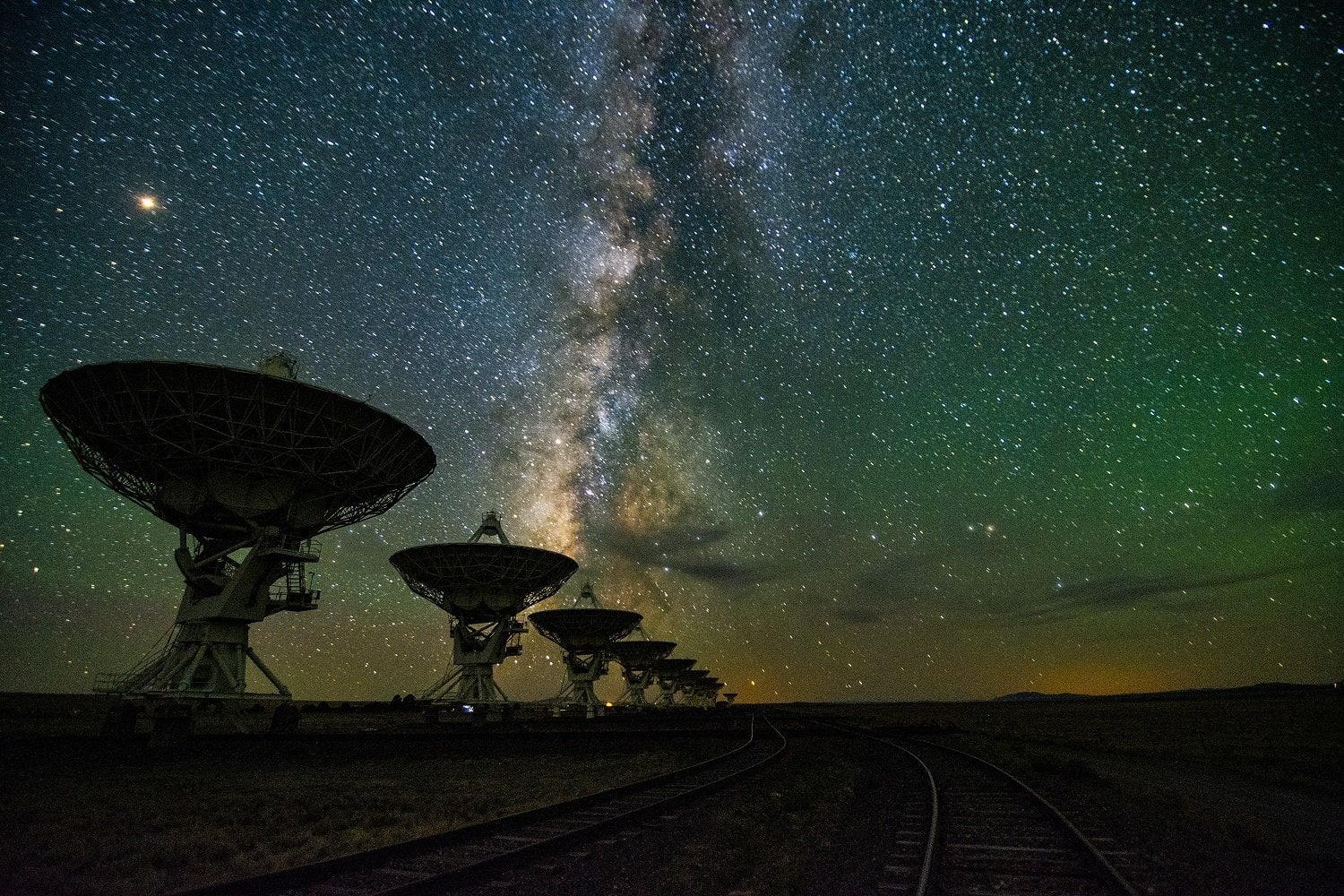
Are we alone? It’s probably one of the, if not the most basic questions of human existence. People have been trying to answer it for millennia in one form or another, but only recently have we gained the tools and knowledge to start tractably trying to estimate whether we are or not. Those efforts take the form of famous tools like the Fermi Paradox and the Drake Equation, but there’s always room for a more nuanced understanding. A new paper in Acta Astronautica from Antal Veres of the Hungarian University of Agriculture introduces a new one - The Solitude Zone.
Continue reading
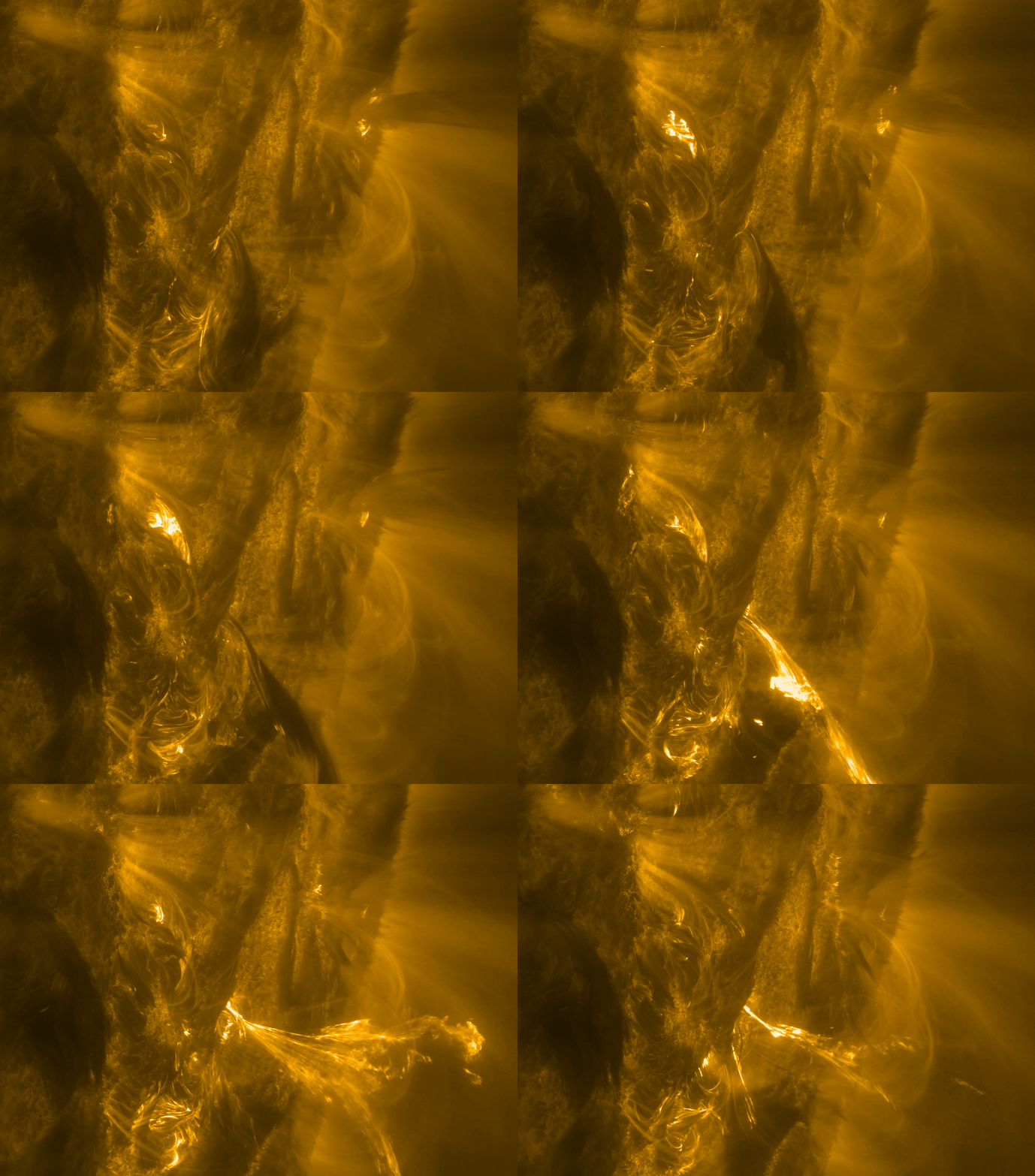
Threats from space aren’t always obvious, but statistically its only a matter of time before one of them happens. One of the most concerning for many space experts is a massive solar storm, like the one that literally lit telegraph paper on fire when it hit back in 1859. In the last 150 years our technology has improved by leaps and bounds, but that also means it's much more susceptible to damage if another event like the “Carrington Event”, as the storm in 1859 is called. Estimates for potential damage range into the trillions of dollars, with full economic recovery taking well over a decade if something isn’t done to mitigate the damage beforehand. As part of that preparedness, the European Space Agency (ESA) has started requiring the operational crew of new satellites, which would be on the frontlines of any solar storm catastrophe, to simulate how they would handle such an event, as described in a recent press release focused on one of those simulations.
Continue reading
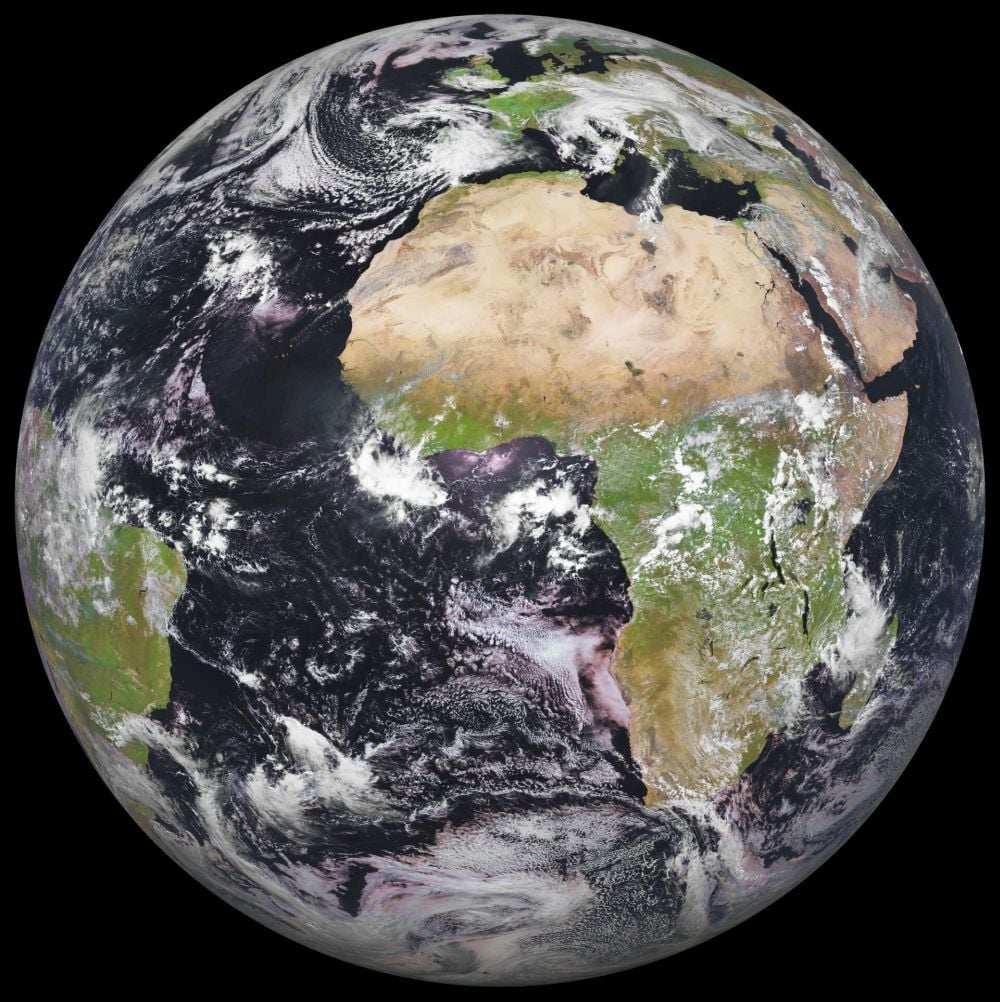
A new study has revealed how phosphorus, a nutrient essential for photosynthesis, surged into ancient oceans and started Earth's first major rise in atmospheric oxygen more than 2 billion years ago.
Continue reading
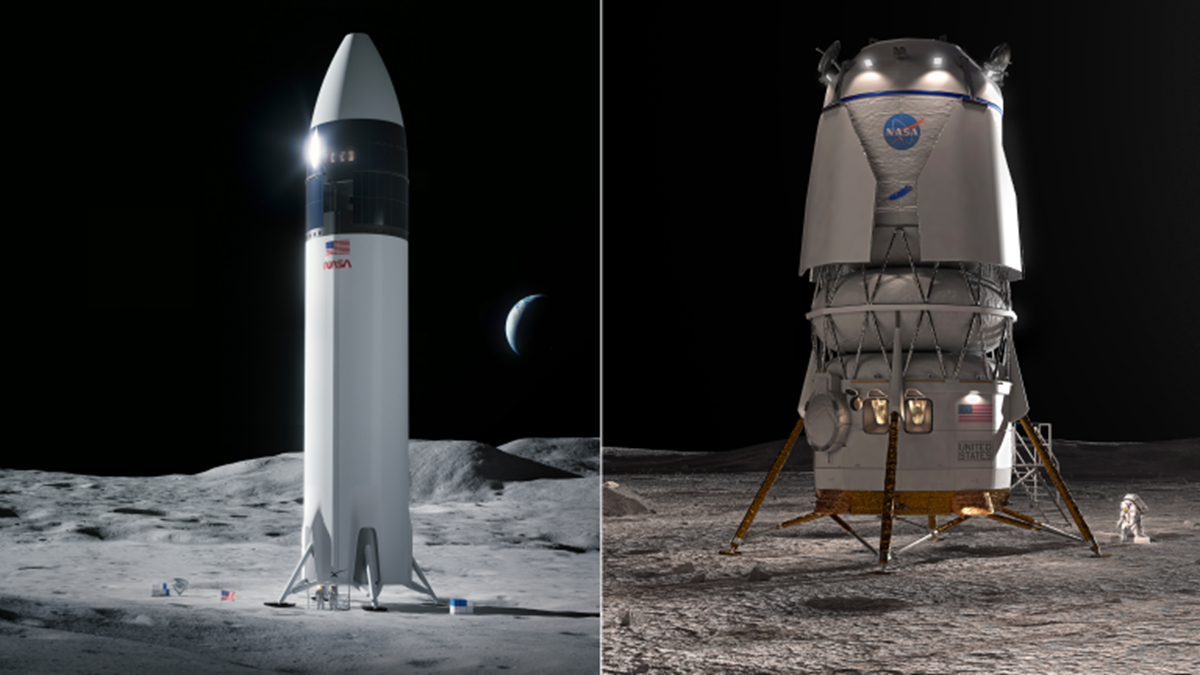
Acting NASA chief Sean Duffy announces that NASA's plan to land astronauts on the Moon by 2027 is no longer achievable and announces new competitions to develop a lunar lander.
Continue reading
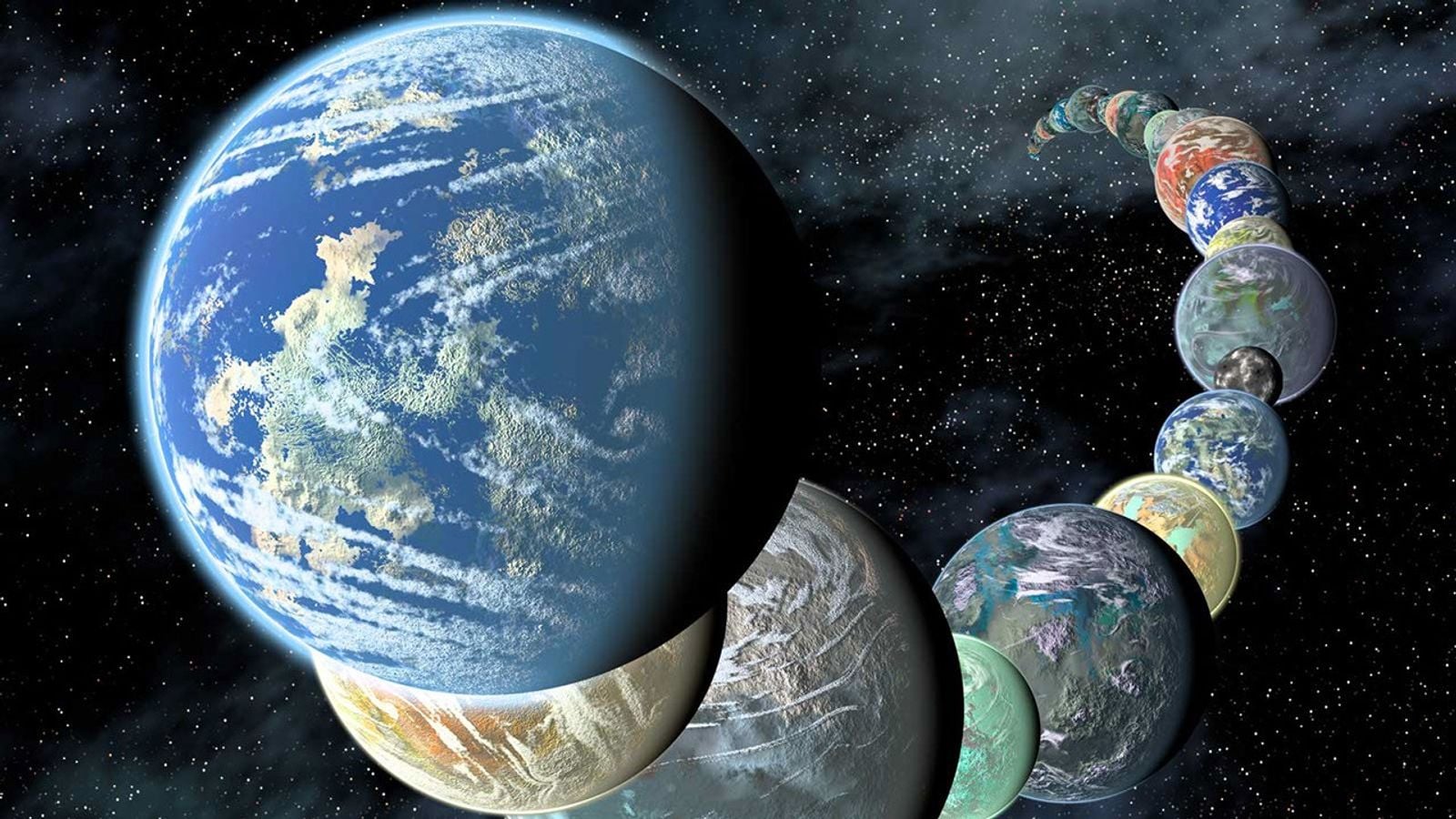
The chemistry of a galaxy changes over time as generations of stars live and die, spreading the results of their nucleosynthesis out into space. But stars with different masses produce different elements, and these stars have different lifespans. That means that over time, the materials readily available for planet formation also change.
Continue reading
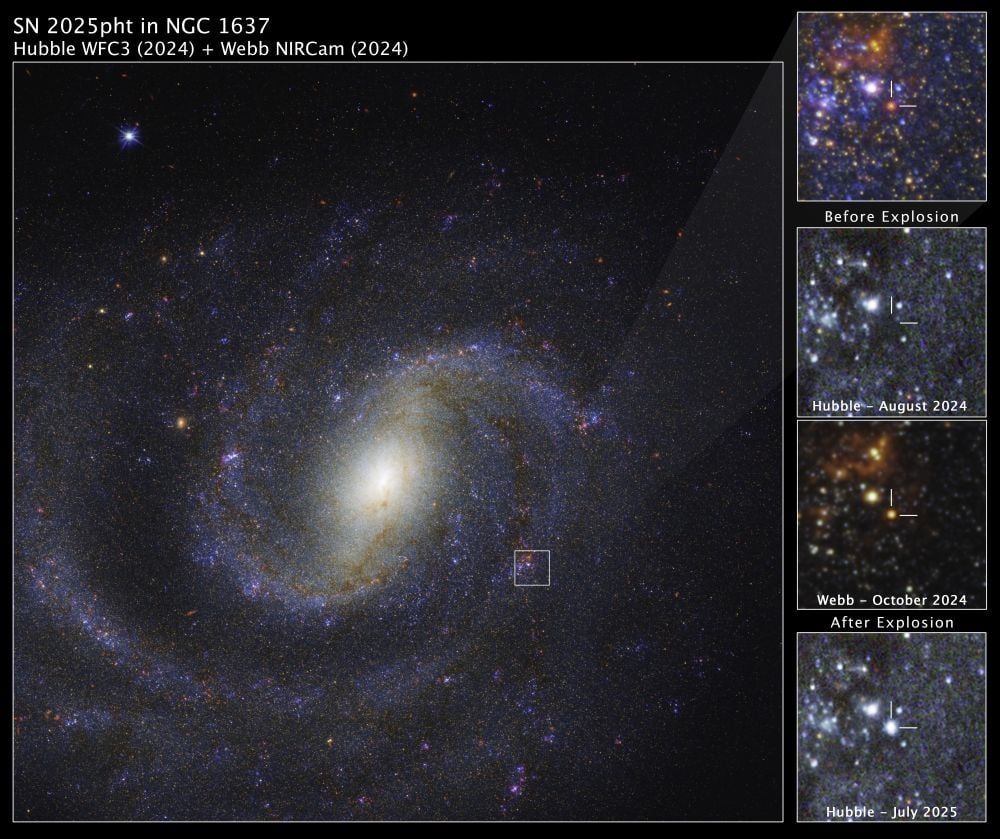
Astronomers working with the JWST, along with help from the Hubble, have found a red supergiant star that eventually exploded as a supernova. The discovery helps solve the 'red supergiant problem' that confounds efforts to understand how these stars serve as progenitors that eventually explode as Type II supernova.
Continue reading
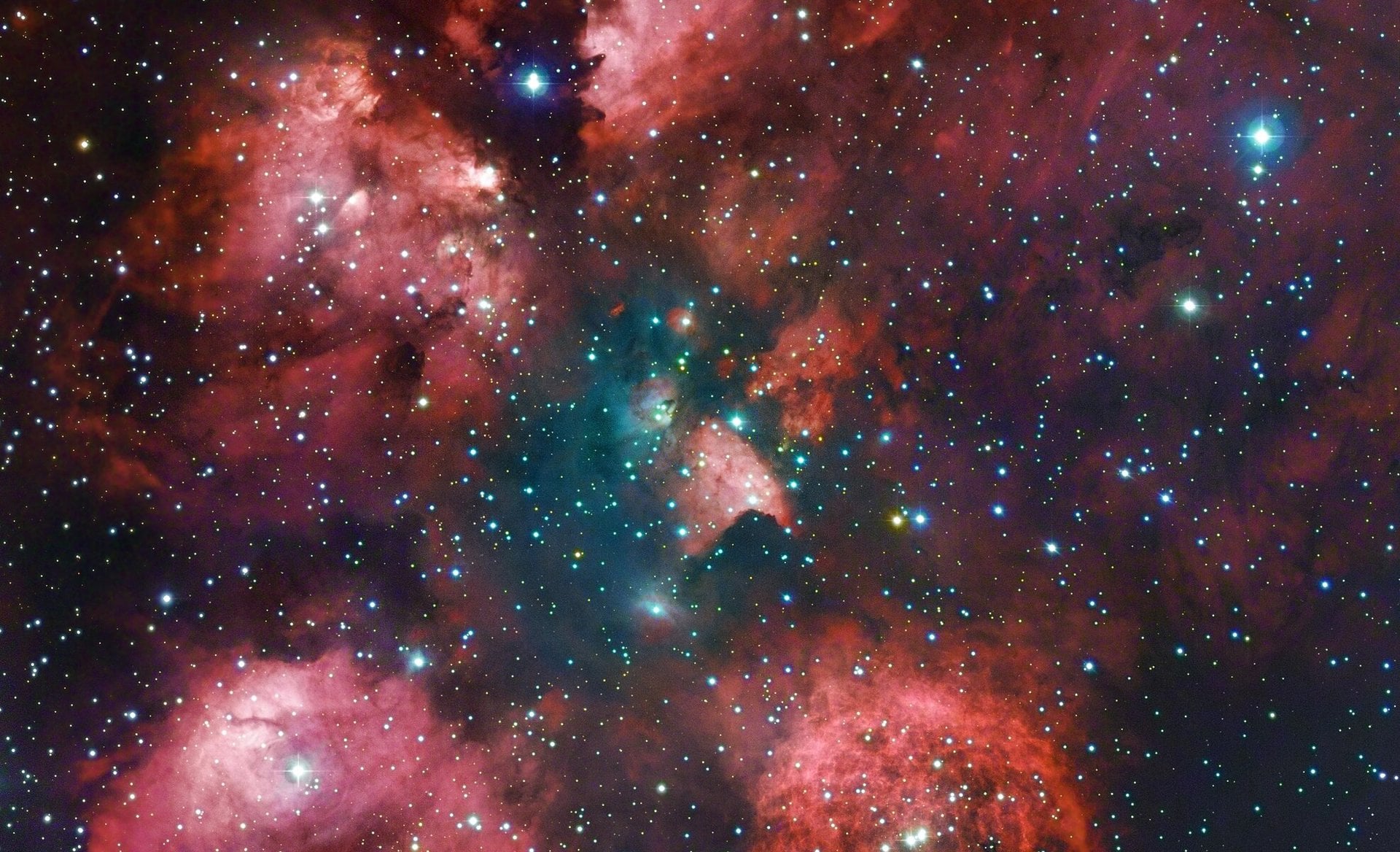
Dark matter could tint light passing through it, depending on the model. While the effect is tiny, it is just on the edge of our ability to detect it.
Continue reading
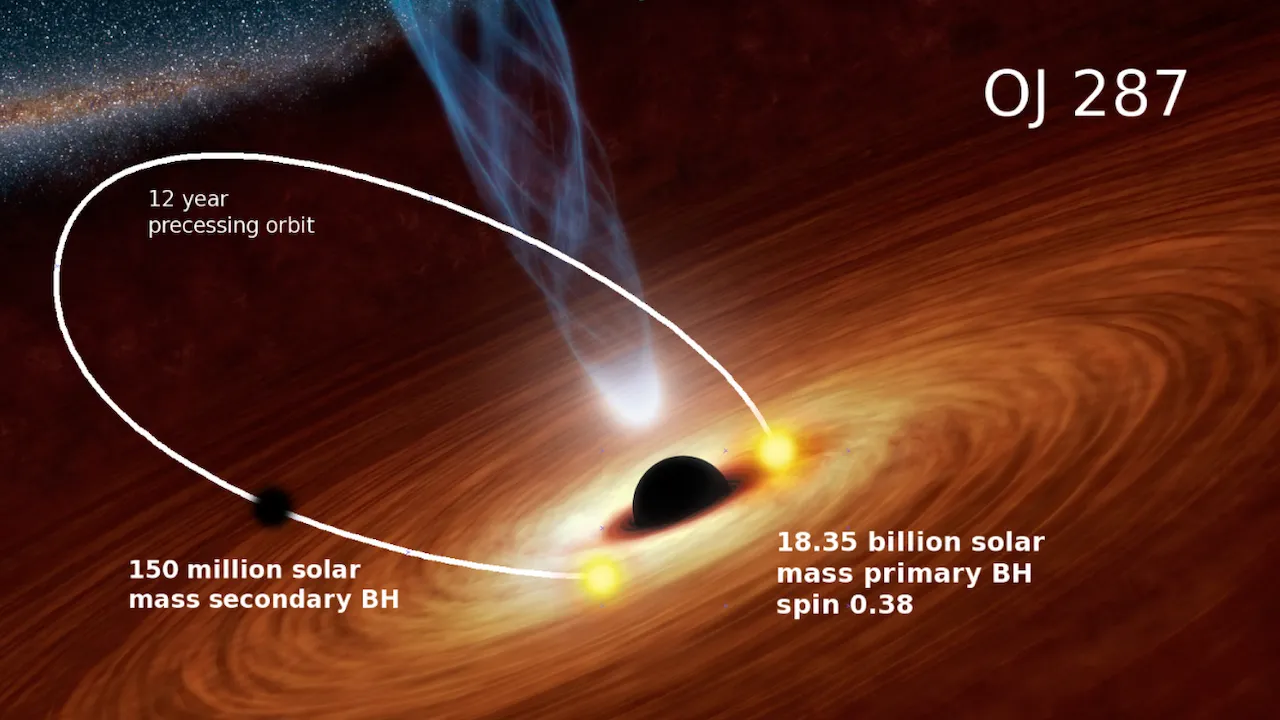
For the first time, astronomers have managed to capture a radio image showing two black holes orbiting each other. The observation confirmed the existence of black hole pairs. In the past, astronomers have only managed to image individual black holes.
Continue reading
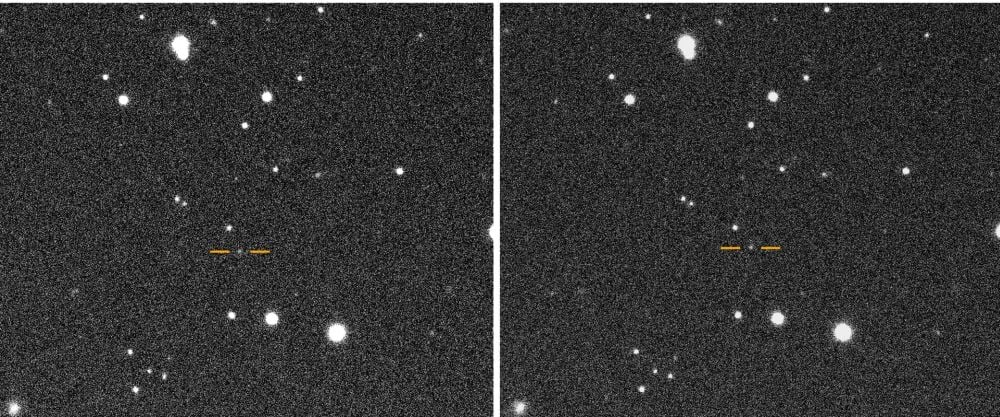
Astronomers have detected an extremely fast asteroid in the blinding light of the Sun. Objects are extremely difficult to discern in the Sun's glare, but these 'twilight' asteroids could pose a threat to Earth. It's important that we find them all.
Continue reading
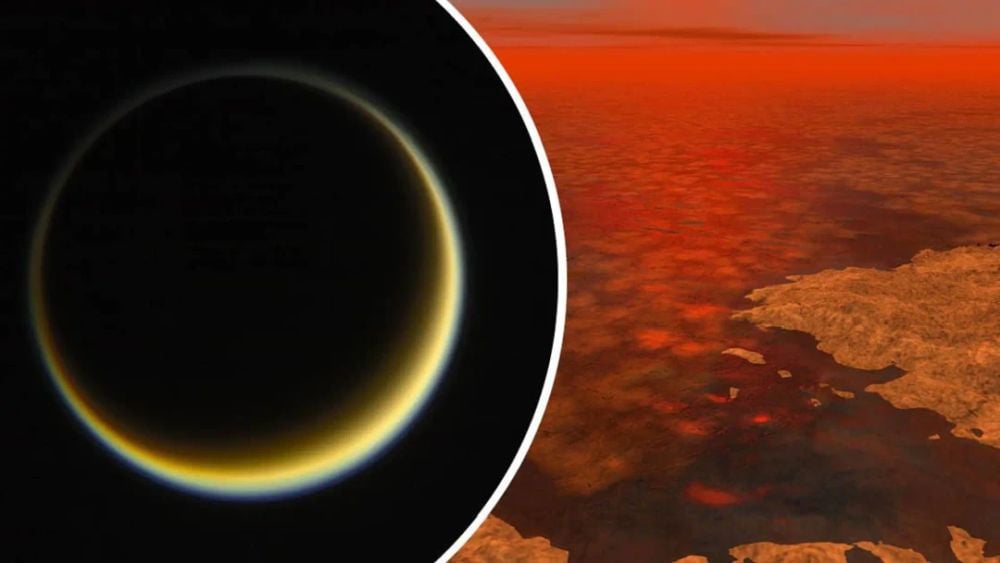
On bizarre Titan, chemicals can combine in surprising ways, creating host-and-guest relationships. Since Titan is similar to primitive Earth, these new findings could shed light on Earth's prebiotic chemistry. Stay tuned.
Continue reading
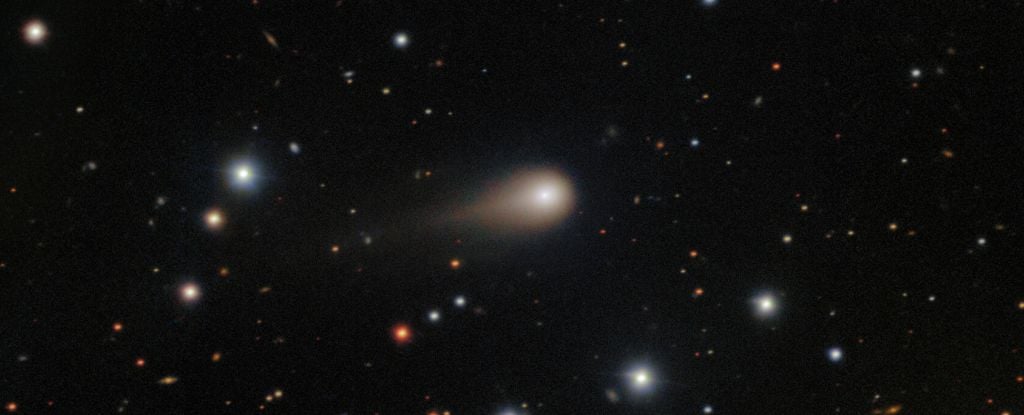
All sorts of crazy things have been suggested regarding 3I/ATLAS, the third known interstellar object that we’ve discovered. Some are simply conspiracy theories about it being an alien spacecraft, while others have been well-thought out suggestions, like using Martian-based probes to observe the comet as it streaked past the red planet. A new paper pre-published on arXiv and accepted for publication by the Research Notes of the American Astronomical Society by Samuel Grand and Geraint Jones, of the Finnish Meteorological Institute and ESA respectively, falls into the latter category, and suggests utilizing two spacecraft already en route to their separate destinations to potentially detect ions from the object’s spectacular tail that has formed as it approaches the Sun.
Continue reading
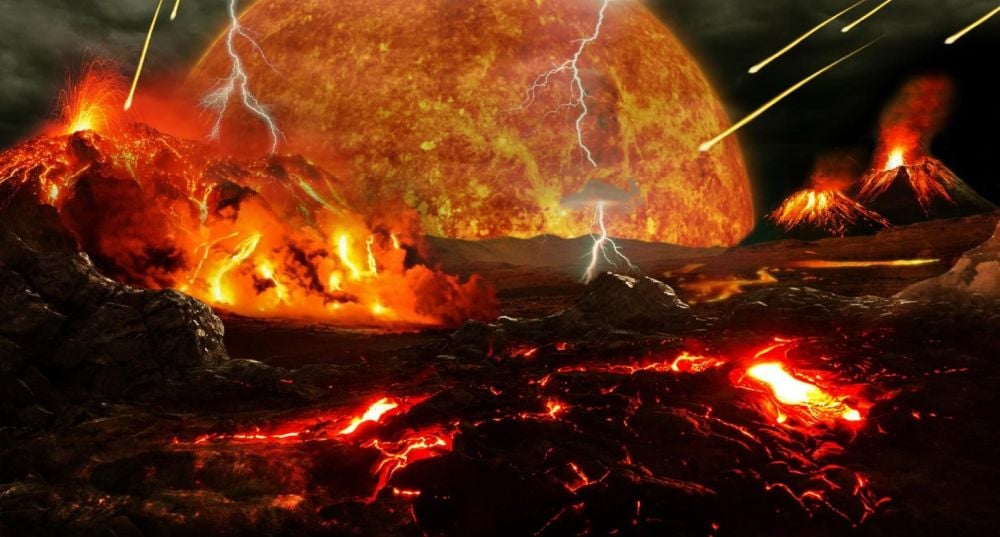
Researchers have discovered remnants from the primordial Earth before the giant collision that created the Moon. The ingredients of this "proto-Earth" help tell the tale of the entire Solar System. But there are still unanswered questions regarding all of the material that became the Earth.
Continue reading
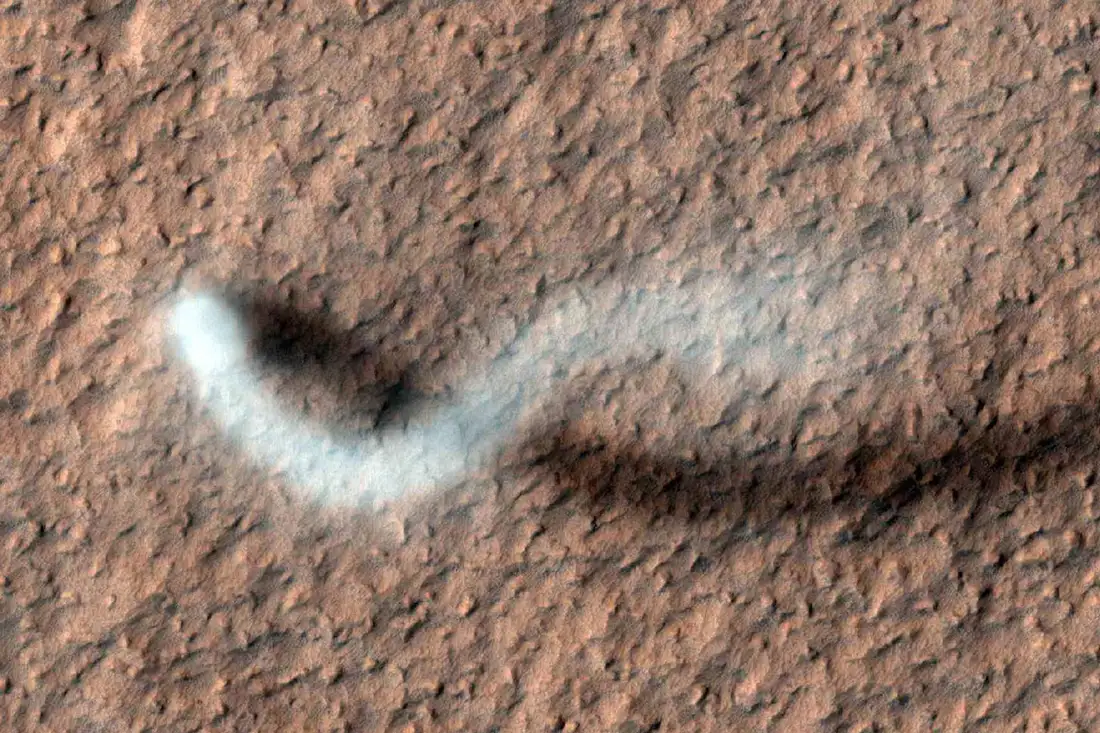
An international research team led by the University of Bern analyzed images taken by the Mars Trace Gas Orbiter (TGO) camera, CaSSIS, and the stereo camera HRSC, utilizing machine learning. Their work reveals that dust devils, a common feature on Mars, are faster than previously thought.
Continue reading

By treating optical telescopes as an array of smaller telescopes, astronomers could observe exoplanets more clearly.
Continue reading
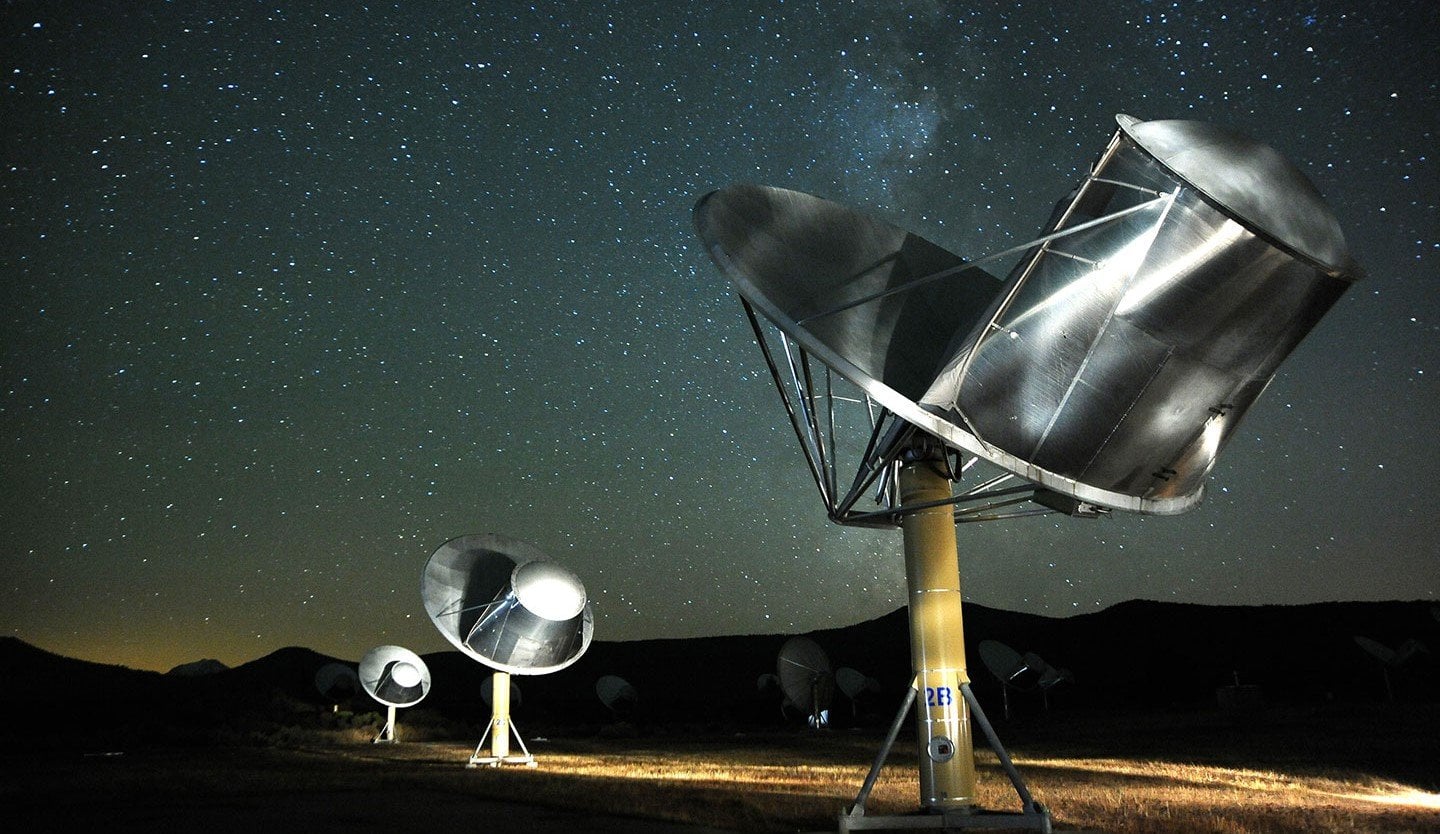
The Search For Extra Terrestrial Intelligence (SETI) is evolving. We’ve moved on from the limited thinking of monitoring radio waves to checking for interstellar pushing lasers or even budding Dyson swarms around stars. To match our increased understanding of the ways we might find intelligence elsewhere in the galaxy, the International Academy of Astronautics (IAA) is working through an update to its protocols for what researchers should do after a confirmed detection of intelligence outside of Earth. Their new suggestions are available in a pre-print paper on arXiv, but were also voted on at the 2025 International Astronautical Congress (IAC) in Sydney, with potential full adoption early next year.
Continue reading
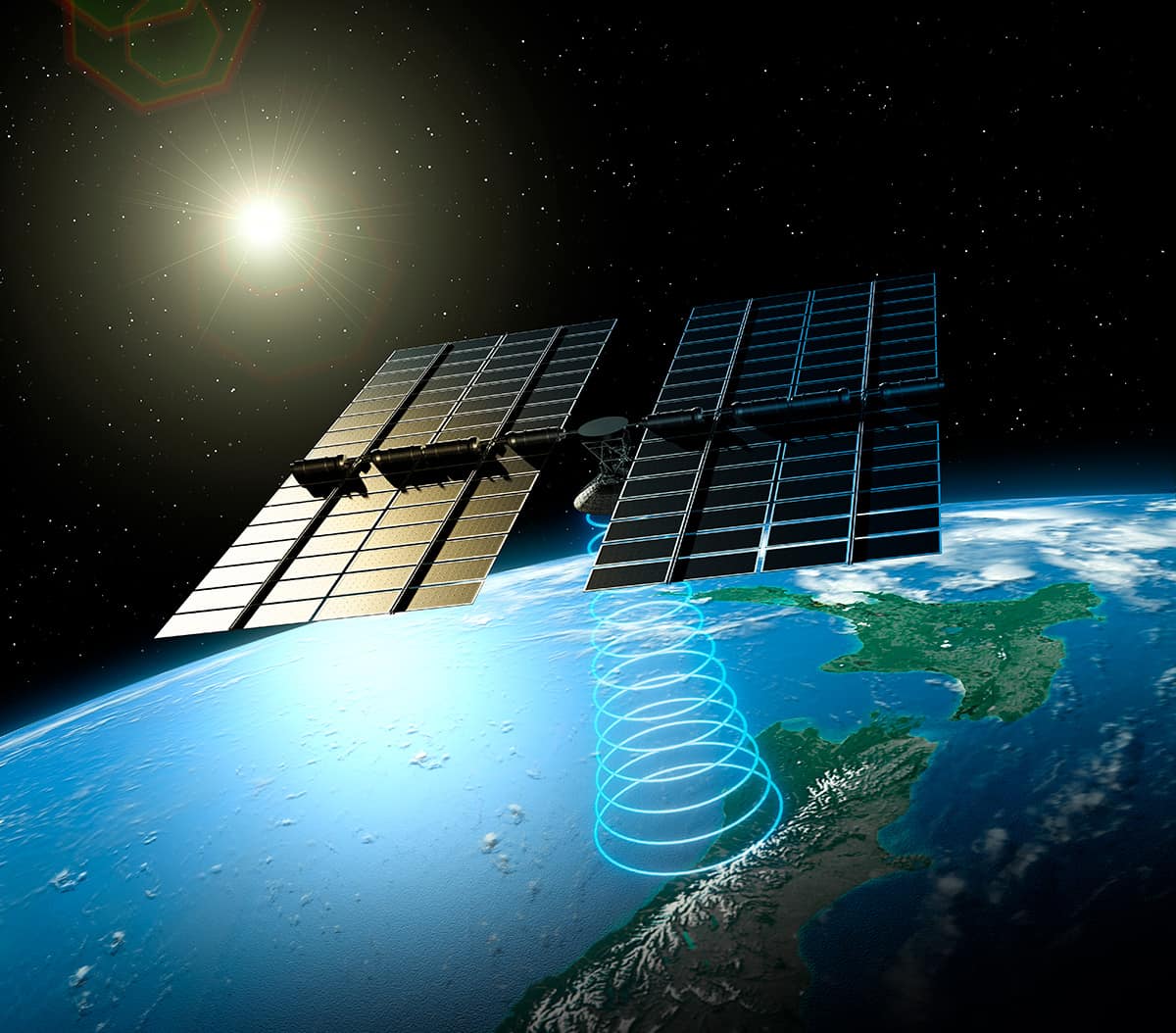
Space-based solar power has been gaining more and more traction recently. The recent success of Caltech’s Space Solar Power Project, which demonstrated the feasibility of transmitting power from space to the ground, has been matched by a number of pilot projects throughout the world, all of which are hoping to tap into some of the almost unlimited and constant solar energy that is accessible up in geostationary orbit (GEO). But, according to a new paper from a group of Italian and German researchers, there are plenty of constraints on getting that power down here to Earth - and most of them are more logistical than technical.
Continue reading

What can cryovolcanism on Pluto teach scientists about the dwarf planet’s current geological activity? This is what a recent study published in The Planetary Science Journal hopes to address as a team of researchers investigated potential cryovolcanic sites within specific regions on Pluto. This study has the potential to help scientists better understand the current geological activity, including how it can be active while orbiting so far from the Sun.
Continue reading
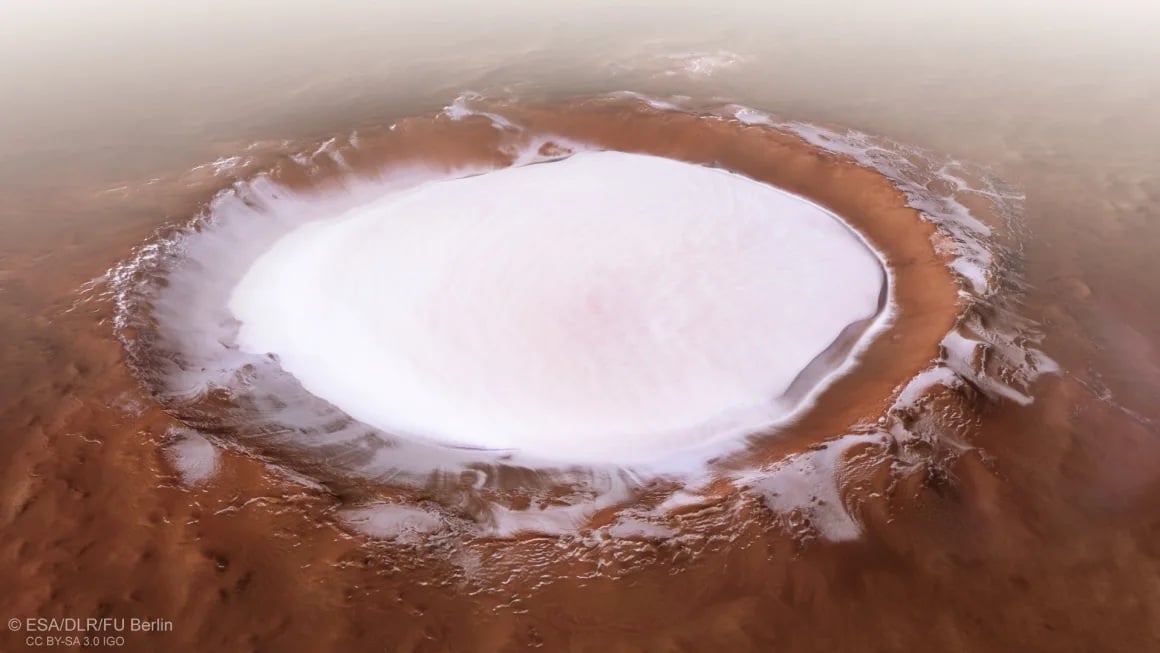
Mars has experienced multiple ice ages, with each one leaving less ice than the last. By studying craters that serve as “ice archives,” researchers traced how the red planet stored and lost its water over hundreds of millions of years. These frozen records not only reveal Mars’ long-term climate history but also identify hidden resources beneath the surface that could provide drinking water, oxygen, and even rocket fuel for future astronauts.
Continue reading
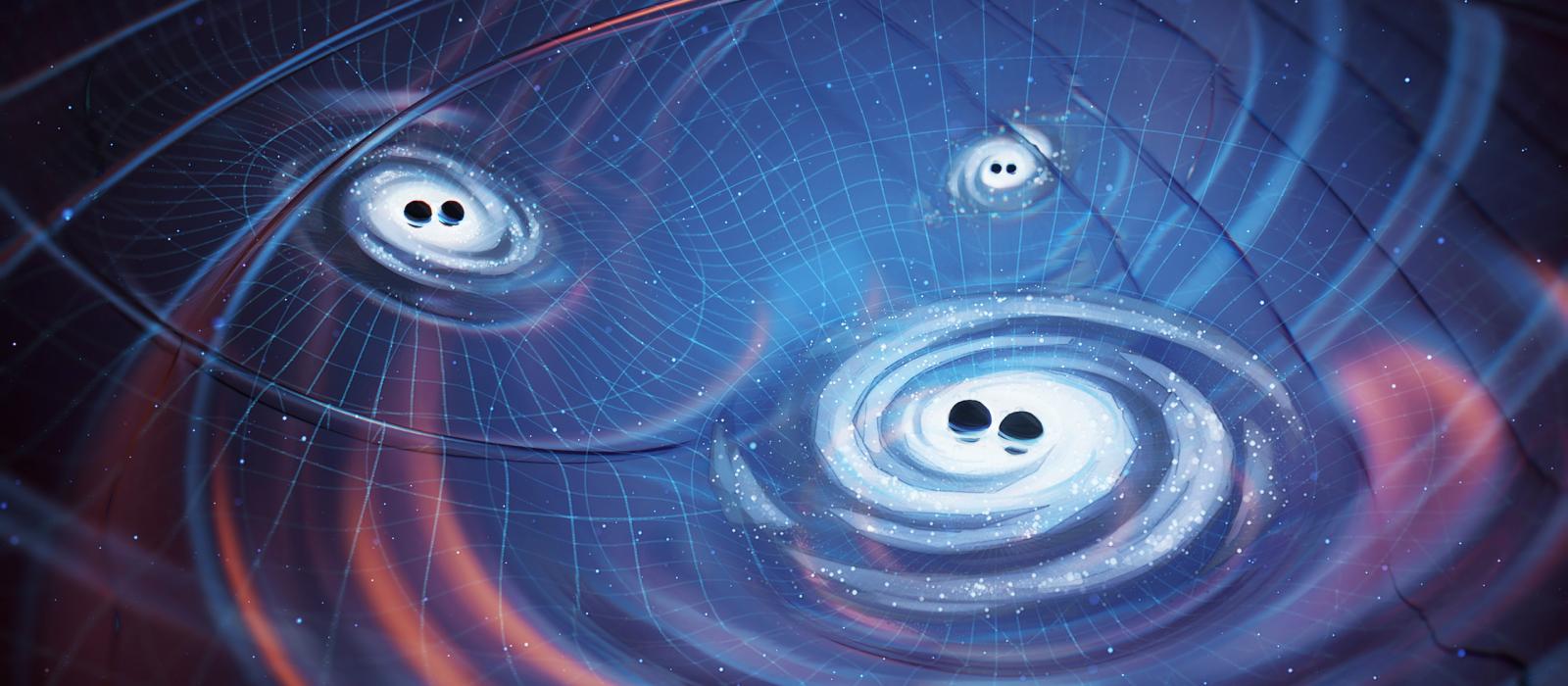
Astronomers are listening for cosmic gravitational waves in the rhythm of pulsars. But even after finding them, they will need to distinguish between cosmic waves and the more local waves of black holes.
Continue reading
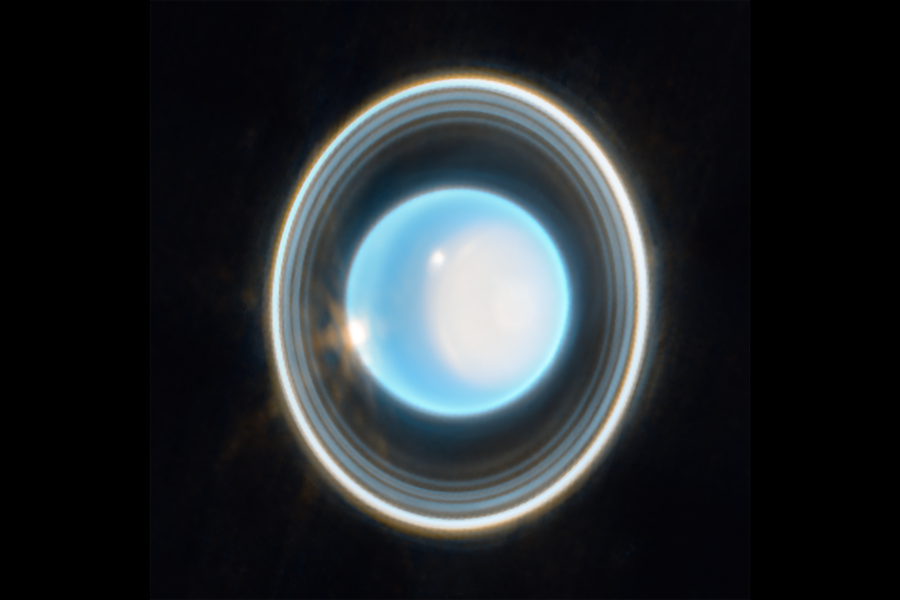
The ice giants remain some of the most interesting places to explore in the solar system. Uranus in particular has drawn a lot of interest lately, especially after the 2022 Decadal Survey from the National Academies named it as the highest priority destination. But as of now, we still don’t have a fully fleshed out and planned mission ready to go for the multiple launch windows in the 2030s. That might actually be an advantage, though, as a new system coming online might change the overall mission design fundamentally. Starship recently continued its recent string of successful tests, and a new paper presented at the IEEE Aerospace Conference by researchers at MIT looked at how this new, much more capable launch system, could impact the development of the Uranus Orbiter and Probe (UOP) that the Decadal Survey suggested.
Continue reading
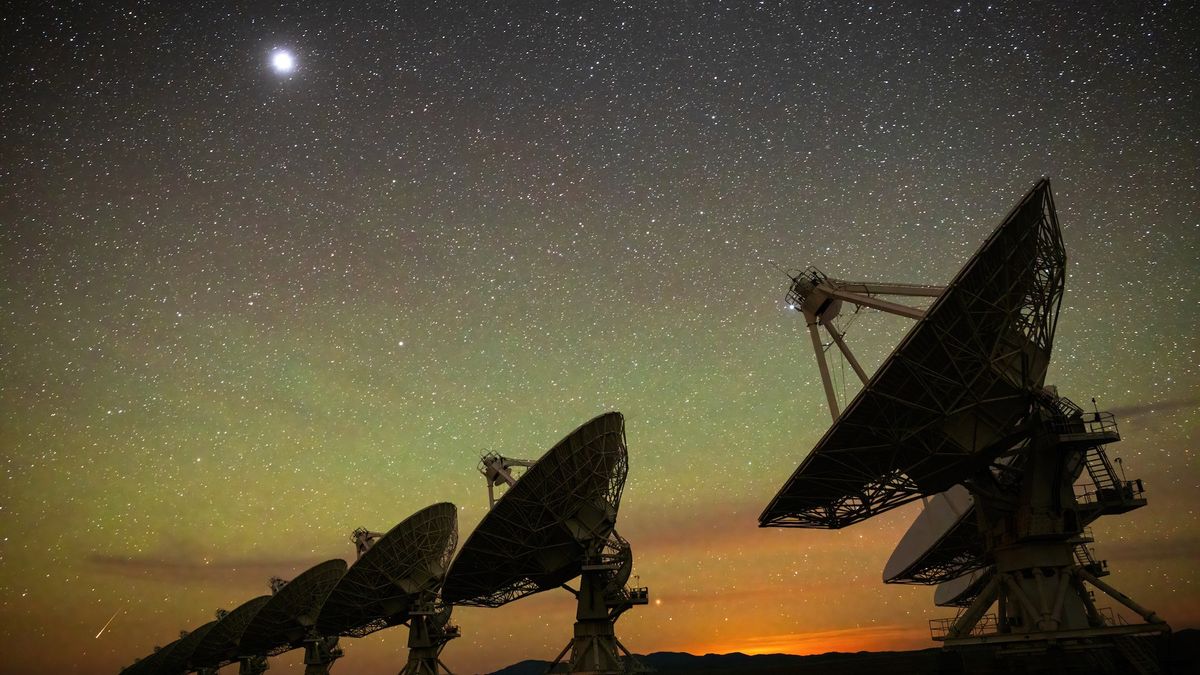
Alien civilizations may evolve so quickly that they are only detectable for a blink of cosmic time, thanks to the rise of artificial intelligence.
Continue reading
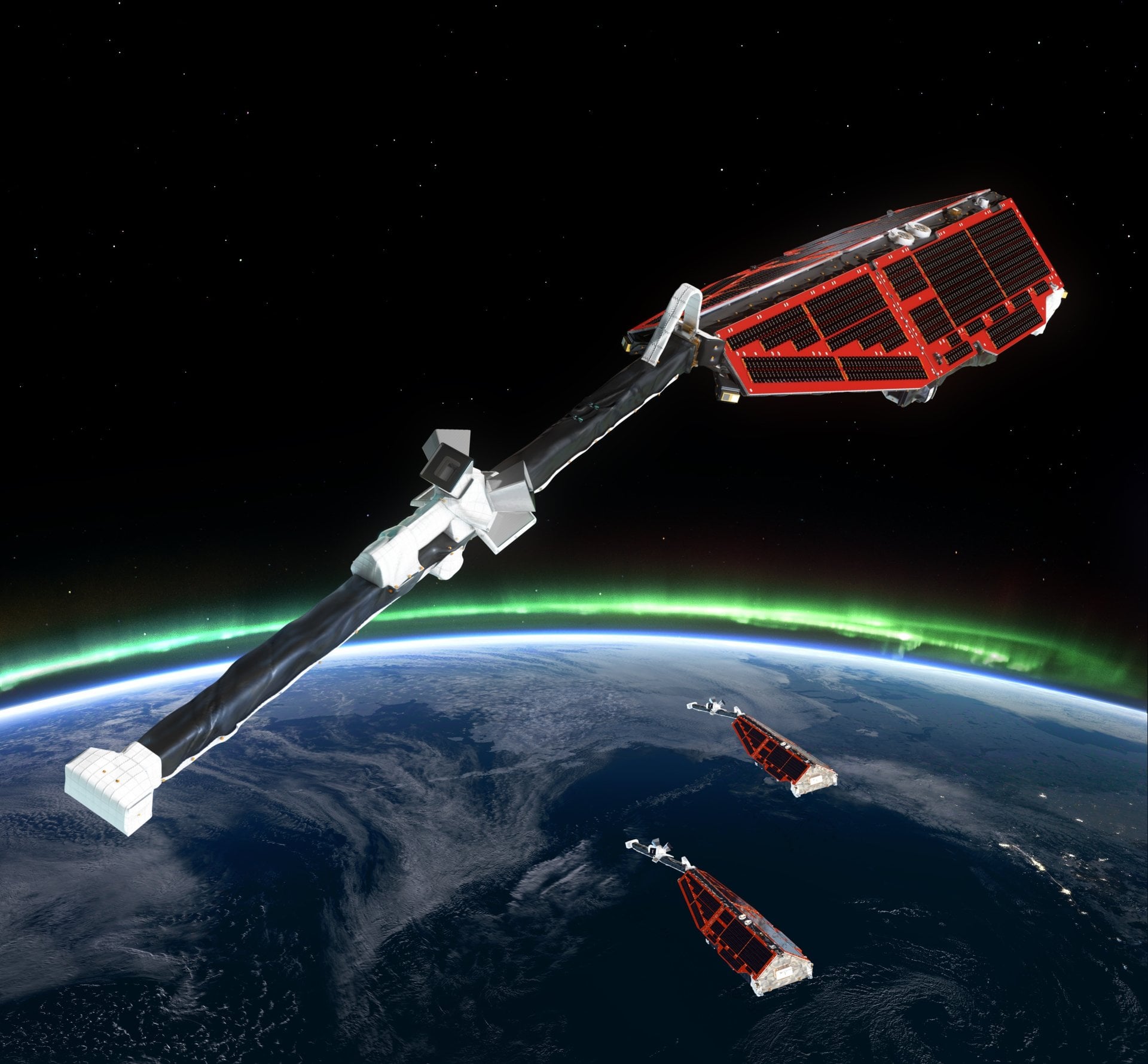
Earth is a dynamic place, both on its surface and down to its very core. The European Space Agency (ESA) recently released findings from its Swarm constellation of Earth-observing satellites highlighting this fact, documenting activity in the planet’s magnetic field during its decade plus of extended operations. One key finding shows the well-known Southern Atlantic Anomaly is expanding in size.
Continue reading
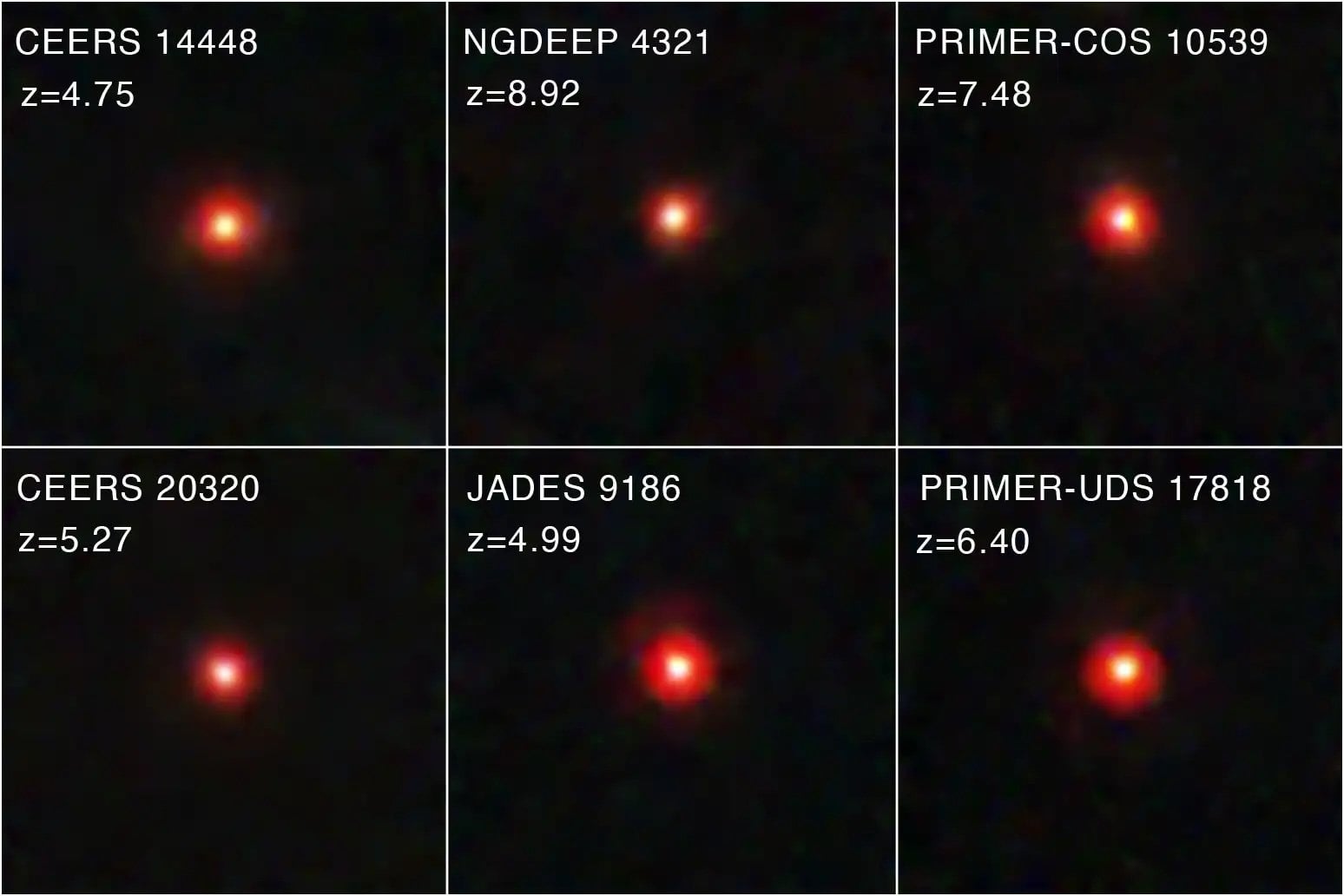
An international team of astronomers addressed the mystery of the "Little Red Dots" (LRDs) observed by Webb. They conclude that they are likely to be "black hole stars," the early seeds of supermassive black holes (SMBHs) we see at the center of galaxies today. Their findings have implications for our understanding of cosmic evolution.
Continue reading

Samples from one of the Apollo 17 drive tubes was recently opened and analyzed by Brown University researchers, who found surprising sulfur isotopes signatures inside.
Continue reading
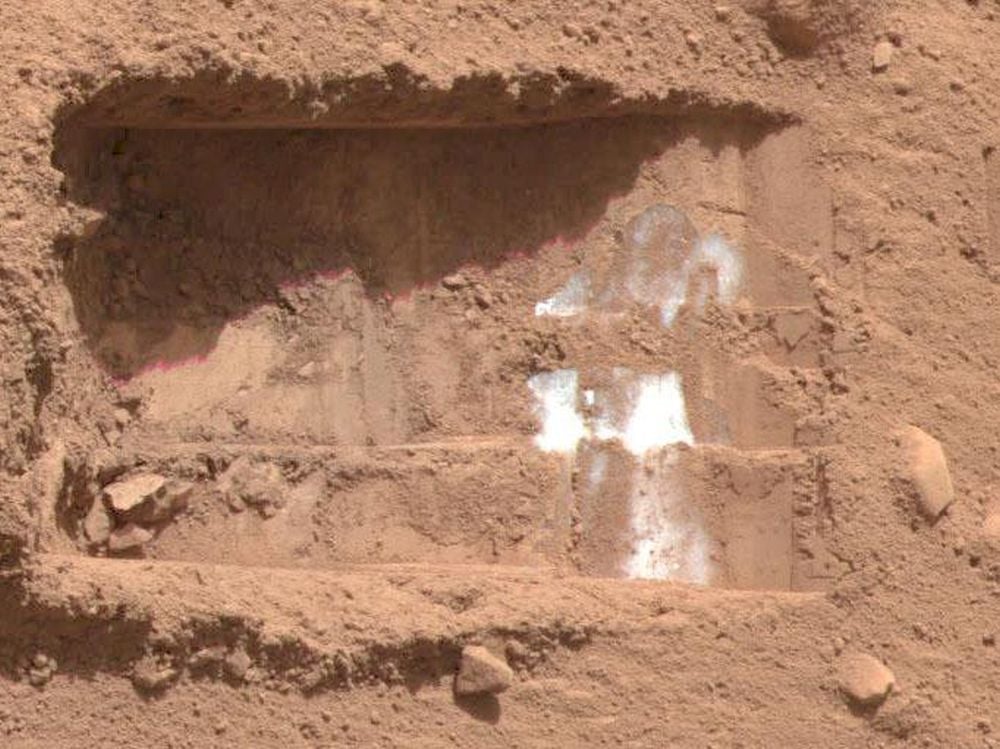
Frozen in time, ancient microbes or their remains could be found in Martian ice deposits during future missions to the red planet. By recreating Mars-like conditions in the lab, a team of researchers from NASA Goddard Space Flight Center and Penn State demonstrated that fragments of the molecules that make up proteins in E. coli bacteria, if present in Mars' permafrost and ice caps, could remain intact for over 50 million years, despite harsh and continuous exposure to cosmic radiation.
Continue reading
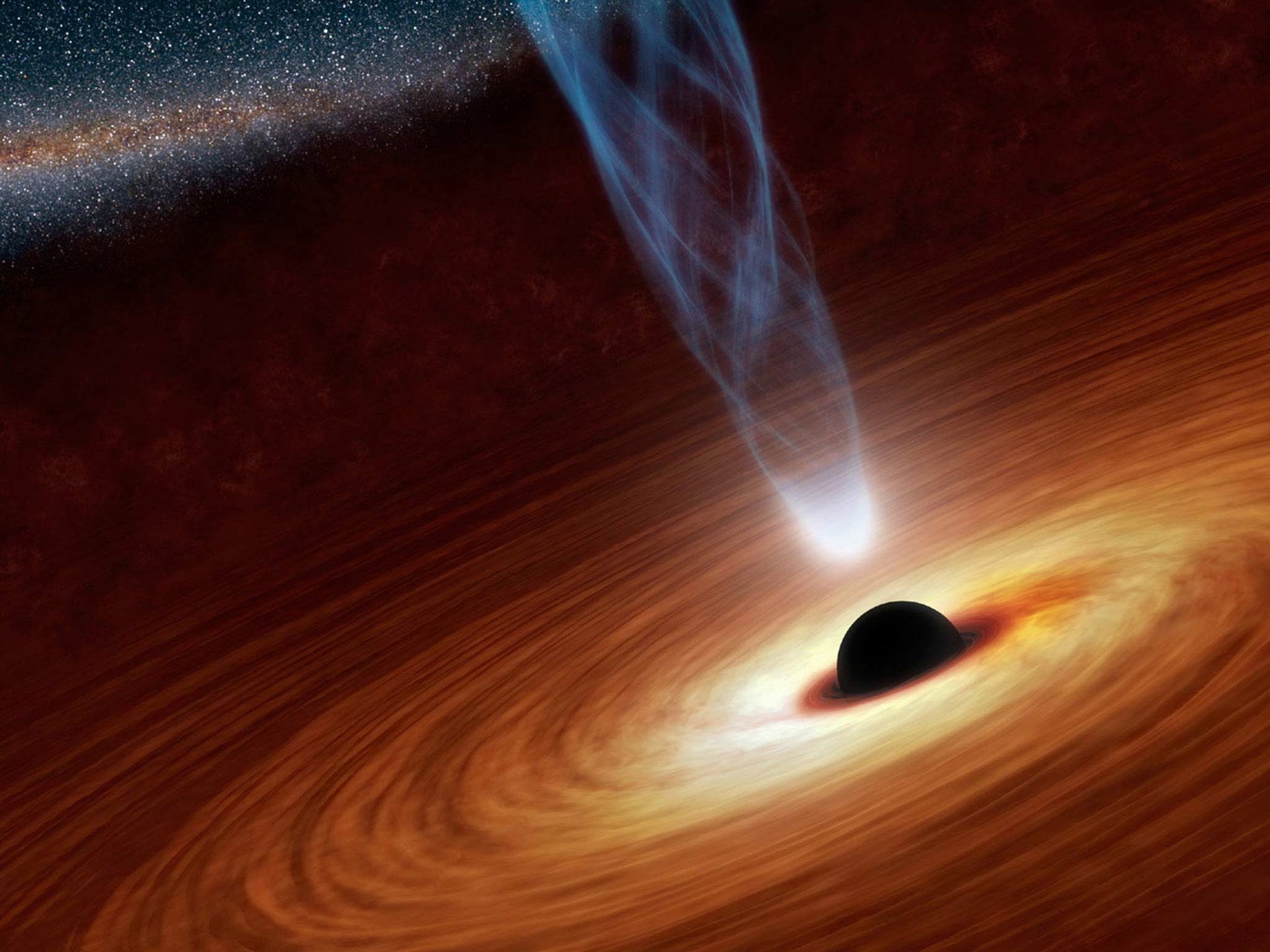
In a recent study, theoretical physicists at Goethe University Frankfurt described the origin of powerful jets emanating from the core regions of galaxies using a series of complex simulations.
Continue reading
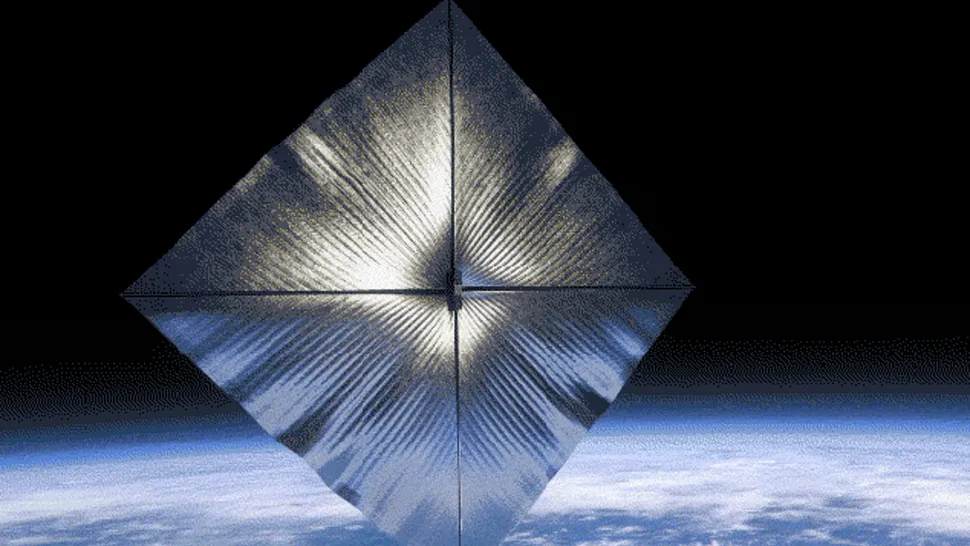
Use cases for smart materials in space exploration keep cropping up everywhere. They are used in everything from antenna deployments on satellites to rover deformation and reformation. One of the latest ideas is to use them to transform the solar sails that could primarily be used as a propulsion system for a mission into a heat shield when that mission reaches its final destination. A new paper from Joseph Ivarson and Davide Guzzetti, both of Auburn’s Department of Aerospace Engineering, and published in Acta Astronautica, describes how the idea might work and lists some potential applications exploring various parts of the solar system.
Continue reading

Rather randomly I’ve just returned from a theatre tour where my science show featured yeast in one of the experiments, so when research about yeast surviving Martian conditions crossed my desk, it immediately piqued my interest. These microscopic fungi that help our bread rise and our beer ferment might just have what it takes to endure one of the Solar System's harshest environments.
Continue reading
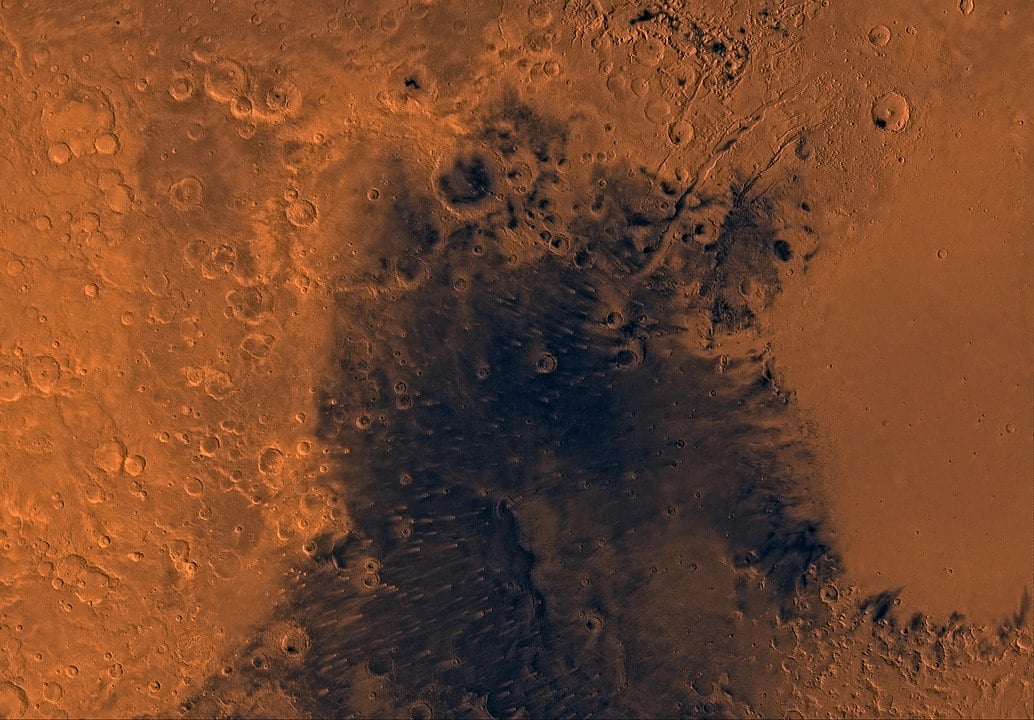
Mars is a planet of mystery! Its surface today is cold and dry, yet evidence suggests it was once home to flowing water. Most of the planet's remaining ice sits locked away at the poles, but recent observations have detected signals of hydrogen in equatorial regions that could indicate buried ice deposits where the environment should be too warm for ice to survive. How did frozen water end up at Mars's equator? It seems we might find the answer in Martian volcanoes.
Continue reading

White dwarfs are stellar corpses, the slowly cooling remnants of stars that ran out of fuel billions of years ago. Our Sun will eventually share this fate, collapsing into a compact object so dense that the heavier it becomes, the smaller it shrinks. This rather strange property is just one of the aspects of white dwarfs that makes them utterly fascinating and occasionally, utterly baffling. Sometimes we find white dwarfs as part of binary systems and they are usually cool and gently radiating their energy out into space. A team of astronomers have recently discovered a peculiar class of these binary systems that defies expectations. The pair of white dwarfs are orbiting each other faster than once per hour and exhibiting temperatures between 10,000 and 30,000 degrees Kelvin, significantly hotter than expected and twice their usual size.
Continue reading

It rains on the Sun! Although not in any way we'd recognise from Earth. In the Sun's corona, the superheated atmosphere that extends millions of kilometres above its visible surface, cooler blobs of plasma occasionally form and fall back downward in what astronomers are calling coronal rain. Until now, the mechanism behind the rain has remained a mystery especially during solar flares where it seems to accelerate but researchers at the University of Hawaii Institute for Astronomy have finally cracked the puzzle.
Continue reading

Scientists have begun to piece together the origin story of a cataclysmic collision between two black holes that met their fate on an unusual orbital path. The merger, designated GW200208_222617 (that really rolls of the tongue,) stands out among gravitational wave detections as one of the rare events showing clear signs of orbital eccentricity, meaning the black holes followed a squashed, oval shaped orbit rather than a circular one as they spiralled toward their final encounter.
Continue reading
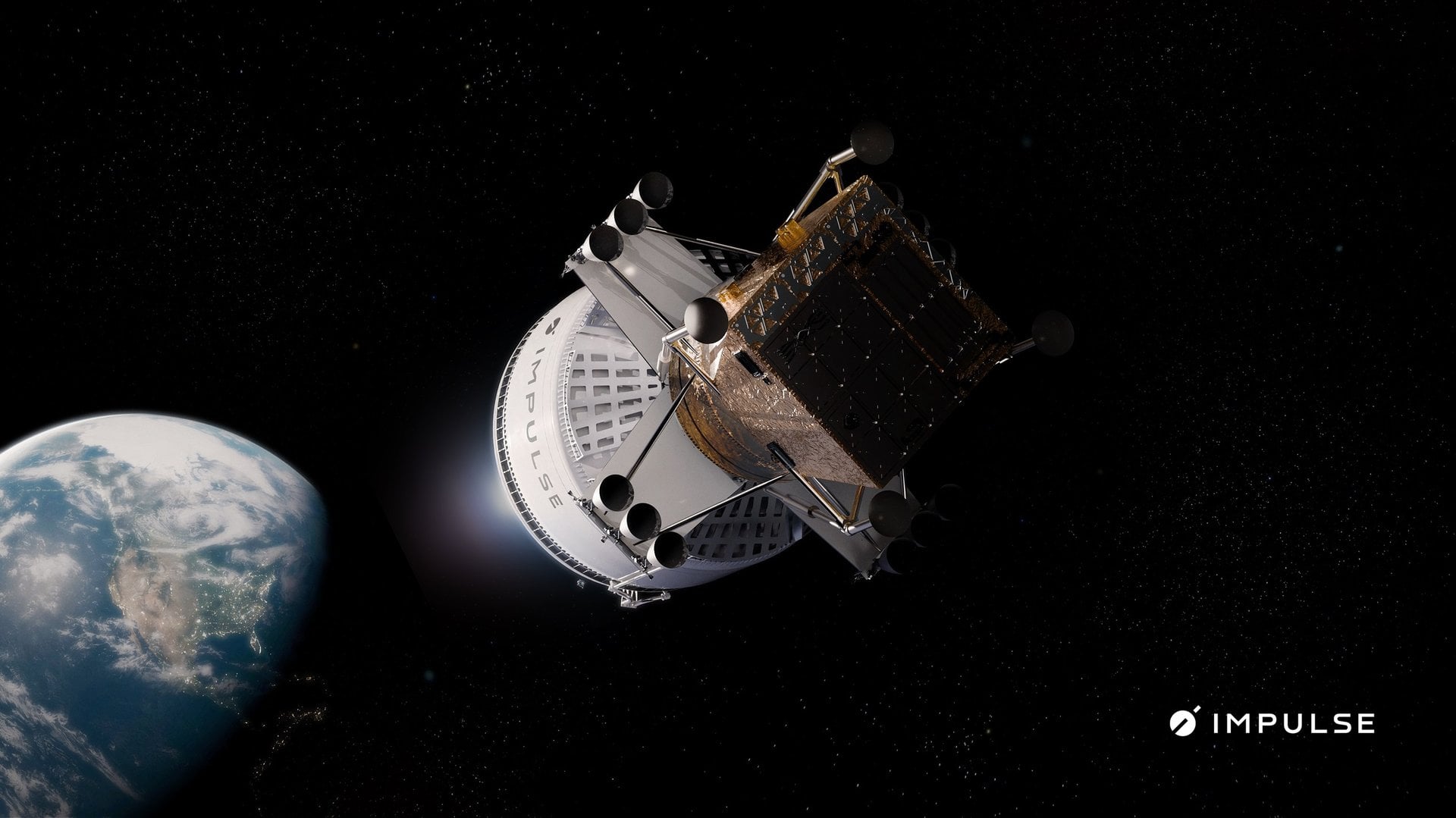
Impulse Space, the California-based venture founded by veteran SpaceX engineer Tom Mueller, has unveiled its proposed architecture for delivering medium-sized payloads to the moon, starting as early as 2028.
Continue reading
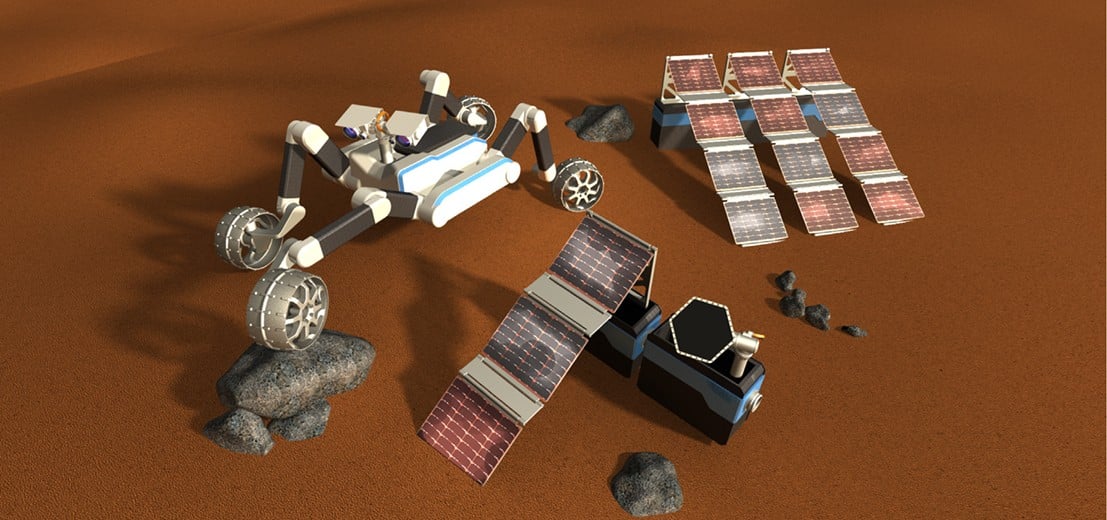
Modularity is taking off in more ways than one in space exploration. The design of the upcoming “Lunar Gateway” space station is supposed to be modular, with different modules being supplied by different organizations. In an effort to extend that thinking down to rovers on the ground, a new paper from researchers at Germany’s space agency (DLR), developed an architecture where a single, modular rover could be responsible for both exploration and carrying payloads around the Moon or Mars.
Continue reading
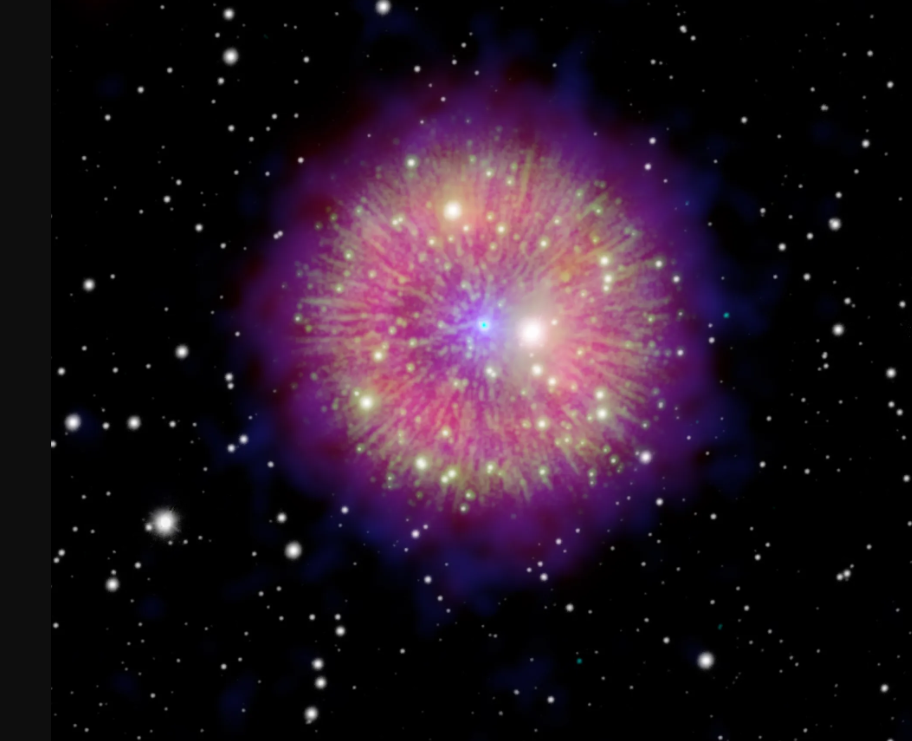
It’s great to see old astronomical observations come to light. Not only can these confirm or refute what’s known about historic astronomical events, but they can describe what early observers actually saw. A recent study cites two Arabic texts that may refer to accounts of two well-known supernovae seen in our galaxy: one in 1006 AD and another in 1181 AD.
Continue reading
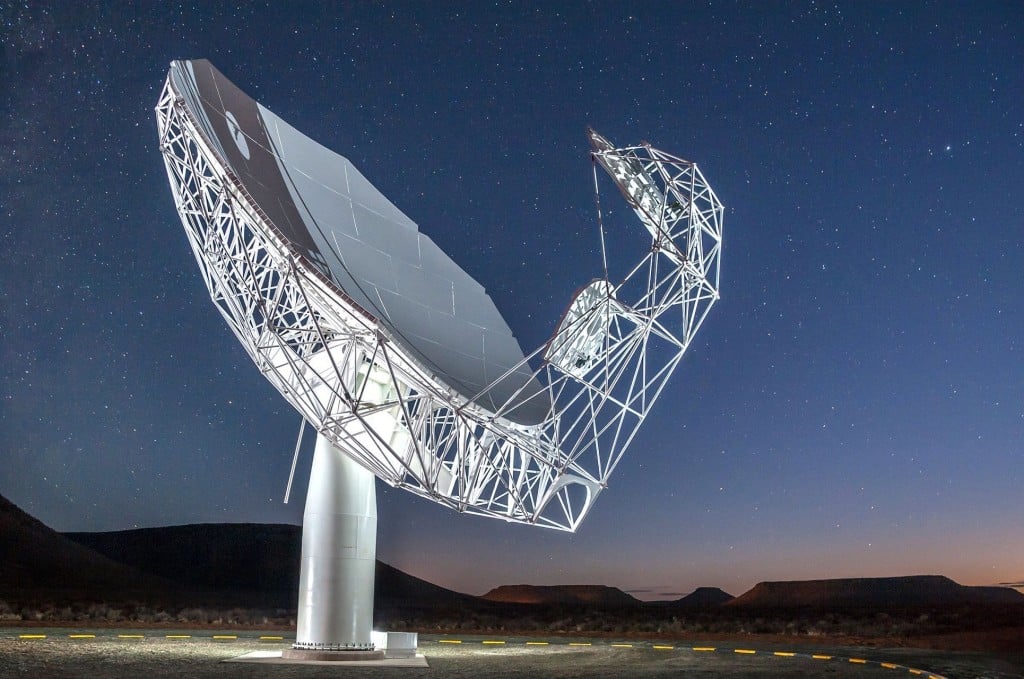
We know lots about our Galaxy yet still, some regions still hold countless secrets. Recently, a team of astronomers using South Africa's MeerKAT radio telescope uncovered 164 of them, compact radio rings. Each one smaller than an arcminute across, were hiding along the plane of the Milky Way, and were just waiting for a telescope powerful enough to reveal them.
Continue reading
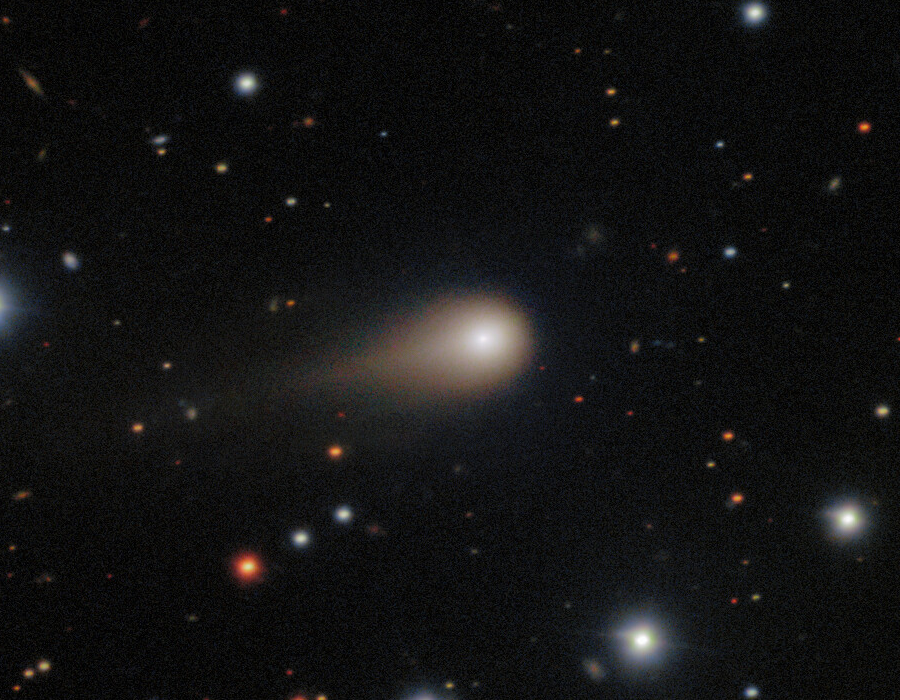
For millions of years, a fragment of ice and dust drifted through interstellar space, its origin, a distant planetary system. This summer, that fragment finally entered our Solar System, becoming only the third confirmed interstellar visitor and earning the designation 3I/ATLAS. When astronomers at Auburn University pointed NASA's Swift Observatory toward this icy chunk, they detected water vapour streaming from its surface. It was revealed through the faint ultraviolet glow of hydroxyl molecules and was completely unexpected.
Continue reading
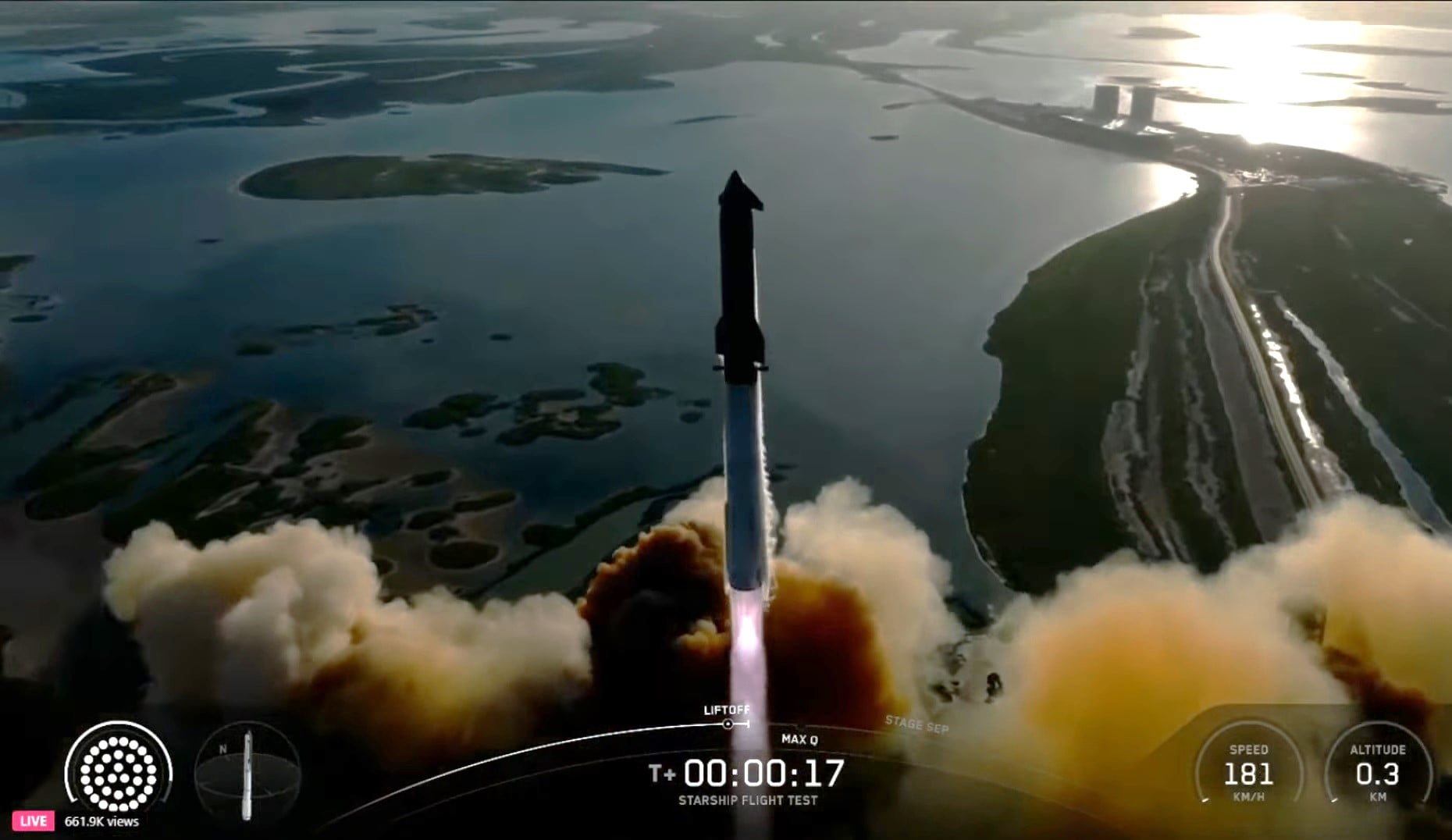
SpaceX closed out a dramatic chapter in the development of its super-heavy-lift Starship launch system with a successful flight test that mostly followed the script for the previous flight test.
Continue reading
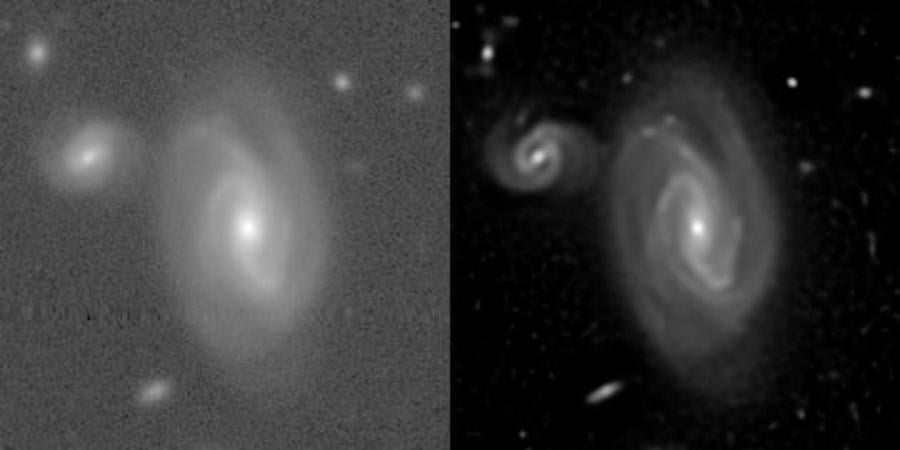
Earth's atmosphere has always been the enemy of ground based astronomy and don’t I know it. What would otherwise be crisp, clean datasets gets turned into blurry smudges. Space telescopes avoid the problem entirely but can only photograph tiny fragments of sky. Now, a team of mathematicians has cracked the code with an elegant algorithm that strips away atmospheric interference in seconds, potentially giving ground based observatories space quality vision whilst keeping their ability to survey great regions of sky.
Continue reading
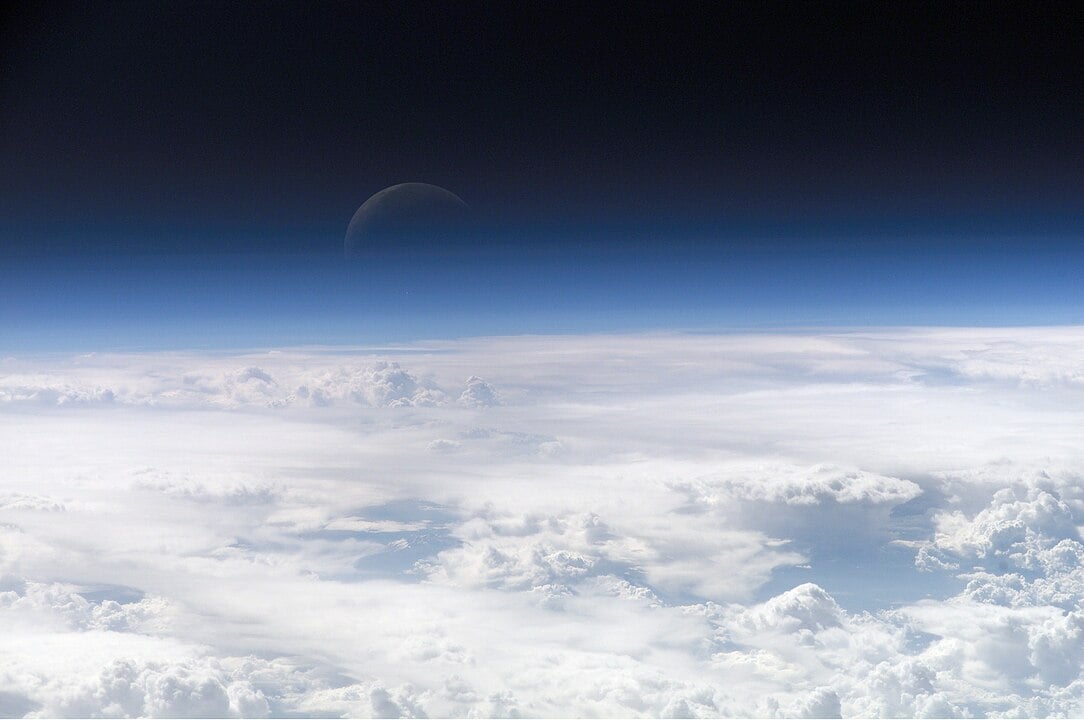
When I spotted a headline about Earth's ancient oceans and urea, my brain immediately went to the obvious place. Urea, the same compound found in urine. Yes, scientists are telling us that a component of wee played a crucial role in one of the most important events in our planet's history. Sometimes science really does have a sense of humour.
Continue reading
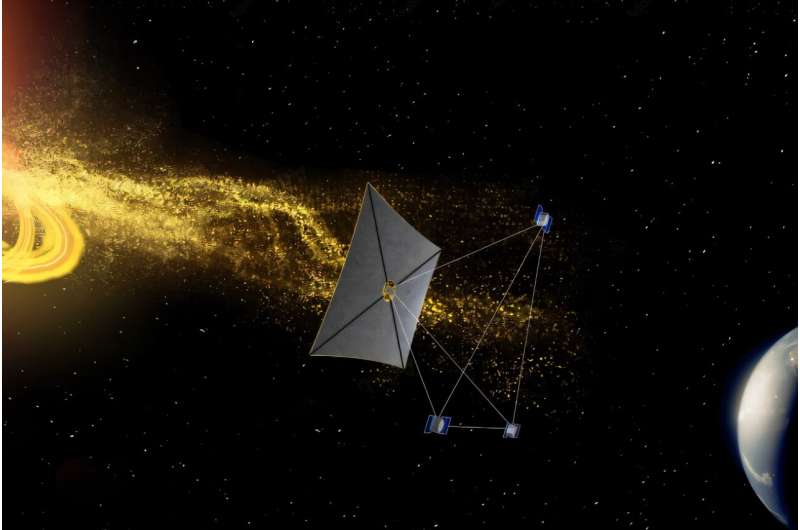
Avoiding, or at least limiting the damage from, geomagnetic storms is one of the most compelling arguments for why we should pay attention to space. Strong solar storms can have an impact on everything from air traffic to farming, and we ignore them at our own peril and cost. Despite that threat, the tools that we have applied to tracking and analyzing them have been relatively primitive. Both simulations and the physical hardware devoted to it require an upgrade if we are to accurately assess the threat a solar storm poses. As a first step, a new paper from a group led by researchers at the University of Michigan created a much more detailed simulation that shows how important it is that we also have the appropriate sensing hardware in place to detect these storms as they happen.
Continue reading
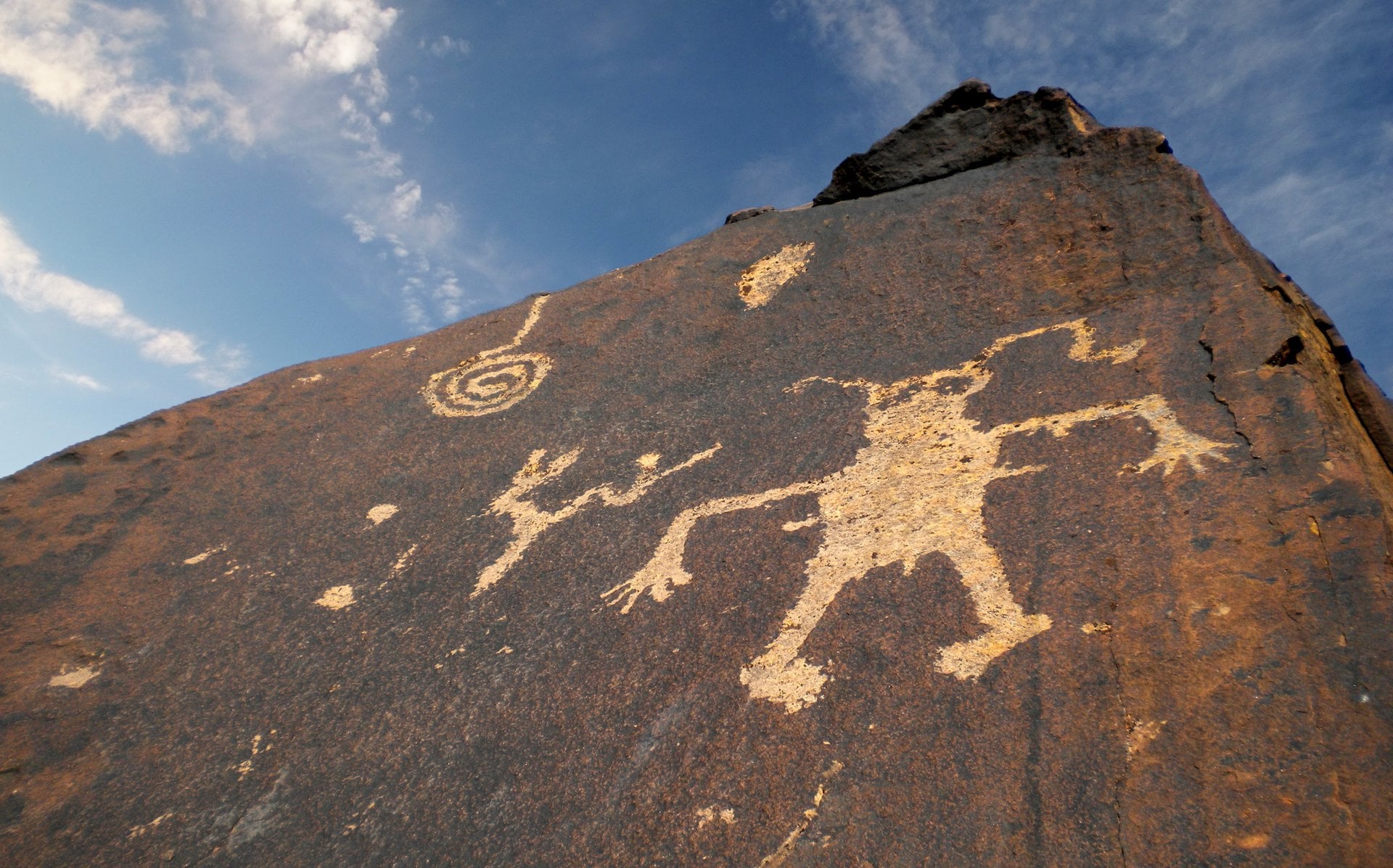
In a newly published novel titled “Hole in the Sky,” Cherokee science-fiction author Daniel H. Wilson blends Native American tales about alien civilizations with up-to-date speculation about UFOs, now also known as unidentified anomalous phenomena or UAPs.
Continue reading

For decades, the dramatic difference between the Moon's two faces has been the subject of much debate. Now, a fresh look at the Moon's largest and oldest impact crater has revealed something quite unexpected. The asteroid that formed it seems to have hit from the opposite direction than everyone thought, and it created a radioactive splash zone that may finally explain the mystery. Even better, NASA's Artemis astronauts are about to land right in the middle of it.
Continue reading
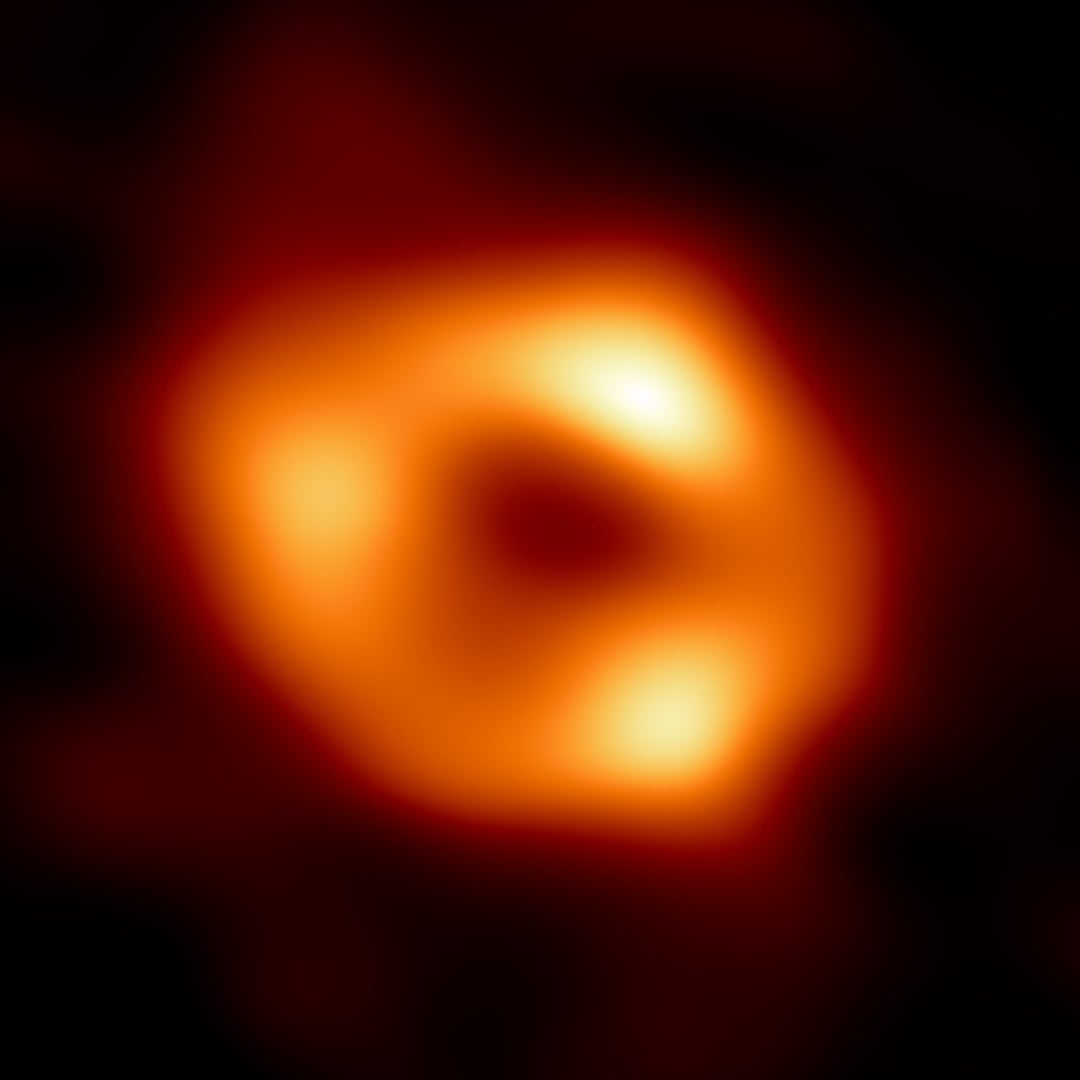
When two galaxies merge, the supermassive black holes at their centres should eventually find each other and begin a gravitational dance that lasts millions of years. Despite decades of predictions, astronomers are still hunting for definitive proof these binary systems exist. A new review examines the clues scattered across the universe, from wobbling jets spanning hundreds of thousands of light years to specific spectral signatures, and explores why finding these black hole pairs matters for understanding both the past and future of our own Galaxy.
Continue reading
 Universe Today