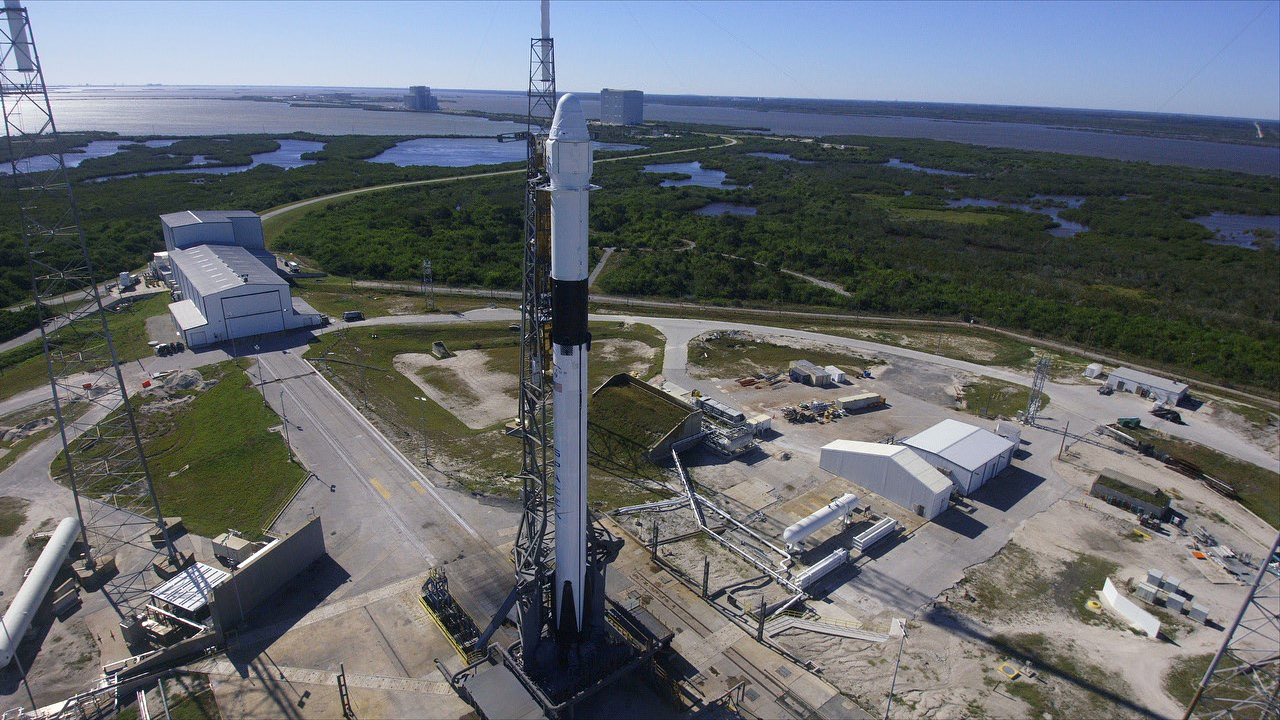
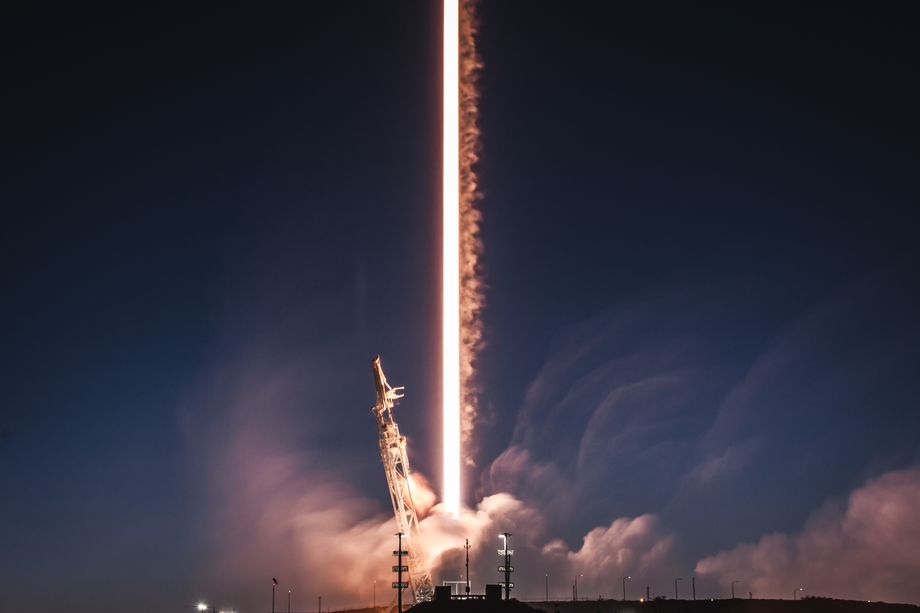
Ever seen a rocket launch before? Catching one is easier than you might think. You just need to be looking in the right direction at the right time, and have clear skies. If you happen to be watching from the U.S. south eastern seaboard, you just might catch the spectacular dawn launch of a SpaceX Falcon-9 rocket with Dragon on the CRS-17 (also known as SpX-17) mission headed to the International Space Station before dawn on the morning of Wednesday, May 1st.
Continue reading
Continue reading
Continue reading
Continue reading
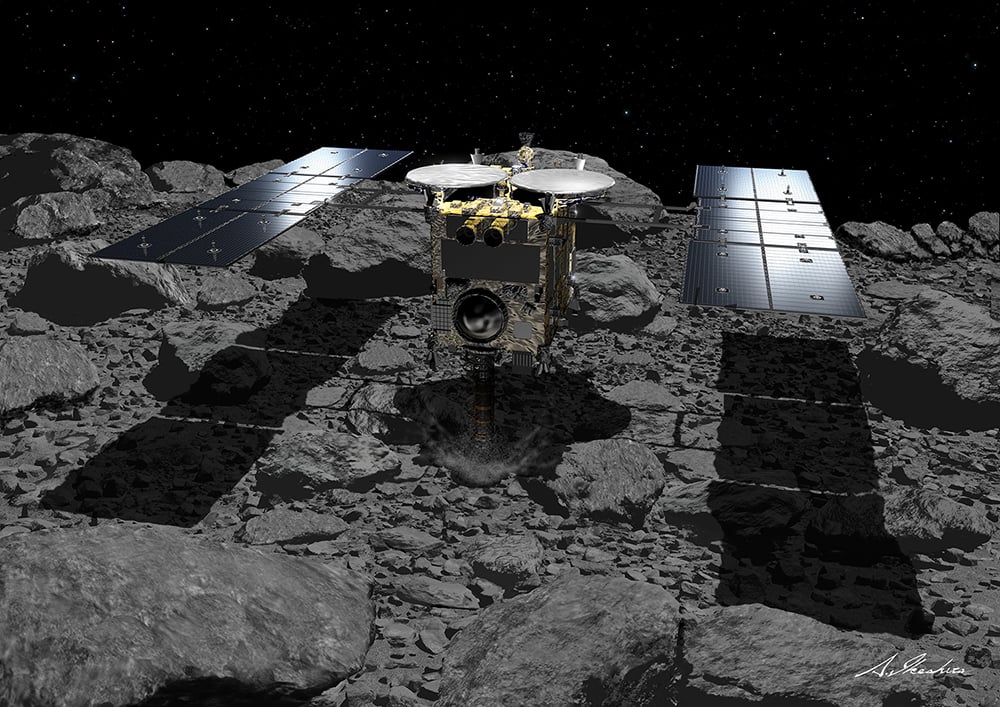
Japan's recently shared a video of the crater their Hayabusa2 spacecraft created on the surface of Ryugu.
Continue reading
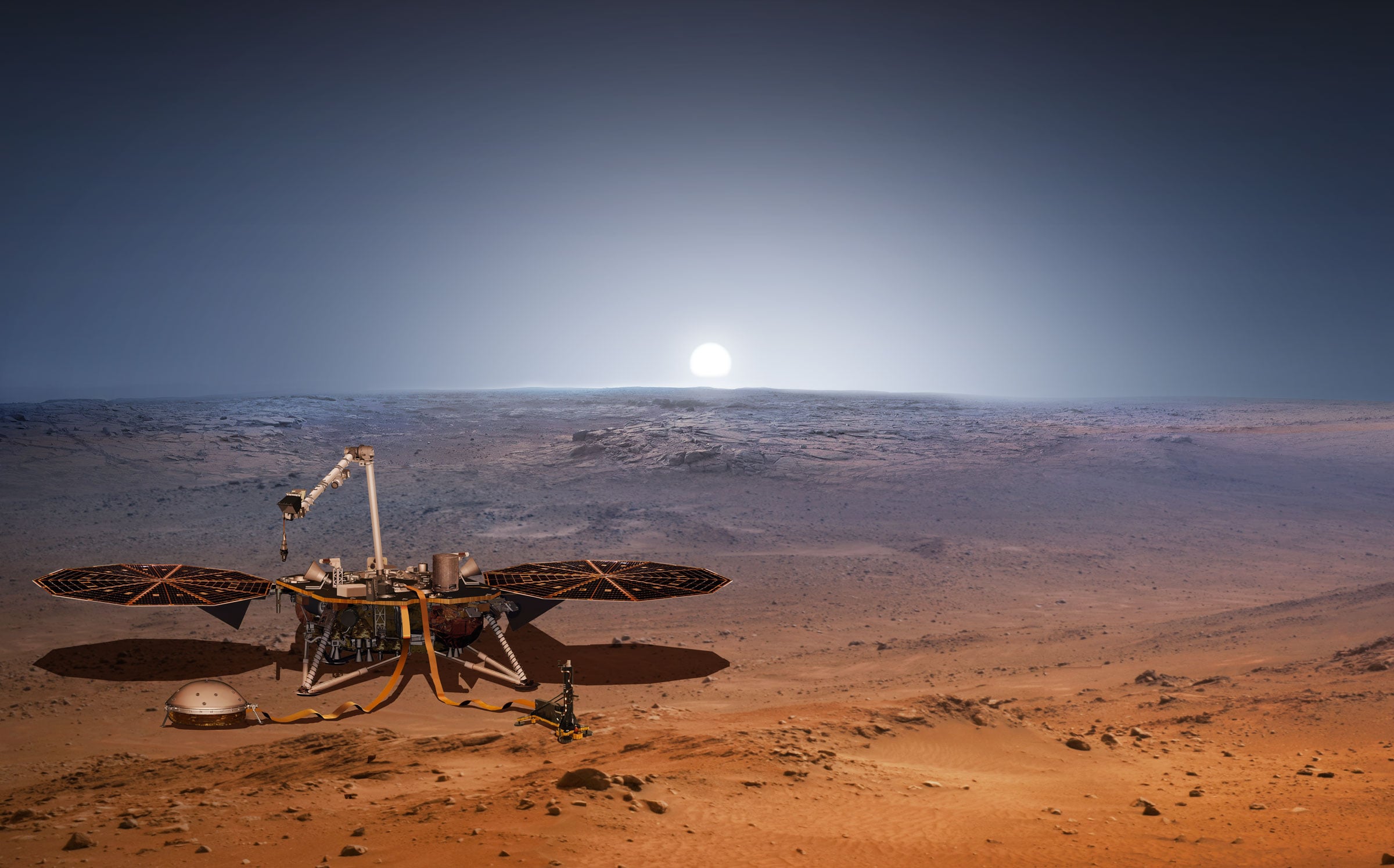
The InSight lander recently detected the strongest seismic signal yet, thanks to its Seismic Experiment for Interior Structure (SEIS) instrument.
Continue reading
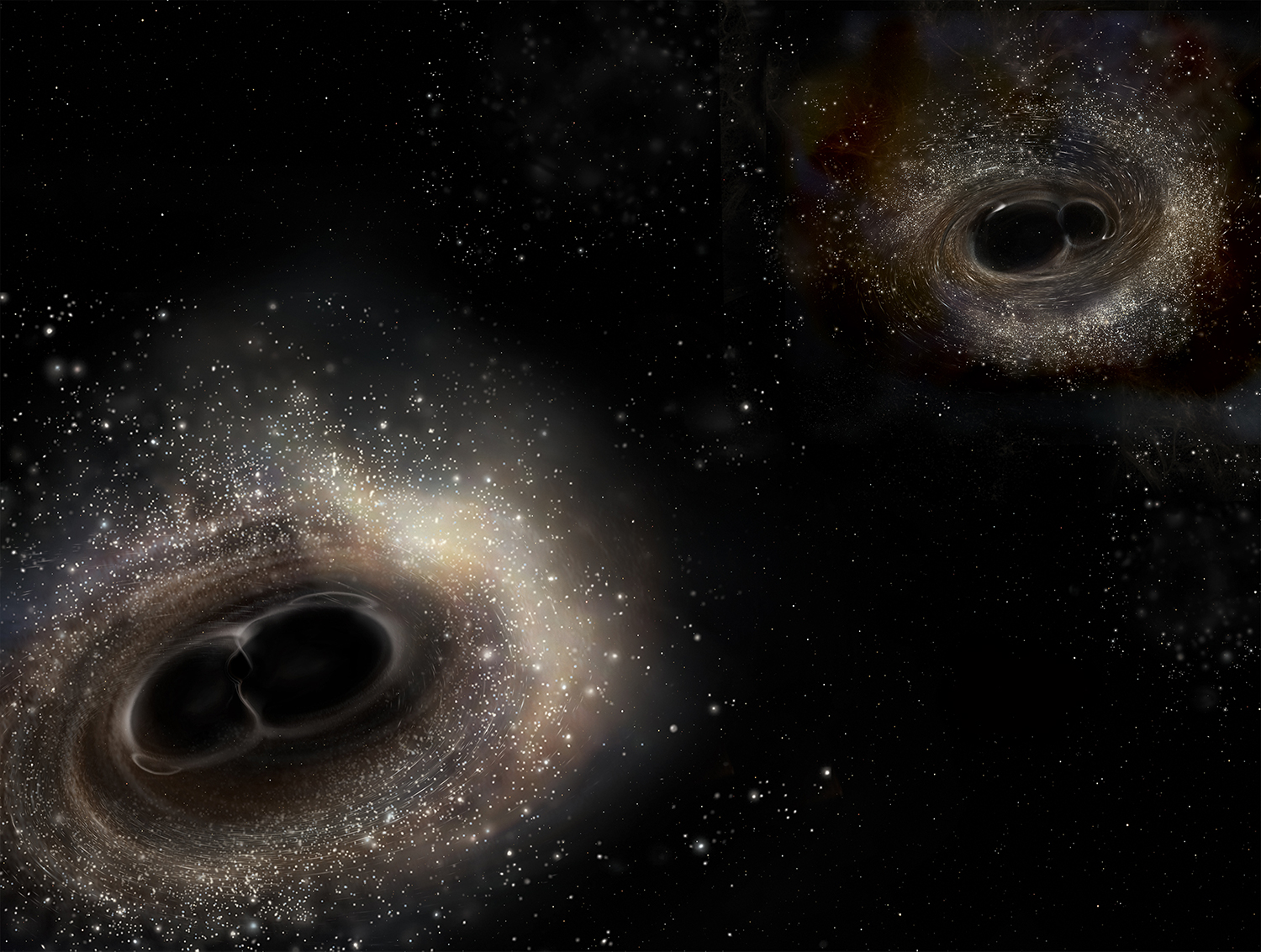
The LIGO detector is back online after months of upgrades, and has made two new detections already!
Continue reading
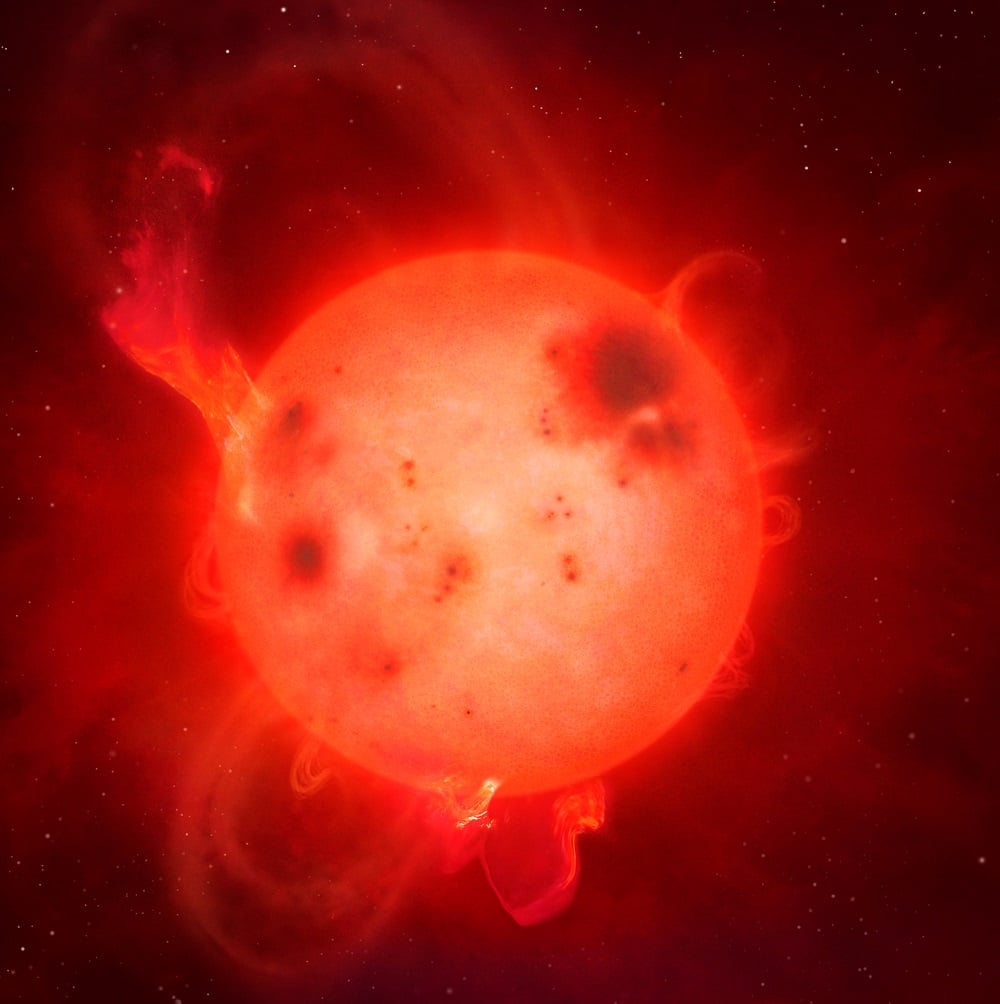
Astronomers recently spied a massive flare on a tiny diminutive star, a powerful, radiation spewing event that you wouldn't want to witness up close.
Continue reading
Continue reading
Continue reading
Continue reading

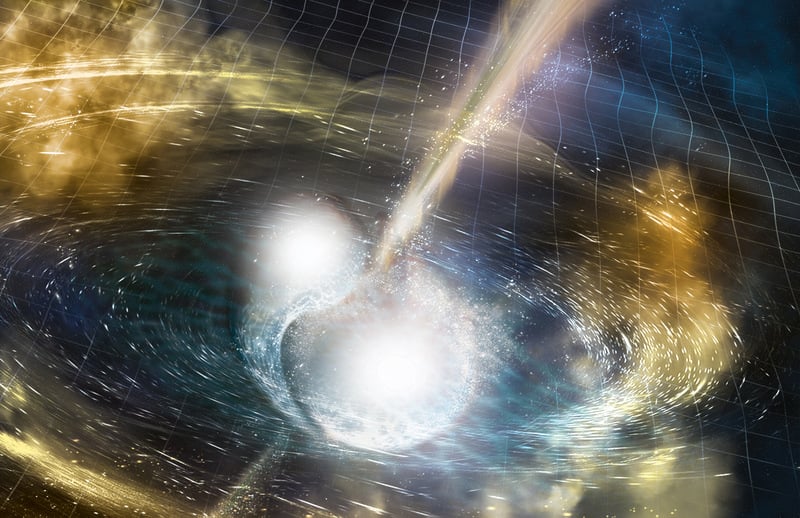
A new study reveals that traveling through a wormhole may actually be possible, but don't count on it saving you any time!
Continue reading
Continue reading
Continue reading
Continue reading
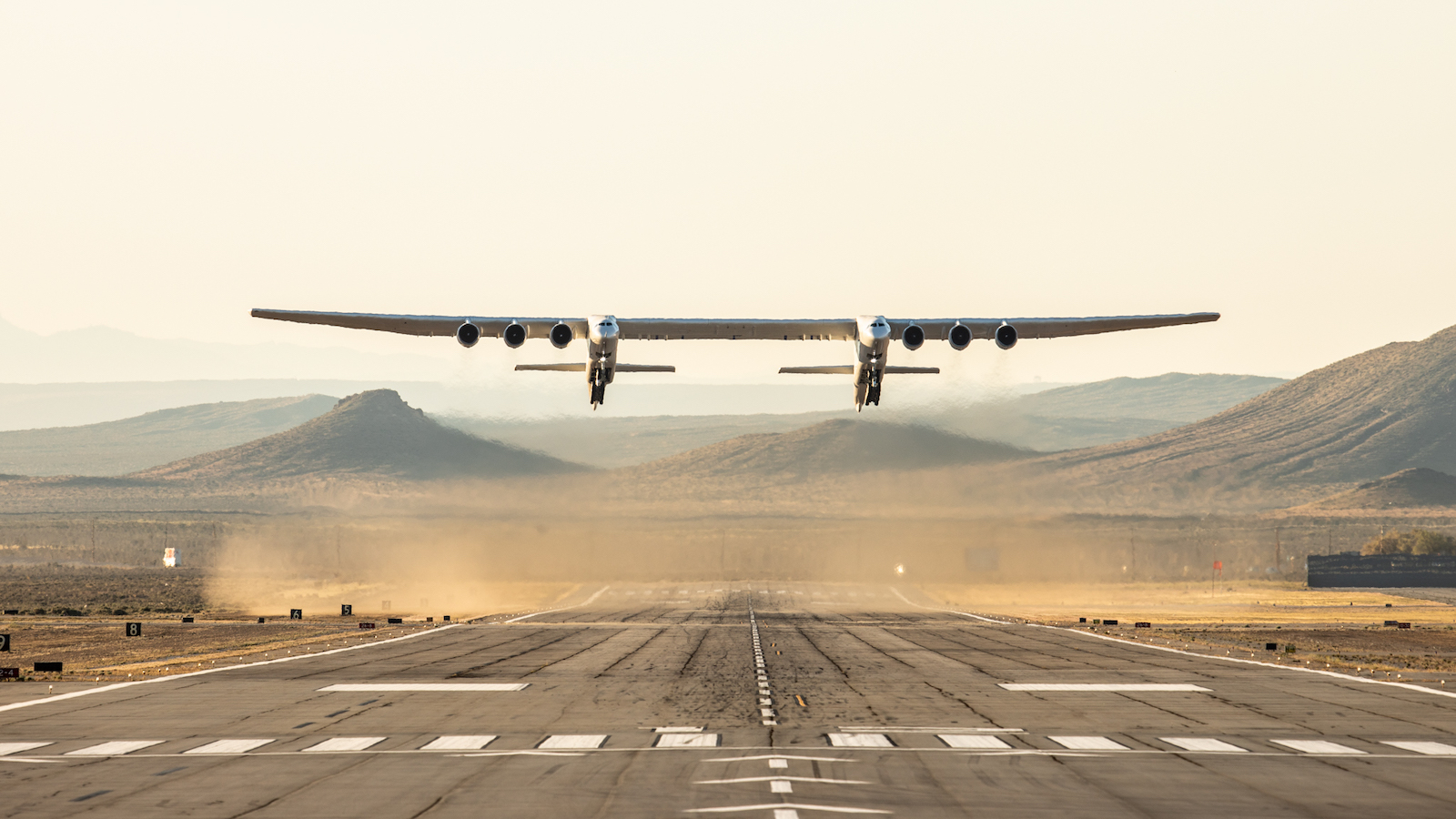
Stratolaunch recently conducted the first test flight of its air-carrier plane, the largest and heaviest aircraft in the world.
Continue reading
Continue reading
Continue reading
Continue reading
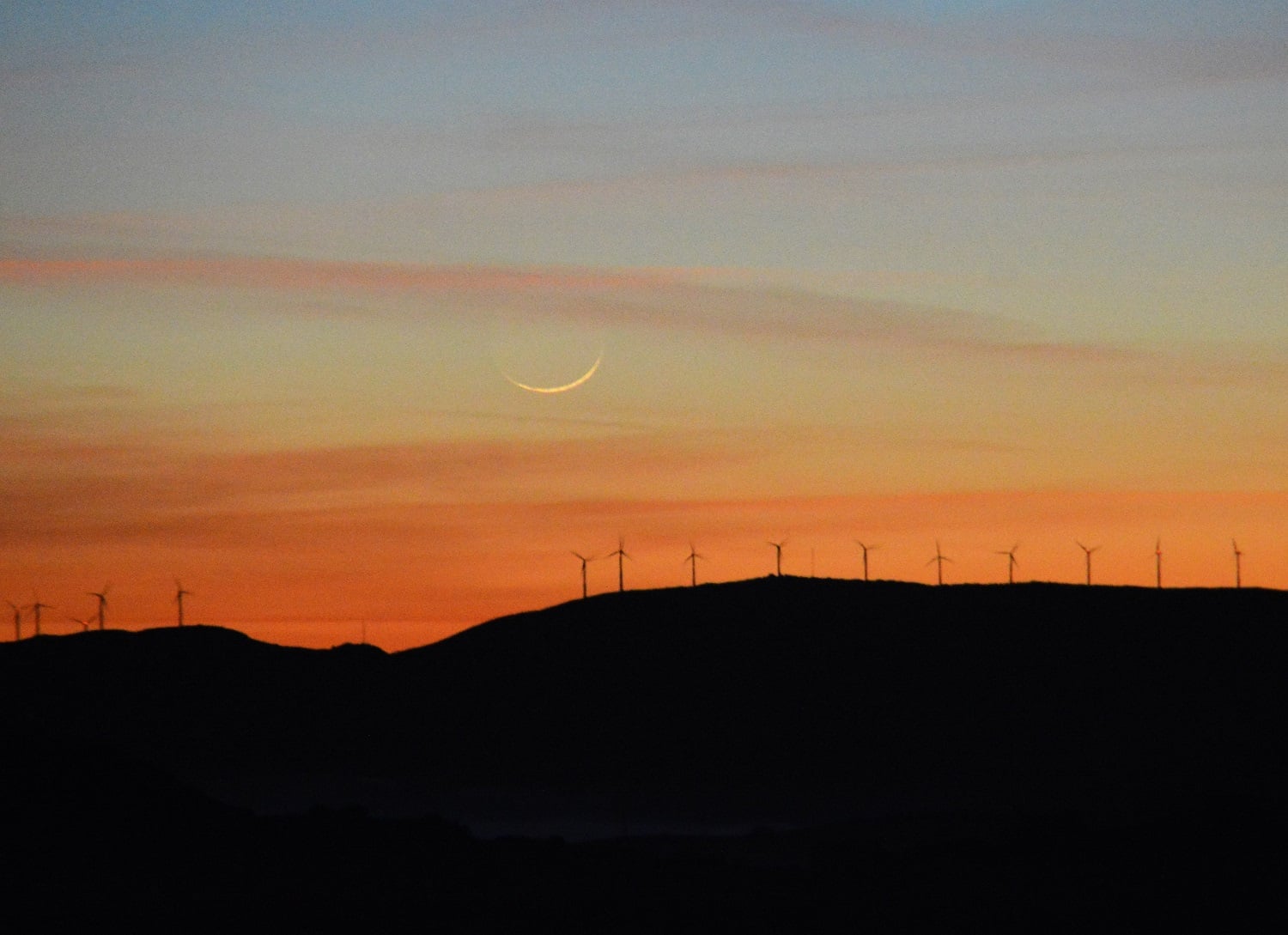
Up for a challenge? Some of the toughest targets for a backyard observer involve little or no equipment at all. Northern hemisphere Spring brings with it one of our favorite astronomical pursuits: the first sighting of the extremely thin, waxing crescent Moon. This unique feat of visual athletics may be fairly straight forward... but it's tougher than you think. The angle of the evening ecliptic in the Spring is still fairly high for mid-northern latitudes, taking the Moon up and out of the weeds as a waxing crescent.
Continue reading

Our Guide to Space's official page on Soviet and Russian space missions
Continue reading
Musk recently announced that SpaceX will begin deploying the first batch of its internet satellites next year and continuing until 2024.
Continue reading
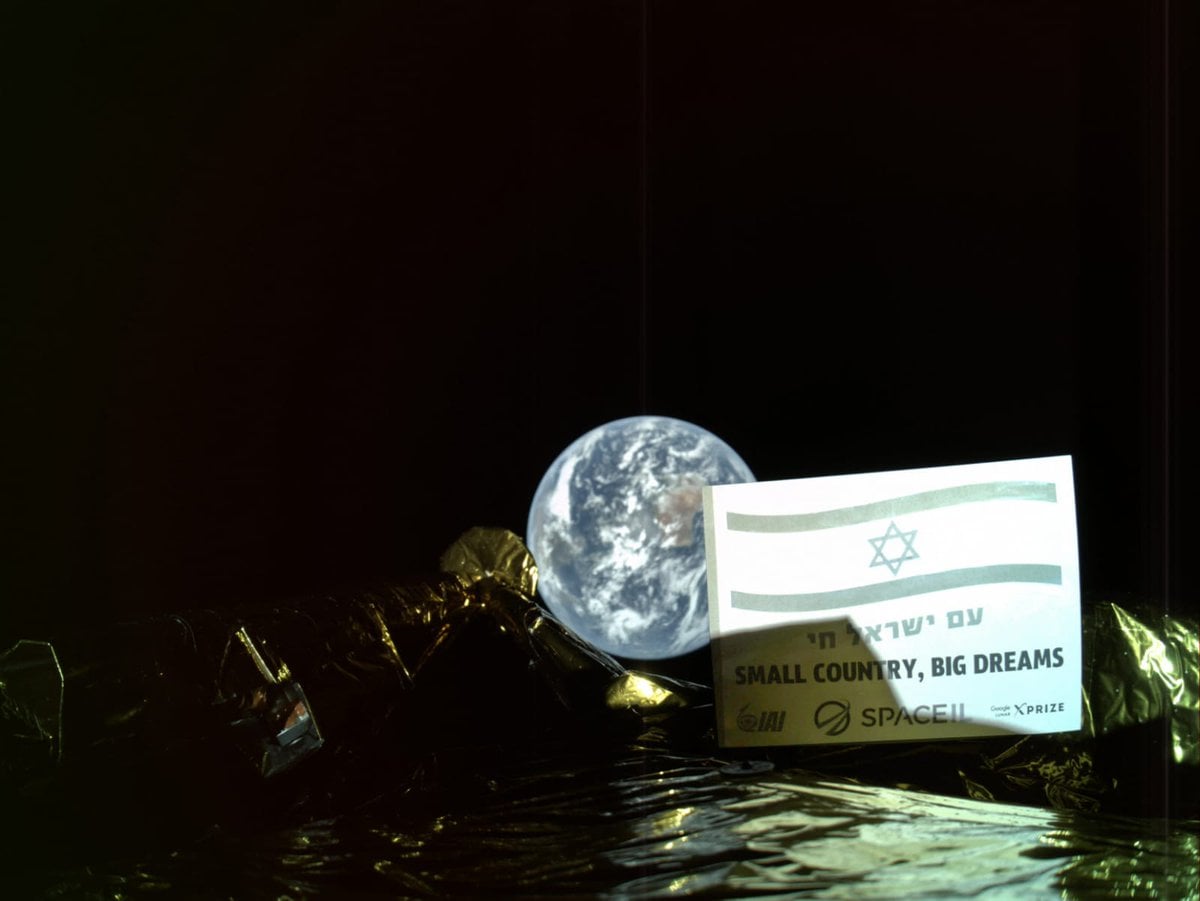
Continue reading
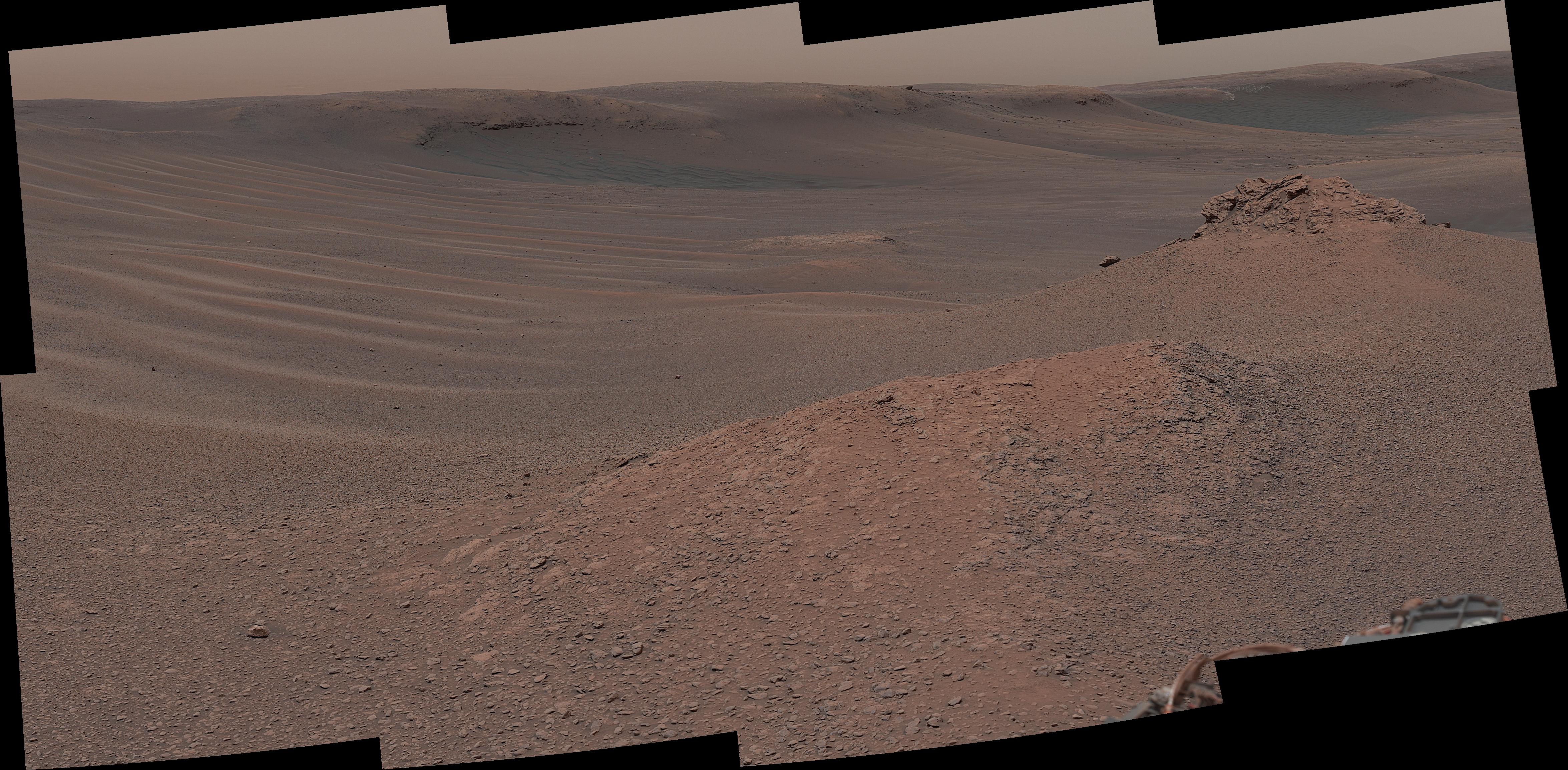
Continue reading

A team of researchers from NASA and the Lunar and Planetary Institute (LPI) recently proposed a low-cost mission to explore Neptune's largest moon, Triton.
Continue reading
Continue reading
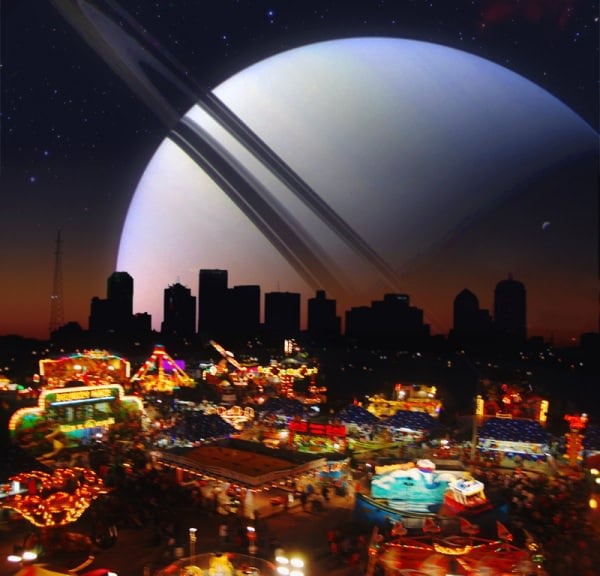
Continue reading
Continue reading
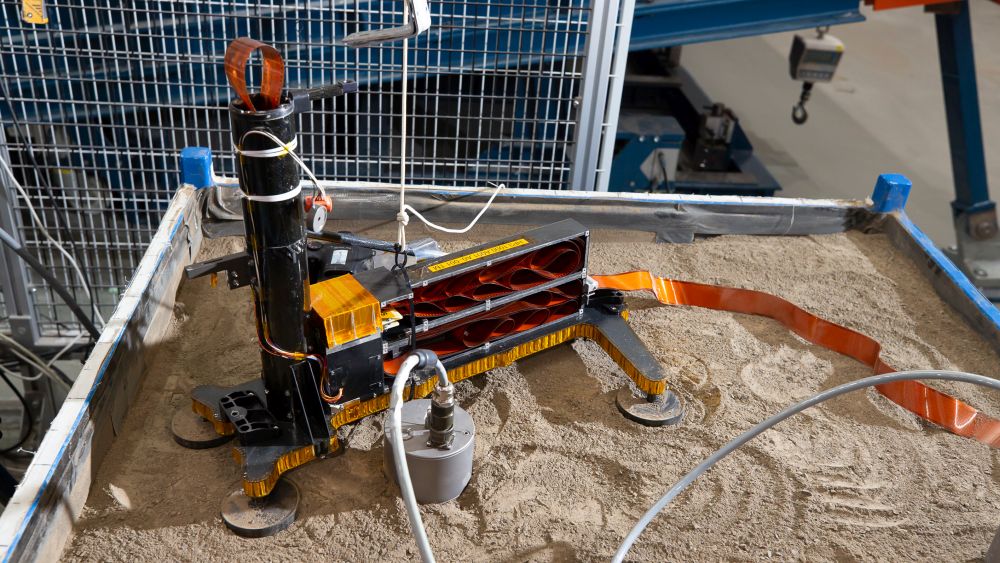
Continue reading
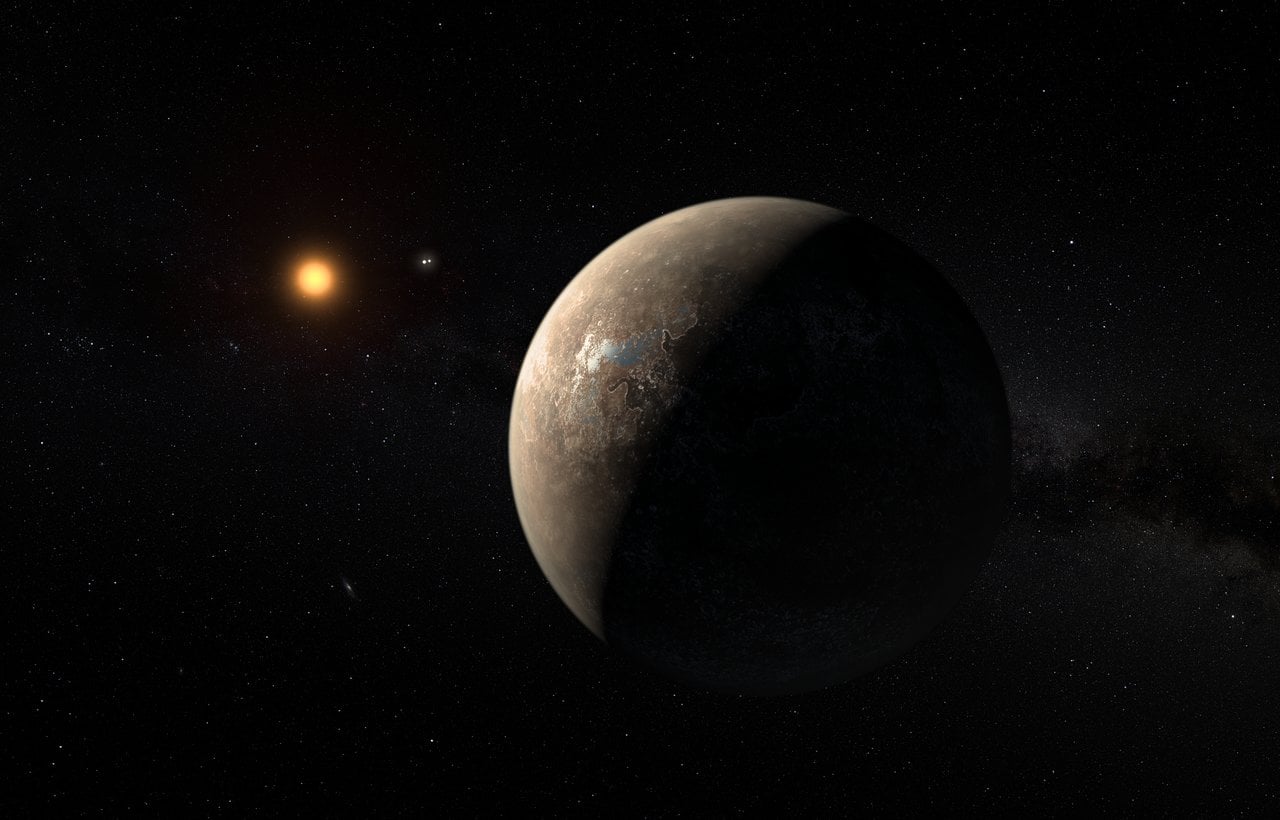
A new study by a team from the Carl Sagan institutes shows how life could survive the harsh radiation on neighboring exoplanets like Proxima b.
Continue reading
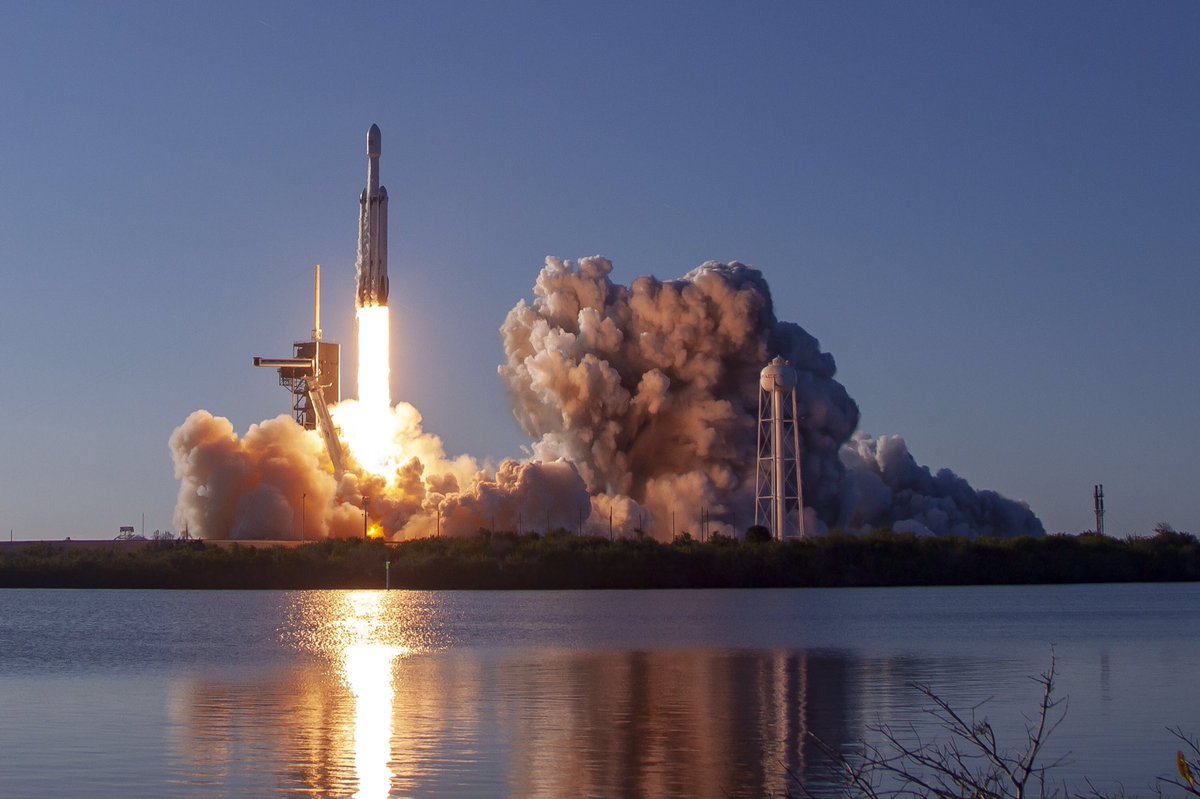
This week, SpaceX conducted the first commercial launch of the Falcon Heavy (and second launch overall) and managed to bring all the boosters back, and even the payload fairings!
Continue reading
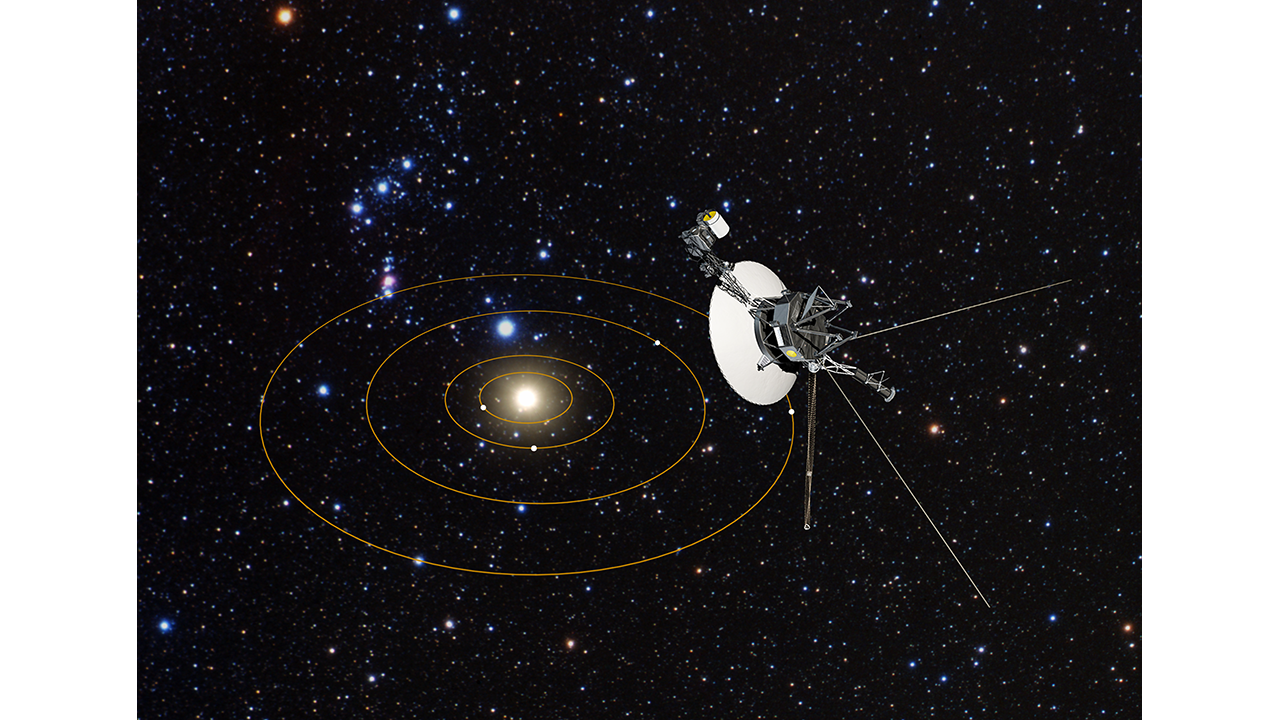
A new study takes a look at where the Voyager and Pioneer probes might one day venture to as they make their way through our galaxy
Continue reading

Continue reading
Continue reading
Continue reading
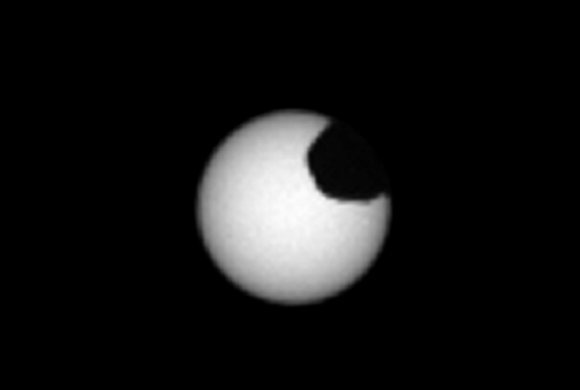
The Curiosity rover recently witnessed eclipses involving the moons of Phobos and Deimos from the Martian surface.
Continue reading
Continue reading
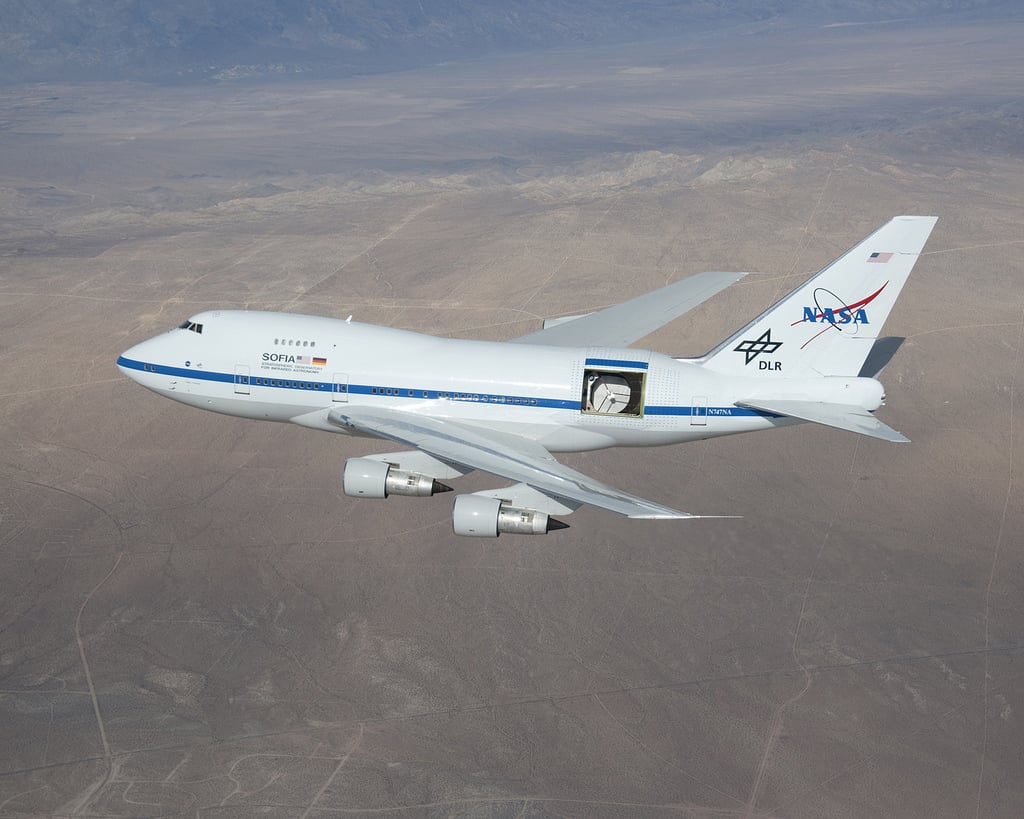
A high-flying space telescope is shedding light on where some of the basic building blocks for life may have originated from. A recent study led by astronomers currently at the University of Hawaii, including collaborators from the University of California Davis, Johns-Hopkins University, the North Carolina Museum of Natural Sciences, Appalachian State University, and several international partners, including funding from NASA, looked at a lingering mystery in planet formation: the chemical pathway of the element sulfur, with implications for its role in the formation of planets and life.
Continue reading
Continue reading
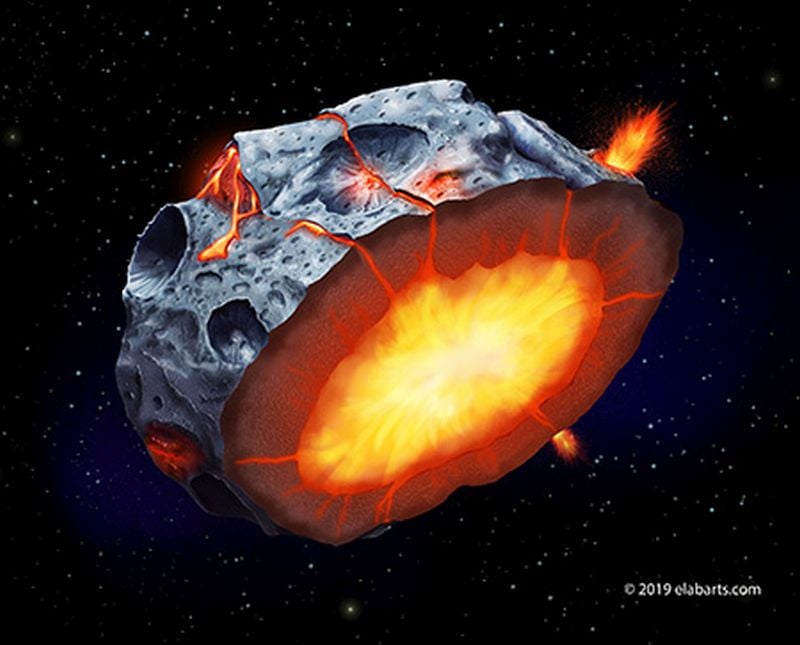
Continue reading
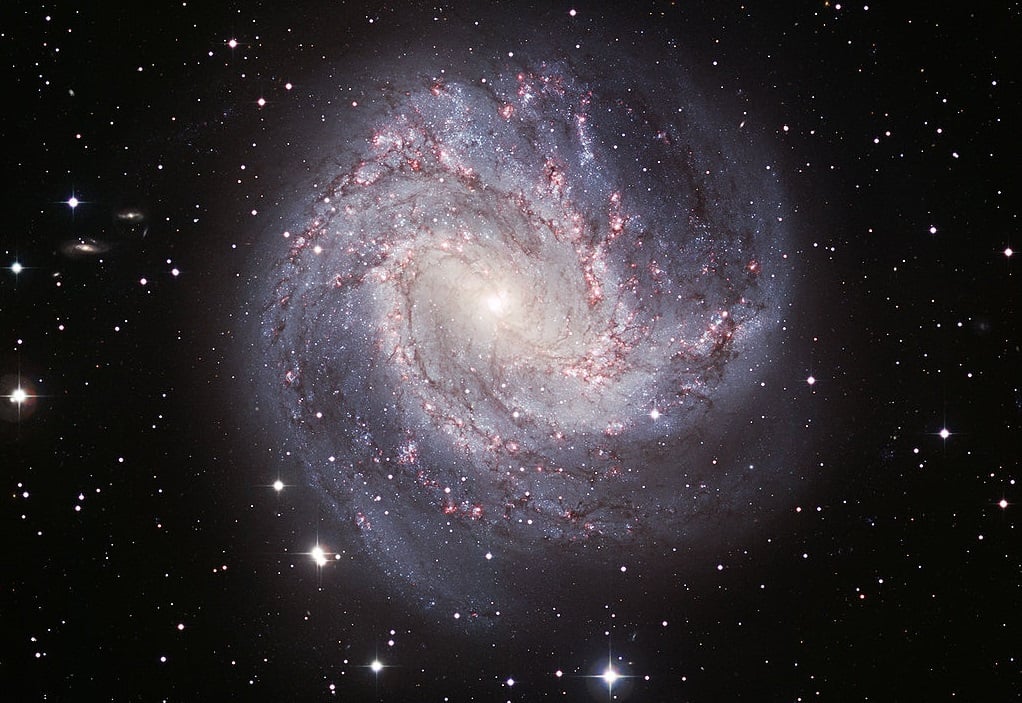
Located in the direction of the Hydra constellation, over 15 million light years from Earth, is the barred spiral galaxy known as Messier 83.
Continue reading
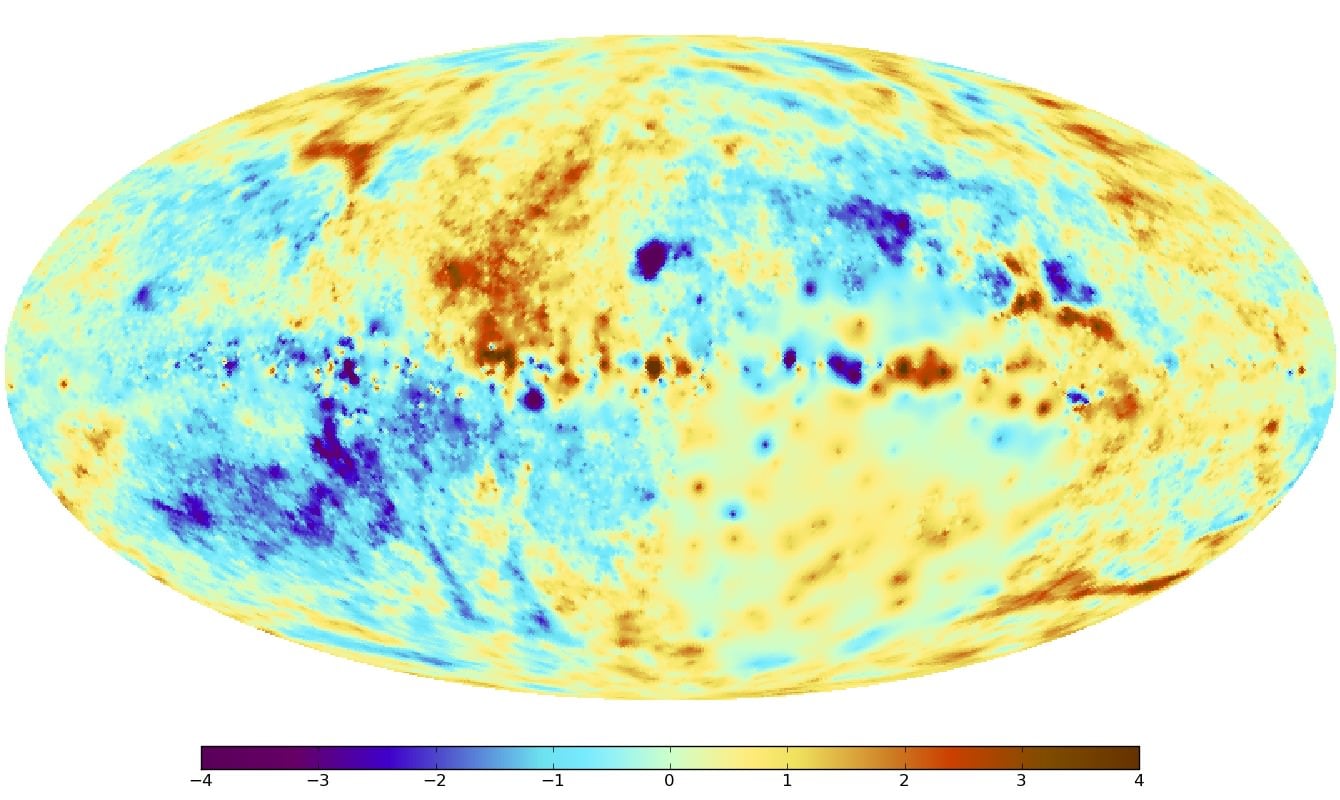
Japan's Hayabusa2 spacecraft recently struck the asteroid Ryugu with an explosive payload, which will help it collect samples that could teach us more about how the Solar System and life came to be.
Continue reading
Continue reading
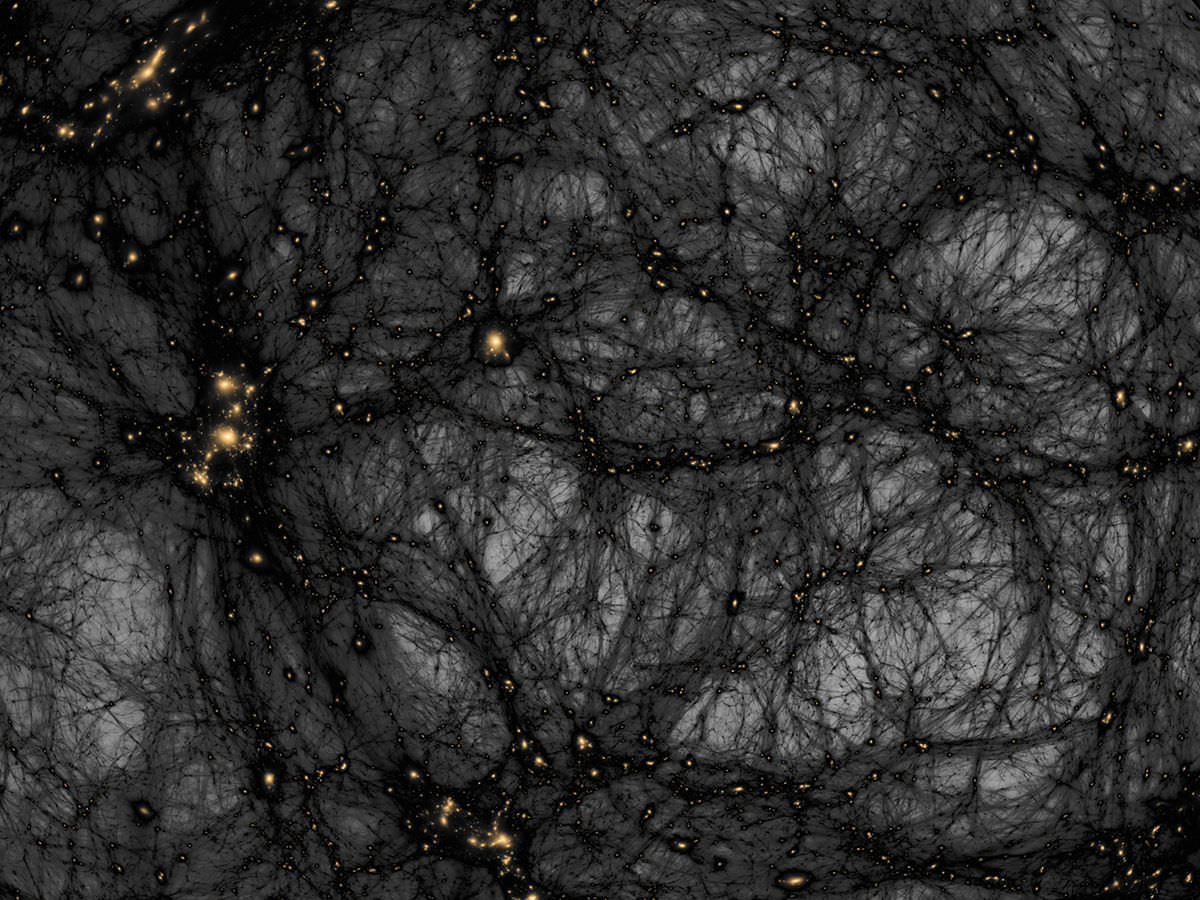
A new study by an international team of scientists has tested Hawking's theory of dark matter, and ruled out that it is not likely to be made up of tiny black holes.
Continue reading
Continue reading
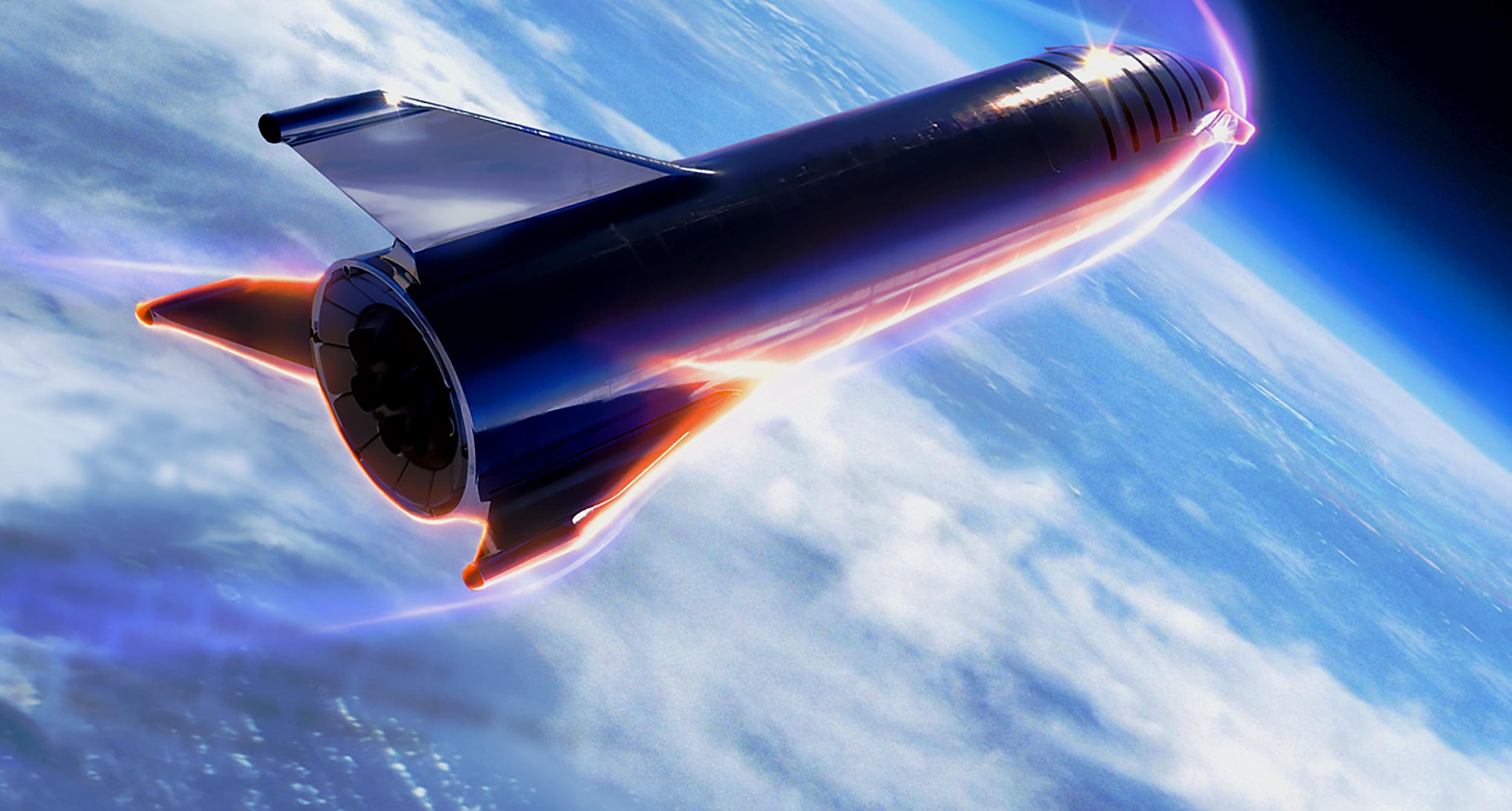
After a minor delay, SpaceX has conducted the first successful hop test of their Starship Hopper, a key step in validating the systems that will go into the full-scale prototype.
Continue reading
Continue reading
Continue reading
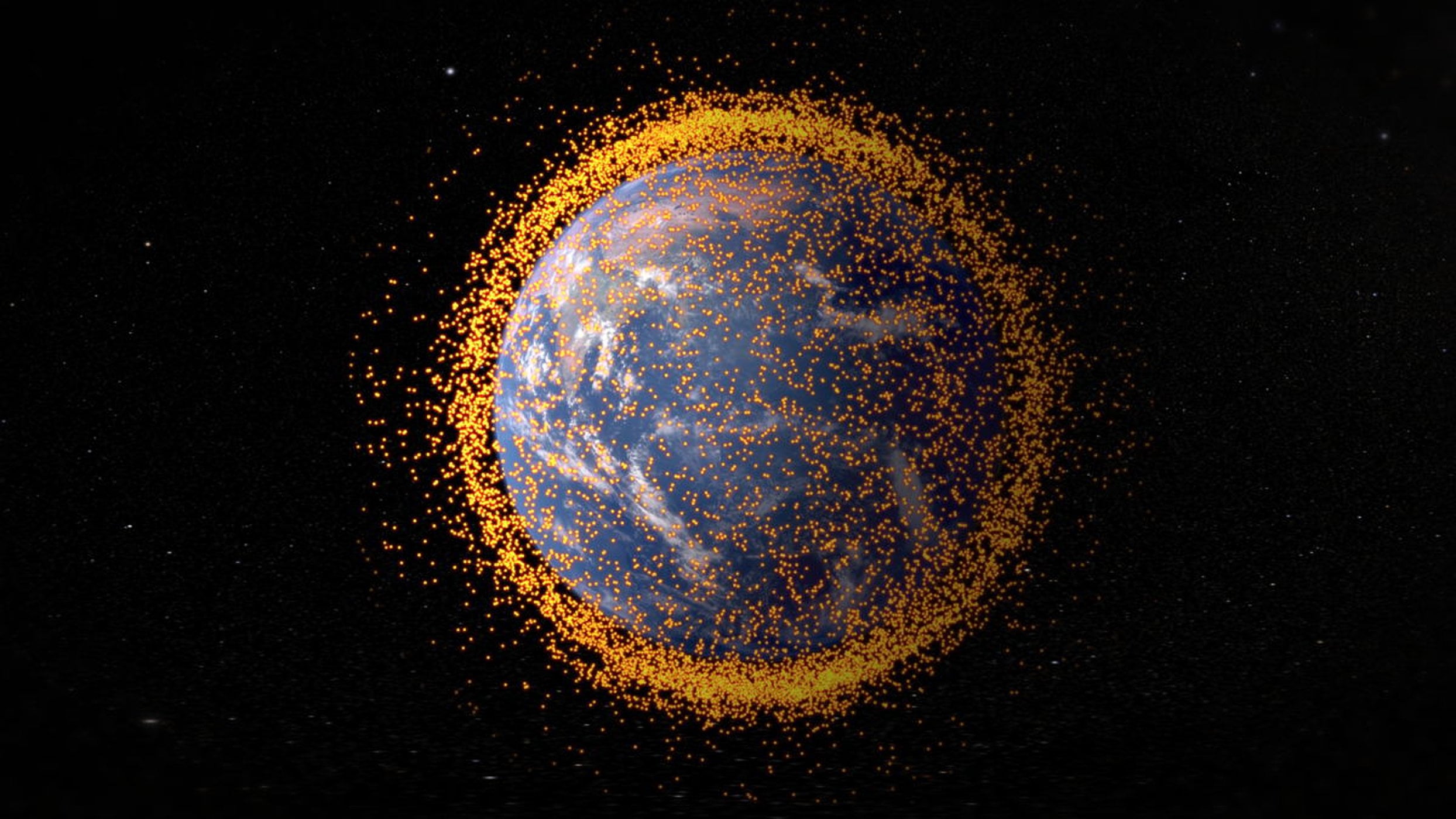
Last week, India shot down one of its own satellites with a missile. According to NASA, the resulting debris field is an "unacceptable" threat to the ISS.
Continue reading
Continue reading
 Universe Today