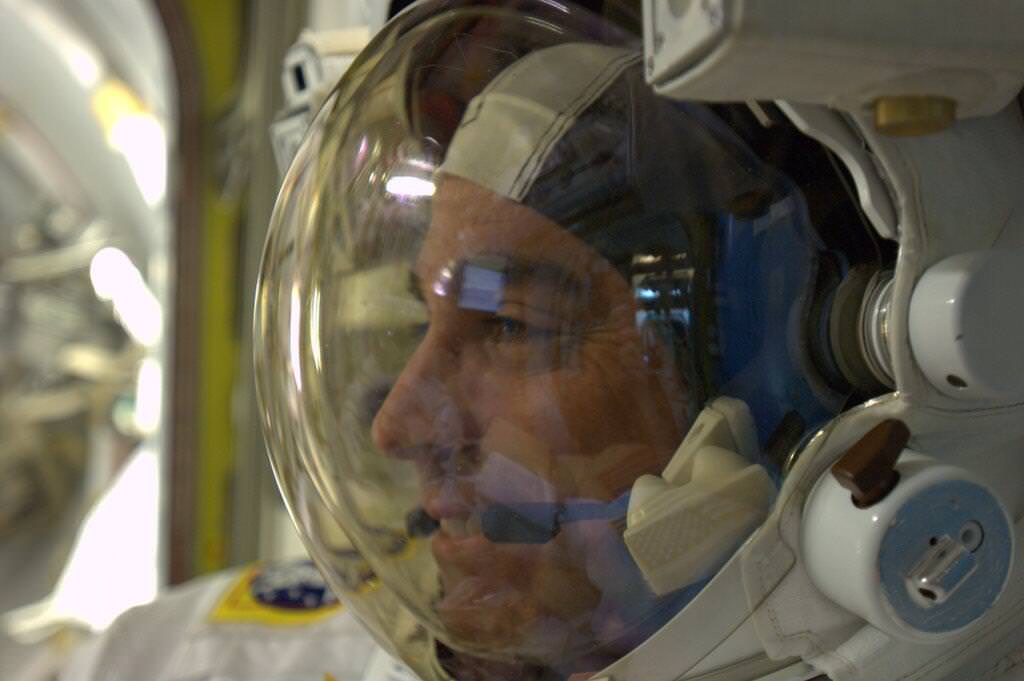
After 196 days in space, some record spacewalks, several experiments, and patching an air leak, the crew of Expedition 63 made it home safely!
Continue reading

The Soil Health in Space experiment is now being conducted on the ISS, which could lead to sustainable farming on the Moon, Mars, and also Earth!
Continue reading

Continue reading
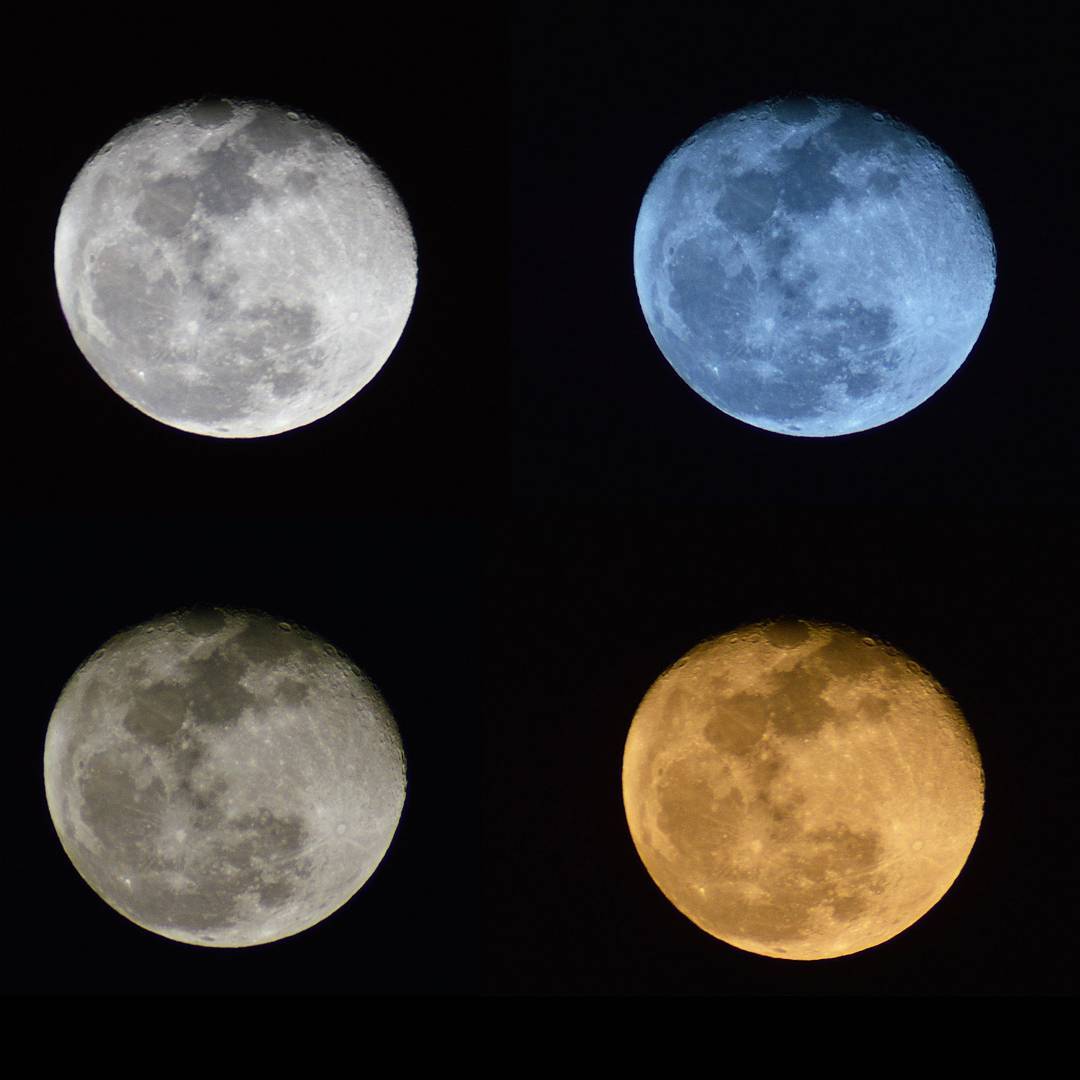
The final 'Blue Moon' of the decade rounds out October 2020.
Continue reading
Continue reading
Continue reading
Continue reading

Continue reading
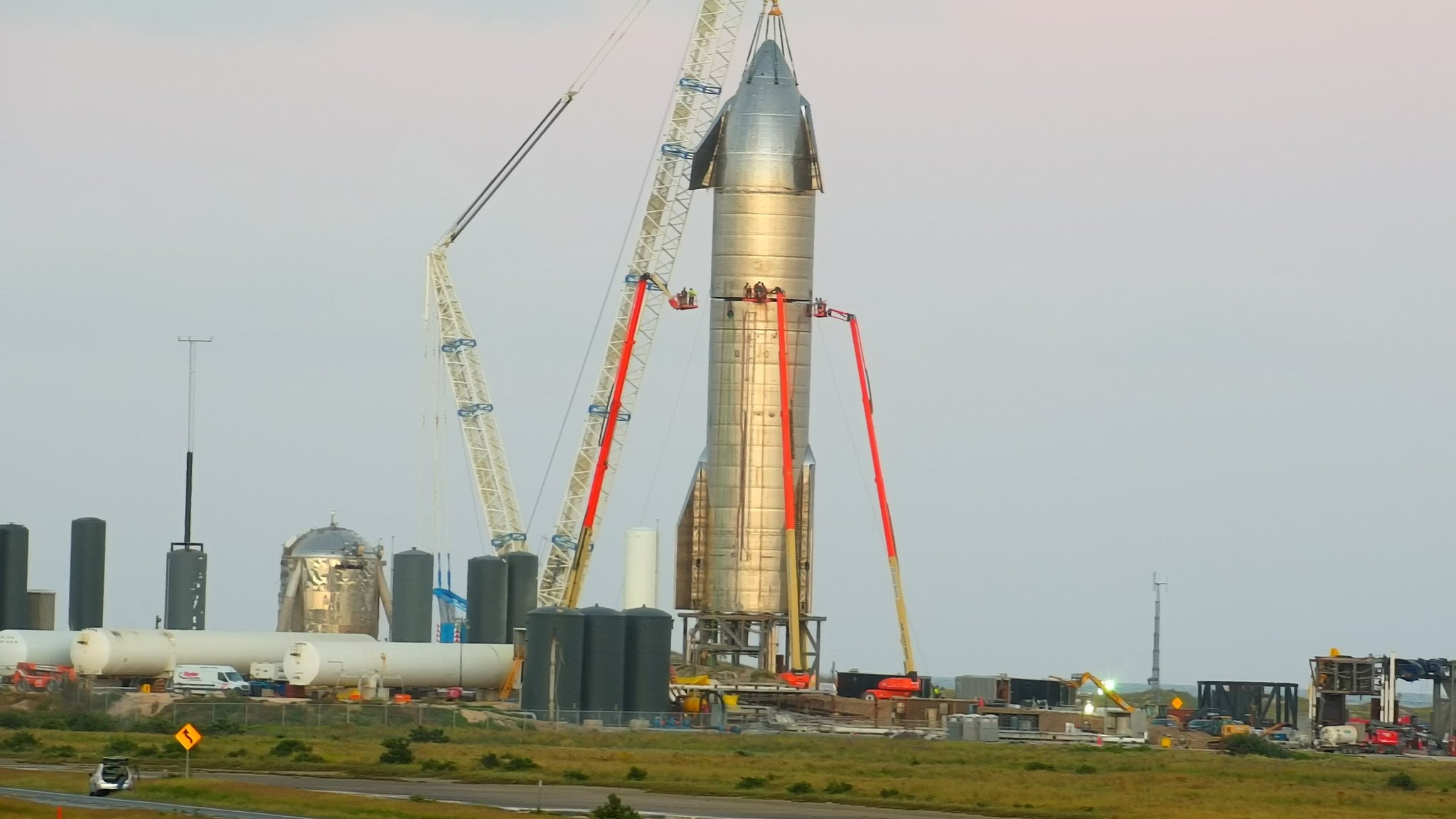
The Starship is coming together, literally and figuratively! With its three Raptor engines test fired, and nosecones and fins attached, the vessel is ready for its highest hop test yet!
Continue reading
Continue reading
Continue reading
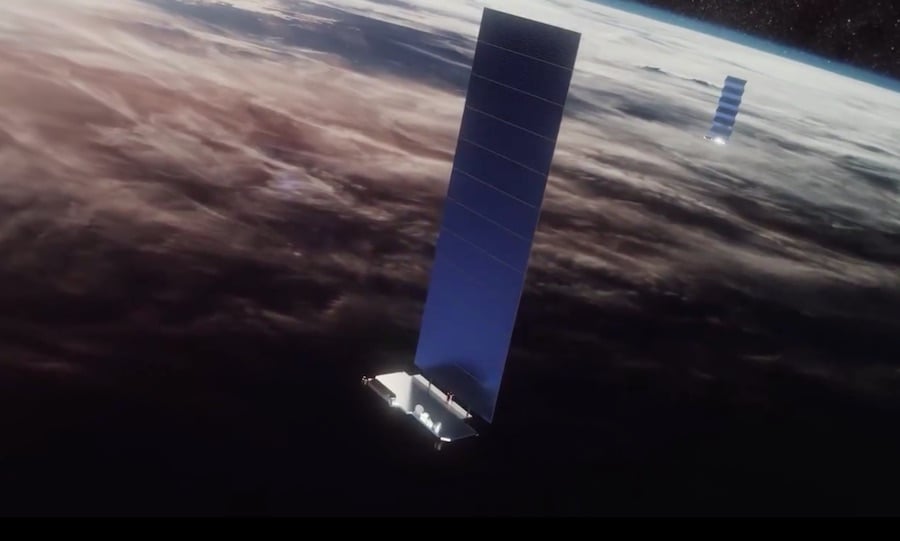
A new analysis indicates that 3% of Starlink satellites have failed since they were launched to orbit, which could mean an increased risk of collisions down the road.
Continue reading
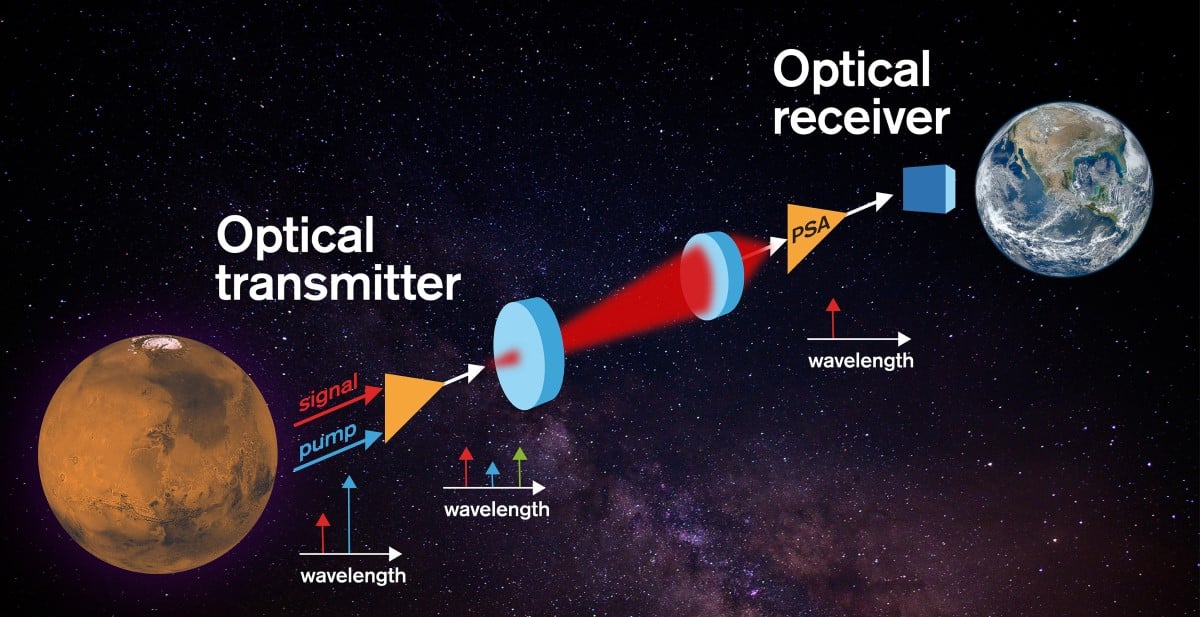
As we explore the solar system, we'll need an interplanetary communication network that can keep up. A new receiver might be up for the job.
Continue reading

Continue reading
Continue reading
Continue reading
Continue reading
Continue reading
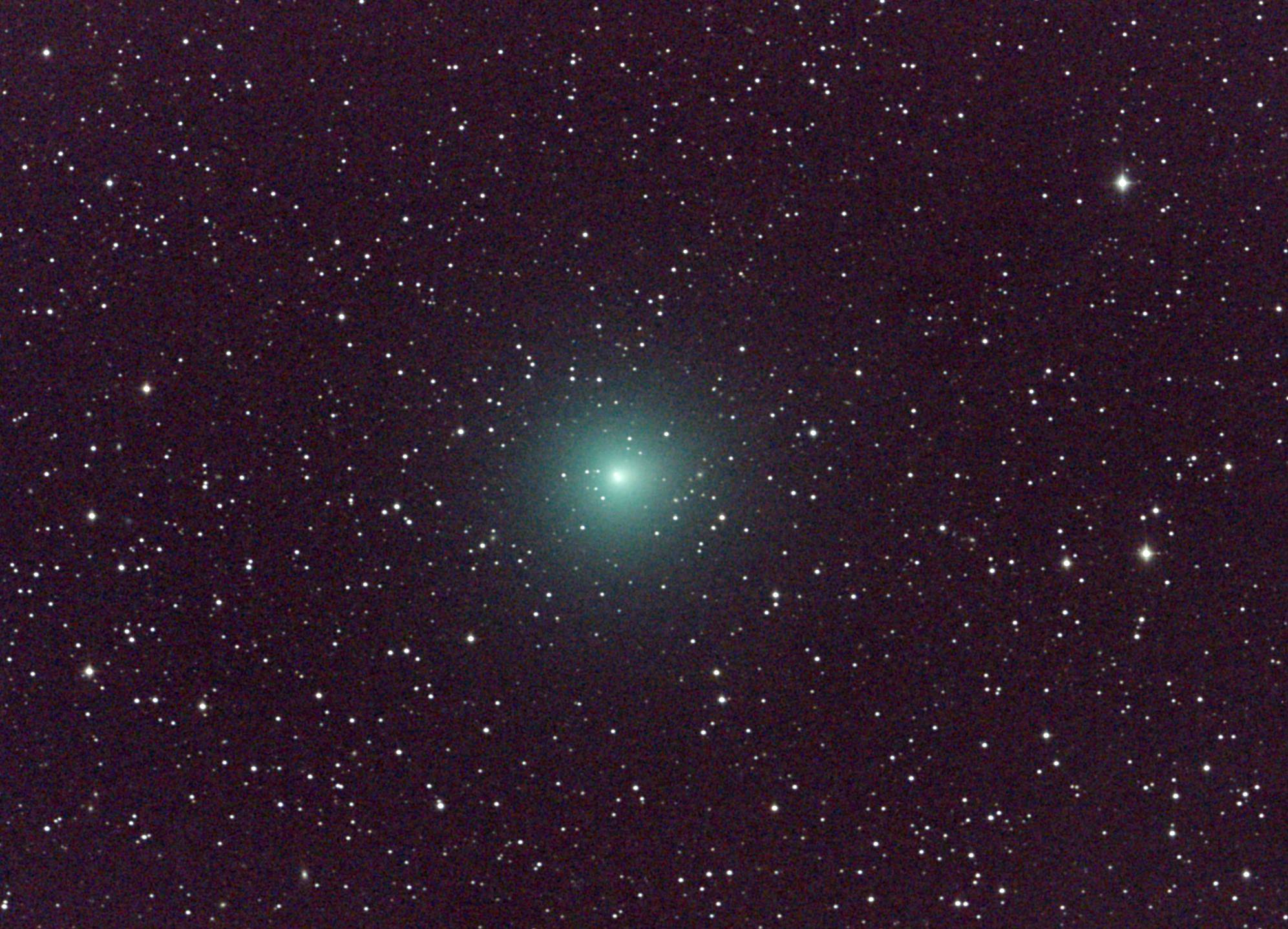
Two more comets worth scouting the sky for into November 2020.
Continue reading

Continue reading
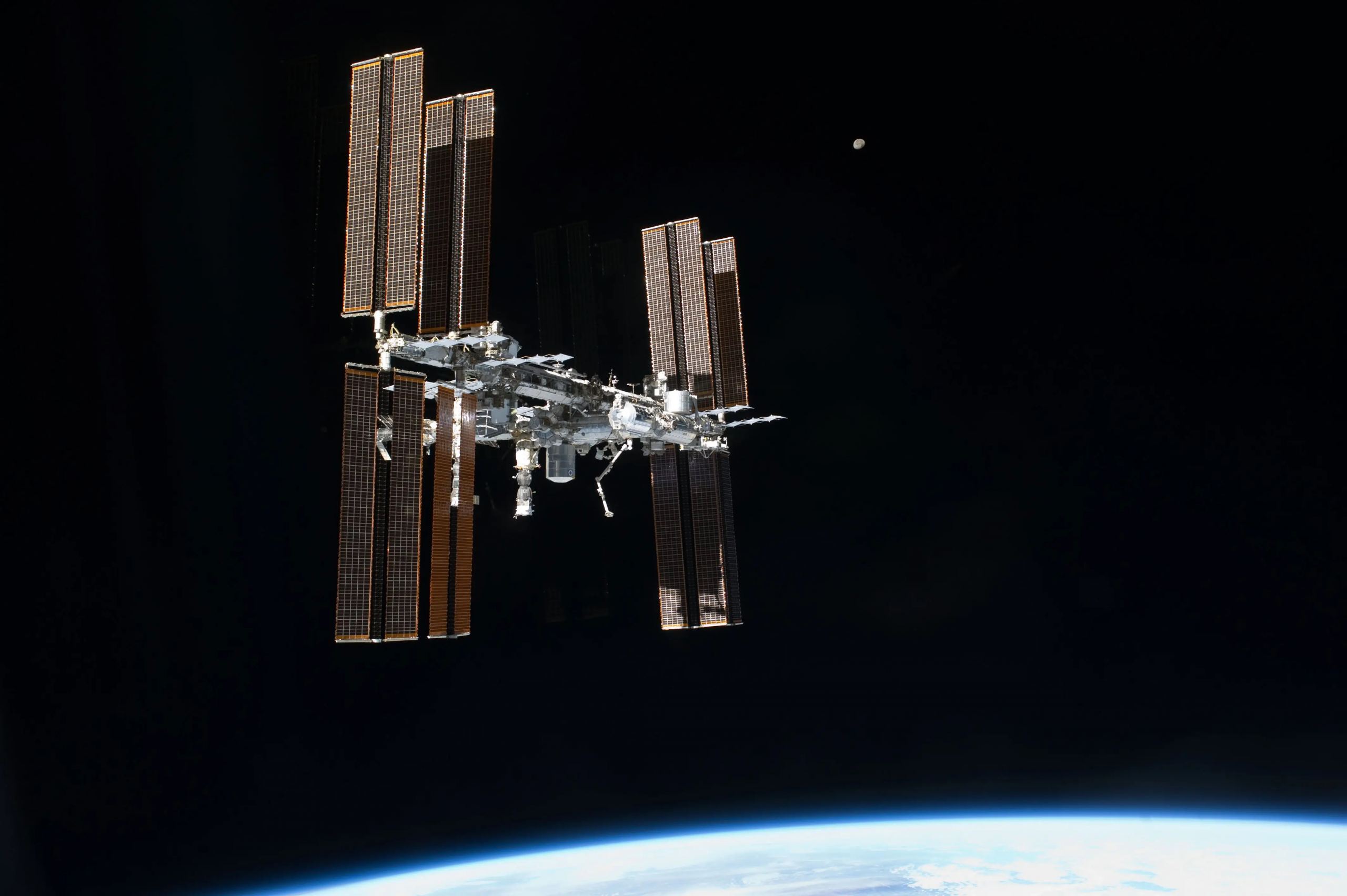
The ISS crew has found the source of the elusive leak using (wait for it!) tea leaves! The hole is now patched, but a permanent fix is still needed.
Continue reading
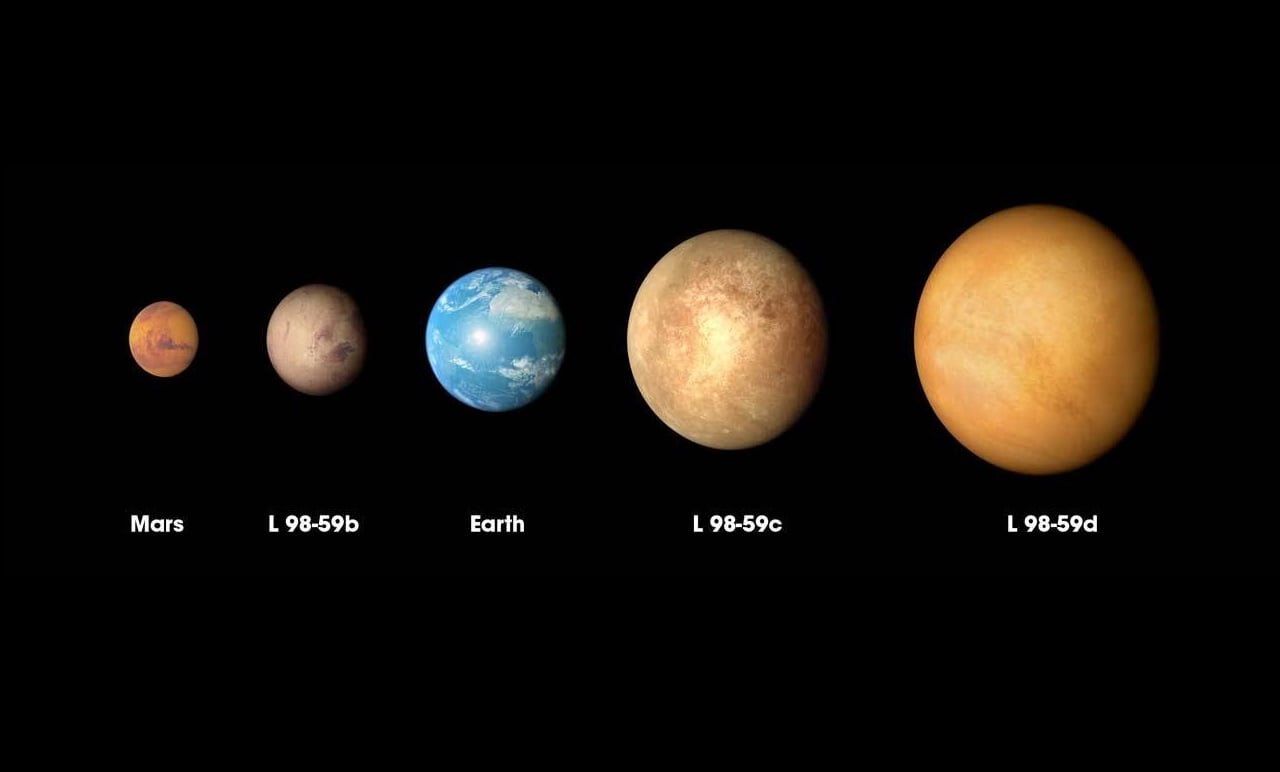
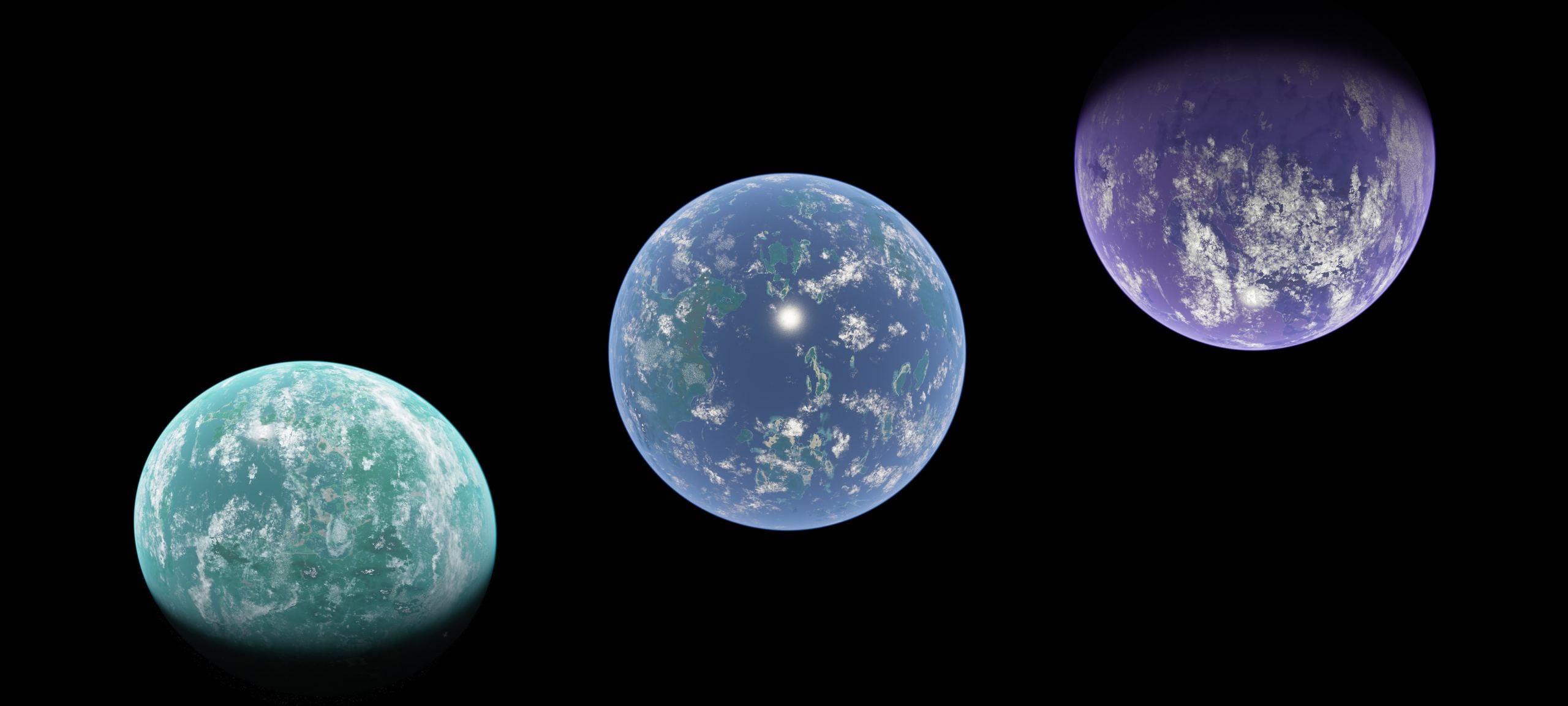
We have found more than 4,000 planets orbiting other stars. Life on distant worlds could find us in the same way.
Continue reading
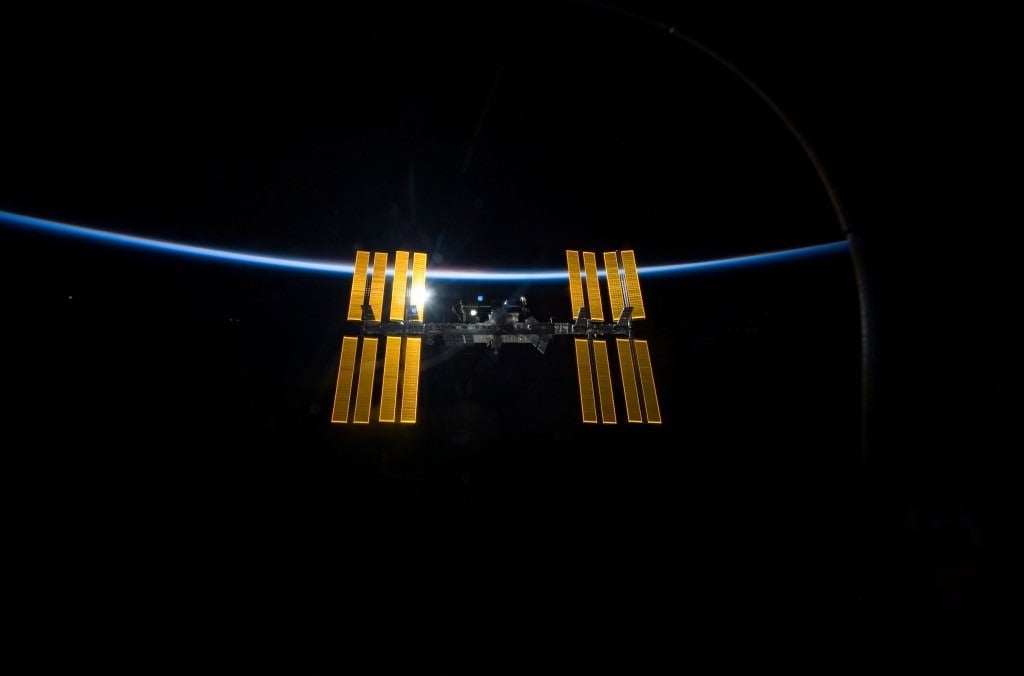
Crews aboard the ISS are working to repair the leak, which posed no significant risk. Unfortunately, it shows that the ISS is getting on in years!
Continue reading
Continue reading
Continue reading
Continue reading
Continue reading
Continue reading
Continue reading
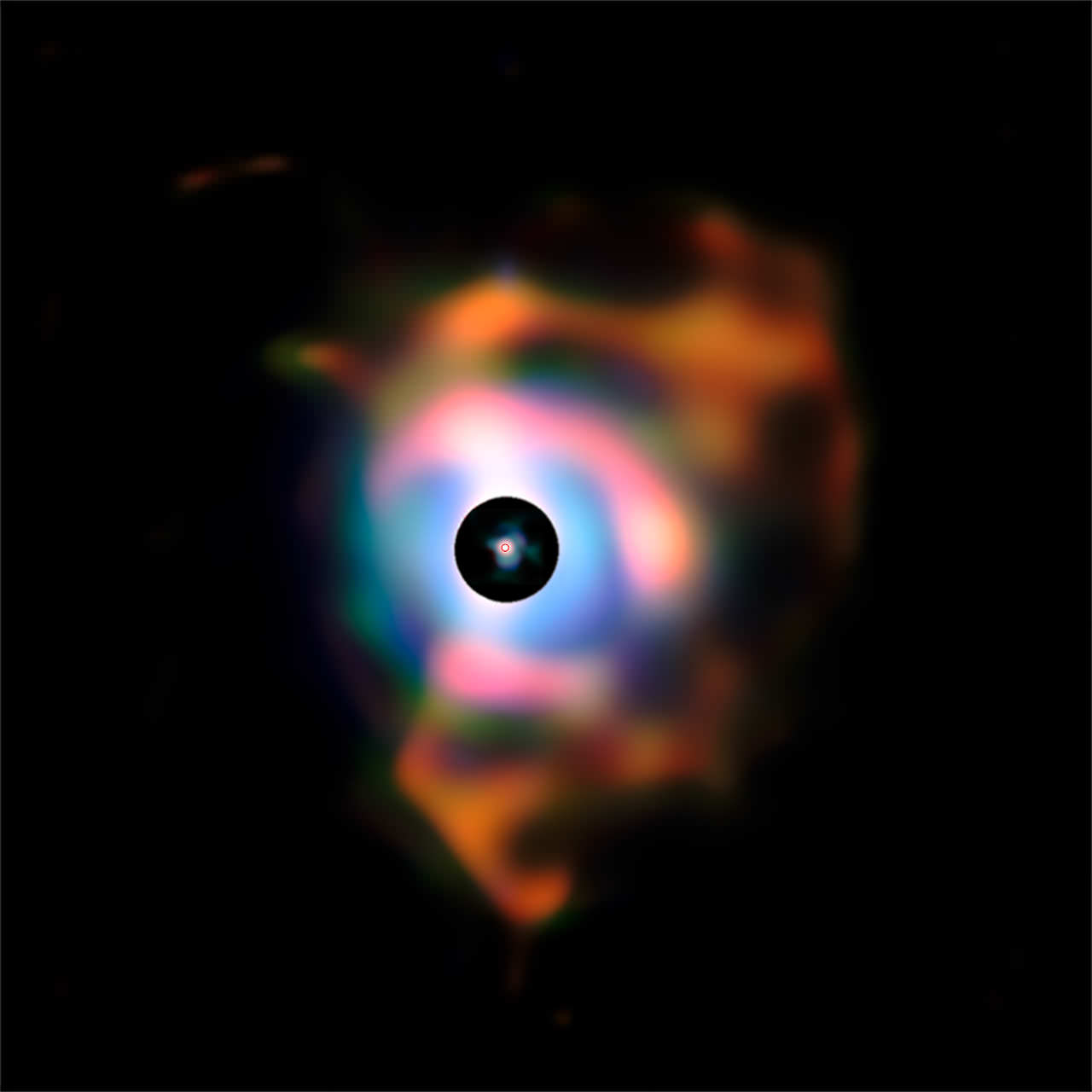
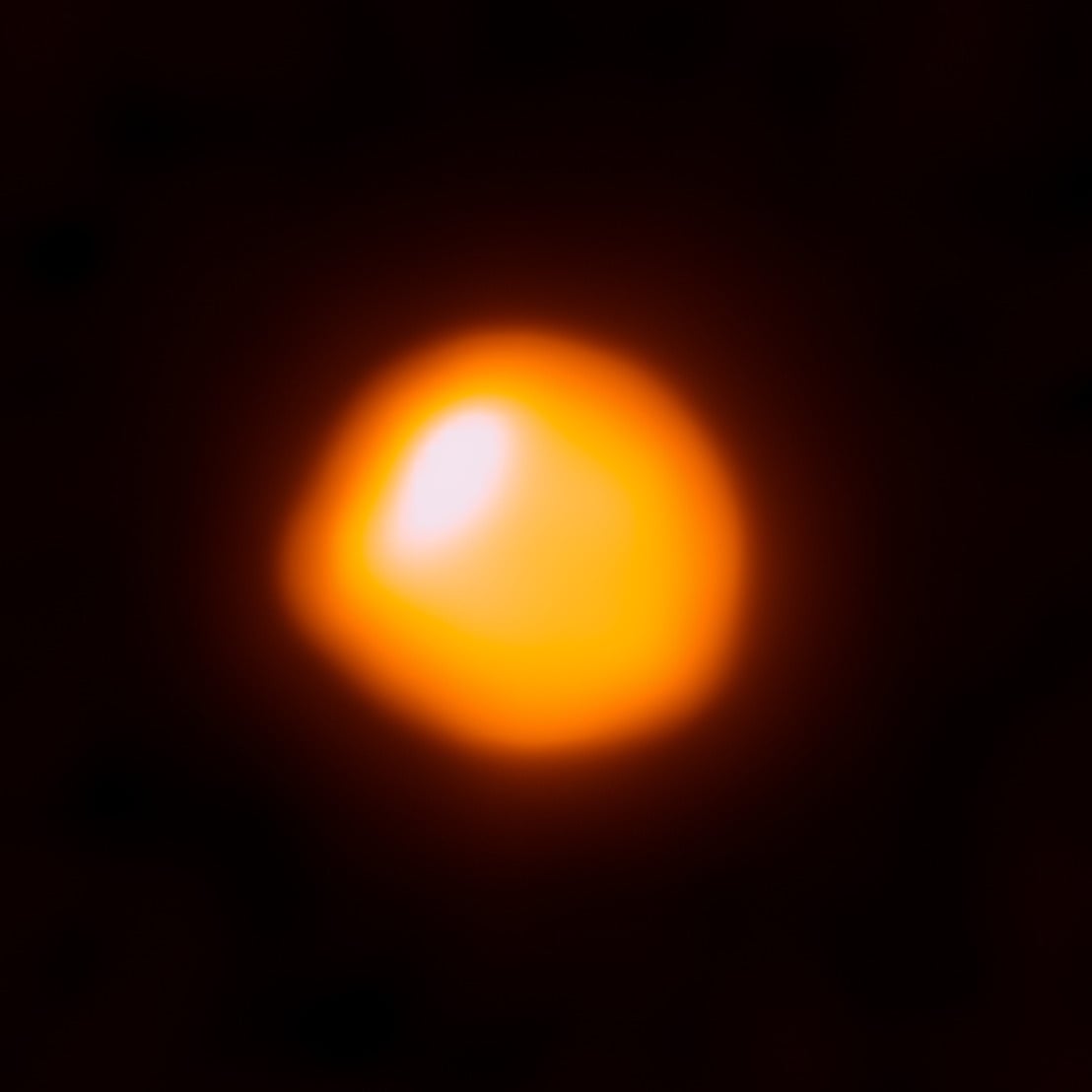
An international team of astronomers recommends creating "Betelgeuse Scope" to monitor this mysterious star find out why it has been acting so strangely of late!
Continue reading
Continue reading
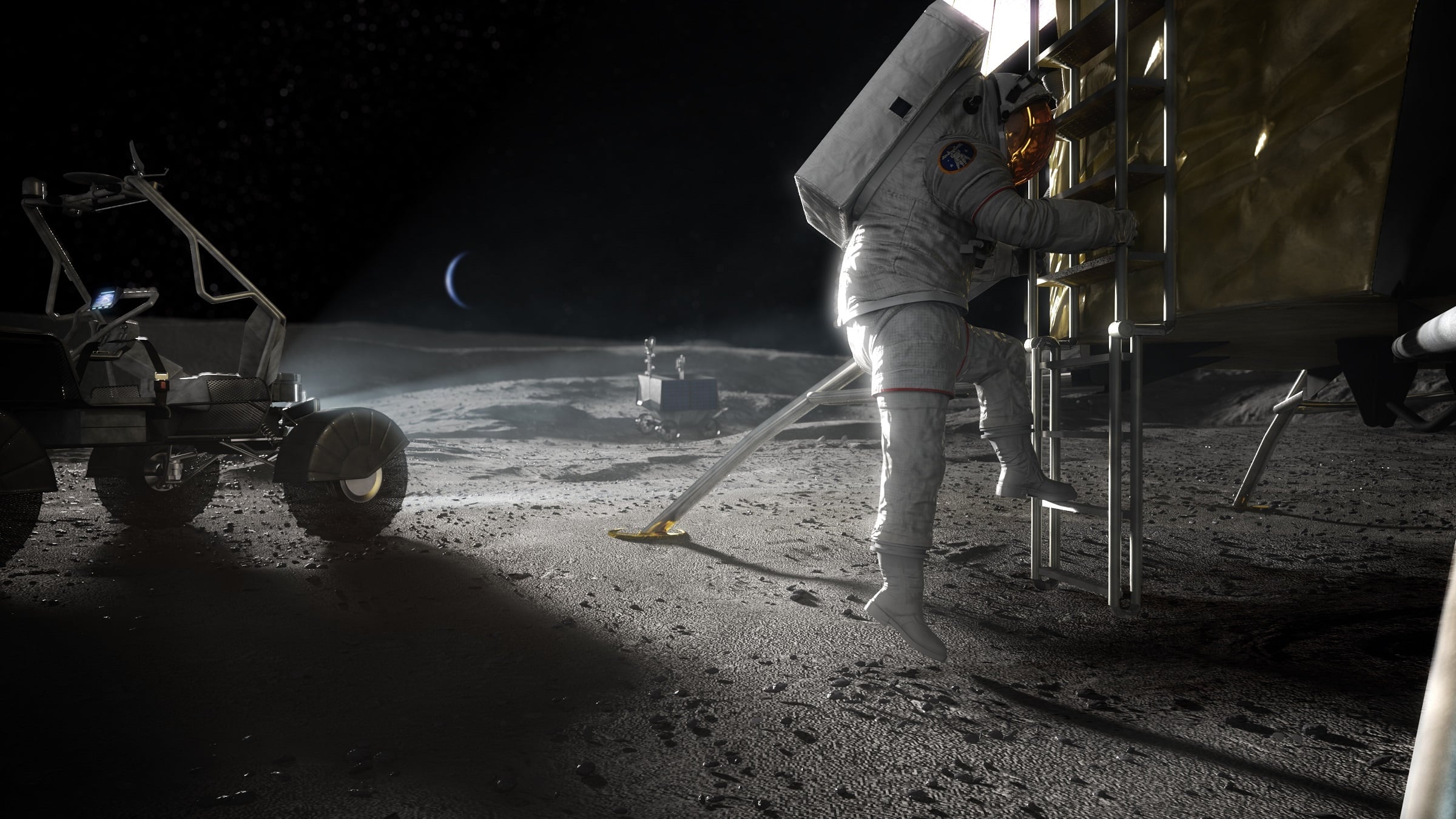
NASA recently awarded contracts to fourteen companies to develop technologies that will help them return to the Moon, and stay there!
Continue reading
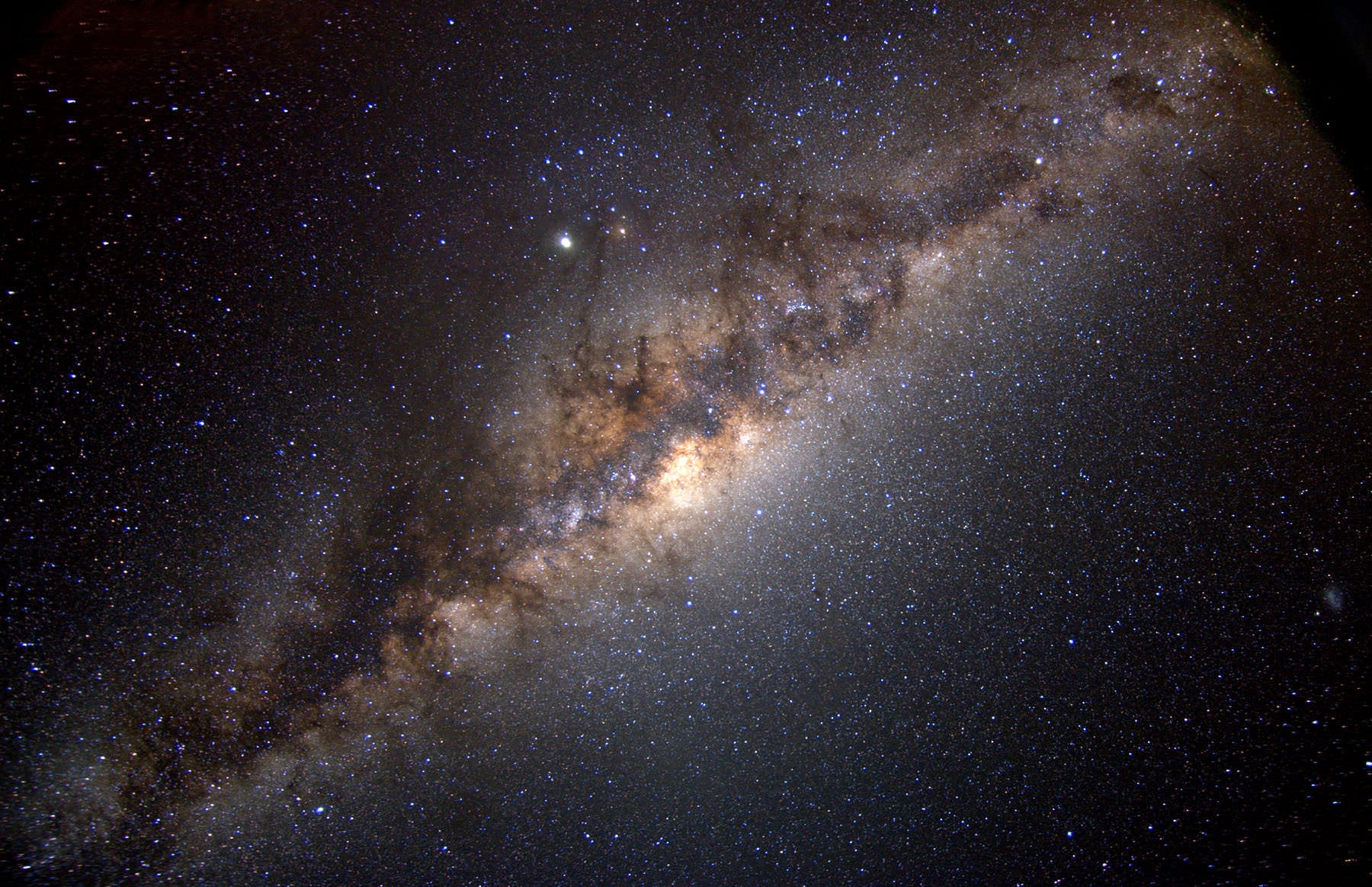
The stars at the center of our galaxy could tell us just how fast our closest supermassive black hole is spinning.
Continue reading

Continue reading
Continue reading
Continue reading
Continue reading

Continue reading
Continue reading
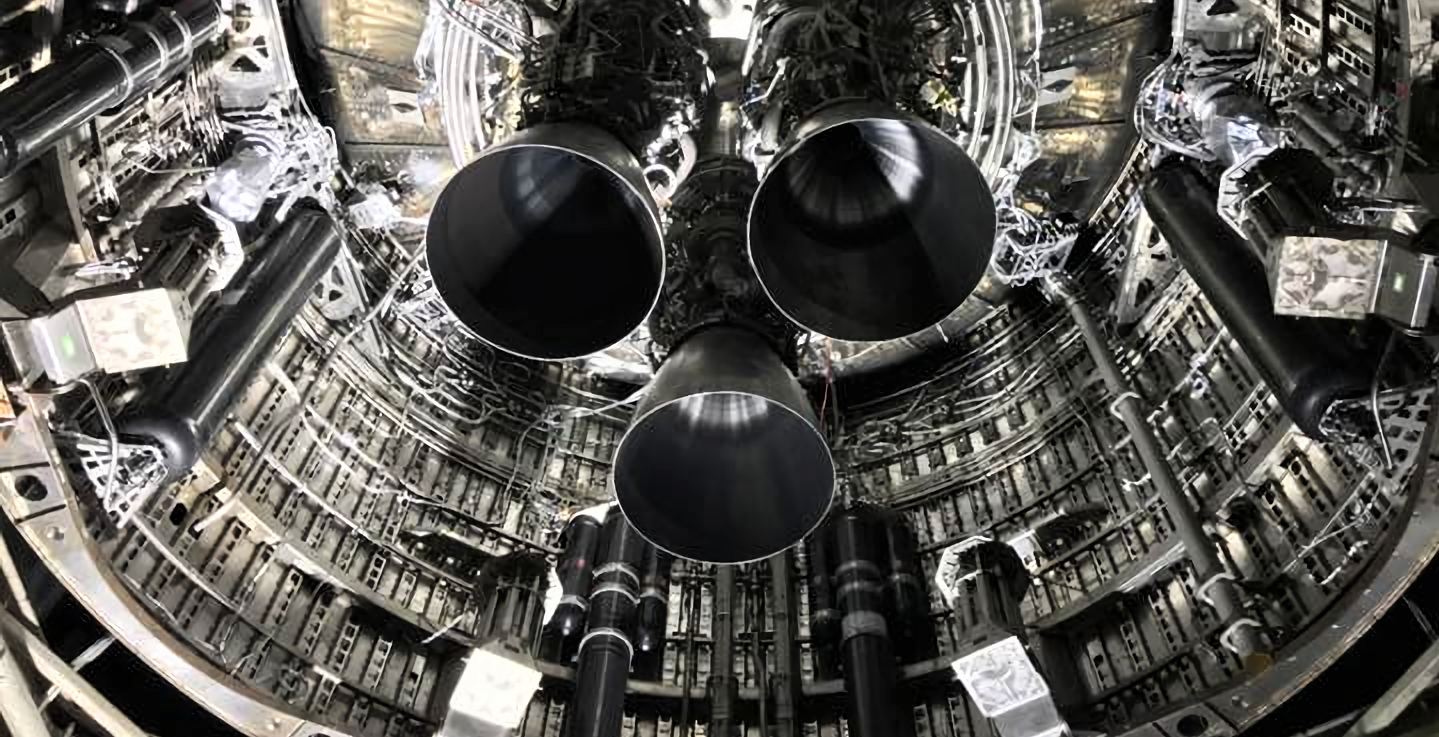
The SN8 Starship prototype just got its three Raptor engines, and is now preparing to test fire them. After that, it's smooth sailing towards the 15 km (50,000 ft) hop test!
Continue reading
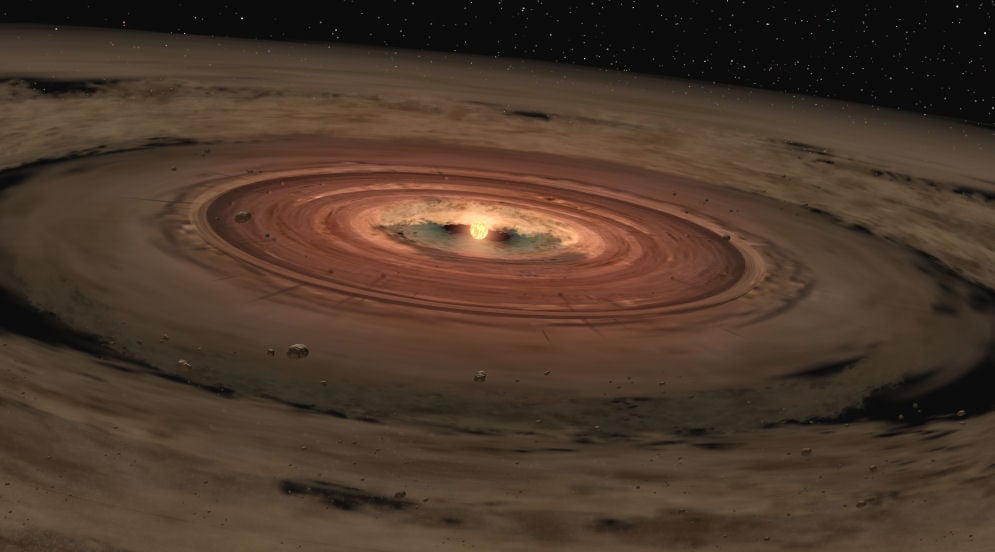
This week we are joined by Dr. Jane Huang and Dr. Jonathan Willams from the Center for Astrophysics, Harvard & Smithsonian (CfA). Dr. Huang, Dr. Williams, and their team recently discovered some surprising information about the size and shape of some protoplanetary disks.
Continue reading

Continue reading

Continue reading
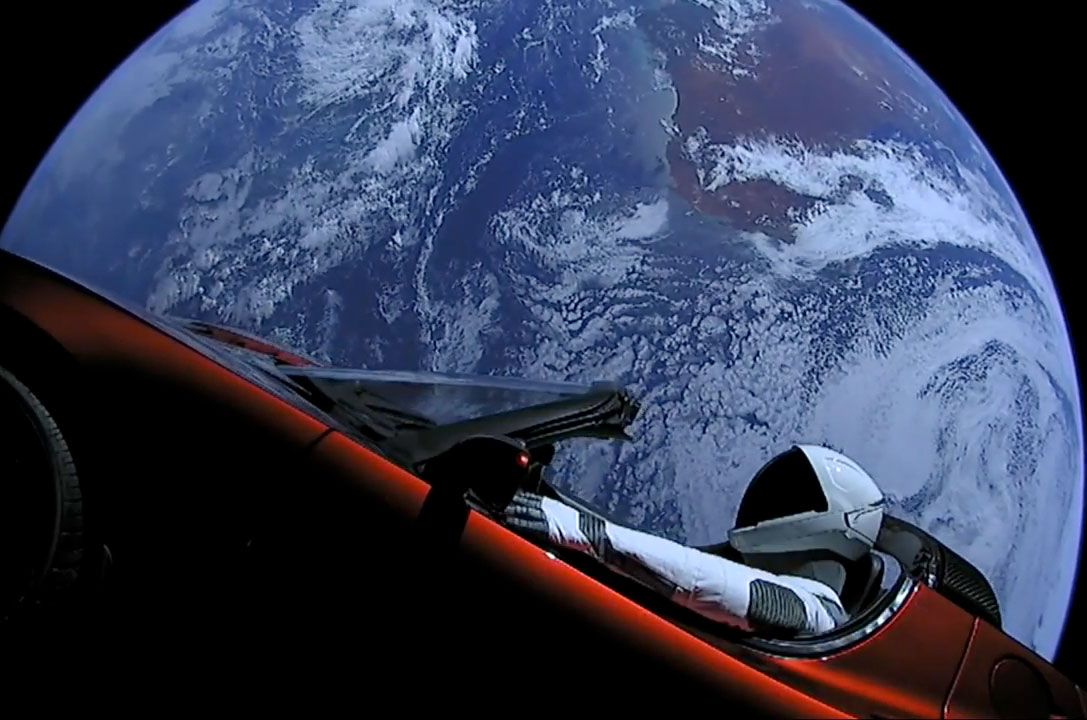
In a interesting bit of SpaceX news, Starman and his cherry Tesla Roadster made their first flyby of Mars, and will be passing by Earth in less than a month!
Continue reading
Continue reading
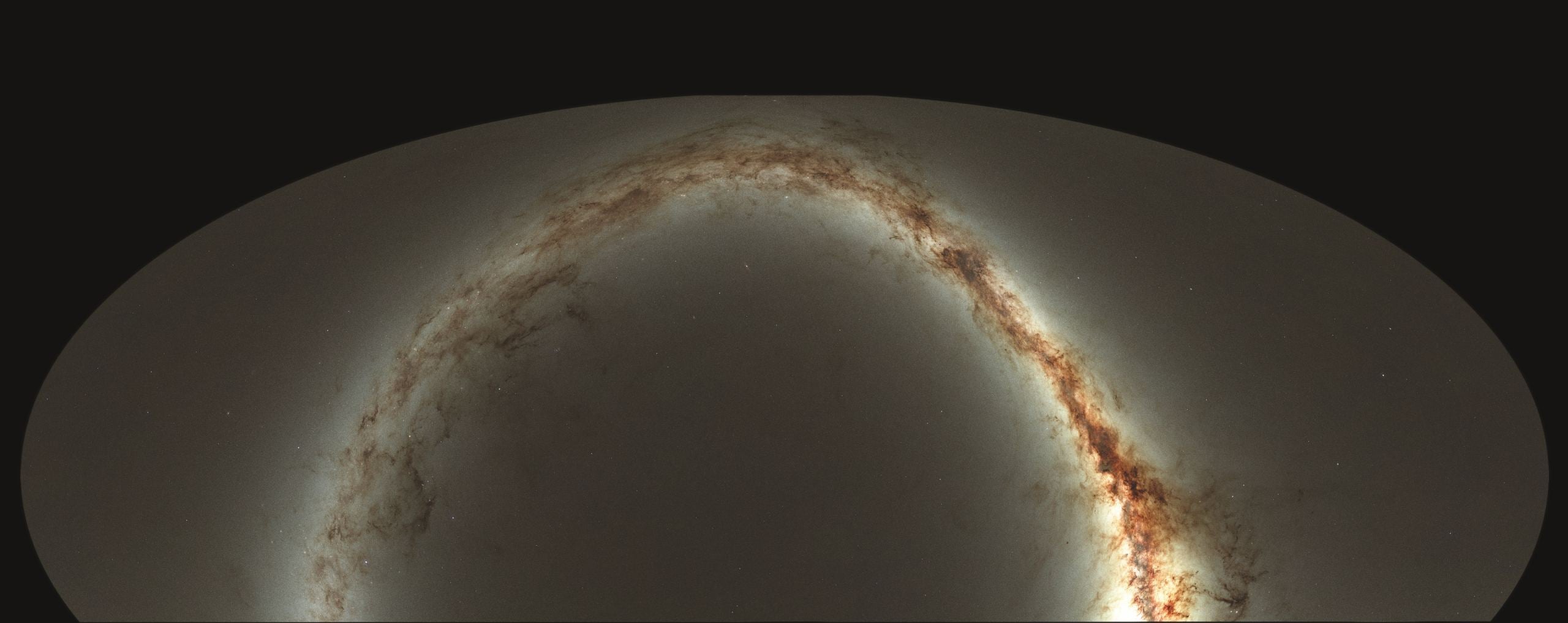
Using the largest survey ever conducted, a team of astronomers from the IfA have created the largest 3D catalog of the Universe ever!
Continue reading
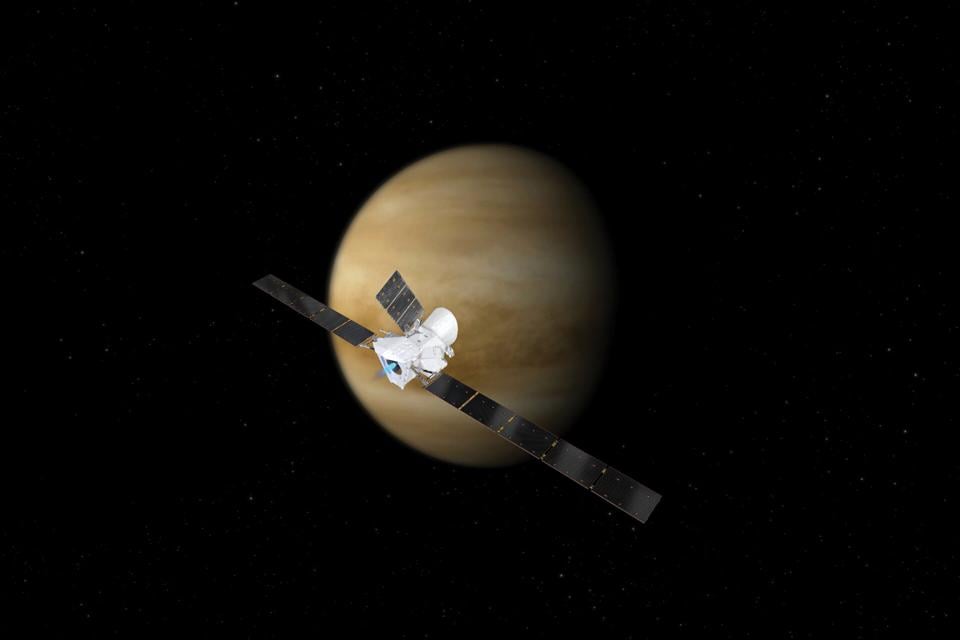
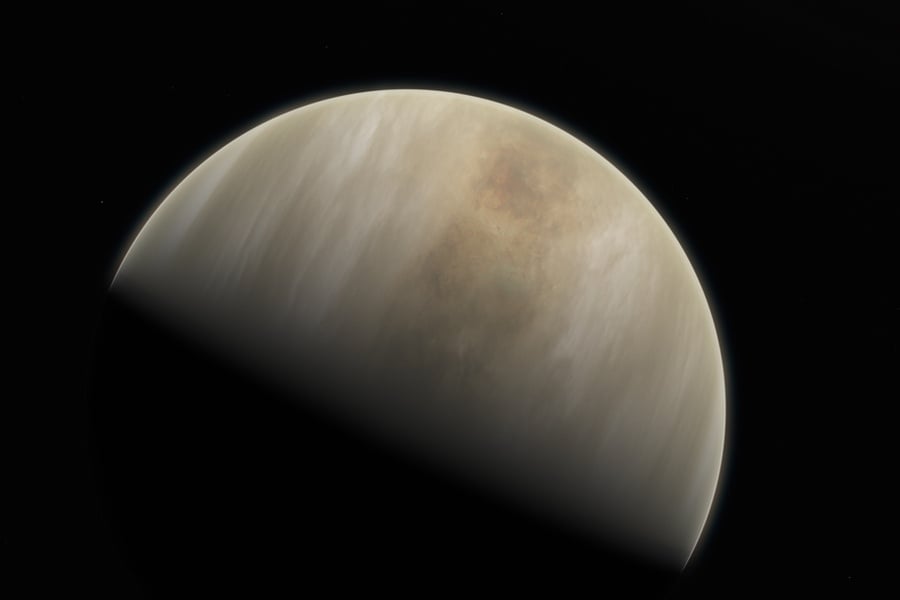
The Mercury-bound BepiColombo spacecraft will observe Venus during tonight's pass, on the hunt for phosphine and sulfur-dioxide.
Continue reading
Continue reading
Continue reading
Continue reading
 Universe Today