Continue reading

Continue reading
Continue reading
Continue reading
Continue reading
Continue reading
Continue reading
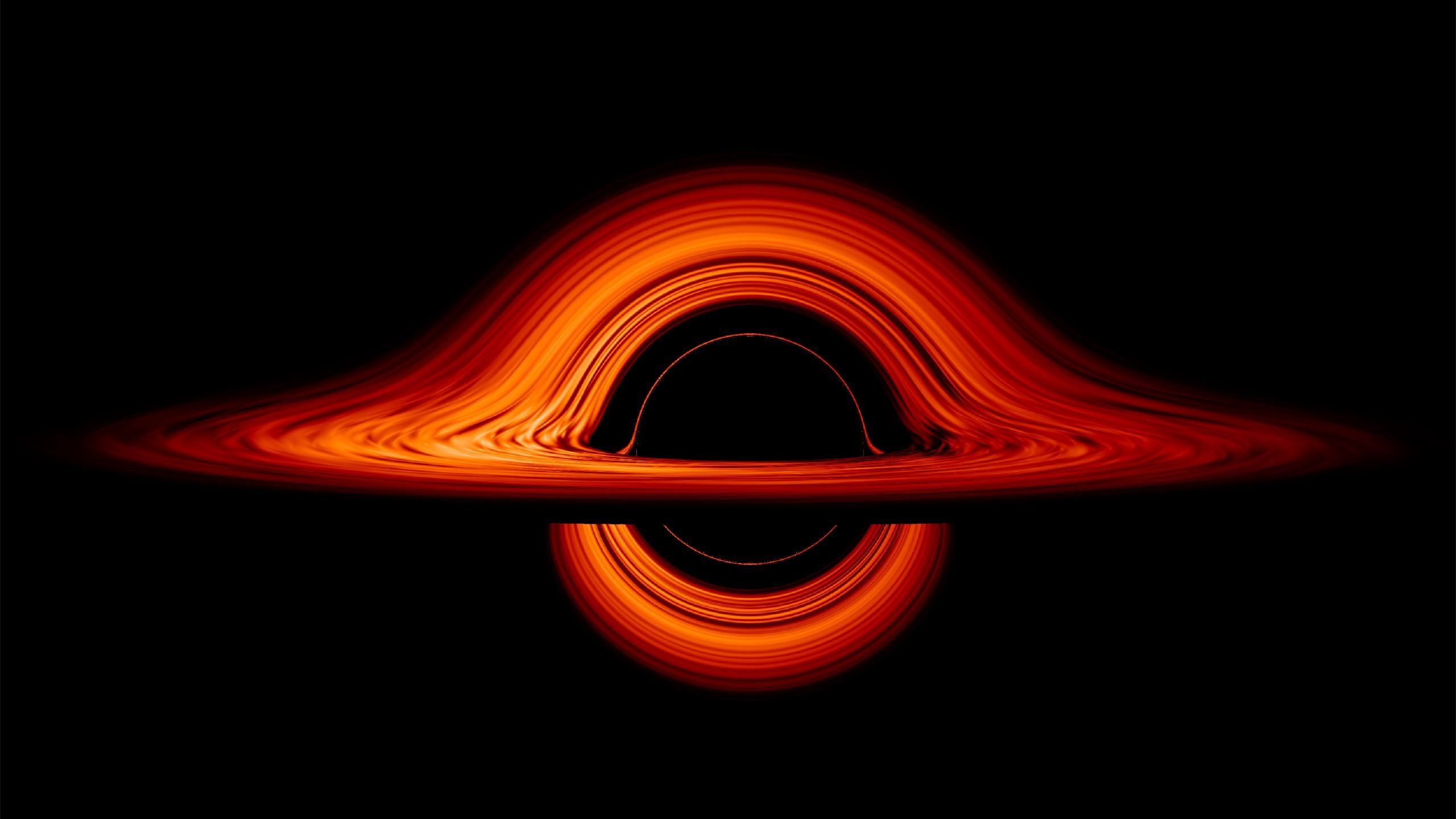
A new study by an international team shows how the physics of a black hole's event horizon could allow us to harness limitless energy from them someday.
Continue reading

SpaceX has just acquired two former oil drilling rigs off the coast of Texas, which it is converting into launch facilities called Phobos and Deimos
Continue reading
Continue reading
Continue reading

Continue reading
Continue reading
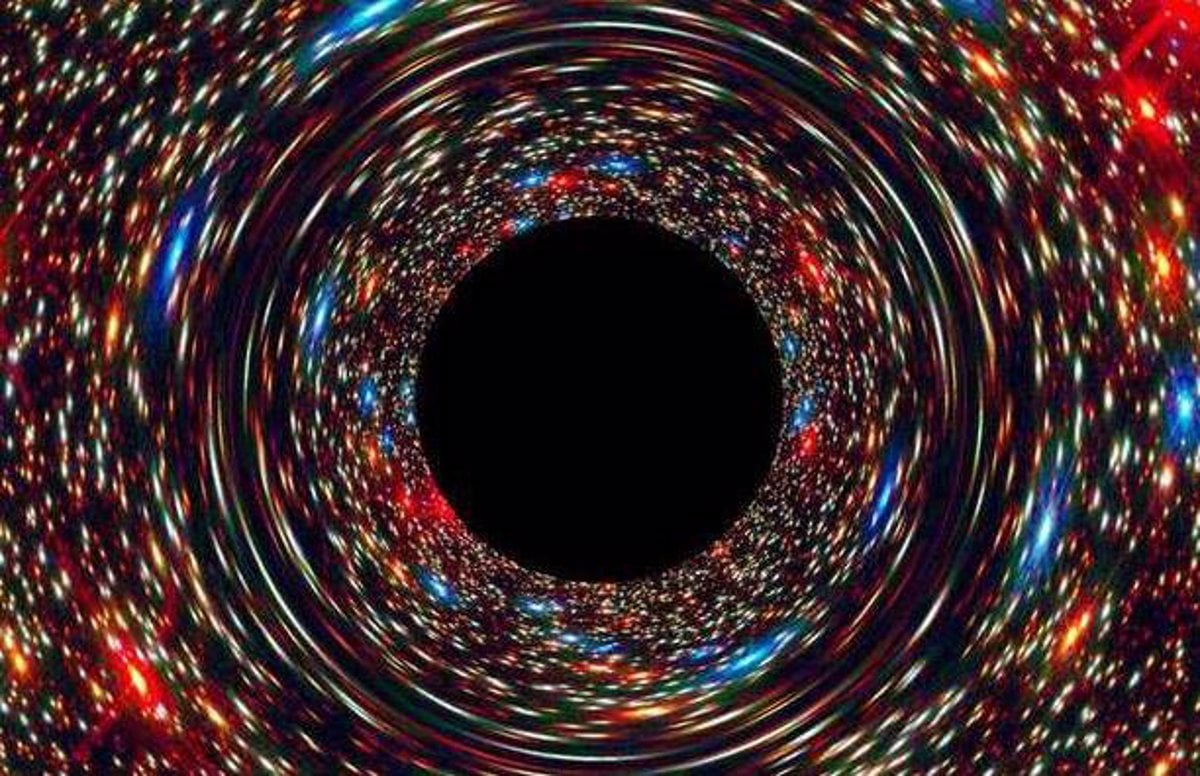
A new study proposes that the upper mass limit for black holes could be a million times larger than we thought.
Continue reading
Continue reading

Virgin Orbit has successfully tested its new air-launch system (LauncherOne) that will deliver small satellites to orbit in the near future.
Continue reading
Continue reading
Continue reading

Continue reading

Chandrasekhar found there is an upper limit for the mass of a white dwarf, but some white dwarfs can break that limit for a time.
Continue reading

Continue reading

A new proposal from the inventor of the E-sail shows how we could create an Earth-like space habitat around Ceres, which could be a gateway to the rest of the Solar System
Continue reading

Continue reading
Continue reading

Continue reading

Continue reading
Continue reading
Continue reading
Continue reading
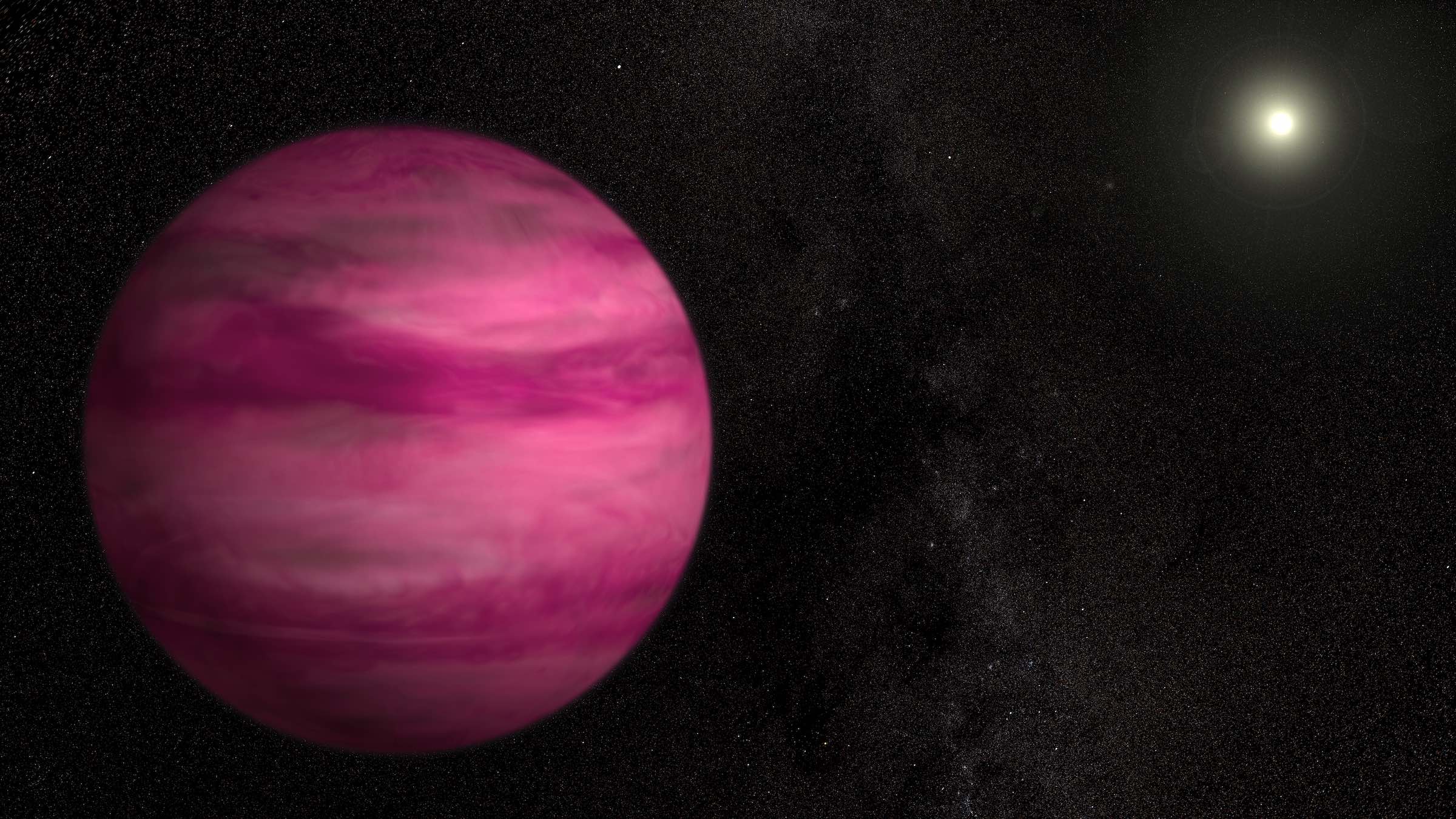
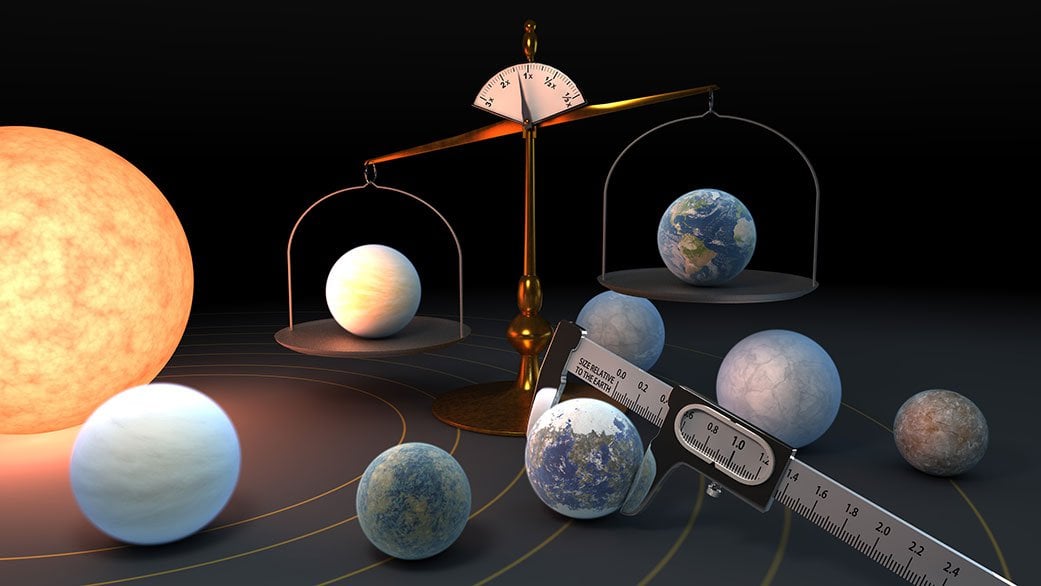
We don't know much about exoplanets with long orbital periods, but we're starting to learn.
Continue reading

Continue reading

Continue reading
Continue reading
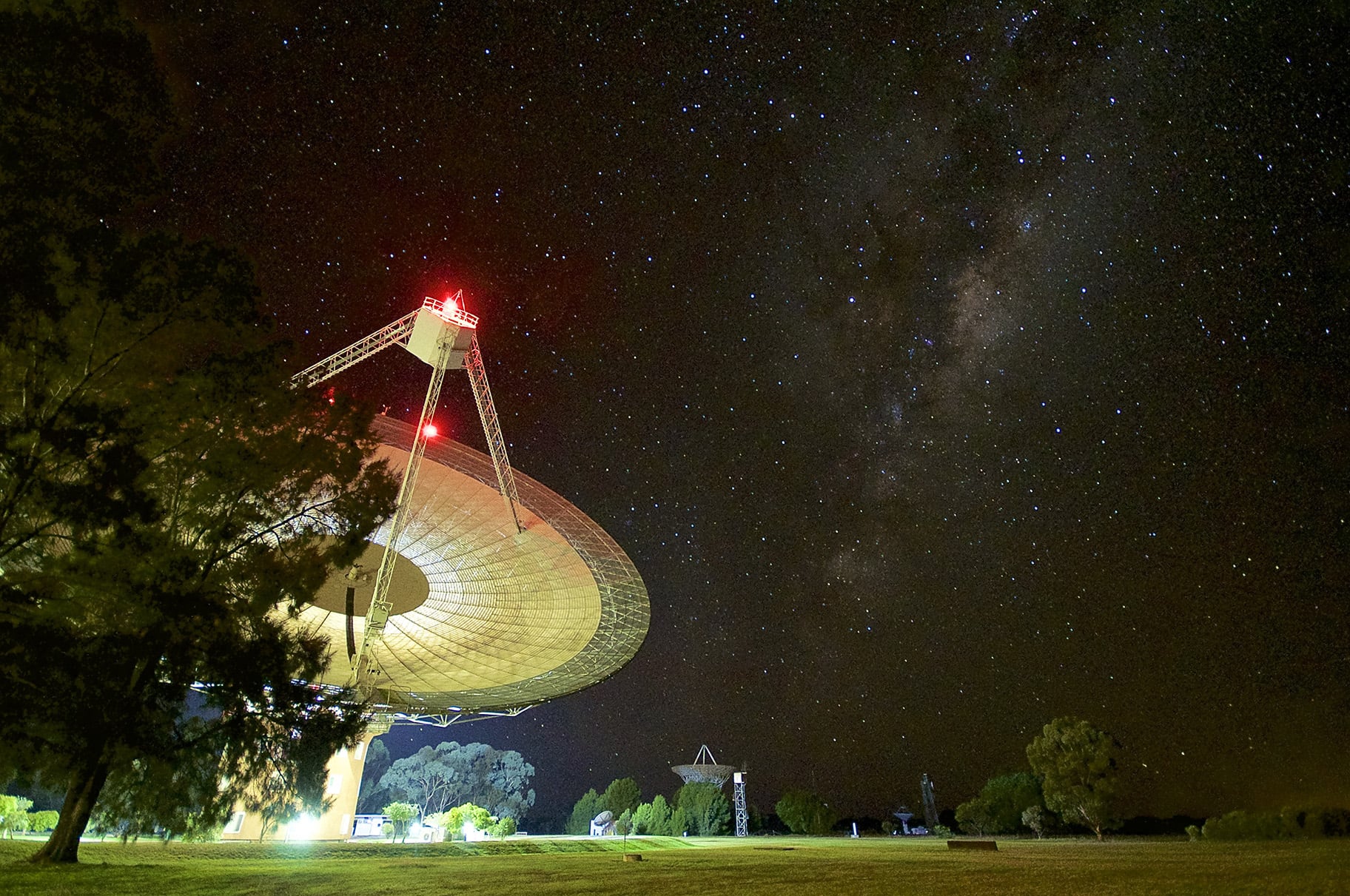
In a new study, a pair of Harvard astrophysicists did the math on whether or not BLC1 is an extraterrestrial signal - and the results are not good!
Continue reading
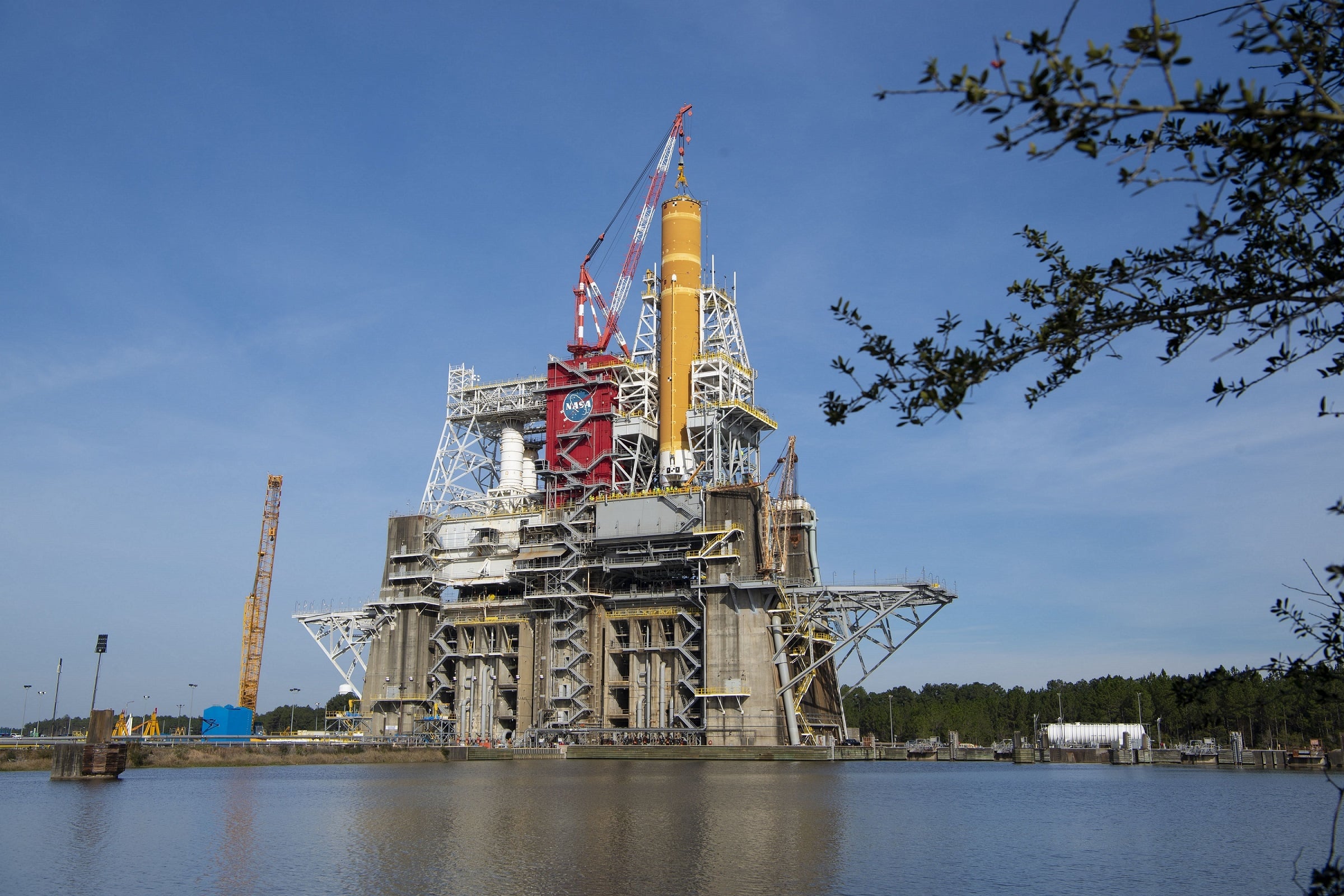
NASA accomplished a major milestone today when it conducted a Hot Fire Test of the SLS Core Stage, firing all four of its engines at once.
Continue reading
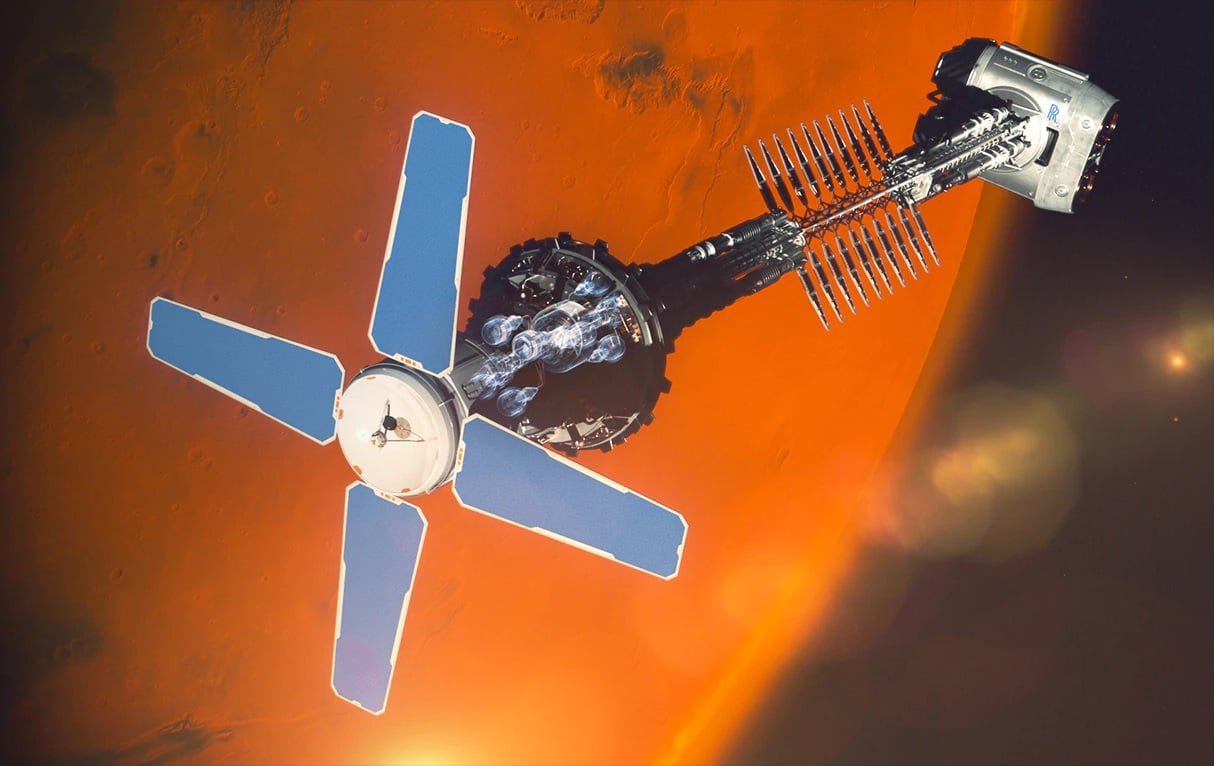
The UK Space Agency recently contracted with the British Rolls Royce company to research nuclear propulsion, which could allow for all kinds of deep-space missions!
Continue reading
Continue reading

Continue reading
Continue reading

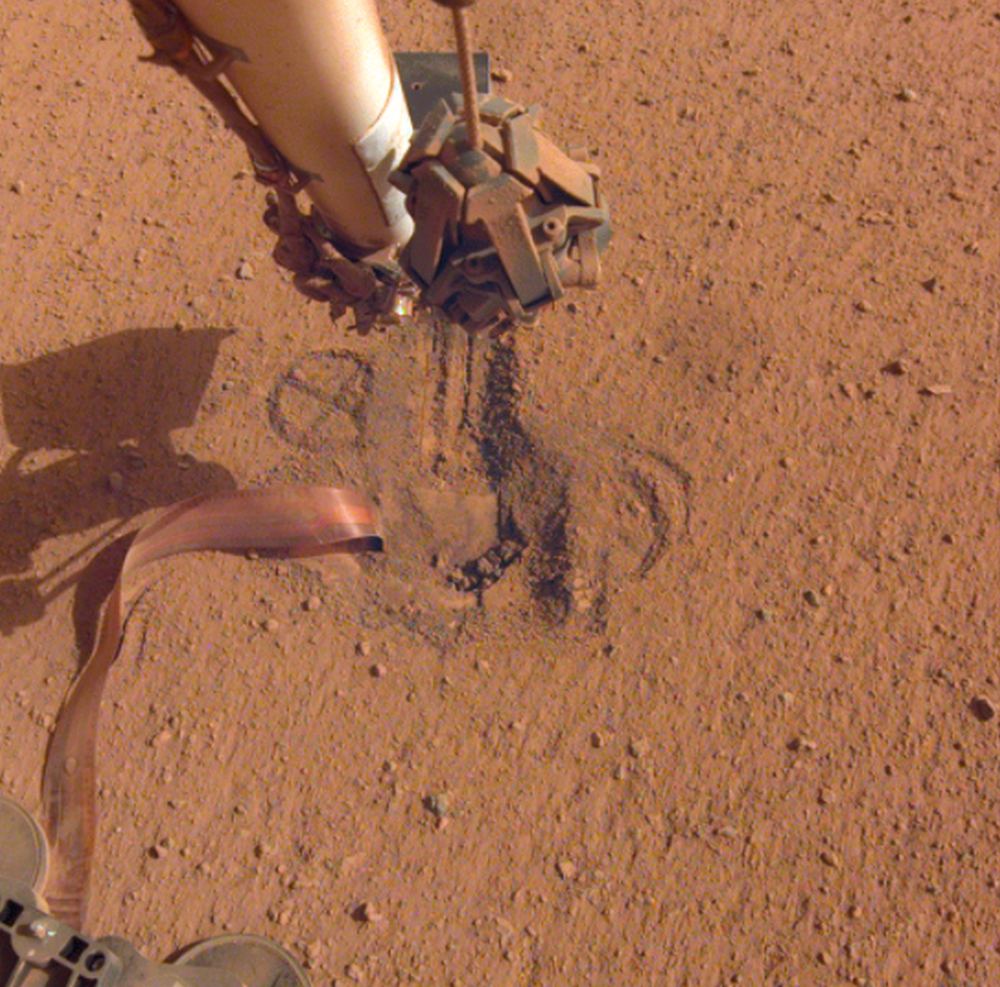
A image released by the MRO mission shows a landslide near the location where the Perseverance rover will land, illustrating how Mars is still a active world.
Continue reading
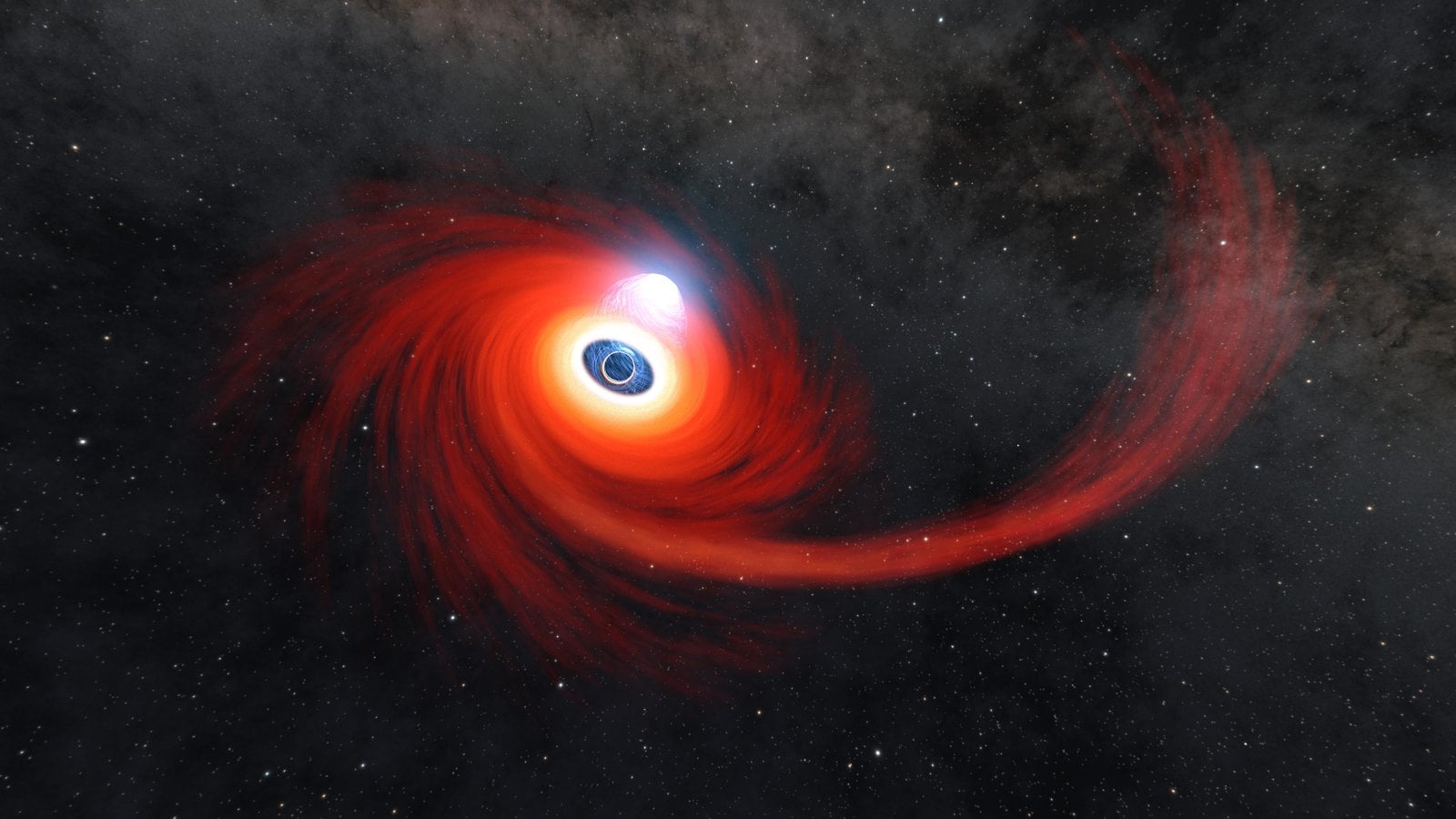
Astronomers have found evidence of faint gravitational waves using an array of pulsars in our galaxy.
Continue reading
Continue reading

Continue reading
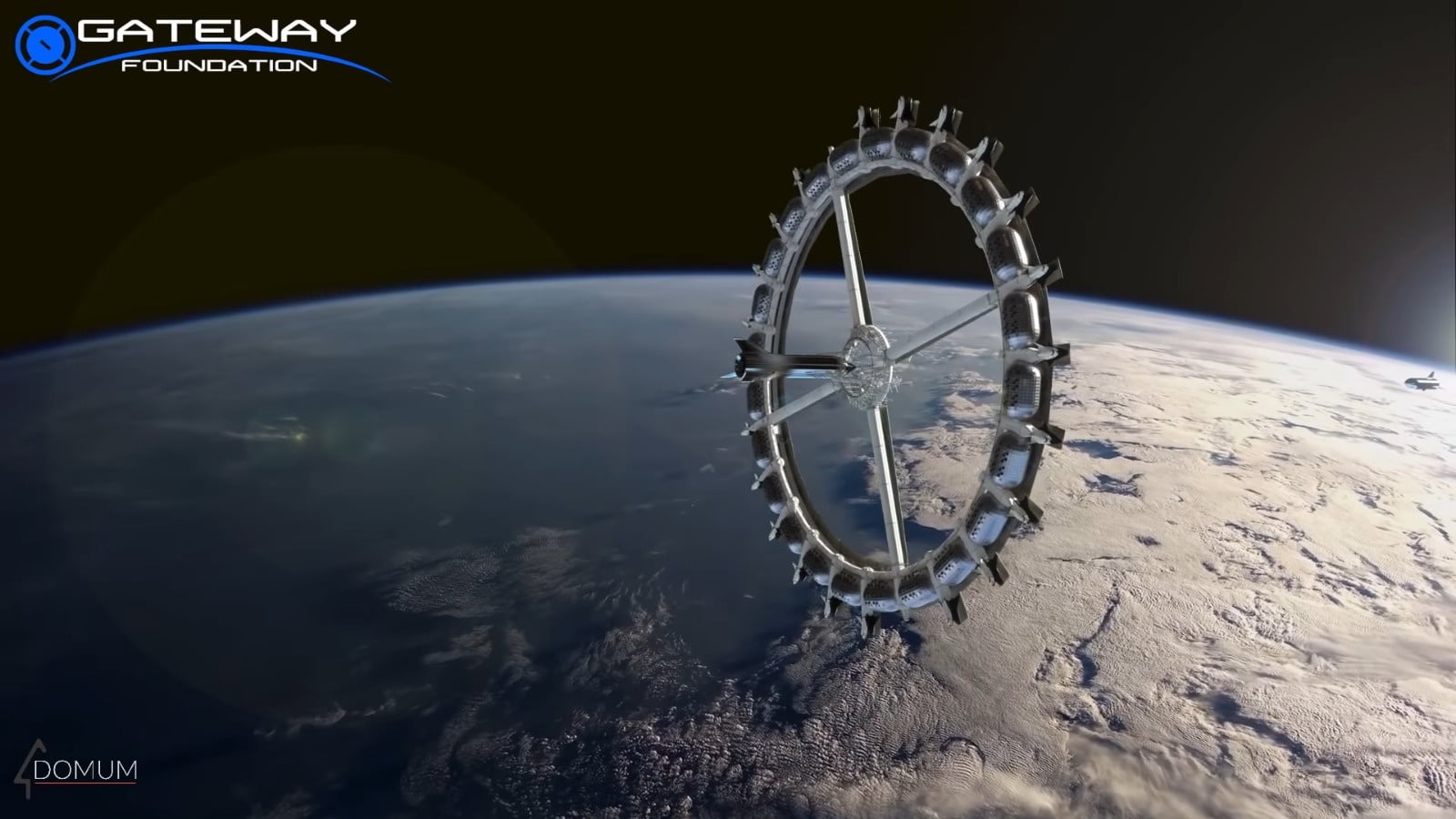
The Gateway Foundation just released a video update for their Voyager Class space station, and announced that big news is coming in a f
Continue reading

Continue reading
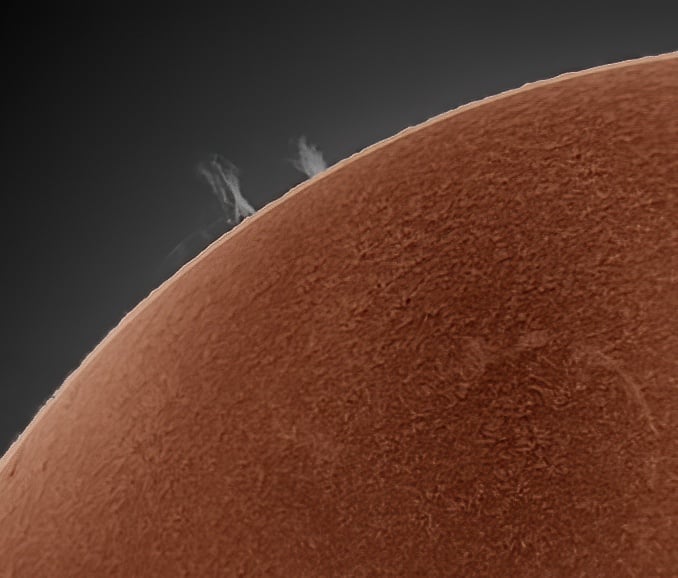
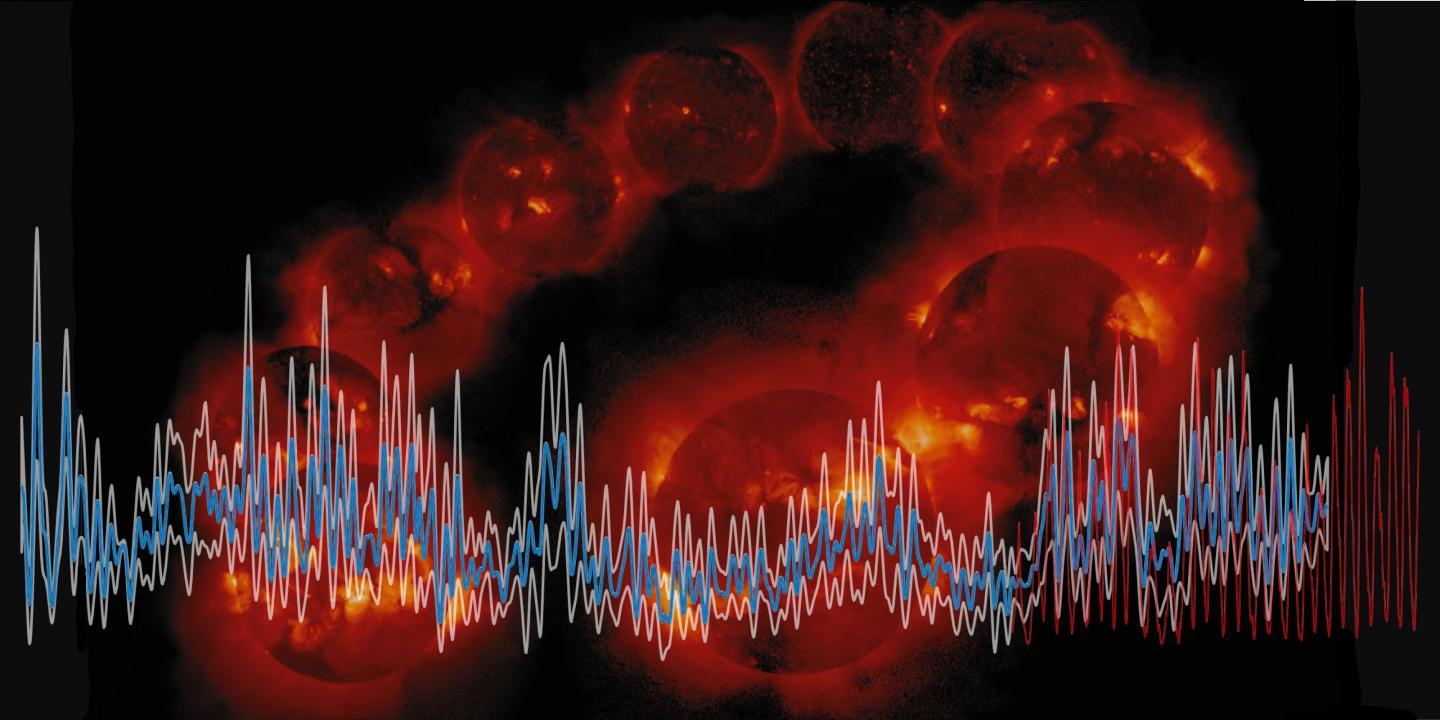
A new study suggests that Solar Cycle 25 may be more powerful than previously predicted.
Continue reading
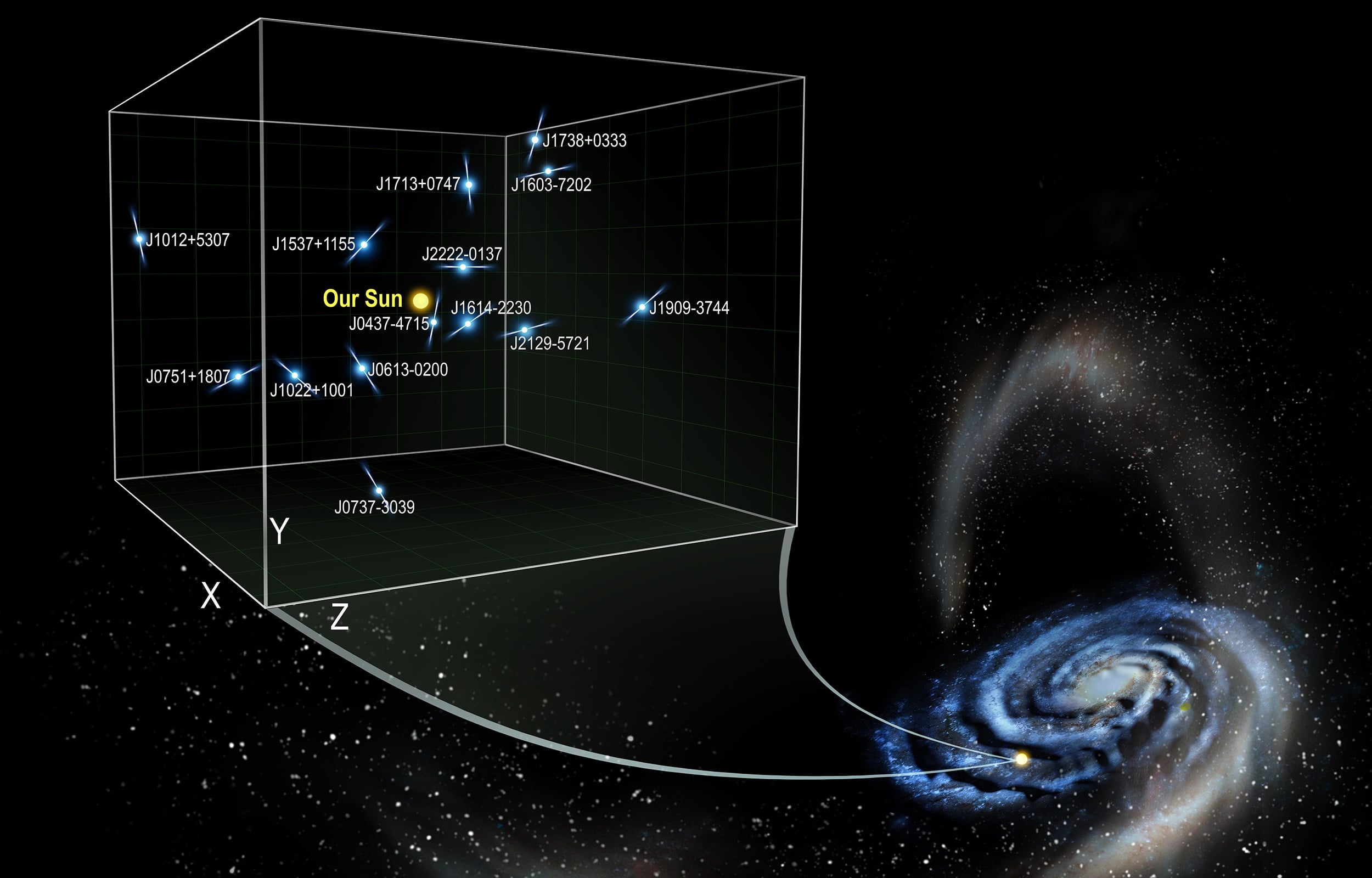
Dark matter within our galaxy is difficult to map, but a team of astronomers has used pulsars to measure its gravitational pull.
Continue reading

Continue reading
Continue reading
Continue reading
 Universe Today