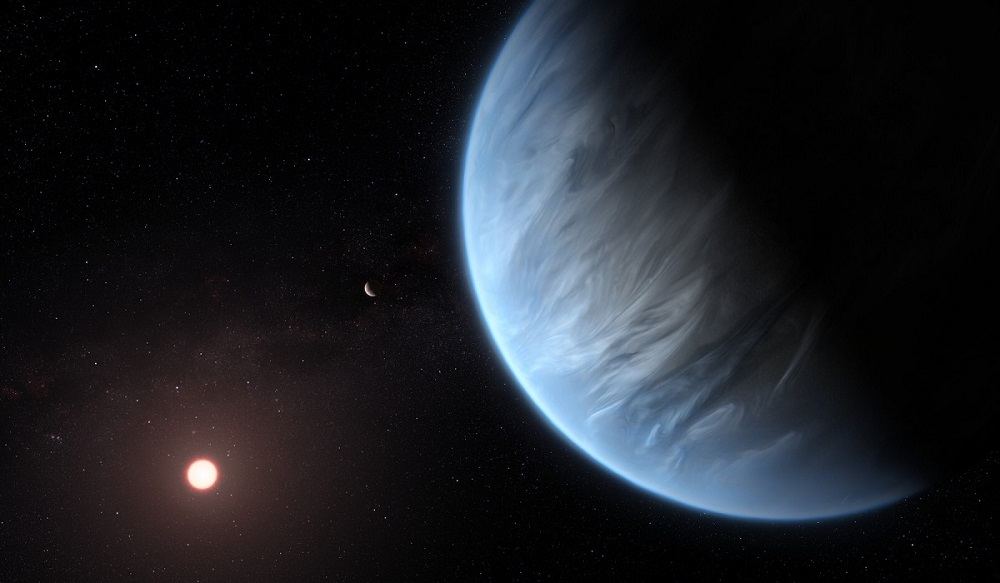
A new study shows how the presence of a cloud layer could make it harder for the James Webb Space Telescope to detect water on exoplanets.
Continue reading
Continue reading
Continue reading
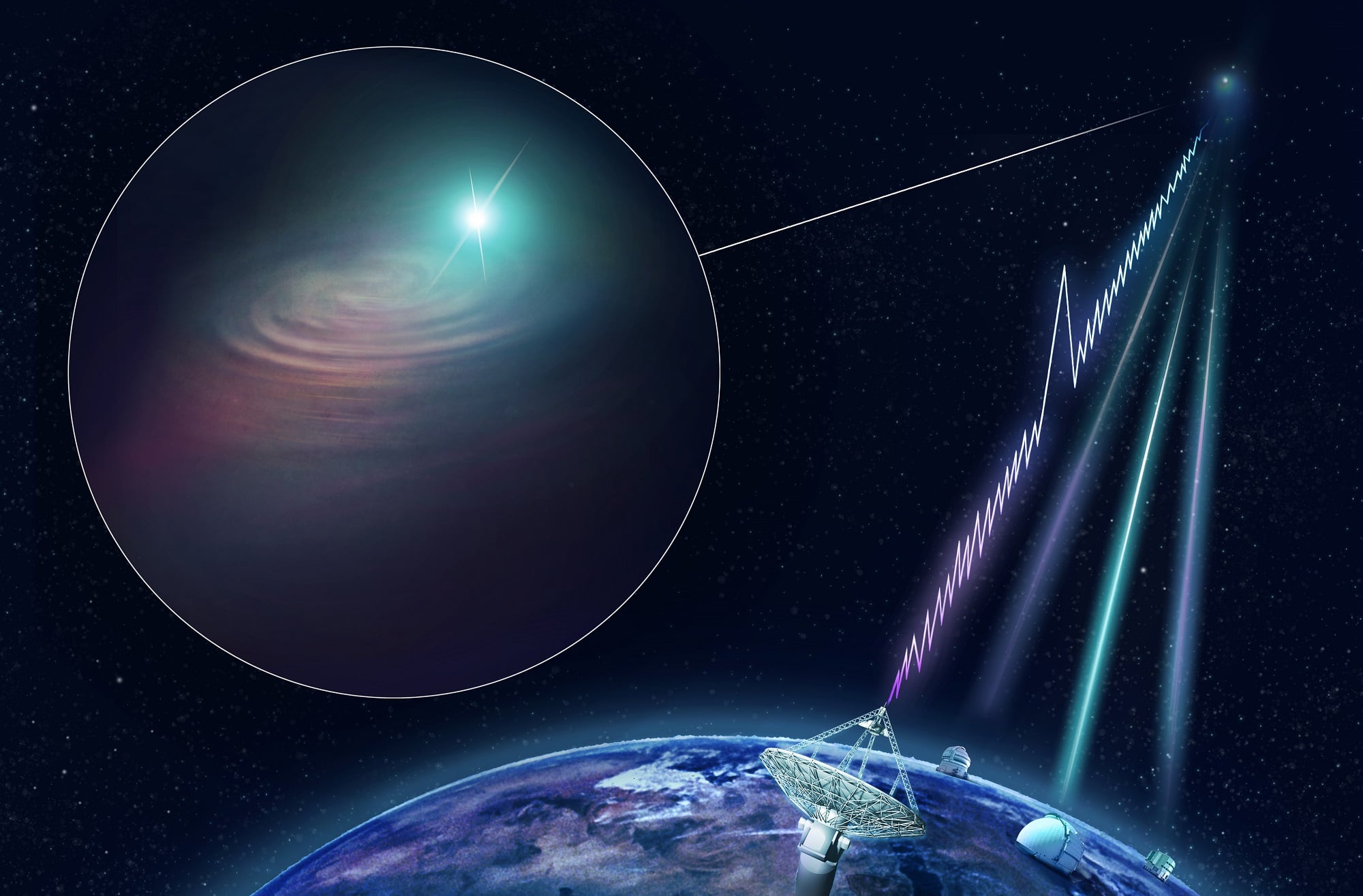
The CHIME radio telescope array has detected nine new fast radio bursts on repeat, which are revealing things about this strange phenomenon
Continue reading
Continue reading
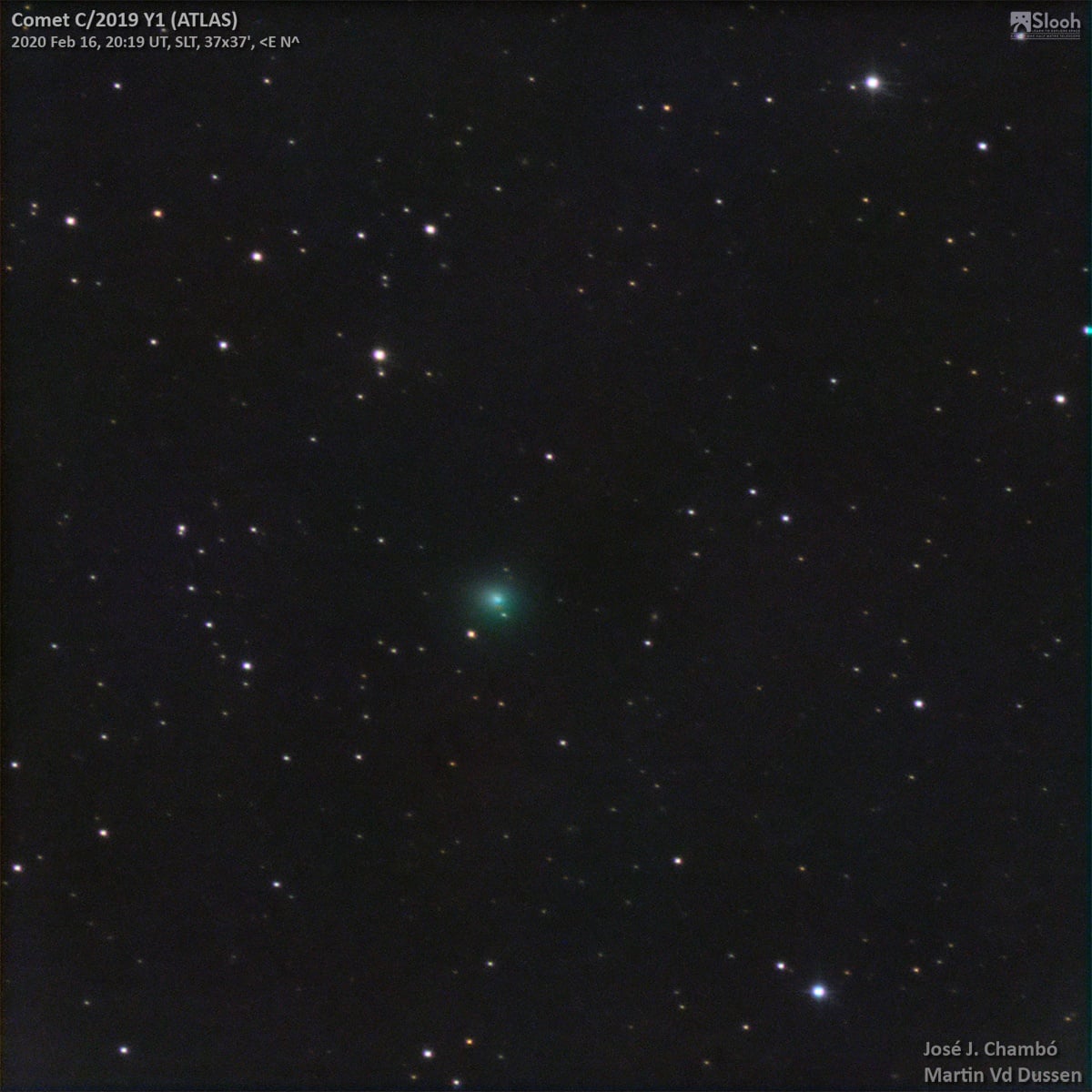
Got clear skies? If you're like us, you've been putting the recent pandemic-induced exile to productive use, and got out under the nighttime sky. And though 2020 has yet to offer up a good bright 'Comet of the Century' to keep us entertained, there have been a steady stream of good binocular comets for northern hemisphere viewers, including C/2017 T2 PanSTARRS and C/2019 Y4 ATLAS. This week, I'd like to turn your attention to another good binocular comet that is currently at its peak: the 'other' comet ATLAS, C/2019 Y1 ATLAS.
Continue reading
Continue reading

The world recently lost another luminary, NASA astronaut Al Worden, who was part of the Apollo program and piloted the Endeavor around the Moon
Continue reading
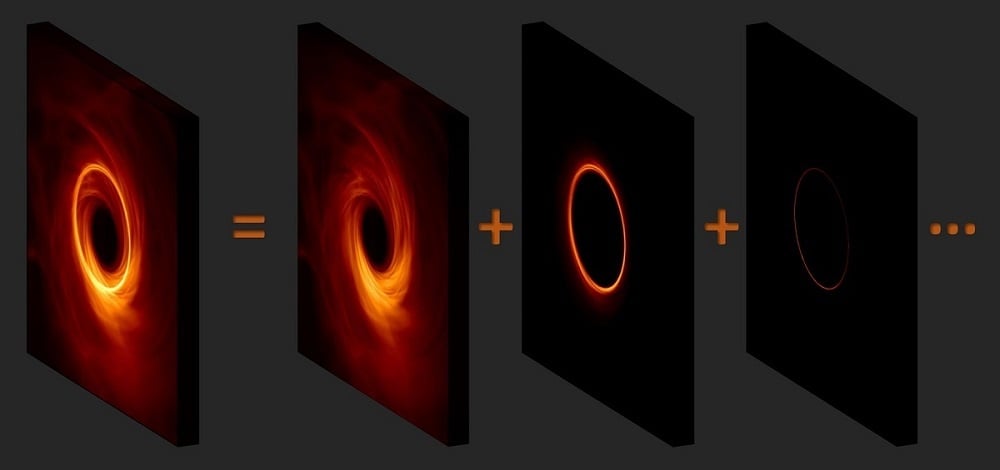
A new study by members of the Harvard Smithsonian Center for Astrophysics (CfA) has shown how new images of black holes can be used to identify the substructure of these mysterious objects
Continue reading
Continue reading
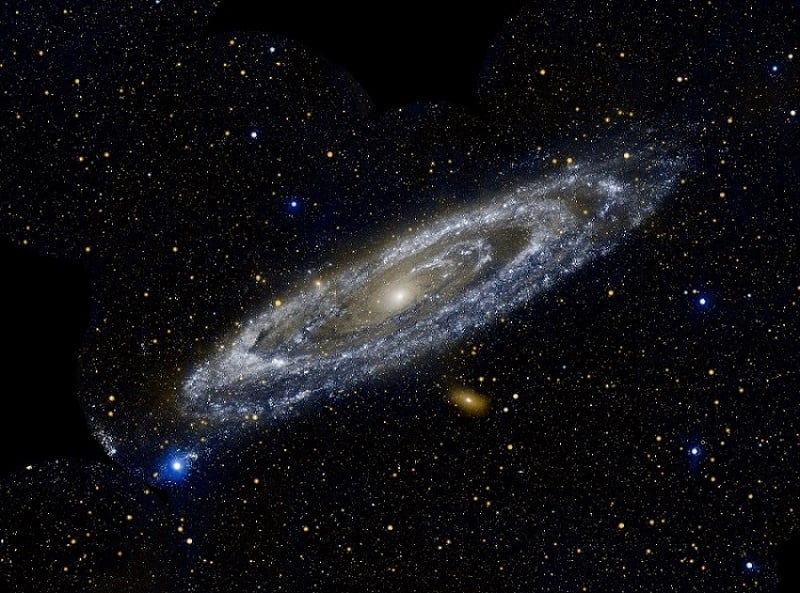
NASA recently selected four new missions for development that will study gravitational waves, supernovae, relativistic jets, and exoplanet habitability.
Continue reading
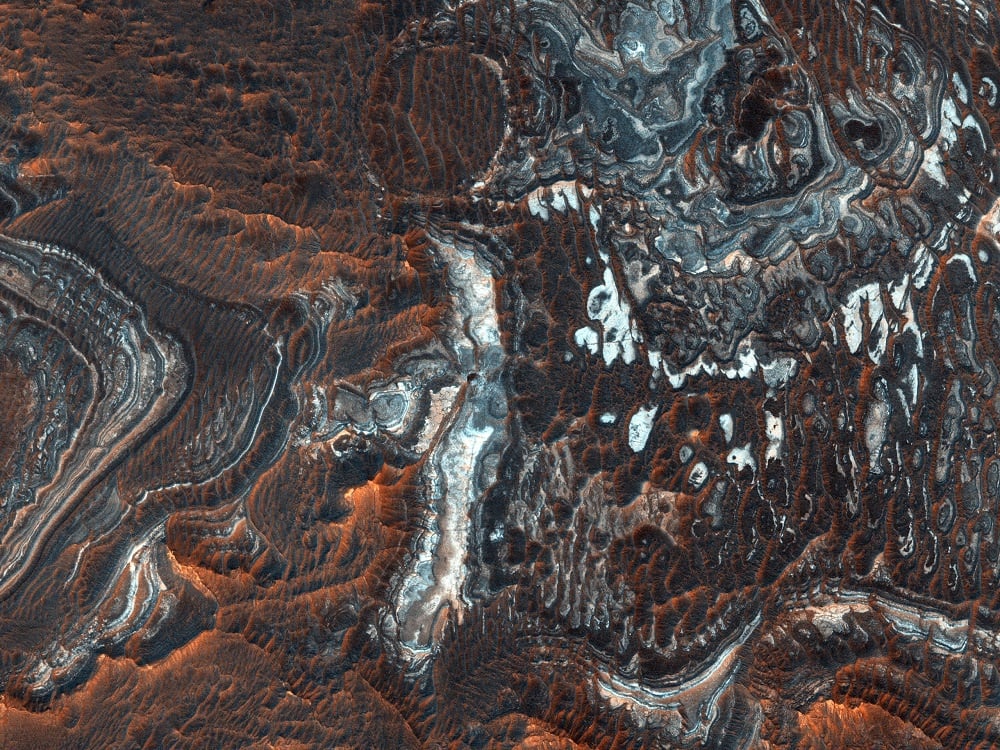
An image taken by the MROs HiRISE camera showcases the types of terrain around part of Mars' Valles Marineris canyon system.
Continue reading
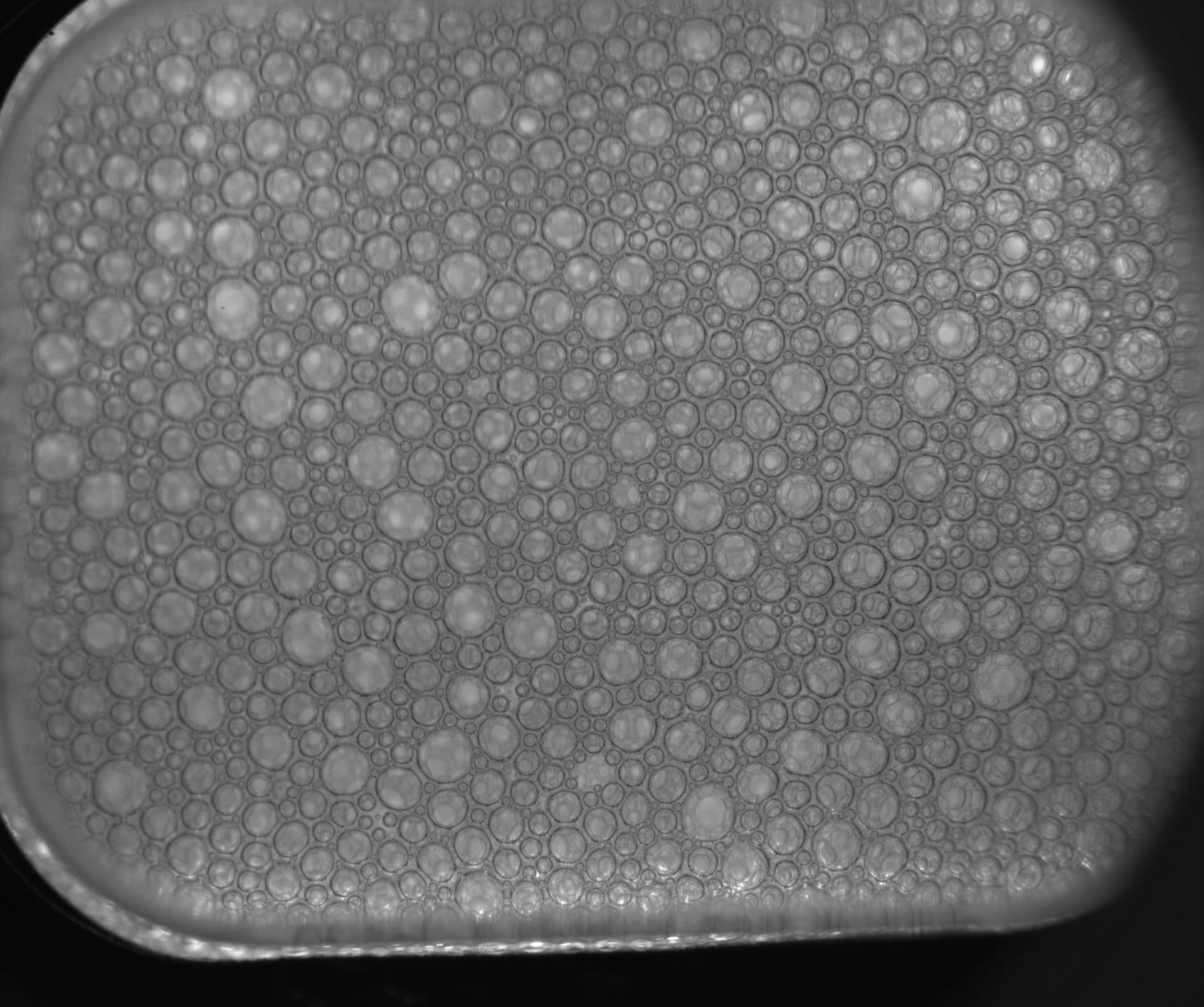
Continue reading
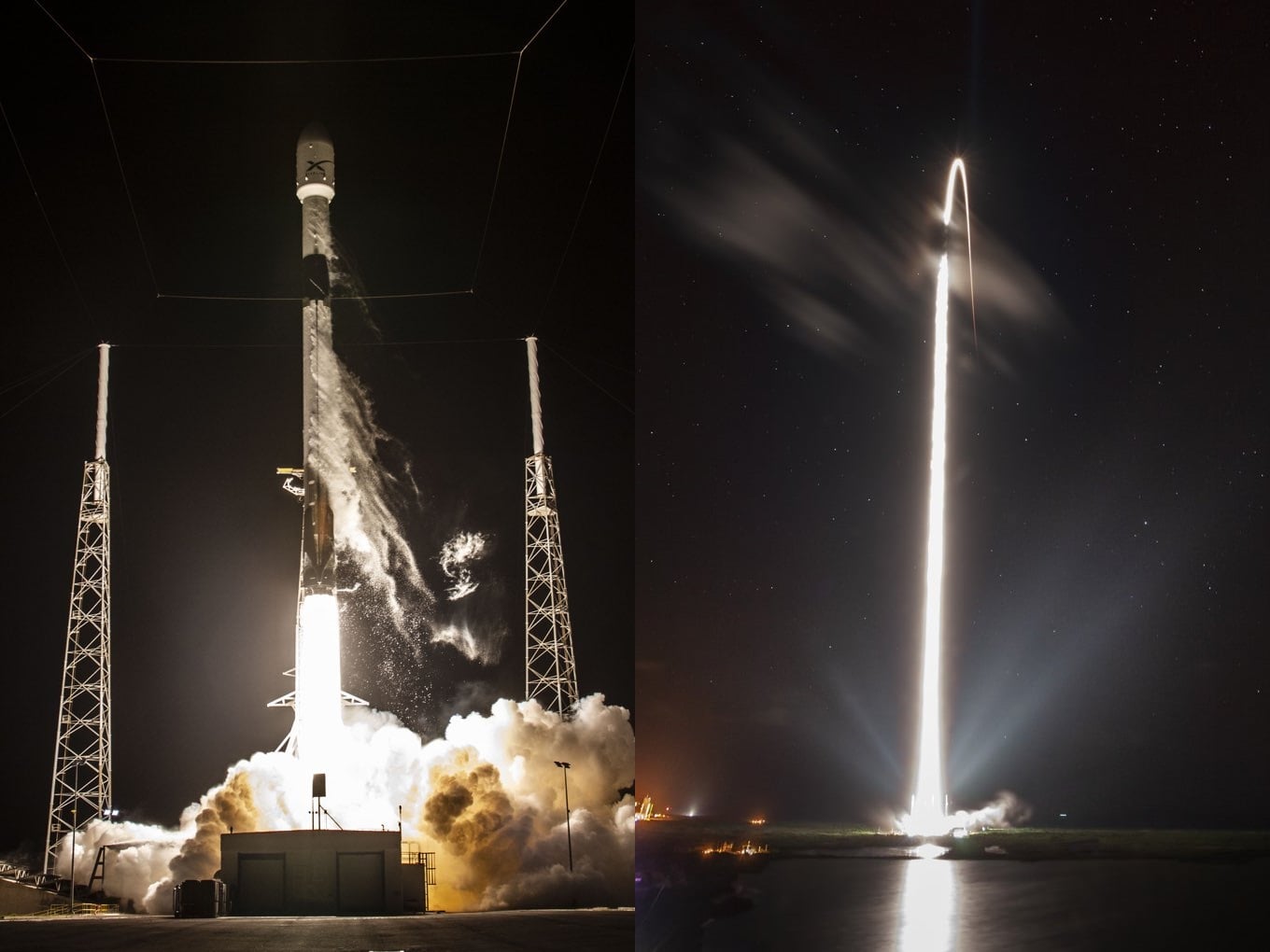
At the recent Satellite 2020 Conference & Exhibition, Elon Musk declared that Starlink will not become its own company in the foreseeable future.
Continue reading
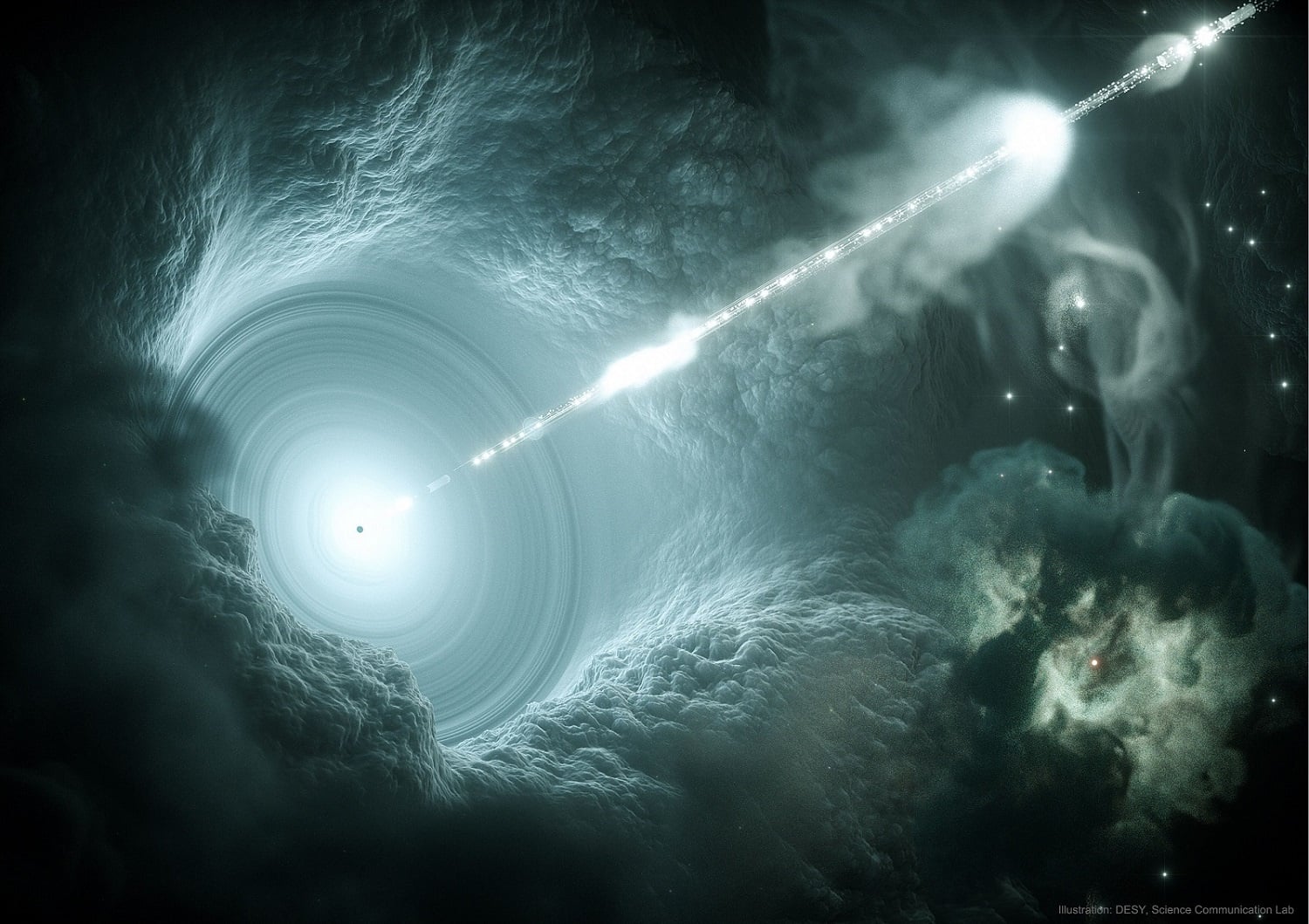
A team of European scientists have observed the most distant "blazar" to date, an active galaxy that was around when the Universe was less than 1 billion years old.
Continue reading
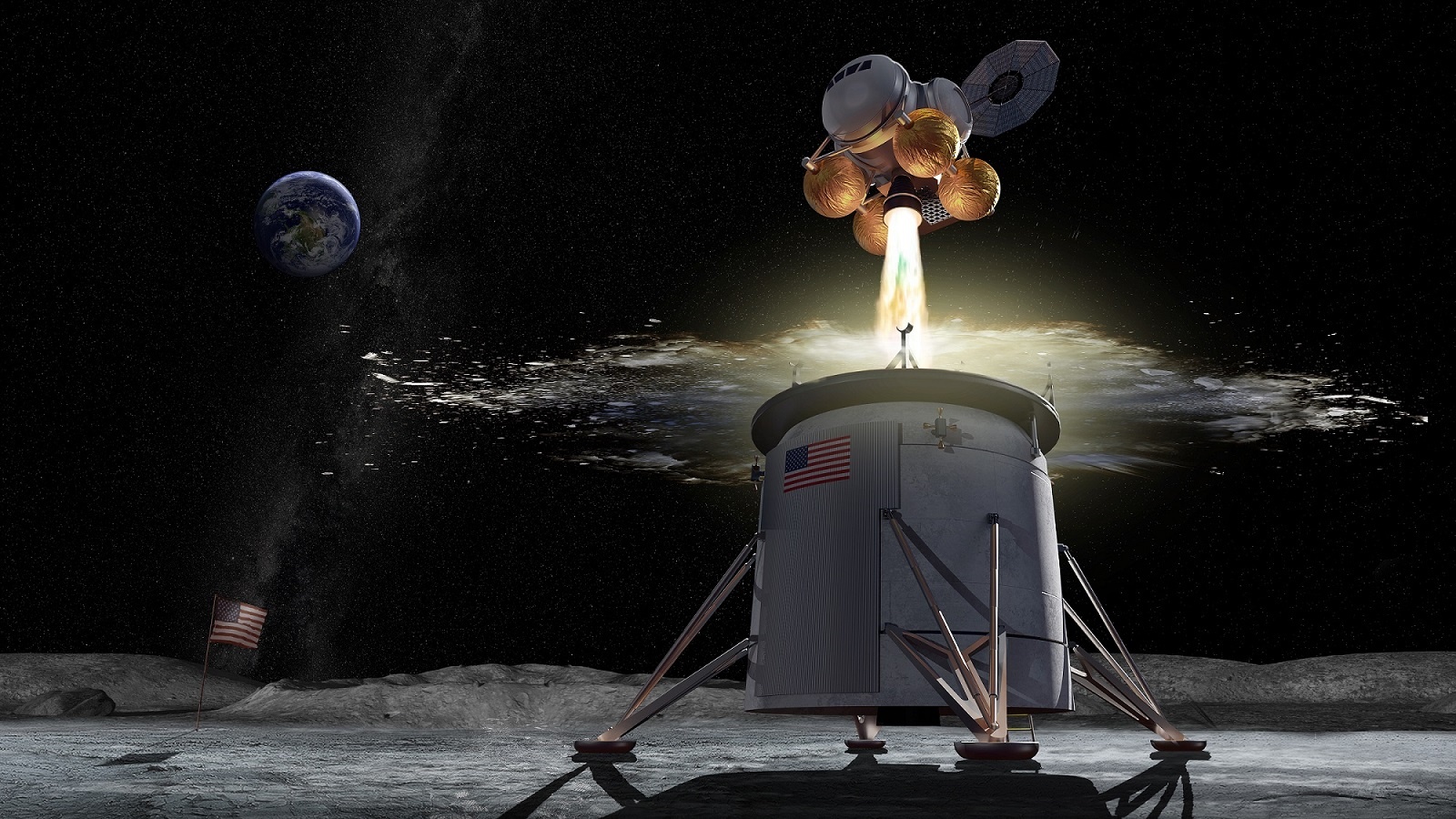
As anticipated, NASA has announced that the Lunar Gateway will no longer be part of their "return to the Moon" with Project Artemis.
Continue reading
Continue reading
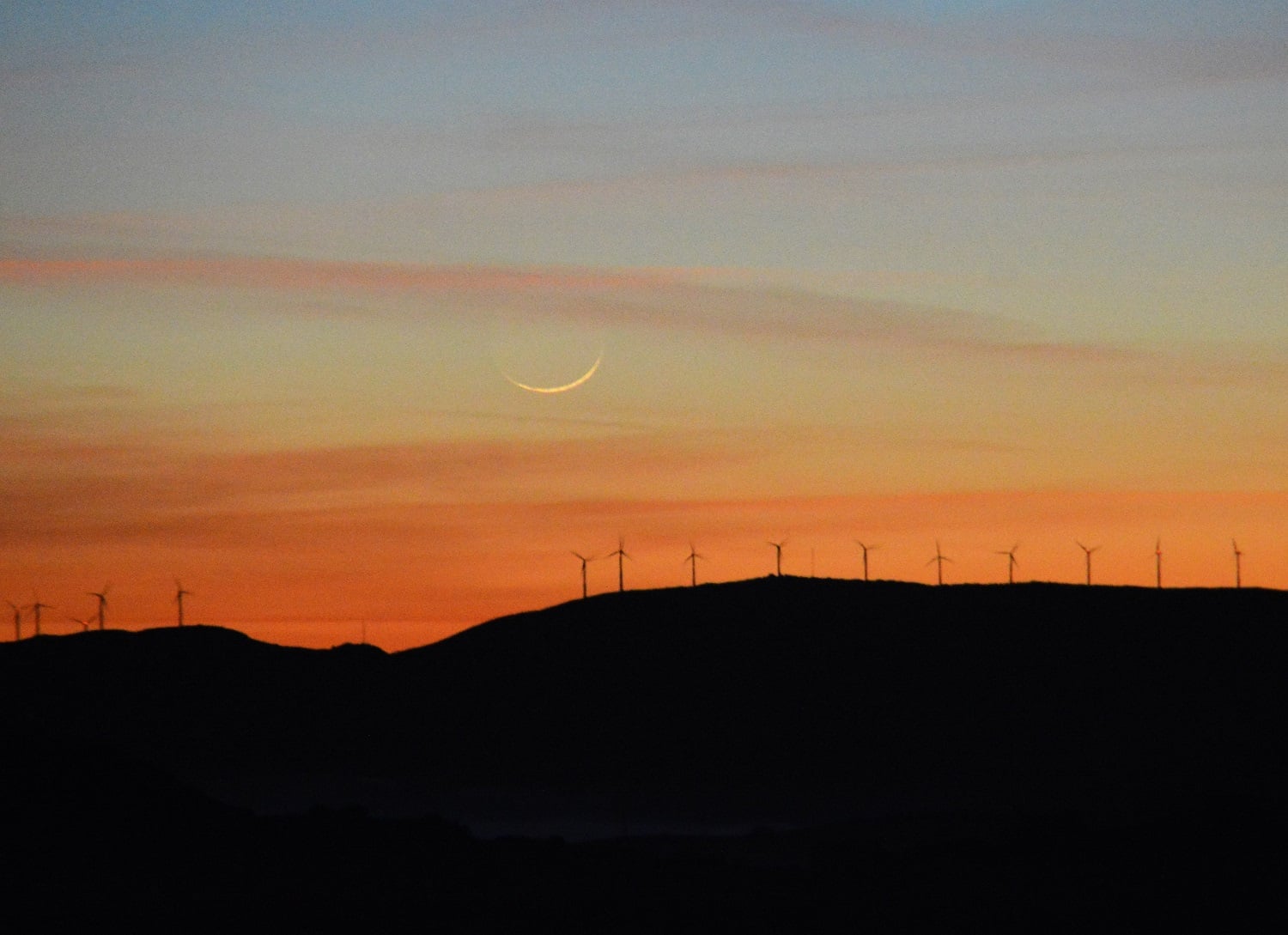
Are you hanging out at home this week, and looking to observe some naked eye planets? As we mentioned last week, while Venus is shining bright in the dusk sky, all of the other four naked eye planets of Mars, Saturn, Jupiter and Mercury are skulking in the early dawn sky.
Continue reading

A new study shows that Earth and the Moon are not as similar as we thought, which helps resolve a major issue with the predominant theory of how the Moon formed.
Continue reading
Continue reading
Continue reading

A new study by an international team from over 100 universities and organizations has shown that tropical rainforests will not slow global warming for much longer.
Continue reading

Continue reading
Continue reading
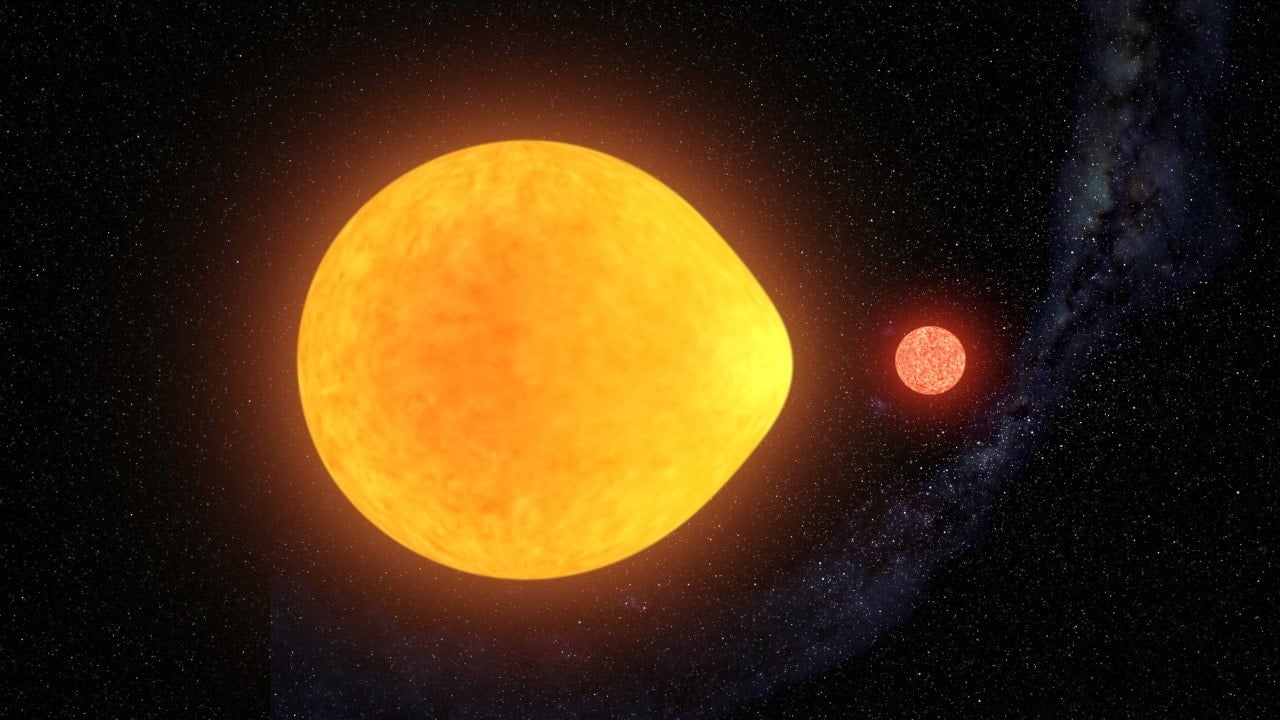
An international team of astronomers have found the first-ever example of a pulsating star that emits energy from only one side - the tear-dropped HD 74423
Continue reading
Continue reading
Continue reading
Continue reading
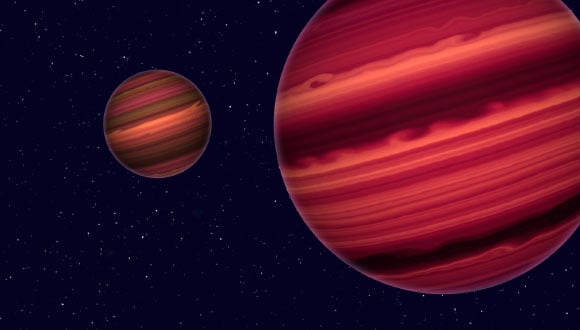
Sometimes, the strangest stellar finds are right in our own cosmic neighborhood. Astronomers recently made an interesting discovery while putting a new set of telescopes through their paces: an eclipsing pair of sub-stellar brown dwarfs.
Continue reading
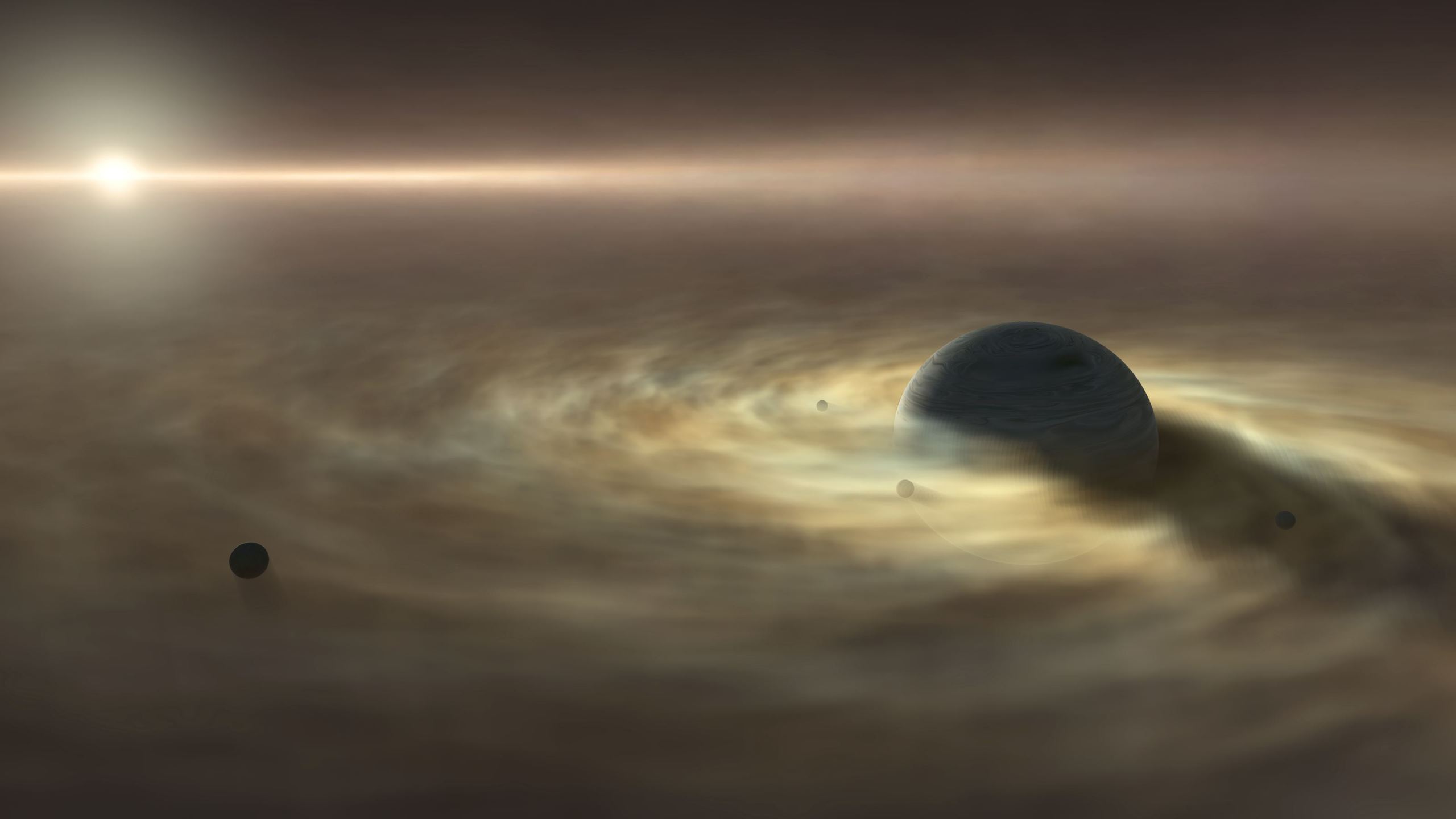
A team of Japanese researchers have created a new model for moon formation that explains how planets like Saturn end up with one moon particularly large moon
Continue reading
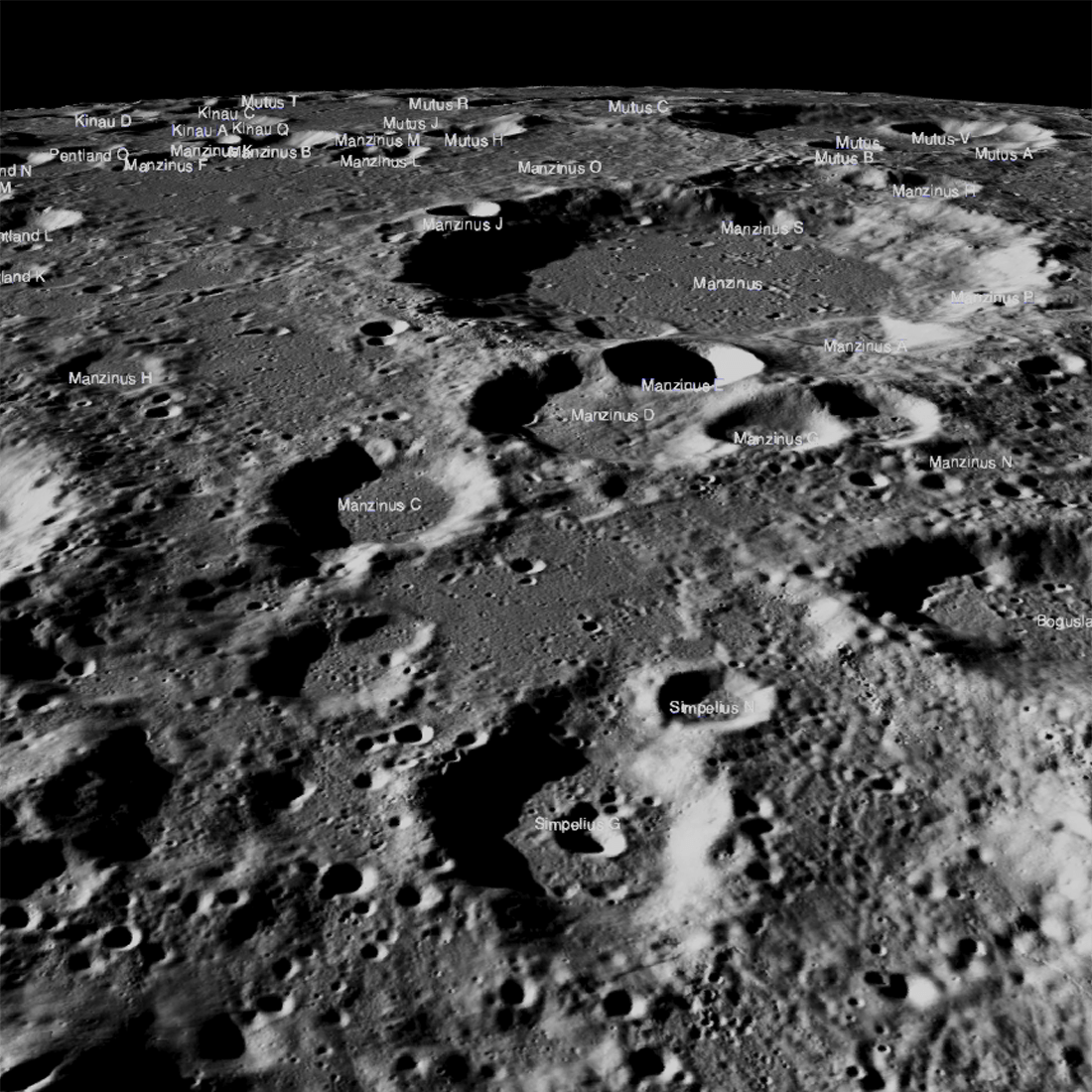
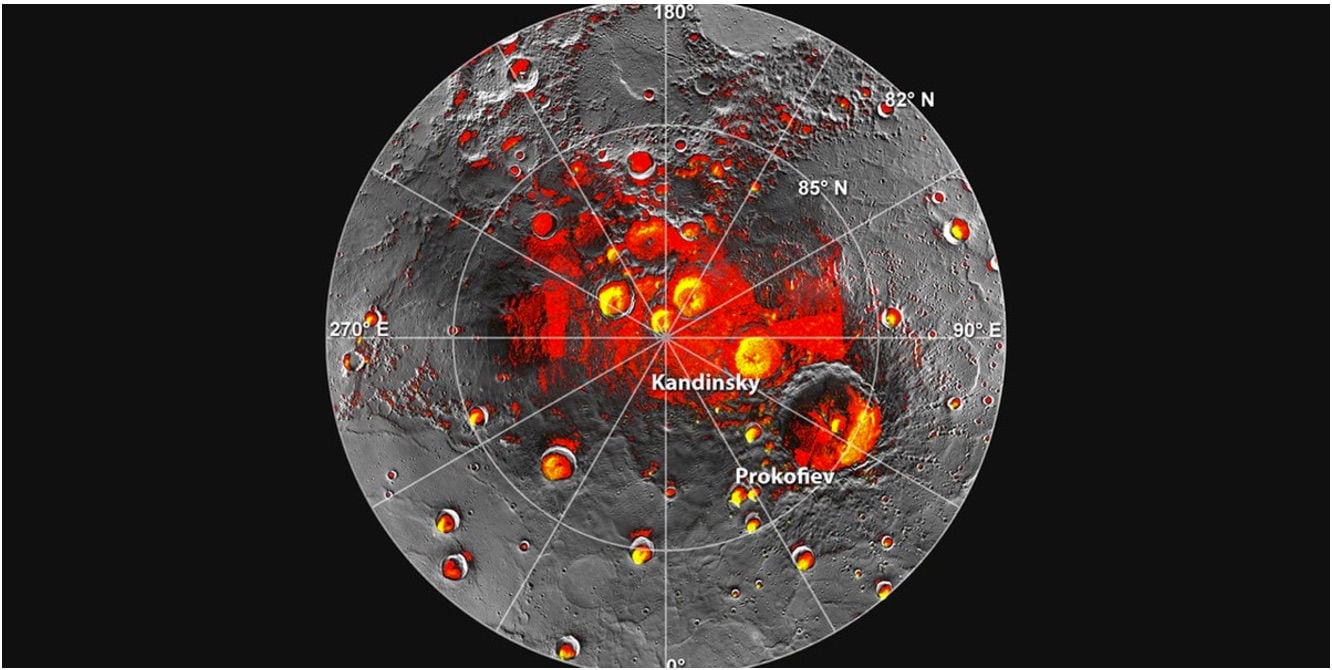
ISRO's Chandrayaan 2 orbiter is quantifying just how much water ice exists on the Moon's poles.
Continue reading

Continue reading
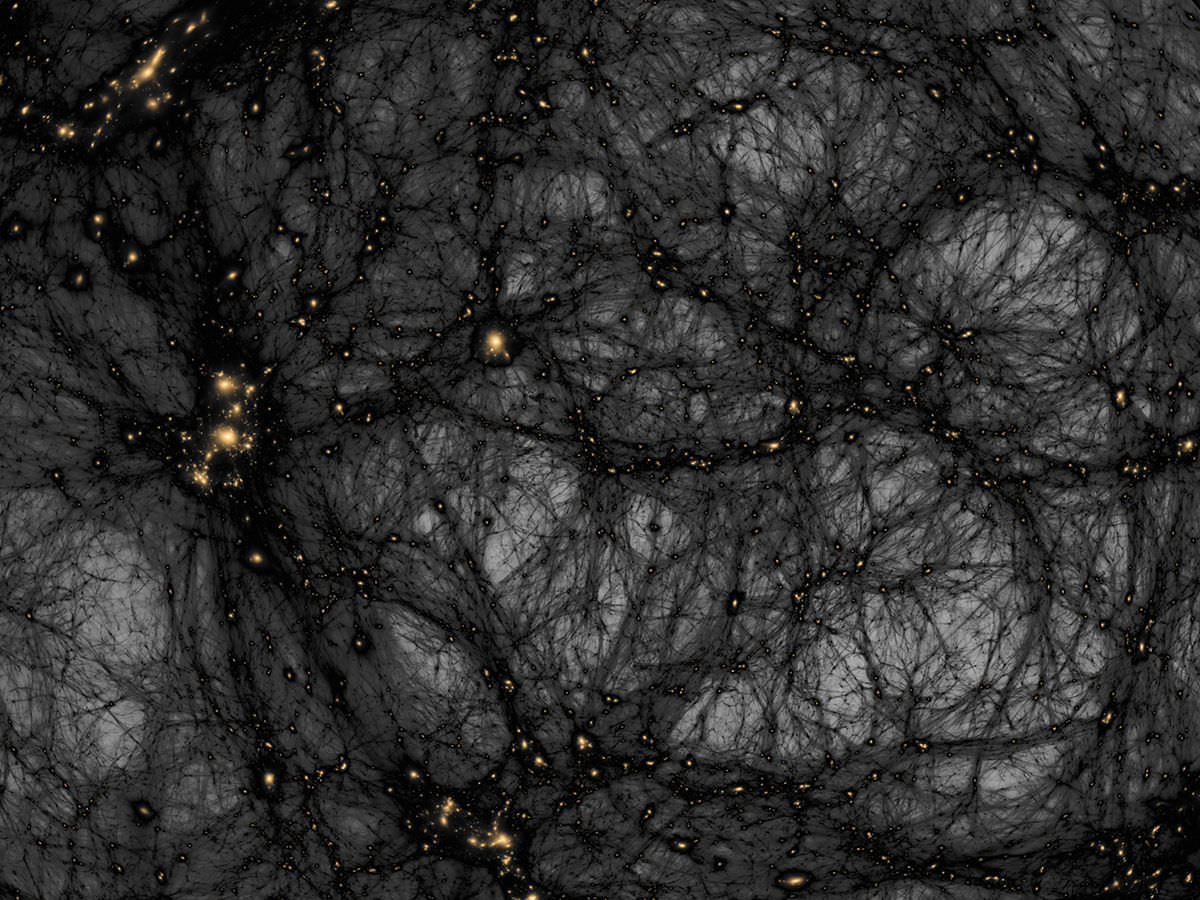
A new paper by researchers from the University of York proposed a new candidate for Dark Matter, known as the d-star hexaquark.
Continue reading
Continue reading
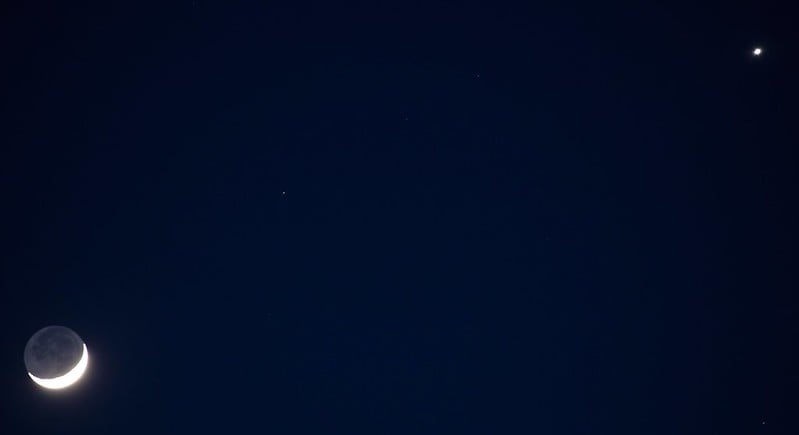
Where have all the planets gone in early 2020? While all of the naked eye planets are hiding in the early dawn sky, one world dominates the evening: brilliant Venus.
Continue reading
Continue reading
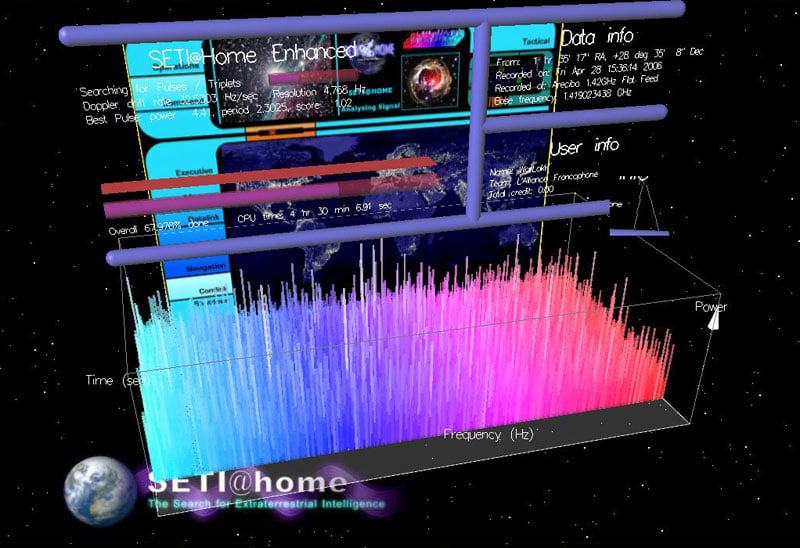
After 20 years in operation, SETI@home program recently announced that it is taking a hiatus to sort through the mountain of data they've accumulated.
Continue reading
Continue reading
Continue reading
Continue reading
Continue reading
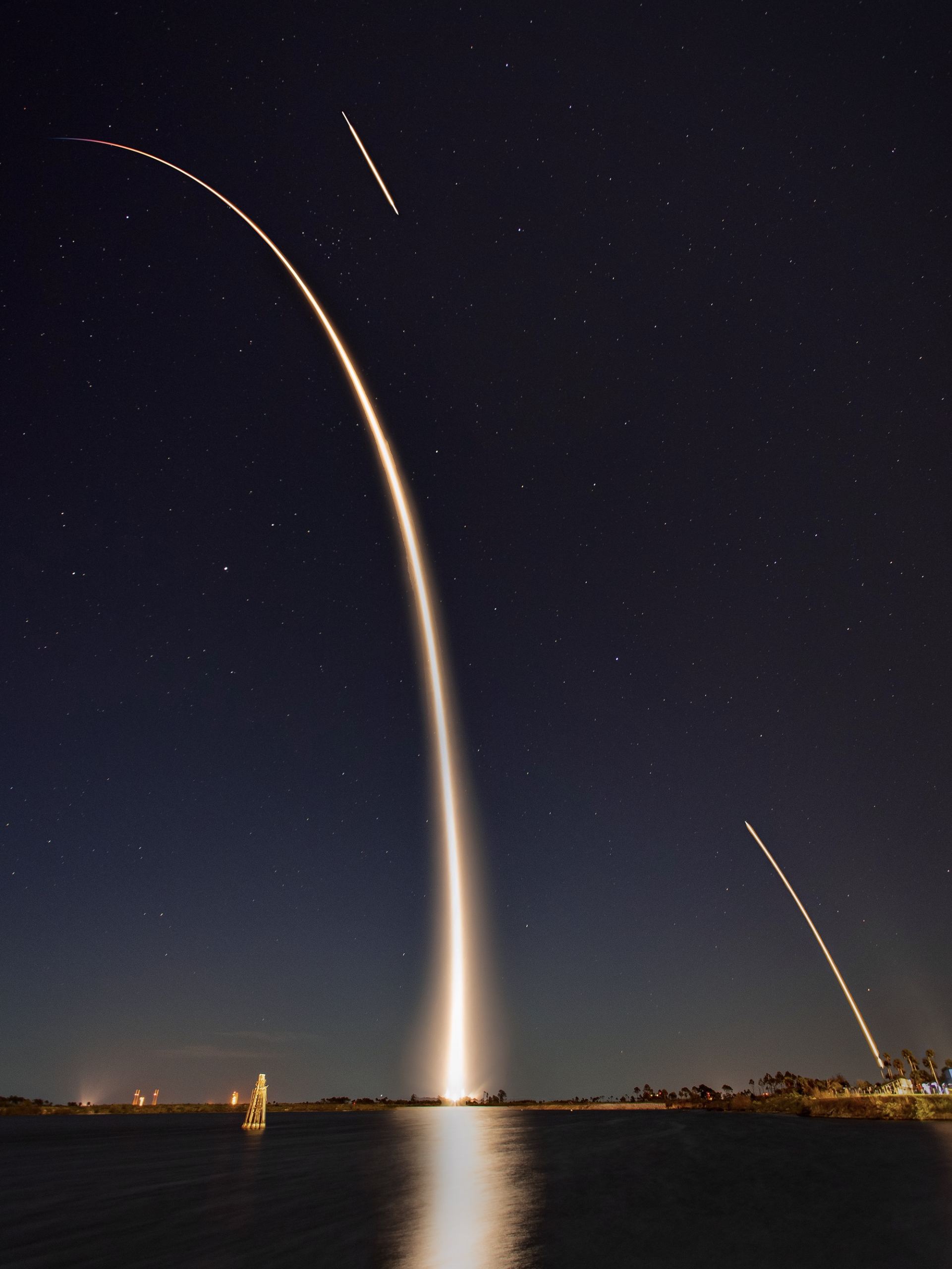
SpaceX just launched its 20th mission as part of its resupply services to the ISS, which also happened to be the last mission of the Dragon capsule.
Continue reading
Continue reading
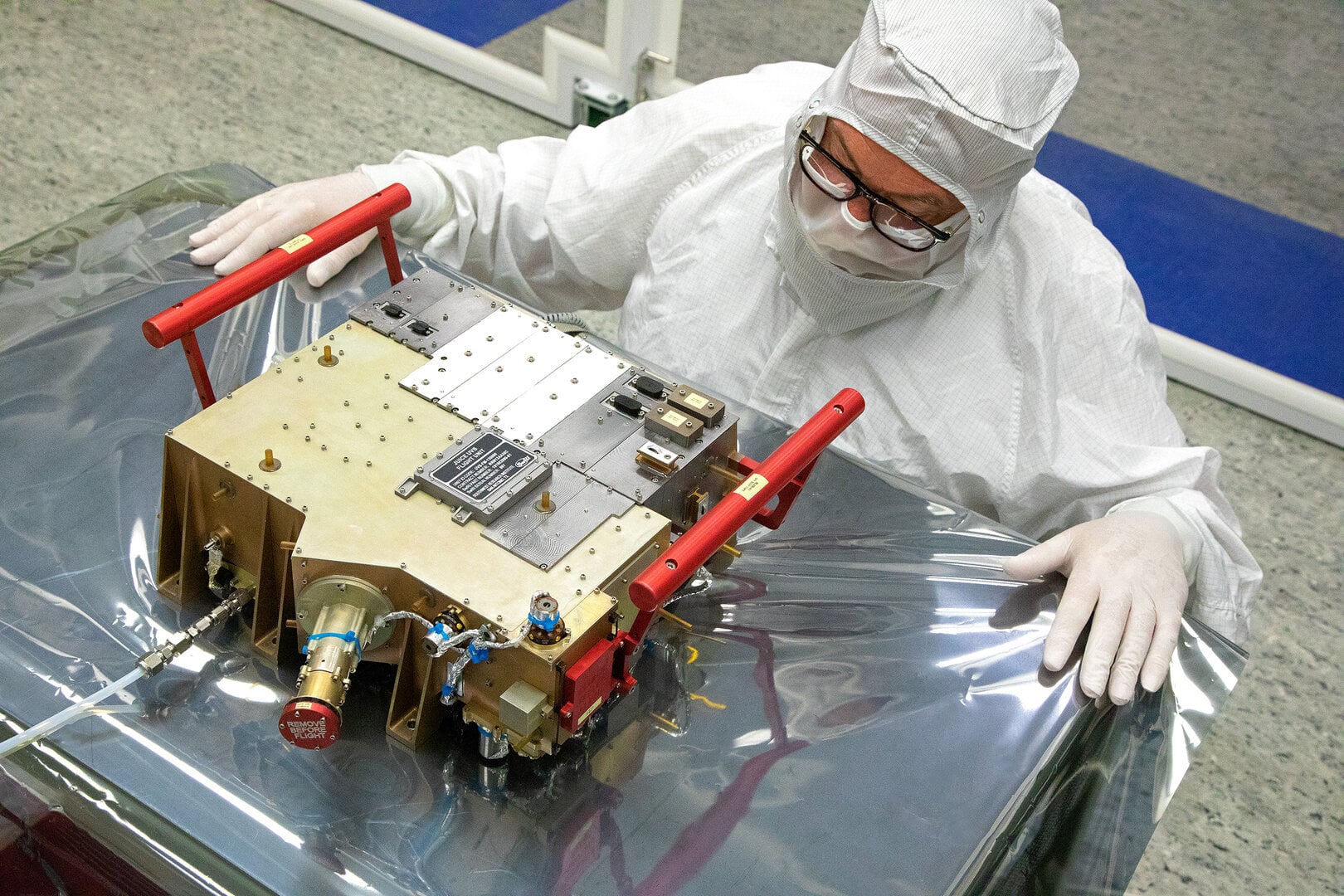
The ESA's JUpiter Icy Moons Explore (JUICE), which will study Europa and Ganymede for evidence of life, just got its first instrument!
Continue reading
Continue reading

Continue reading
Continue reading
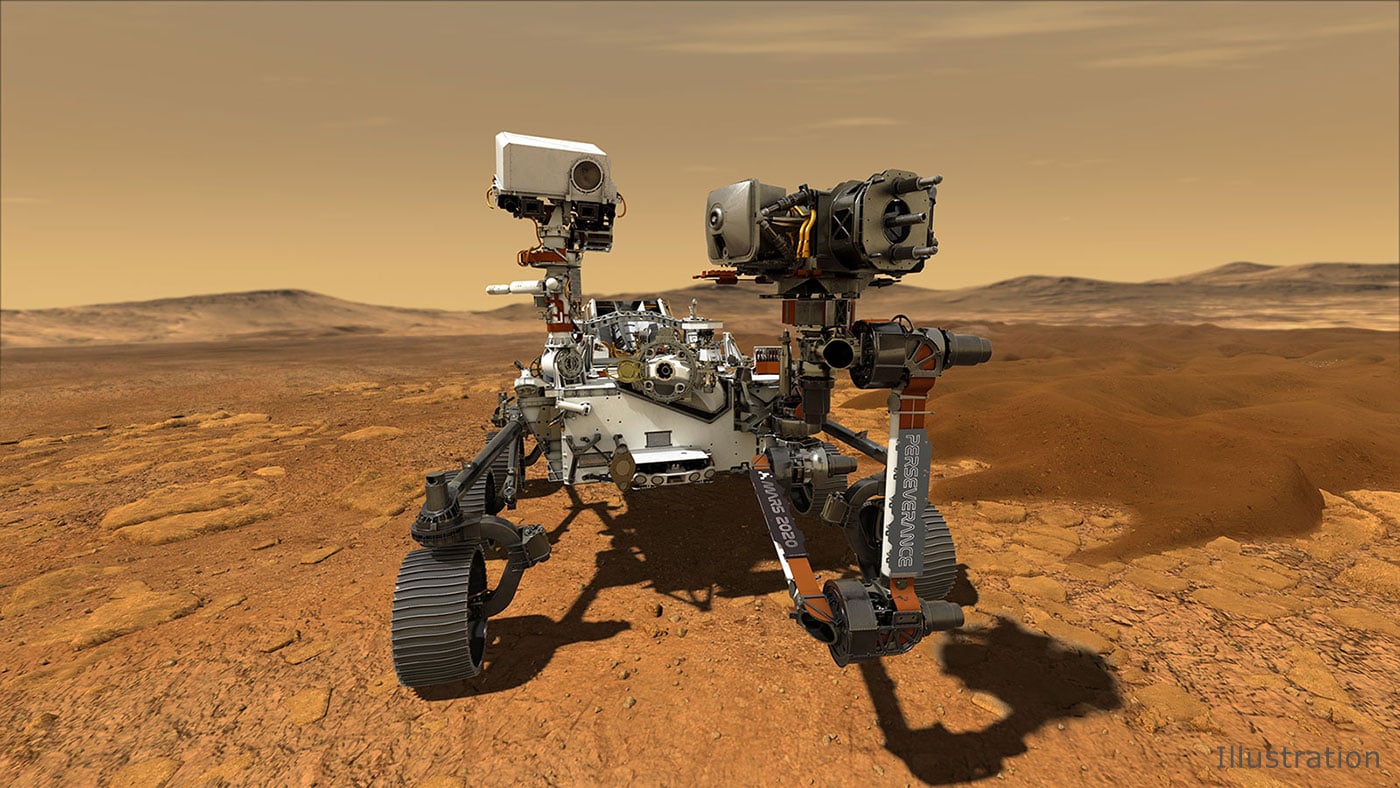
NASA's Mars 2020 rover finally has a proper name - Perseverance!
Continue reading
Continue reading
Continue reading
 Universe Today