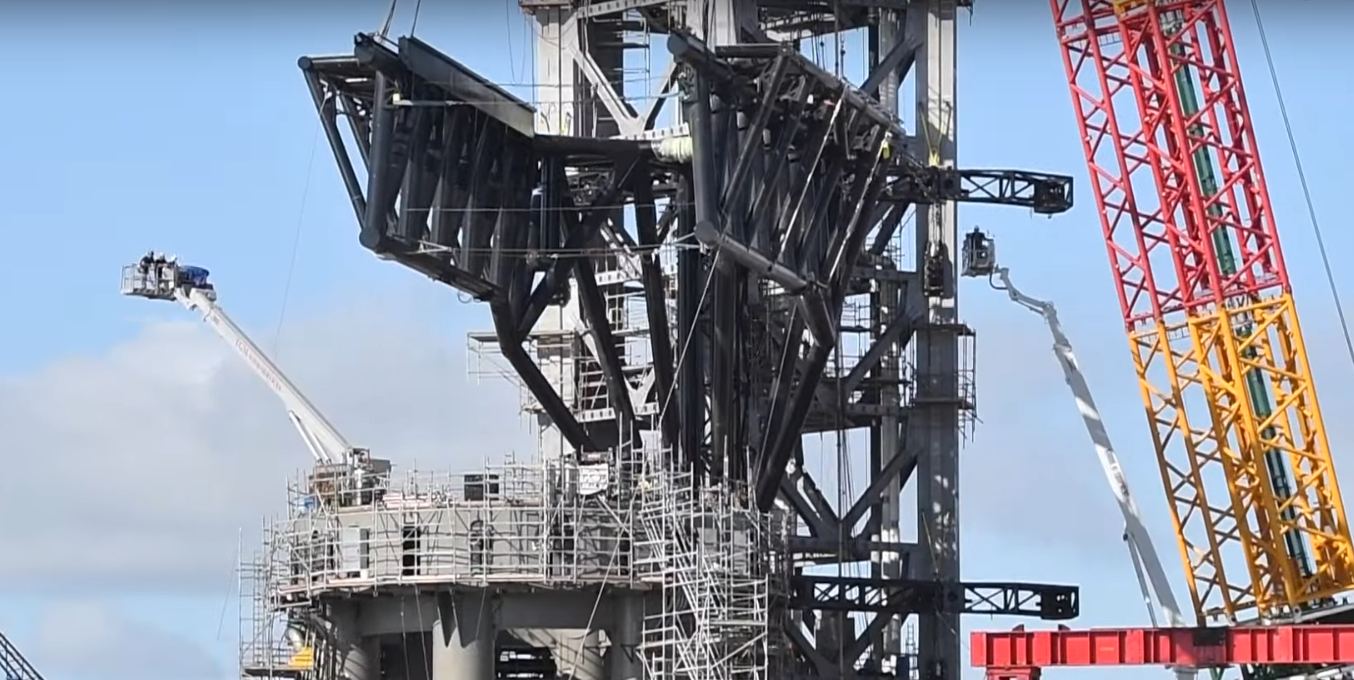
The "Mechazilla" Launch Tower at SpaceX's Boca Chica Launch Facility in south Texas just got a pair of "chopstick" arms!
Continue reading
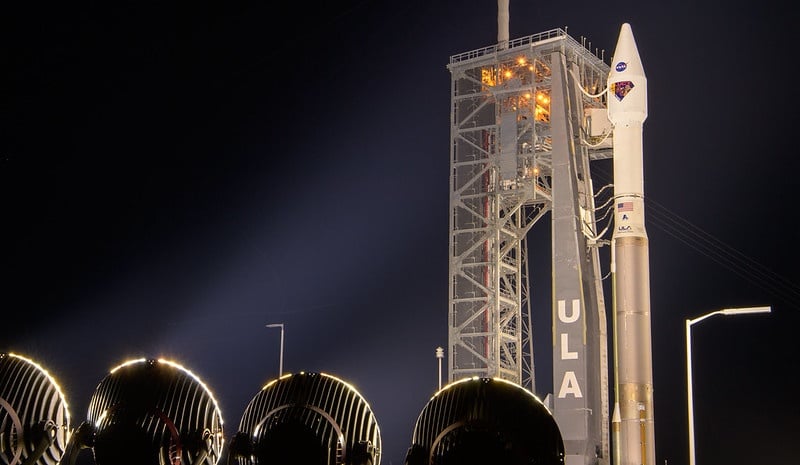
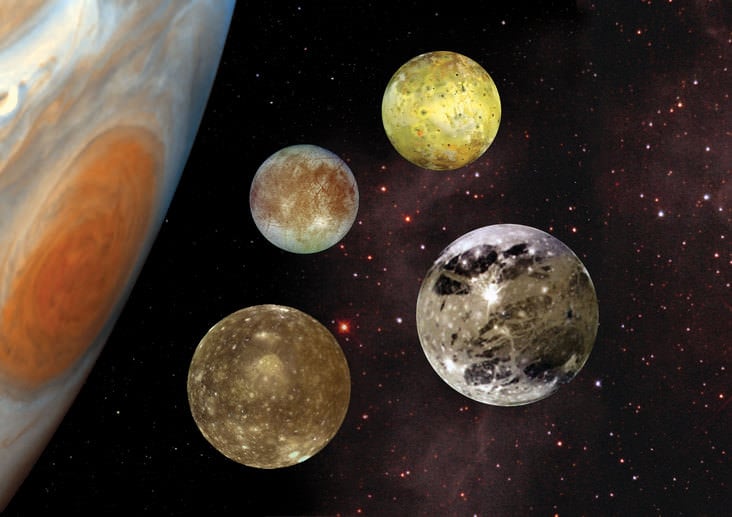
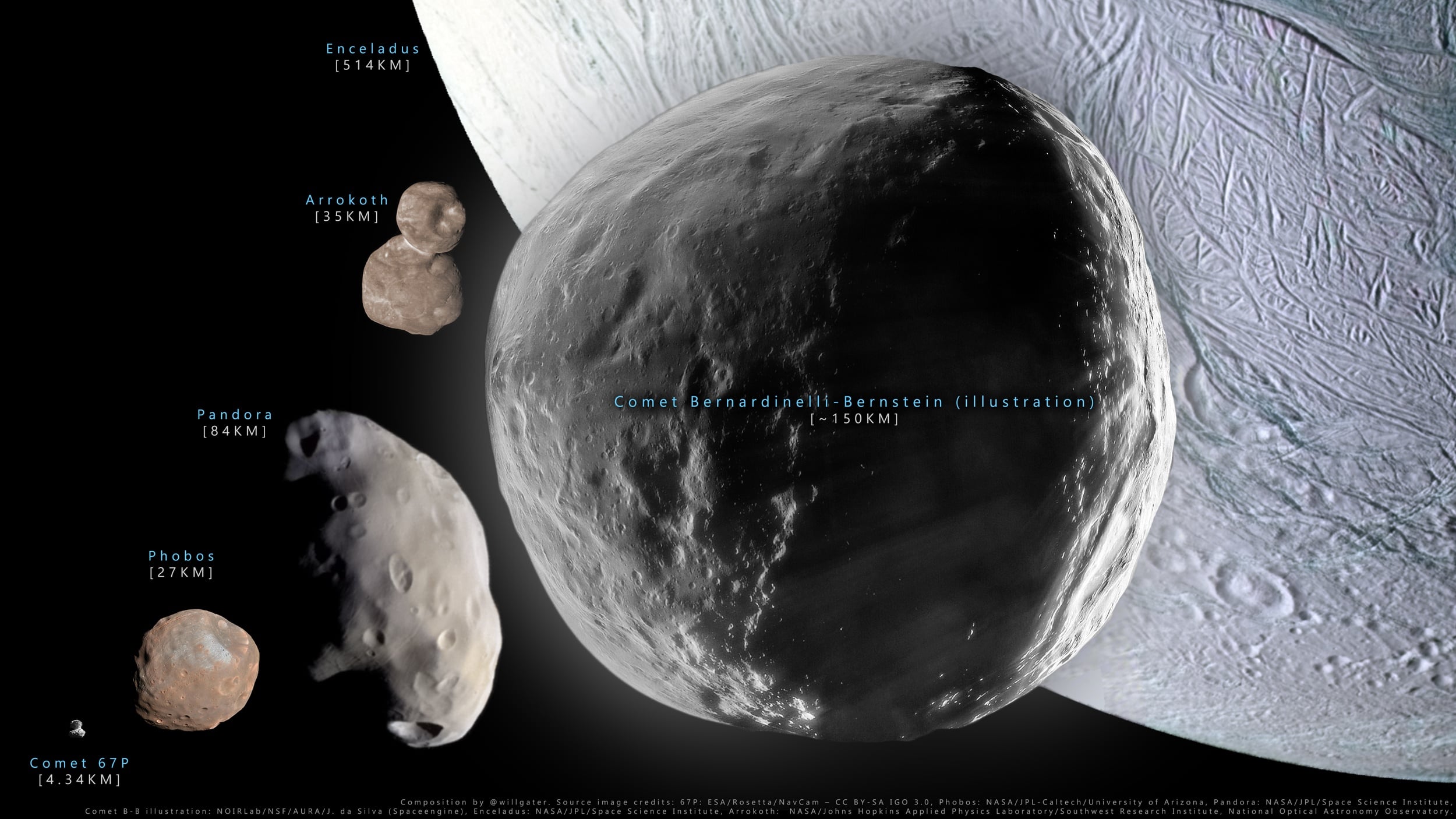
A recent plan would send a Centaur mission to Jupiter's orbit and follow a comet through formation.
Continue reading
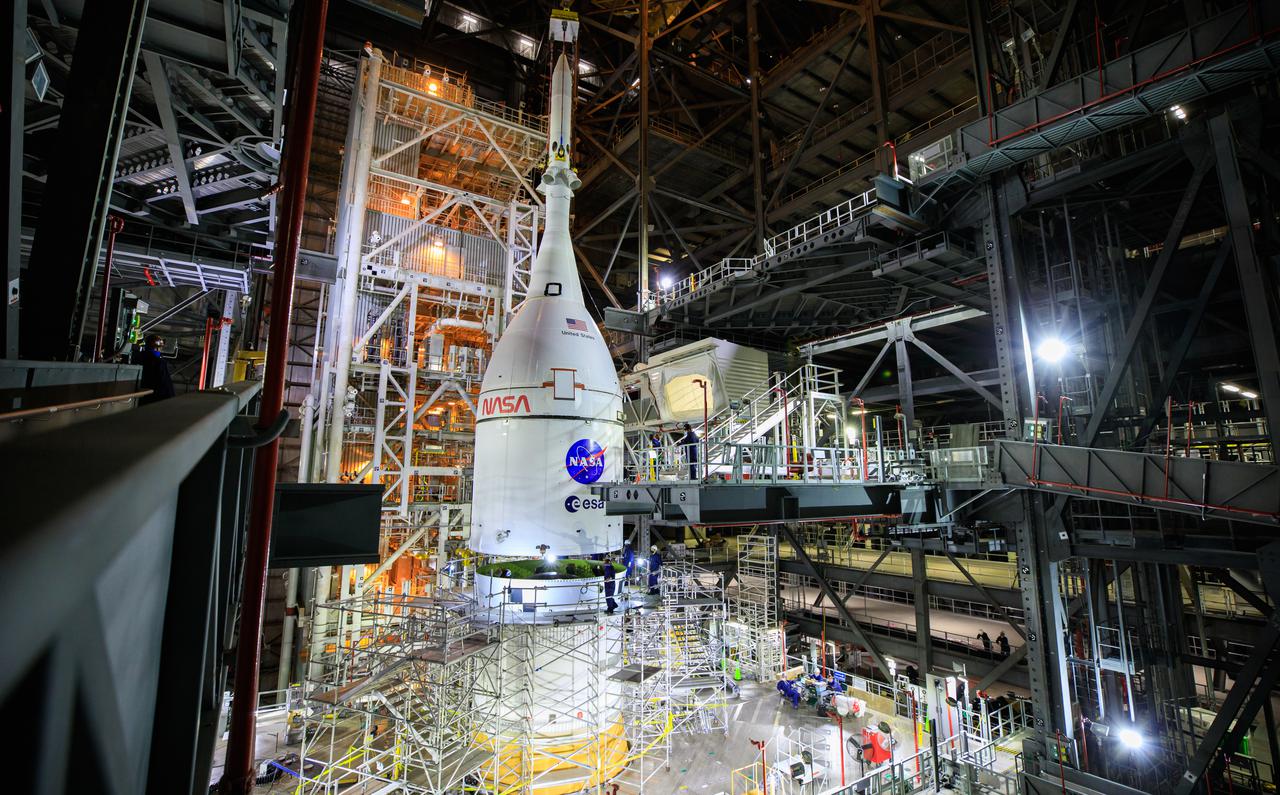
The Artemis I rocket has been fully stacked is ready for the final tests before launch!
Continue reading
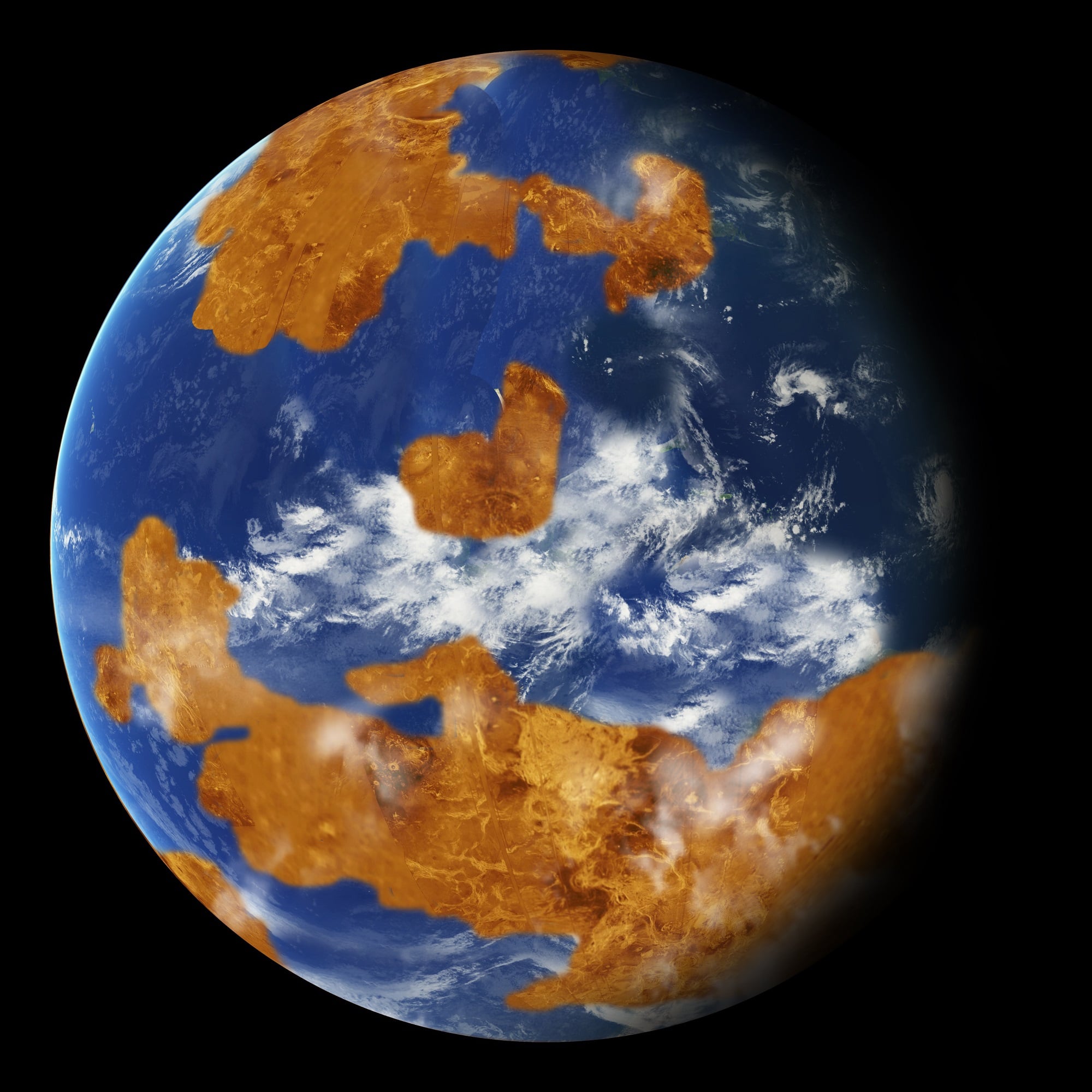
A new study has cast doubt on whether or not Venus ever had oceans, challenging the notion that it was once a potentially-habitable world.
Continue reading
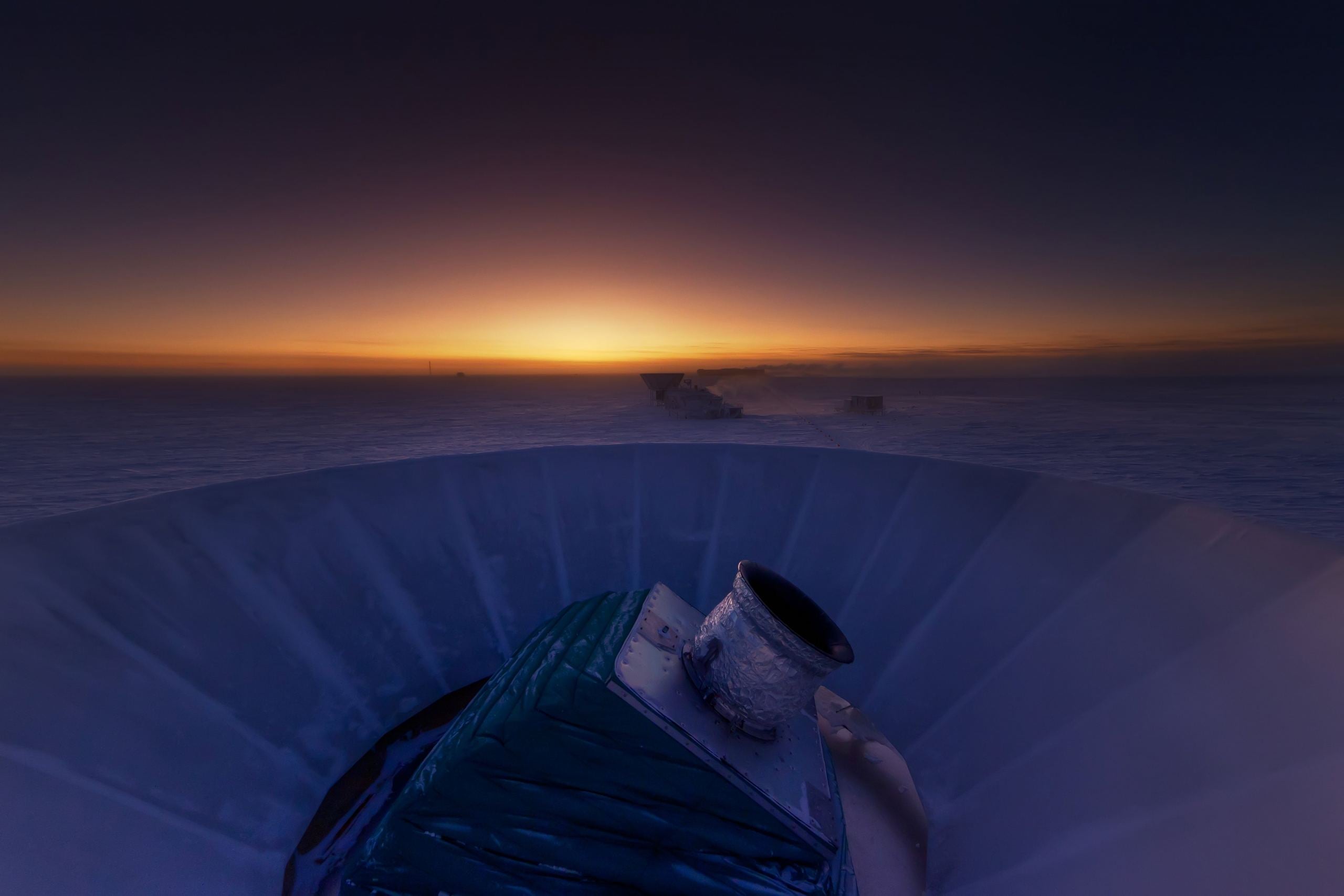
New observations put further constraints on primordial gravitational waves, but still haven't found them yet.
Continue reading
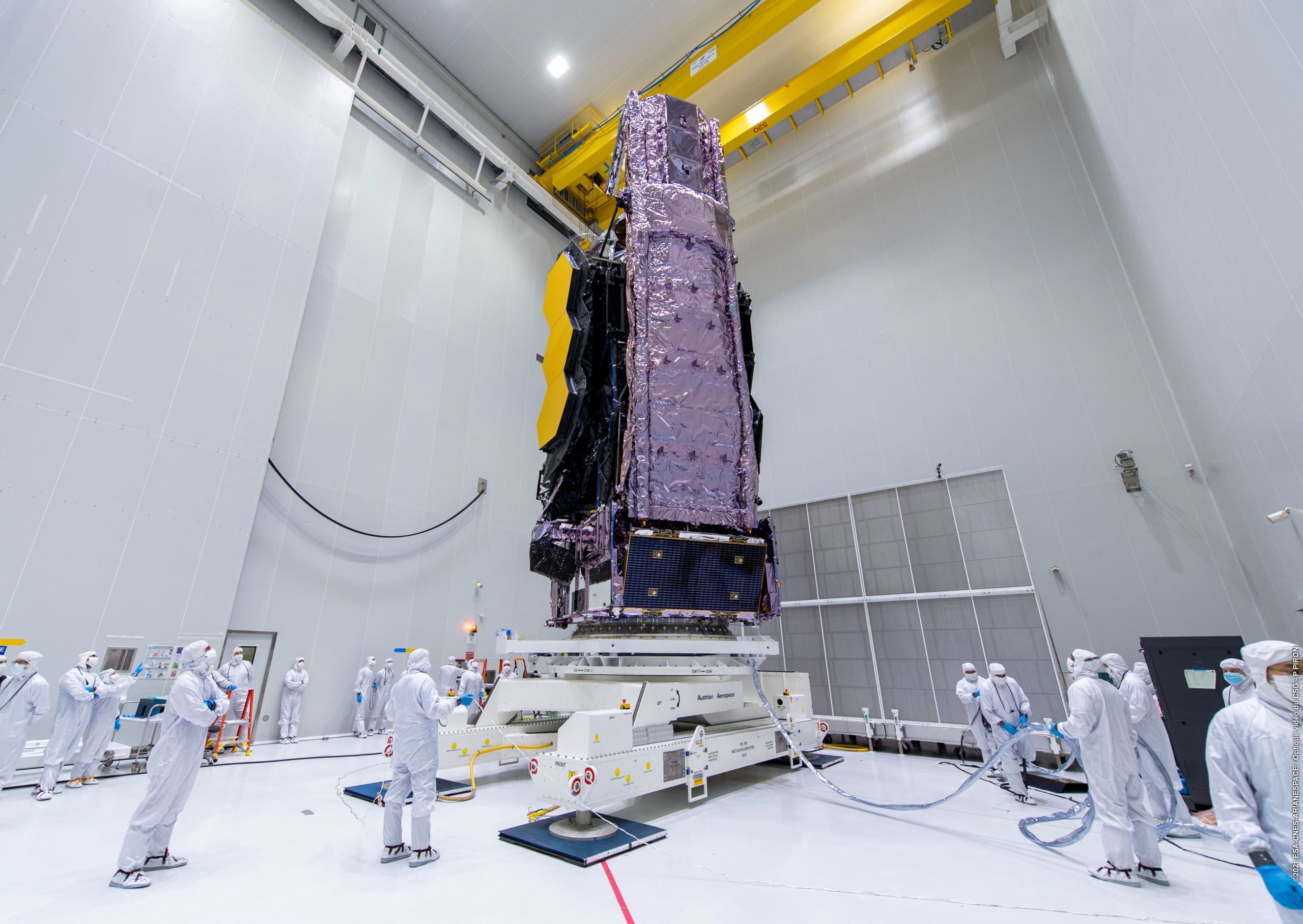
Crews at the Guyanese Space Center recently "unboxed" the James Webb Space Telescope and are now getting it ready for launch on Dec. 18th!
Continue reading
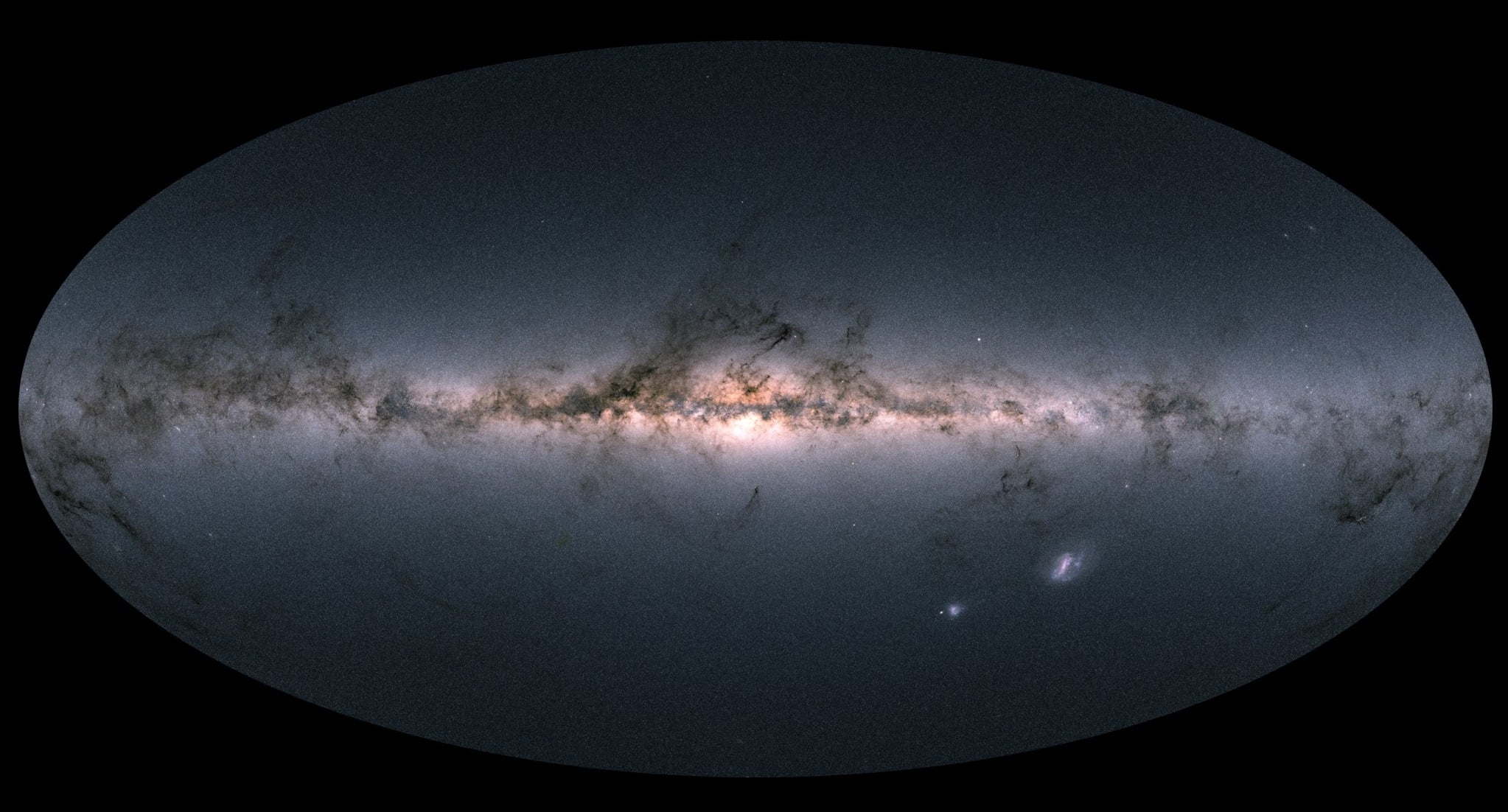
A new study based on Information Theory has produced the first estimate on just how much data is encoded in the cosmos (and it's a lot!)
Continue reading
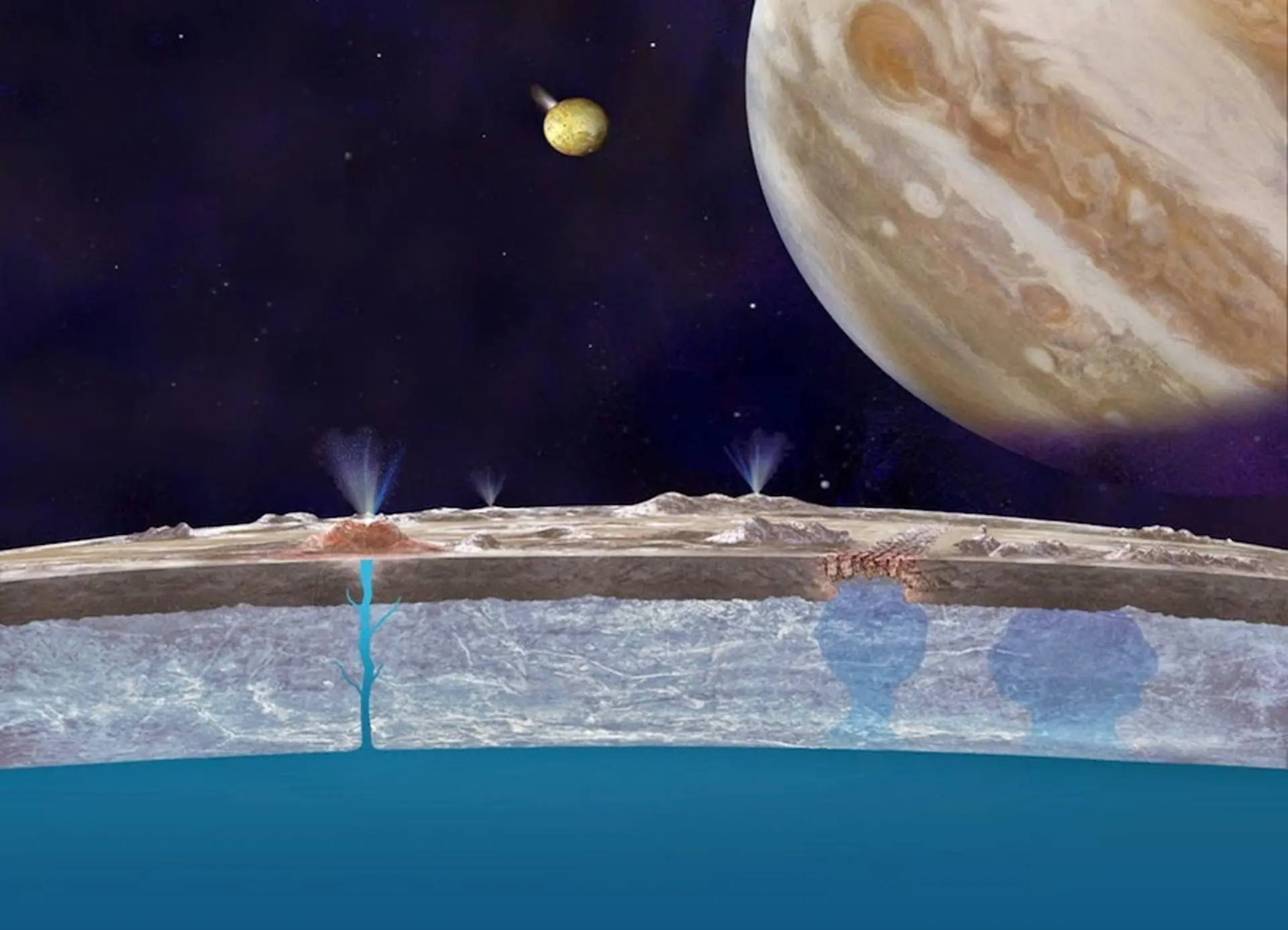
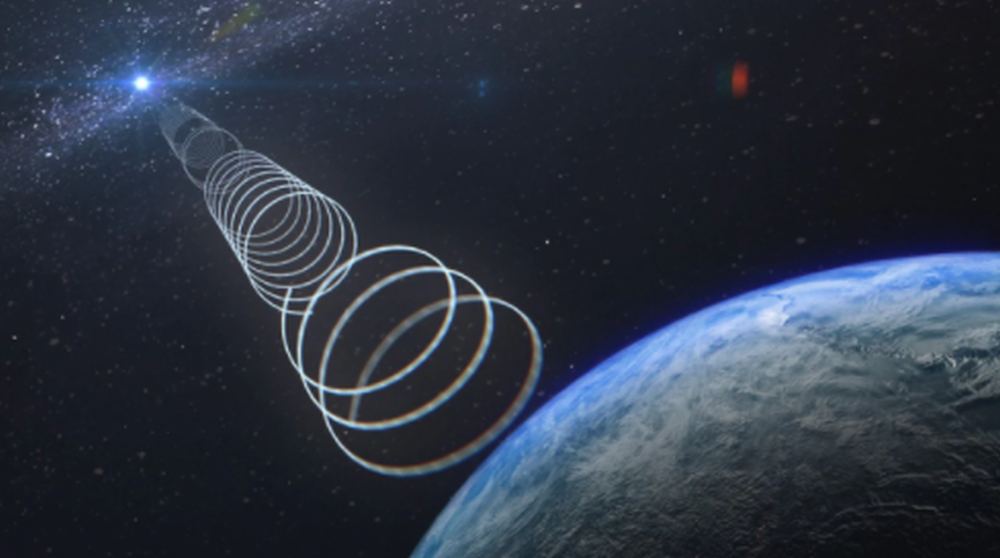
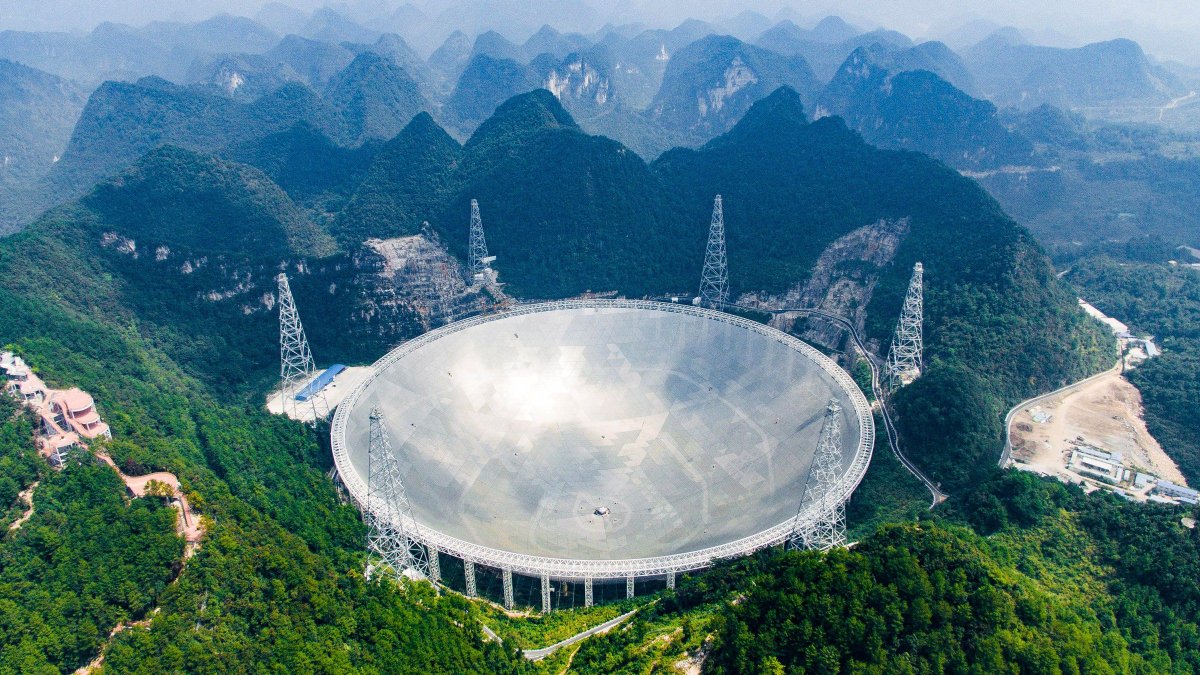
Researchers working with the 500-Meter FAST telescope in China reported 1,652 fast radio bursts in 47 days coming from a single source.
Continue reading

An international team examined lunar rocks brought back by the Chang'e-5 mission, and determined that volcanism ended on the Moon 2 billion years ago
Continue reading
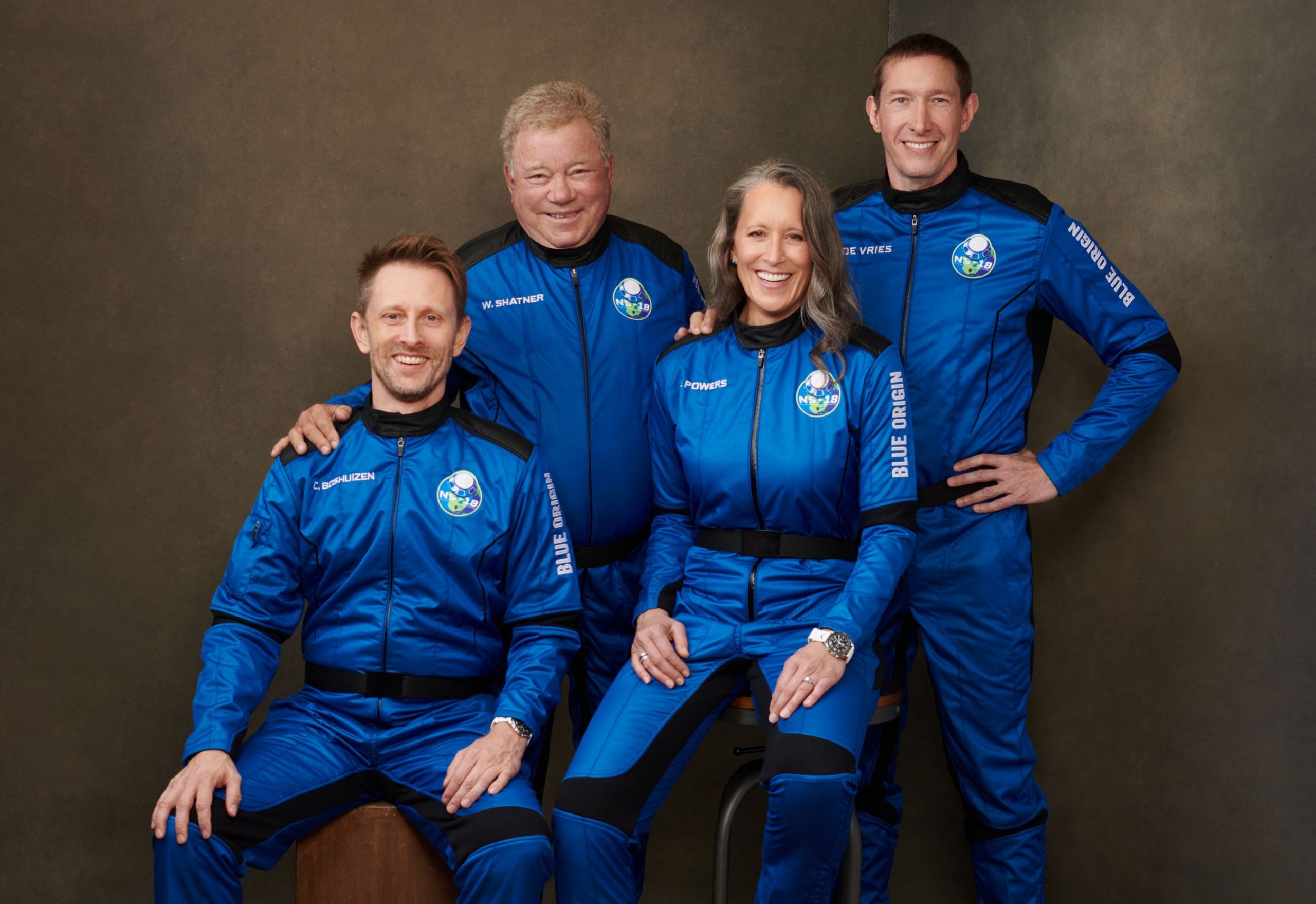
William Shatner and the crew of the Blue Origin NS-18 mission made it back to Earth safe and sound!
Continue reading
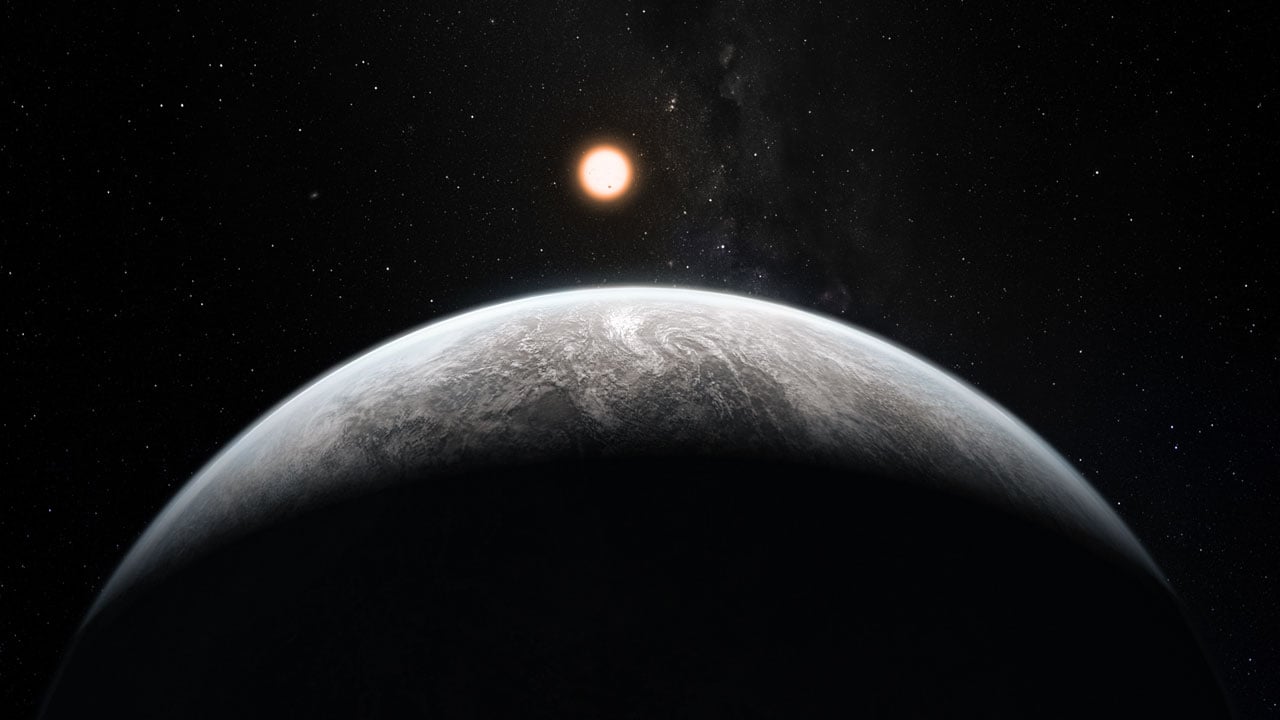
In a new study, a team of Earth scientists shows how scientists could look for signs of a carbon-silicate cycle on exoplanets.
Continue reading
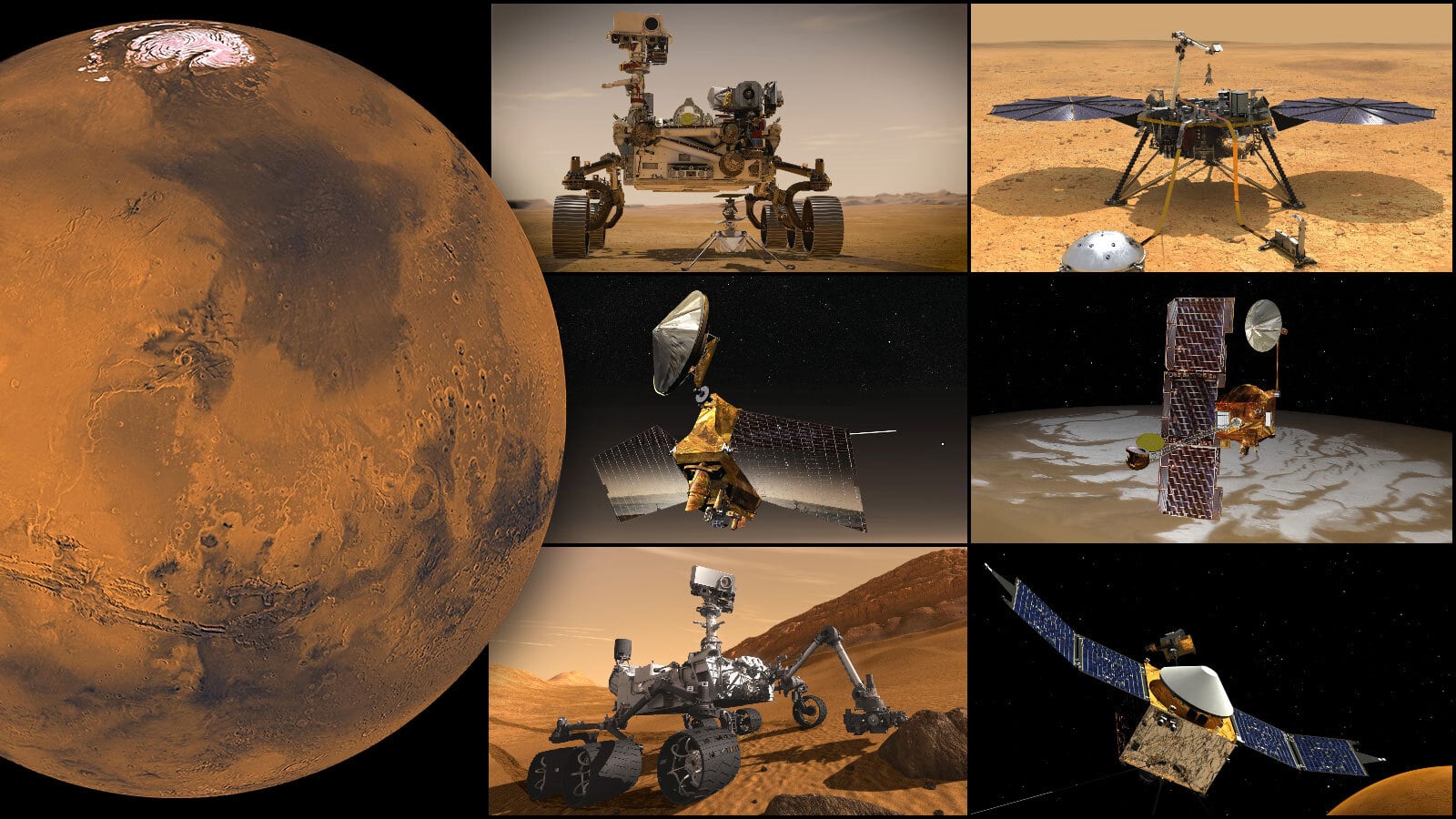
A new report by the National Academies of Sciences highlights the importance of planetary protection for future missions destined for Mars.
Continue reading
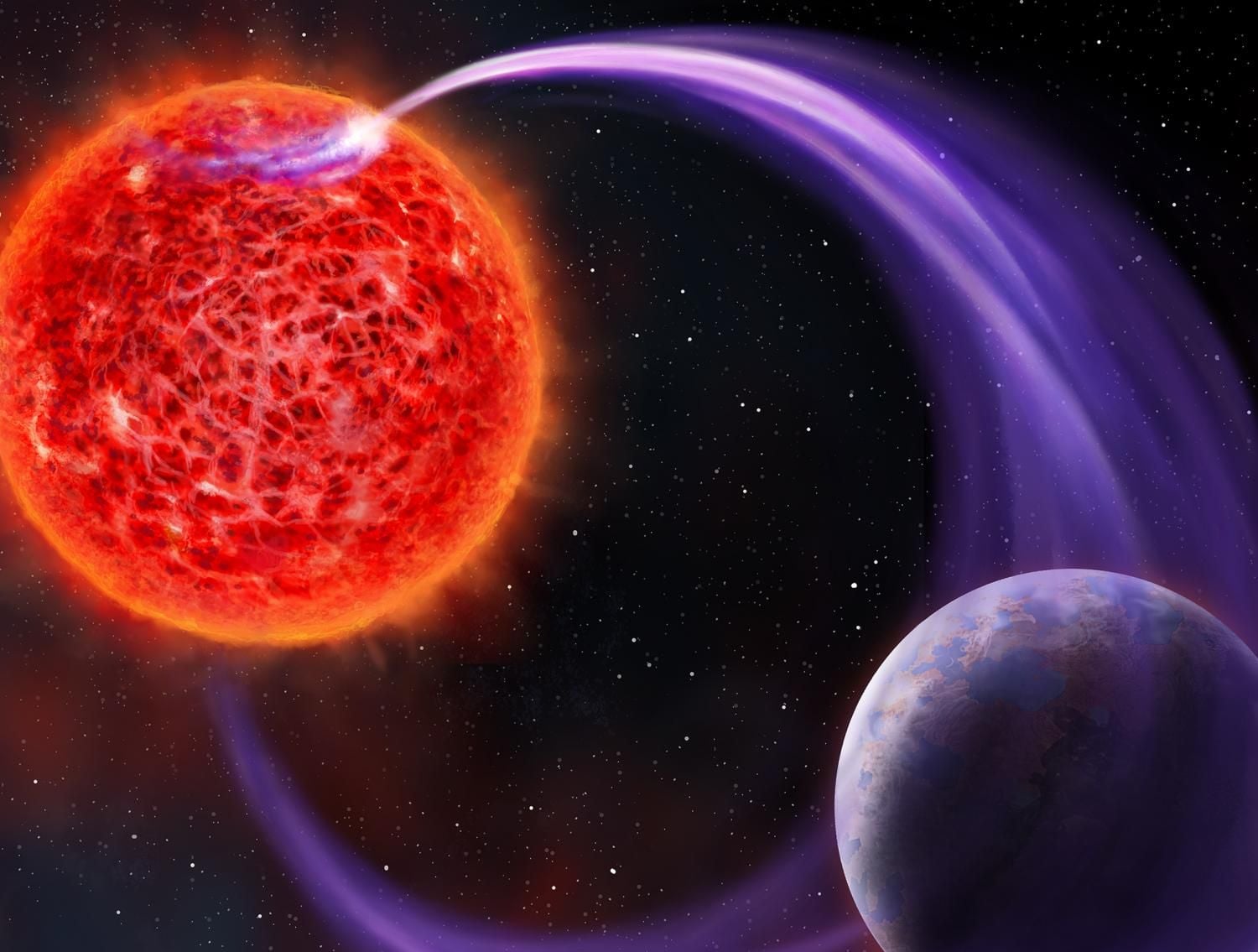
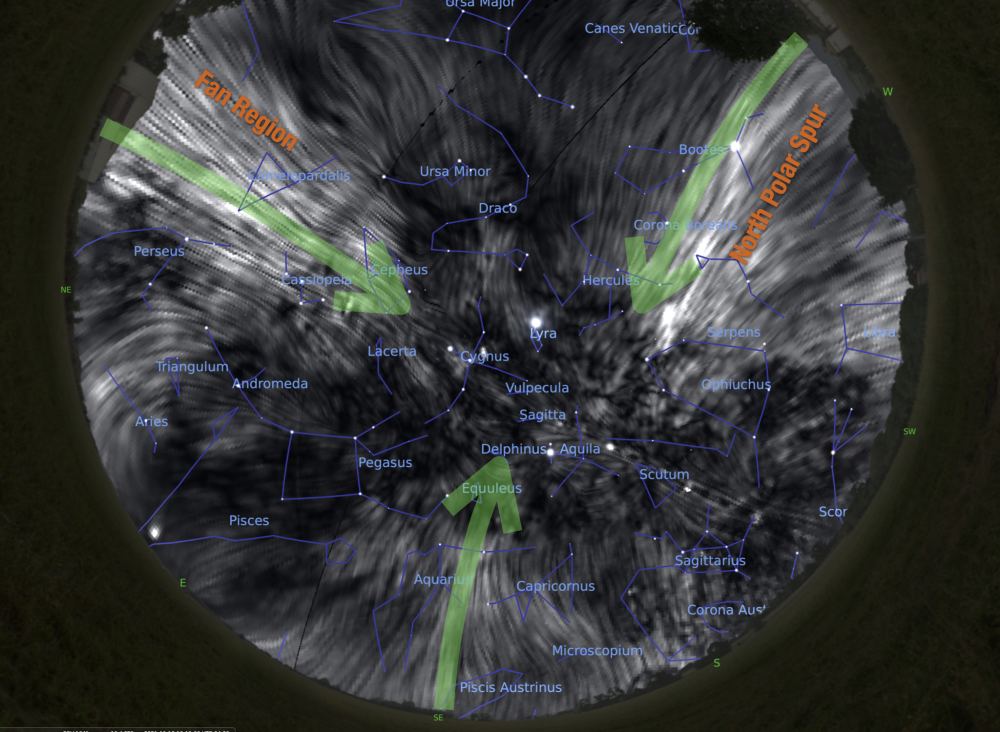
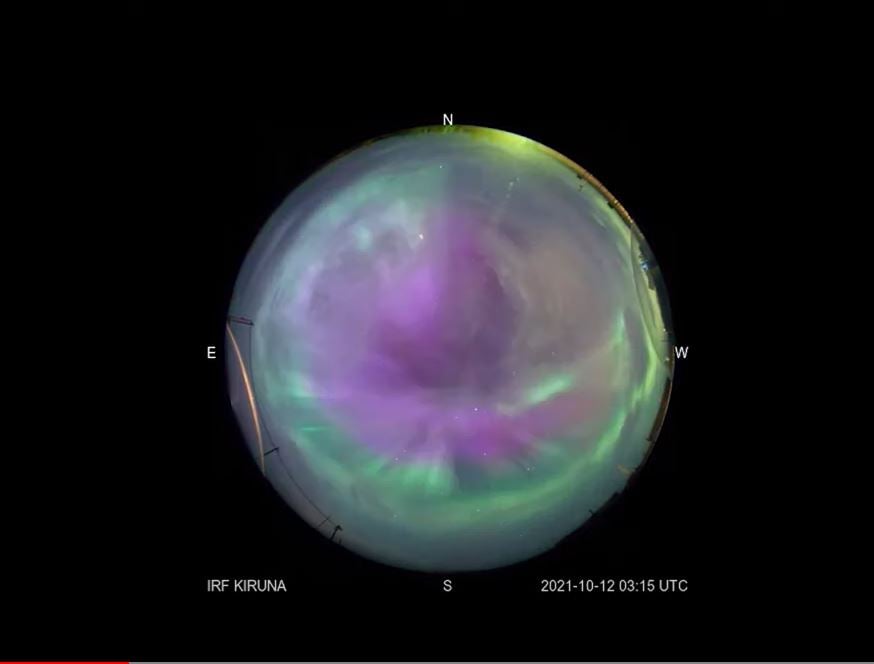
LOFAR sees 'exoplanet aurorae' near distant red dwarf suns.
Continue reading

NASA has taken the two astronauts selected to test the Starliner and reassigned them to fly the fifth SpaceX Dragon mission to the ISS.
Continue reading
 Universe Today