The Nancy Grace Roman Telescope Is Complete!
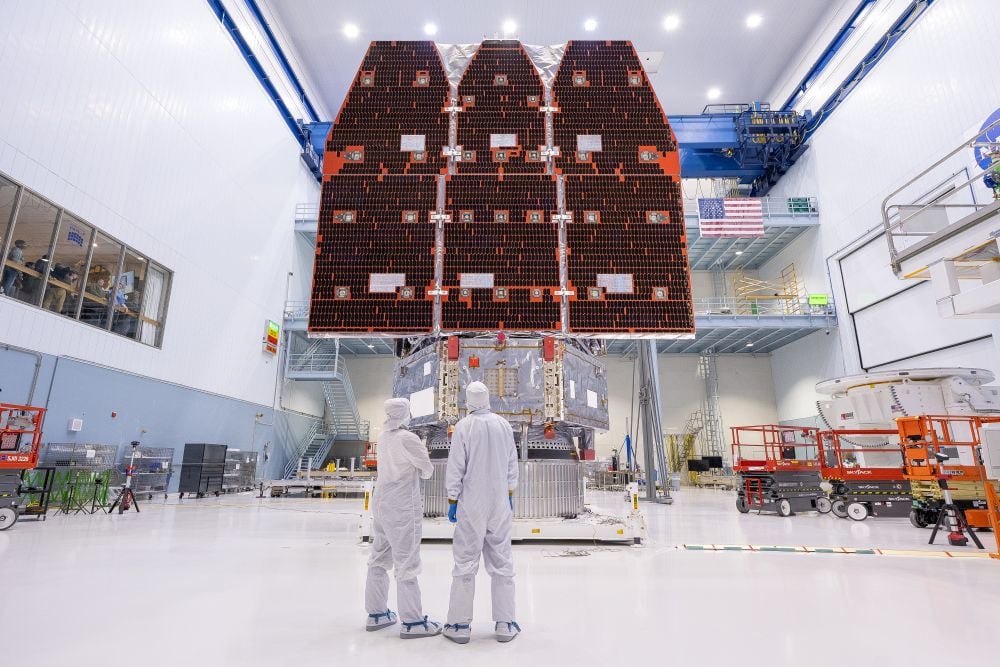
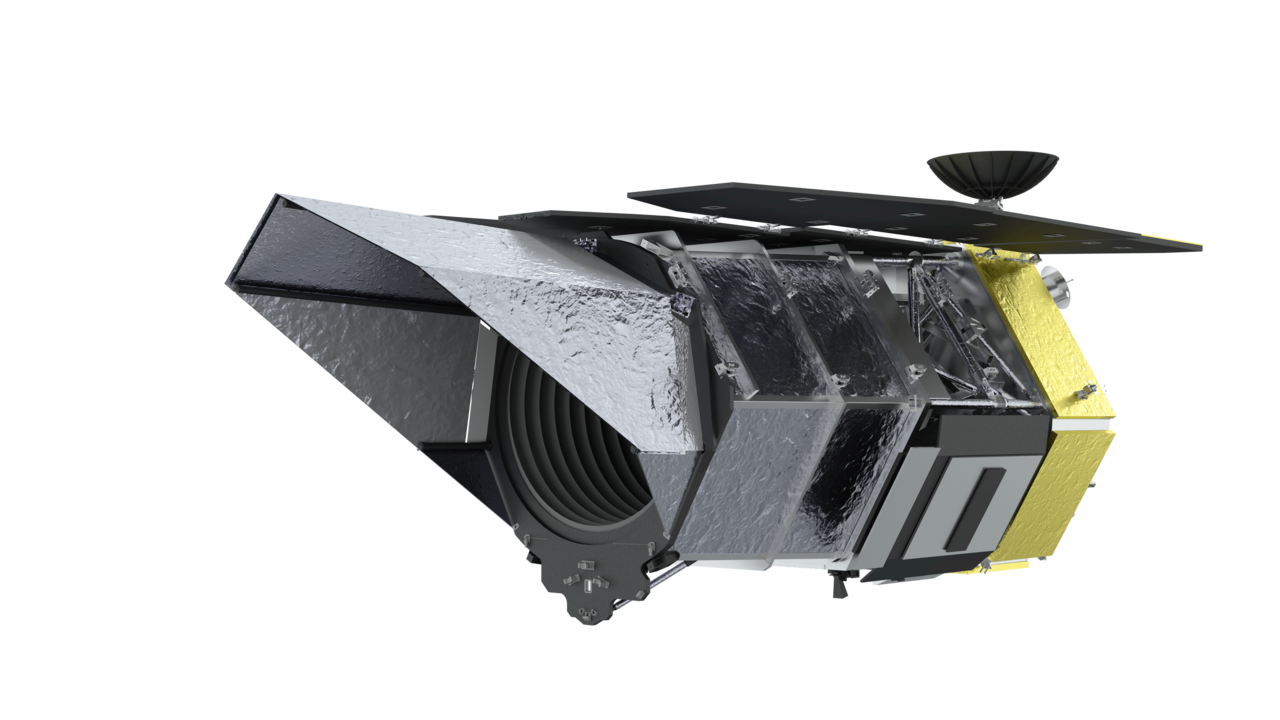
Construction is complete on the Nancy Grace Roman Space Telescope, and its ahead of schedule. After extensive testing, the new flagship telescope should be ready to launch in Fall, 2026.
Telescopes and observatories
Construction is complete on the Nancy Grace Roman Space Telescope, and its ahead of schedule. After extensive testing, the new flagship telescope should be ready to launch in Fall, 2026.
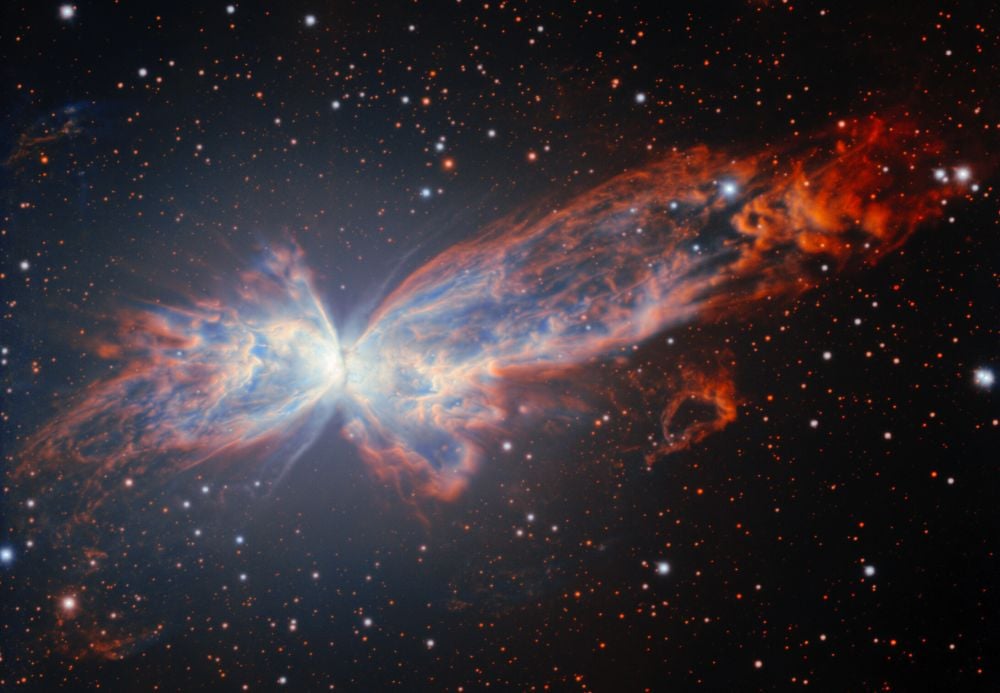
To celebrate 25 years since the completion of the International Gemini Observatory, students in Chile voted for the Gemini South telescope to image NGC 6302 — a billowing planetary nebula that resembles a cosmic butterfly. The International Gemini Observatory is partly funded by the U.S. National Science Foundation (NSF) and operated by NSF NOIRLab.
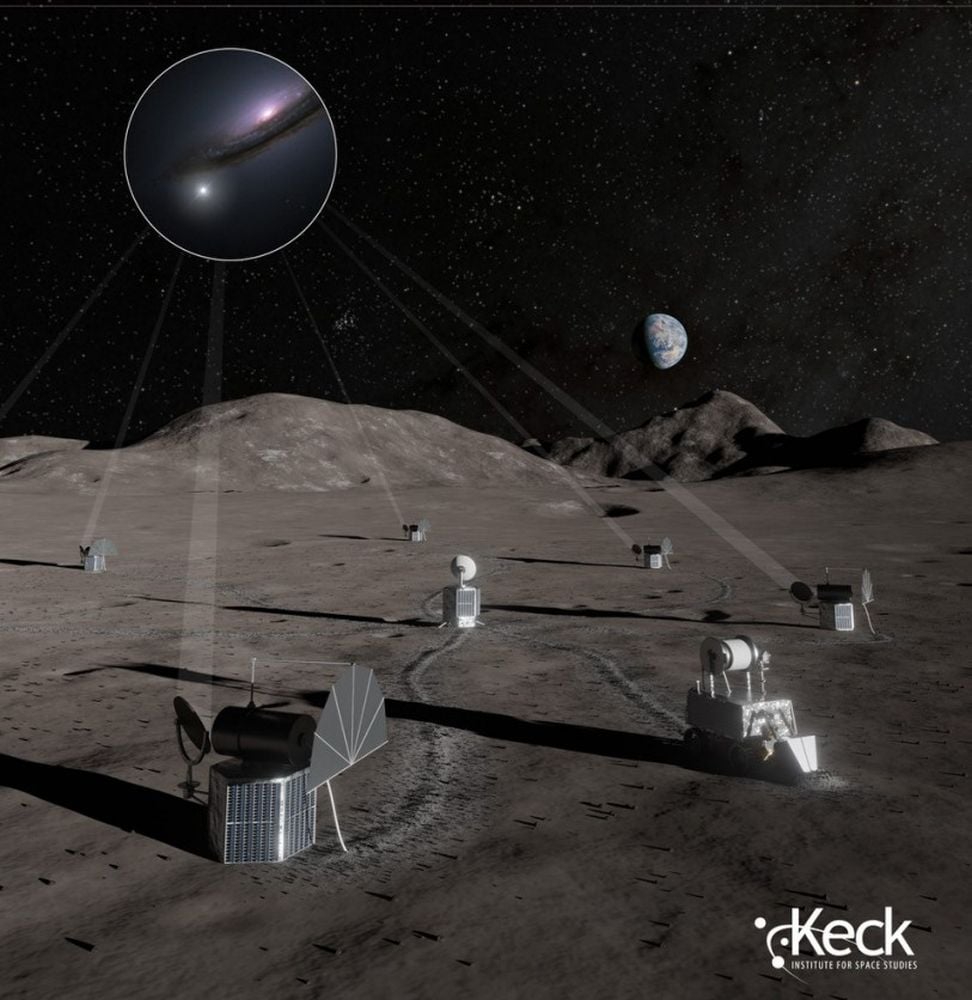
A new report outlines the benefits and obstacles to a lunar telescope. It comes from the Keck Institute for Space Studies, and presents an idea for a lunar optical interferometer. The authors say it could outperform powerful space telescopes.
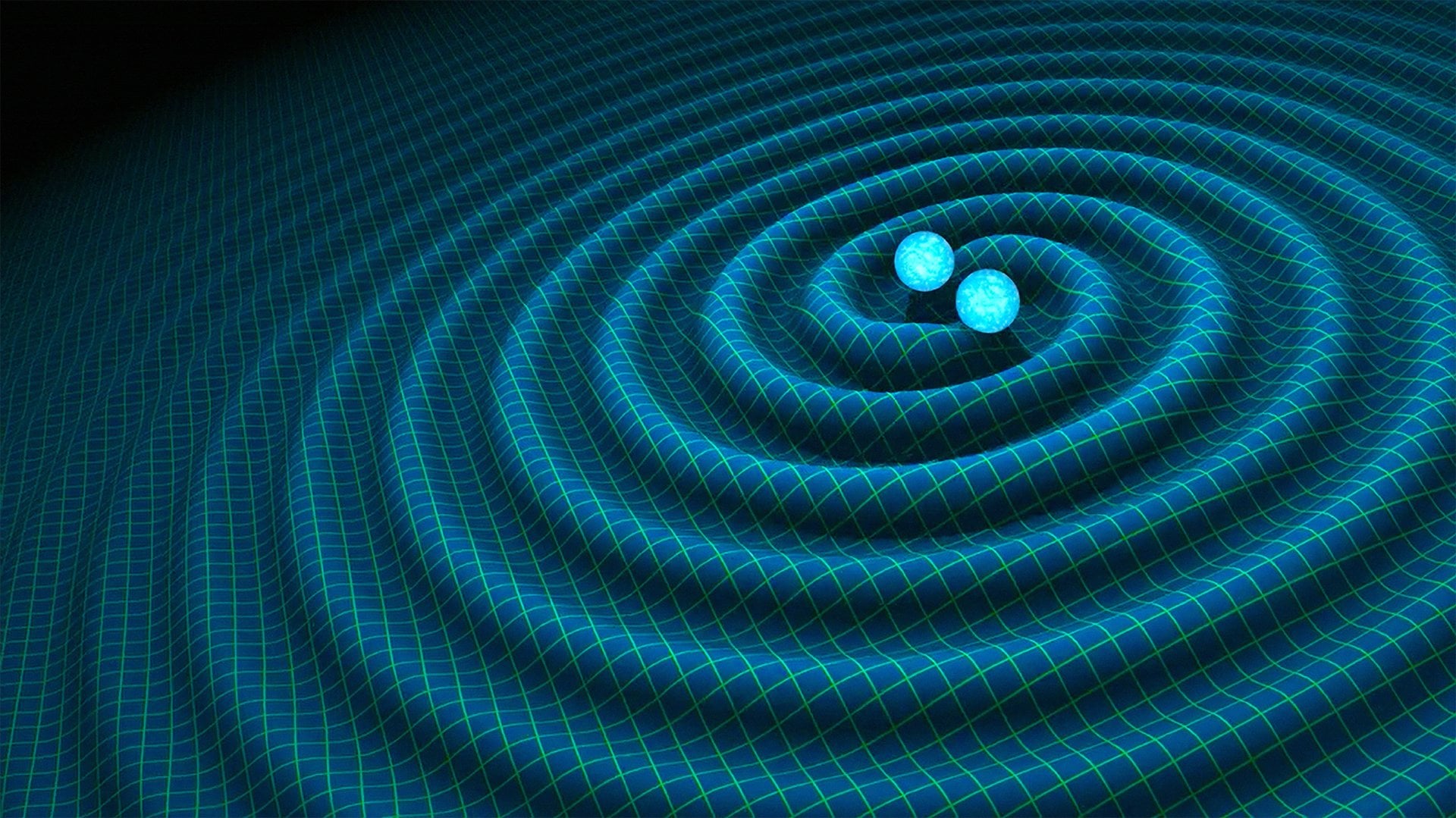
Current gravitational wave observatories can't see a range of frequencies known as mid-band. That could change with a new detector that uses a trick from atomic clocks.
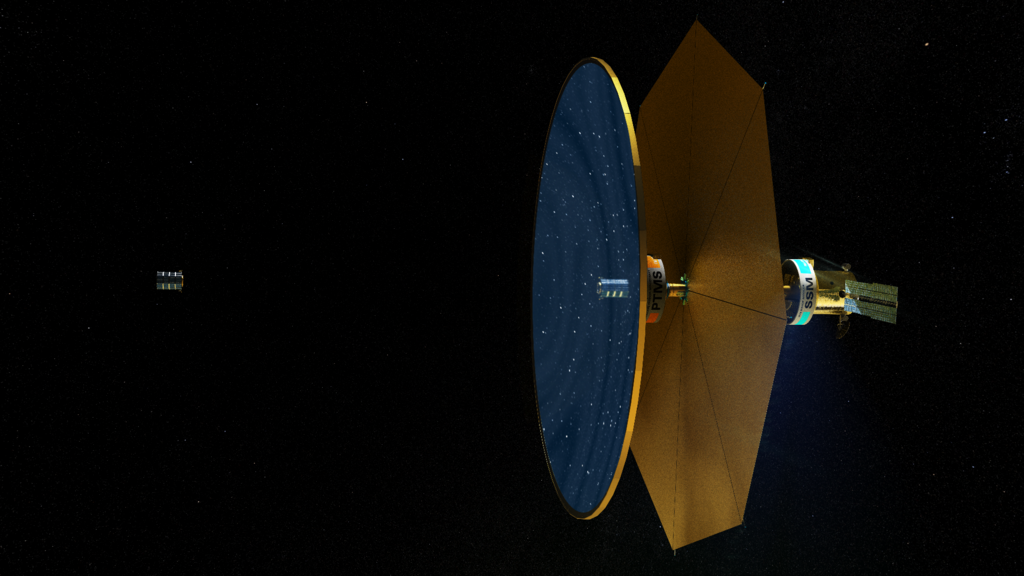
By treating optical telescopes as an array of smaller telescopes, astronomers could observe exoplanets more clearly.
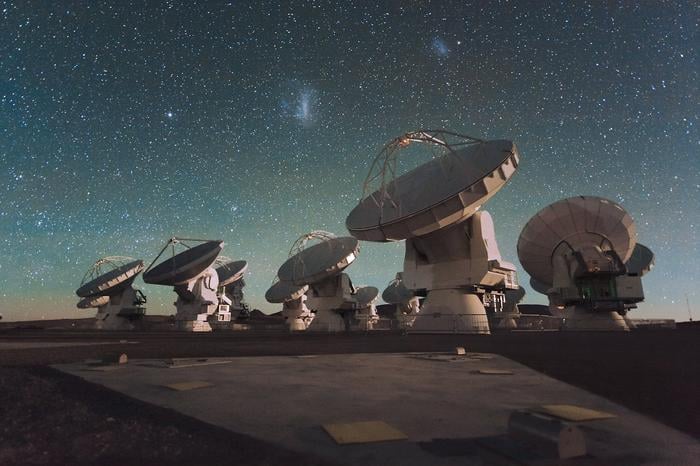
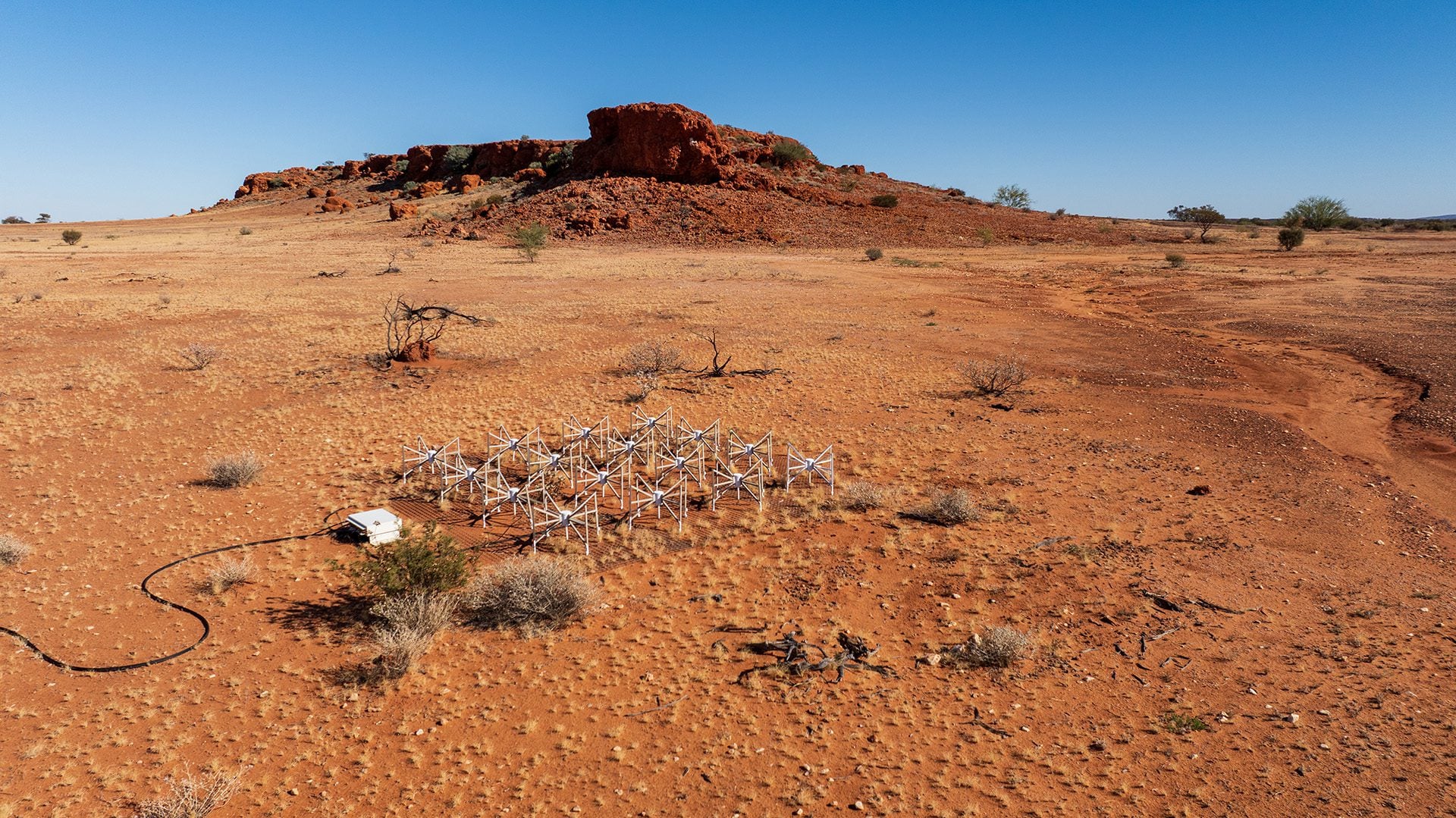
Radio astronomy took another step forward recently, with the completion of Phase III of the Murchison Widefield Array (MWA) in Western Australia. We’ve reported before on how the MWA has investigated everything from SETI signals to the light from the earliest stars. WIth this upgrade, the MWA will continue to operate with much needed improvements while the radio astronomy awaits the completion of the successor it helped enable - the Square Kilometer Array (SKA).
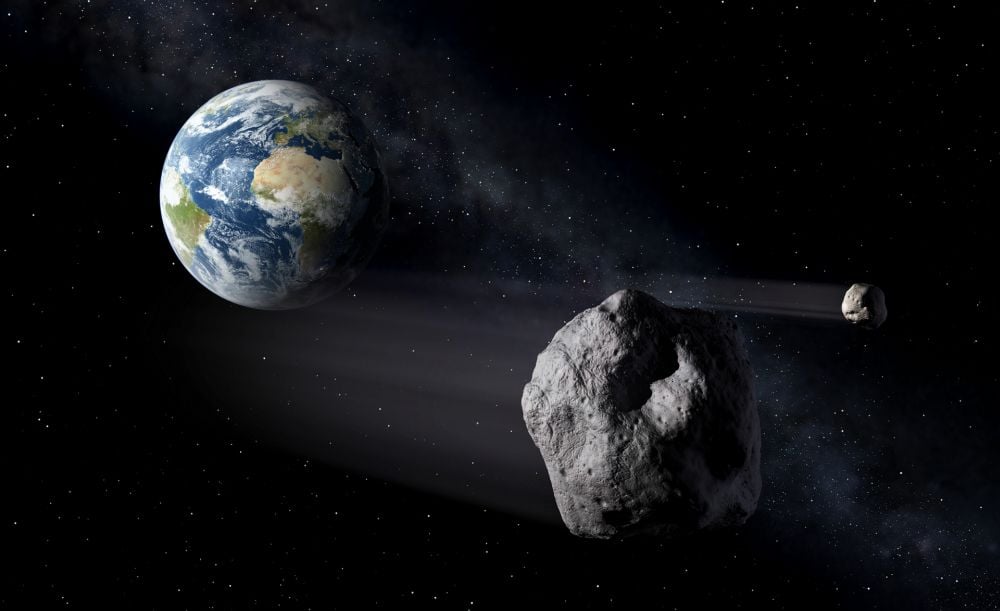
When NASA's Nancy Grace Roman Space Telescope launches in October 2026, it won't just be peering into the distant universe to study dark energy and exoplanets. This powerful observatory will also serve as Earth's newest guardian, helping scientists track and understand potentially dangerous asteroids and comets that could threaten our planet.
After 20 years of observations, Georgia State University's CHARA (Center for High Angular Resolution Astronomy) has proven its worth. In 2005, The Astrophysical Journal published the first results based on its observations. Since then, more than 275 papers based on CHARA observations have been published, and the facility is still going strong heading into its third decade of operations.
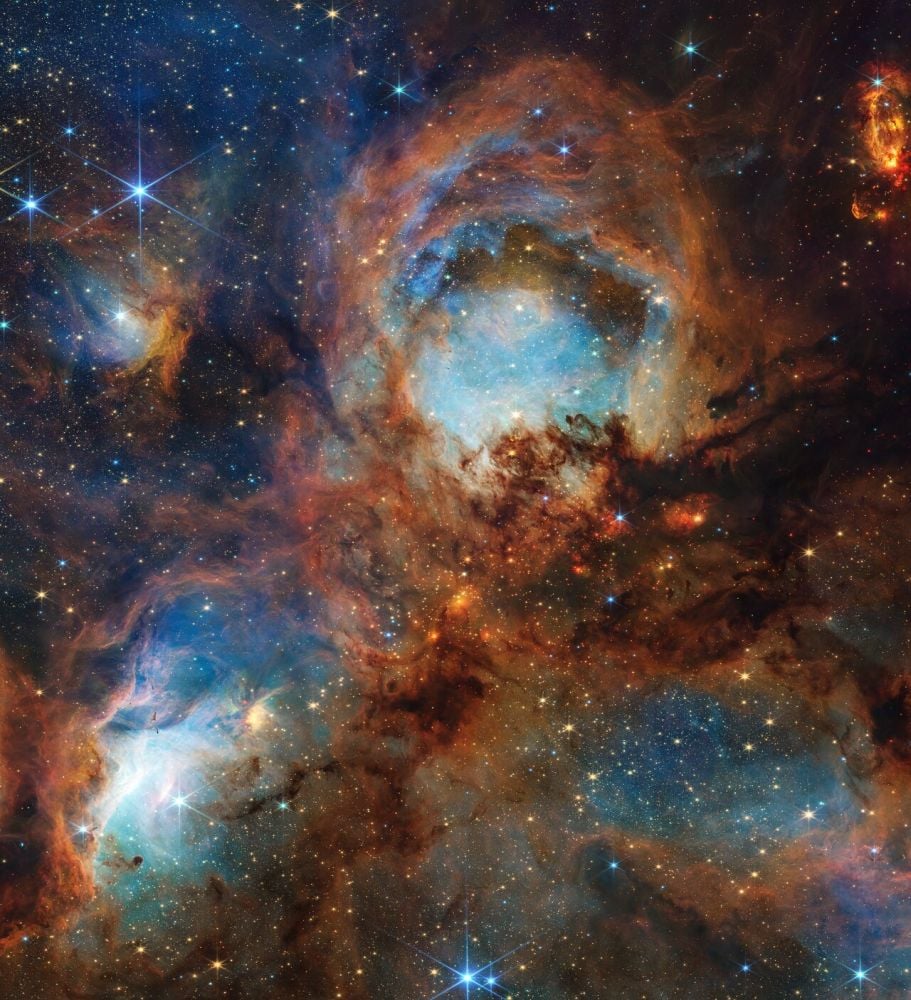
It's crazy to think that the JWST has already been working for three years. It's repeatedly impressed us not only with its powerful science observations, but also with stunning images that capture our interest even if we didn't know what we were seeing. Now, the telescope is celebrating its third anniversary with a glorious image of the Cat's Paw Nebula.
A team of researchers has cracked the code for building space telescopes with mirrors the size of a soccer field, not from perfectly figured glass, but from liquid floating in zero gravity! The new research reveals how a 50-metre liquid mirror telescope could maintain its optical quality for decades despite the constant slewing motions needed to observe different stars, with deformations taking years to propagate from the edges toward the centre. The idea could enable the next generation of space telescopes capable of directly imaging Earth-like planets around other stars, potentially answering the ultimate question: are we alone in the universe?
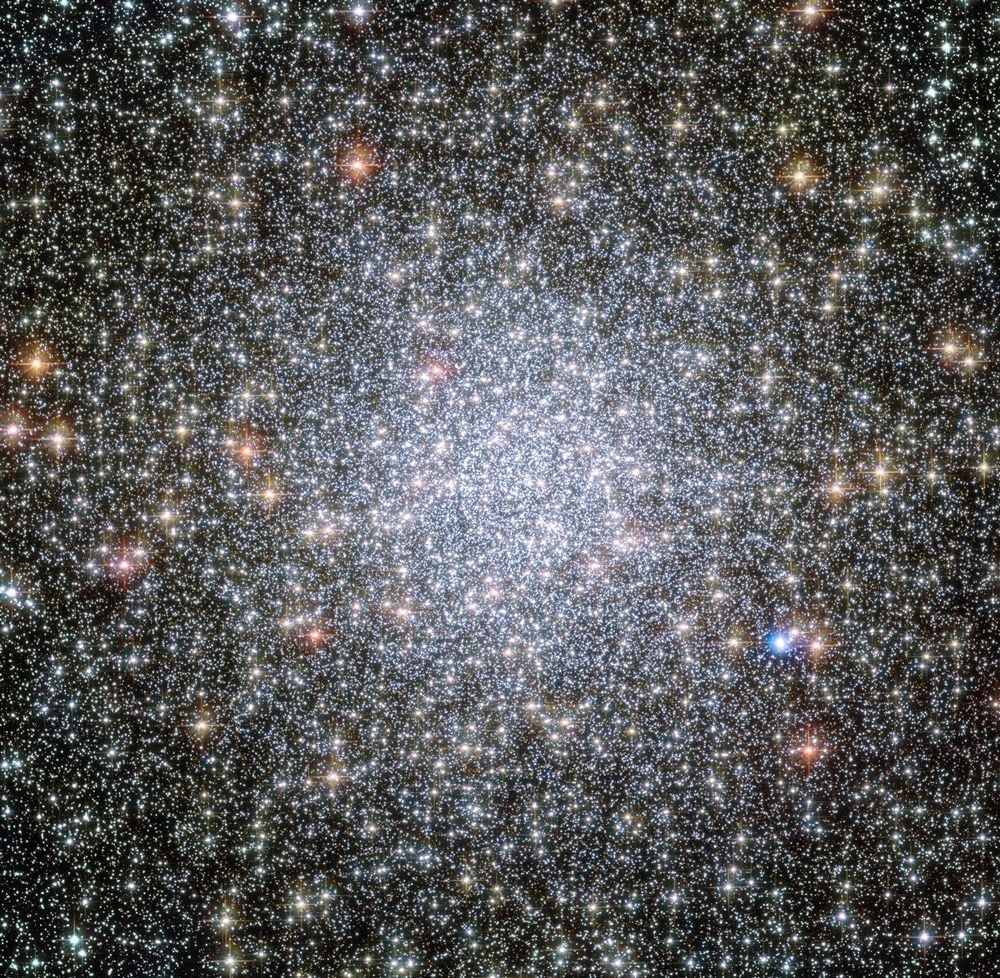
The long-awaited Vera Rubin Observatory has delivered some preliminary observations of the globular cluster 47 Tucanae field. 47 Tuc is the Milky Way's second-brightest globular cluster, second to Omega Centauri. The Rubin Observatory's data demonstrates the telescope's promising scientific potential.
What new methods can be developed in the search for extraterrestrial intelligence (SETI)? This is what a recent white paper submitted to the 2025 NASA Decadal Astrobiology Research and Exploration Strategy (DARES) Request for Information (RFI) hopes to address as a pair of researchers from the Breakthrough Listen project and Michigan State University discussed how high-energy astronomy could be used for identifying radio signals from an extraterrestrial technological civilization, also called technosignatures. This study has the potential to help SETI and other organizations develop novel techniques for finding intelligent life beyond Earth.
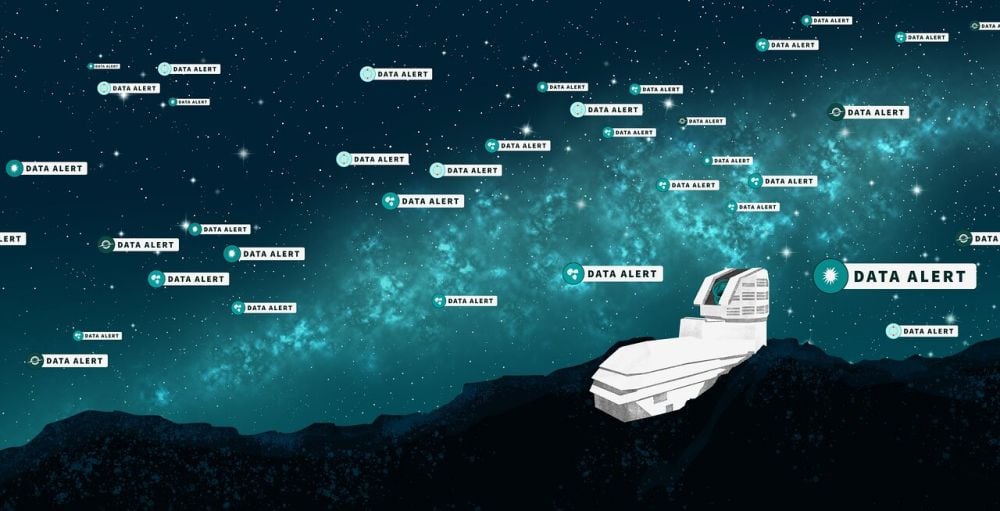
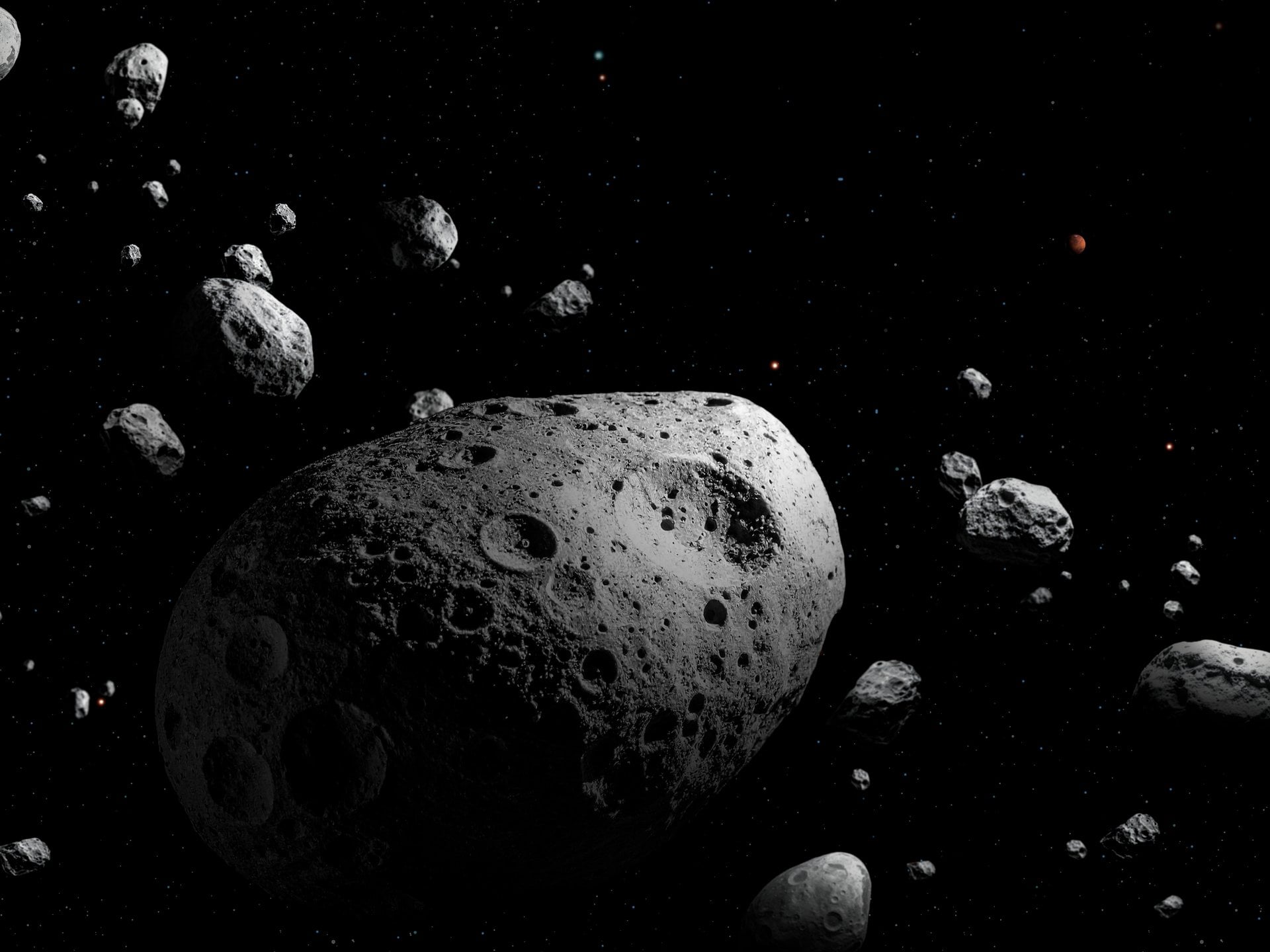
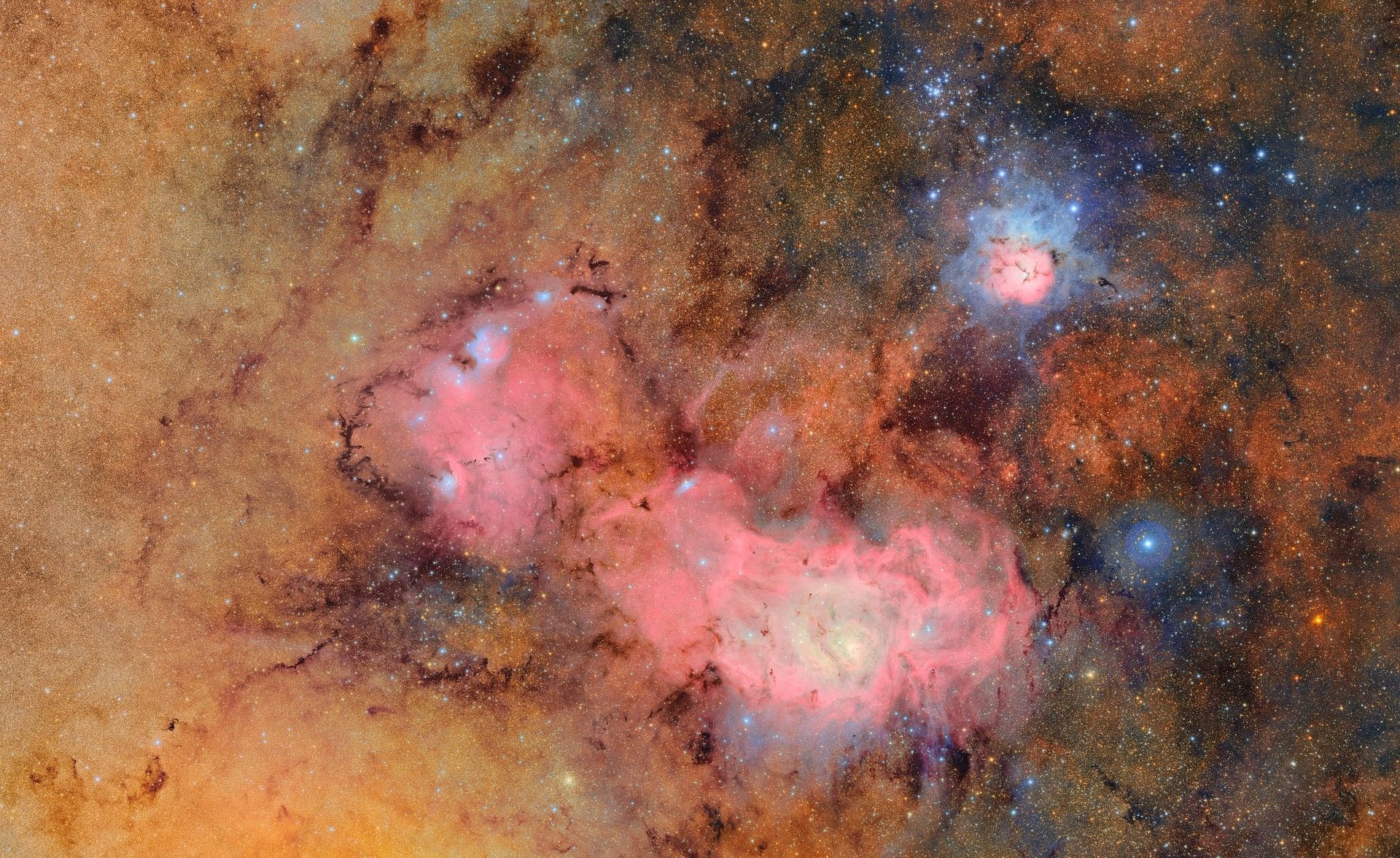
I can recall the excitement of waiting for the first CCD Image I had taken to download, THAT was exciting. I was using a Starlight Express MX716 for those who can remember. This however is far more exciting. The Vera C. Rubin Observatory has officially come online and now we're looking at its first pictures. The telescope has completed ten hours of test observations, viewing millions of galaxies and Milky Way stars. It found thousands of new asteroids in just a few hours of observations, and took incredible pictures of the Triffid and Lagoon Nebulae. Over the course of its 10-year primary mission, it'll capture 800 images of every spot in the southern sky.
The Vera C. Rubin is a game changing observatory that we've been keeping our eyes on. When it goes online, it'll begin a 10 year survey of the southern sky, capturing the entire sky every few nights, eventually building up a history of 800 images of each spot. It'll generate 20 terabytes of data every day, collecting 60 petabytes of raw image data. And it's almost ready to begin operations. On June 23 at 15:00 UTC, operators are going to release the first images from the telescope live to the internet, and you'll be able to watch.
We don't know what dark matter is, but that doesn't stop astronomers from using it to their advantage. Dark matter is part of what makes gravitational lensing so effective. Astronomers expect the Roman Space Telescope to find 160,000 gravitational lenses, and dark matter makes a crucial contribution to these lenses.
Ultraviolet astronomical observations have always been hindered by one simple fact - the Earth's atmosphere blocks most UV photons, especially in the UV-C and UV-B range of 100-315nm wavelengths. So, astronomers must have a collector above the atmosphere if they want to know what is happening in those wavelengths. A consortium from Institut d'Estudis Espacials de Catalunya (IEEC) hopes to provide additional insight into that realm with their PhotSat mission, a CubeSat that will observe the whole sky in UV and visible light once every few days.
The JWST has done it again. The powerful space telescope has already revealed the presence of bright galaxies only several hundred million years after the Big Bang. Now, it's sensed light from a galaxy only 280 million years after the Big Bang, the most distant galaxy ever detected.
When the JWST came to life and began observations, one of its first jobs was to gaze back in time at the early Universe. The Assembly of Galaxies is one of the space telescope's four main science themes, and when it observed the Universe's first galaxies, it uncovered a mystery. According to our understanding of how galaxies evolve, some were far more massive than they should be.
James Webb Space Telescope zoomed in on Jupiter's turbulent north pole in 2023 on the lookout for aurora. The results were amazing. Scientists have finally crunched through the data, revealing how the aurora rapidly change, fizzing and popping with light over the course of a few minutes. The team didn't stop there, training Hubble's ultraviolet eye on the same light show, they've created the most comprehensive view of Jupiter's auroral displays ever captured.
Over the past decade or so, astronomers have speculated about the characteristics of rogue planets in the Milky Way Galaxy. These "free-floating" worlds don't orbit stars, but instead roam the spaceways. They're hard to spot with current technology, but the upcoming Nancy Grace Roman Space Telescope (Roman) will be a perfect instrument to find them and give insights into the history and features they may have in common with Solar System worlds.