 Universe Today
To Win A Nobel Prize, Go To The Ends Of The Earth
Neutrinos are persnickety particles. We couldn't really detect neutrinos from deep space until Francis Halzen had a brilliant, Nobel Prize-winning idea.
The physics of the universe

Neutrinos are persnickety particles. We couldn't really detect neutrinos from deep space until Francis Halzen had a brilliant, Nobel Prize-winning idea.
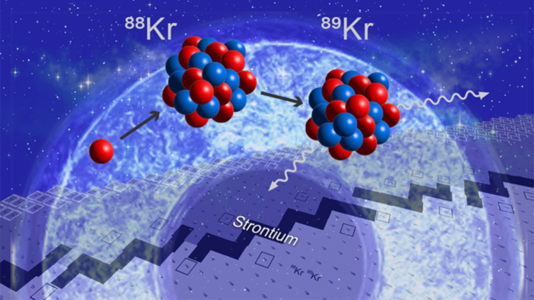
Everything from the gold in your smart phone to the calcium in your bones was originally created in a star. But for a long time there has been a question about the levels of one particular element - strontium, which makes fireworks burn bright red and is used in glow-in-the-dark paint. A new paper published in Nature Communications Physics from a large group of researchers led by Caley M. Harris, a graduate student at Michigan State University, thinks they have found an answer for why that particular elemental level was skewed - and doing so required some very elaborate laboratory testing.
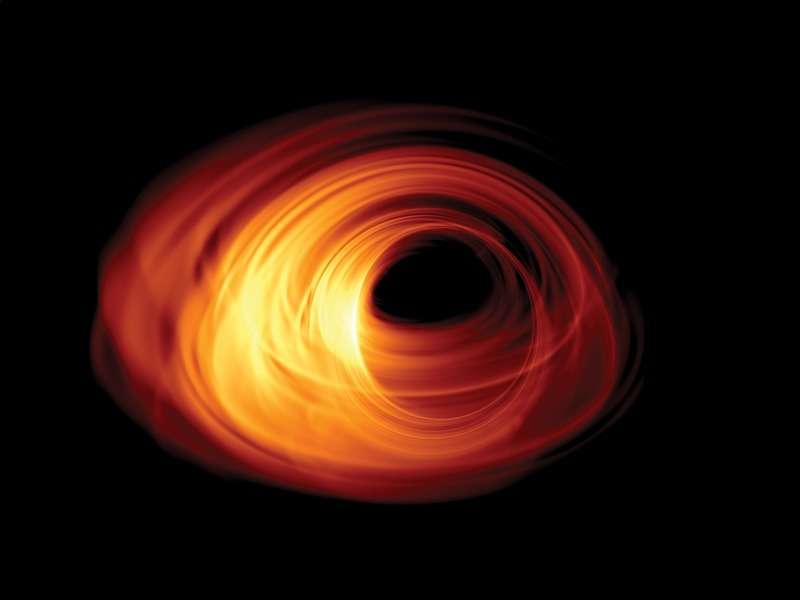
Scientists theorize that the rapid emergence of supermassive black holes (SMBHs) in the early Universe can be explained by the direct-collapse black hole (DCBH) scenario. In a recent study, astronomers investigated the potential host environments of DCBHs and found that this scenario is a plausible explanation for how the "seeds" of SMBH formed.

Dark matter is the invisible stuff that accounts for roughly 85% of the mass in the universe, and for decades, physicists have been trying to figure out what it's made of. Now an experimental facility located nearly a mile below ground in South Dakota has recorded a single interaction between subatomic particles that doesn't match what's expected from normal matter. Has a dark-matter particle been detected at last? It's too early to say, but the anomaly is definitely attracting attention from dark-matter detectives.

Scientists and philosophers have argued over the nature of time since … well, since time immemorial. Is time real, or is it a convenient illusion? Why does time seem to flow in just one direction? In a new book called “On Time,” British physicist Jim Al-Khalili lays out what he thinks is the answer to such questions.
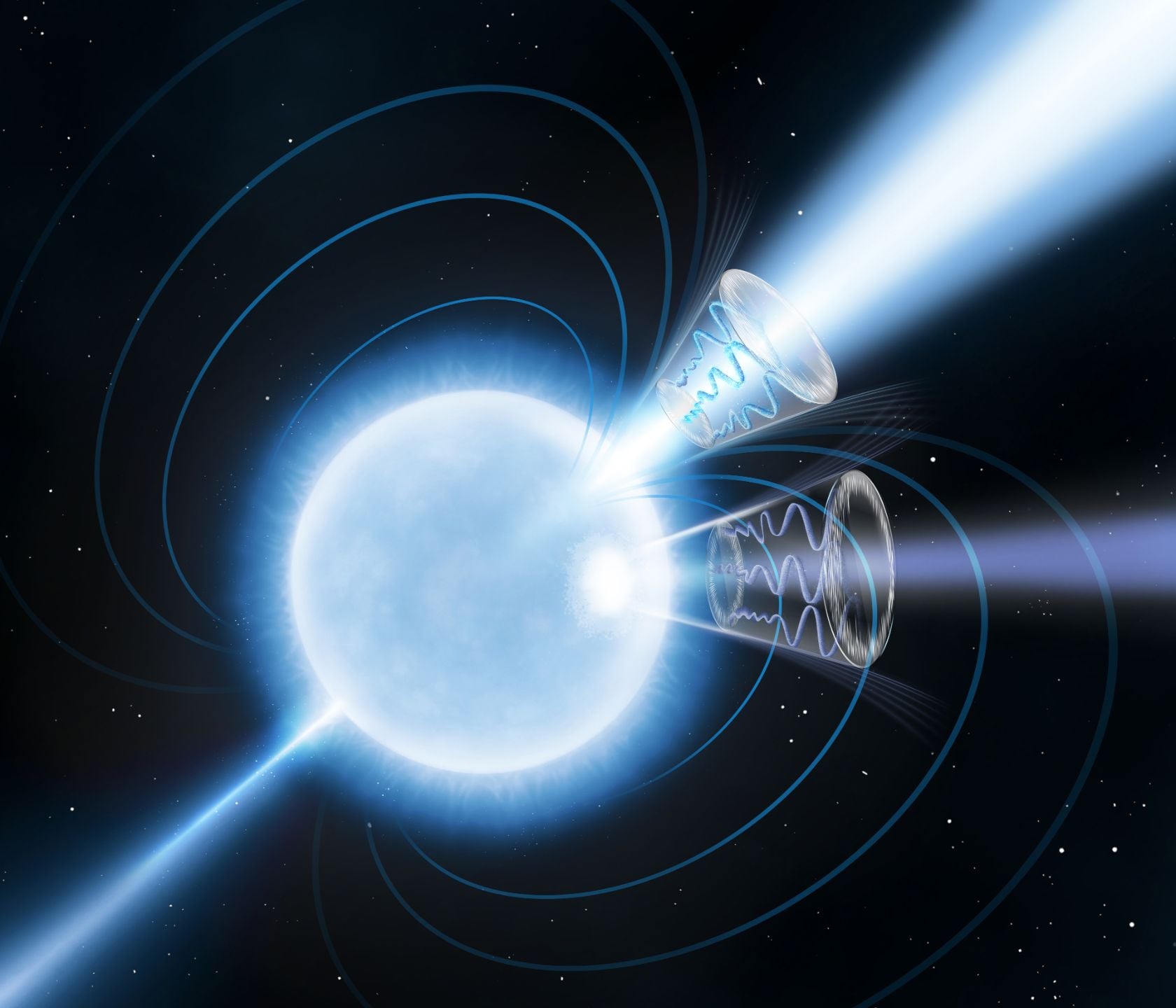
An international team observed a magnetar known as 1E 1547.0–5408 using NASA’s Imaging X-ray Polarimetry Explorer (IXPE), leading to what could be the first detection of vacuum birefringence taking place in the magnetar’s ultra-strong magnetic field. These findings could potentially resolve a long-standing mystery quantum mechanics.

Some signs of an alien civilization are easier to spot than signs of life itself. On technosignatures, from CFCs and industrial gases to the pandemic dip in pollution, and why Earth's most detectable moment might be right now.

A single pixel of light holds astonishing detail. How ocean glint, rotational mapping, and the vegetation red edge let us read a distant planet's oceans, continents, and even forests, all without ever resolving it as more than a point.
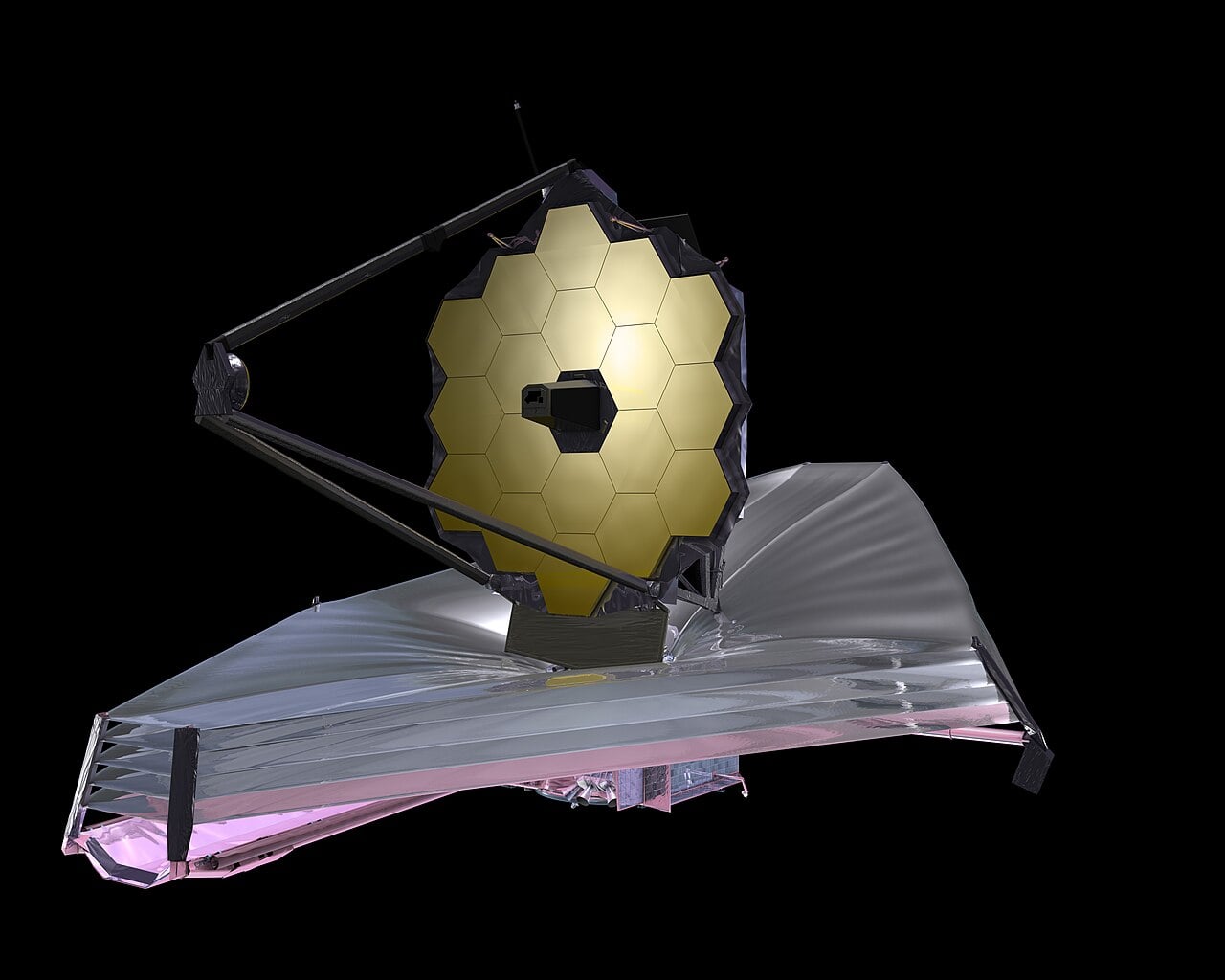
The Habitable Worlds Observatory is being built for one purpose: to directly image another living Earth. Inside the coronagraph that must block ten billion times the planet's light, the picometer-stable mirror we don't yet know how to build, and the messy problem of reading an atmosphere.
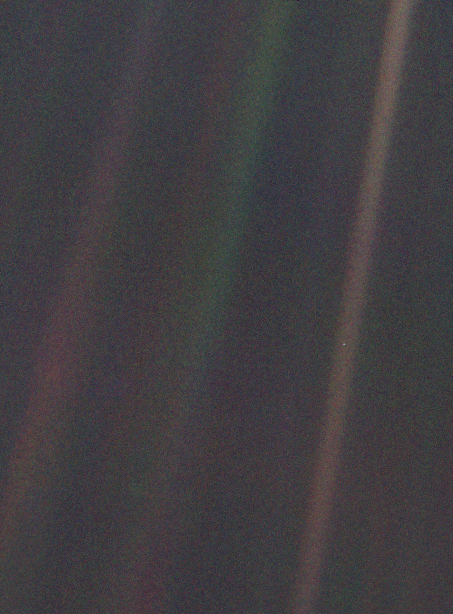
If an alien civilization could see Earth only as a single pale blue dot, what could they learn? We start with transit spectroscopy, the biosignature cocktail of oxygen, methane, ozone, and water, and why even the James Webb will struggle to find life.
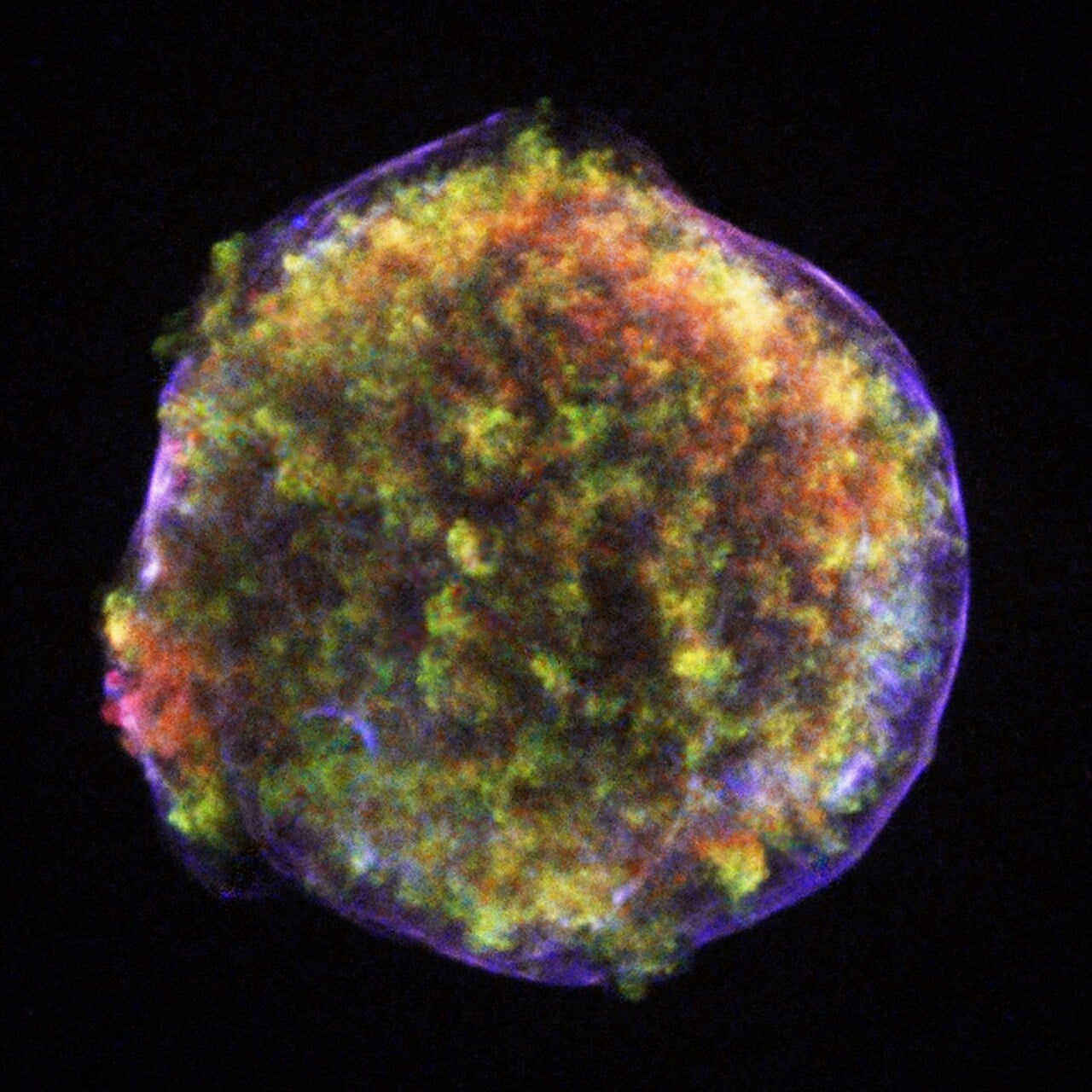
The collapsing stars Eddington swore couldn't exist turned out to be everywhere, and half a century later the world handed Chandrasekhar his Nobel. How the 1.4 solar mass limit became one of the most important numbers in modern astronomy.
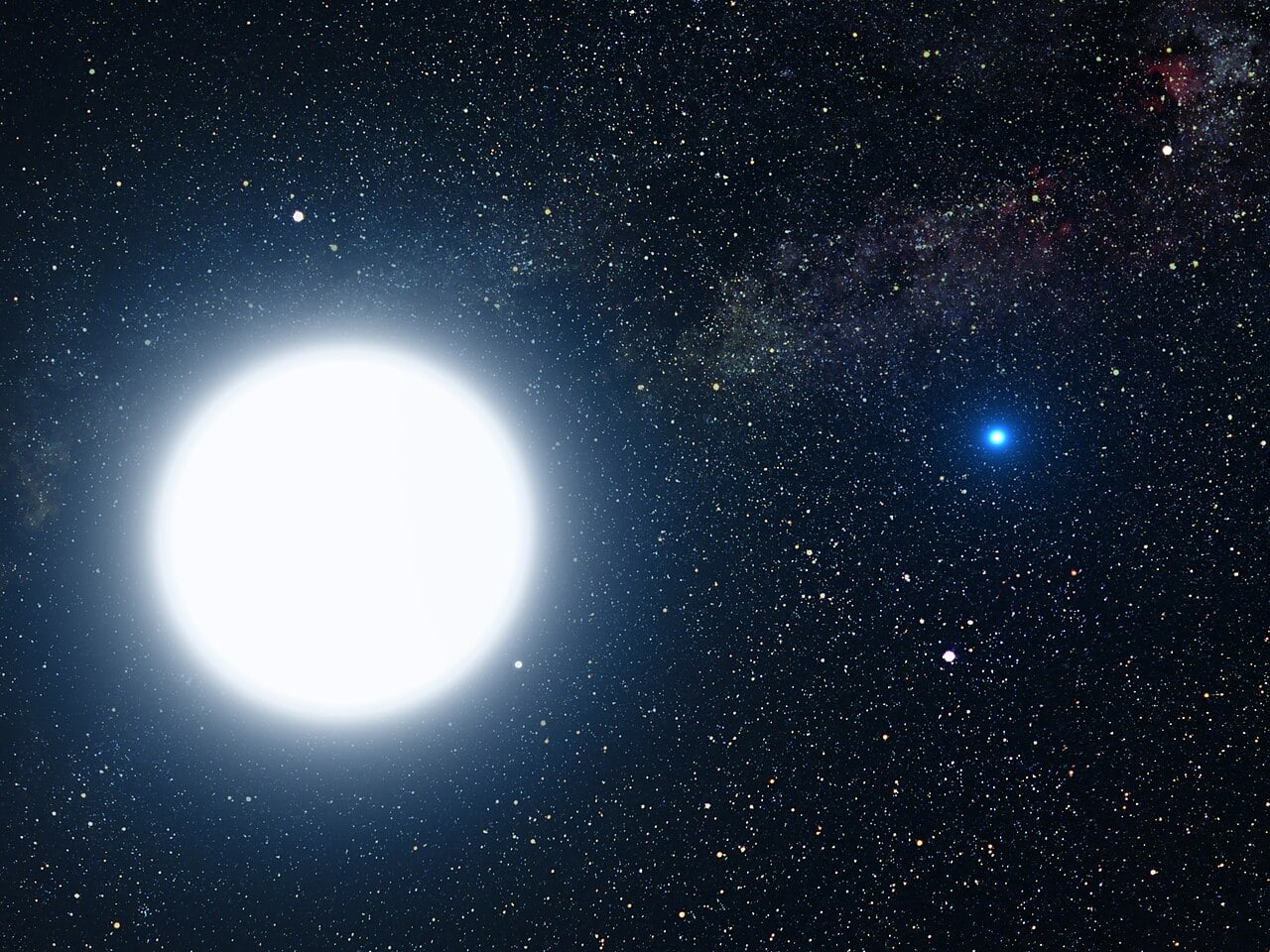
Driven from Europe by the feud, Chandrasekhar rebuilt his life in America and turned mastery-and-move-on into an art form. On his conviction that beautiful physics is true physics, and the two students he drove through blizzards to teach.
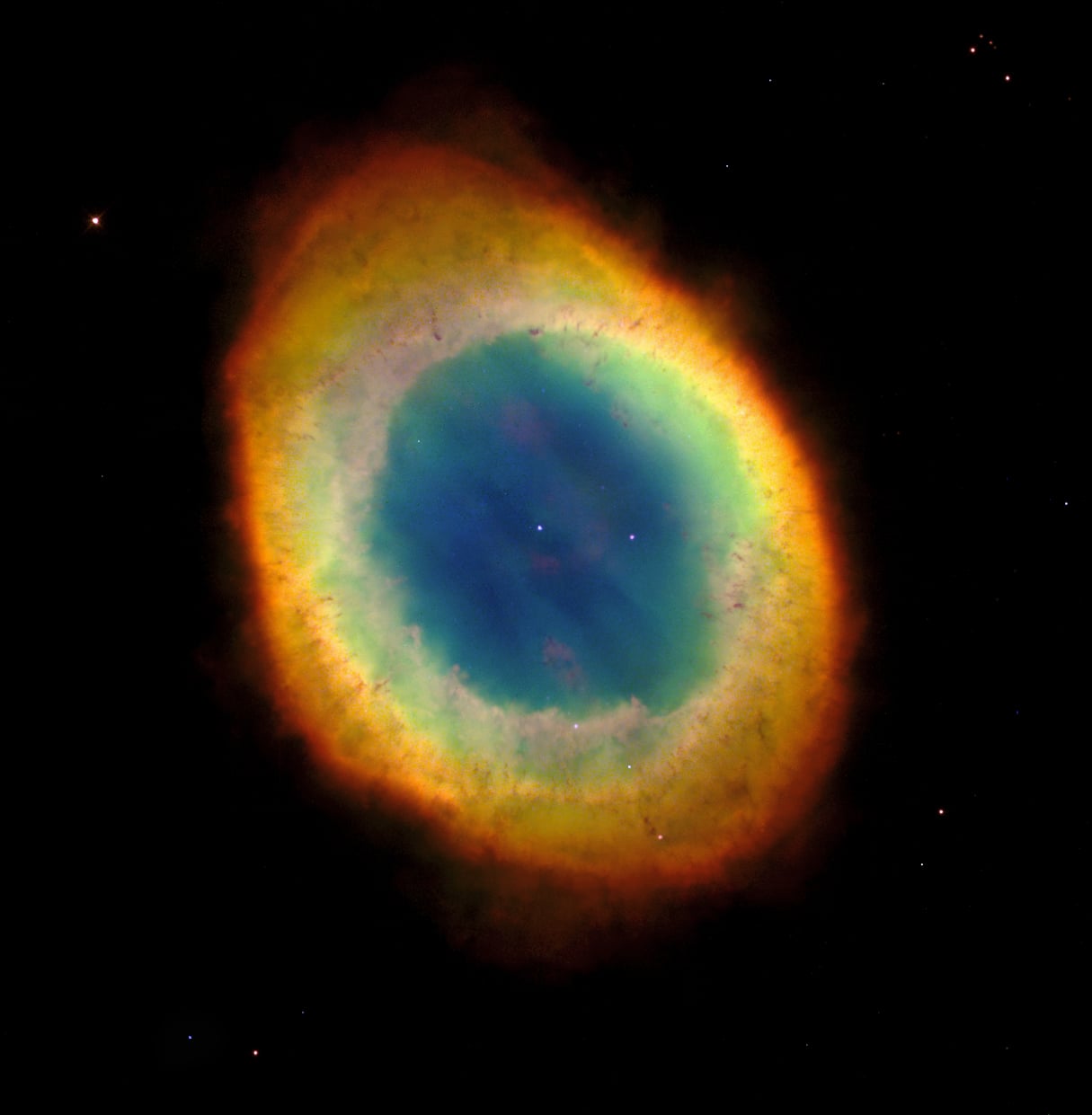
In 1935 the most eminent astronomer alive stood up in a packed room and called Chandrasekhar's discovery "stellar buffoonery." The story of Arthur Eddington's years-long campaign against a result that everyone privately knew was correct.
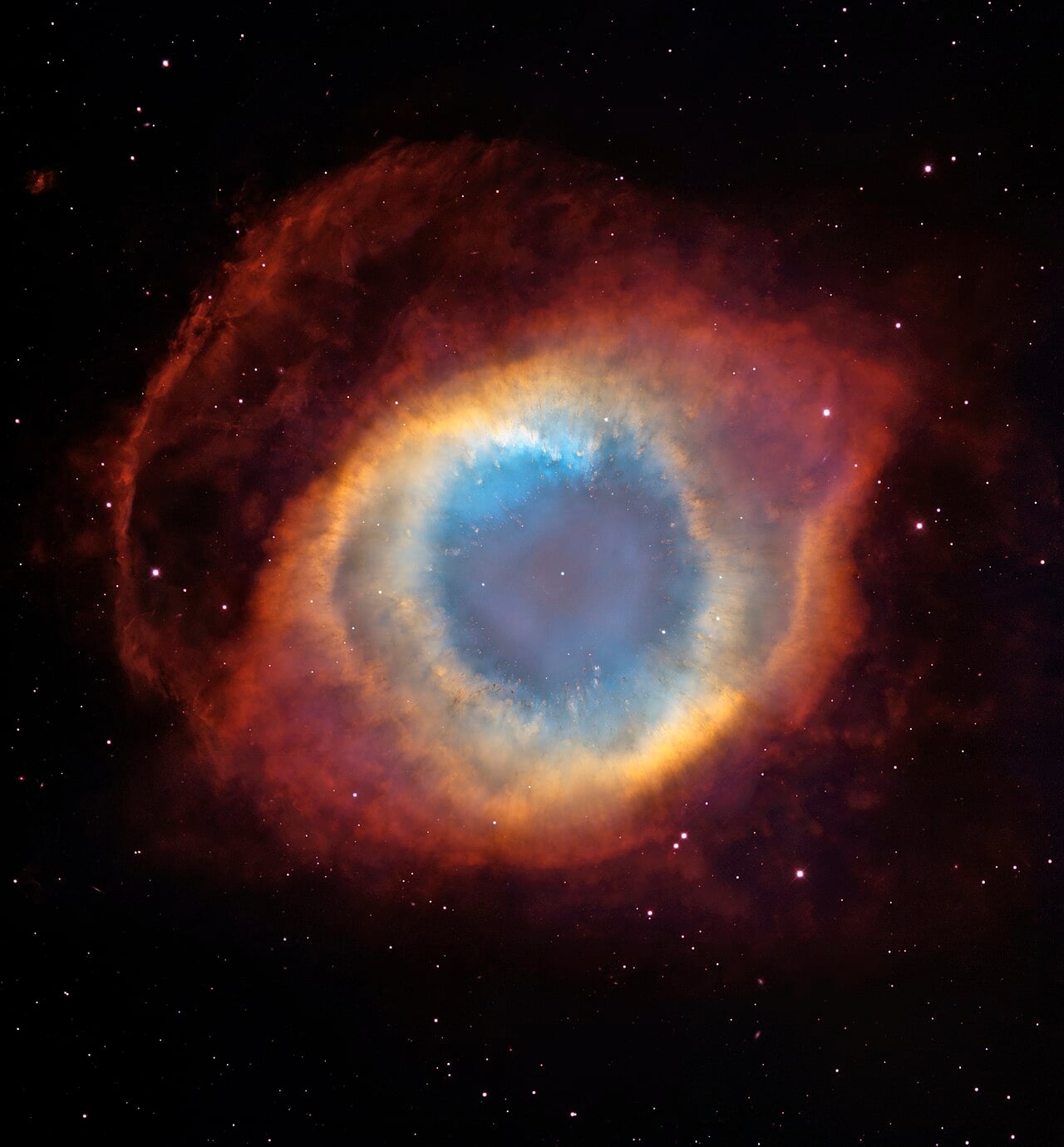
The story of Subrahmanyan Chandrasekhar, who as a teenager on an ocean voyage worked out that white dwarf stars have a maximum mass of 1.4 Suns. A tour of degeneracy pressure, the relativistic insight everyone else missed, and the number that would define his life.

An accelerating observer finds their empty vacuum glowing with real particles, a bizarre effect called Unruh radiation. It's a cousin to Hawking radiation, but with no black hole required, just a rocket and its throttle.
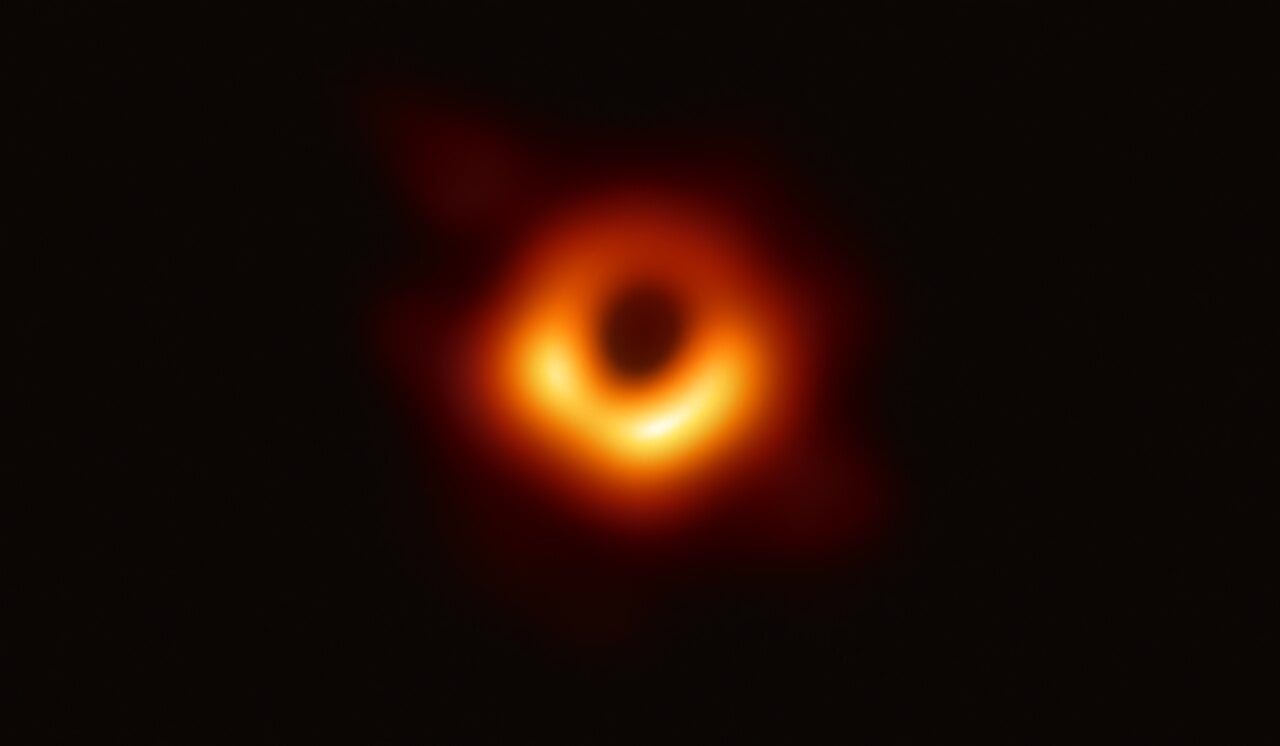
Constant acceleration builds a horizon out of nothing but motion, walling off part of the universe forever. Meet Wolfgang Rindler, the coffee date you'll never reach, and the light that can chase you for infinite time without ever catching up.
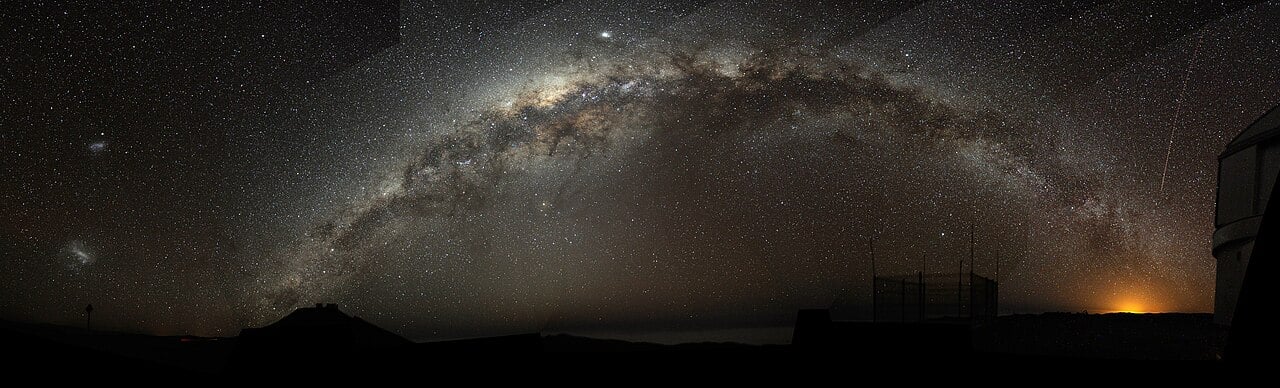
Move fast enough and the entire universe compresses into a searing, blueshifted cone of light aimed at your face. How relativistic aberration and the Doppler effect warp your view of the cosmos as you approach lightspeed.

You can't ride alongside a beam of light, and the reason why opens a door onto the strangest parts of relativity. A tour of rest frames, why a photon has no point of view, and how your speed reshapes reality itself.
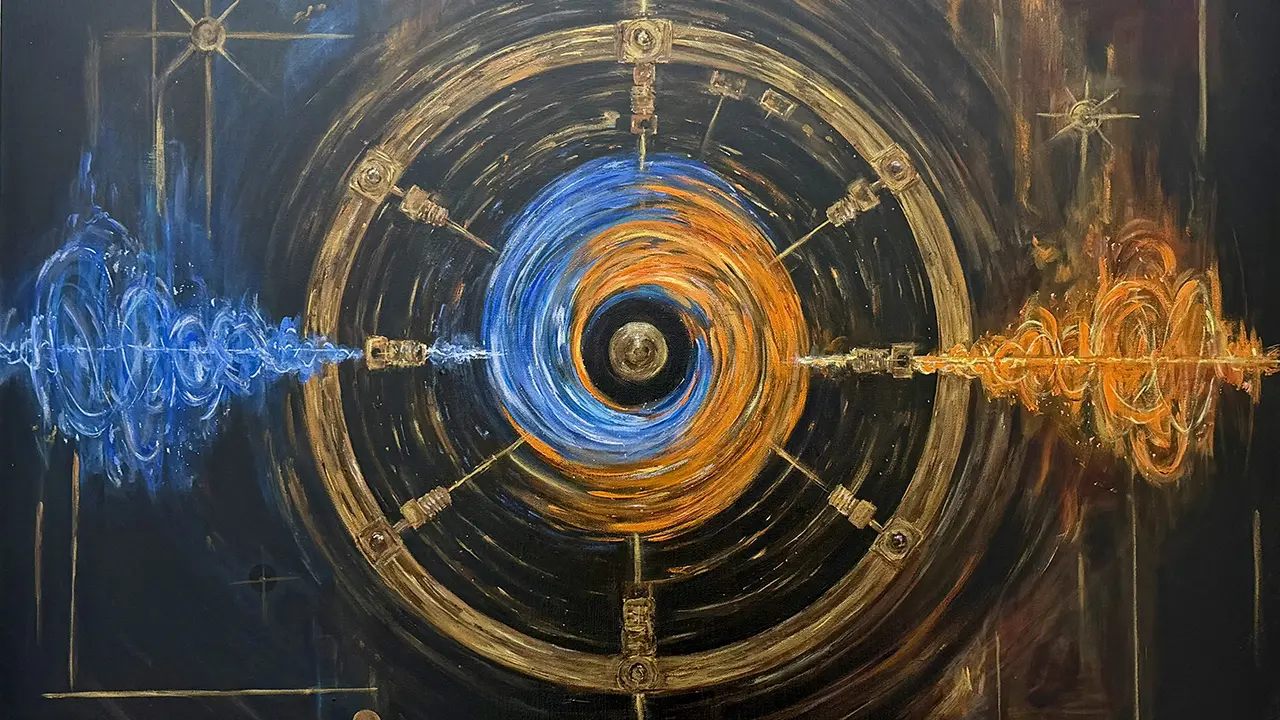
Researchers at the Advanced Science Research Center at the CUNY Graduate Center have demonstrated a new approach to wave amplification through interaction with rotating bodies. Rather than mechanically rotating matter, however, the team engineered a radio-frequency device with properties modulated in space and time to mimic spinning.

Europe's CERN physics research center bids 'Farewell' to the Large Hadron Collider, but it's actually more like 'See You Later, Accelerator!' The new, improved High-Luminosity LHC is due to make its debut in 2030.