Universe Today
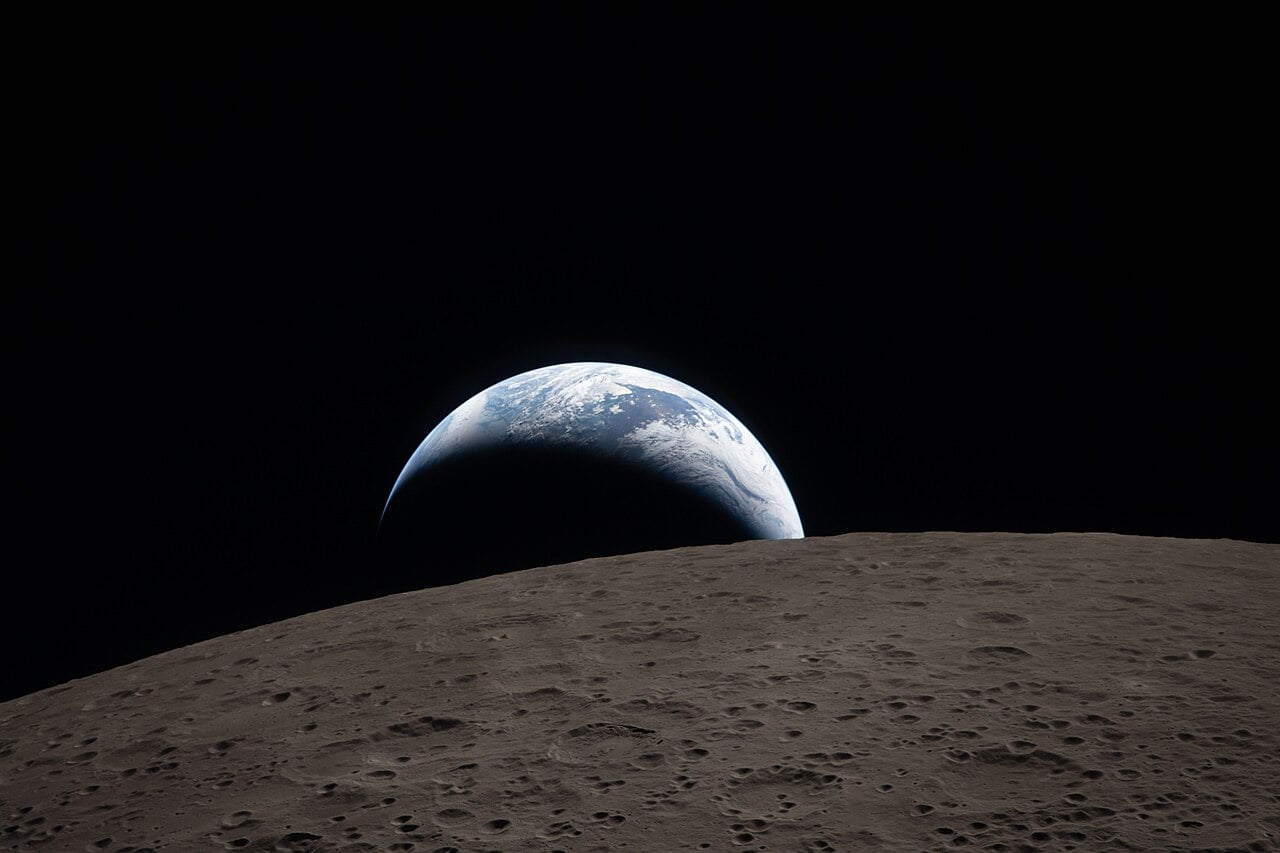
How do you teach someone to look at the Moon? Not glance at it, the way we all have on a clear night, but truly read it, the way a geologist reads a hillside. That was the challenge NASA set itself before Artemis II, because when Reid Wiseman, Victor Glover, Christina Koch and Jeremy Hansen swung around the far side of the Moon this April, the first humans to make the journey in more than fifty years, their most valuable scientific instrument was not a camera or a sensor. It was the trained human eye.
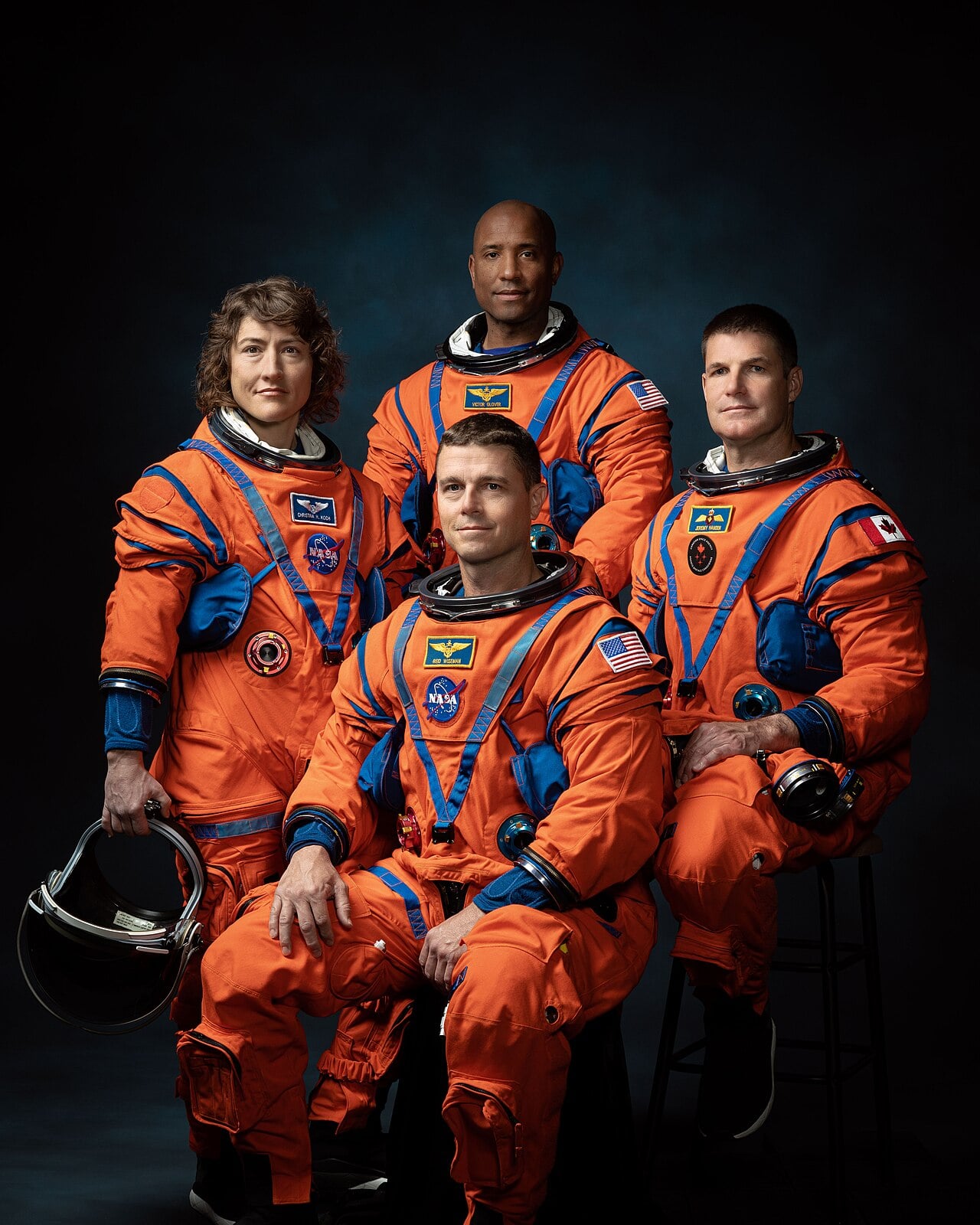 Official crew portrait for Artemis II, clockwise from left: NASA Astronauts Christina Koch, Victor Glover, Canadian Space Agency Astronaut Jeremy Hansen, NASA Astronaut Reid Wiseman (Credit : NASA)
Artemis II was never meant to land. Launched on 1 April 2026, the crew looped out beyond the Moon and back across a ten day flight, passing over terrain on the lunar far side that no human had ever directly seen. From that vantage they could describe colours, textures and shadows as they happened, picking out detail that no robotic probe quite captures, and bringing a scientist's judgement to bear on a world we have only ever studied from afar.
To prepare them, NASA's lunar science team built a training programme that borrowed heavily from the Apollo playbook. The astronauts sat through a week long deep dive into the Moon's geological history, learning how impacts, ancient volcanism and slow tectonic shifts shaped its surface. Then they went into the field. Among the battered rocks of northern Labrador they handled the shattered, melted stone that violent collisions leave behind. In the volcanic highlands of Iceland they studied lava flows and loose ash that stand in neatly for the Moon's own dusty, fragmented ground.
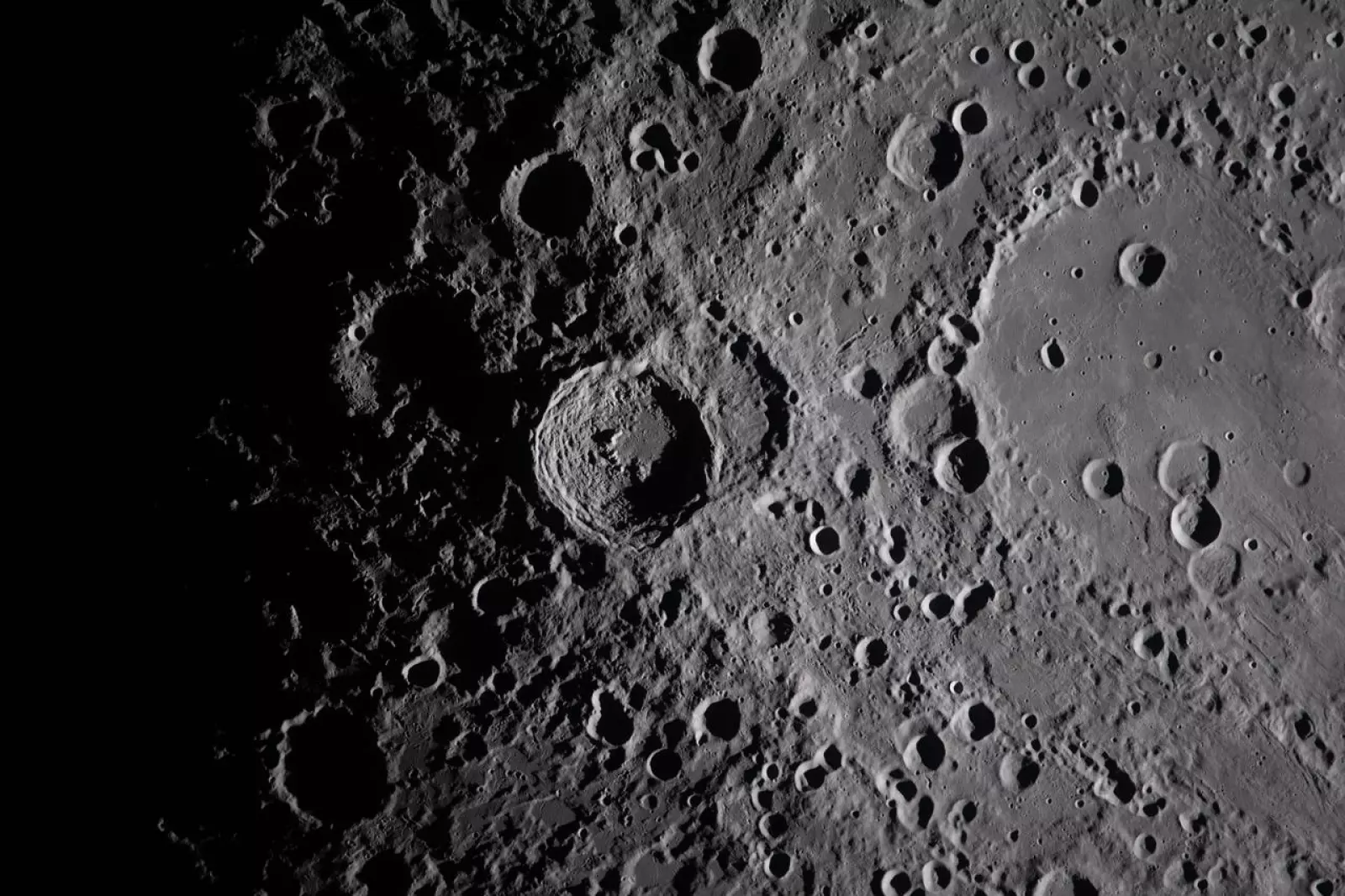 A close-up view taken by the Artemis II crew of Vavilov Crater on the rim of the older and larger Hertzsprung basin (Credit : NASA)
Book learning and rock hunting were only the start. The crew were drilled in exactly what to look for and how to put it into words, with homework, one to one coaching and endless practice at describing aloud what they saw. They rehearsed the awkward choreography of observing from a cramped capsule, learned their cameras until the settings were second nature, and ran simulations with the flight control teams on the ground.
It paid off in orbit. Listening back to the mission, you can hear Jeremy Hansen working through the Aristarchus Plateau like a field scientist, noting how brownish deposits flung out by crater rays lie atop the darker volcanic plains, and how the plateau itself takes on a faintly greenish hue. Across the flight the crew captured thousands of images, watched the Moon edge across the face of the Sun, and even proposed names for two craters.
These were observations, not snapshots. And that, in the end, was the point. The Artemis II crew were pathfinders, the first real test of a system meant to turn every future lunar traveller into a working scientist. When astronauts step onto the ground near the Moon's south pole later this decade, they will need to tell a revealing rock from an ordinary one in a heartbeat. Learning to truly see the Moon, it turns out, is something you have to practise long before you get there.