Universe Today

On May 28th, at Launch Complex-36 A (LC-36A), located at the Cape Canaveral Space Force Station (CCSFS) in Florida, Blue Origin was conducting a hot-fire test of its New Glenn Rocket. During the test, which was meant to prepare the rocket for its fourth launch, an anomaly led to a spectacular explosion that damaged the facility and sent debris flying. Fortunately, no one was harmed, but the explosion represents a major setback for Blue Origin that could affect its plans to deliver a Human Landing System (HLS) for NASA's Artemis Program.
Shortly after the explosion, Blue Origin announced the situation via their X account, saying: "We experienced an anomaly during today's hotfire test. All personnel have been accounted for. We will provide updates as we learn more." What followed were a few days of debris advisories for local residents, and the company claiming it had regained limited access to LC36 and would begin clearing away debris and investigating the cause of the explosion shortly. They also indicated that the fireball did not appear to damage the New Glenn 1st stage or the 2nd stages (GS2s) in the nearby integration facility.
Yesterday, in what was the largest update yet, Blue Origin CEO Dave Limp took to X to share some good news. He wrote:
Now that we’ve had access to the pad and integration facility we can share a bit of good news. The propellant farm, oxygen, liquid hydrogen and LNG tanks are all in good shape. This is good luck because these are very long lead items. The water tower is also good. The big support tower is damaged, but it can be repaired in place rather than torn down and replaced. The booster “Never Tell Me The Odds” and the three GS-2s that were onsite in the integration facility also look good.
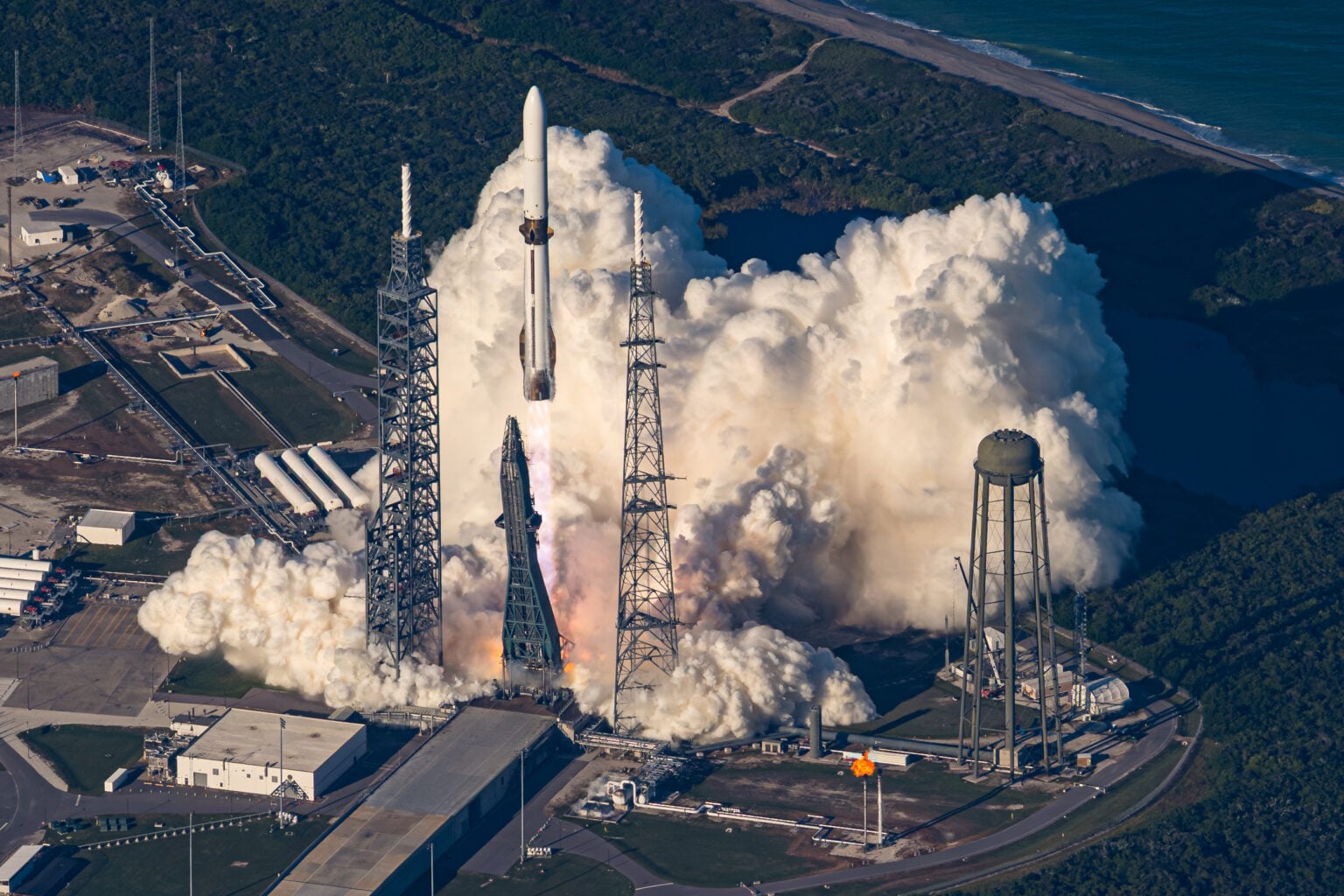 Blue Origin's 320-foot-tall (98-meter) New Glenn rocket lifts off from Cape Canaveral Space Force Station, Florida. Credit: Blue Origin
Limp also addressed speculation that the setback might mean the company would move directly into New Glenn's 9x4 super-heavy configuration. As the names suggest, the standard 7x2 configuration has 7 BE-4 liquid oxygen and methane (LOX/LCH4) engines powering its booster stage. Meanwhile, the second stage has two BE-3U liquid oxygen and liquid hydrogen (LOX/LH2) engines. In contrast, the super-heavy configuration has 9 BE-4 engines on its first stage and 4 BE-3U engines on its second stage.
The 9x4 also features a larger, 8.7 m (28.5 ft) diameter fairing, which doubles the payload capacity of the 7-meter (23 ft) variant. However, Limp dismissed this speculation, saying, "Rate manufacturing of 7x2 is going well, and we’re going to continue that at pace as planned and store the stages for use." He also noted that the company has already been working to replace the launch complex's current transporter-erector system with a vertical concept, in which the rockets will be fully assembled upright inside the integration facility before rollout.
This is what NASA has done for its Artemis rockets, aka. Space Launch System (SLS), where the Core Stage, External Boosters, Second Stage, Orion spacecraft, and Launch Abort System are fully stacked inside the Vehicle Assembly Building (VAB), then rolled out to the launch pad using the Crawler-Transporters. Lastly, Limp stated that, "We will fly again before the end of this year," which is an optimistic prospect.
As Ars Technica's Eric Berger wrote, the explosion has broad consequences not just for Blue Origin, but also NASA and large segments of the commercial space industry. For starters, there is the damage to the launch pad itself, which multiple sources have confirmed is significant. This, says Berger, is complicated by the fact that Blue Origin has no backup launch pad just yet:
The company invested years and at least hundreds of millions of dollars in this facility [LC36A]... The company does not have another launch site for New Glenn. It has begun preliminary work on a nearby pad, LC-36B, and has plans to develop another site at Vandenberg Space Force Base in California. But these projects are just getting started. Rebuilding the company’s pad, or finishing a new one, will likely take at least a year... One source familiar with pad rebuilds estimated that 15 months was a “best case” scenario.
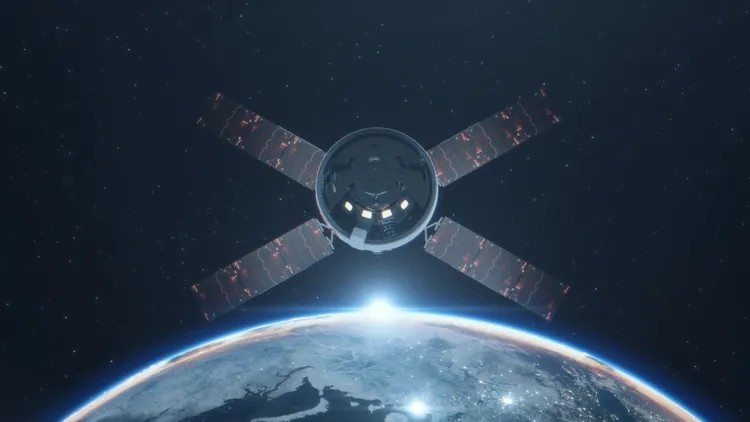 NASA's Artemis 3 mission will practice rendezvous and docking operations in Earth orbit, paving the way for a planned moon landing on Artemis 4. Credit: NASA
Any delays at this point could jeopardize the company's contracts with NASA to provide the HLS that will transport the Artemis astronauts to the lunar surface. In recent years, Blue Origin has emerged as the top contender for Artemis contracts, even outpacing its main competitor, SpaceX. While SpaceX secured the HLS contract for the Artemis III and IV missions, delays in the Starship's development led then-Acting Director Sean Duffy to announce that NASA was reopening the competition back in October.
Since Jared Isaacman took over the role, the cadence of the Artemis missions has changed. According to the new schedule, Artemis III (scheduled for 2027) will consist of an orbital rendezvous between a crewed Orion spacecraft and what is assumed to be a Blue Moon lander. This will serve as a dress rehearsal for Artemis IV (scheduled for 2028), in which a similar rendezvous will be conducted in lunar orbit, followed by two of the four-person crew being transported to the surface for science operations.
Further Reading: Blue Origin