
A new study by researchers from MIT has cast doubt on when the Moon lost its magnetic field, indicating that it lasted for another 1 billion years
Continue reading
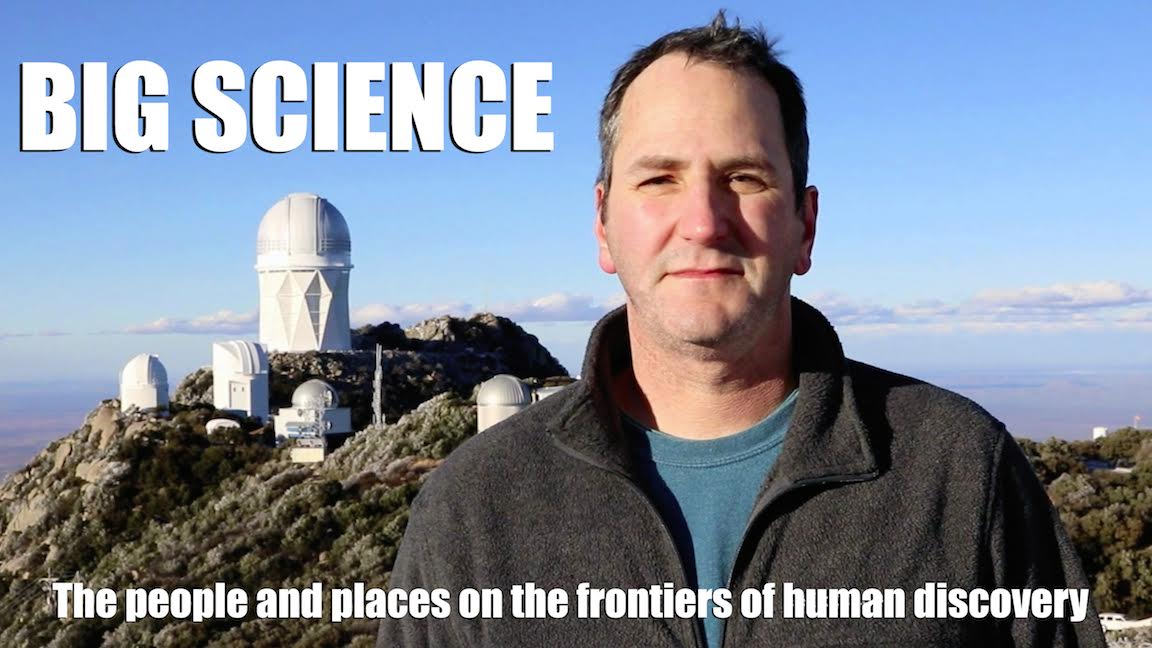
Brian Koberlein reports on his new Kickstarter to develop a TV show called Big Science
Continue reading
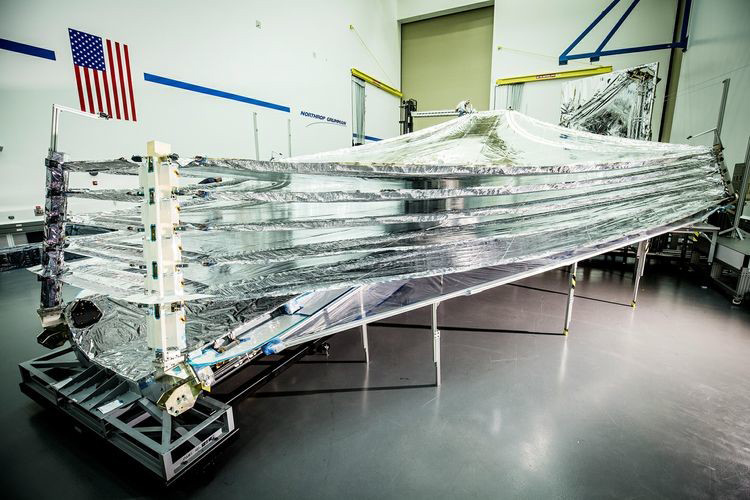
The complex multilayered sunshield that will protect the delicate optics and state of the art infrared science instruments of NASA's James Webb Space Telescope (JWST) is now fully installed on the spacecraft bus in California, completing another major milestone on the path to launch, NASA announced.
Continue reading
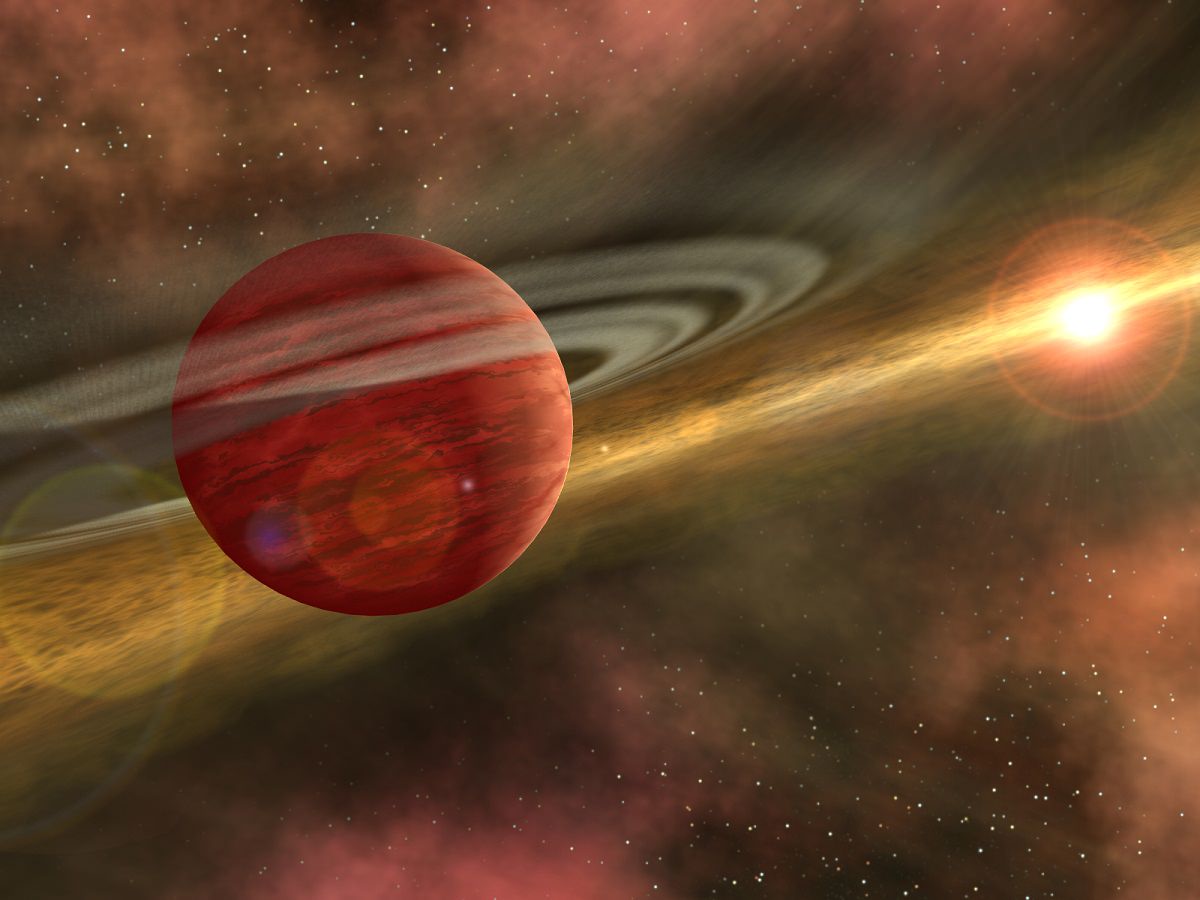
A recent study by an international team of scientists has revealed four Earth-like planets around tau Ceti, a Sun-like star just that is 12 light years away!
Continue reading
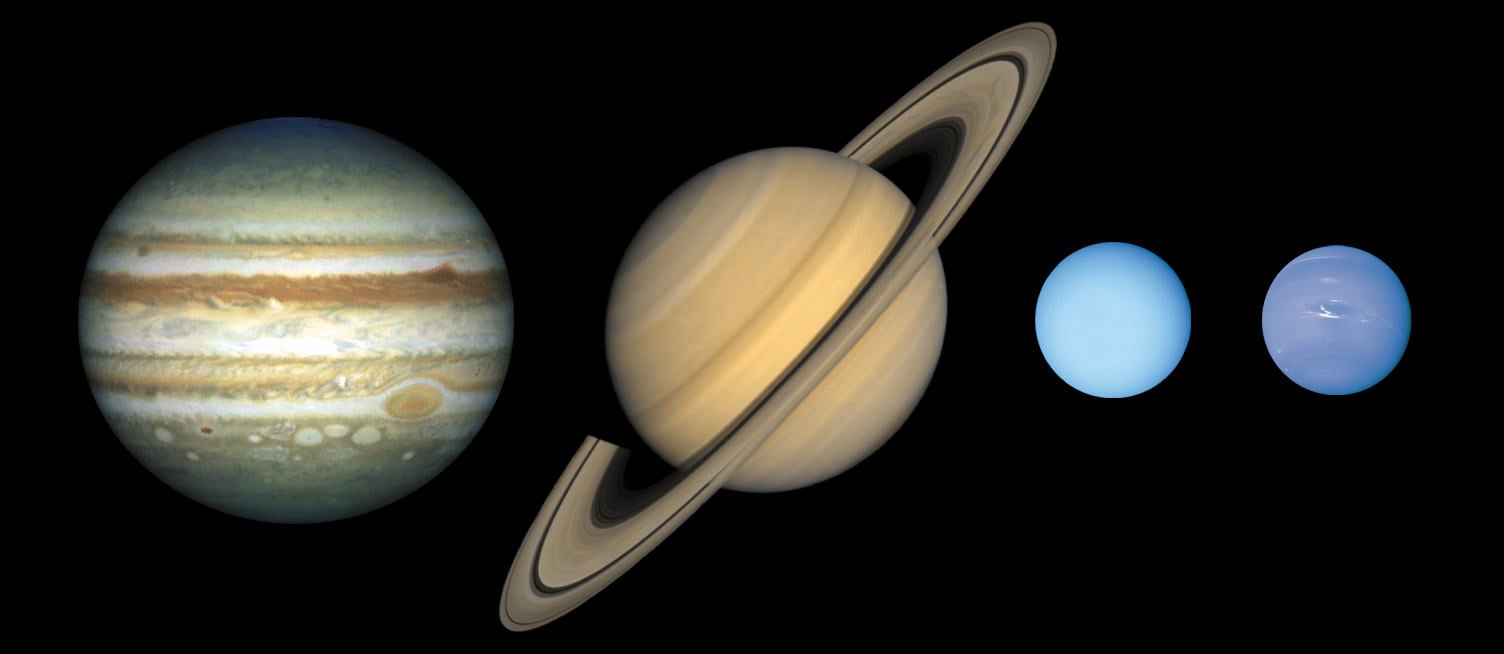
The outer planets of the Solar System - Jupiter, Saturn, Uranus and Neptune - are gas giants, a designation which applies to planets that are primary composed of hydrogen and helium.
Continue reading
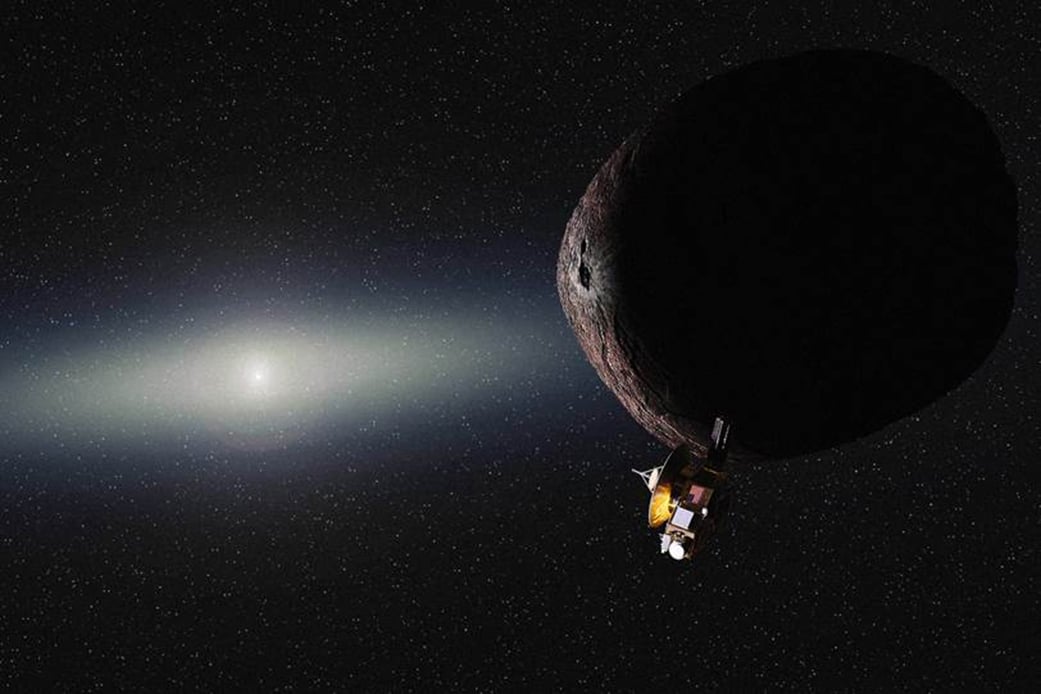
In preparation for their historic flyby with a KBO, the New Horizons team conducted observations that indicated that the target may be different than previously thought
Continue reading
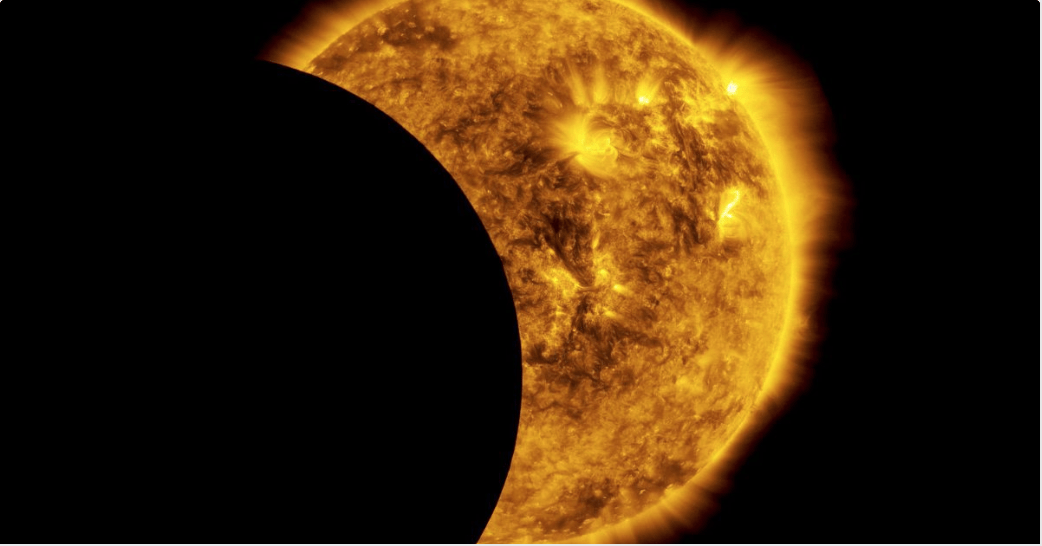
A team from Standford University's Space Rendezvous Laboratory have created a small-scale demonstrator of Starshade technology to help in the hunt for exoplanets.
Continue reading
Continue reading
The COHERENT experiment, an international collaboration, made the first-ever detection of neutrinos bumping into the nucleus of other atoms
Continue reading
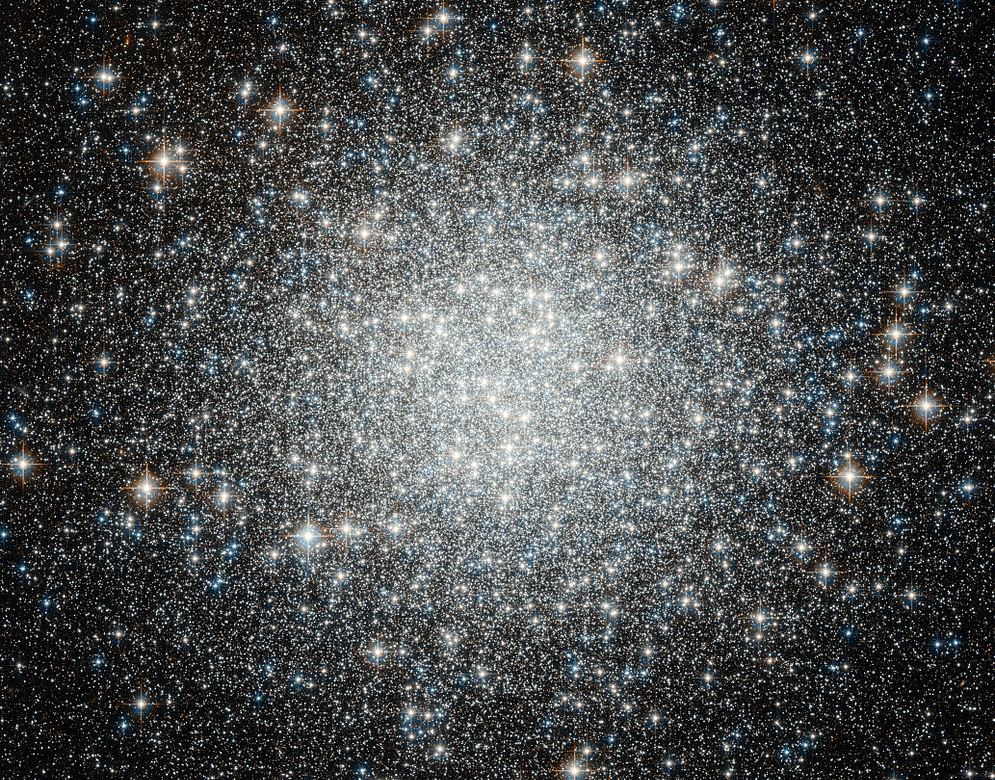
Located 58,000 light from years, in the northern constellation Coma Berenices, is the globular cluster known as Messier 53.
Continue reading
Continue reading
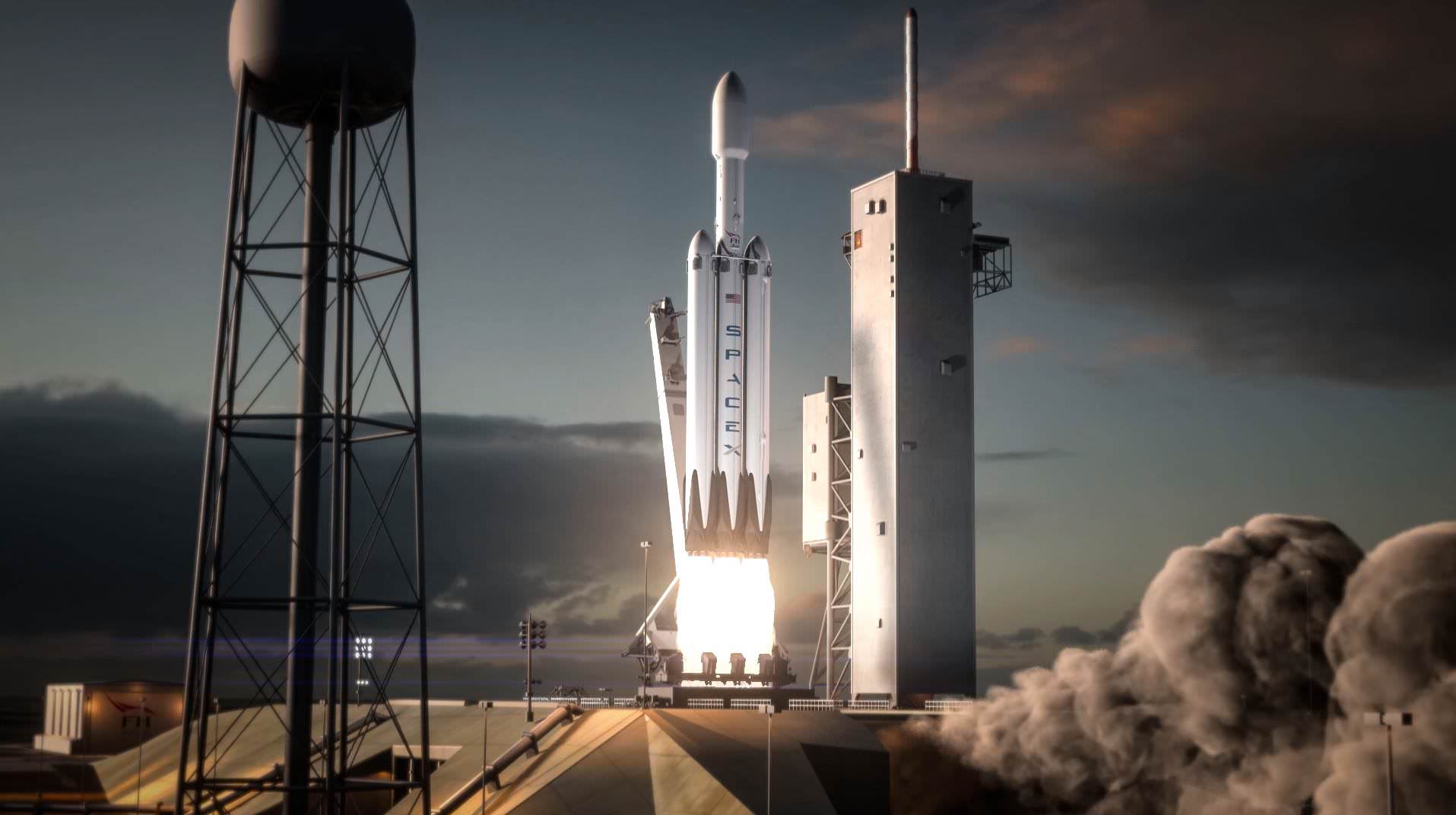
Before the year is out, the long awaited debut launch of the triple barreled Falcon Heavy rocket may at last be in sight says SpaceX CEO and founder Elon Musk, as he forthrightly acknowledges it comes with high risk and released a stunning launch and landing animation (see below) earlier today, Aug. 4.
Continue reading
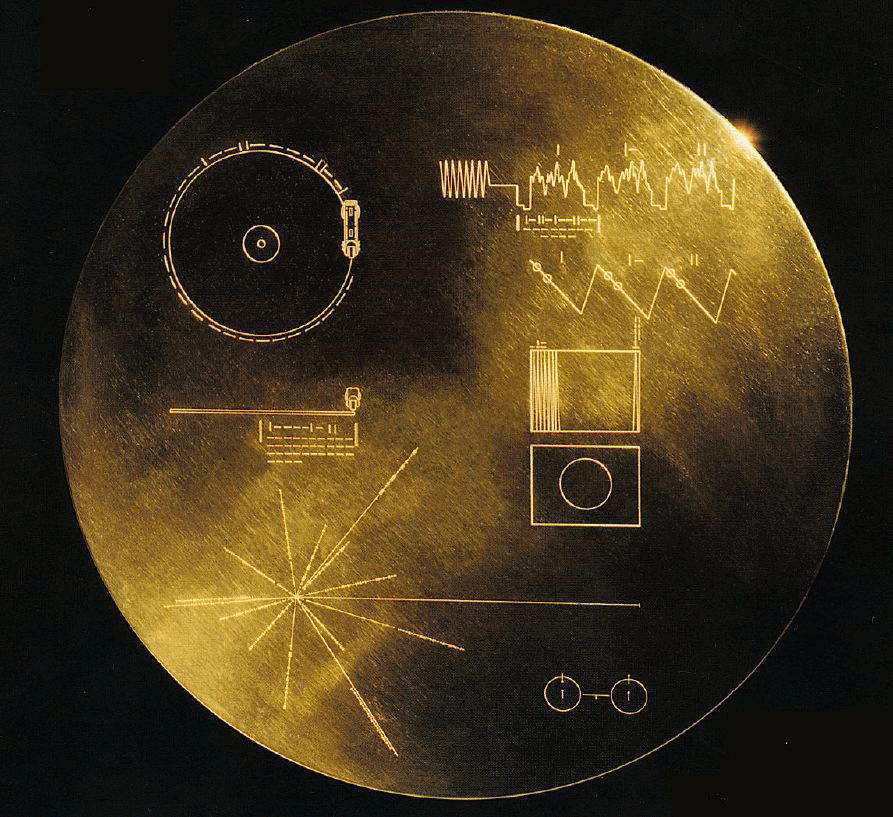
The Voyager probes, humanity's longest-running and farthest-reaching missions, are celebrating their 40th anniversaries this summer!
Continue reading
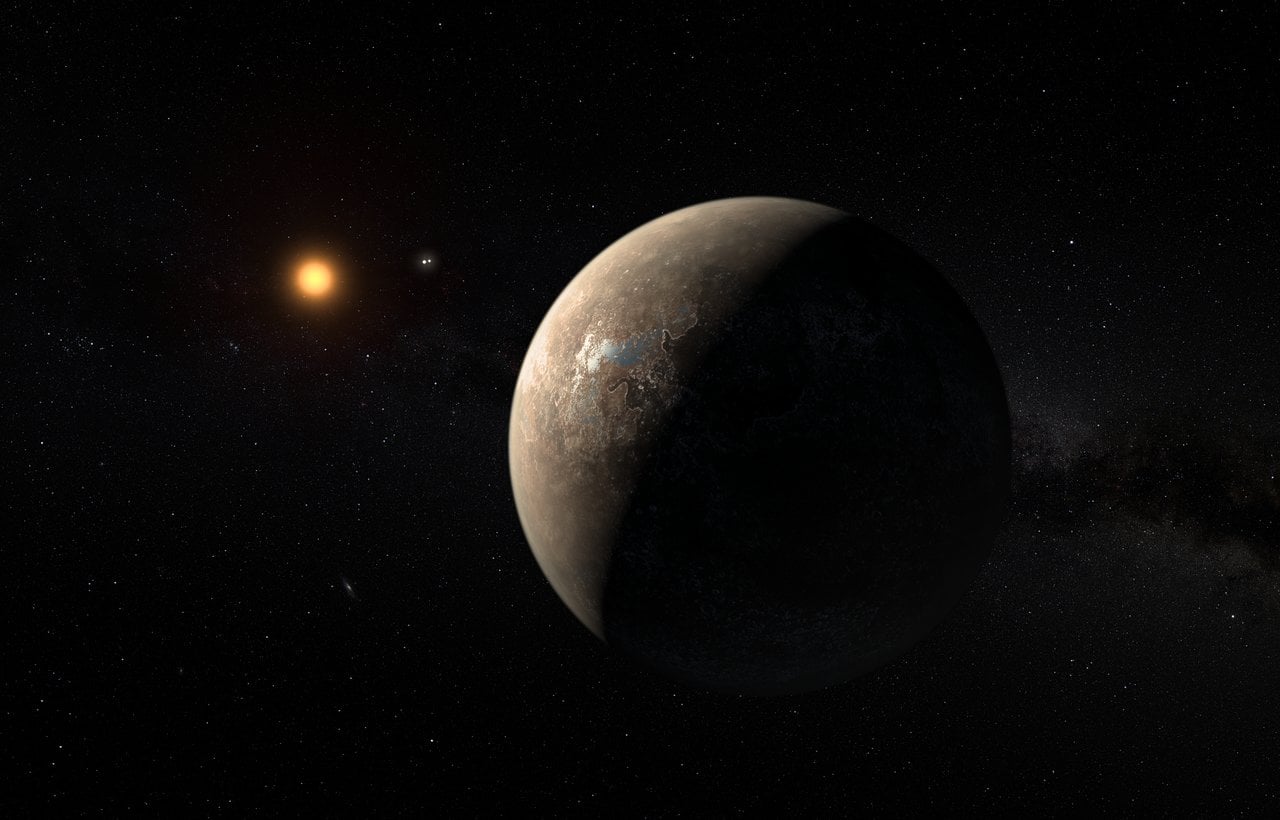
A new study led by researchers from NASA's Goddard Space Flight Center indicates that Proxima b would be likely to retain an Earth-like atmosphere.
Continue reading
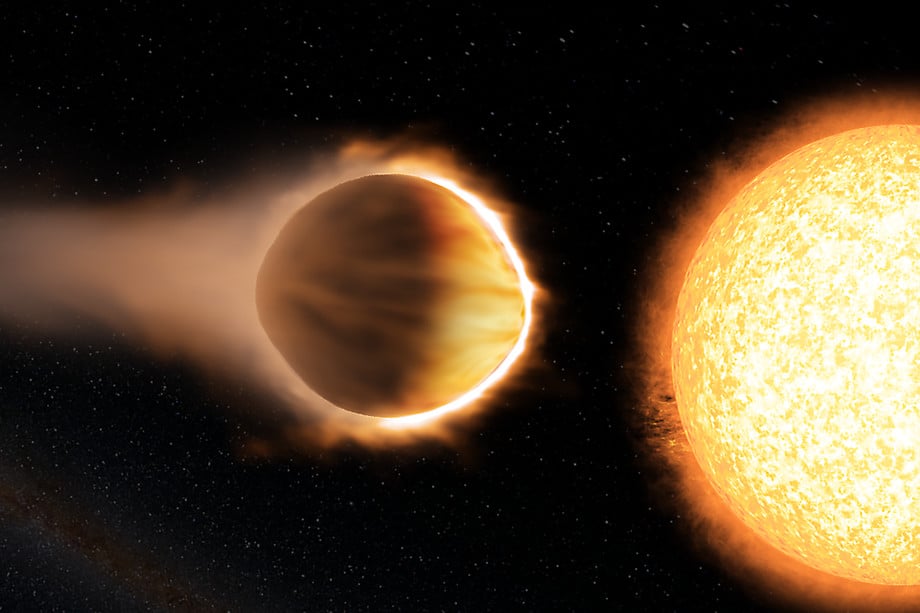
A recent study by a team of astronomers, using data provided by Hubble, has provided the best evidence to date of a stratosphere around an exoplanet.
Continue reading
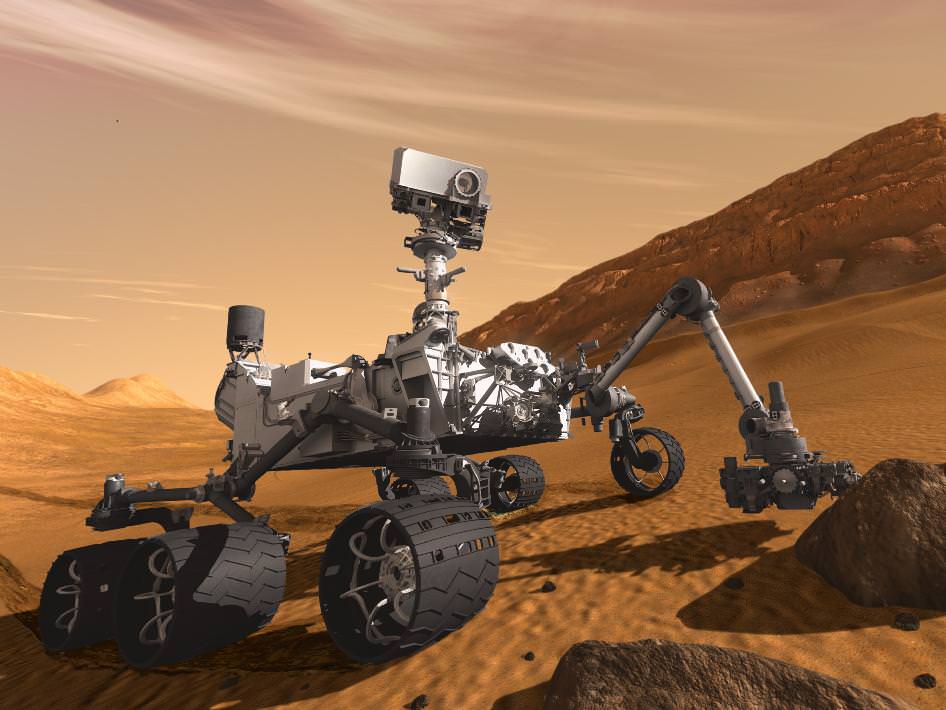
NASA recently announced that it is looking for a new Planetary Protection Officer, a position which is growing in importance, and pays well!
Continue reading
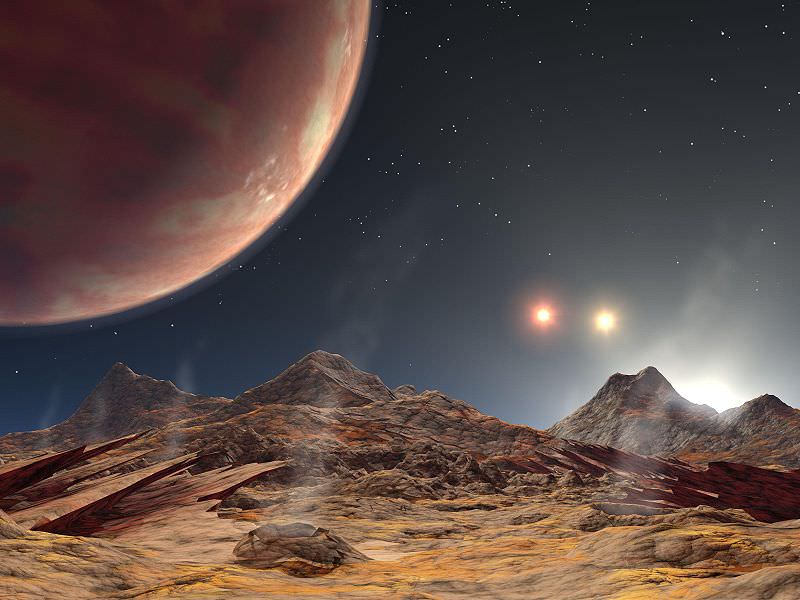
Relying on Kepler data, a recent study led by researchers from the University of Columbia has turned up the first exomoon candidate!
Continue reading
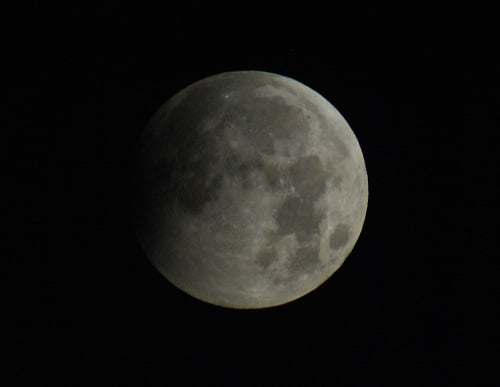
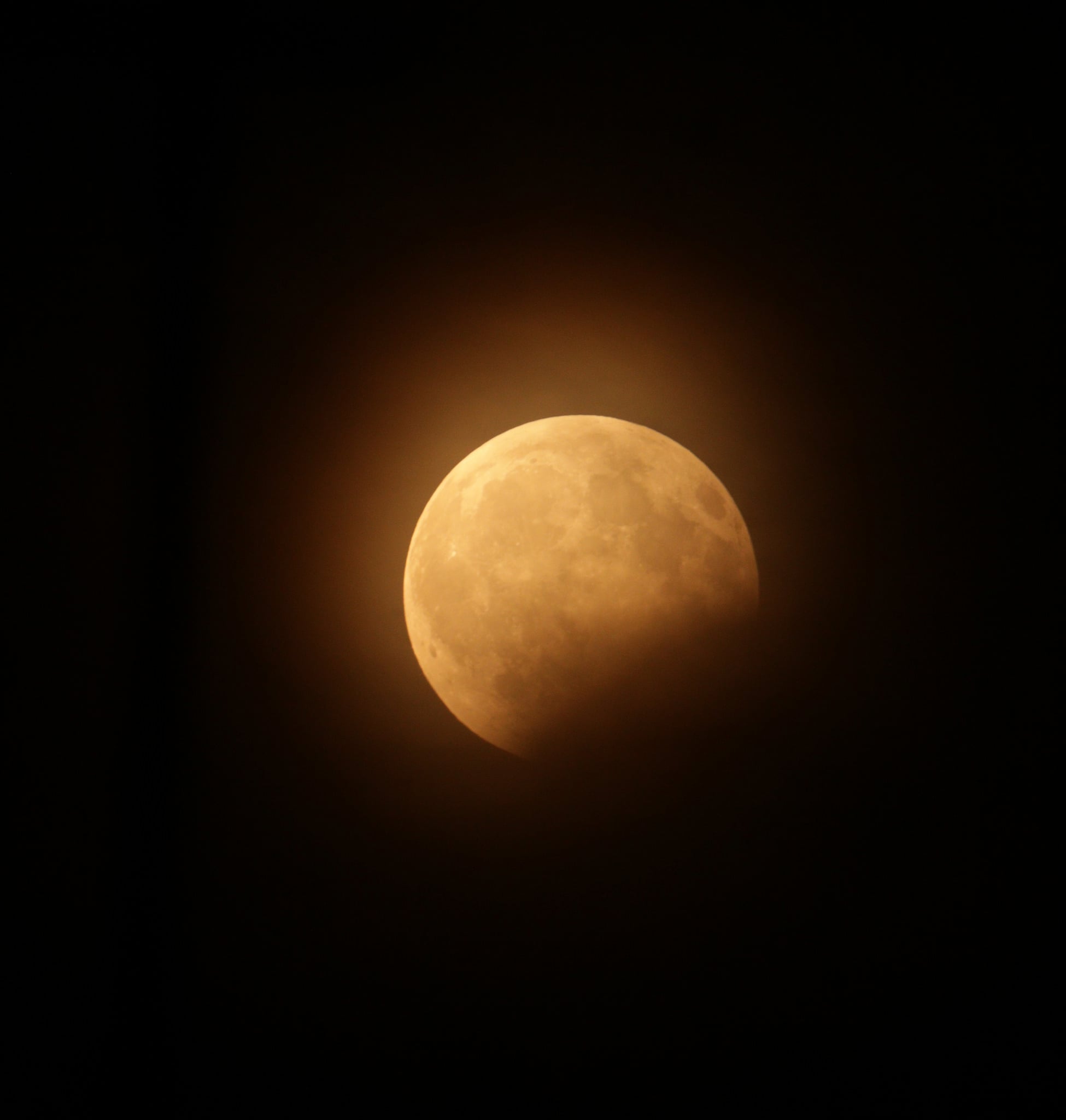
Live on the wrong continent to witness the August 21st total solar eclipse? Well... celestial mechanics has a little consolation prize for Old World observers, with a partial lunar eclipse on the night of Monday into Tuesday, August 7/8th.
Continue reading
An team of German researchers recently conducted an experiment that has once again proven that quantum entanglement is possible
Continue reading
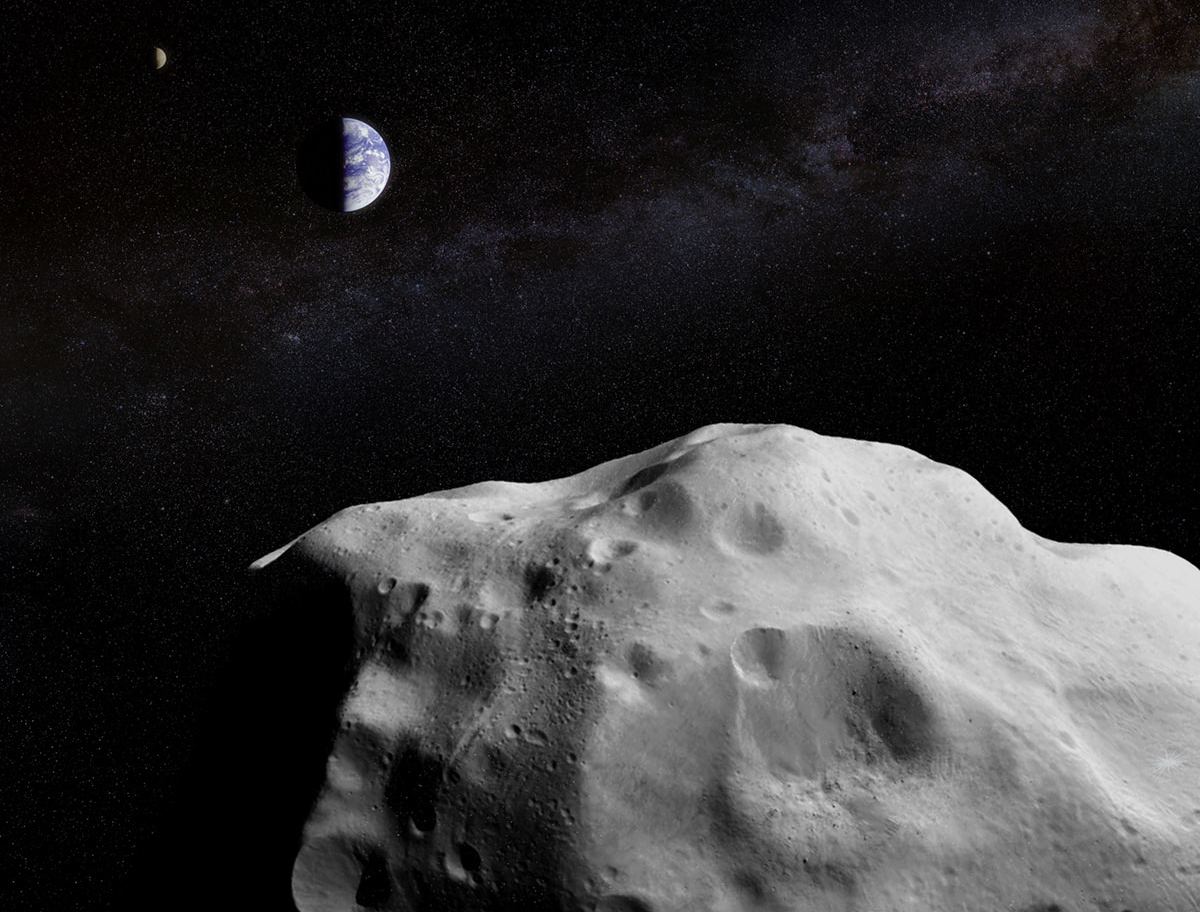
This October, an asteroid will pass Earth by, thus giving NASA's Planetary Defense Coordination Office (PDCO) a chance to test their new detection and tracking network
Continue reading
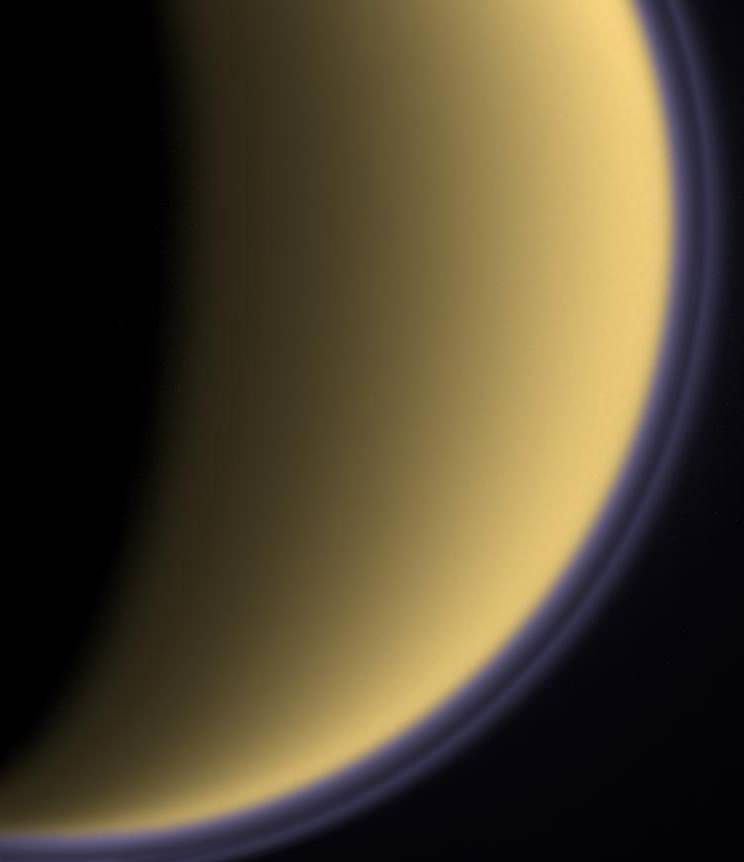
A recent study by a team of NASA researchers had detected that a chemical thought to be essential to life on Titan exists in abundance on that moon.
Continue reading
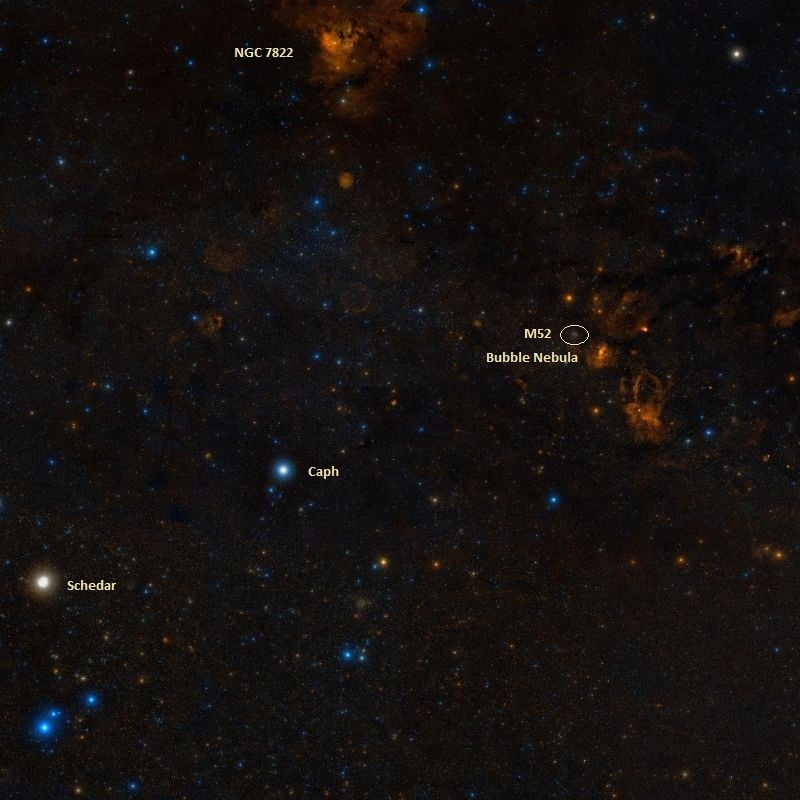
Located near the northern constellation of Cassiopeia, approximately 5000 light years from Earth, is the open star cluster known as Messier 52.
Continue reading
Continue reading
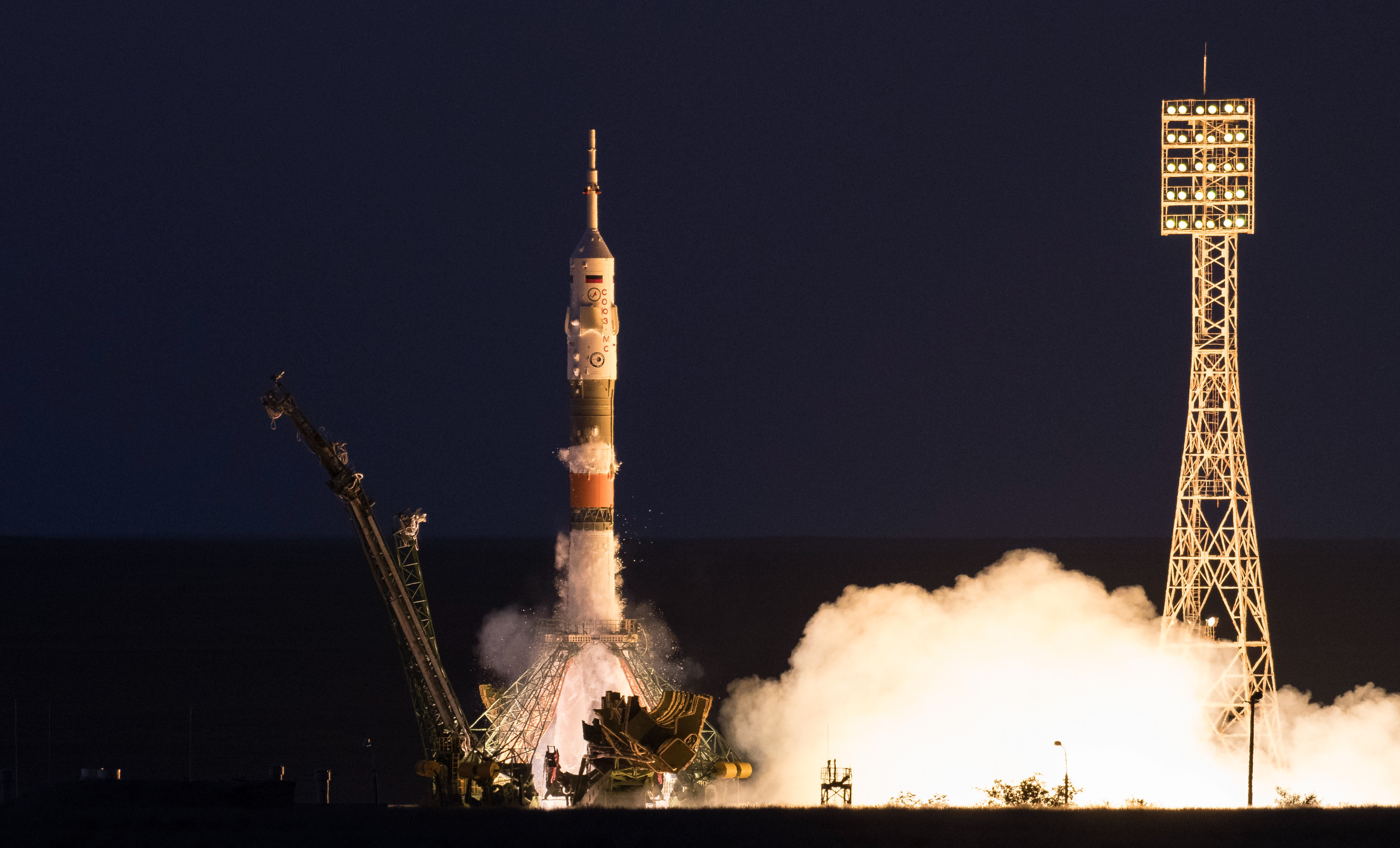
An all veteran multinational trio of astronauts and cosmonauts rocketed to orbit aboard a Russian Soyuz capsule and safely arrived at the International Space Station (ISS) after a fast track rendezvous on Friday, July 28.
Continue reading
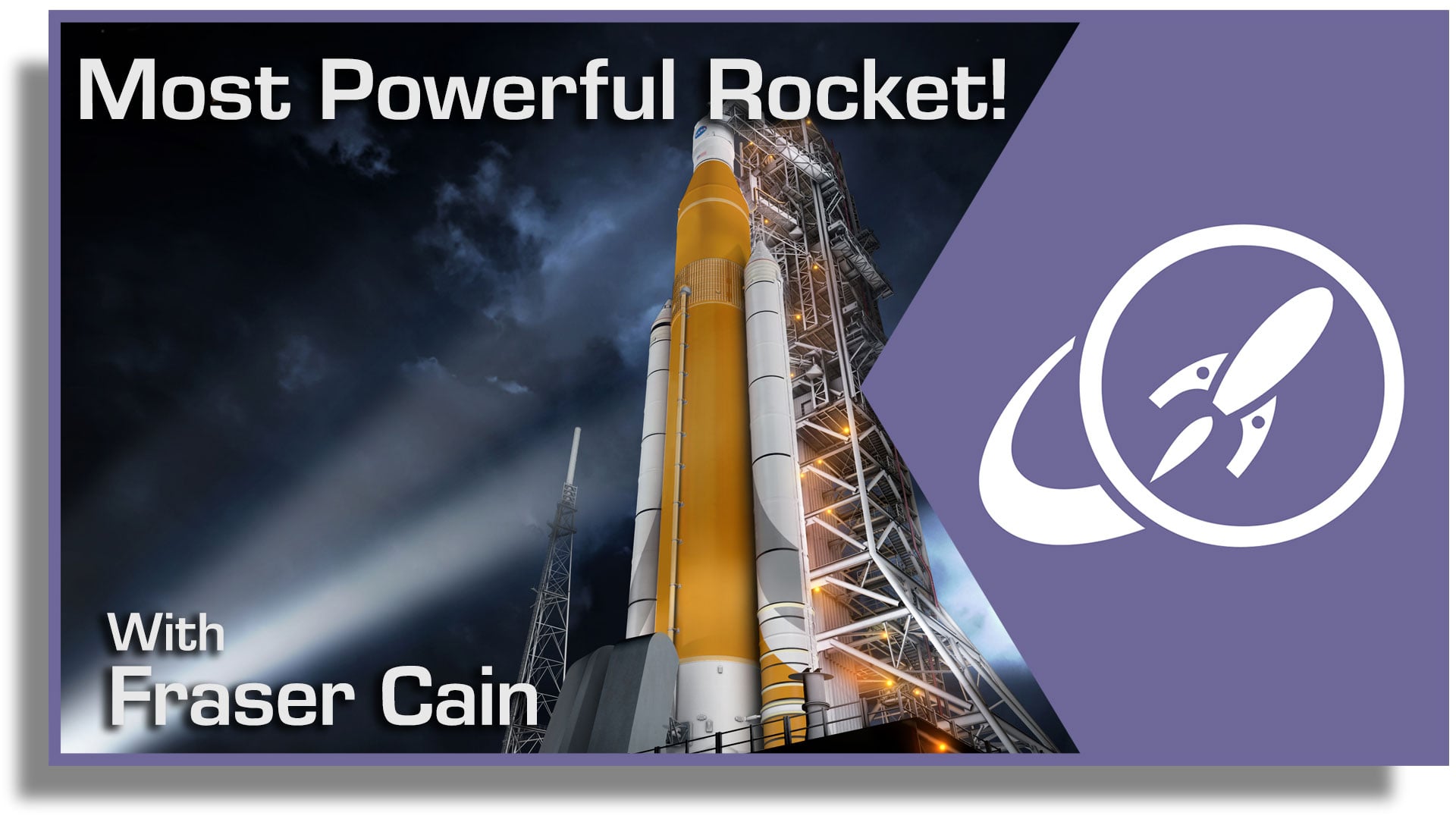
NASA is working on the most powerful rocket ever built: the Space Launch System. What could it be used for to explore the Solar System?
Continue reading
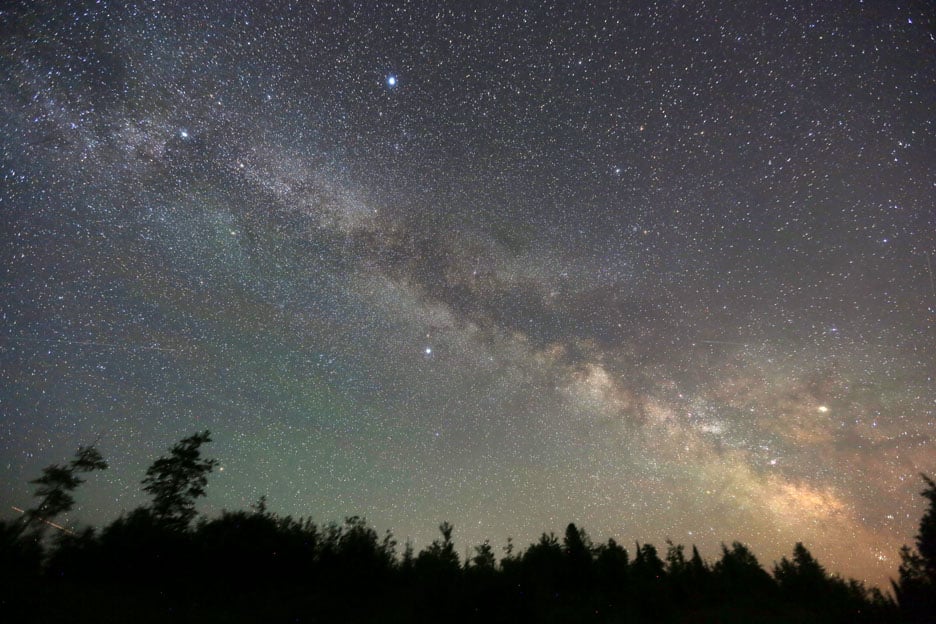
Since ancient times, humans have looked up at the bright band in the night sky and called it the Milky Way, a name which stuck when it came time to name our galaxy.
Continue reading
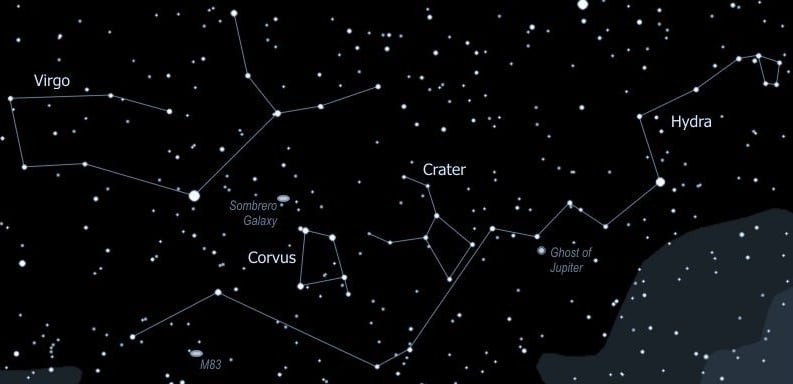
Located in the southern hemisphere is the Crater constellation (aka. "the cup), one of the 88 modern constellations recognized by the IAU.
Continue reading
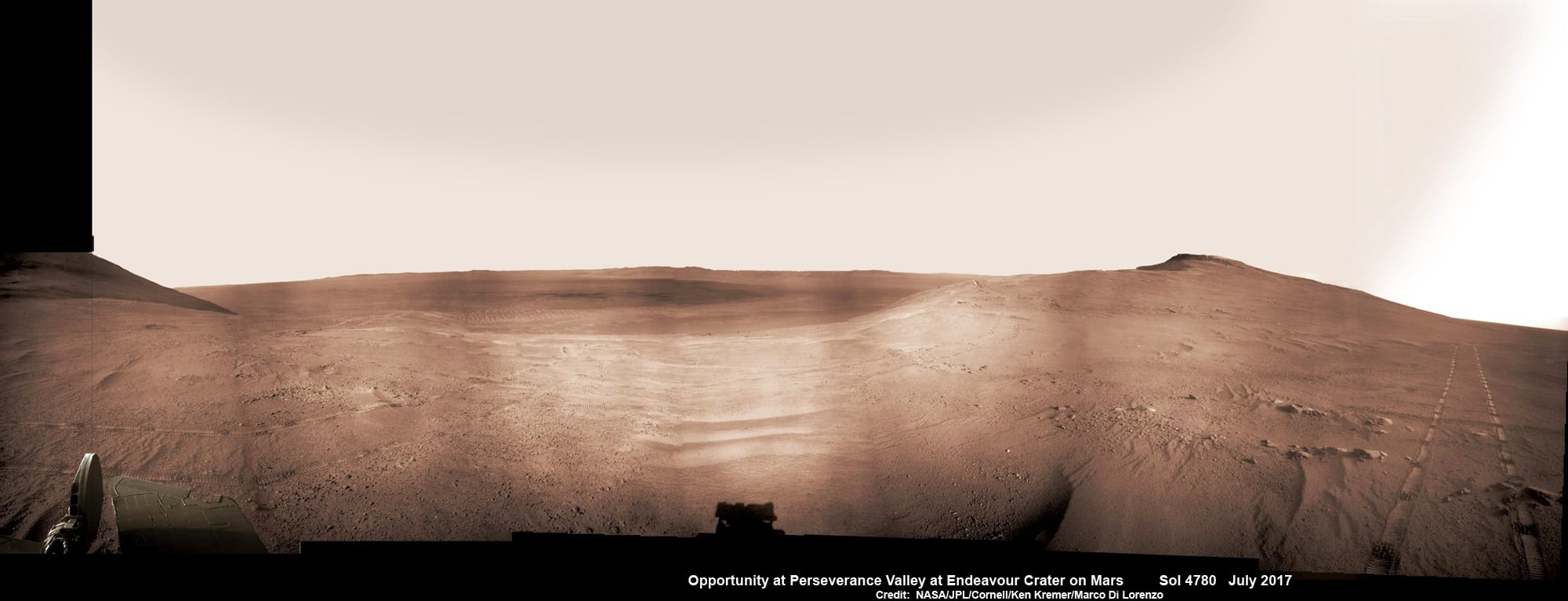
From the precipice of "Perseverance Valley" NASA's teenaged Red Planet robot Opportunity has begun the historic first ever descent of an ancient Martian gully - that's simultaneously visually and scientifically "tantalizing" - on an expedition to discern 'How was it carved?'; by water or other means, Jim Green, NASA's Planetary Sciences Chief tells Universe Today.
Continue reading
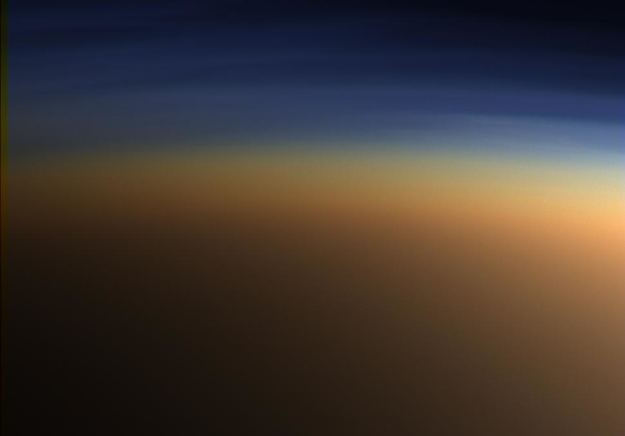
A new study by an international team of scientists shows how Titan's atmosphere could contain a key building block for organic molecules, which could drastic implications in the hunt for extra-terrestrial life.
Continue reading
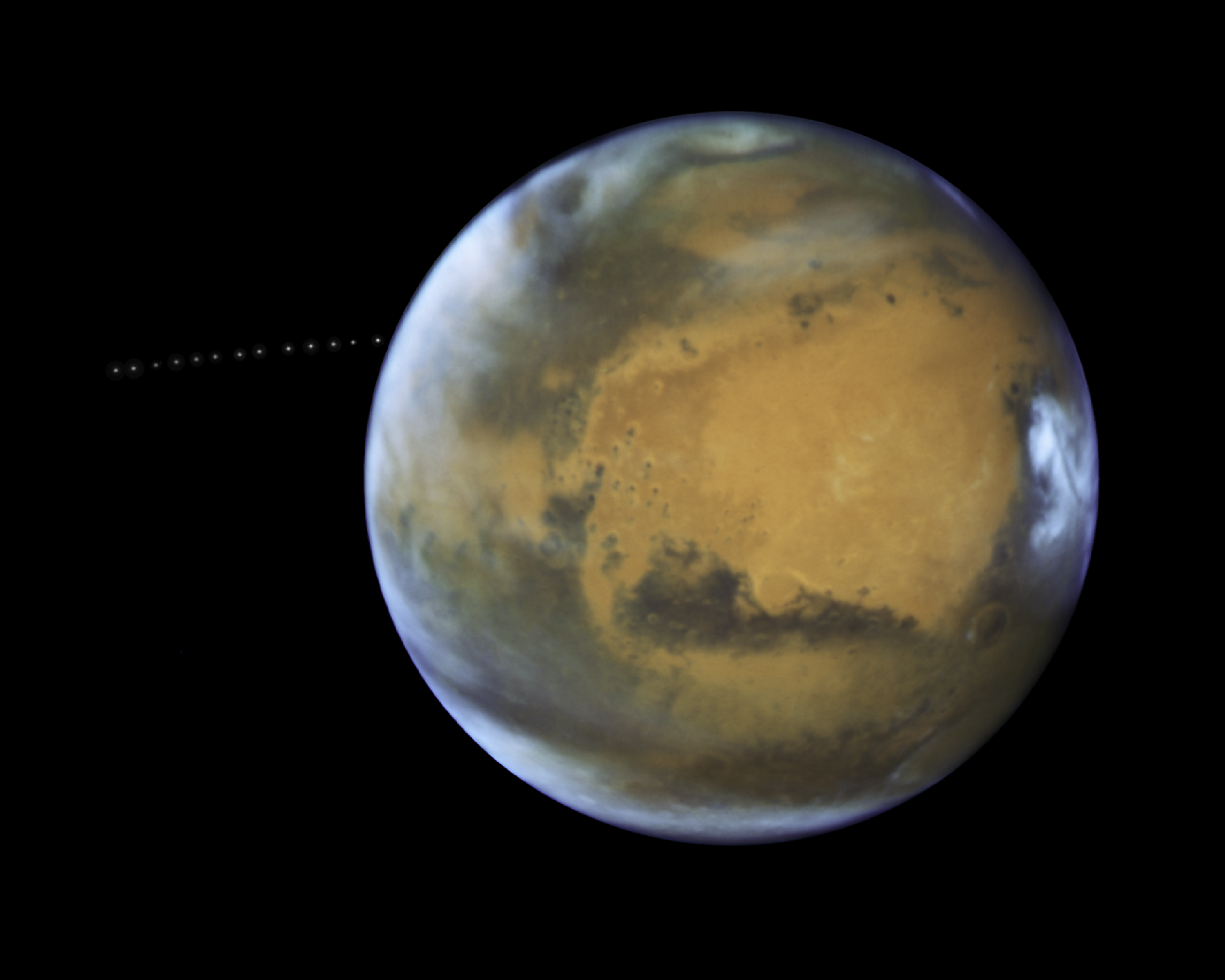
In May of 2016, when Mars was making its closest pass to Earth in over a decade, Hubble captured images that were used to make a time-lapse video of Phobos popping out from behind Mars.
Continue reading
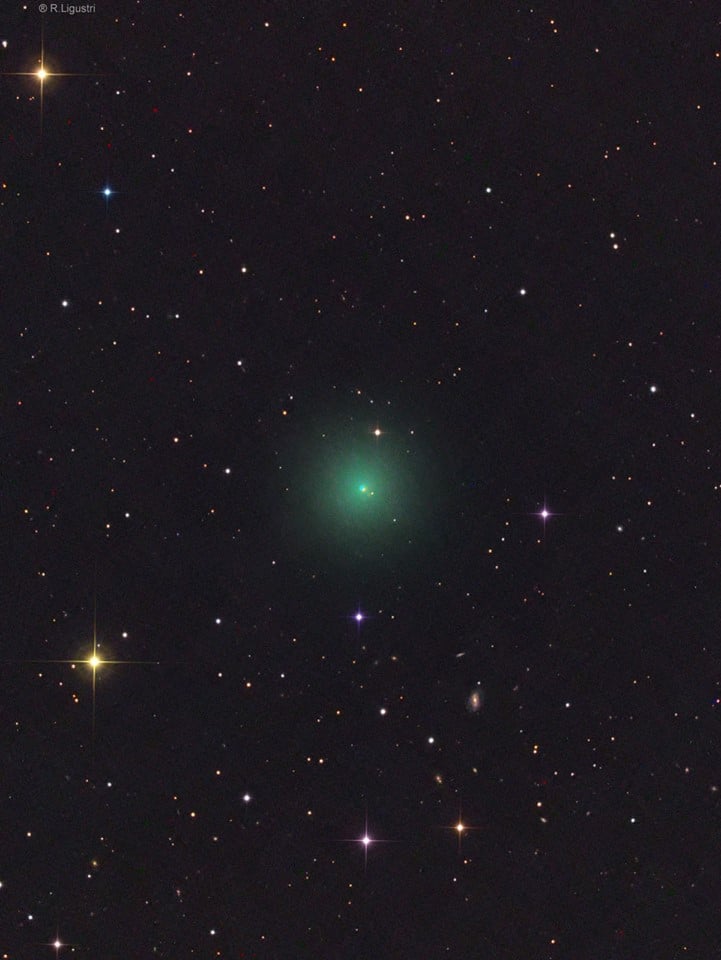
A new comet discovery crept up on us this past weekend, one that should be visible for northern hemisphere observers soon.
The discovery: We're talking about Comet C/2017 O1 ASAS-SN, a long period comet currently visiting the inner solar system.
Continue reading

Breakthrough Initiatives achieved a major milestone with the recent deployment of their Sprite satellites, the smallest satellites in history.
Continue reading
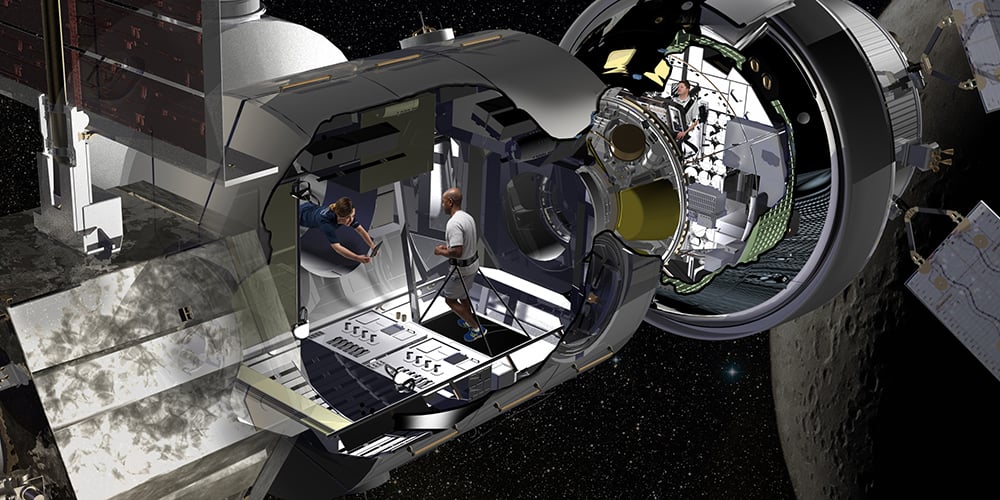
As part of NASA's NextSTEP-2 program, Lockheed Martin was recently awarded a Phase II contract to continue work on their Deep Space Habitat prototype.
Continue reading
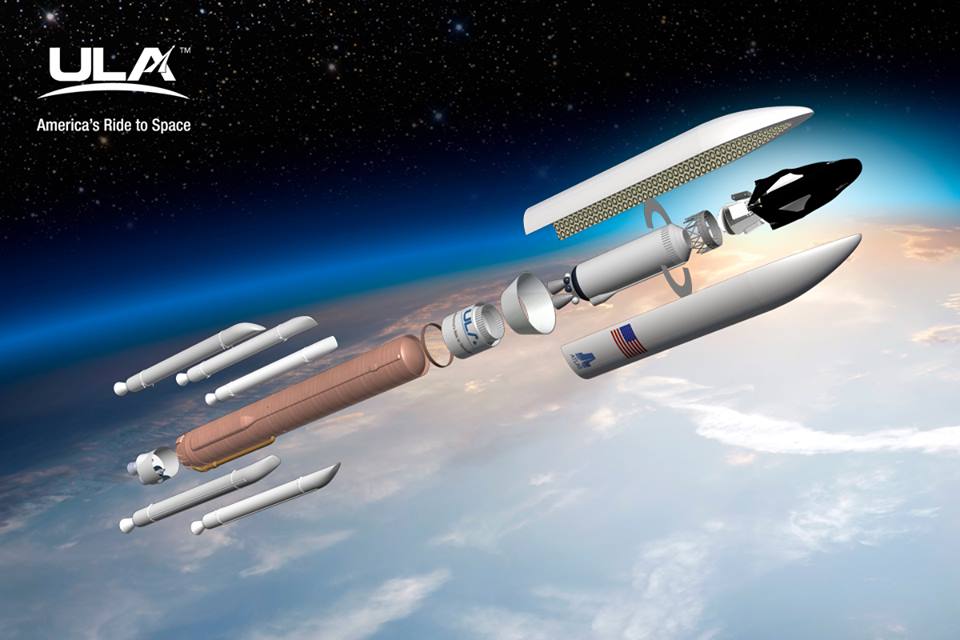
The first two missions of the unmanned Dream Chaser mini-shuttle carrying critical cargo to the International Space Station (ISS) for NASA will fly on the most powerful version of the Atlas V rocket and start as soon as 2020, announced Sierra Nevada Corporation (SNC) and United Launch Alliance (ULA).
Continue reading
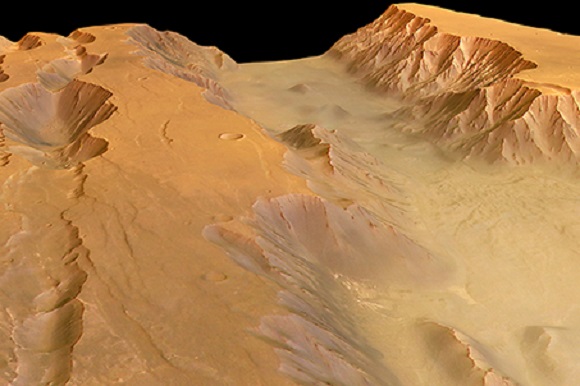
A new study by an international team of scientists has found evidence of recent volcanic activity on Mars, which could also lead to evidence of ancient life.
Continue reading
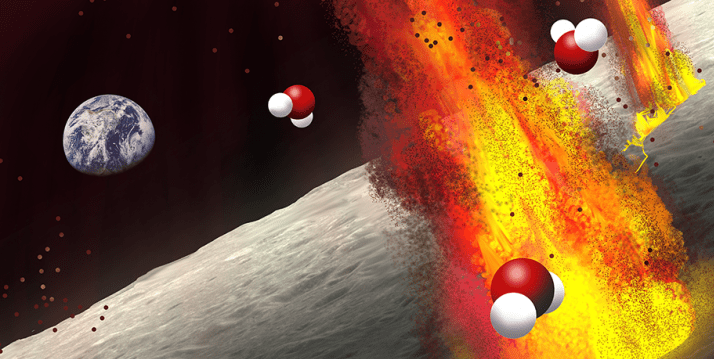
A new study by a team from Brown University has revealed evidence of widespread water on the lunar surface, which could also point towards water in the interior.
Continue reading
Continue reading
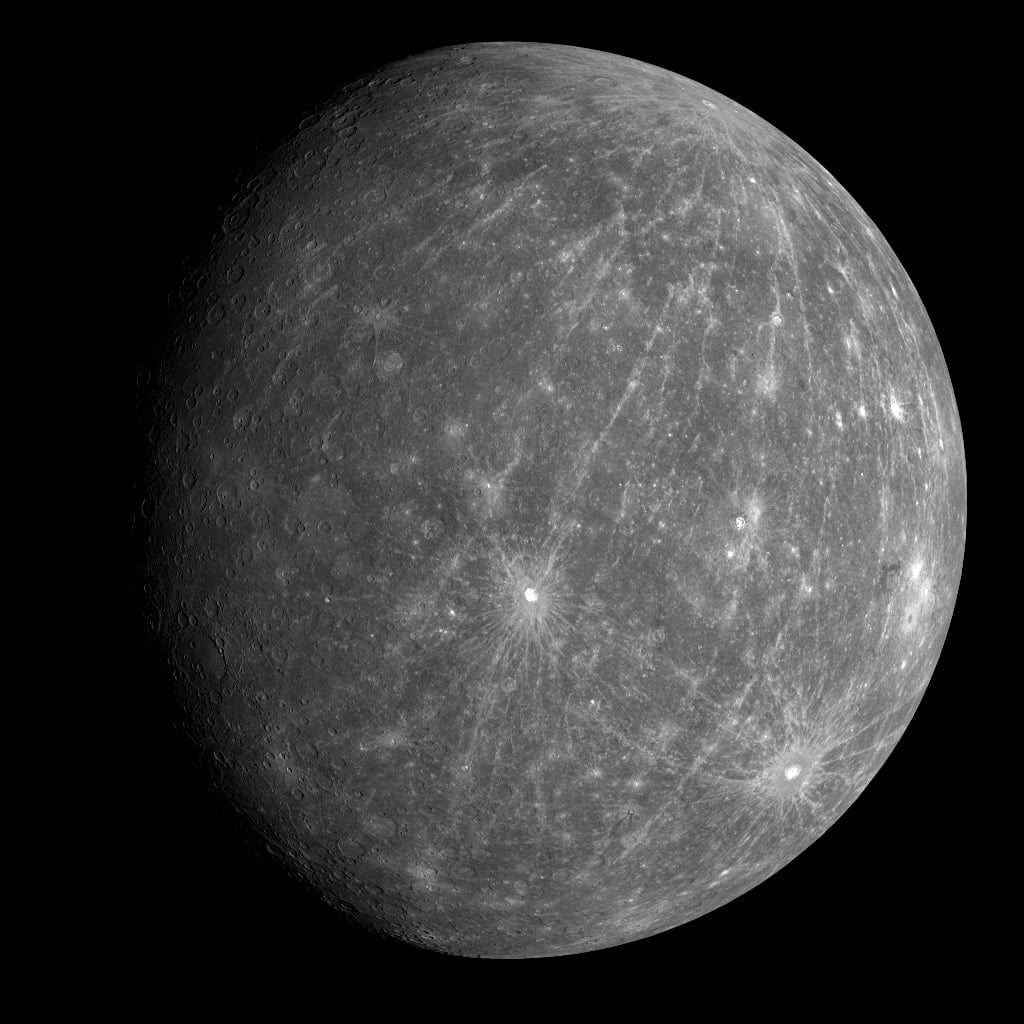
The weather on Mercury, such as it is, consists of extreme highs and extreme lows in temperature, owing to its orbit and distance from the Sun.
Continue reading

Located between 19 and 27 million light-years away in the Canes Venatici constellation, is the famous Whirlpool Galaxy (aka. Messier 51)
Continue reading
Continue reading
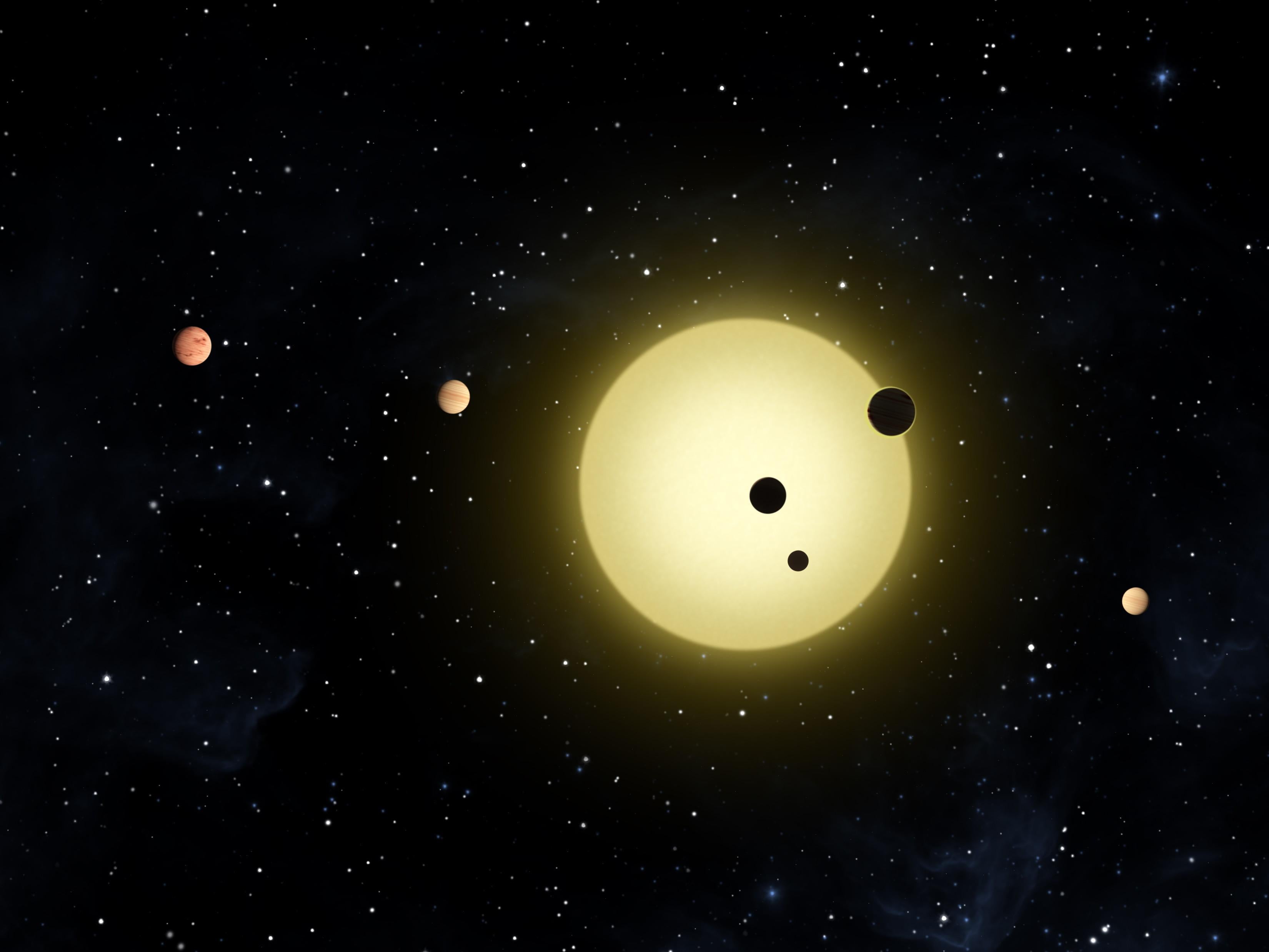
In a recently published paper, Dr. Duncan Forgan proposed that alien civilizations could create a "galactic internet" by using artificial transits to communicate.
Continue reading
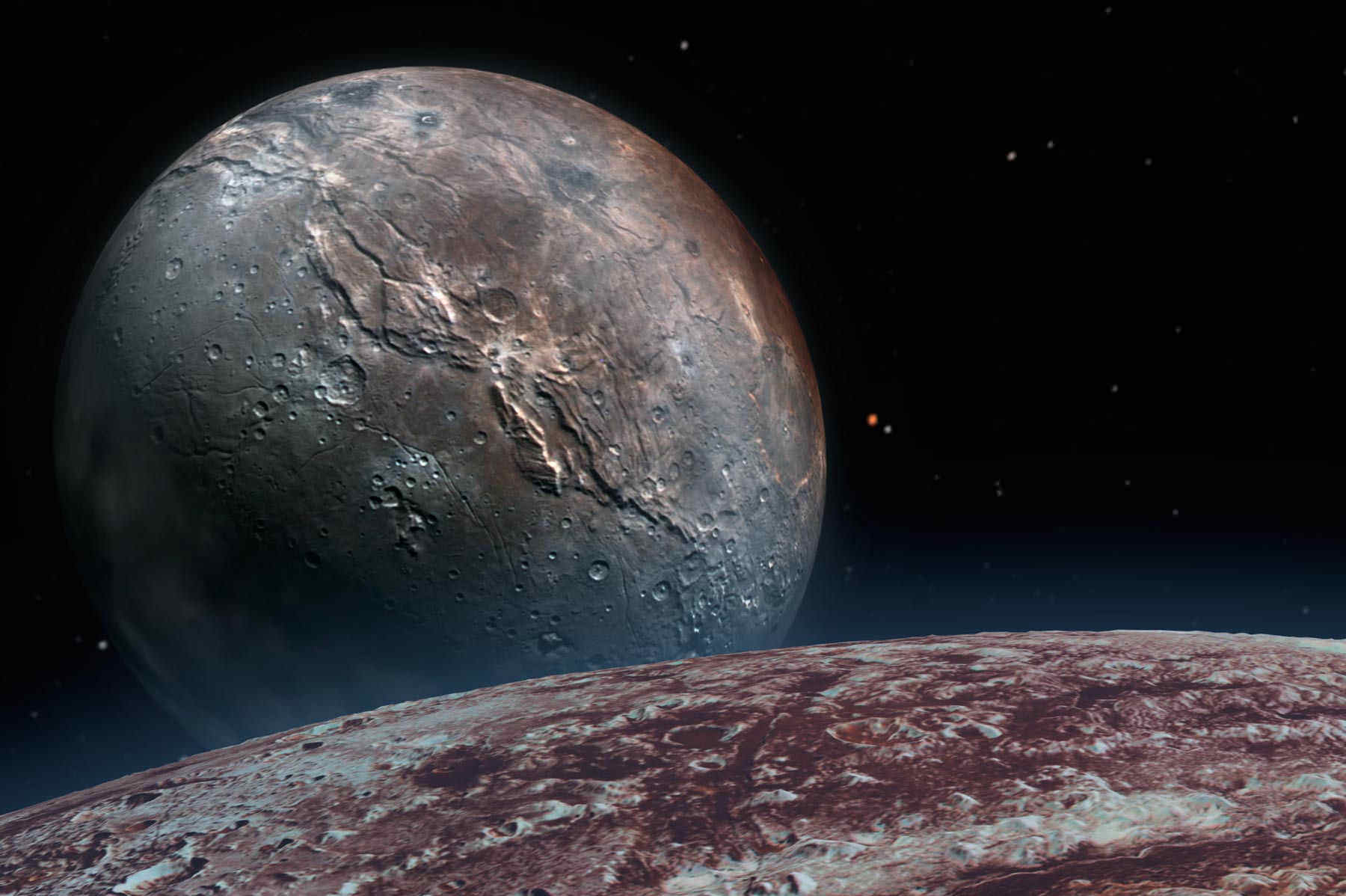
Using data from the New Horizons spacecraft, the mission team has created some new maps of Pluto and its largest moon, Charon.
Continue reading
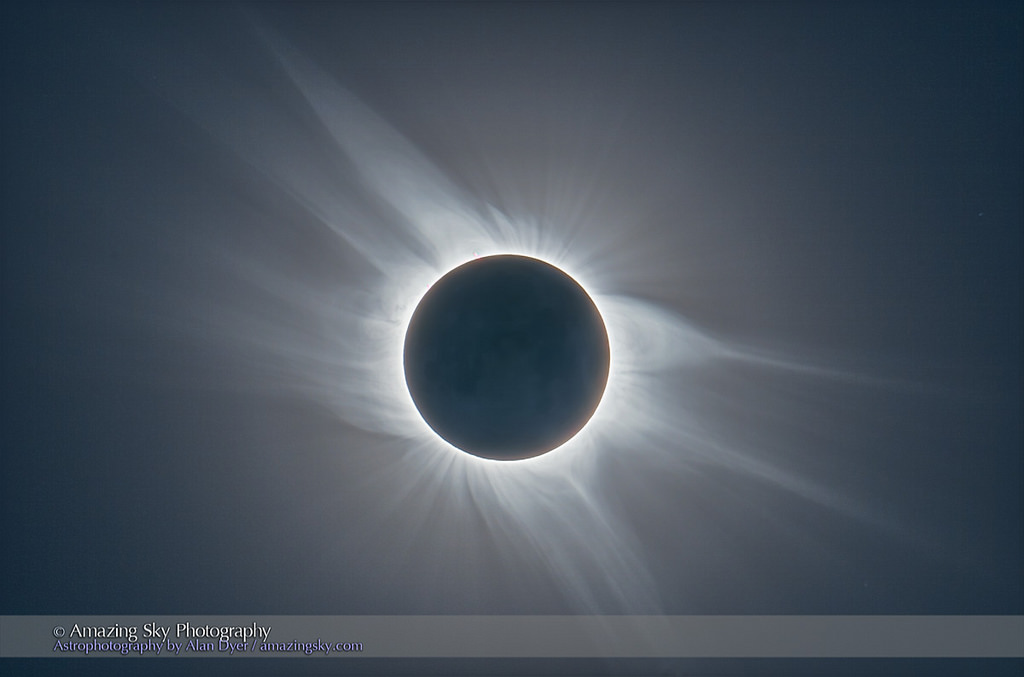
Get ready for the August 21st total solar eclipse, with facts, maps and more!
Continue reading
Continue reading
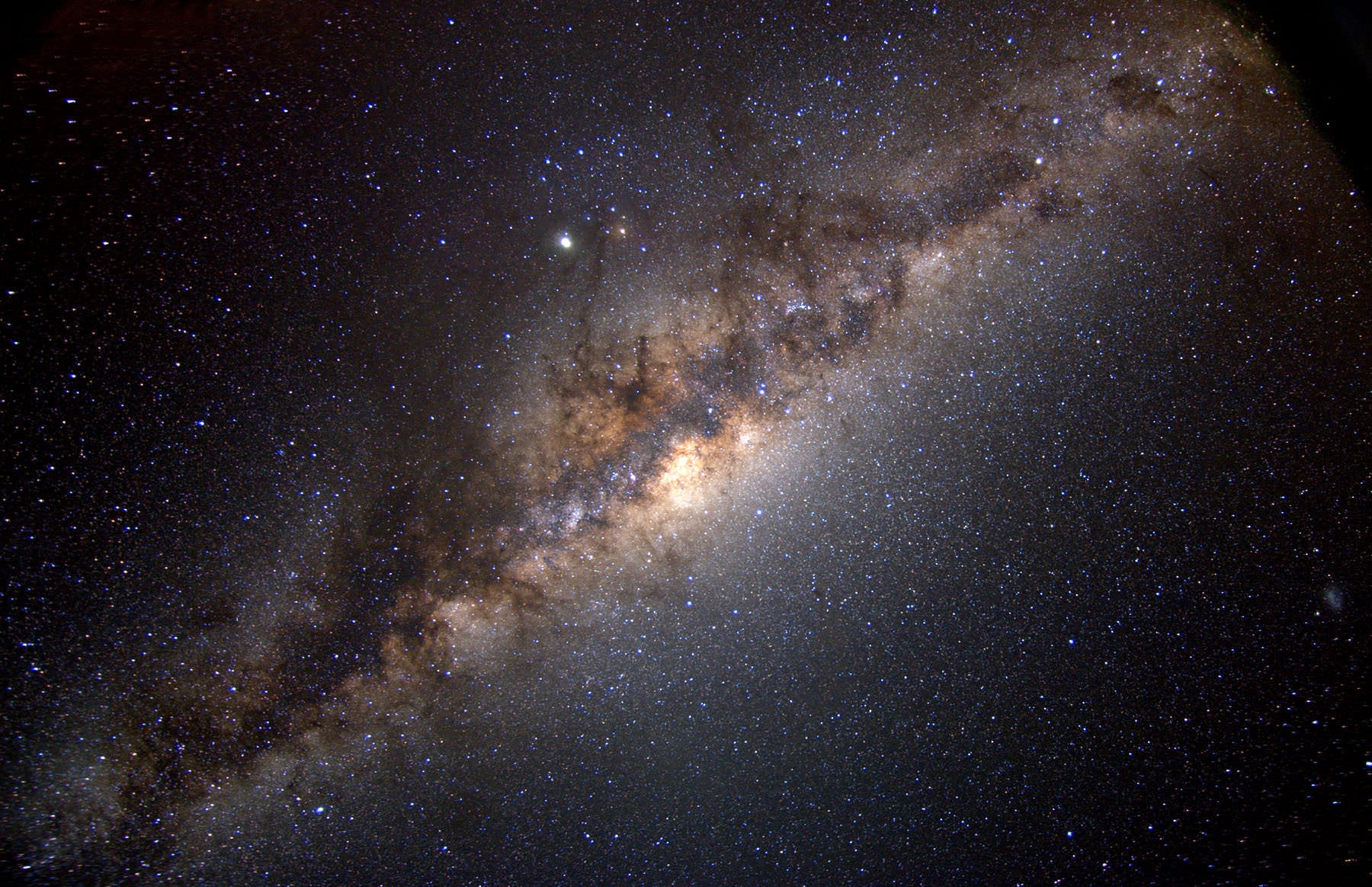
According to a new study using data from the SDSS, ripples in the Milky Way's disk may be indications of "ancient impacts" with other galaxies.
Continue reading
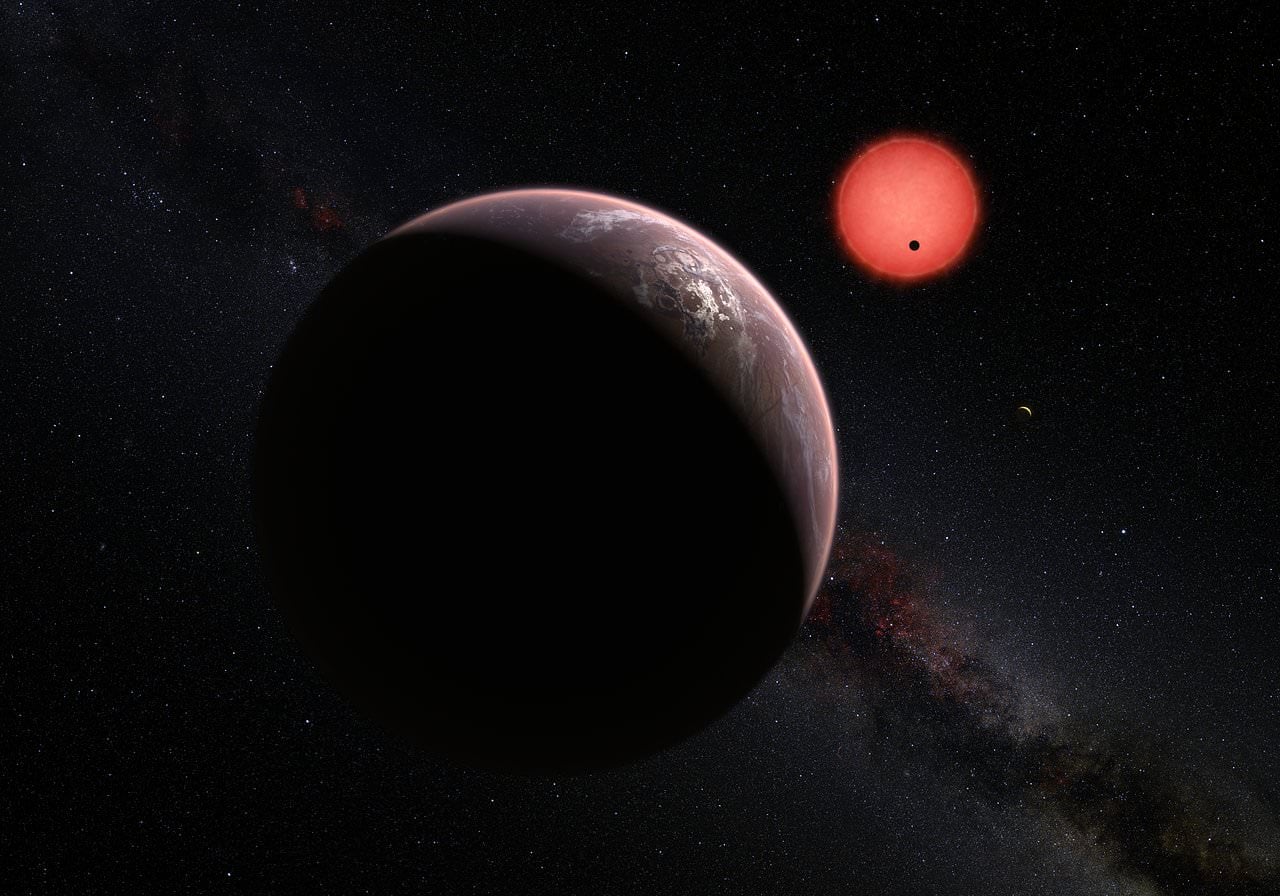
A recent survey conducted by the Arecibo Observatory detected a strange radio signal coming from Ross 128, a star system just 11 light-year from Earth.
Continue reading
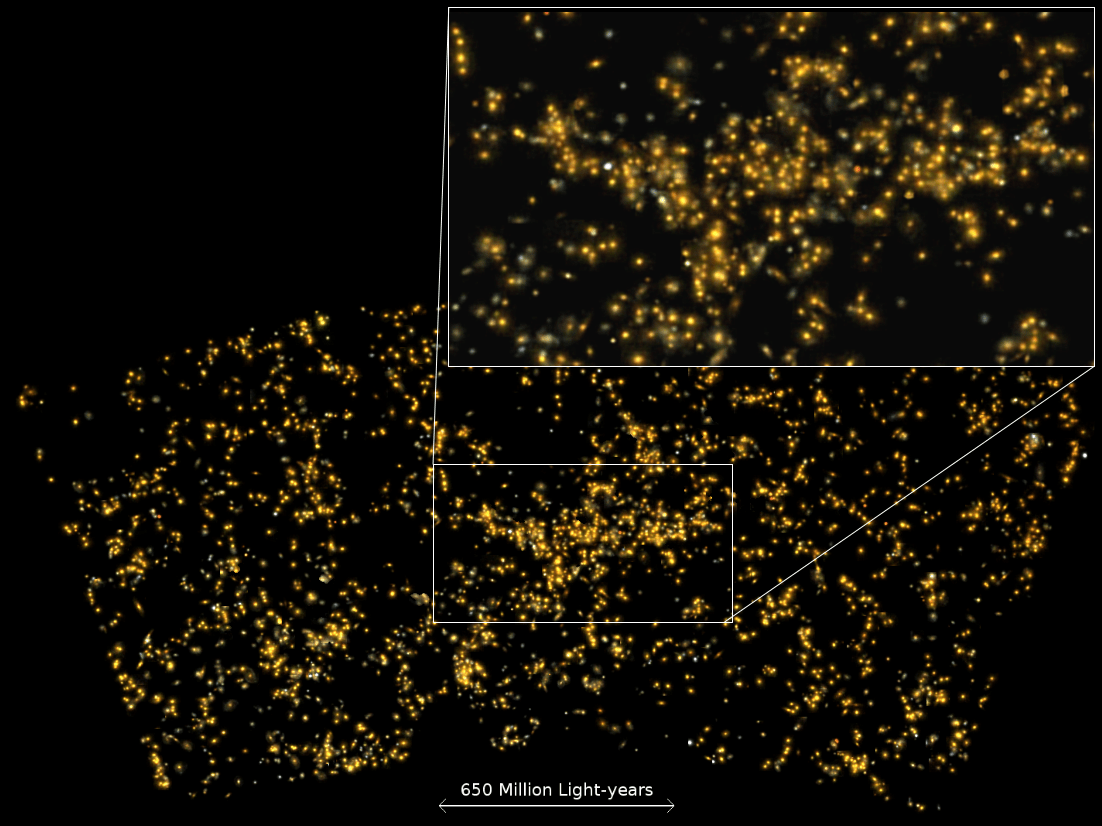
Using data from the Sloan Digitial Sky Survey, an Indian team of astronomers has discovered one of the largest cosmic structures to date - the Saraswati Supercluster!
Continue reading
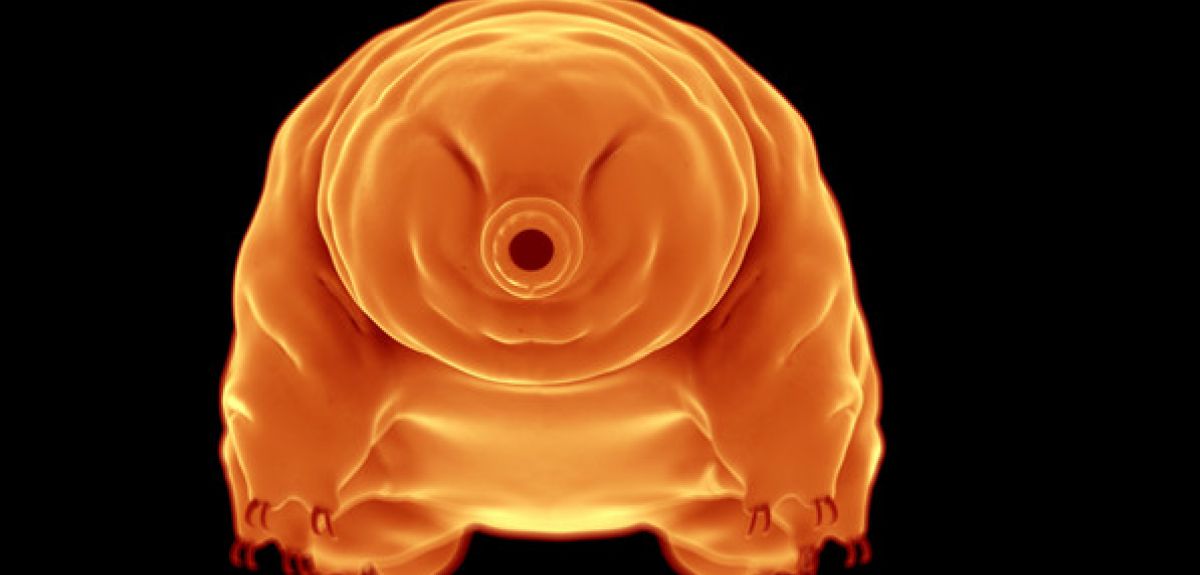
A new study from the University of Oxford has shown that long after humanity is gone, the tardigrade (aka. the "water bear") will still be living.
Continue reading
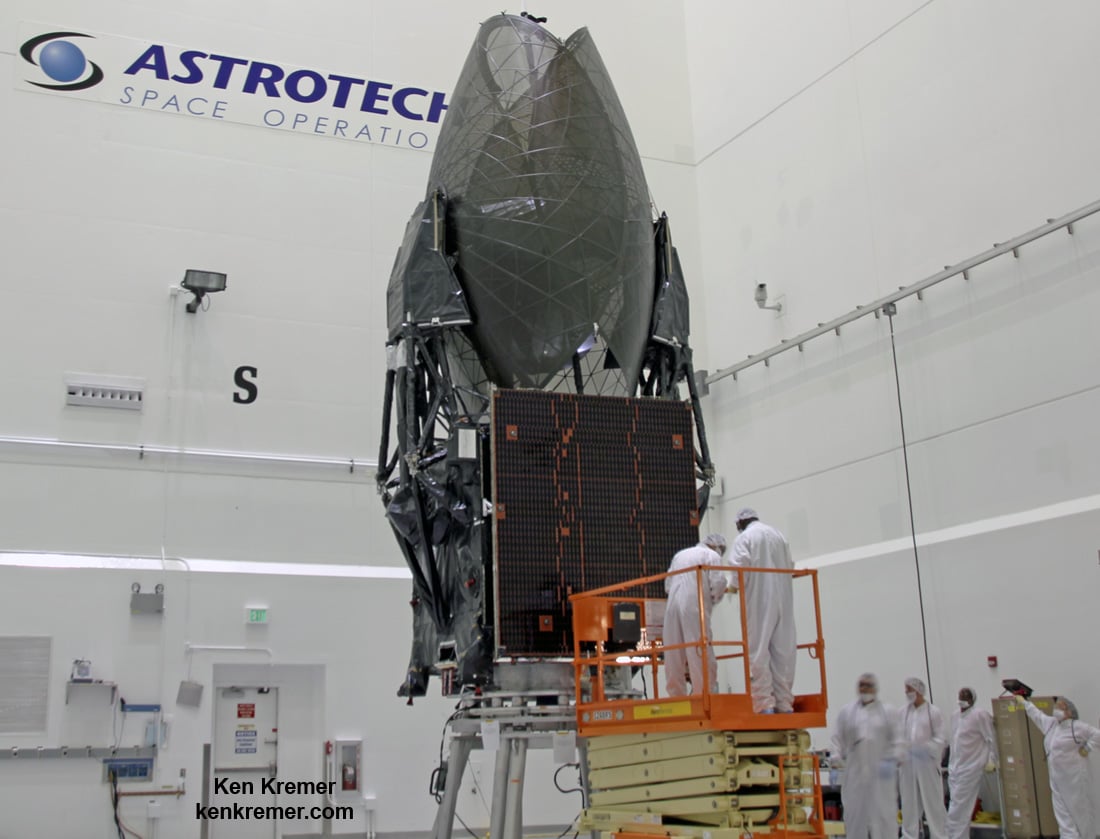
ASTROTECH SPACE OPERATIONS/KENNEDY SPACE CENTER, FL - The last of NASA's next generation Tracking and Data Relay Satellites (TRDS) designed to relay critical science data and research observations gathered by the International Space Station (ISS), Hubble and dozens of Earth-orbiting Earth science missions is undergoing final prelaunch clean room preparations on the Florida Space Coast while targeting an early August launch - even as the agency reviews the scheduling impact of a weekend "closeout incident" that "damaged" a key component.
Continue reading

The latest study that looks into the possible existence of Planet 9 offers a new technique, one which is free of the "observational bias" which the others were criticized for.
Continue reading
 Universe Today