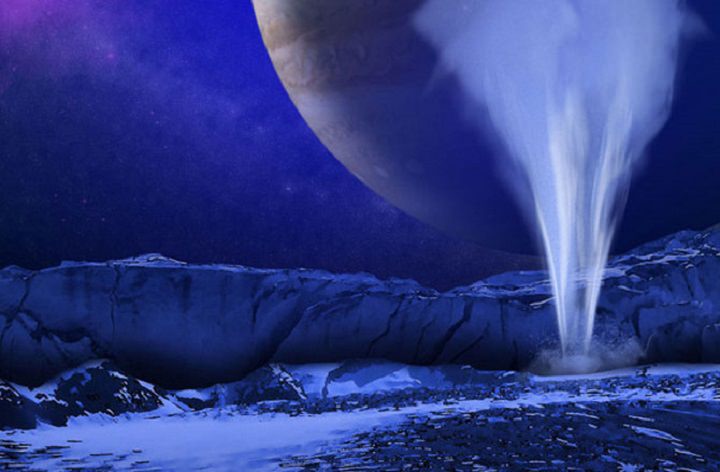
A new research study conducted by an international team of researchers indicates that life can survive in a variety of cold and briny environments.
Continue reading
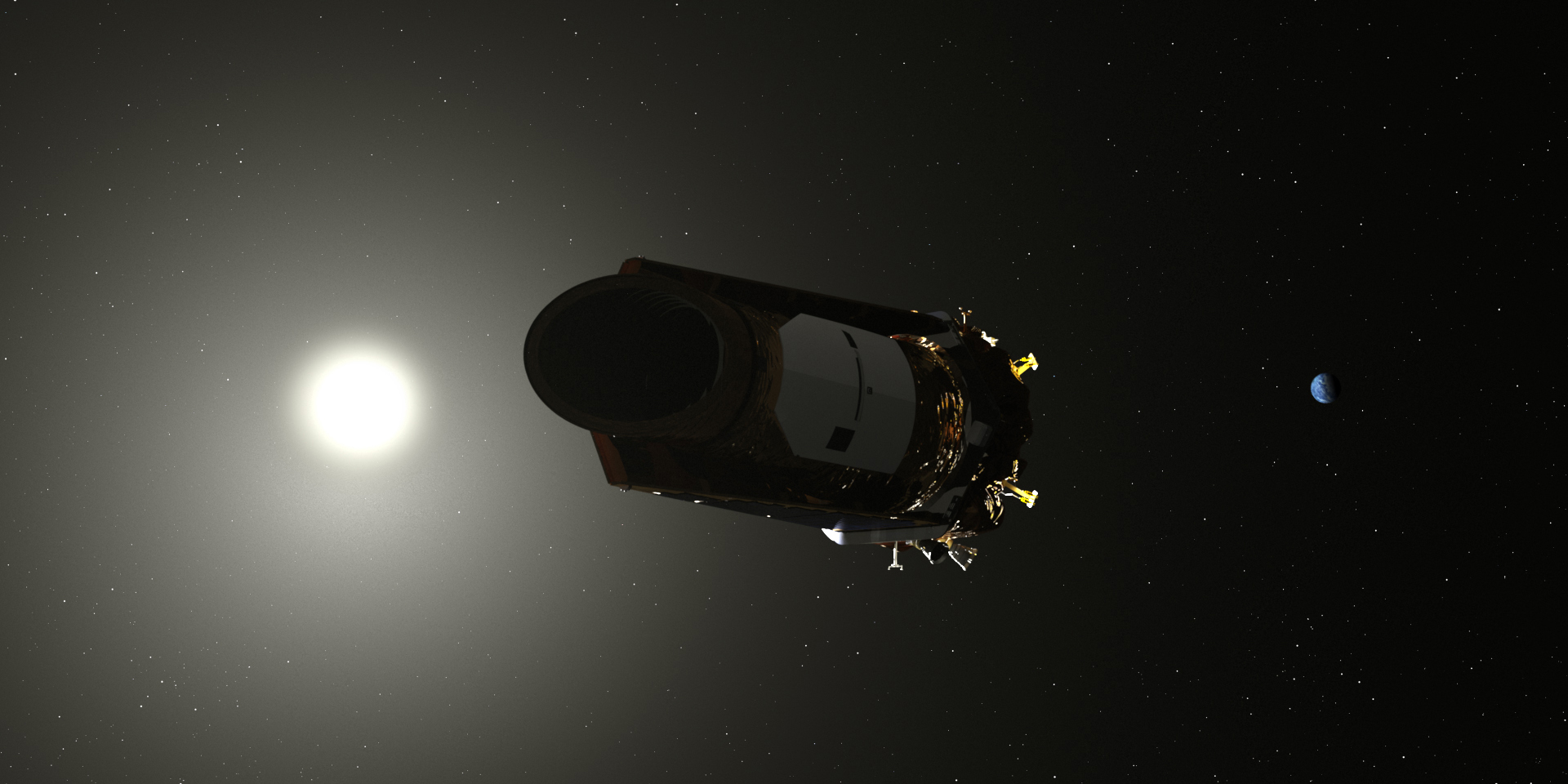
The Kepler mission has been put into hibernation prior to downloading data from its 18th campaign and commencing its last.
Continue reading
Continue reading
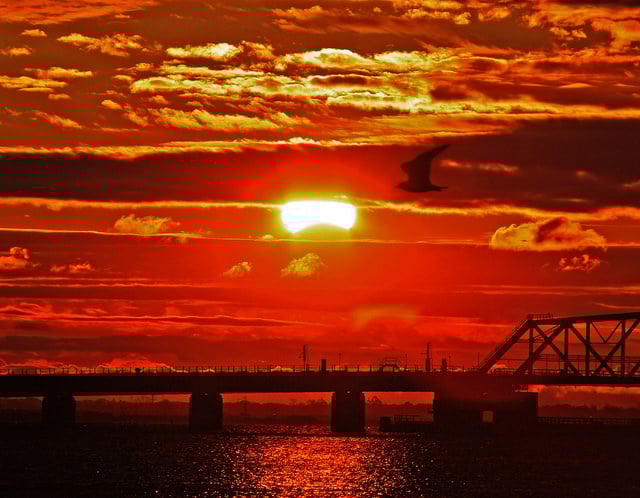
Eclipse season in nigh... though most of us won't notice. The second eclipse season for 2018 commences with the arrival of New Moon and Brown Lunation number 1182 at 3:01 Universal Time on Friday, July 13th, 2018. This eclipse is a shallow partial, just skimming the southern hemisphere of the Earth between the Australian and Antarctic continents.
Continue reading
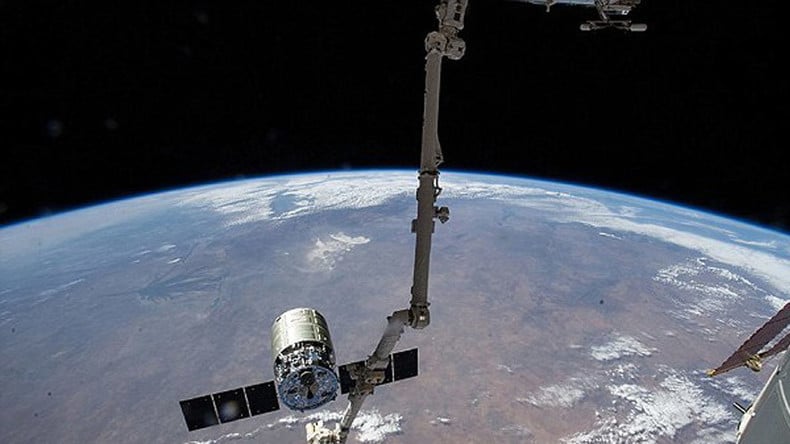
NASA is currently partnering with companies to develop technologies for dealing with garbage during long-duration space flights.
Continue reading

A new study by a team of NASA-supported researchers has shown how a giant impact could explain all of Uranus' mysteries.
Continue reading
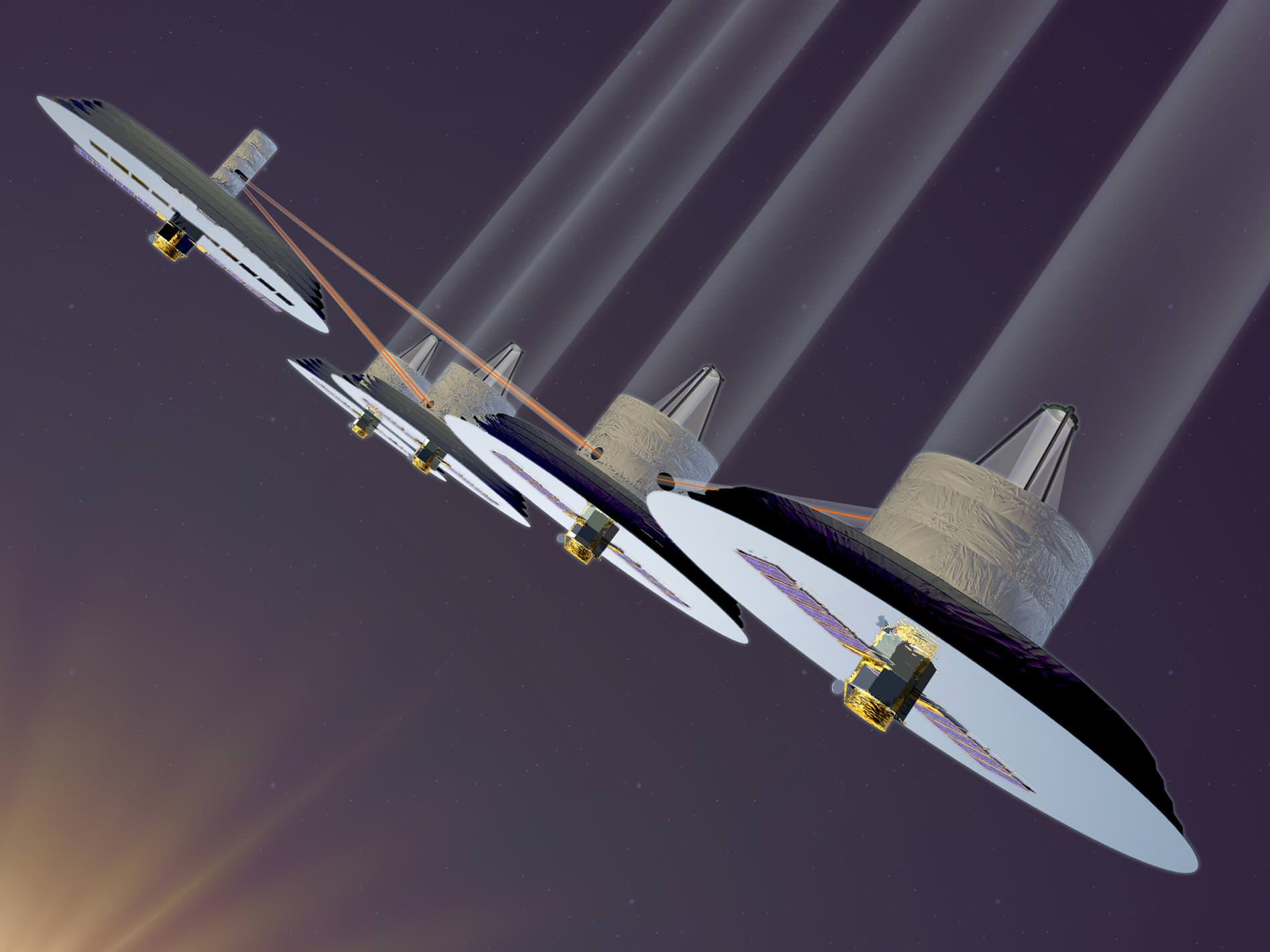
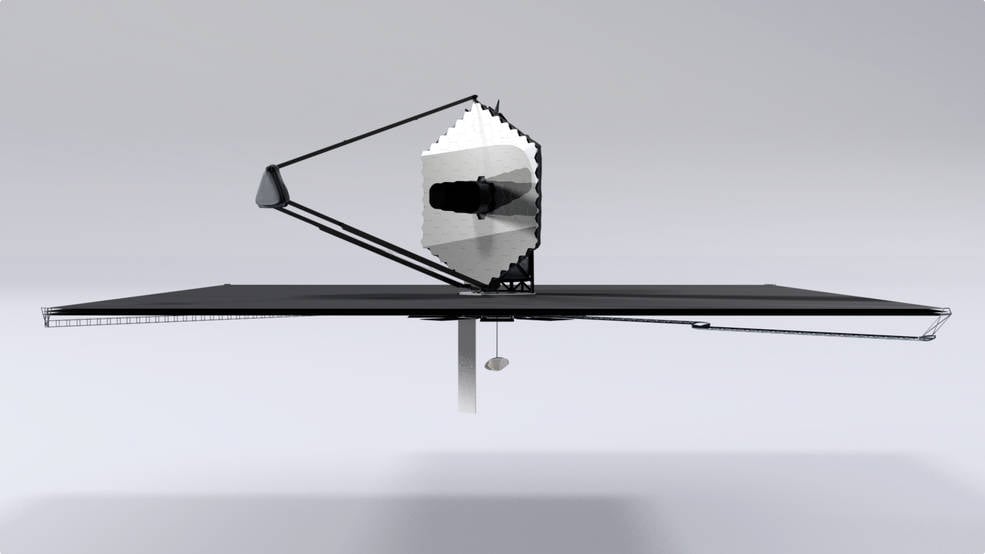
Looking to the next-generation of telescopes, a pair of astrophysicists propose using swarm robots to conduct observations instead of relying on increasingly large and complex arrays.
Continue reading

In a recent study, a pair of astrophysicists suggest that Breakthrough Starshot could also test Einstein's Theory of Special Relativity while traveling to Alpha Centauri.
Continue reading
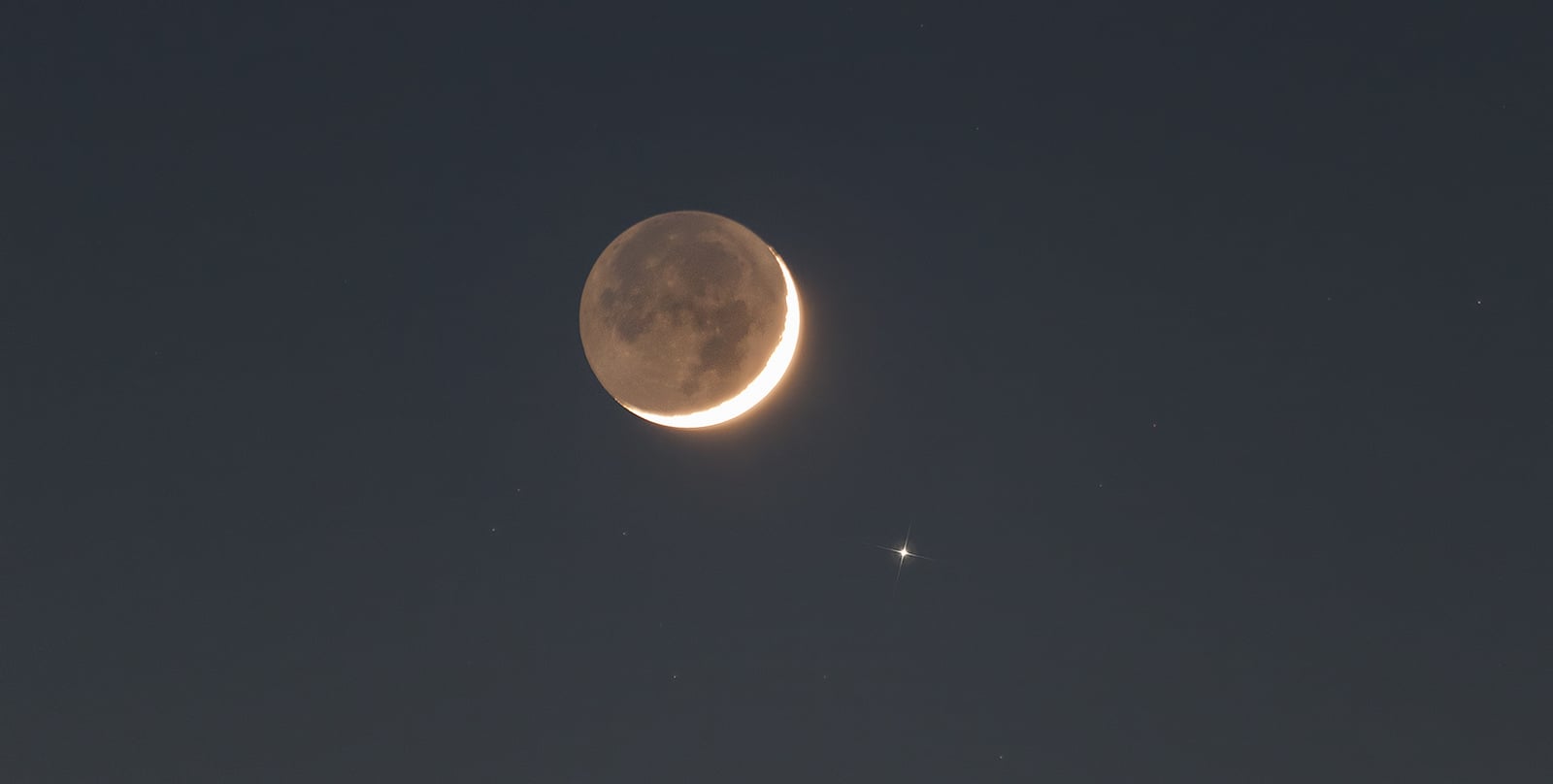
An unusual celestial spectacle unfolds for observers around the Great Lakes region next Tuesday at dawn. The Moon has been faithfully occulting (passing in front of) the bright star Aldebaran for every lunation now since January 29th, 2015. This split second events have touched on nearly every farflung corner of the Earth. Now the United States and Canada get to see the penultimate event, as the waning crescent Moon occults Aldebaran one last time for North America.
Continue reading
Continue reading

NASA recently partnered with the Boulder-based drone company Black Swift to create an unmanned aerial system to explore Venus' cloud tops for signs of life.
Continue reading
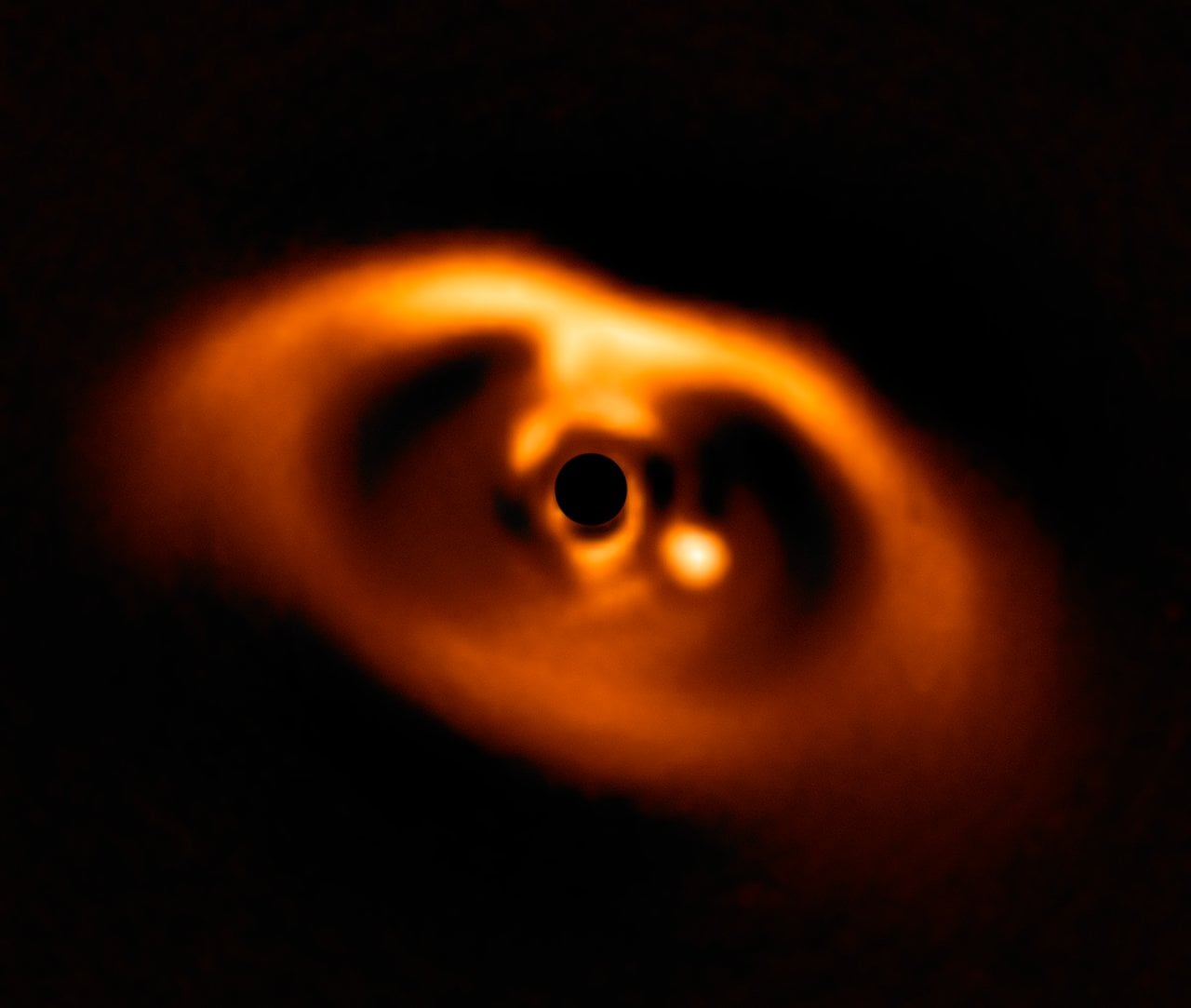
A team of international astronomers recently captured the first image of a newly-formed planet, which will allow astronomers to test models of planetary formation
Continue reading
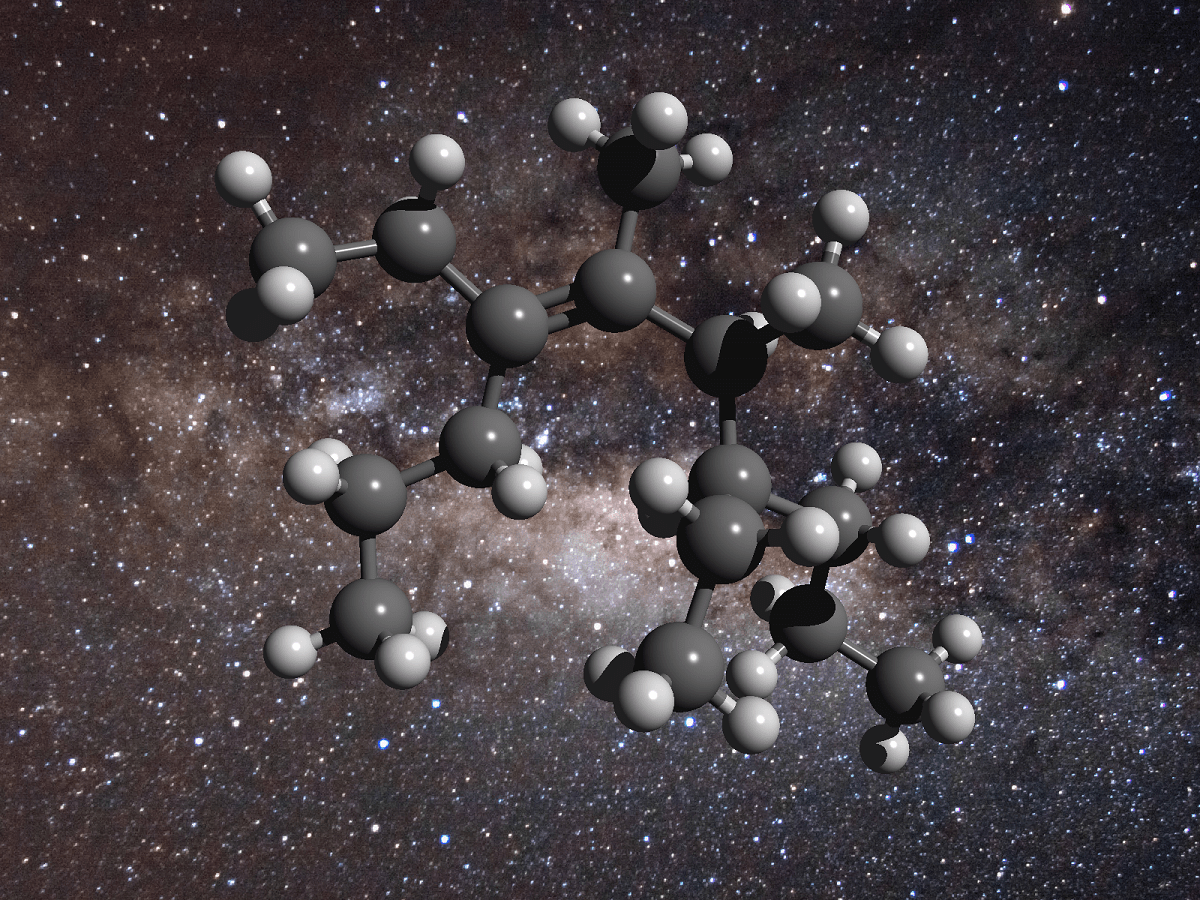
A new study by a team of astronomers from Australia and Turkey has determined that space is filled with immense amounts of grease-like molecules.
Continue reading
Continue reading
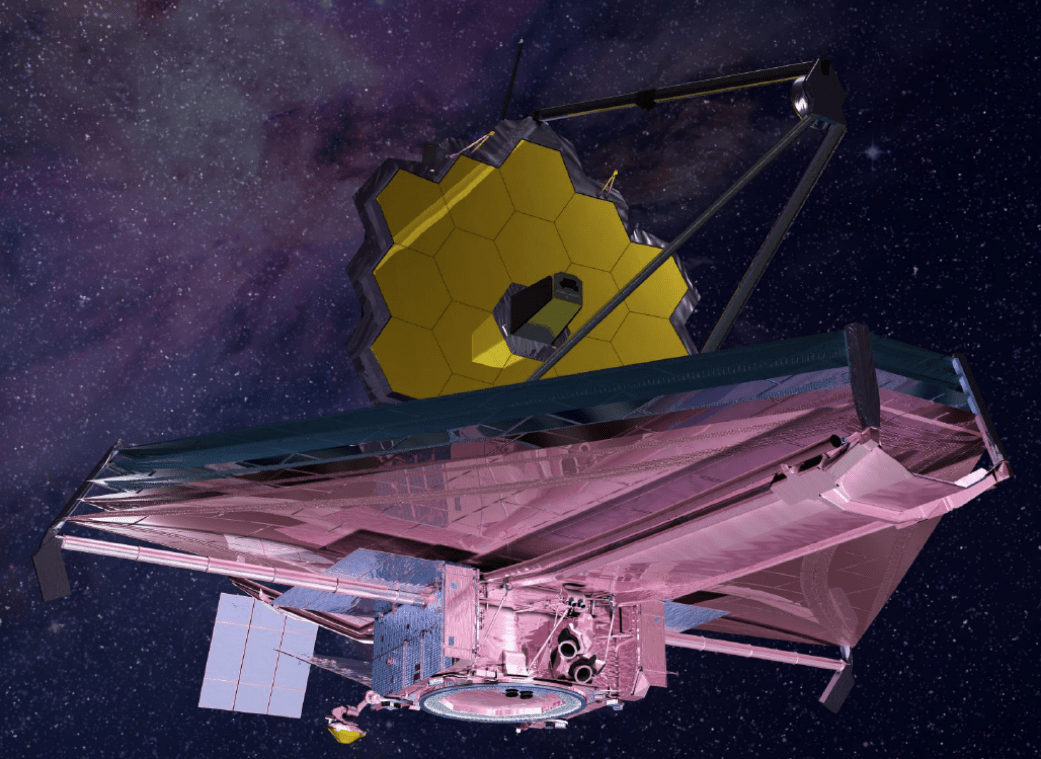
In response to the report issued by an Independent Review Board, NASA has decided to delay the launch of the James Webb Space Telescope to 2021.
Continue reading
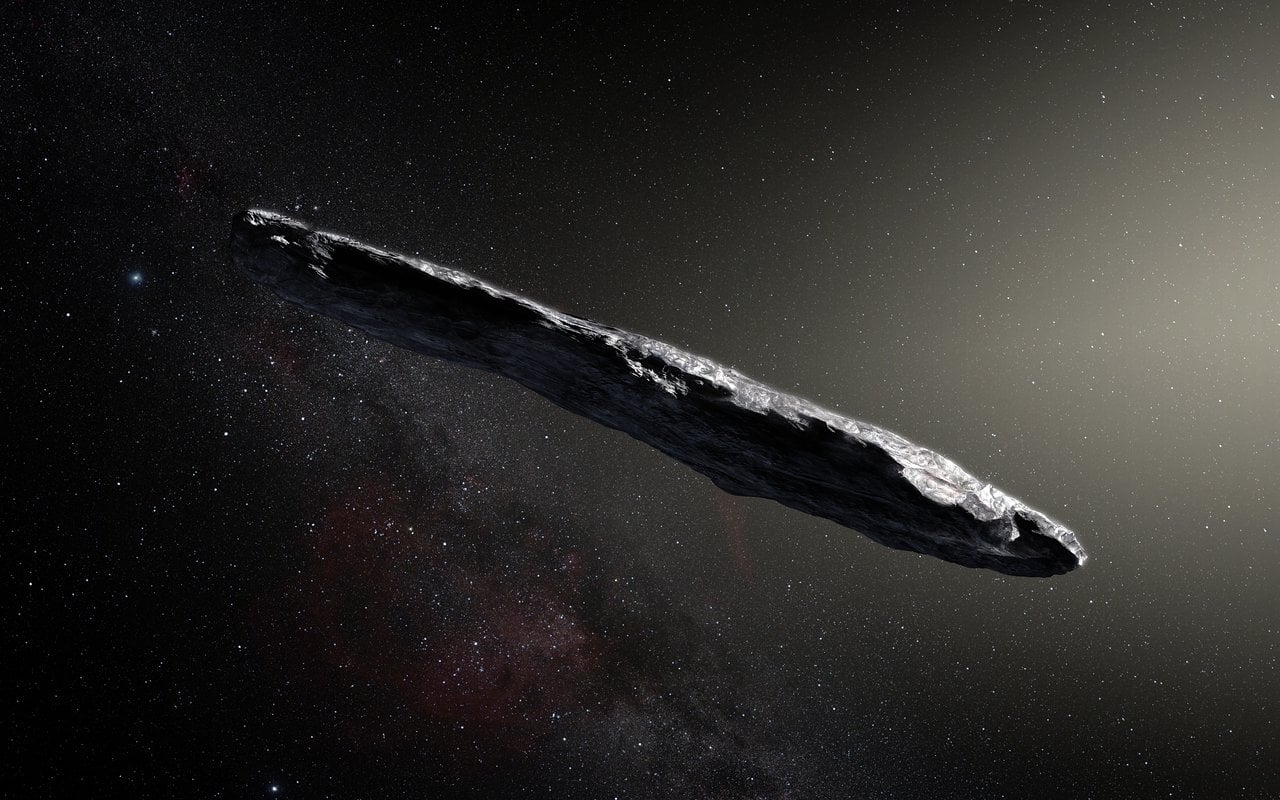
Using data from ground-based observatories and the Hubble space telescope, an international team of scientists found evidence that 'Oumuamua is an interstellar comet after all.
Continue reading
Continue reading
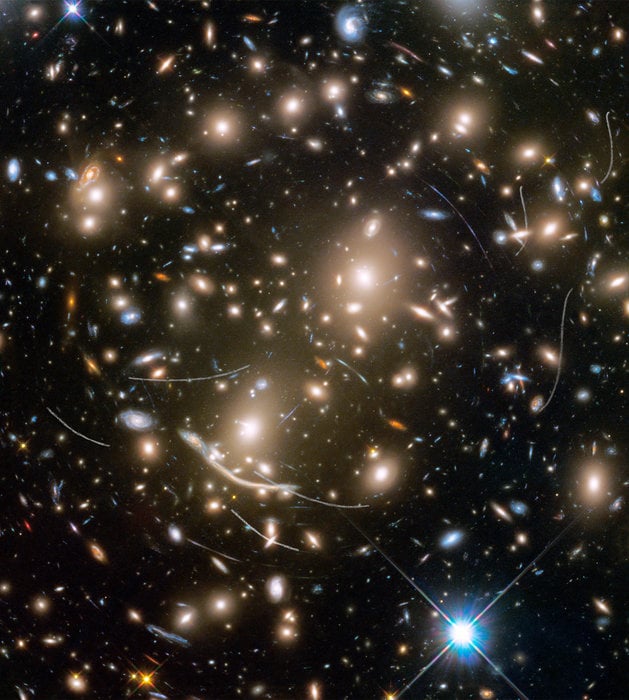
While observing a distant galaxy cluster, an image taken by Hubble was photobombed by 22 previously undetected asteroids.
Continue reading
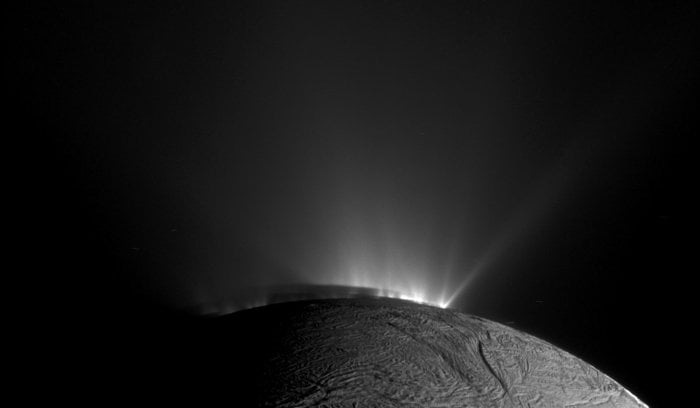
According to the last study based on Cassini data, complex organic molecules exist within Enceladus and are being released through its plumes.
Continue reading
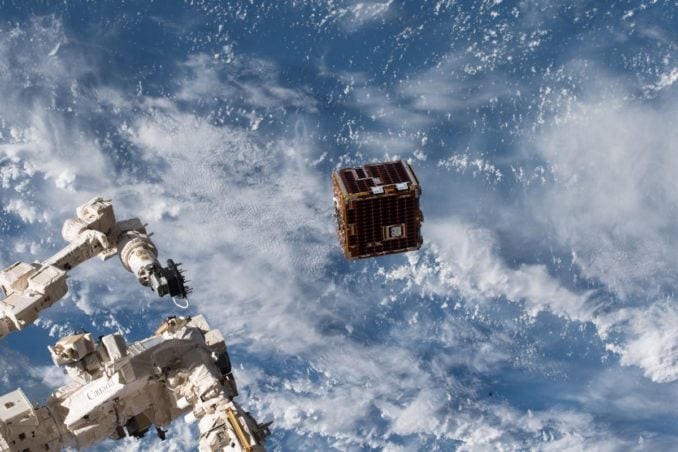
The RemoveDebris satellite, a spacecraft designed to remove junk from orbit, recently deployed from the ISS to begin demonstrating its capabilities.
Continue reading
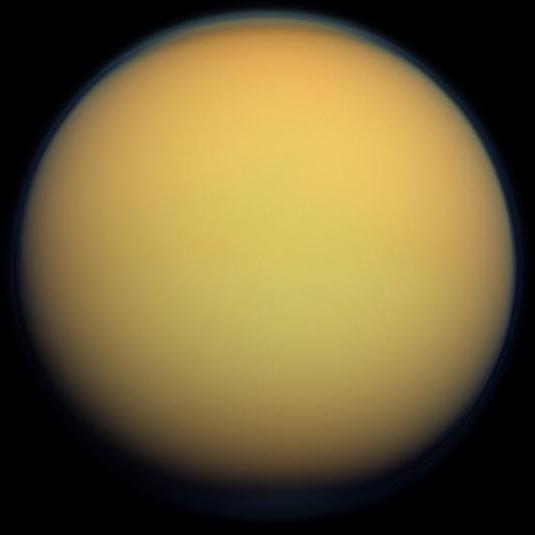
A new study led by researchers from John Hopkins University tackles the question of where Titan's mysterious sand dunes come from.
Continue reading

Continue reading
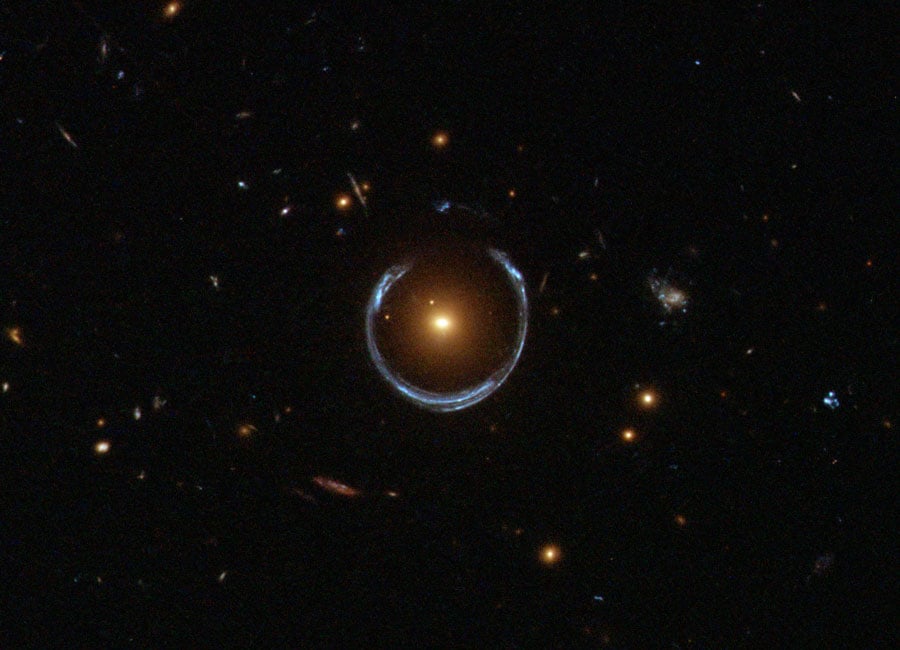
In a recent study, a team of international astronomers used the gravitational lensing technique to study the most distant individual star ever observed.
Continue reading
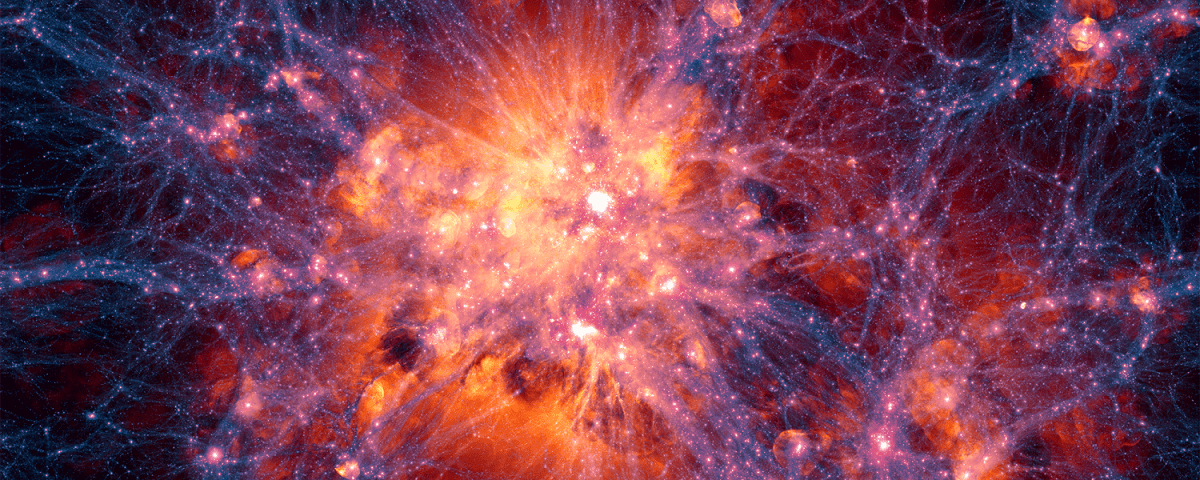
Thanks to a recent study by an international team of scientists, the remaining missing normal matter of the Universe may finally have been found!
Continue reading
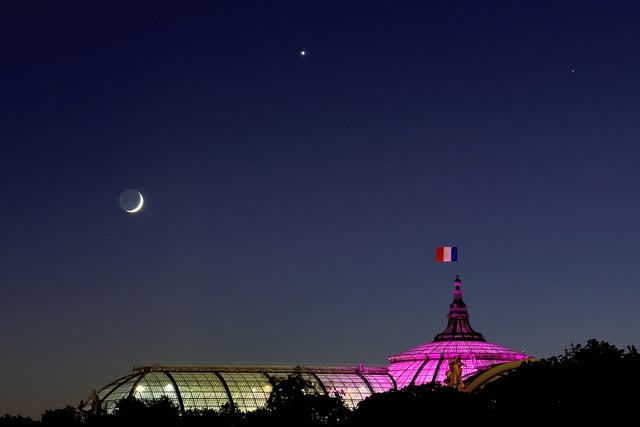
Missed the planets in the dusk sky in early 2018? This summer's astronomical blockbuster sees the return of all the classical naked eye planets in the dusk sky, in a big way.
Continue reading
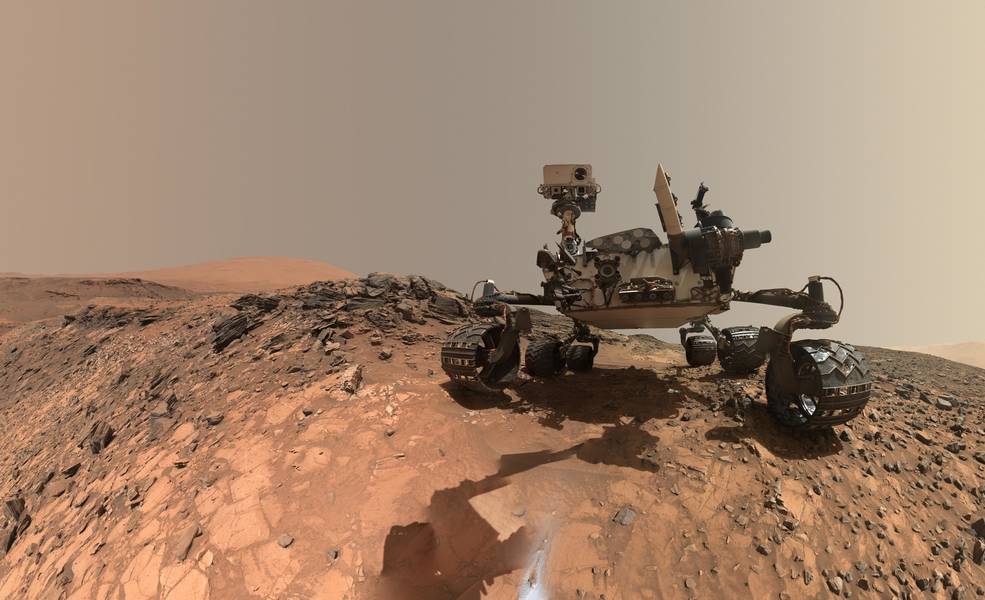
The Martian dust storm that began a few weeks ago has grown to engulf the entire planet, and Curiosity is well-positioned to get it on camera!
Continue reading

Continue reading
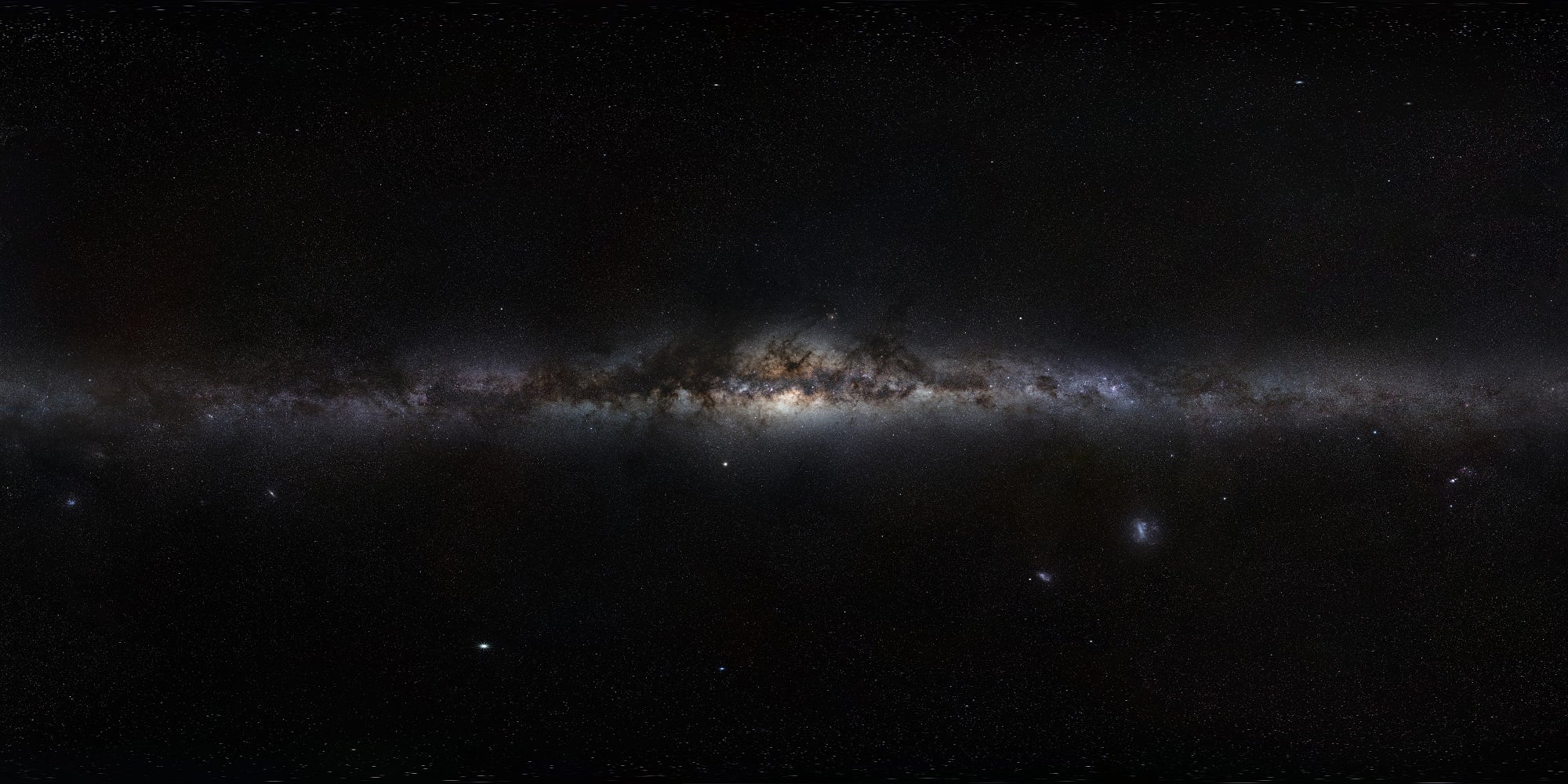
A recent paper by Harvest professor Dr. Abraham Loeb takes another look at an issue he has been addressing for years, which is how humanity might survive the accelerating expansion of the Universe.
Continue reading
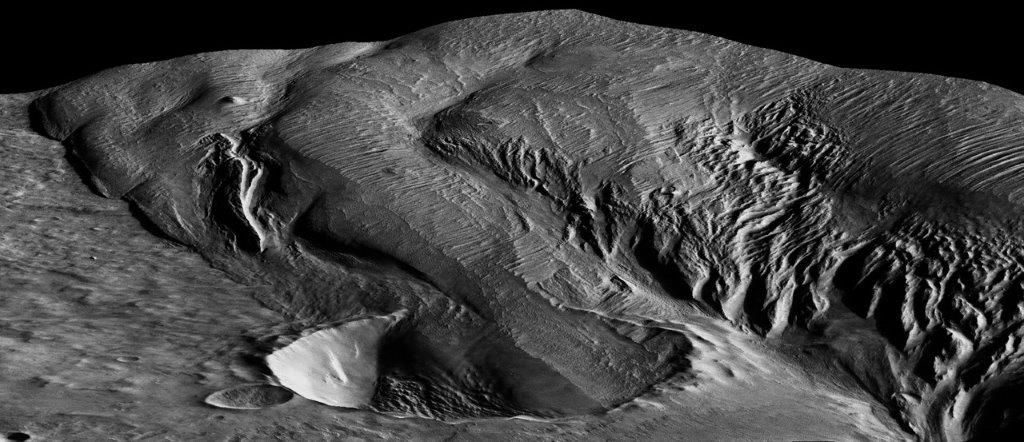
According to a new study from Johns Hopkins University, Mars' Medusa Fossae region was created by volcanic activity, a finding which has serious implications for the planet's past habitability.
Continue reading
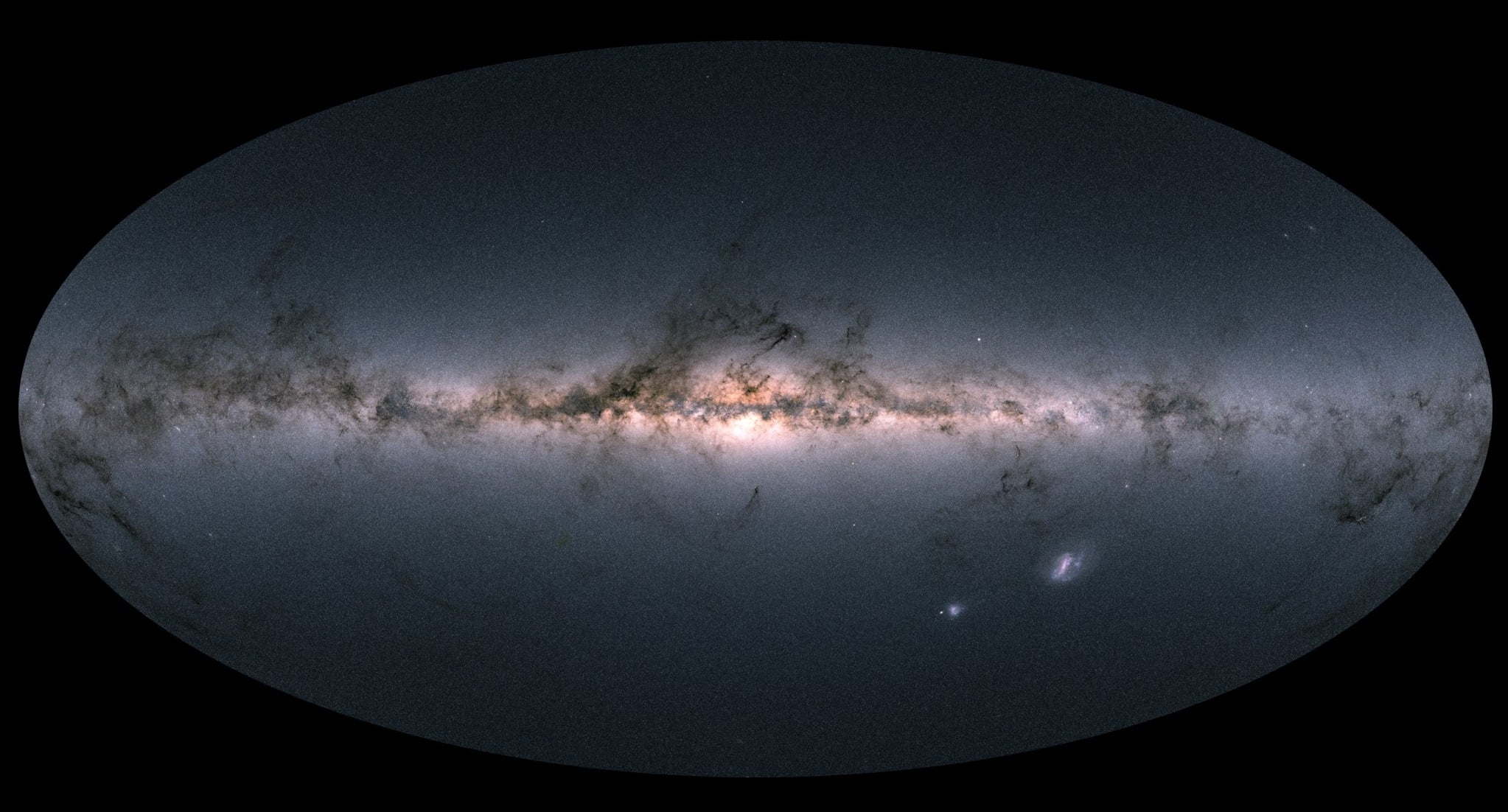
According to a new study by three famed scientists, the Fermi Paradox may have a simple resolution - humanity is the only intelligent species in our galaxy!
Continue reading
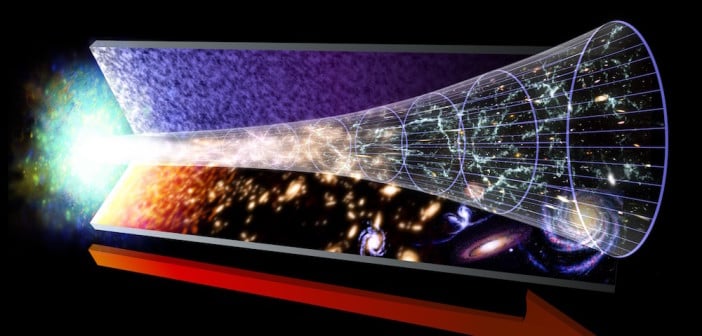
In a new study, an astrophysicist proposed how an advanced civilization might survive the inevitable expansion of the Universe, and how me might search for them.
Continue reading
Continue reading
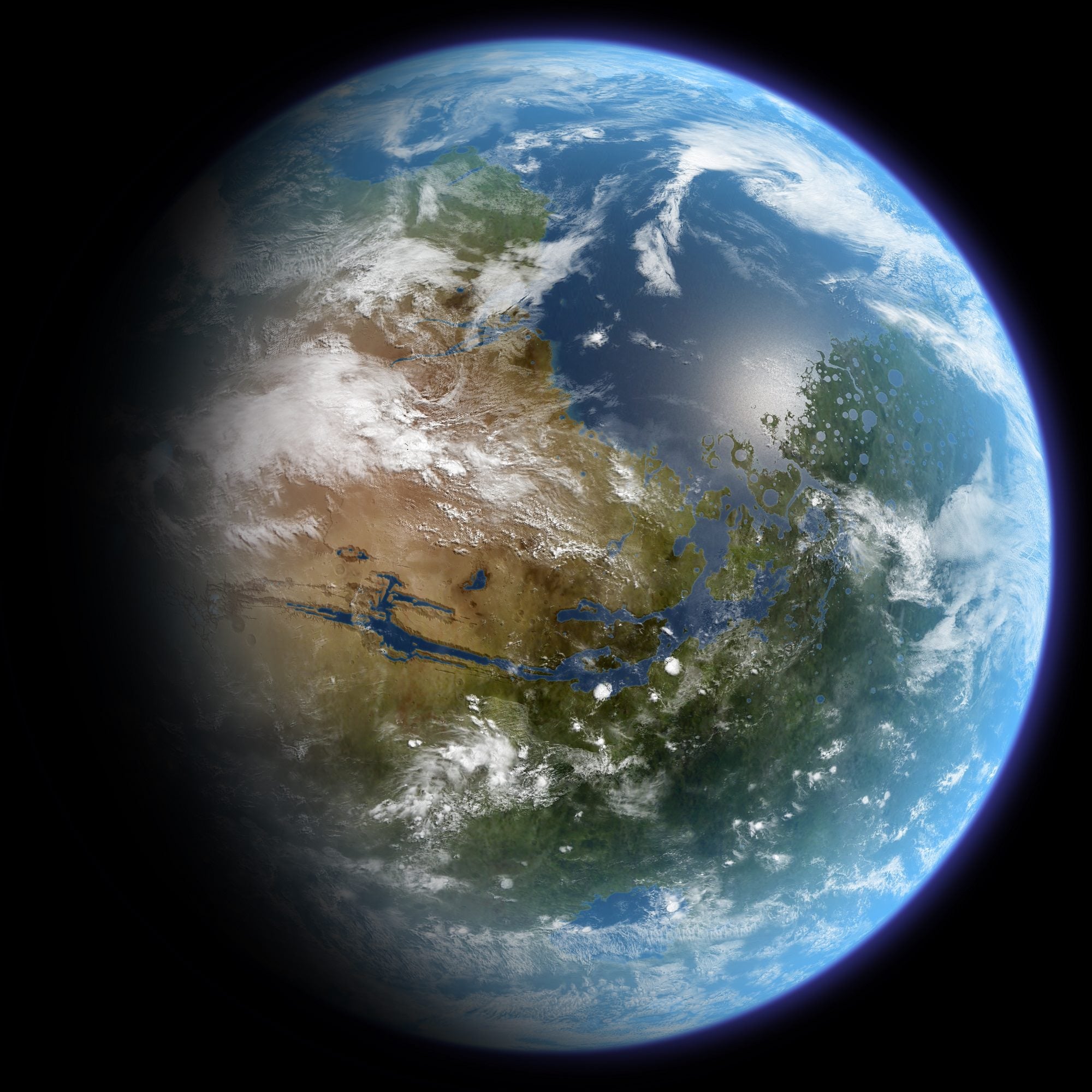
A team of international scientists recently conducted a study that indicates that cyanobacteria can conduct photosynthesis in low-light conditions, which has implications for plans to terraform Mars.
Continue reading
Continue reading
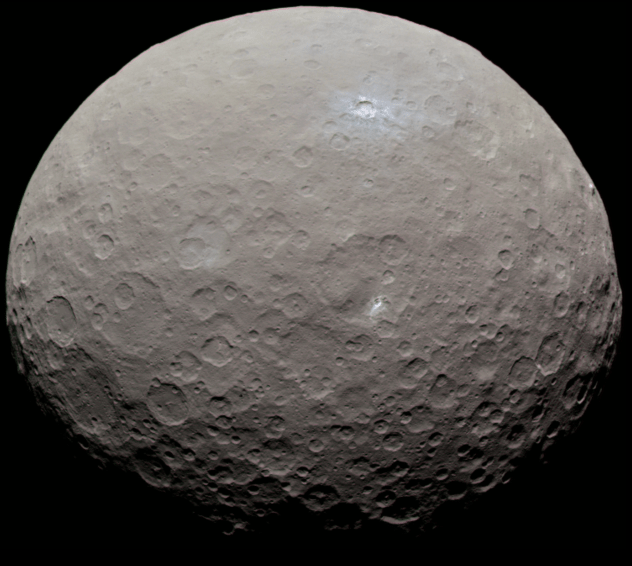
According to a new study from Brown University, it appears Ceres has more organic molecules on its surface than previously thought
Continue reading
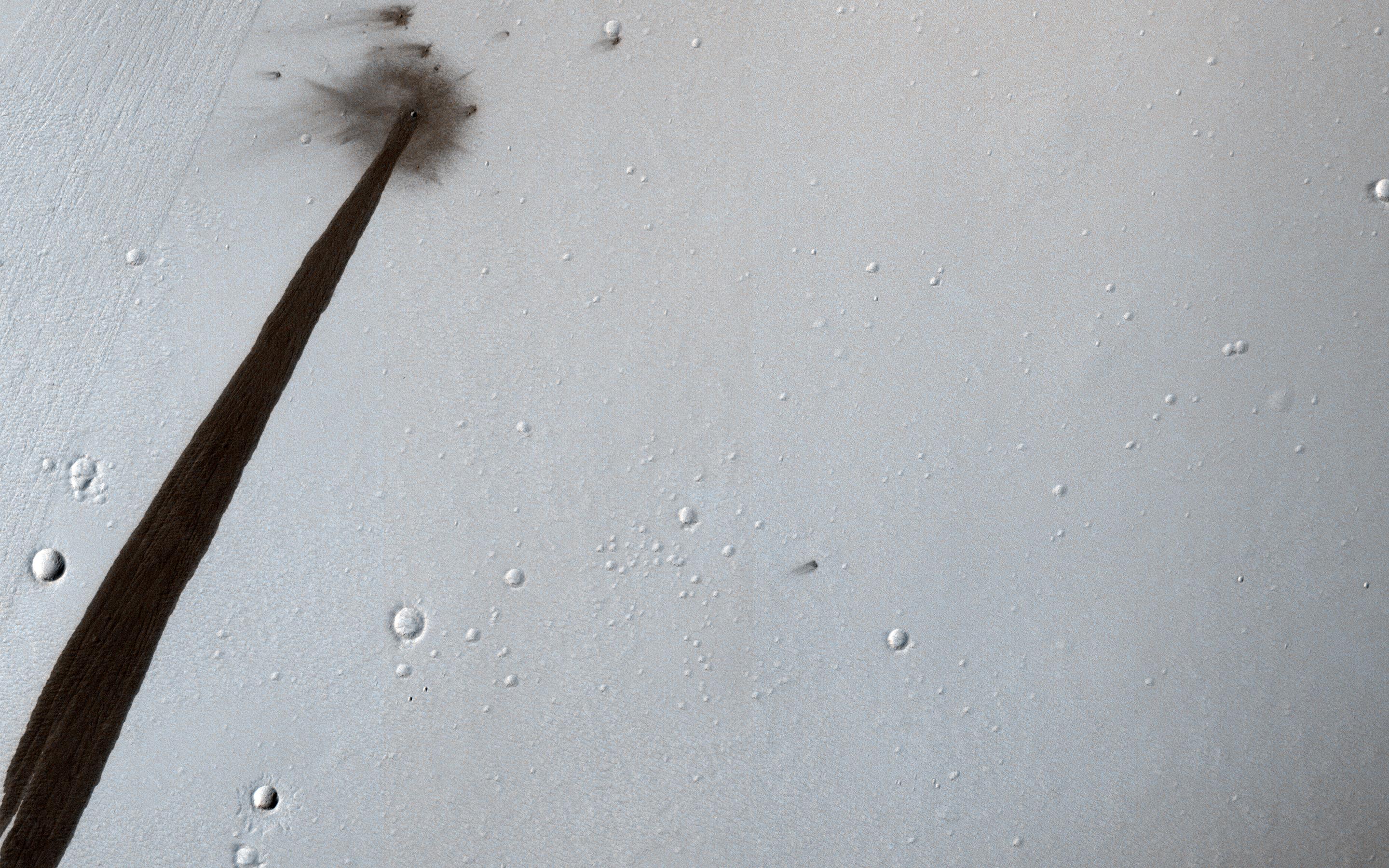
The Mars Reconnaissance Orbiter (MRO) recently captured an image of an impact crater on Mars that triggered an avalanche that left behind a dark streak.
Continue reading
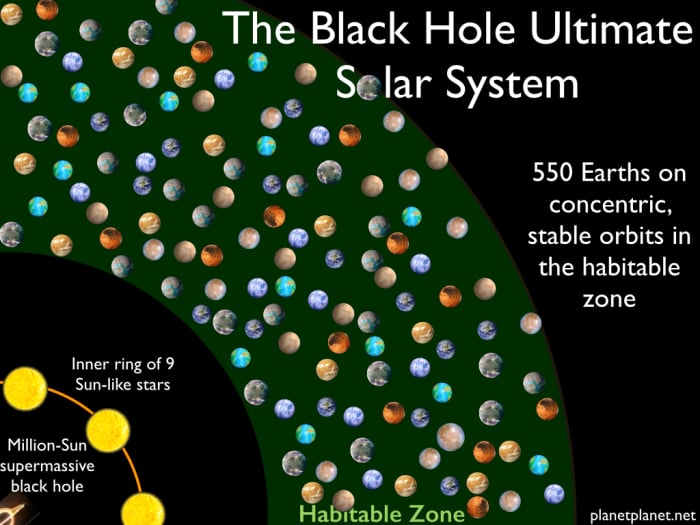
Physicist Dr. Sean Raymond recently created a hypothetical system where 550 planets and 9 Suns orbit around a central black hole, with fascinating results!
Continue reading

In a series of new studies, a pair of French researchers tackle the question of how many people would need to be sent on an interstellar journey to ensure that a healthy crew arrives.
Continue reading
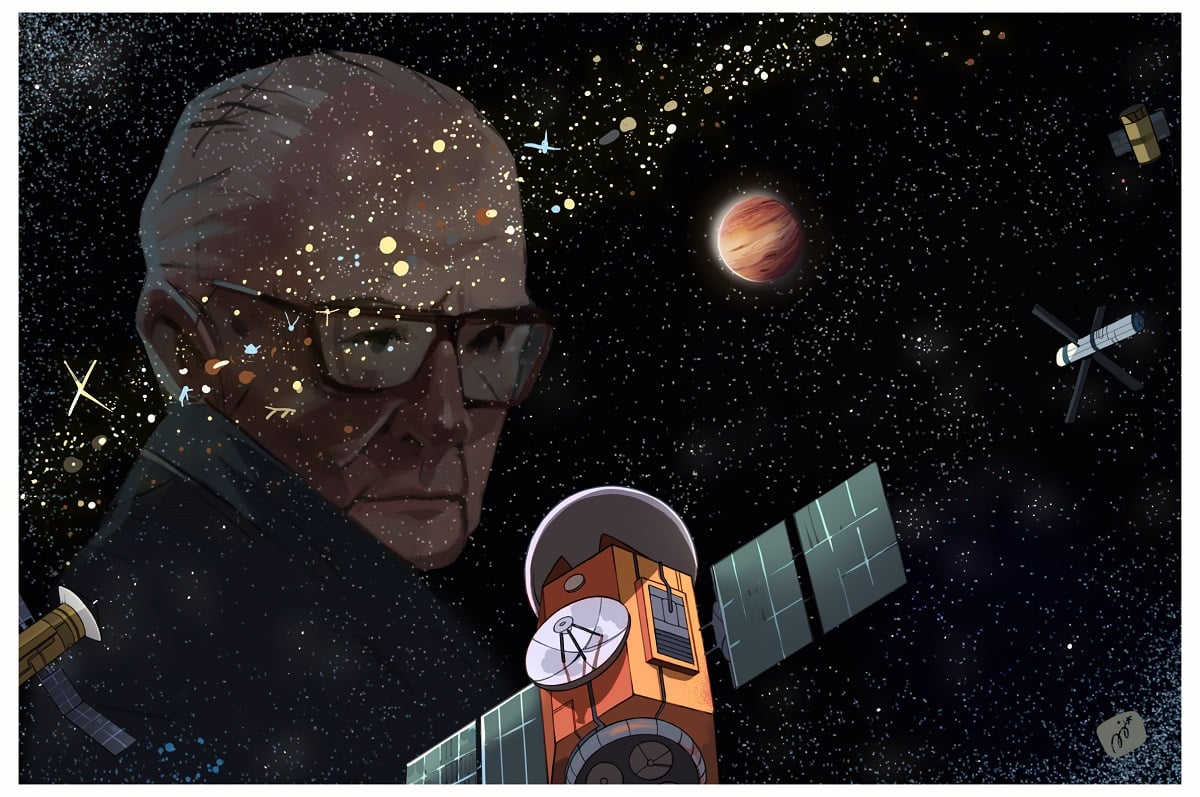
In a new study, astrophysicist Hector Socas-Navarro proposes searching for aliens by looking for signs of dense satellite rings around planets - aka. Clarke Belts.
Continue reading
Continue reading

Continue reading
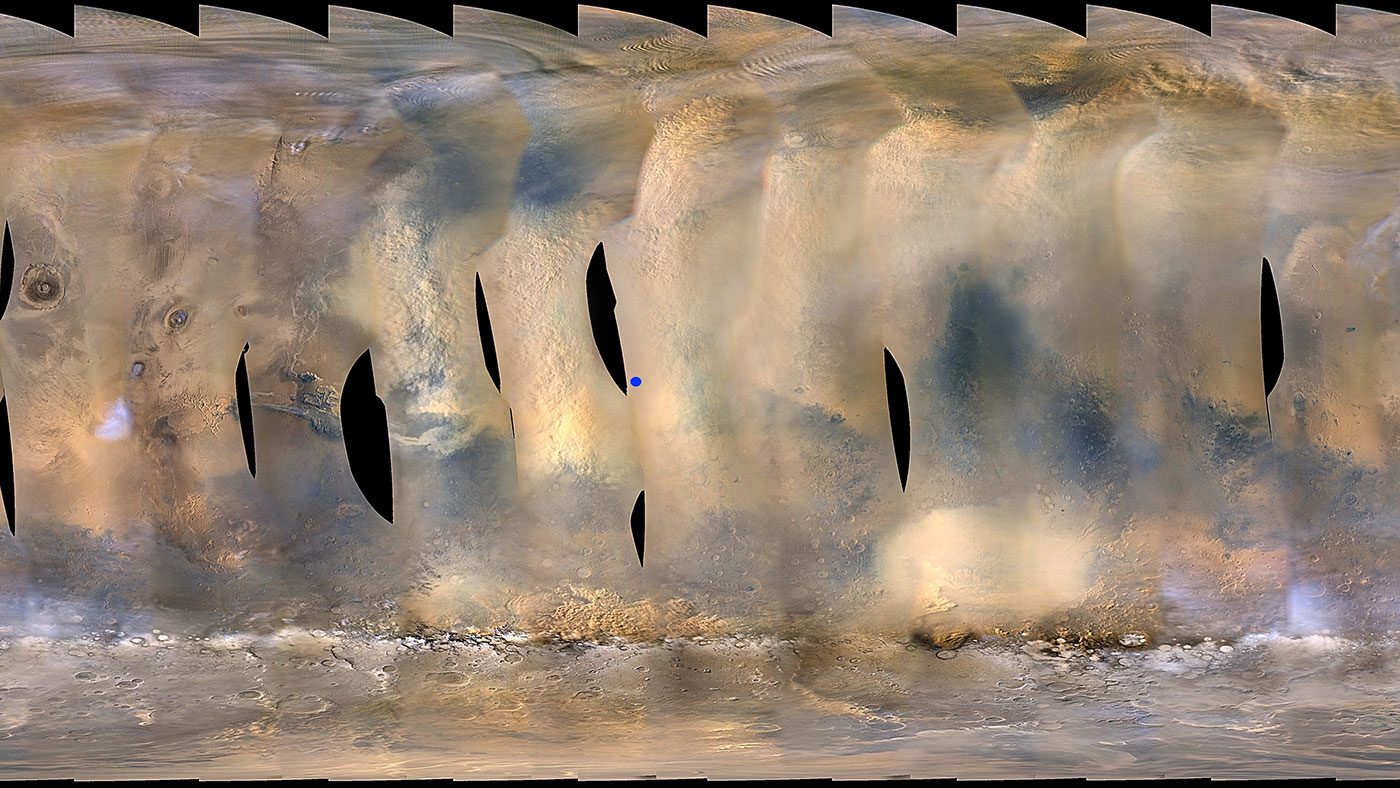
A massive Martian dust storm has settled in over the Opportunity rover's location in the Perseverance Valley, which could pose a danger to this rover's continuing mission.
Continue reading
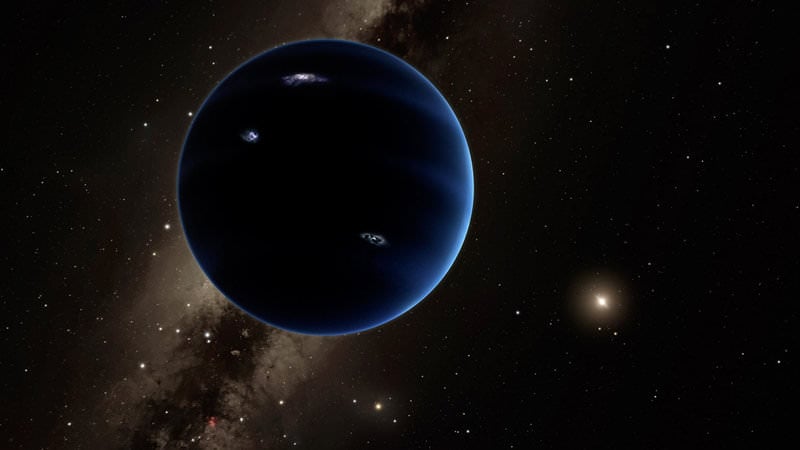
According to a new study by a team from CU Boulder, Planet 9 may not be necessary to explain the odd behavior of objects in the Kuiper Belt
Continue reading
Continue reading
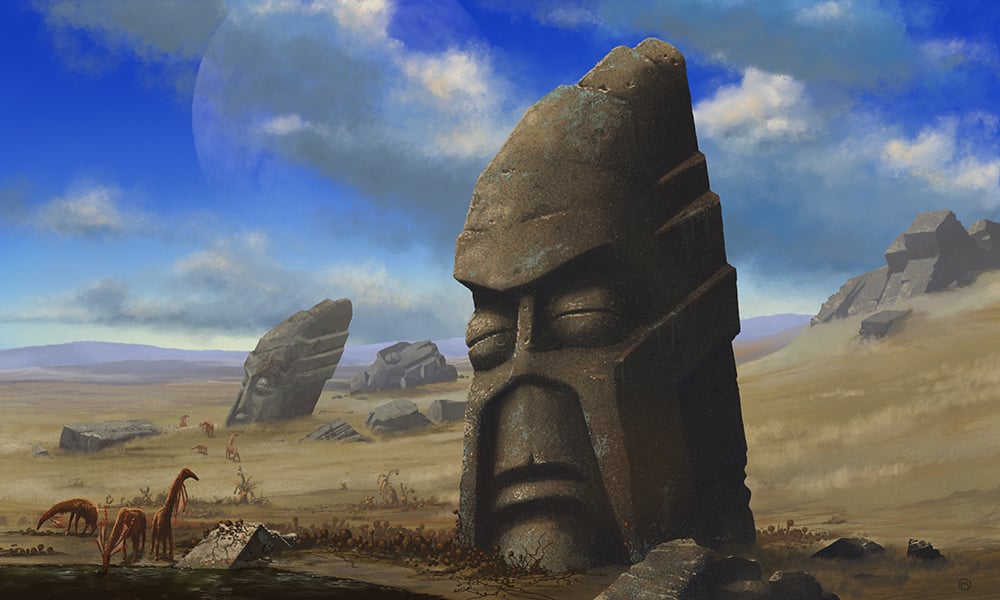
Addressing the Fermi Paradox, a team of researchers recently conducted a study predicts whether or not Climate Change may be what determines the fate of civilizations.
Continue reading
Continue reading
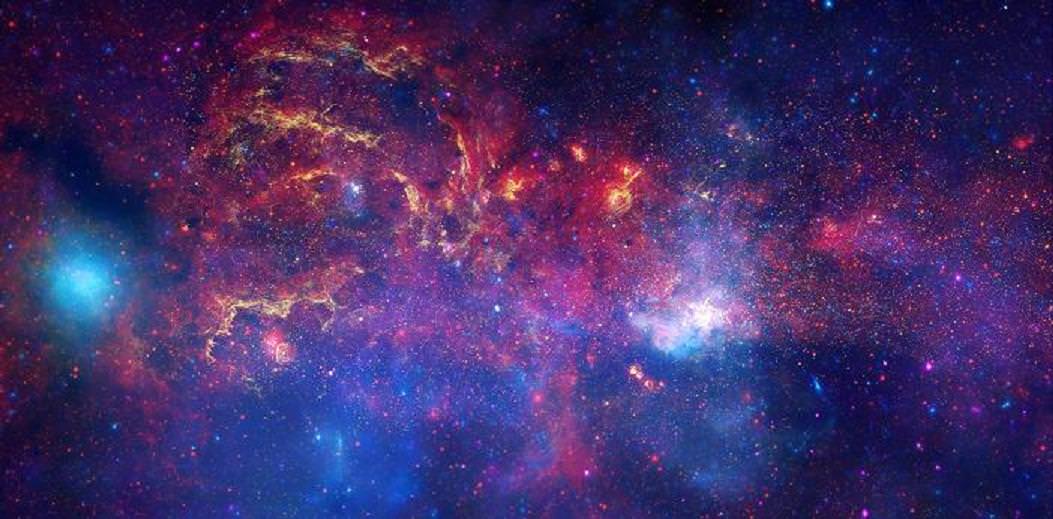
Using 12 years of data from the W.M. Keck Observatory, a team of astronomers discovered mystery objects near the center of the galaxy that could be "puffy" stars
Continue reading
In its latest discovery, the Curiosity rover detected organic molecules in an ancient deposit of sedimentary rock, bolstering the case that Mars may once have supported life.
Continue reading

Using over a decade of data collected by the Chandra X-ray observatory, a new study indicates that the Alpha Centauri system could be hospitable to life.
Continue reading
Breakthrough Starshot, a project that hopes to send a small spacecraft to Proxima Centauri in our lifetimes, is now looking for contractors to build its laser sail.
Continue reading
 Universe Today