China's Shenzhou-21's Crew Test New Spacesuits During Spacewalk
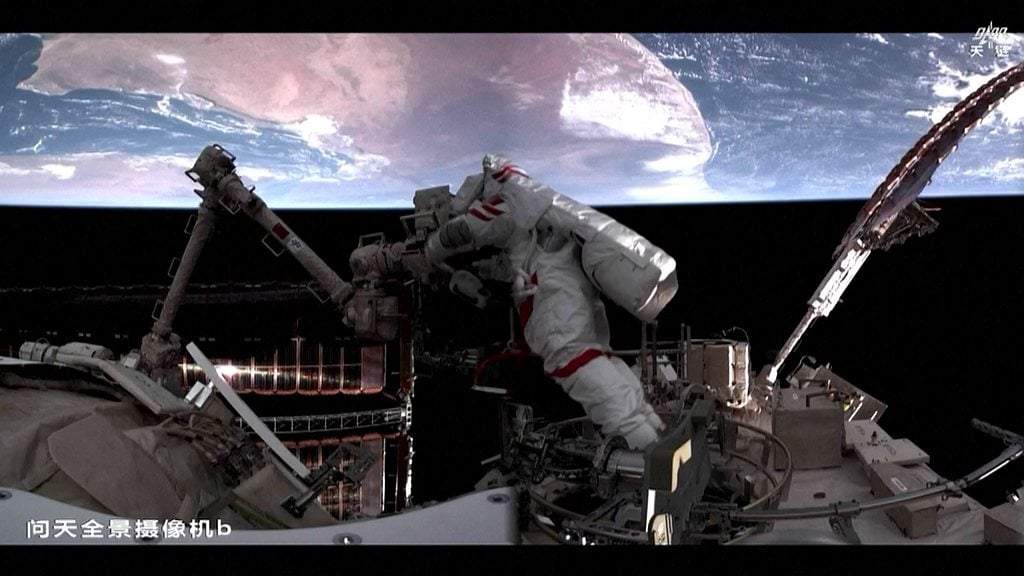
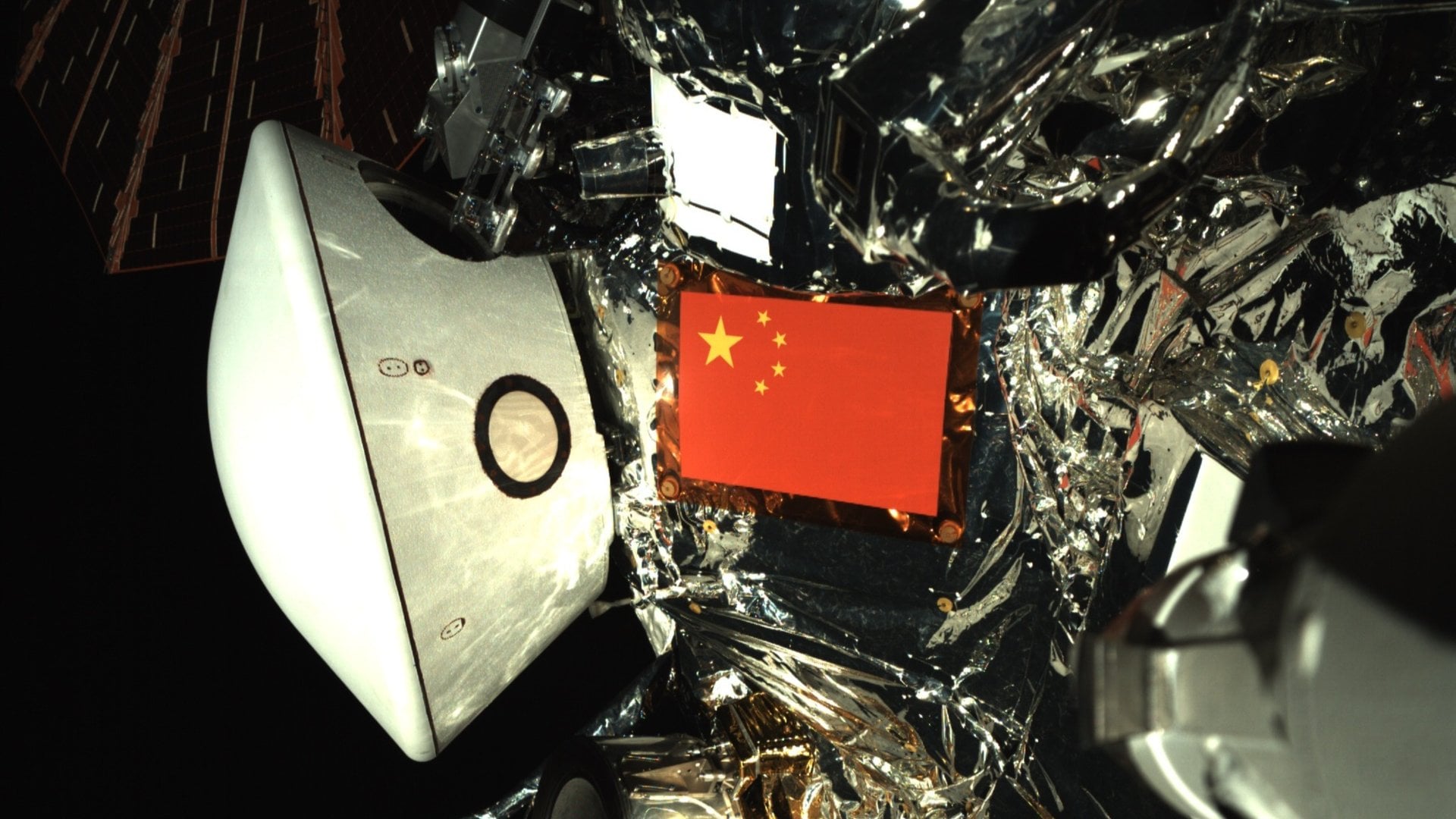
The Shenzhou-21 crew on board China's orbiting space station completed its first extravehicular activities on Tuesday, Dec. 9th, during which they validated the new EVA spacesuits.
Space missions and spacecraft
The Shenzhou-21 crew on board China's orbiting space station completed its first extravehicular activities on Tuesday, Dec. 9th, during which they validated the new EVA spacesuits.
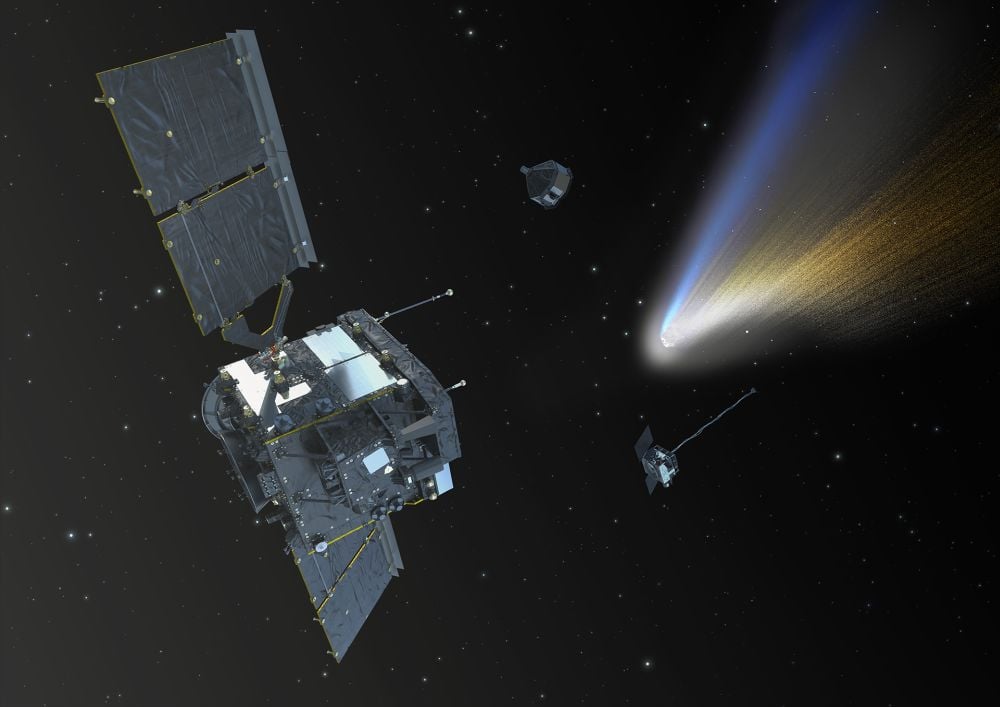
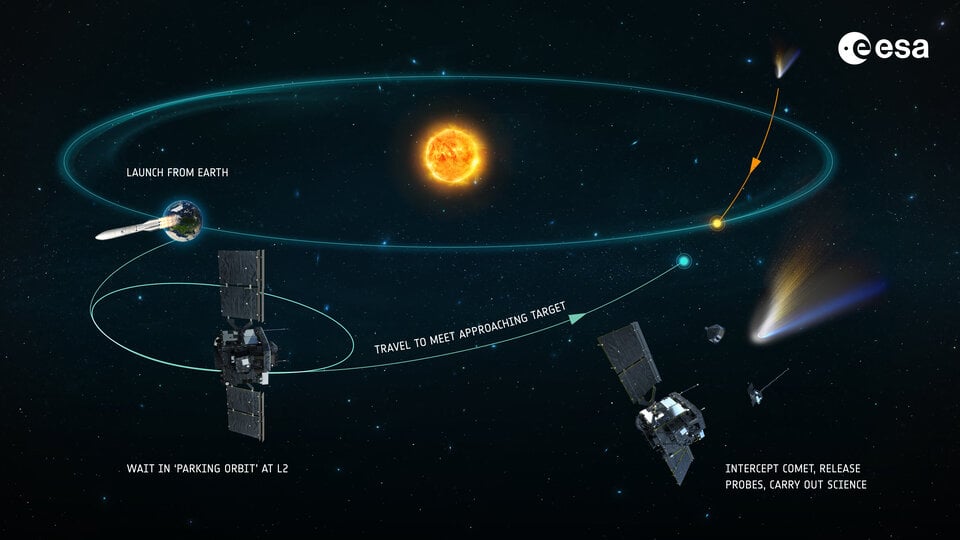
arXiv:2512.00492v1 Announce Type: new Abstract: We describe how the ESA Comet Interceptor mission, which is due to launch in 2028/29 to a yet-to-be-discovered target, can provide a conceptual basis for a future mission to visit an Interstellar Object. Comet Interceptor will wait in space until a suitable long period comet is discovered, allowing rapid response to perform a fast flyby of an object that will be in the inner Solar System for only a few years; an enhanced version of this concept ...
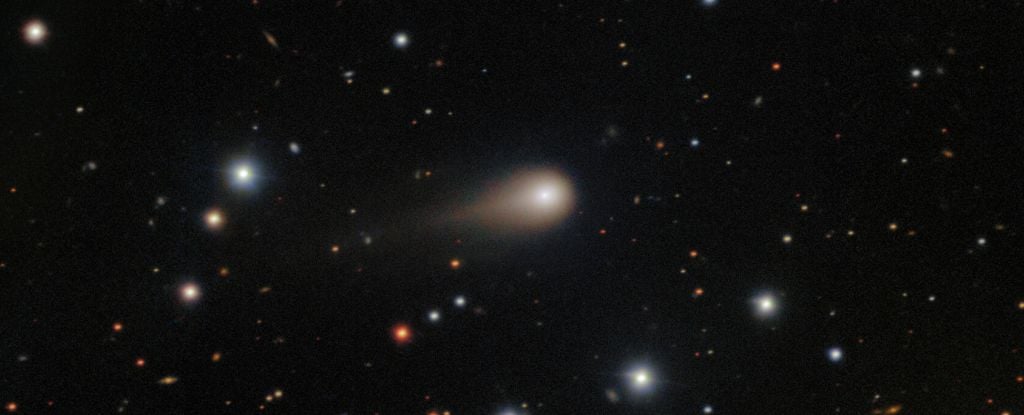
There’s been a lot of speculation recently about interstellar visitor 3I/ATLAS - much of which is probably caused by low quality data given that we have to observe it from either Earth, or in some case Mars. In either case it’s much further away that what would be the ideal. But that might not be the case for a future interstellar object. The European Space Agency (ESA) is planning a mission that could potentially visit a new interstellar visitor, or a comet that is making its first pass into the inner solar system. But, given the constraints of the mission, any such potential target object would have to meet a string of conditions. A new paper by lead Professor Colin Snodgrass of the University of Edinburgh of his colleagues, discusses what those conditions are, and assesses the likelihood that we’ll find a good candidate within a reasonable time of the mission's launch.
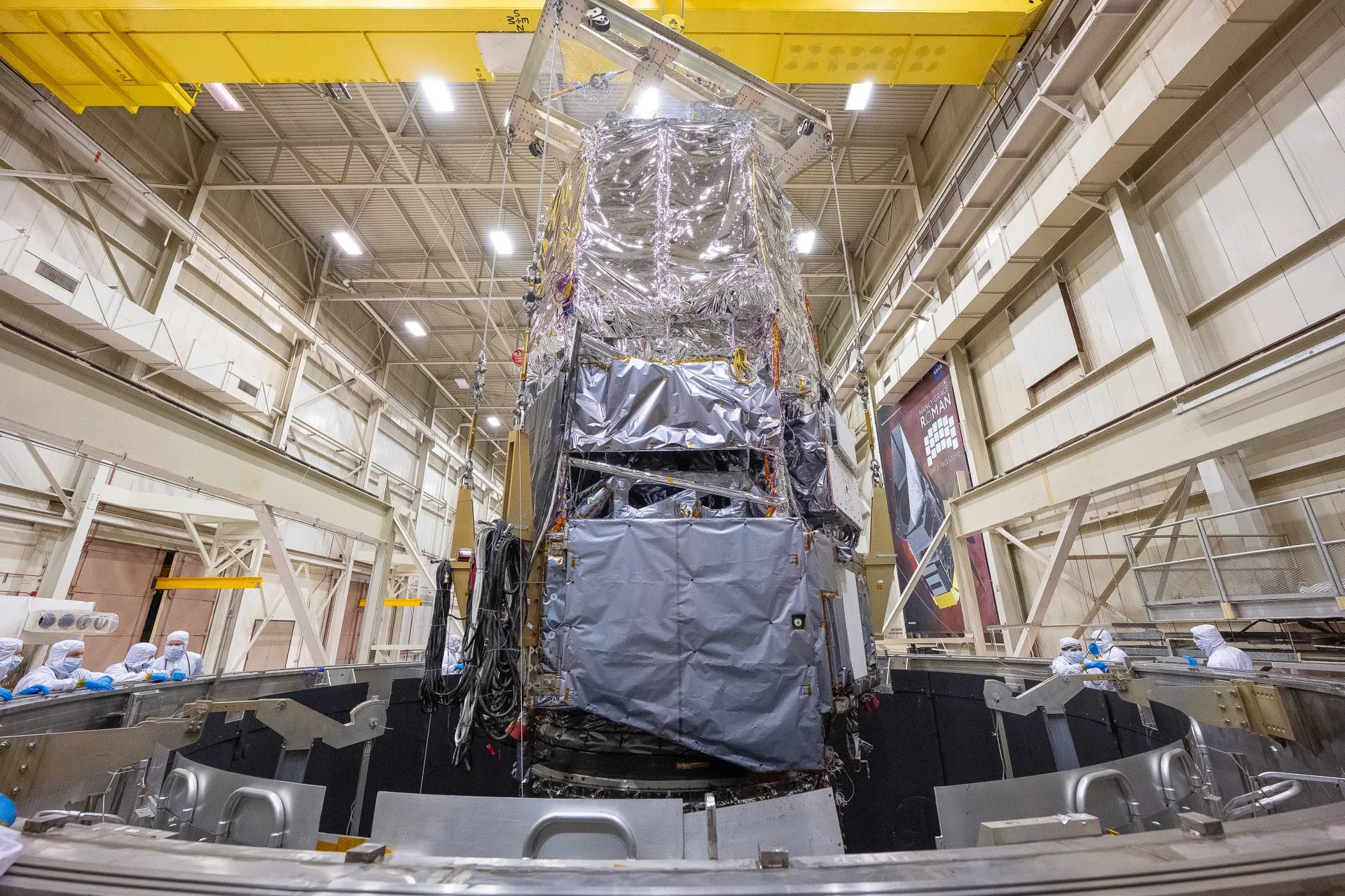
The Nancy Grace Roman Space Telescope continues its inexorable march toward launch. It recently completed another series of tests that brings it a few steps closer to a launch pad in Florida. This time, the telescope was split into two separate parts - an inner portion and an outer portion, each of which went through separate tests throughout the fall.
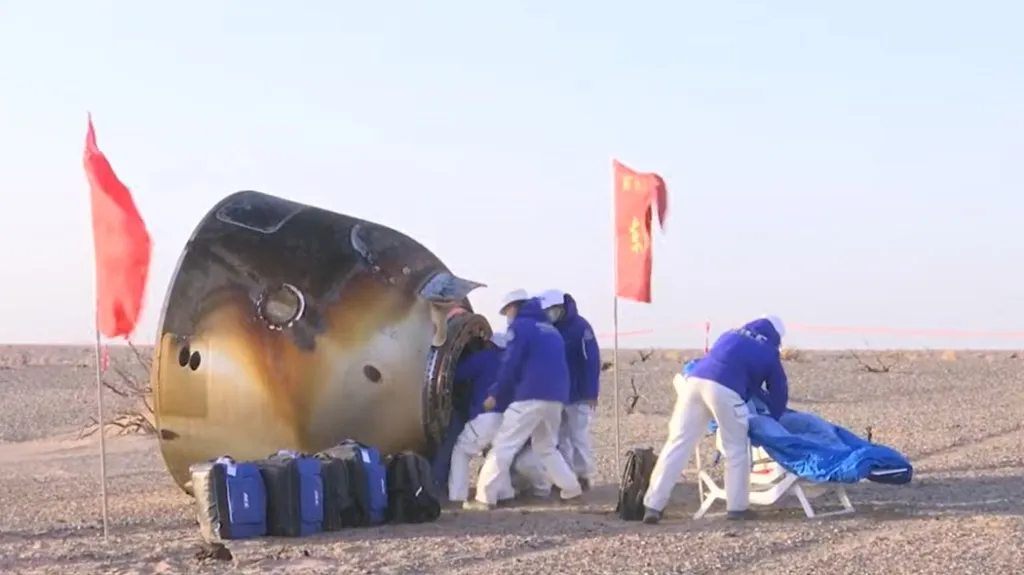
The Shenzhou-20 mission's three-person crew has returned home after more than a week of delays caused by damage to their spacecraft, allegedly caused by an impact with a tiny piece of space debris.
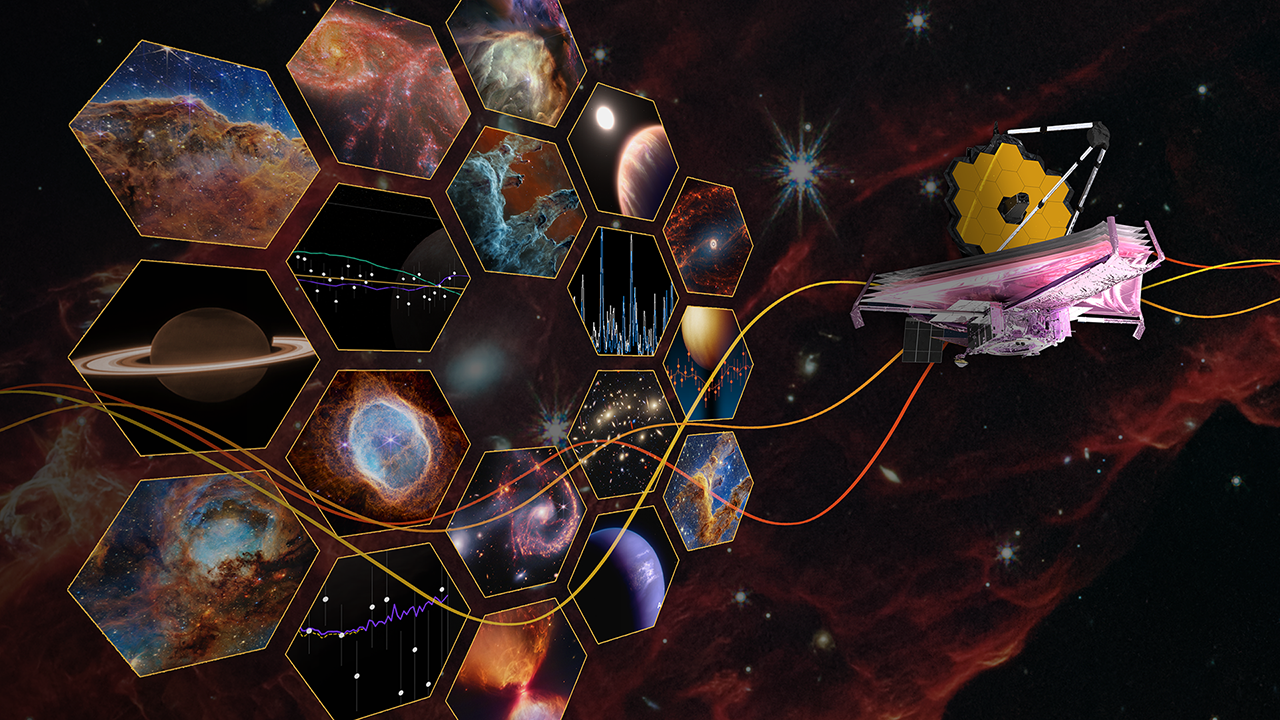
Getting time on the James Webb Space Telescope (JWST) is the dream of many astronomers. The most powerful space telescope currently in our arsenal, the JWST has been in operation for almost four years at this point, after a long and tumultuous development time. Now, going into its fifth year of operation, the Space Telescope Science Institute (STScI), the organization that operates the science and mission operations centers for the JWST has received its highest number ever of submission for observational programs. Now a team of volunteer judges and the institute's scientists just have to pick which ones will actually get telescope time.
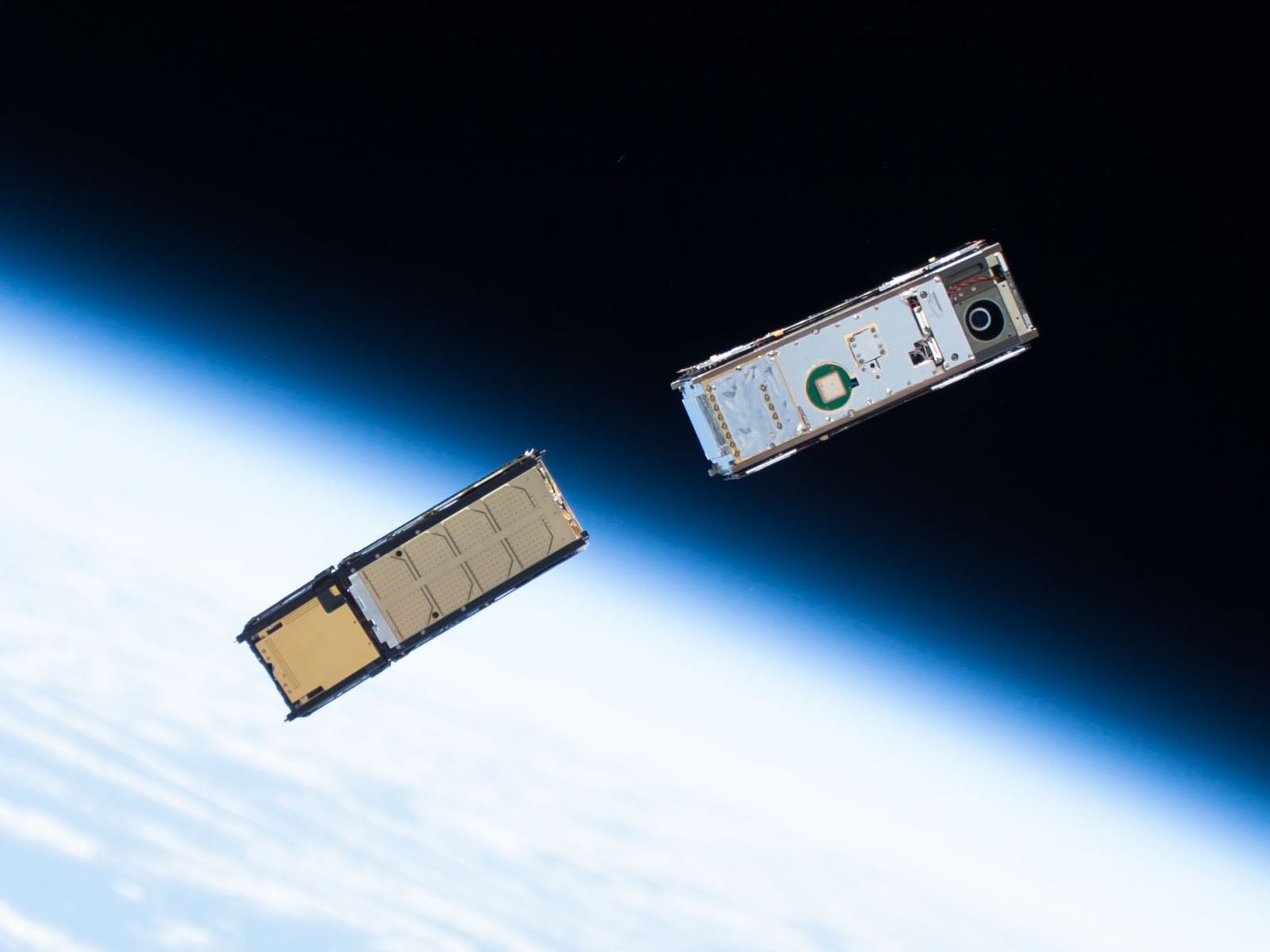
Google's Project Suncatcher is fascinating solution to AI's massive energy demands…. building data centres in space powered directly by the solar power. The company's new research explores the possibility of constellations of satellites equipped with processors flying in tight formation just hundreds of meters apart, connected by terabit per second laser links to distribute information. Early testing shows their chips are surprisingly radiation resistant, while falling launch costs could make space based computing economically viable by the mid 2030s. With a prototype mission planned for 2027, this could fundamentally change where our most powerful computing infrastructure is located.
Aboard China's space station, astronauts have begun using a new hot air oven delivered by Shenzhou XXI to prepare freshly baked dishes, including chicken wings and steaks, as shown in a recent video from orbit.
It’s almost become expected that many space telescopes and probes can have “extended missions”. Both Voyagers are still sending data back 40+ years after their 5-year primary mission ended. But figuring out what to do with those spacecraft after their primary mission takes some negotiation. One such craft that will reach its end-of-mission in 2030 is Euclid, which is currently on a mission to map the “dark universe” of dark energy and dark matter. According to a new paper from Luigi “Rolly” Bedin of the Astronomical Institute of Padova, which is available in pre-print form on arXiv, for its second act we could turn Euclid into the most powerful astrometric telescope ever made.
Lockheed Martin Skunk Works has executed the first test flight of the X-59 quiet supersonic aircraft in partnership with NASA. The first flight was subsonic, but eventually the plane will demonstrate technologies aimed at reducing sonic booms to gentle thumps.
All sorts of crazy things have been suggested regarding 3I/ATLAS, the third known interstellar object that we’ve discovered. Some are simply conspiracy theories about it being an alien spacecraft, while others have been well-thought out suggestions, like using Martian-based probes to observe the comet as it streaked past the red planet. A new paper pre-published on arXiv and accepted for publication by the Research Notes of the American Astronomical Society by Samuel Grand and Geraint Jones, of the Finnish Meteorological Institute and ESA respectively, falls into the latter category, and suggests utilizing two spacecraft already en route to their separate destinations to potentially detect ions from the object’s spectacular tail that has formed as it approaches the Sun.
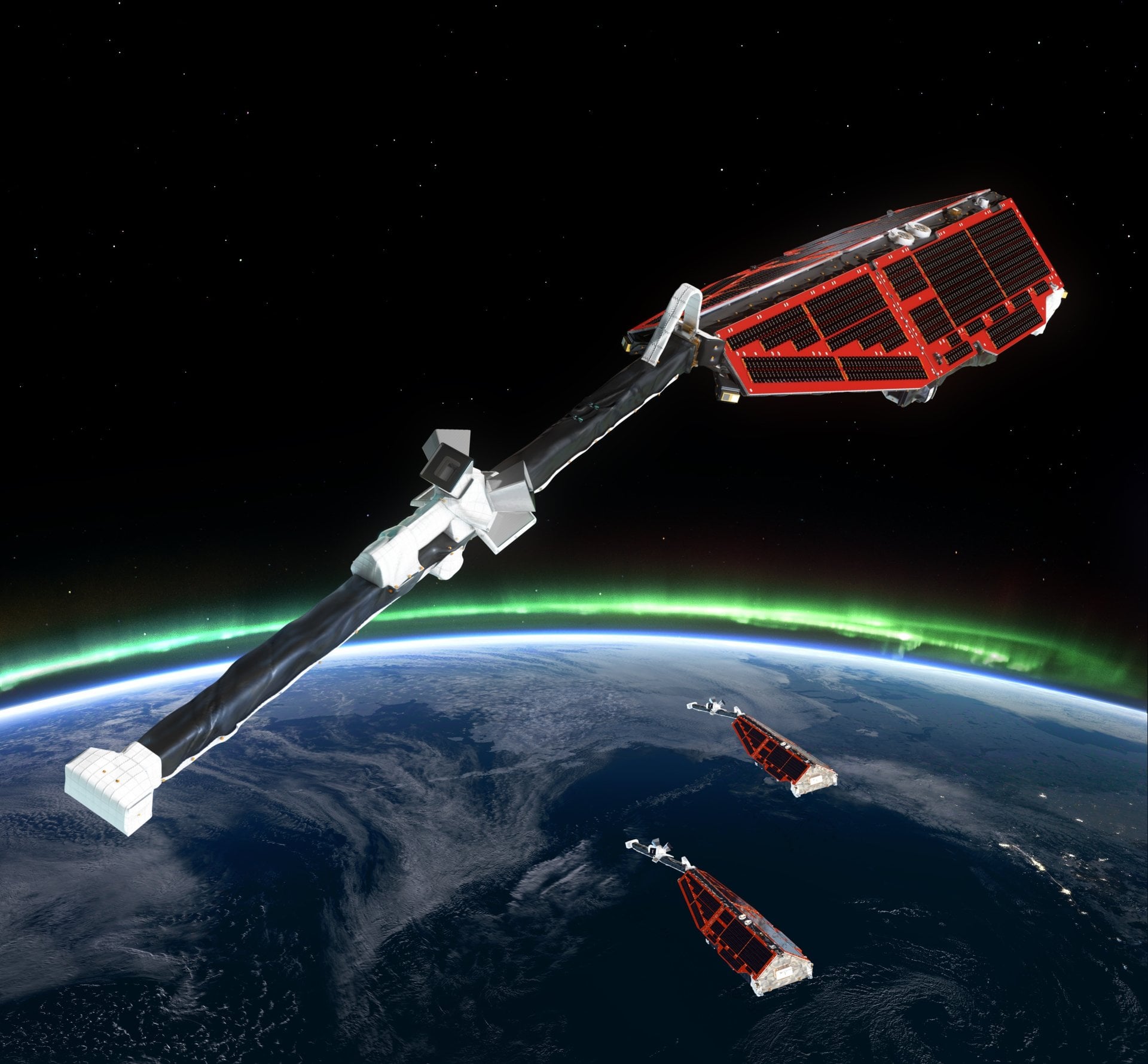
Earth is a dynamic place, both on its surface and down to its very core. The European Space Agency (ESA) recently released findings from its Swarm constellation of Earth-observing satellites highlighting this fact, documenting activity in the planet’s magnetic field during its decade plus of extended operations. One key finding shows the well-known Southern Atlantic Anomaly is expanding in size.
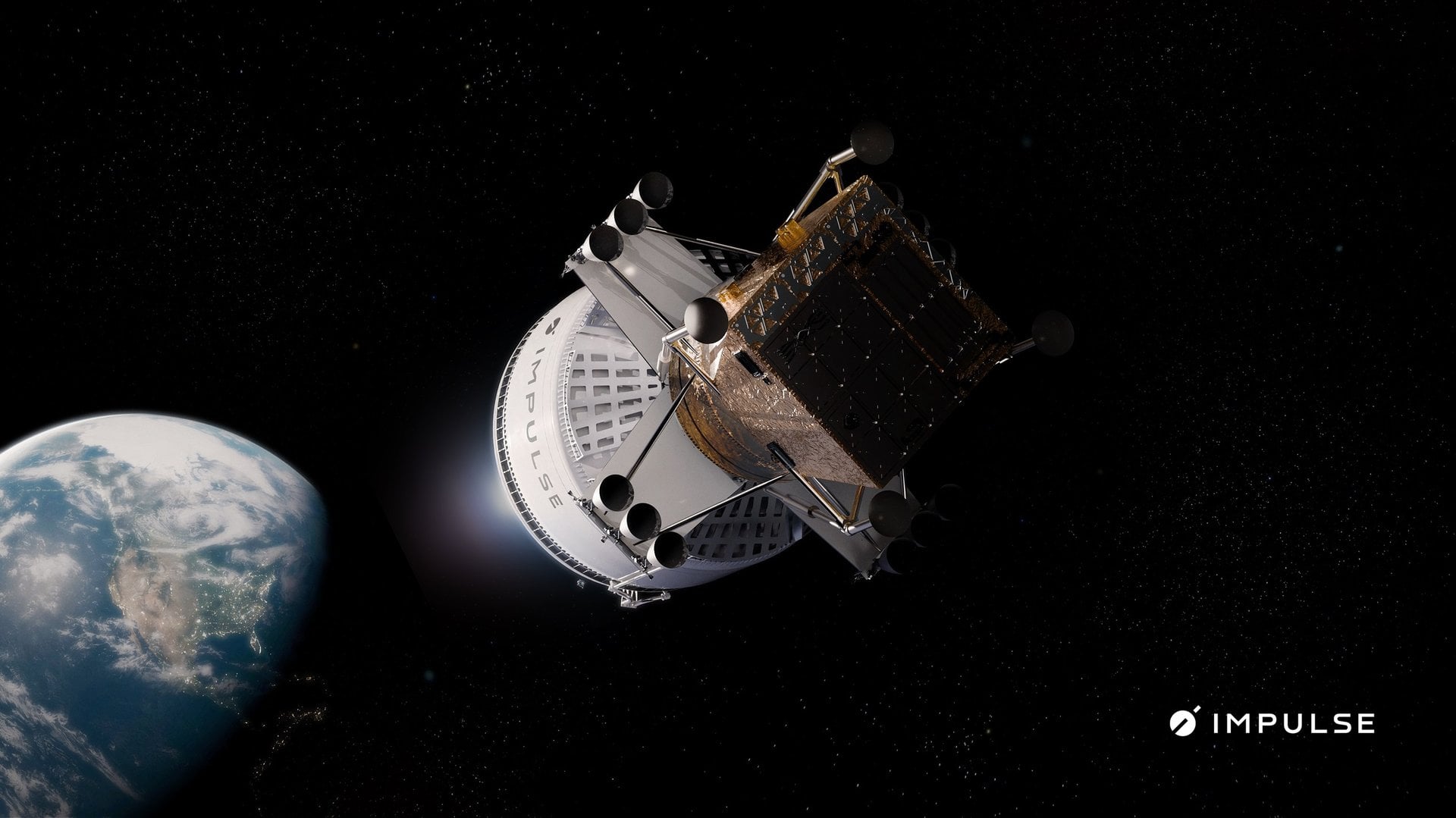
Impulse Space, the California-based venture founded by veteran SpaceX engineer Tom Mueller, has unveiled its proposed architecture for delivering medium-sized payloads to the moon, starting as early as 2028.
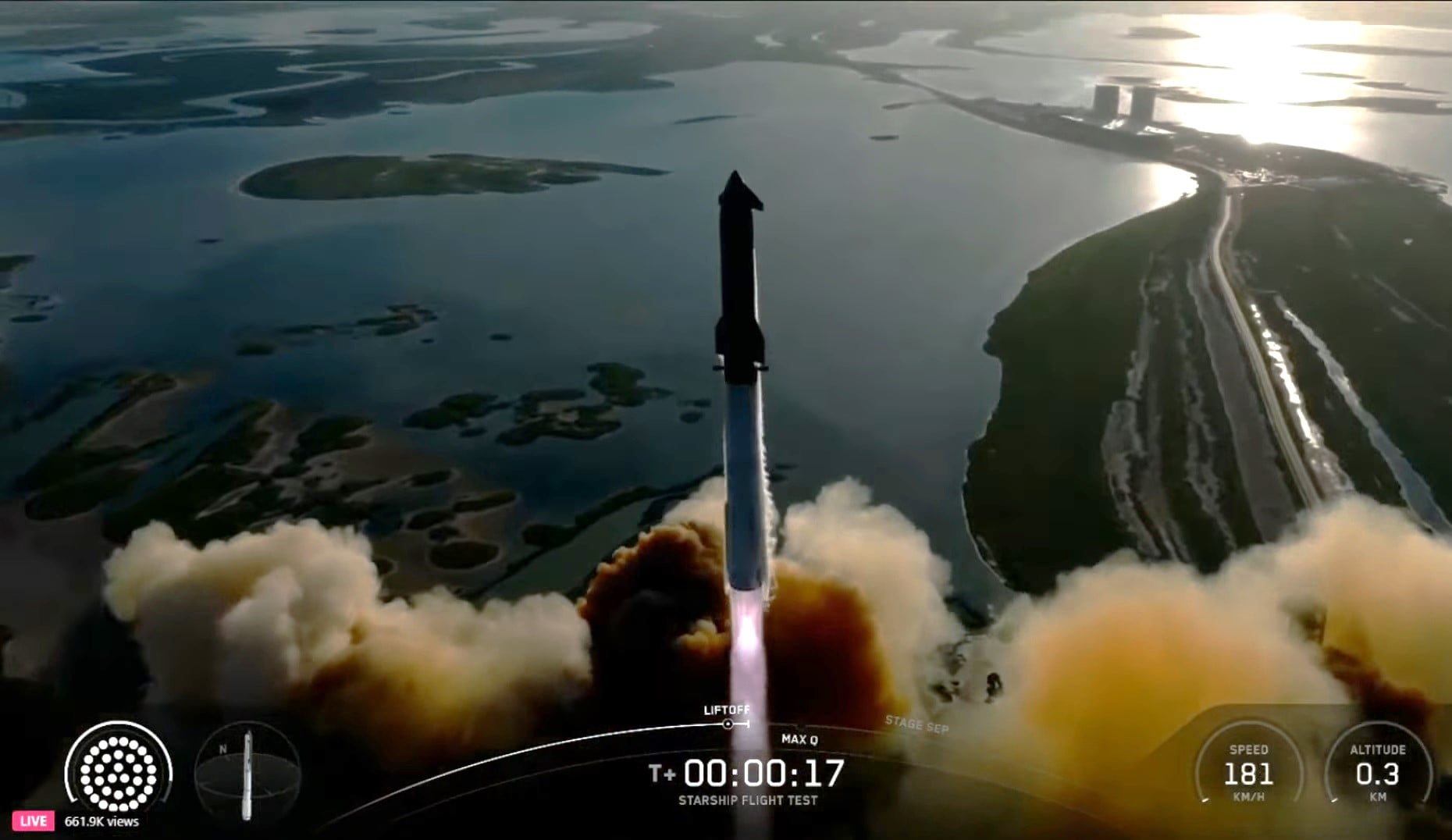
SpaceX closed out a dramatic chapter in the development of its super-heavy-lift Starship launch system with a successful flight test that mostly followed the script for the previous flight test.
The JWST has pushed the boundaries of exoplanet characterization. But one thing it hasn't done yet is to determine if rocky exoplanets close to our Solar System can retain their atmospheres. The authors of a new study propose a new "five-scale height challenge" that will help astronomers obtain more precise atmospheric information on rocky exoplanets using Webb.
The China National Space Administration on Wednesday released a breathtaking image captured by the Tianwen-2 probe, showing the spacecraft and Earth framed together in a "celestial selfie."
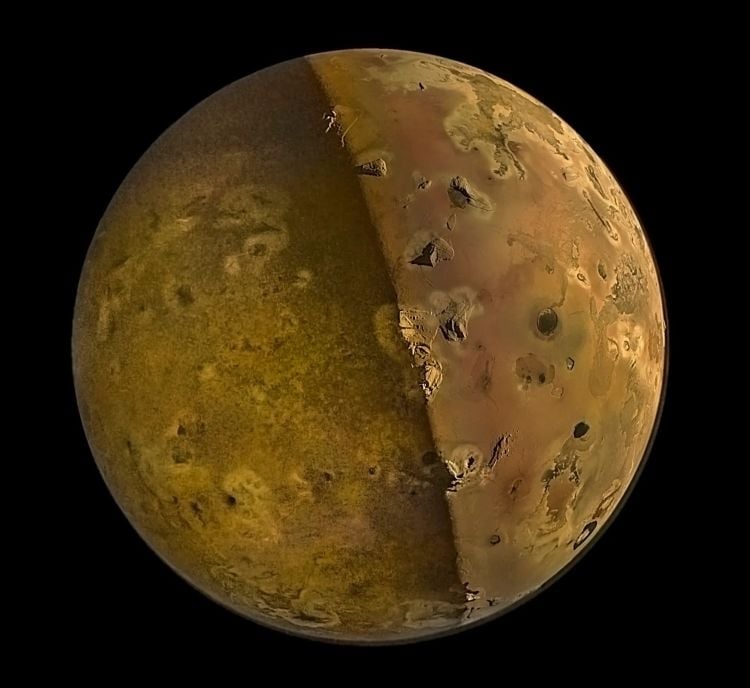
What type of lander could touch down on Jupiter’s volcanic moon, Io? This is what a recent paper presented at the AIAA 2025 Regional Student Conference hopes to address as a team of student engineers from Spartan Space Systems at San Jose State University investigated a novel concept for landing a spacecraft in Io, which is the most volcanically active planetary body in the solar system. This study has the potential to help scientists and engineers develop new mission concepts from all levels of academia and industry.
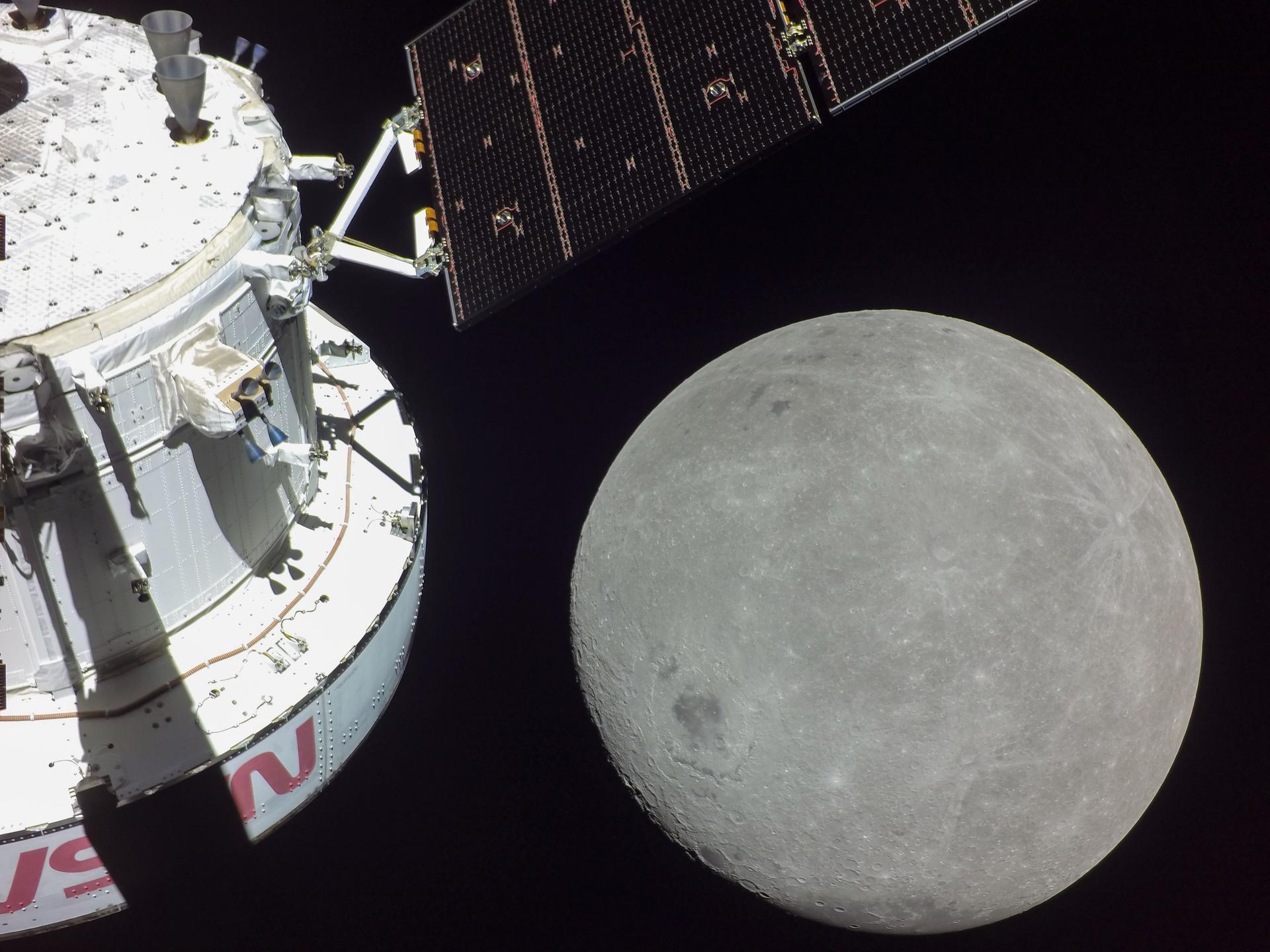
NASA announced that Artemis II, the first crewed mission to the Moon since the Apollo Era, will launch by February 2026. The crew has named their spacecraft "Integrity" to honor the efforts those working tirelessly to realize NASA's long-awaited return to the Moon.
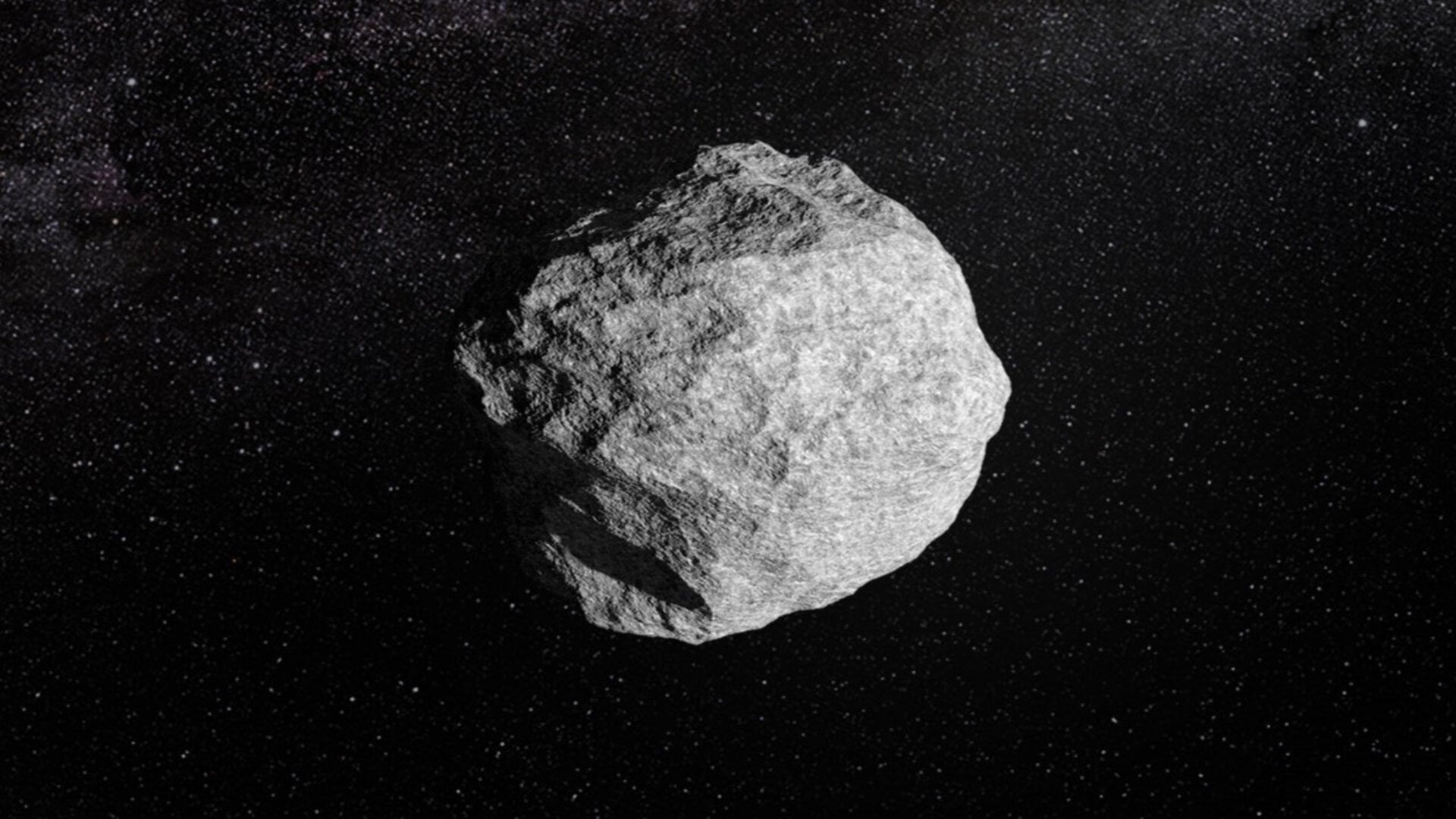
arXiv:2509.12351v1 Announce Type: new Abstract: Near-Earth asteroid 2024 YR4 was discovered on 2024-12-27 and its probability of Earth impact in December 2032 peaked at about 3% on 2025-02-18. Additional observations ruled out Earth impact by 2025-02-23. However, the probability of lunar impact in December 2032 then rose, reaching about 4% by the end of the apparition in May 2025. James Webb Space Telescope (JWST) observations on 2025-03-26 estimated the asteroid's diameter at 60 +/- 7 m. Stu...
Hayabusa 2 may need to alter its visit to its next target. VLT observations show that the asteroid 1998 KY26 is three times smaller than thought and spinning much more rapidly.