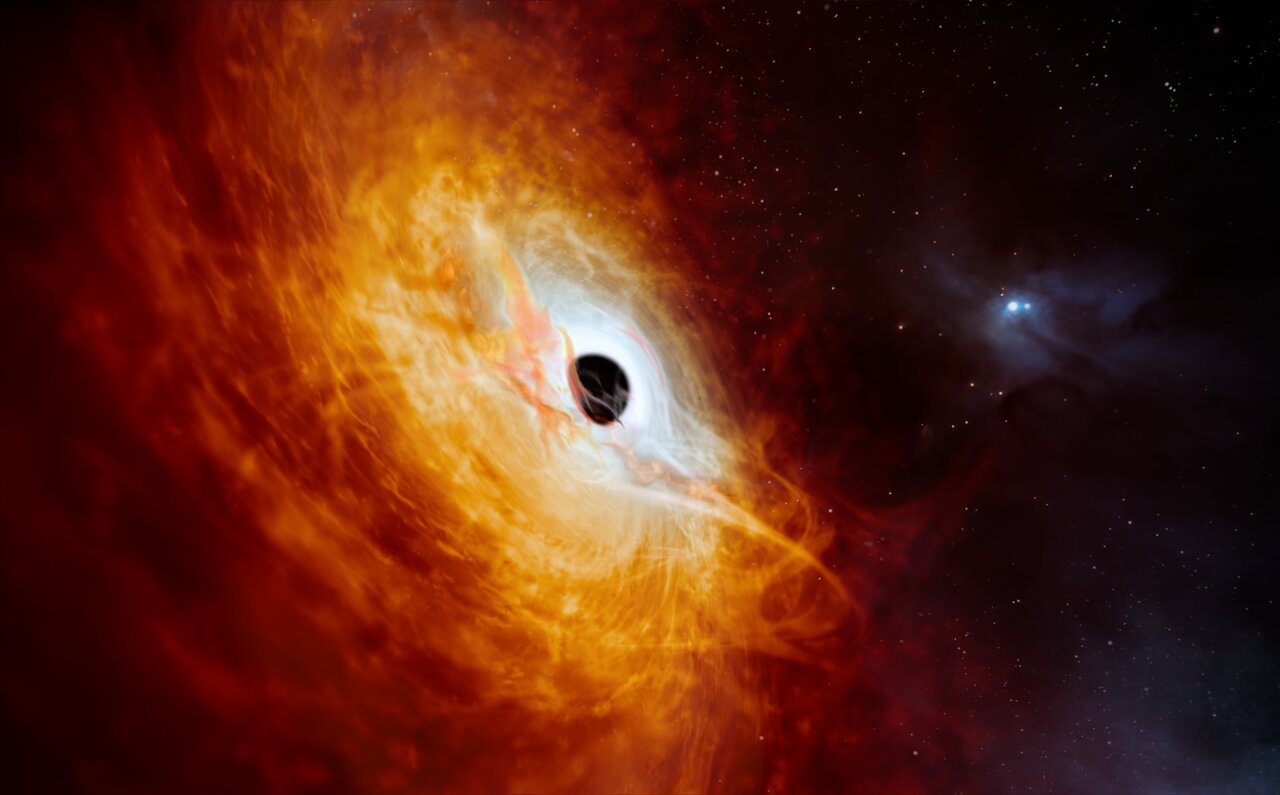
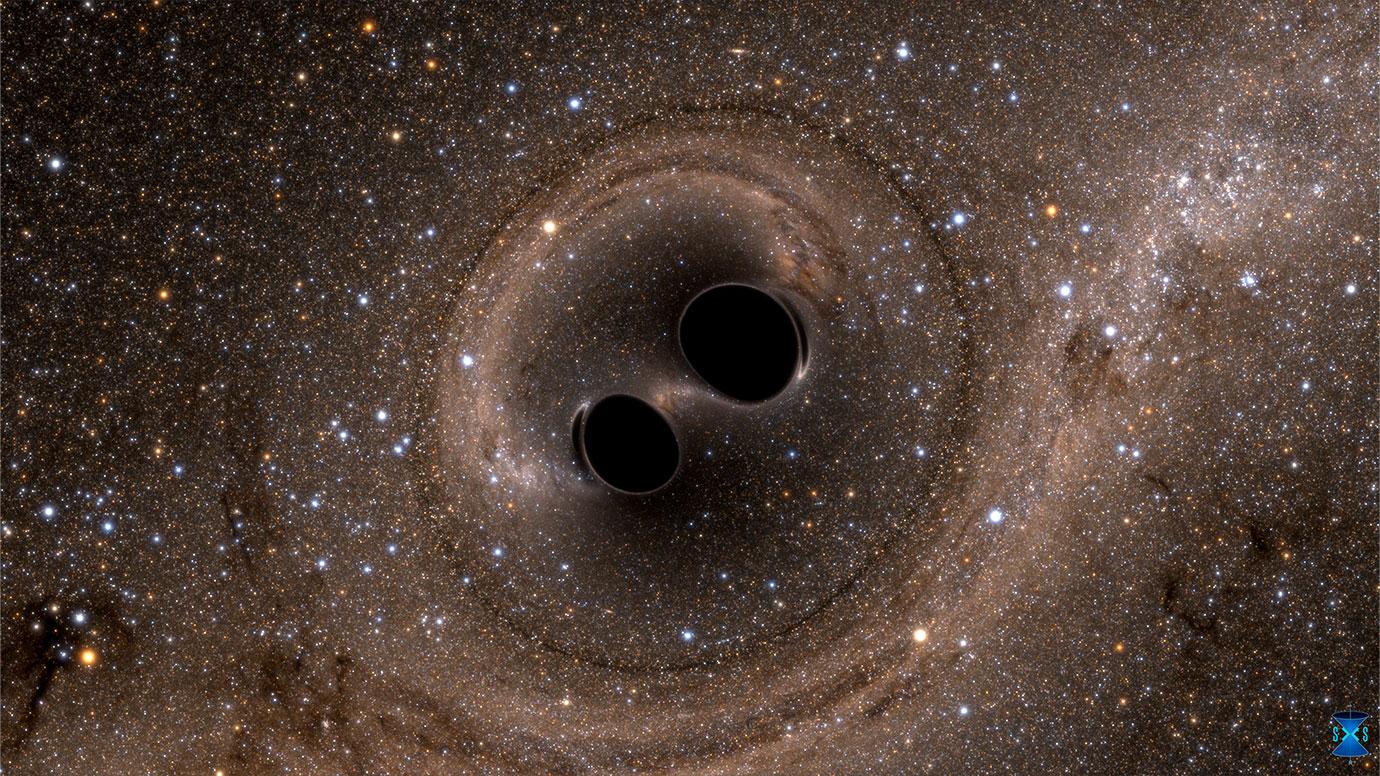
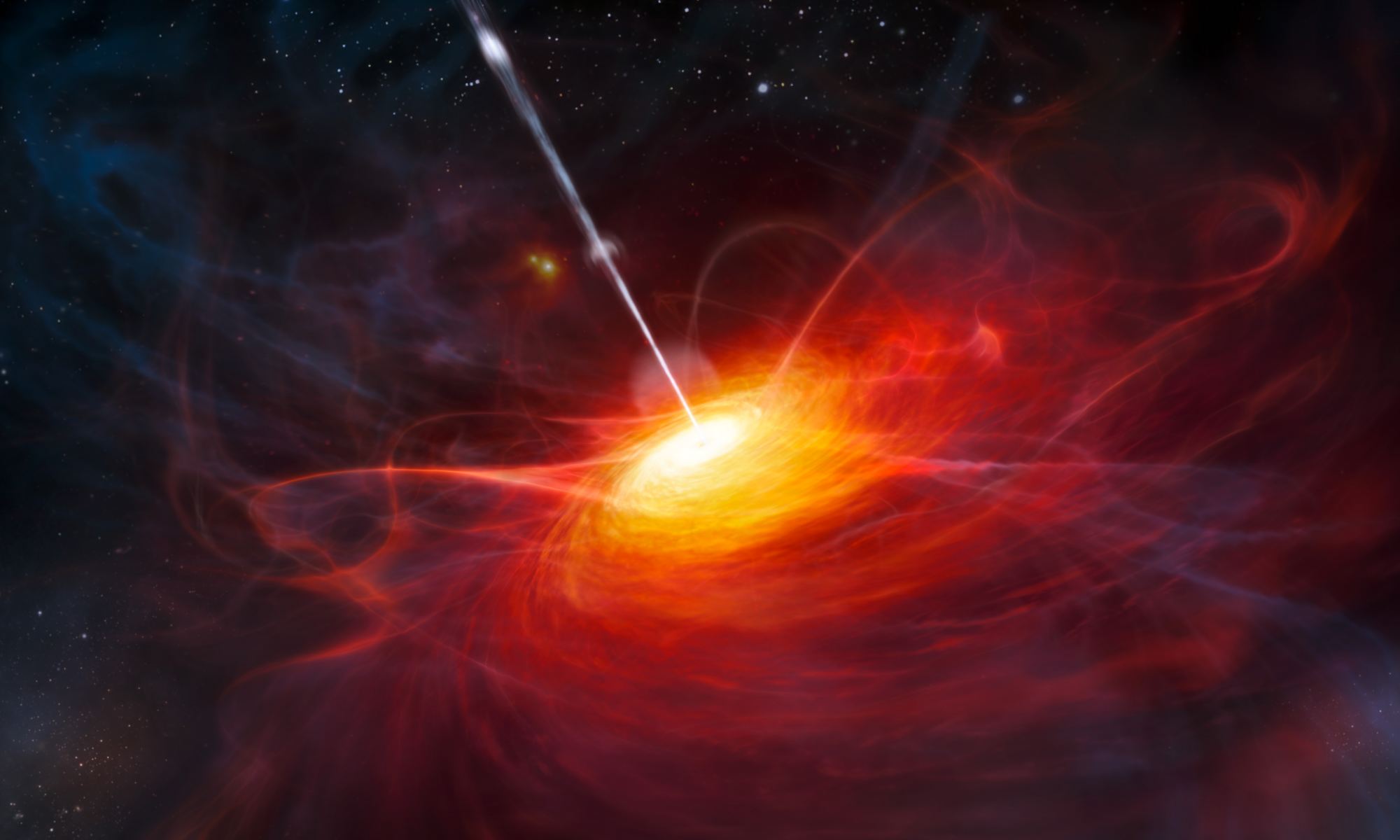
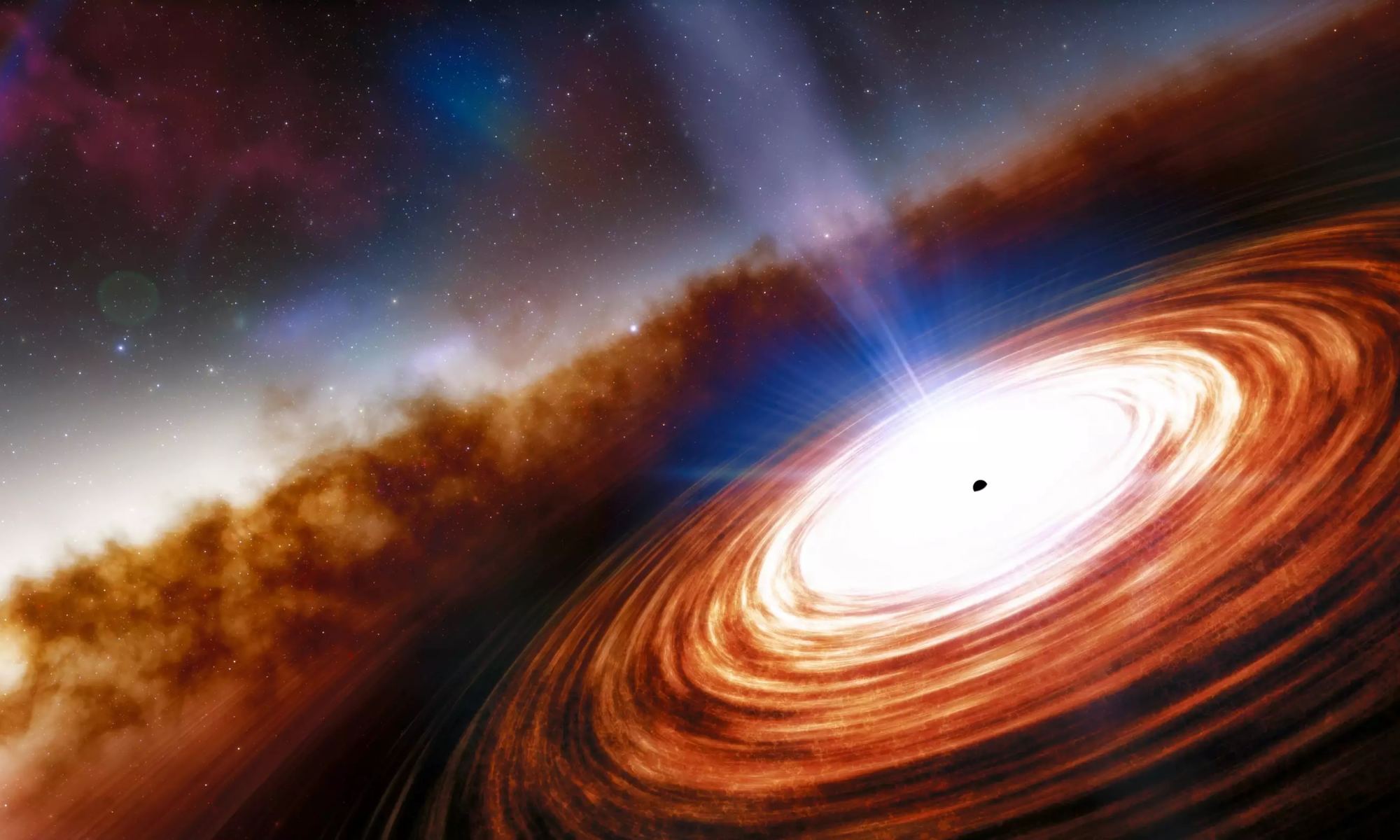
Quasars, short for quasi-stellar objects, are one of the most powerful and luminous classes of objects in our Universe. A subclass of active galactic nuclei (AGNs), quasars are extremely bright galactic cores that temporarily outshine all the stars in their disks. This is due to the supermassive black holes in the galactic cores that consume material from their accretion disks, a donut-shaped ring of gas and dust that orbit them. This matter is accelerated to close to the speed of light and slowly consumed, releasing energy across the entire electromagnetic spectrum.
Based on past observations, it is well known to astronomers that quasars are obscured by the accretion disk that surrounds them. As powerful radiation is released from the SMBH, it causes the dust and gas to glow brightly in visible light, X-rays, gamma-rays, and other wavelengths. However, according to a new study led by researchers from the Centre for Extragalactic Astronomy (CEA) at Durham University, quasars can also be obscured by the gas and dust of their entire host galaxies. Their findings could help astronomers better understand the link between SMBHs and galactic evolution.
Continue reading “Sometimes Compact Galaxies Hide Their Black Holes”