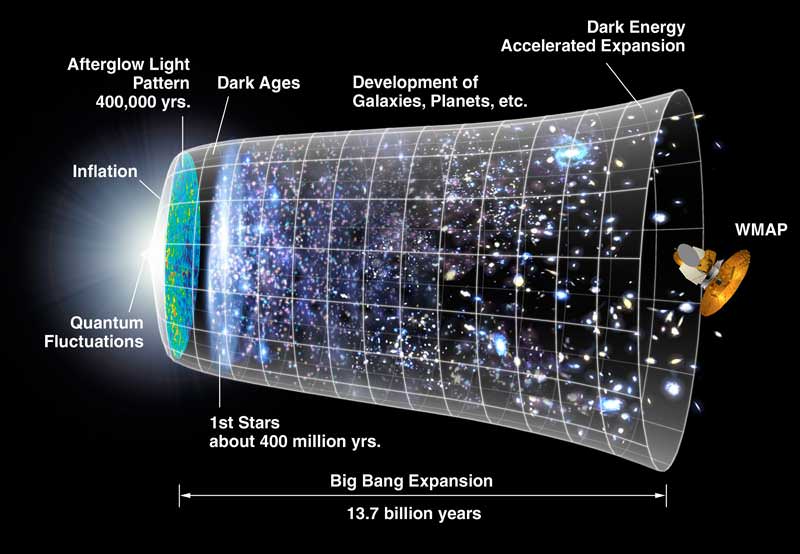
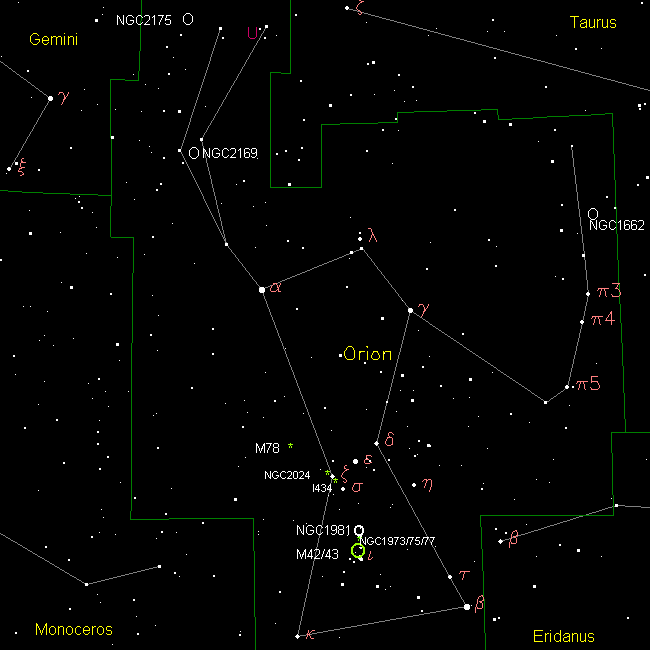
More Thoughts (and now math!) On What Came Before the Big Bang By Nancy Atkinson - December 16, 2008 06:05 PM UTC | Cosmology Continue reading
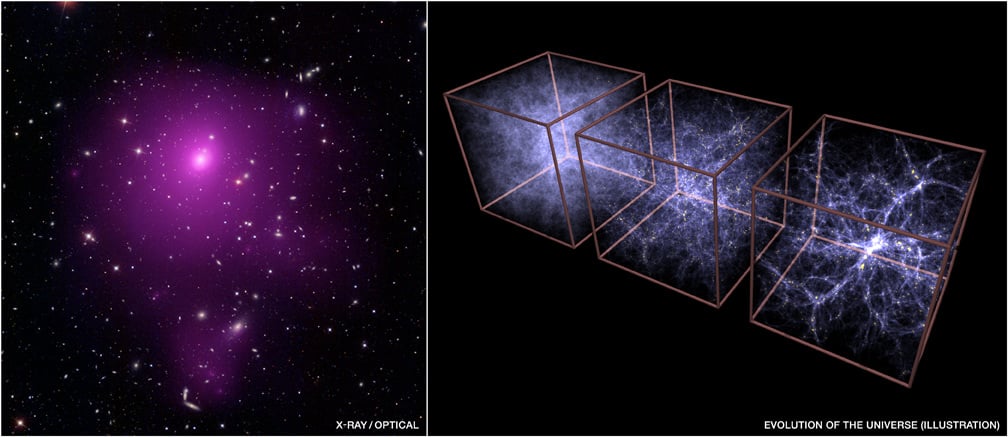
No "Big Rip" in our Future: Chandra Provides Insights Into Dark Energy By Nancy Atkinson - December 16, 2008 03:33 PM UTC | Cosmology Continue reading
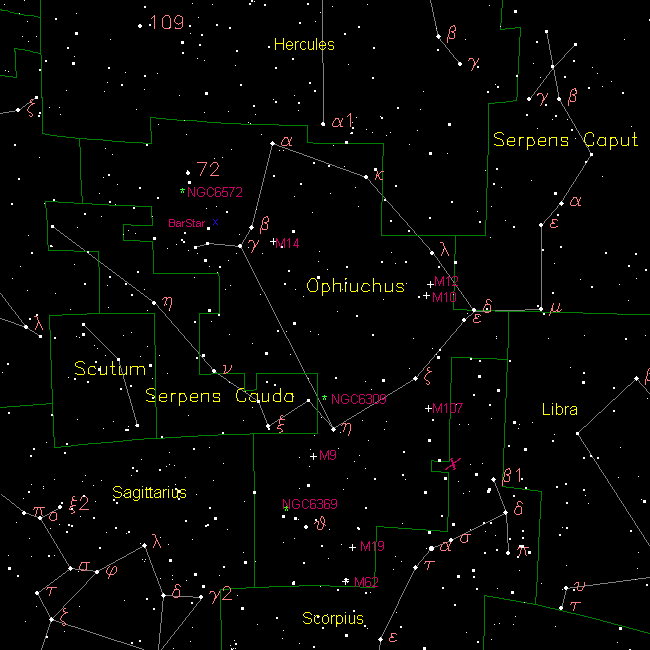
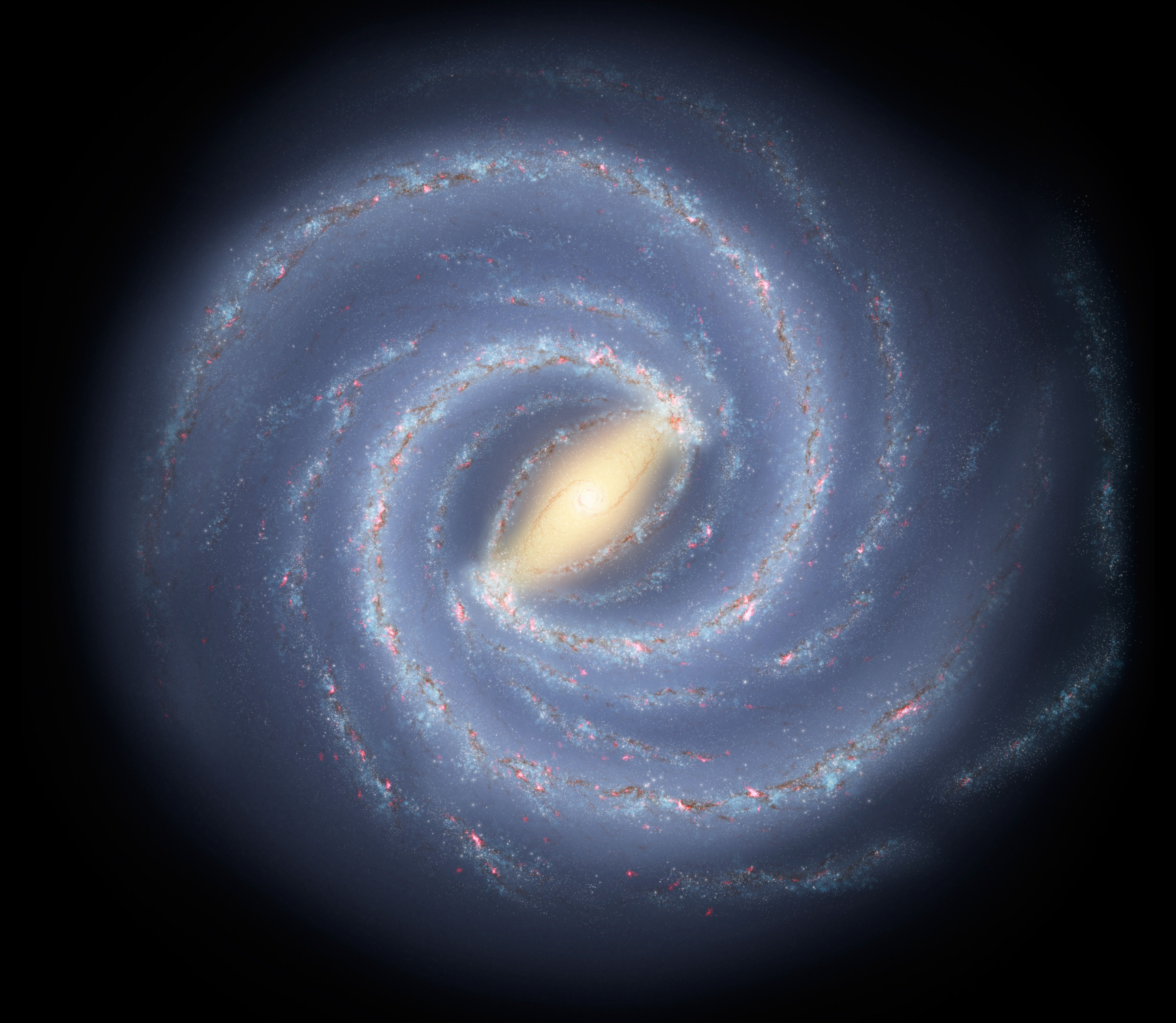
How Many Stars are There in the Milky Way? By Matthew Williams - December 16, 2008 02:42 PM UTC | Milky Way The Milky Way Galaxy, our little corner of the Universe, is a pretty massive place, with an estimated 200-400 million stars (or more) Continue reading
Possible Cryovolcanoes on Titan By Nancy Atkinson - December 16, 2008 07:29 AM UTC | Planetary Science Continue reading
Russian Space Agency Getting Close to Cause of Re-entry Anomaly and Hard Landing By Ian O'Neill - December 16, 2008 12:57 AM UTC | Space Exploration Continue reading
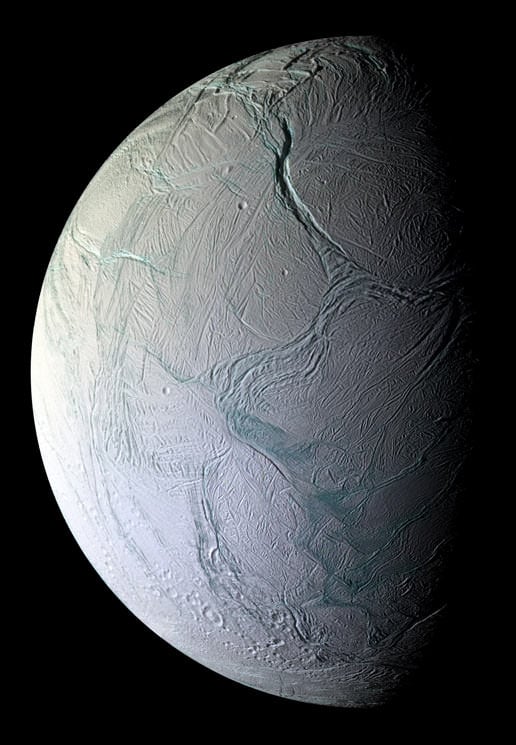
Amazing Close-up Images Show Enceladus is Changing By Nancy Atkinson - December 15, 2008 09:33 PM UTC | Planetary Science Continue reading
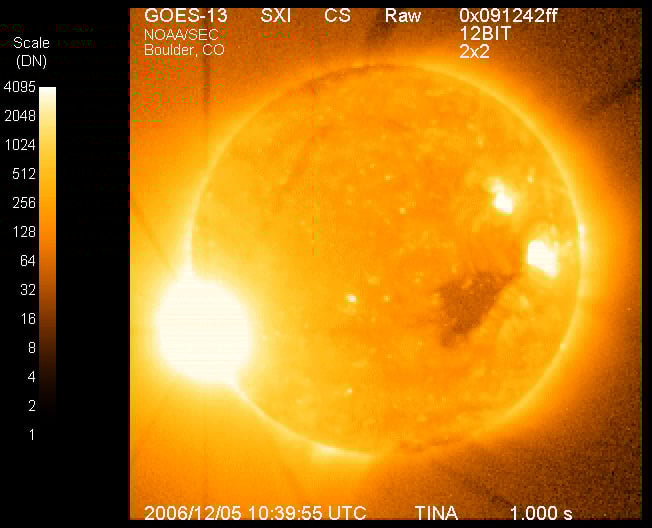
The Neutral Hydrogen Gun: A New Solar Flare Phenomenon By Ian O'Neill - December 15, 2008 07:21 PM UTC | Solar Astronomy Continue reading
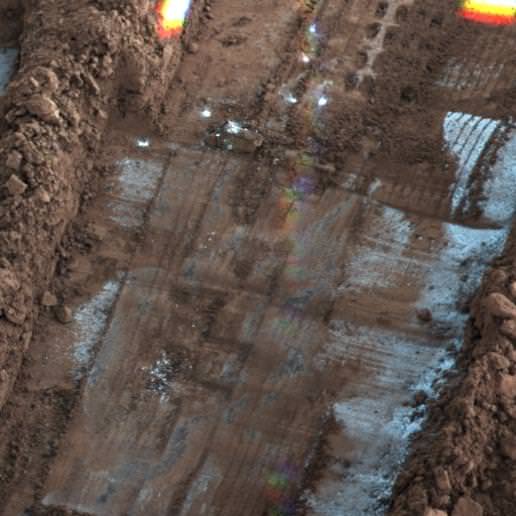
"Clumpiness" of Mars Soil Clue to Climate Cycles By Nancy Atkinson - December 15, 2008 03:56 PM UTC | Planetary Science Continue reading
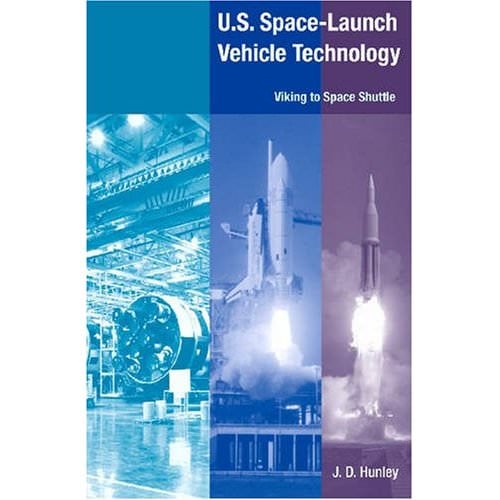
U.S. Space-Launch Vehicle Technology – Viking to Space Shuttle By Mark Mortimer - December 15, 2008 03:13 PM UTC | Space Exploration Continue reading
Podcast: Distance in Space, Changing Earth's Orbit, and Different Sized Stars By Astronomy Cast - December 14, 2008 02:45 PM UTC | Planetary Science Continue reading
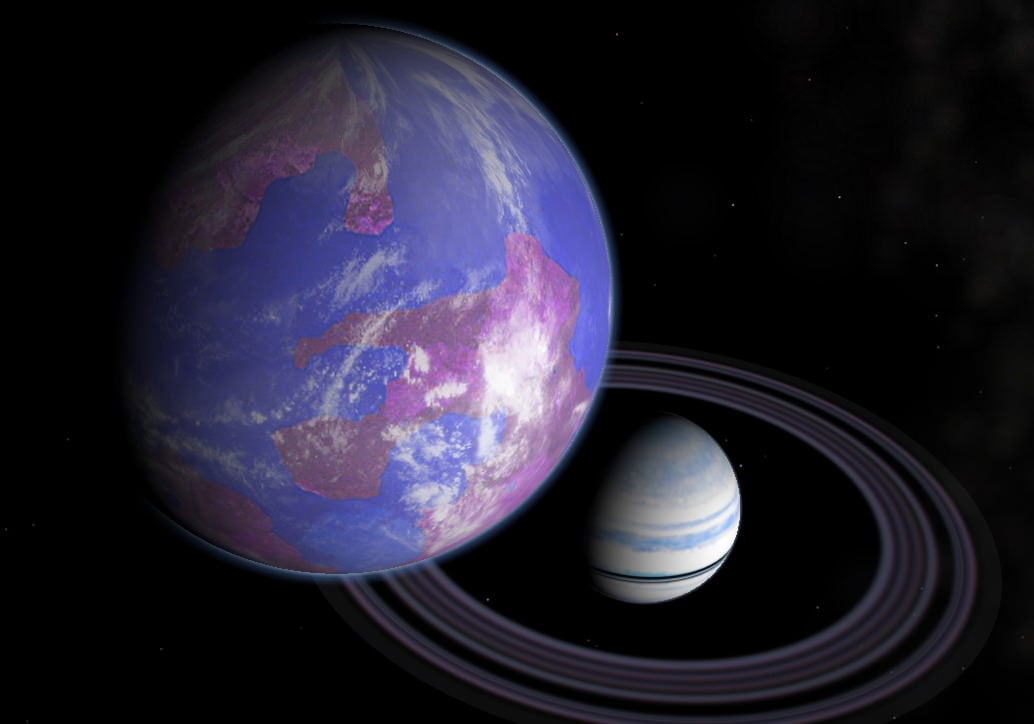
Astronomers Now Looking For Exomoons Around Exoplanets By Ian O'Neill - December 14, 2008 02:14 AM UTC | Exoplanets Continue reading
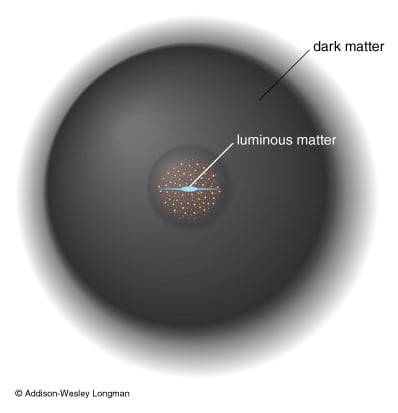
Bringing WIMP Theory into Question: Is There Another Dark Matter Explanation? By Ian O'Neill - December 13, 2008 11:24 PM UTC | Physics Continue reading
What About the Space Exploration Crisis? NASA Budget Could be Cut to Save Money By Ian O'Neill - December 12, 2008 09:56 PM UTC | Space Policy Continue reading
Nominations: The Universe Today Top 10 Scientific Endeavours of 2008 By Ian O'Neill - December 12, 2008 04:34 PM UTC | Site News Continue reading
Weekend SkyWatcher's Forecast - December 12-14, 2008 By Tammy Plotner - December 12, 2008 10:13 AM UTC | Observing Continue reading
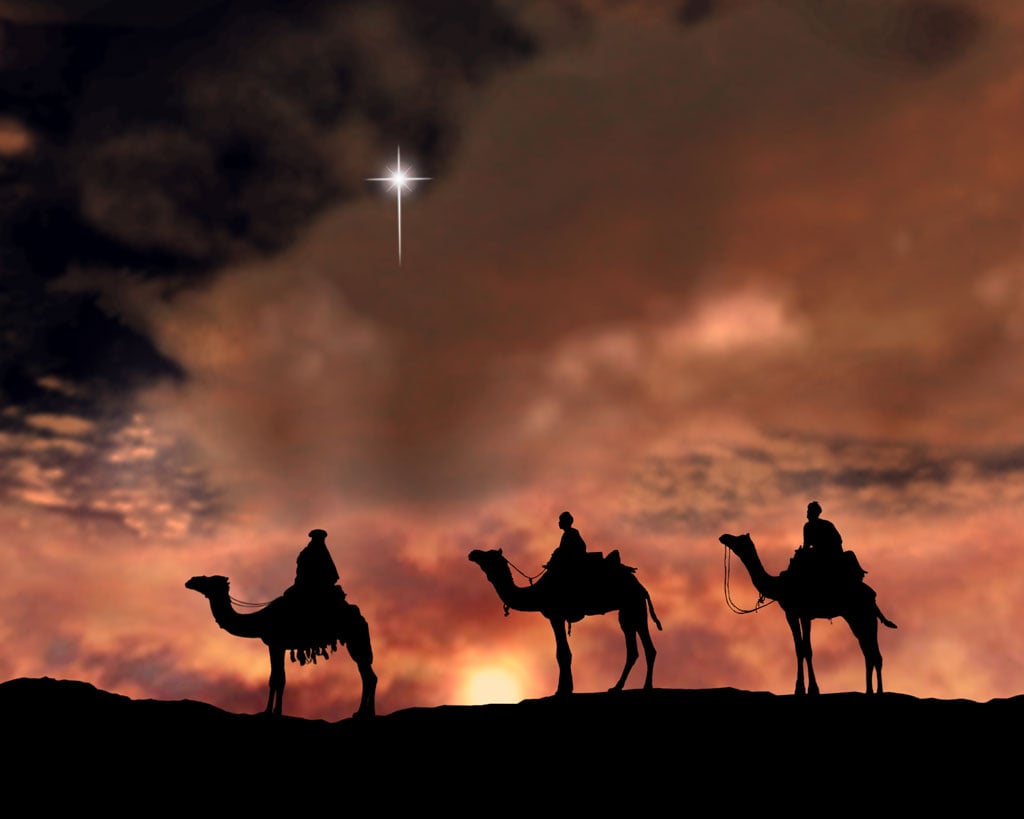
The Christmas Star - Fact or Fiction? By Tammy Plotner - December 12, 2008 07:50 AM UTC | Stars Continue reading
Geminid Meteor Shower Peaks On December 13 By Tammy Plotner - December 11, 2008 12:55 PM UTC | Observing Continue reading
Groundwater May Have Played Important Role in Shaping Mars By Nancy Atkinson - December 11, 2008 07:25 AM UTC | Planetary Science Continue reading
Time Magazine Top 10 Scientific Discoveries of 2008: Space and Physics Dominate By Ian O'Neill - December 11, 2008 04:51 AM UTC | Physics Continue reading
For the Last Time in Texas: Endeavour Pit-Stops at Fort Worth By Ian O'Neill - December 11, 2008 01:29 AM UTC | Space Exploration Continue reading
Where In the Universe #33 By Nancy Atkinson - December 10, 2008 11:37 PM UTC | Observing Continue reading
HiRISE Wows Again, This Time in 3-D By Nancy Atkinson - December 10, 2008 11:15 PM UTC | Planetary Science Continue reading
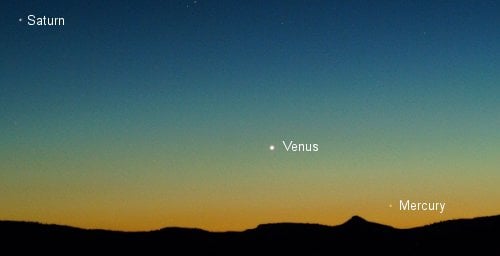
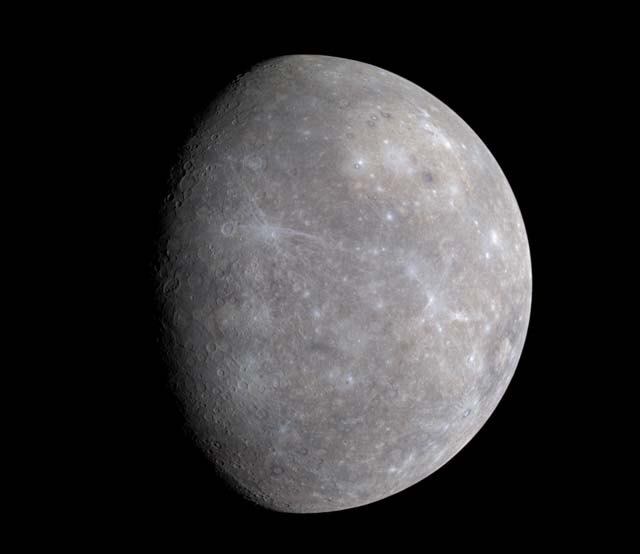
Venus and Mercury By Fraser Cain - December 10, 2008 05:38 PM UTC | Planetary Science Continue reading
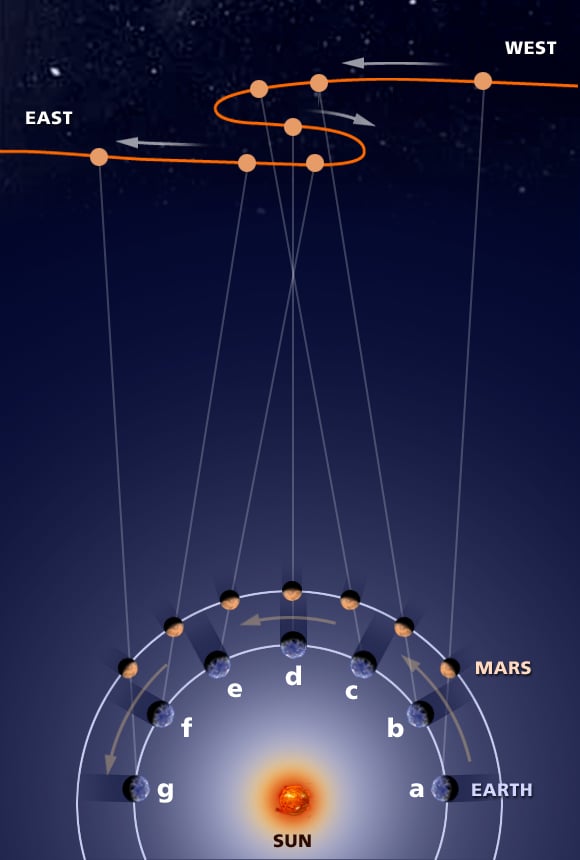
Mercury Retrograde By Fraser Cain - December 10, 2008 11:02 AM UTC | Planetary Science Continue reading
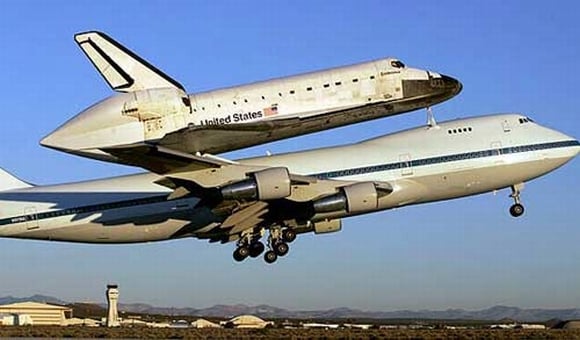
Stuck in California: Shuttle Endeavour's Delayed Flight Home By Ian O'Neill - December 10, 2008 04:01 AM UTC | Space Exploration Continue reading
Beyond Any Reasonable Doubt: A Supermassive Black Hole Lives in Centre of Our Galaxy By Ian O'Neill - December 10, 2008 02:30 AM UTC | Black Holes Continue reading
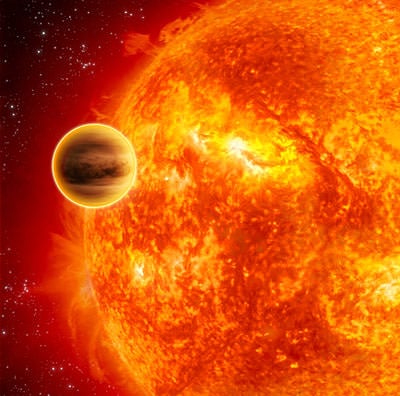
Carbon Dioxide Detected on Exoplanet HD 189733b By Ian O'Neill - December 09, 2008 04:17 PM UTC | Exoplanets Continue reading
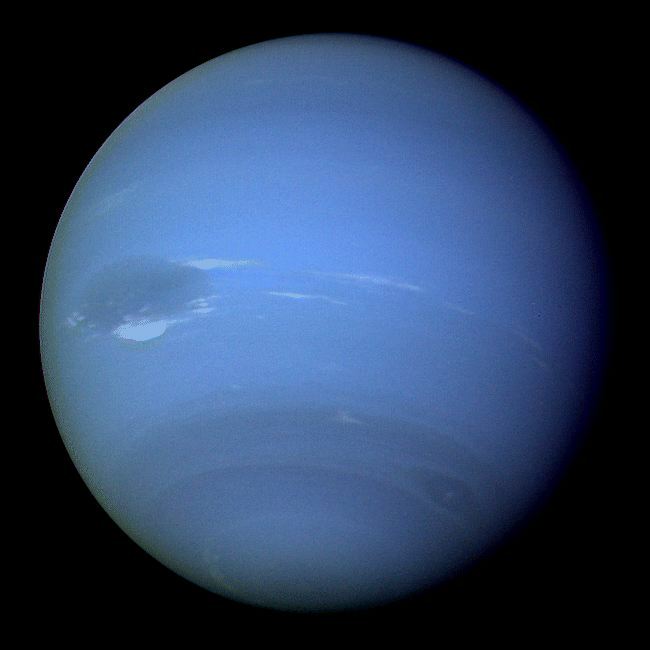
Pluto and Neptune By Fraser Cain - December 09, 2008 02:15 PM UTC | Planetary Science Continue reading
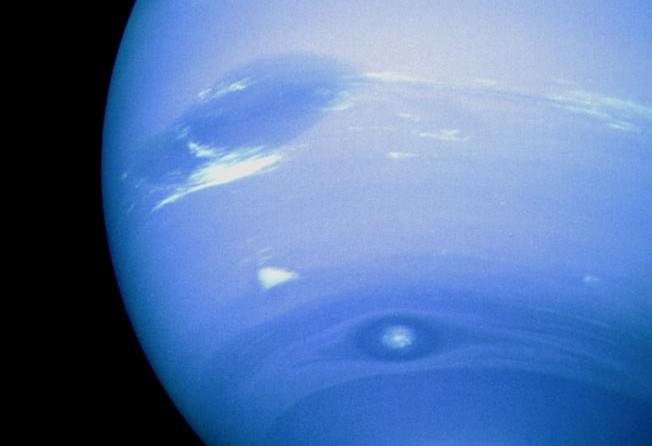
What is the Weather Like on Neptune? By Fraser Cain - December 09, 2008 01:18 PM UTC | Planetary Science Continue reading
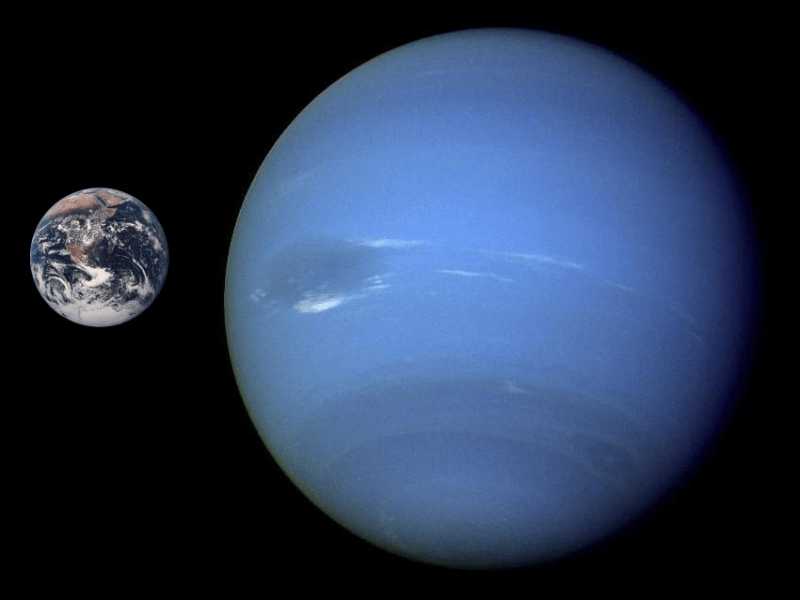
Neptune Compared to Earth By Fraser Cain - December 09, 2008 12:09 PM UTC | Planetary Science Continue reading
Radius of Neptune By Fraser Cain - December 09, 2008 11:42 AM UTC | Planetary Science Continue reading
"Leap Second" to be Added to World Clocks By Nancy Atkinson - December 09, 2008 07:12 AM UTC | Physics Continue reading
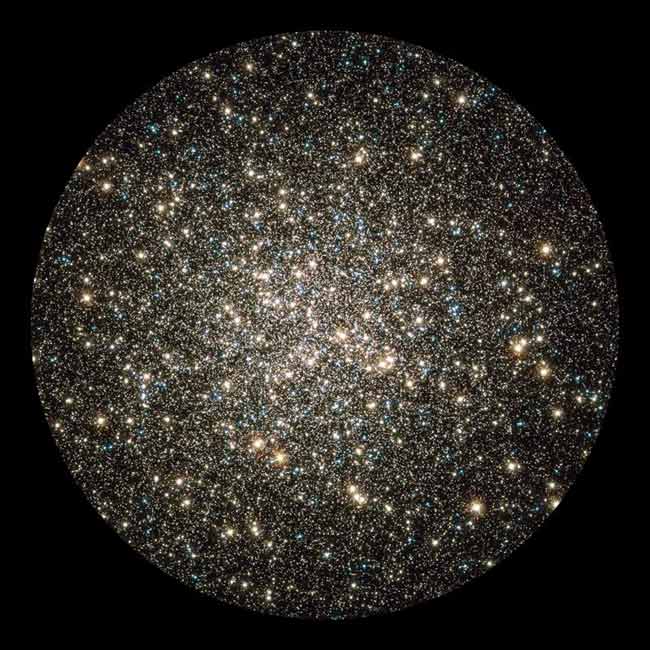
Hubble's Early Festivities: Imaging the M13 Globular Cluster "Snow Globe" By Ian O'Neill - December 08, 2008 05:55 PM UTC | Stars Continue reading
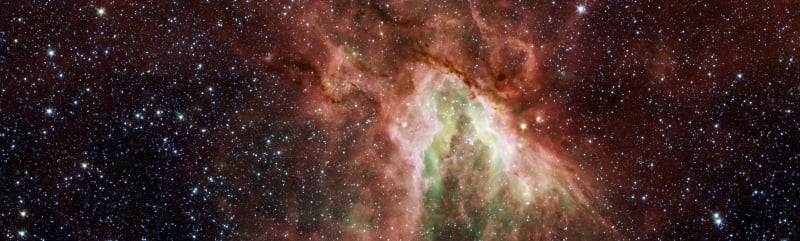
Powerful Rivers of Gas Imaged Around Star-Forming Swan Nebula By Ian O'Neill - December 08, 2008 04:57 PM UTC | Stars Continue reading
The Diameter of the Milky Way By Nicholos Wethington - December 08, 2008 03:16 PM UTC | Milky Way Continue reading
Cheers! Japanese Brewery Produces Space Beer... But What's the Point? By Ian O'Neill - December 07, 2008 04:45 PM UTC | Space Exploration Continue reading
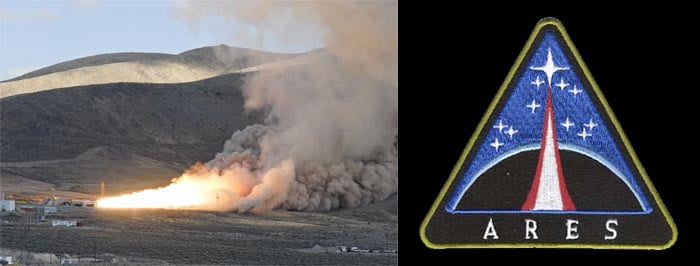
Constellation Development Pushes Ahead: Rocket Test Fire, Component Assembly By Ian O'Neill - December 06, 2008 08:25 PM UTC | Space Exploration Continue reading
 Universe Today