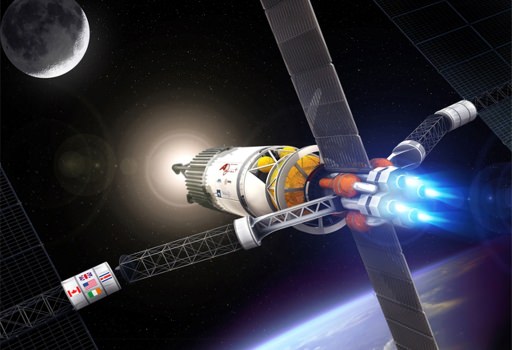
A new study by a UK scientists takes a look at the different means of interstellar travel, and considers the pros and cons of each.
Continue reading

Continue reading
Incoming: The Earth-Moon system has company tonight.
The Asteroid: Near Earth Asteroid 2010 WC9 is back. Discovered by the Catalina Sky Survey outside Tucson, Arizona on November 30th, 2010, 2010 WC9 was lost after a brief 10 day observation window, and was not recovered until earlier this month. About 71 meters in size, 2010 WC9 is one of the largest asteroids to pass us closer than the Earth-Moon distance.
Continue reading
Continue reading
When the Mars 2020 rover arrives on the Red Planet, it will include a Mars Helicopter - a concept that will prove the viability of autonomous helicopter explorers.
Continue reading
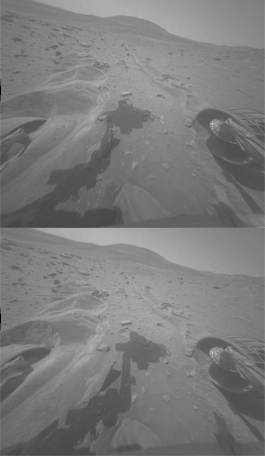
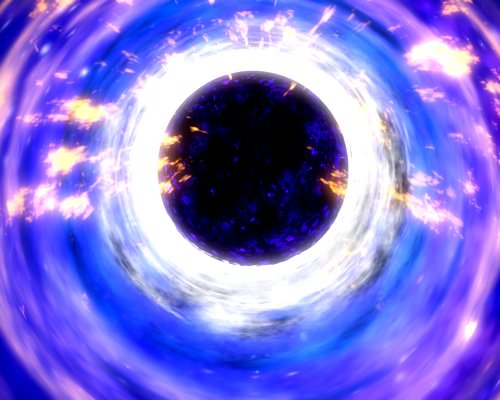
Using data from the Chandra X-ray observatory, a team of scientists have found evidence that indicates that thousands of black holes may reside near the center of our galaxy.
Continue reading
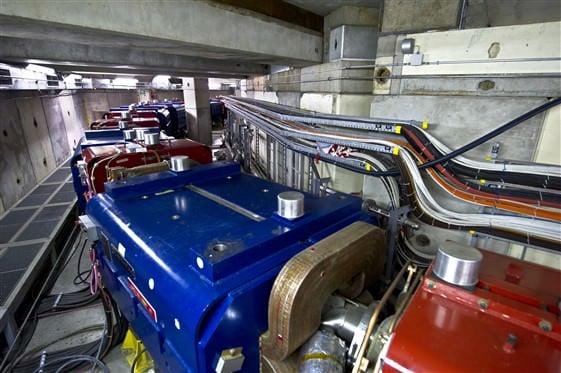
A new study by an international team of astronomers has demonstrated with scientific confidence what will happen to our Sun when it reaches the end of its life cycle.
Continue reading
According to a new study by a team of Earth scientists and geologist, the way Venus and Jupiter affect Earth's orbit is the most predictable and stable indicator of periodic changes in our climate.
Continue reading
A new study by an international team of researchers indicates that Mars' growth was stunted due to the orbital instability of the planets in the outer Solar System.
Continue reading
Continue reading
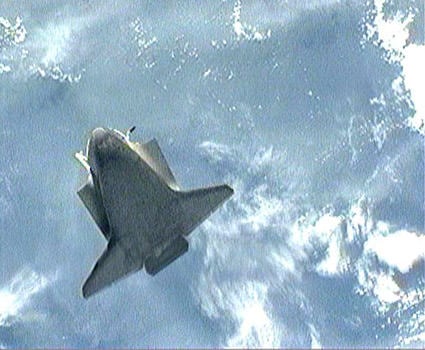
At a recent space conference in China, the Chinese space agency recently indicated that the Long March 8 rocket will include a reusable first stage
Continue reading
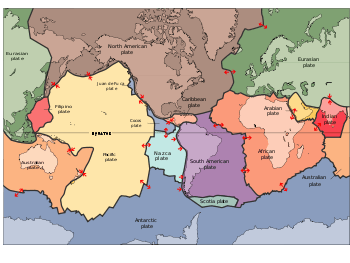
A new study by an international team of scientists ventures that the Earth has had several moons in the past, all of which crashed to Earth over time.
Continue reading
According to a new study, one of the greatest health risks posed by missions to the Moon could be the health effects of breathing lunar dust.
Continue reading

Located in the Sagittarius Constellation, roughly 29,700 light-years from Earth, is the globular cluster known as Messier 69
Continue reading
Continue reading
Continue reading
Stephen Hawking's final theory, which was recently published, offers an new take on the Big Bang Theory that could revolutionize the way we think of the Universe

Continue reading
In collaboration with the Department of Energy, NASA recently conducted a successful demonstration of a new fission system that could enable long-duration missions to the Moon, Mars, and beyons
Continue reading
According to a new study by a team of Columbia University's Cool Worlds Lab, one of the TRAPPIST-1 planets had a large iron core, which could have immense implications for its habitability.
Continue reading
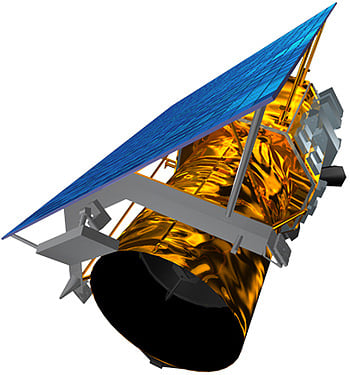
As part of the 2018 NASA Innovative Advanced Concepts (NAIC) program, a team of scientists from across the US was recently given a Phase I award for their self-assembling space telescope concept.
Continue reading