Universe Today
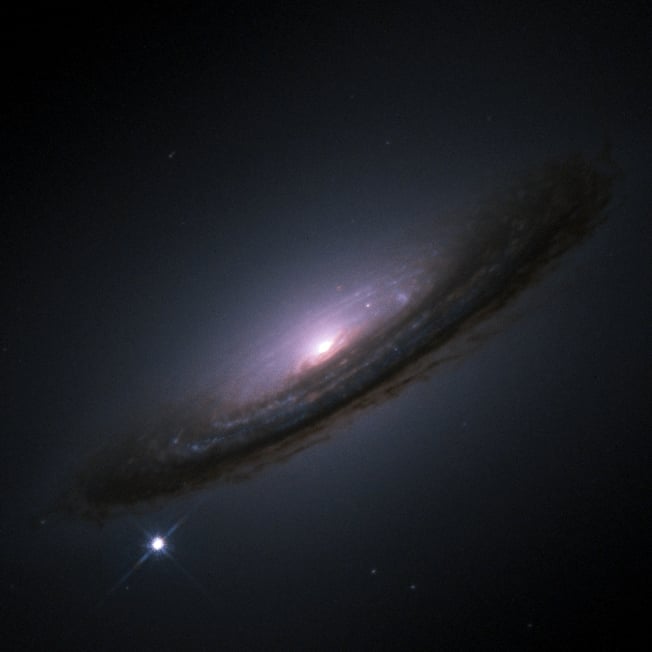
Here's one of the most unsettling facts in all of science. The universe is not just expanding, it’s expanding faster and faster. Every galaxy is moving away from every other galaxy, and the further away it is, the faster it goes and worse still, that acceleration is speeding up. Whatever is driving it, and we call it dark energy because we genuinely have no idea what it actually is, it appears to be winning.
That much has been established science since 1998, when observations of exploding stars called Type Ia supernovae led to one of the most startling discoveries in the history of astronomy. The team behind it shared the Nobel Prize in Physics in 2011. The accelerating universe became one of the cornerstones of modern cosmology.
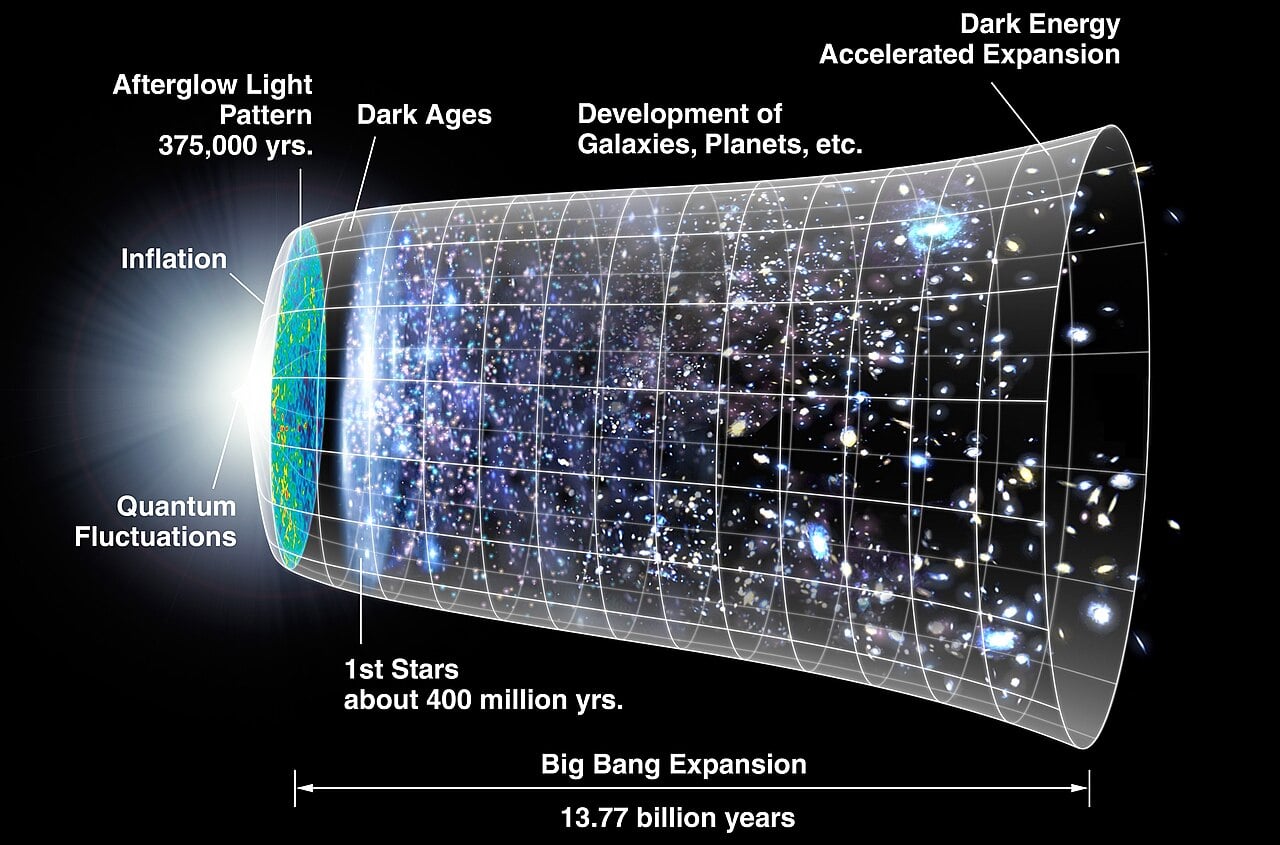 The expansion of the universe over time. Dark energy began accelerating the expansion roughly five billion years ago (Credit : NASA/WMAP Science Team)
Then, last November, a team of South Korean researchers published a study that threatened to pull that cornerstone out. Their analysis of the same type of supernovae suggested the universe's expansion had entered a deceleration phase, with dark energy apparently weakening over time. If correct, it would have forced a fundamental rethink of everything cosmologists thought they understood about the fate of the universe.
The astronomical community reacted with a mixture of fascination and caution. Extraordinary claims require extraordinary evidence, and this one deserved serious scrutiny. It took a little time but that scrutiny has now arrived. An international team of astrophysicists including Professors Adam Riess and Brian Schmidt, two of the original Nobel laureates, has published a detailed rebuttal in the Monthly Notices of the Royal Astronomical Society. Their conclusion is unambiguous, that the universe's expansion is still accelerating, dark energy is still very much present, and the South Korean study contained a significant error.
The mistake, it turns out, was in how the age of the exploding stars was estimated. The previous study assumed that the age of a star that exploded as a supernova was the same as the age of the galaxy it lived in. That sounds reasonable, but it isn't correct. Stars within a galaxy can be born at very different times. Getting that assumption wrong distorts the brightness calculations that underpin the entire analysis, and distorted brightness calculations lead to distorted conclusions about how fast the universe is expanding.
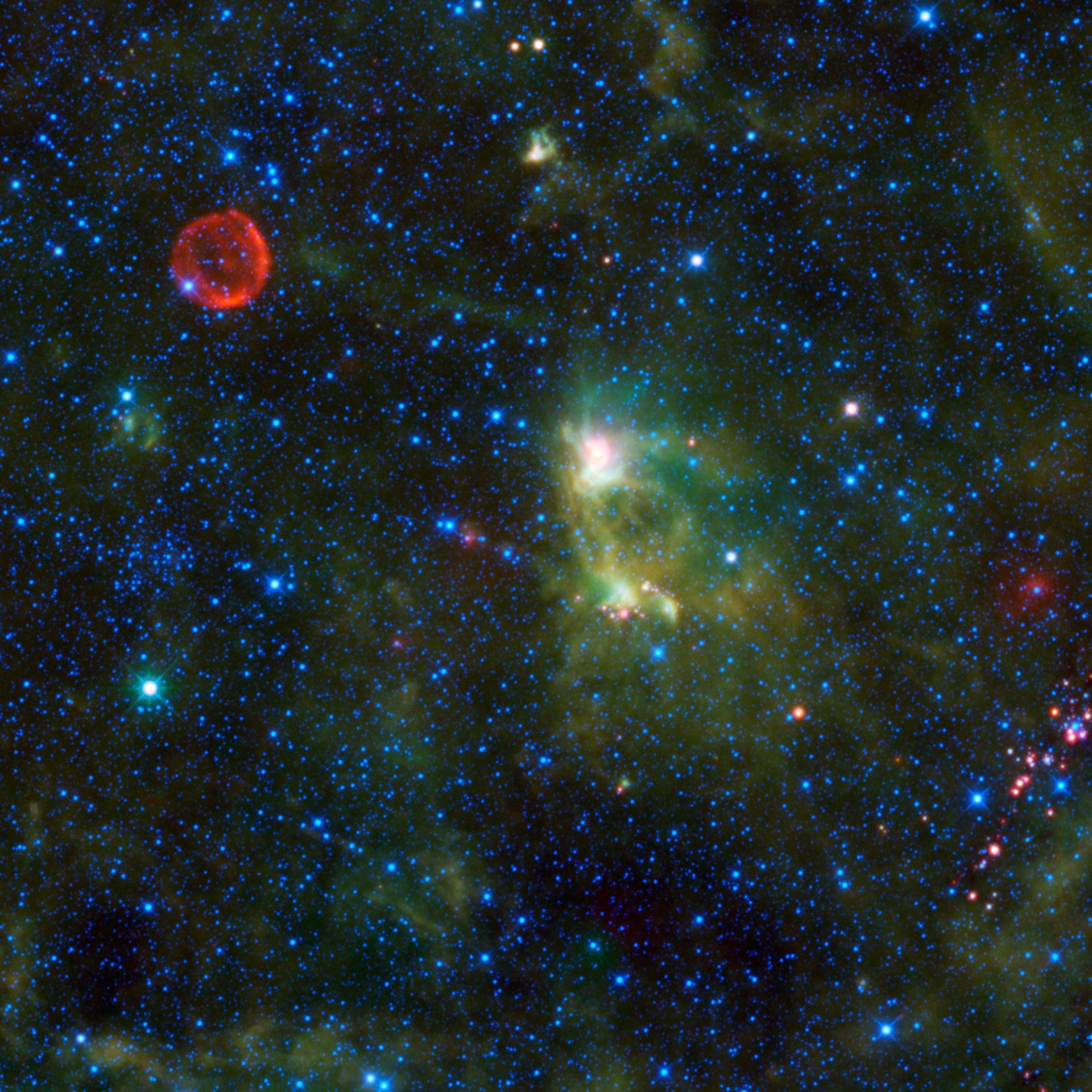 The remnant of Tycho's supernova, a Type Ia explosion observed from Earth in 1572, imaged in X-rays by NASA's Chandra observatory (Credit: NASA/CXC/SAO)
The new study also found that the South Korean paper had failed to account for the mass of the host galaxies, a standard correction that modern cosmology uses precisely to ensure these measurements remain accurate. When both errors are fixed, the evidence for cosmic acceleration returns cleanly and consistently. What is refreshing about this episode is what it reveals about how science actually works. A bold claim was made, it was taken seriously, it was tested carefully by independent experts with the tools and experience to do it properly and it was found to be wrong, not because of ideology or institutional defensiveness, but because the data, properly handled, tells a different story.
The mystery of dark energy remains as deep as ever. We know it exists, we know it’s accelerating the expansion of the universe. However we have absolutely no idea what it is, at least we can now get back to trying to answer that question, rather than wondering whether the question itself was wrong all along.
Source : Crisis averted as experts confirm universe's expansion IS accelerating