Universe Today
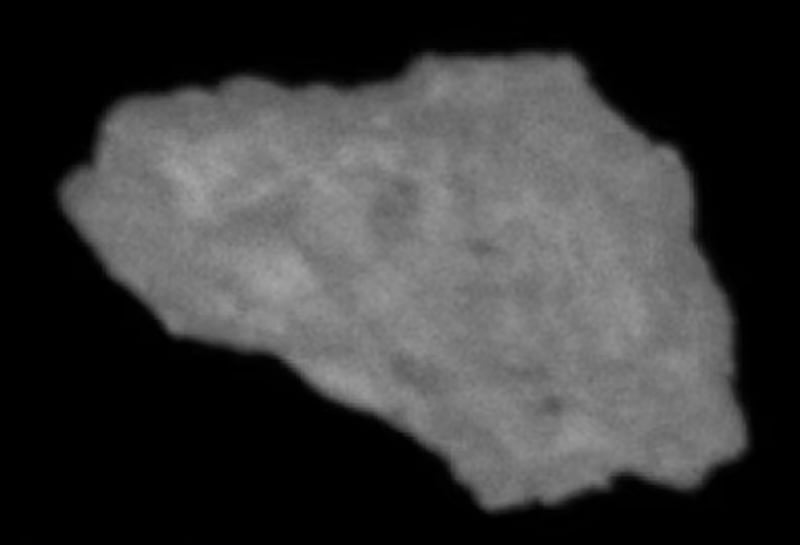
What does it take to catch up with a small, tumbling rock hundreds of thousands of kilometres from Earth? For China's Tianwen-2 mission, the answer was a four hundred day chase covering roughly a billion kilometres of deep space, one that has just ended in success. The China National Space Administration has confirmed that the probe has rendezvoused with the near Earth asteroid Kamoʻoalewa, also known as 2016 HO3, closing to within about twenty kilometres and officially beginning its scientific exploration phase.
Tianwen-2 launched from the Xichang Satellite Launch Center in Sichuan Province back in May 2025, and the journey since has been a careful sequence of small corrections rather than one long straight line. Along the way, the spacecraft carried out deep space trajectory adjustments and mid course manoeuvres, gradually refining its path toward a target that, until recently, was known with surprisingly little precision.
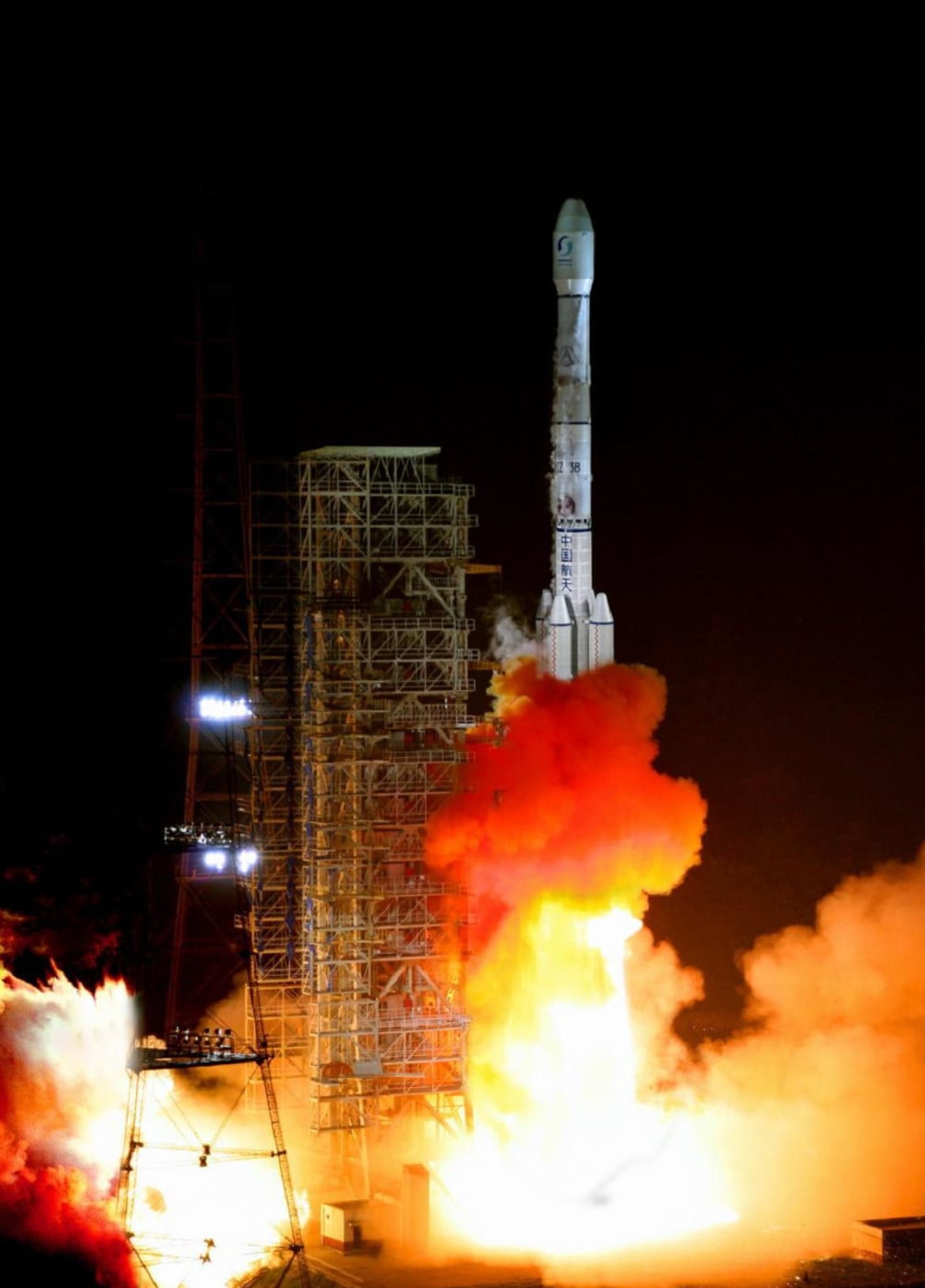 A Long March 3B rocket lifts off from Xichang Satellite Launch Center, the same rocket and launch site that sent Tianwen-2 on its billion-kilometre journey (Credit : AAxanderr)
Ground based observations alone had only pinned down the asteroid's position to within about a hundred kilometres, a comfortable margin from Earth but a serious problem when trying to actually meet something out there. The turning point came in early June, when Tianwen-2 first detected 2016 HO3 with its own instruments. A day later, at a distance of some thirty thousand kilometres, it performed a capture control manoeuvre, settling into coplanar flight alongside the asteroid, essentially matching its orbital path rather than simply crossing it. By 19 June, the gap had closed to two thousand kilometres, and the spacecraft continued tightening its approach from there.
Throughout this final stretch, Tianwen-2 captured its own optical imaging data of the asteroid, and mission engineers used it to dramatically sharpen their knowledge of exactly where 2016 HO3 sits in space, bringing the uncertainty down from that original hundred kilometre spread to something closer to a single kilometre. That refined positional data has already been made public through China's Lunar and Planetary Data Release System.
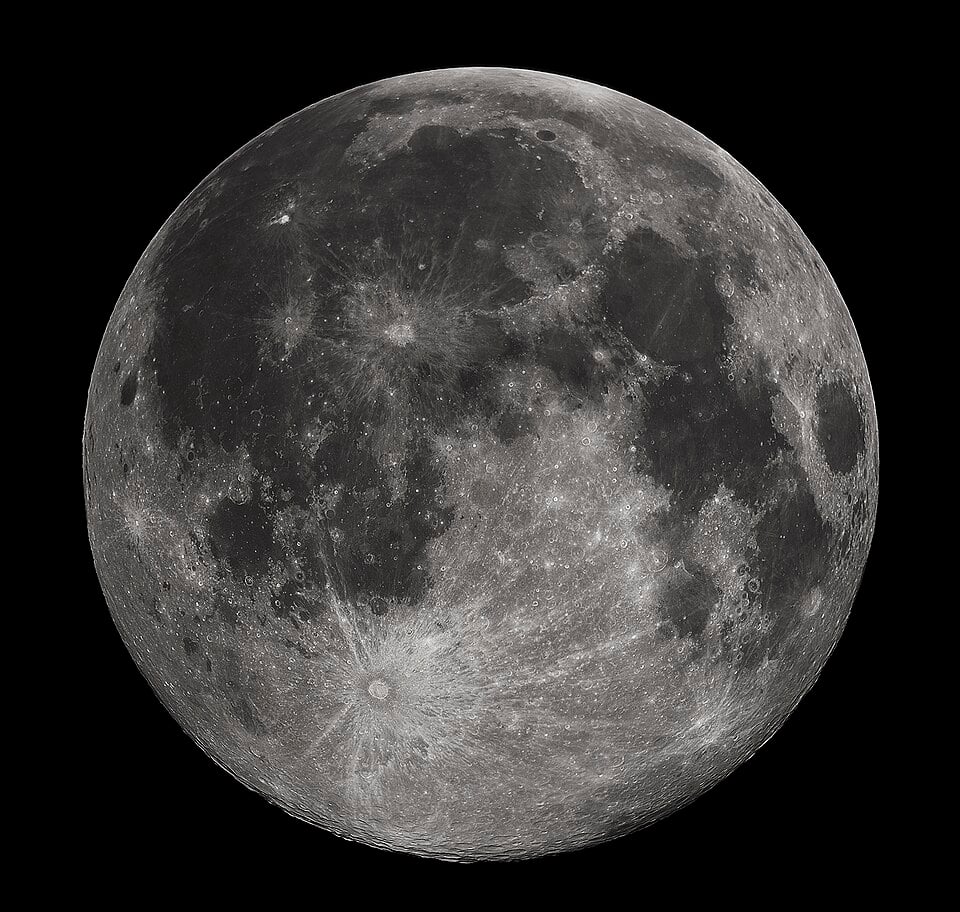 Some scientists suspect Kamoʻoalewa may be a fragment blasted off the Moon by an ancient impact, making it, in effect, a tiny lost piece of Earth's own satellite (Credit : Gregory H. Revera)
With the rendezvous complete, the real scientific work can now begin. Over the coming phase, Tianwen-2 will study the asteroid's surface features, its material composition, and clues to what lies beneath that surface, building toward the mission's ultimate goal of collecting a physical sample and eventually returning it to Earth.
Kamoʻoalewa is an intriguing target in its own right, a small companion that shares Earth's orbital neighbourhood closely enough to be labelled a quasi satellite, and one some scientists suspect may even be a fragment blasted off the Moon long ago. Whatever Tianwen-2 finds in the months ahead, it will mark the next chapter in an increasingly crowded field of nations reaching out to touch, sample, and understand the small rocky wanderers of our Solar System.