Universe Today
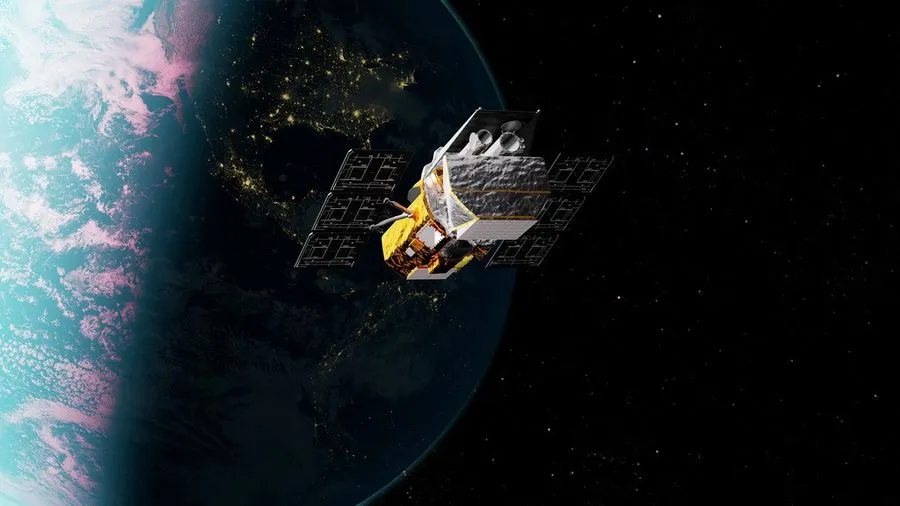
The Neil Gehrels Swift Observatory, launched in 2004 to study gamma-ray bursts (GRBs), has vastly outlived its original two-year mission plan. As the successor to the Compton Gamma Ray Observatory, it has spent the past 21 years, 9 months, and change studying the most powerful transient events in the Universe. Unfortunately, Swift's orbit has been slowly decaying for years, a process that began accelerating last year, prompting NASA to authorize a rescue mission.
The LINK mission, a joint operation between NASA and Katalyst Space, launched on July 3rd, 2026, atop a Northman Grumman Pegasus XL rocket. But because of an ongoing attitude control issue, the LINK spacecraft began to tumble out of control a few weeks after launch, prompting NASA and Katalyst Space to announce that the spacecraft would not capture or boost the Swift satellite's altitude as planned. However, LINK will still attempt to rendezvous and conduct proximity operations to demonstrate key capabilities for future missions.
As NASA Administrator Jared Isaacman said in an official statement, NASA and Katalyst will be working together to assess the next steps for the planned rendezvous and will gather as much data as possible to inform future satellite servicing operations:
NASA should be willing to move quickly and take smart risks when the potential return is worth it, and that is exactly what we did with this mission. This is not the outcome we were working toward, but it does not change why this mission was worth attempting. The team moved with extraordinary speed to give Swift a chance to carry out more science while advancing capabilities America will need for satellite servicing in the future. We are going to learn everything we can from LINK’s rendezvous attempt and put those lessons to work on the missions that follow.
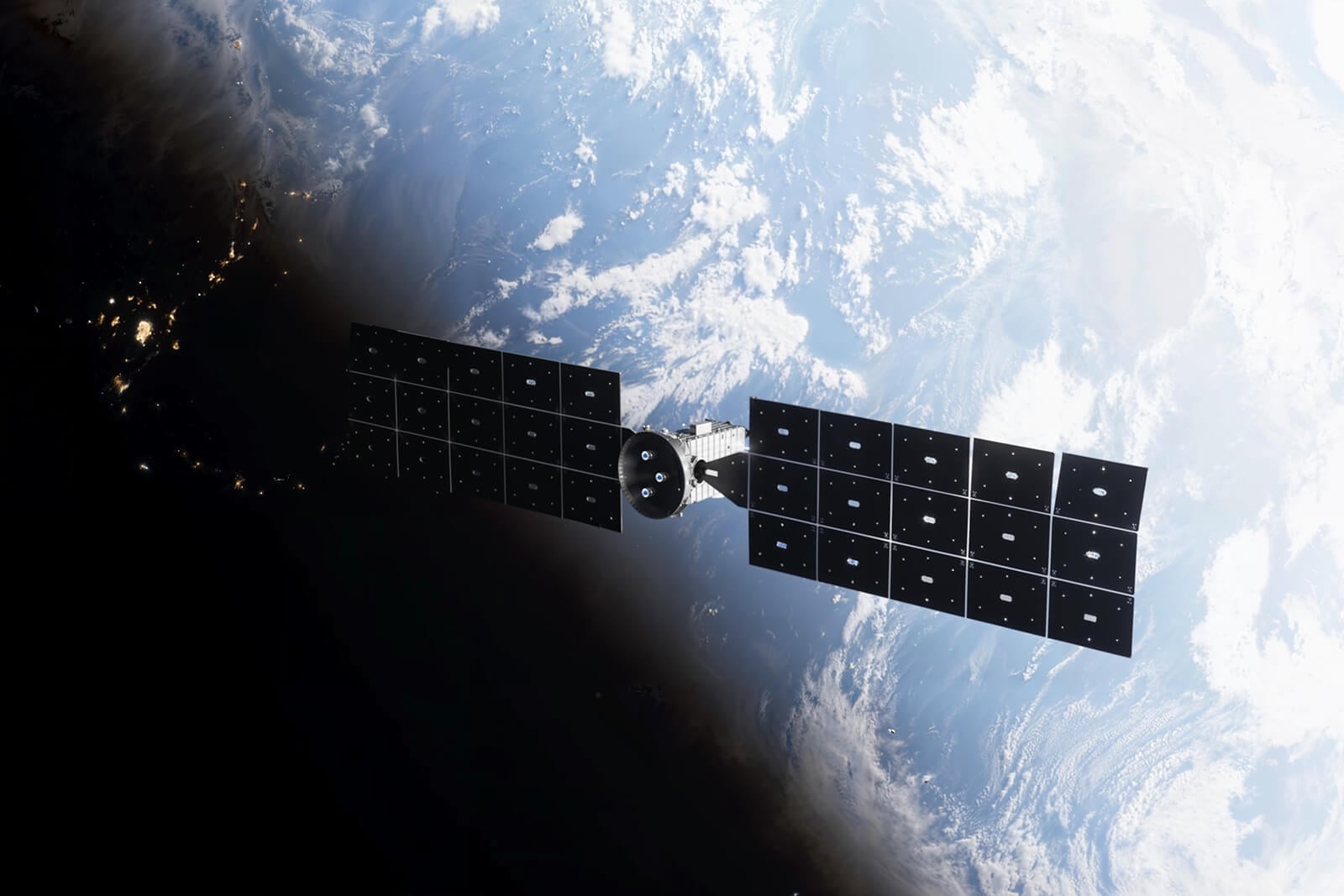 Artist's rendering of the LINK spacecraft in orbit around Earth. Credit: Katalyst Space
After years of orbital decay from atmospheric drag, Swift's orbit began to decay rapidly last year because of increased solar activity. In September, NASA awarded the contract to Katalyst Space to mount a robotic servicing mission with a short development timeline, driven by solar activity. The contract was intended to advance the U.S. space industry pipeline and satellite servicing industry. On Friday, August 28th, Katalyst Space released a statement, saying the mission was far from over:
We are collecting data on orbit that will be instrumental to future missions. LINK’s mission has put robotic servicing on the world stage. Our team has taken an experimental concept and designed, built, tested, and launched a robotic spacecraft in just nine months—a timeline that would traditionally take years. Pushing the boundaries of what is possible in space means taking on the missions that are difficult. LINK is generating the operational knowledge to do it faster, smarter, and at scale.
Without an orbital adjustment, NASA anticipates Swift is likely to re-enter Earth’s atmosphere later this year. As part of the agency's previous plans for Swift's retirement, NASA will rely on current missions to fill the gap left by the satellite's loss while exploring new options for rapidly responding to transient cosmic events like GRBs. As Shawn Domagal-Goldman, the director of the Astrophysics Division at NASA Headquarters, explained, it was always known that this was a high-risk, high-reward mission with an unprecedented timeline.
We were all hoping for more science from Swift. But we knew the takeaways from this mission would be worthwhile either way, and we have gained so much through the series of accomplishments up to this point. Building, testing, and operating this mission has already strengthened America’s space industry pipeline, advancing in-space servicing capabilities in completely new ways.
Further Reading: NASA