Universe Today
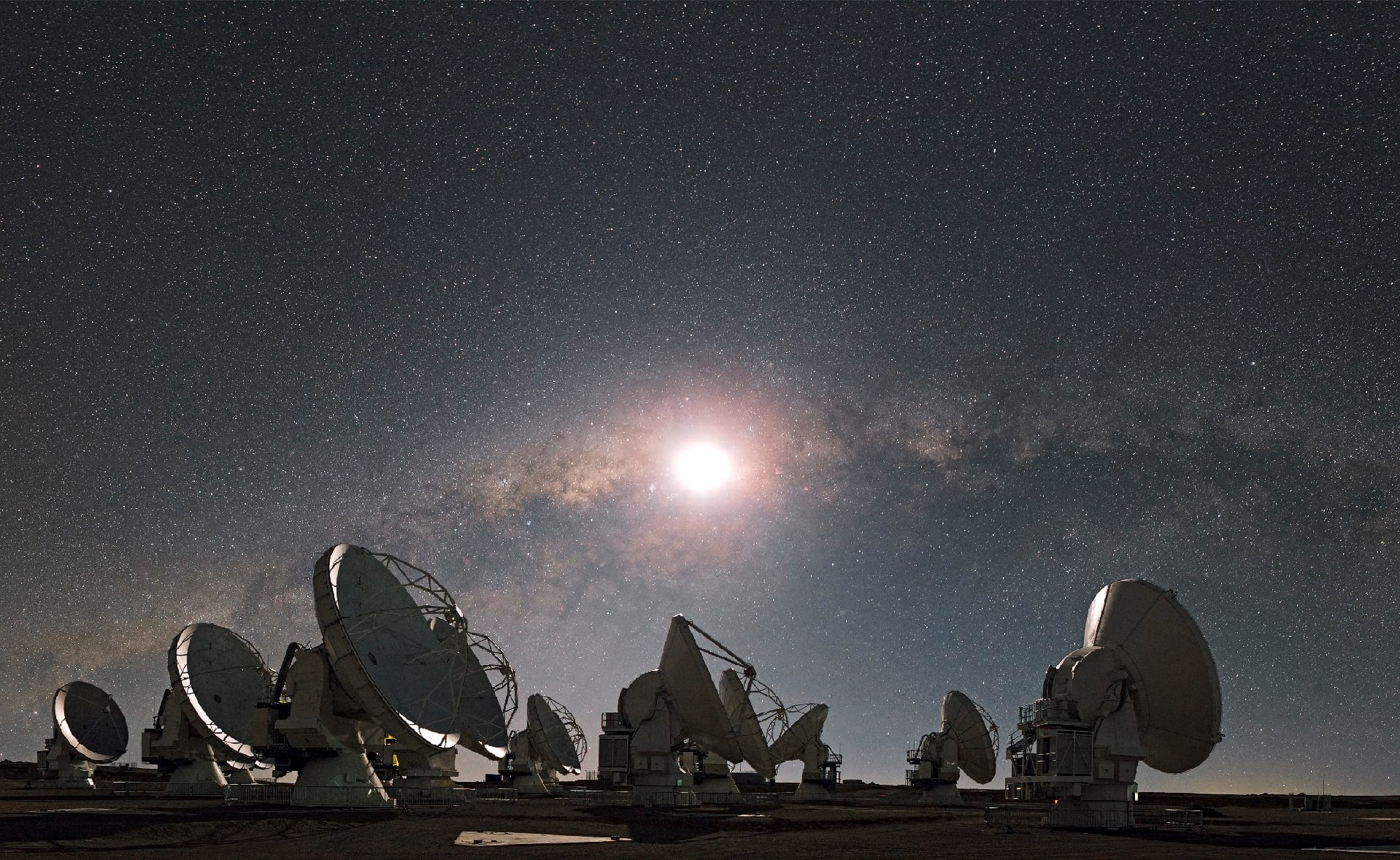
Welcome back to our continuing series, "Beyond Fermi's Paradox." Over the past few years, we've examined how Fermi's famous question, "Where is Everybody?" has led to decades of speculation as to why extraterrestrials (if they exist) have not made themselves known to us. In this, our final installment in the series, we'll examine another great question in the Search for Extraterrestrial Intelligence (SETI).
In fact, it is arguably one of the most important, comparable only to "Where is Everybody?" and "Are we alone in the Universe?":
What happens if we actually make contact?
To recap, in 1950, Italian-American physicist Enrico Fermi sat down to lunch with some of his colleagues at the Los Alamos National Laboratory, where he had worked five years prior as part of the Manhattan Project. According to various accounts, the conversation turned to aliens and the recent spate of UFO sightings. Into this, Fermi issued a statement that would go down in the annals of history: "Where is everybody?"
This became the basis of the Fermi Paradox, which concerns the high estimates of the probability of extraterrestrial intelligence (ETI) and the apparent lack of evidence. More than seventy years later, we still haven't answered that question, which has led to many theories as to why the "Great Silence" endures. However, as this humble author has stated many times, the Fermi Paradox only needs to be solved once. One bit of unambiguous evidence about the existence of ETI, and the mystery will be answered forever.
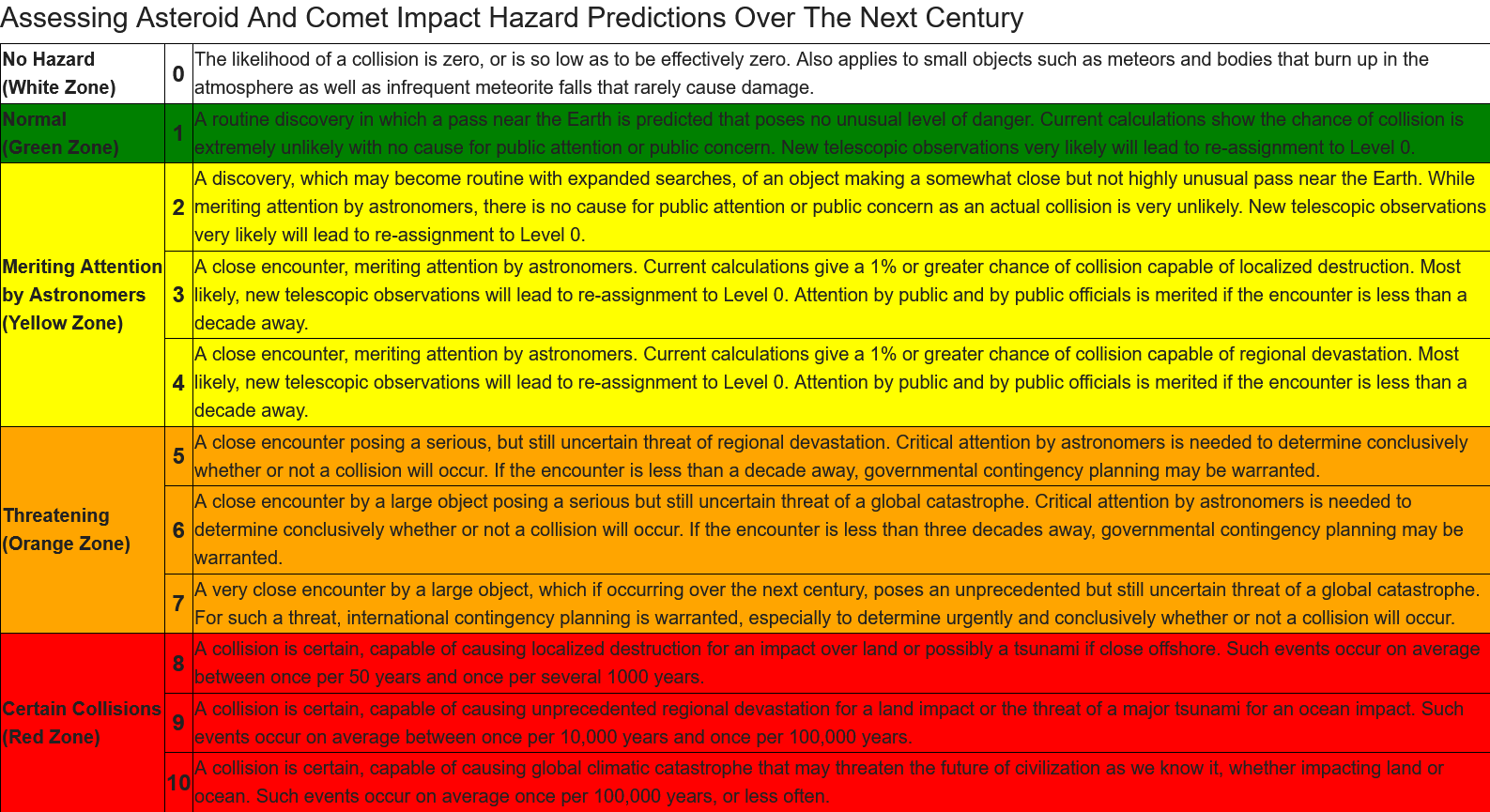 The Torino Scale. Credit: The Planetary Society
But what happens if and when we actually do find evidence to that effect? For many, the question immediately triggers both feelings of awe and deep-seated fear. On the one hand, many will imagine scenarios in which a more advanced, enlightened species arrives and helps humanity work out its problems so it can join other intelligent life among the stars. On the other hand, it inspires "War of the Worlds" scenarios, where hostile ETCs show up to knock over our buildings and take what we have.
The possibilities that could arise from First Contact are immeasurable, ranging from technology and cultural exchanges to witnessing what another civilization looks like up close. Alas, so are the risks, which may include leaving ourselves vulnerable to viruses (computerized or biological), infiltration, subterfuge, and attack. One look at the history of imperialism and colonialism would attest to that being a very real possibility. Only one thing is for certain: confirming that we are not alone in the Universe will be the single greatest discovery in human history.
How should humanity respond to the first unambiguous evidence of intelligent life far beyond Earth? Just as important is the question of how we are likely to respond in the first place. How can we be expected to handle the news? Will there be pandemonium? Will there be elation? Will governments mobilize for war? Will our species shed all of our regional and national differences and become united in our common humanity?
Interestingly, scientists and academics have come together on more than one occasion not only to contemplate this question but also to develop metrics to evaluate it. Much like Kardashev and Barrow's scales, which were proposed to classify an extraterrestrial civilization's (ETC) technological development, the following scales were devised to rank humanity's possible reaction to the discovery of intelligent life beyond Earth.
The Rio Scale
The Rio scale was the first proposed means of quantifying the significance of a SETI detection. It was the brainchild of Hungarian astronomer Iván Almár, the Deputy Director of the Konkoly Observatory and a member of the Messaging Extraterrestrial Intelligence (METI) Advisory Council, and famed SETI pioneer Jill Tarter, the Chair Emeritus for SETI Research at the SETI Institute and the former Project Scientist for NASA’s SETI program, the High Resolution Microwave Survey (HRMS).
 Artist's impression of a planet orbiting the red dwarf sun TRAPPIST-1. Credit: NASA
Almár and Tarter first proposed the concept in a paper presented at the 51st International Astronautical Conference in Rio de Janeiro (hence its name) in October 2000, as part of the 29th Review Meeting on the Search for Extraterrestrial Intelligence. By 2002, members of the International Academy of Astronautics (IAA) SETI Permanent Committee had officially adopted the scale and have continued working to refine it.
The purpose of the scale was to assist policy-makers in determining the likelihood (on a scale of 0 to 10) that an extraterrestrial radio signal was produced by an ETC. It was inspired by the Torino Scale, which scientists use to determine the potential collision risk posed by a near-Earth Asteroid (NEA). The reason for this, claimed Almár and Tarter, was that a public announcement of the discovery of ETI would have societal consequences similar to those of an announcement of a pending asteroid impact.
In its current version (Rio Scale 2.0), the potential impact of a given event (denoted as R, for Rio Scale) is calculated as the product of two parameters. These include the significance of the event's consequences (Q) and the probability that the event actually occurred (denoted by a lowercase delta, δ). Mathematically, this is expressed as R = Q δ
That might seem simple, but there are steps to determining each value. The first term (Q) is determined based on three factors, including the estimated distance to the source of the signal (0 to 4), the prospects for communicating with the source (a 0 to 4 again), and how likely it is that the sender is aware of humanity (between -1 and 2).
The second term (δ) is the probability that the event actually occurred, which is determined by evaluating three factors: the probability of the signal being real, the probability that it is not instrumental, and the probability that it is not natural or due to radio interference (RFI). The overall value of δ is then calculated using the formula δ = 10(10-J)/2. The final R value, from 0 to 10, is the likelihood that an intelligent civilization produced the observed event.
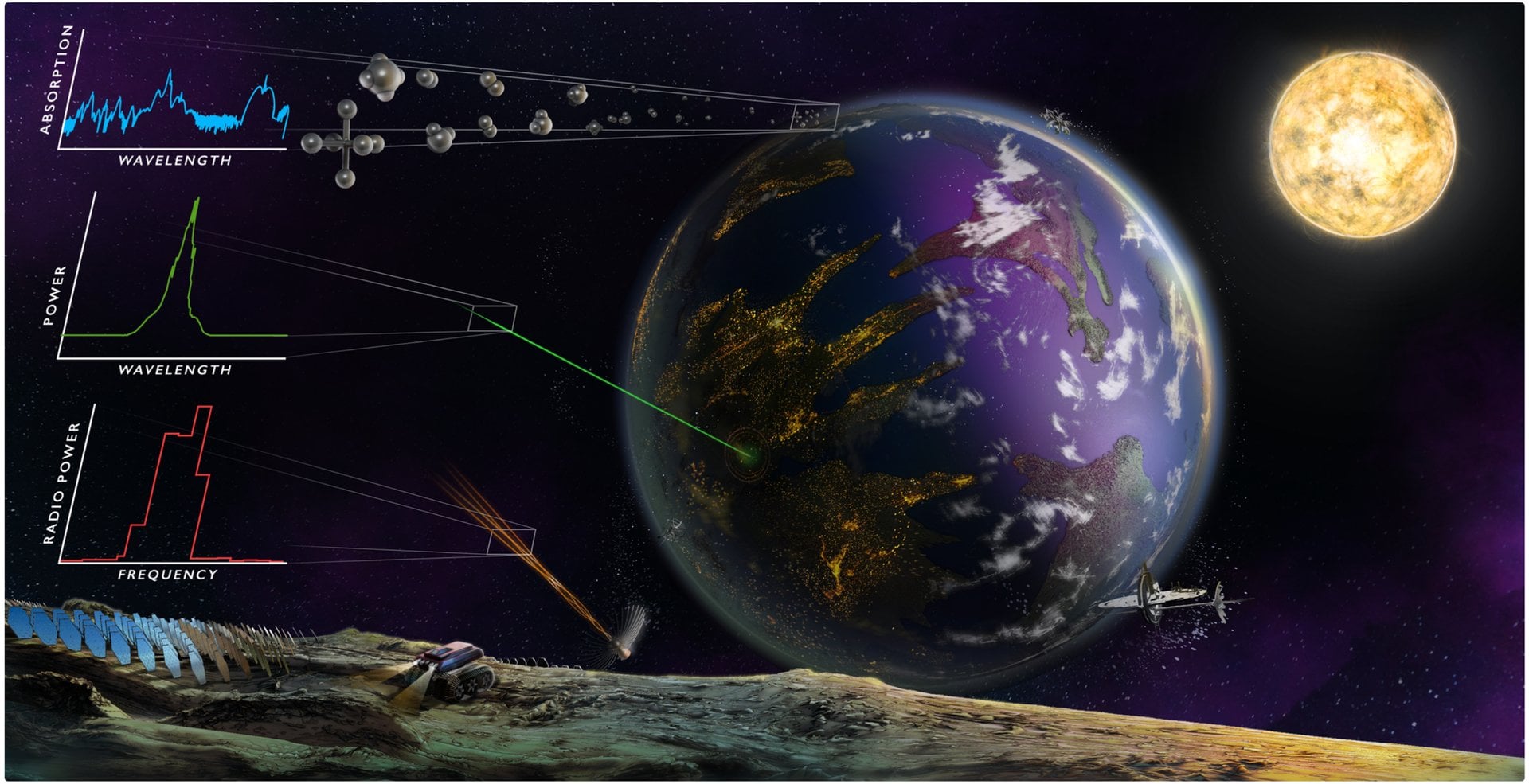 Artist's depiction of several types of possible technosignatures. Credit: Haqq-Misra, J. et al. (2022).
In 2011, the scale was modified to include whether contact was achieved via an interstellar message or a physical extraterrestrial artifact (much like the Pioneer Plaques or Voyager Golden Records) and all other possible indications of intelligent life - i.e., evidence of technological activity (technosignatures). By 2018, Almár, Tarter, and colleagues from multiple universities and research institutes (including the Breakthrough Listen Laboratory) released the 2.0 version.
In addition to presenting a single set of consistent terminology for the SETI community, the revised scale was created with the purpose of:
(i) achieving consensus across academic disciplines on a scheme for classifying signals potentially indicating the existence of advanced extraterrestrial life, (ii) supplying a pedagogical tool to help inform the public about the process scientists go through to develop an understanding of a signal, and (iii) providing a means of calibrating the expectations of the world at large when signals are discussed in the media.
San Marino Scale
In 2005, during the IAA conference in San Marino, Italy, Iván Almár and H. Paul Shuch (The SETI League, Inc.) proposed a separate scale for evaluating the significance of transmissions from Earth. In the same way that the Rio Scale was designed to assess potential SETI messages, the San Marino Scale was created for METI signals sent to space. The scale was adopted by the SETI Permanent Study Group of the International Academy of Astronautics at its 2007 meeting in Hyderabad, India. As Almár explained it:
While SETI, the Search for Extra-Terrestrial Intelligence, is a widely accepted science, the reciprocal activity sometimes called METI, Messaging to Extra-Terrestrial Intelligence, remains a controversial area, and receives much discussion and debate within the SETI community. It has been argued that a civilization which hopes to detect radio evidence of other civilizations in the cosmos is obligated to reveal its own presence.
Others maintain that it is suicidal to shout in the jungle. Heretofore, there has been no analytical tool to quantify the impact of transmissions from Earth. The authors of the San Marino Scale, while not particularly endorsing either side of the transmission debate, propose a tool to give such discussions a modest analytical basis.
In the original presentation, Almar indicated that the San Marino Index (SMI) is calculated as the sum of two terms: I and C. The first term is a logarithmic measure of the signal intensity relative to our Sun's background radiation in the same frequency band. The second term represents a characteristic of the transmission related to its information content. The first item is calculated as I = log10, so if a signal is 100 times more intense than the background noise, it would have an I value of two.
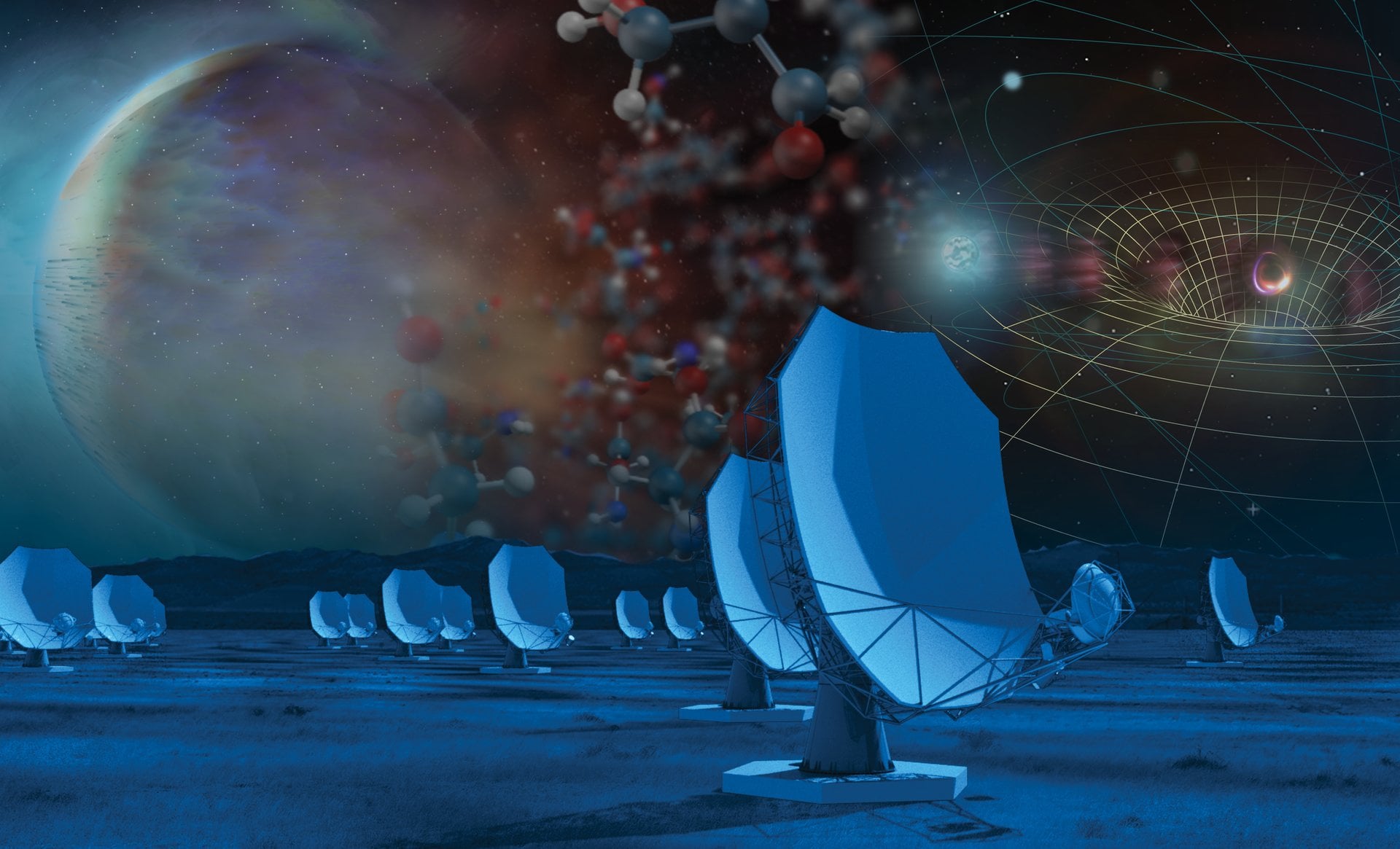 Artist's impression of the Next-Generation Very Large Array (ngVLA). Credit: NRAO
Meanwhile, the second item is rated on a scale of 1 to 5, with 1 corresponding to a radio pulse (randomly directed, with no information content) and 5 to a deliberate reply to an extraterrestrial signal.
Infohazards
The prospect of sending and receiving signals raises several issues and ethical considerations. For instance, consider the possibility that there are malevolent (or paranoid) civilizations in our galaxy that would consider any other sources of intelligent life to be a threat. Considering the time and energy that it would take to travel from one star to another is so great that an advanced species might conclude that sending a fleet to destroy another civilization would be futile.
Furthermore, if the history of humanity is any indication, technological progress (to paraphrase Ray Kurzweil) is subject to "accelerating returns." So, whereas one civilization may have a technological advantage over another, by the time its ships arrived to mount their attack, they would have lost it. In contrast, they might opt to broadcast malware into space as a message of greeting, perhaps with a tagline that reads, "Is anybody out there? Let's chat!"
If this is starting to sound familiar, it's probably because it's eerily reminiscent of the plot behind Liu Cixin's The Three-Body Problem. It's also the subject of a paper by independent scientist Michael Hippke of the Sonneberg Observatory and astrophysics Professor John G. Learned of the High Energy Physics Group at the University of Hawaii, Manoa, titled "Interstellar Communication. IX. Message Decontamination is Impossible." As they argued, a complex message from an ETC could not be decontaminated with certainty and should therefore be destroyed.
Naturally, there are plenty of "Contact Optimists" who would argue that the majority of ETI broadcasts would be benign in nature. Using humanity as an example, the vast majority of signals that we produce are not intended for ETIs in the first place. In addition, scientists have sent multiple messages to space, the most obvious being the Arecibo Message. In all cases, the messages were technology demonstrations intended to alert any potential ETCs to our presence and perhaps to convey our willingness to chat.
Per the Copernican Principle, one could conclude that most ETCs would be guided by similar desires to discover that they are not alone in the Universe. But as scientists like Carl Sagan have argued, it is foolish to assume a uniformity of motivation. And as David Brin argued in his seminal essay, "The Great Silence: The Controversy Concerning Extraterrestrial Intelligent Life," it only takes one exception to disprove the rule.
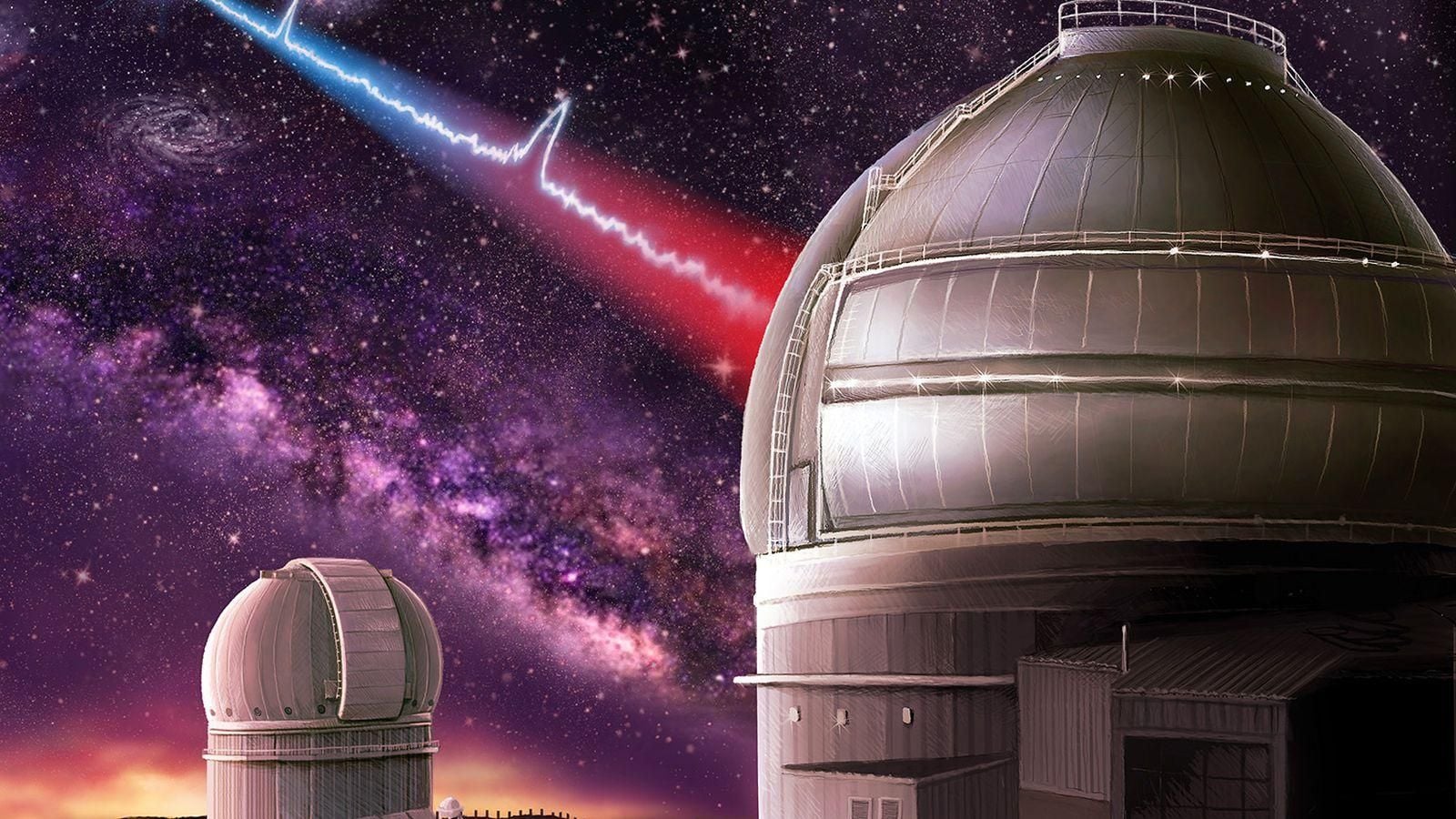 Artist's rendering of the Gemini telescope detecting FRBs. Credit: SETI
What's more, this once again dredges up The Three-Body Problem, or more specifically, the second book in the series and its proposed resolution to the Fermi Paradox: The Dark Forest Hypothesis. By announcing our presence, we run the risk of inviting a potential attack, possibly in the form of malicious spam.
Regulations
Fortunately, the pursuit of SETI and METI (now considered distinct fields) is governed by strict regulations governing how signals are handled and transmitted. In 1989, the International Academy of Astronautics (IAA) adopted the "Principles Concerning the Conduct of the Search for Extraterrestrial Intelligence," a set of principles meant to guide individuals, institutions, organizations, and other entities participating in the scientific SETI. The Principles have been revised and expanded several times since, most recently during the 2022-2025 IAA SETI Committees, and include the following:
1. Handling Candidate Evidence: -In the event of a detection, the discover should endeavor to make all efforts to authenticate it using all resources available and in collaboration with other investigators. -Information about candidate signals should be handled with extreme care since they may be ambiguous and require additional analysis and confirmation -The entire process should be governed by the highest scientific standards, responsibility, and integrity, and with the best interests of humanity in mind.
2. Communicating and Sharing Information: -SETI researchers and institutions should be free to present reports on their activities and results in public and professional forums. -Organizations should provide regular updates on their science and be open to media requests, providing prompt and accurate information. -SETI institutes and organizations should take appropriate steps for the personal and professional well-being of their members, dispel rumors, and promptly alert the public if an investigation reveals that a signal is non-extraterrestrial in origin.
3. Communicating Verification: -If the verification process confirms that a detection is credible, it must be promptly reported to the public, scientific community, the UN Secretary General, the United Nations Committee on the Peaceful Uses of Outer Space (COPUOS), the Office of Outer Space Affairs (UNOOSA), and other relevant U.N. bodies. -Verification reports should be peer-reviewed and include all the data, data analysis techniques, verification results, and other relevant data. -The report recipients must also include the International Academy of Astronautics (IAA), the International Astronomical Union (IAU), the Committee on Space Research (COSPAR) of the International Science Council, the International Institute of Space Law, the International Telecommunications Union, and others.
4. Monitoring, Archiving, and Data Accessibility: -All information should be disseminated through refereed journals, meetings, conferences, long-term archiving websites, and other appropriate means. -The discovery should be continuously monitored, stored, and handled with the best scientific practices to preserve its integrity and usage. -The information should be archived in at least two locations and be kept accessible to observers and the scientific community for further confirmation and analysis.
 Artist's rendering of Proxima b, the closest rocky planet to our Solar System. Credit: ESO/M. Kornmesser
5. Data and Frequency Protection: -Evidence of detections, such as the radio frequencies at which they were made, should be protected in accordance with International Telecommunication Union procedures.
6. Post-Detection Protocol: -The IAA SETI Committee will maintain a Post-Detection Sub-Committee to assist and advise in matters that may arise in the event of a confirmed detection. -The sub-committee shall also provide guidance and support to the public and scientific community when it comes to analysis, interpretation, and the wider implications. -It should be composed of an international team of experienced scientists, ethicists, lawyers, social scientists, communications professionals, and researchers.
7. Communications with ETI Following Confirmed Detection: -SETI practitioners should cooperate with international consultations to consider whether a potential response to a confirmed ETI should be made, and its contents. -These consultations should be conducted through the United Nations and other international bodies, with specific procedures outlined in a separate agreement.
8. Ethical and Legal Considerations: -SETI practitioners shall adhere to the highest ethical standards of cooperation, honesty, and integrity in all aspects of their work. -They will collaborate with international legal authorities to establish a clear framework for disseminating information about potential ETI detections. -SETI practitioners shall collaborate with ethicists in establishing ethical standards for handling possible and/or confirmed detections of ETI.
While METI is a comparatively new field of study, its proponents have also developed protocols for governing sending messages to space. These are similar to the SETI Protocols' guidance on drafting possible responses to ETI signals. Consistent with this, the main goals of METI International are not to draft a message to be sent into space, but to encourage debate and promote awareness of all issues pertaining to SETI and the longevity of our civilization - the L parameter in the famous Drake Equation.
As noted, the first confirmed detection of a signal from an advanced ETC would be the single-greatest event in human history. And of course, it would be impossible to imagine or predict the full impact that knowing we are not alone would have. Nevertheless, those involved in the search for intelligence beyond Earth remain committed to best practices and are nothing if not cognizant of the inherent risks. Above all, it is clear that if humanity ever comes across unambiguous evidence of intelligent life beyond Earth, the decision about what to do with this information must be made collectively.
Thank you to everyone who has followed this series and stuck with it until the end! We appreciate your readership and hope it proved a little enlightening.
Further Reading:
- Rio Scale Calculator
- San Marino Scale Calculator -Protocols for an ETI Signal Detection - SETI Institute -METI International
Be sure to check out the rest of our Beyond Fermi's Paradox series:
- Beyond “Fermi’s Paradox” I: A Lunchtime Conversation- Enrico Fermi and Extraterrestrial Intelligence
- Beyond “Fermi’s Paradox" II: Questioning the Hart-Tipler Conjecture
- Beyond “Fermi’s Paradox” III: What is the Great Filter?
- Beyond “Fermi’s Paradox” IV: What is the Rare Earth Hypothesis?
- Beyond “Fermi’s Paradox” V: What is the Aestivation Hypothesis?
- Beyond “Fermi’s Paradox” VI: What is the Berserker Hypothesis?
- Beyond “Fermi’s Paradox” VII: What is the Planetarium Hypothesis?
- Beyond "Fermi's Paradox" VIII: What is the Zoo Hypothesis?
- Beyond "Fermi's Paradox" IX: What is the Brief Window Hypothesis?
- Beyond "Fermi's Paradox" X: What is the Firstborn Hypothesis?
- Beyond "Fermi's Paradox" XI: What is the Transcension Hypothesis?
- Beyond "Fermi's Paradox" XII: What is the Water World Hypothesis?
- Beyond "Fermi's Paradox" XIII: What is the "Ocean Worlds" Hypothesis?
- Beyond "Fermi's Paradox" XIV: What is the Aurora Hypothesis?
- Beyond "Fermi's Paradox" XV: What is the Percolation Theory Hypothesis?
- Beyond “Fermi’s Paradox” XVI: What is the “Dark Forest” Hypothesis?
- Beyond "Fermi's Paradox" XVII: What is the "SETI-Paradox" Hypothesis?