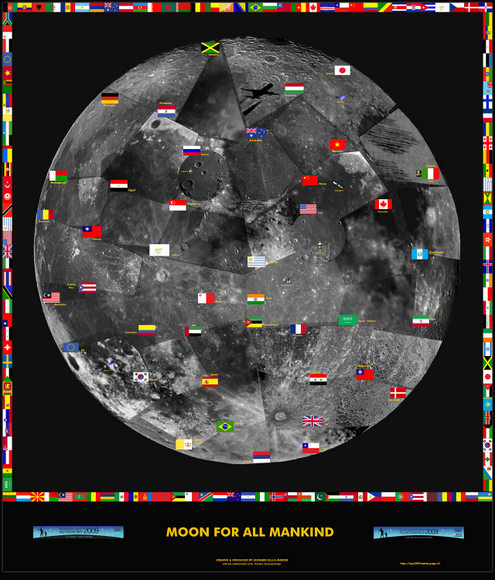
Moon For All Mankind By Anne Minard - July 16, 2009 09:09 AM UTC | Planetary Science Continue reading
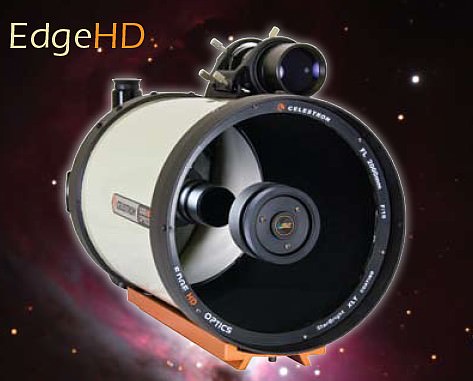
A High Definition Telescope? Yeah... The Celestron EdgeHD! By Tammy Plotner - July 16, 2009 08:18 AM UTC | Telescopes Continue reading
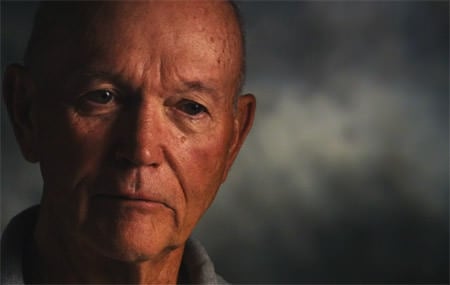
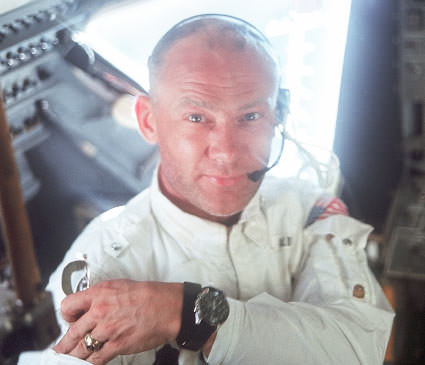
Q & A with Apollo 11 Astronaut Michael Collins By Nancy Atkinson - July 15, 2009 07:44 PM UTC | Missions Continue reading
Listen to Apollo 11 Conversations the Earth Didn't Hear By Nancy Atkinson - July 15, 2009 03:07 PM UTC | Missions Continue reading
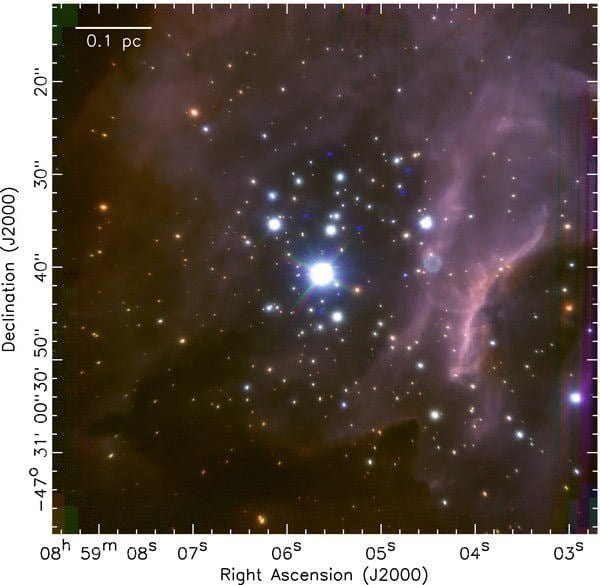
Where In The Universe #62 By Nancy Atkinson - July 15, 2009 02:46 PM UTC | Observing Continue reading
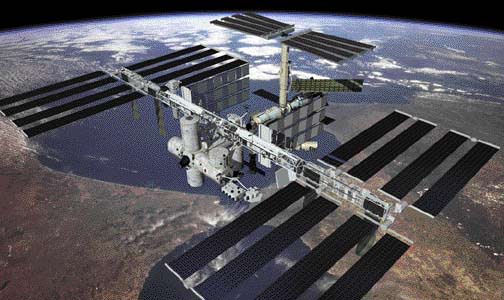
De-Orbit the ISS in 2016? Don't Bet On It By Nancy Atkinson - July 15, 2009 02:19 PM UTC | Space Exploration Continue reading
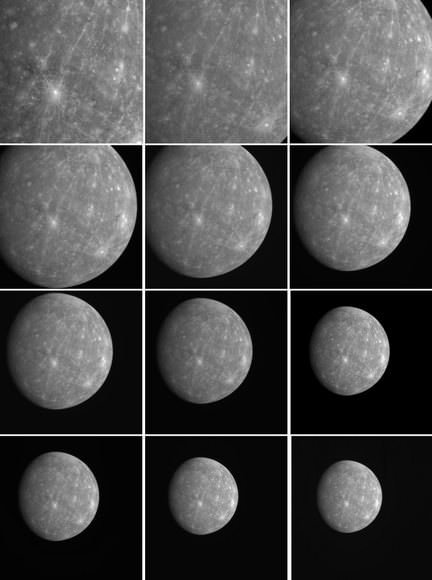
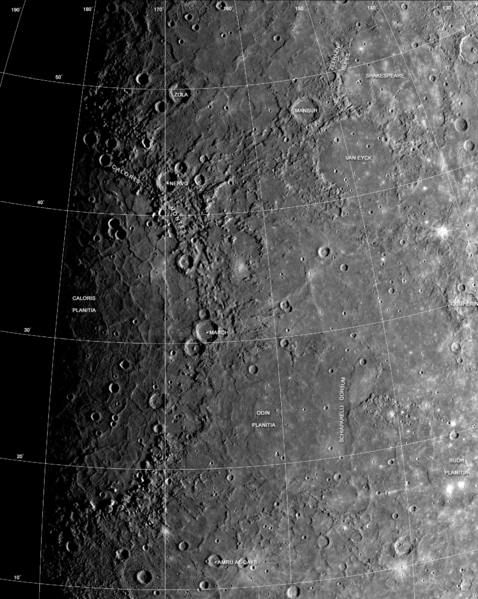
Mercury's Craters Get Artsy New Names By Anne Minard - July 15, 2009 11:15 AM UTC | Planetary Science Continue reading
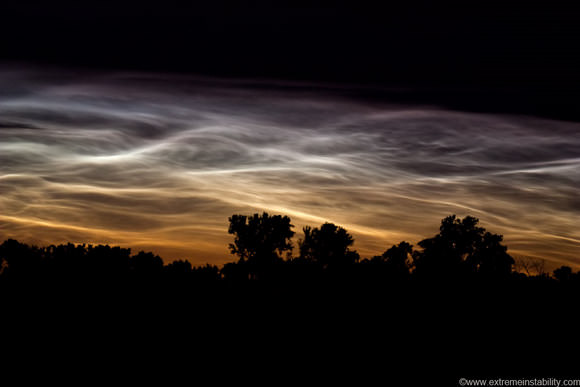
Invasion of the Noctilucent Clouds By Nancy Atkinson - July 15, 2009 10:40 AM UTC | Planetary Science Continue reading
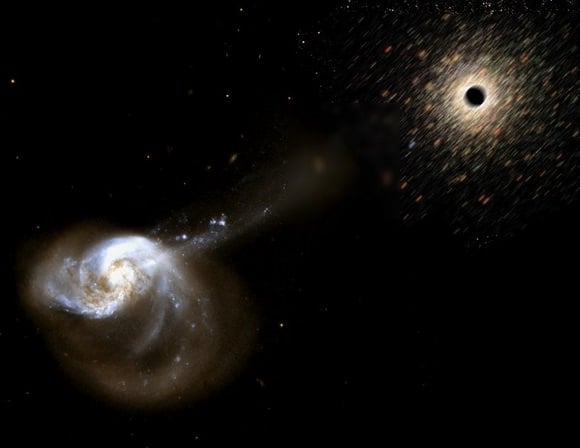
Ejected Black Holes Drag Clusters of Stars With Them By Nancy Atkinson - July 15, 2009 09:42 AM UTC | Black Holes Continue reading
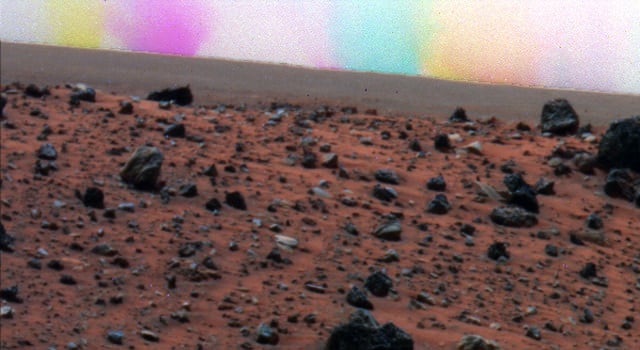
Spirit's Psychedelic Visions By Nancy Atkinson - July 14, 2009 08:47 PM UTC | Site News Continue reading
Build Your Own Apollo 11 Landing Computer By Nancy Atkinson - July 14, 2009 04:32 PM UTC | Missions Continue reading
Crew Emerges from Simulated Mars Mission By Nancy Atkinson - July 14, 2009 03:15 PM UTC | Space Exploration Continue reading
Welcome "Copernicium," Our Newest Element By Nancy Atkinson - July 14, 2009 02:01 PM UTC | Physics Continue reading
New Map Hints at Venus' Wet, Volcanic Past By Nancy Atkinson - July 14, 2009 05:44 AM UTC | Planetary Science Continue reading
Carnival of Space #111 -- Apollo 11 Launch Anniversary Edition By Nancy Atkinson - July 13, 2009 06:35 AM UTC | Site News Continue reading
Who Flew the Ship When Mike Collins Went to Sleep? By Nancy Atkinson - July 12, 2009 06:46 AM UTC | Missions Continue reading
Shuttle is Go For Launch, But is the Weather? By Nancy Atkinson - July 10, 2009 09:39 PM UTC | Missions Continue reading
Explore Tranquility Base With New Interactive Apollo 11 Feature By Nancy Atkinson - July 10, 2009 12:59 PM UTC | Missions Continue reading
Weekend SkyWatcher's Forecast: July 10-12, 2009 By Tammy Plotner - July 10, 2009 10:11 AM UTC | Observing Continue reading
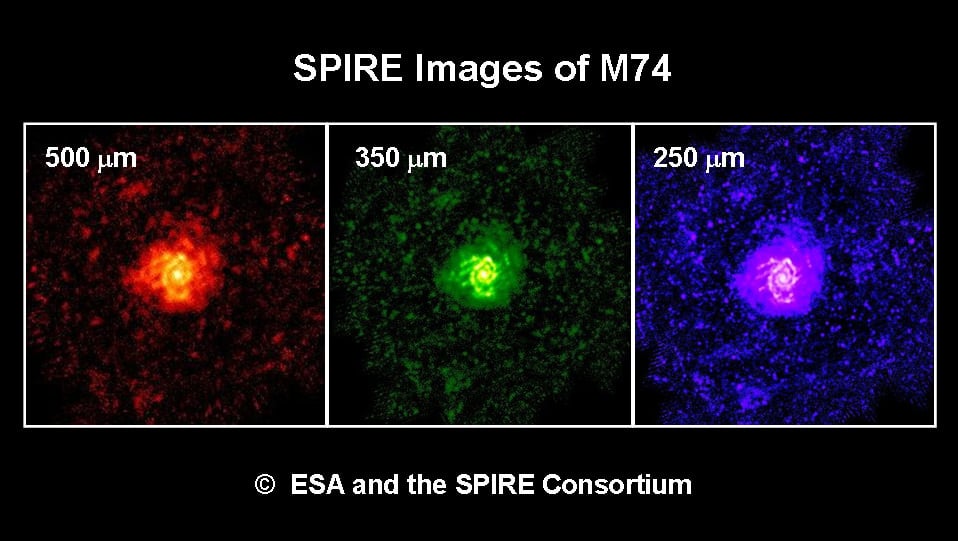
Herschel Telescope First Light Images Released By Nancy Atkinson - July 10, 2009 07:51 AM UTC | Telescopes Continue reading
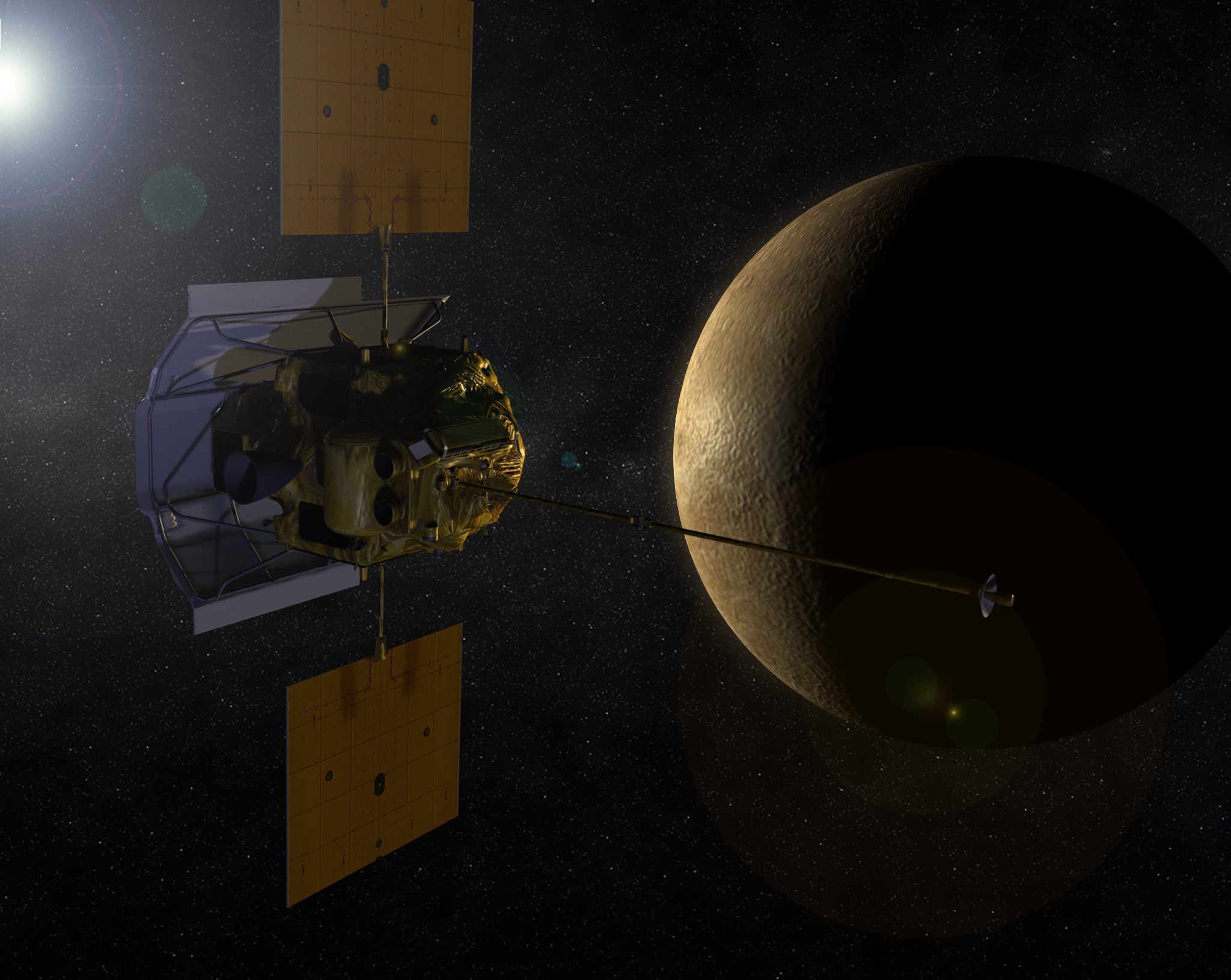
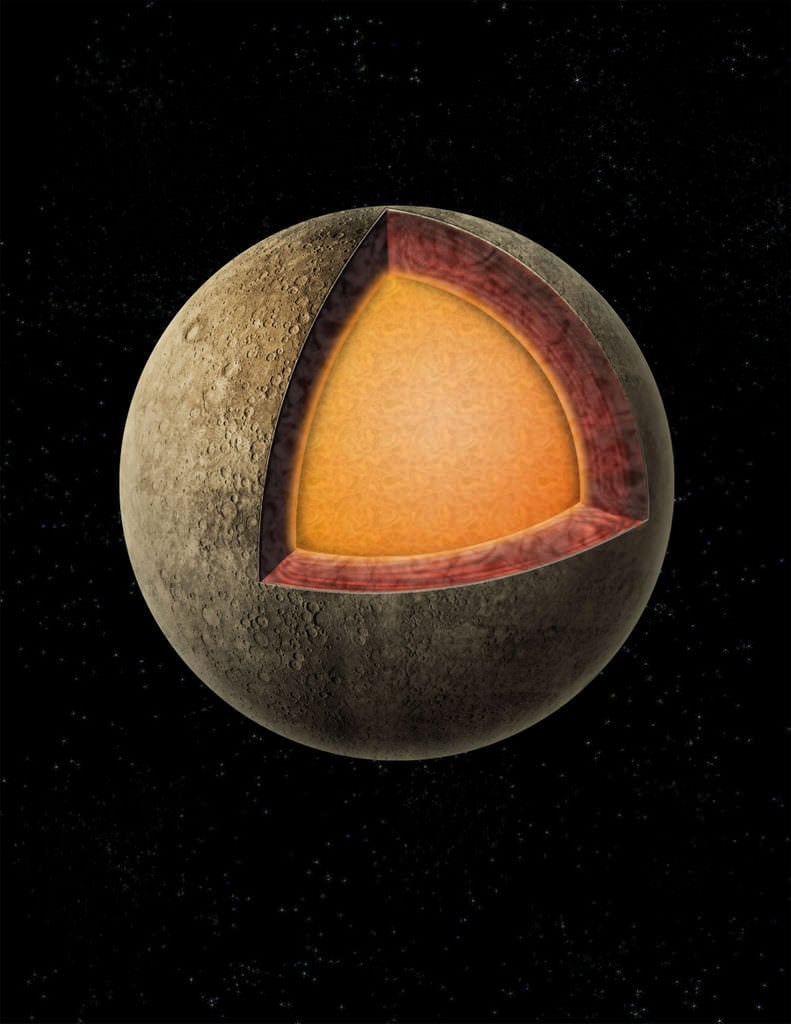
Have Humans Visited Mercury? By Fraser Cain - July 09, 2009 10:00 PM UTC | Planetary Science Continue reading
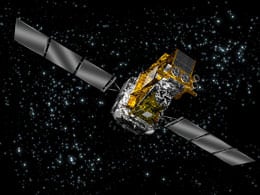
Solved: Mystery of Gamma Ray Distribution in the Milky Way By Brian Ventrudo - July 09, 2009 04:29 PM UTC | Milky Way Continue reading
This Week's Where In The Universe Challenge By Nancy Atkinson - July 09, 2009 02:46 PM UTC | Observing Continue reading
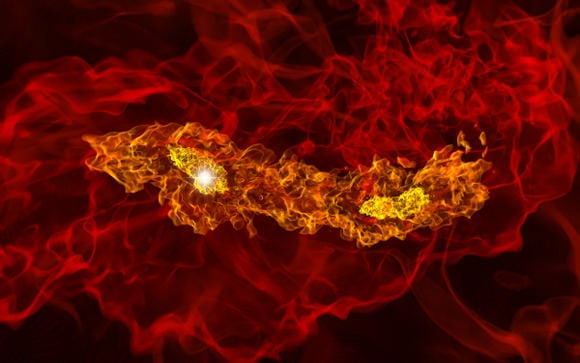
Earliest Stars Came in Pairs, New Simulation Shows By Anne Minard - July 09, 2009 11:01 AM UTC | Stars Continue reading
Help Find the Mars Polar Lander! By Nancy Atkinson - July 09, 2009 06:46 AM UTC | Missions Continue reading
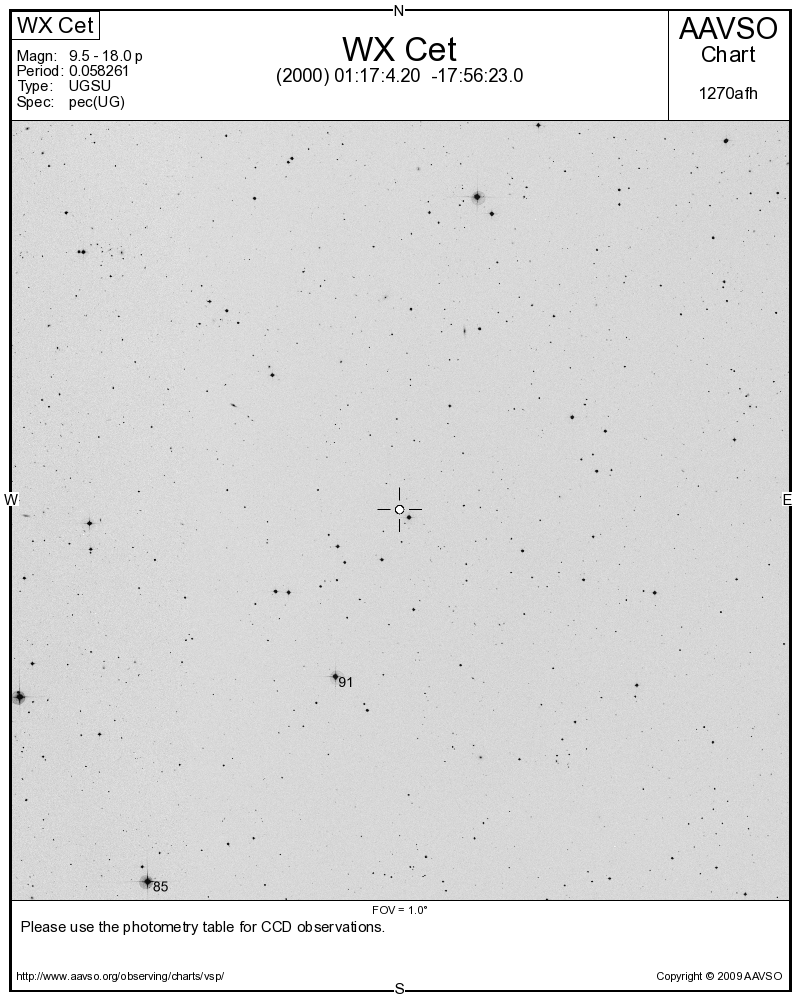
Observing Alert! Outburst of Dwarf Nova WX Ceti By Tammy Plotner - July 08, 2009 05:00 PM UTC | Observing Continue reading
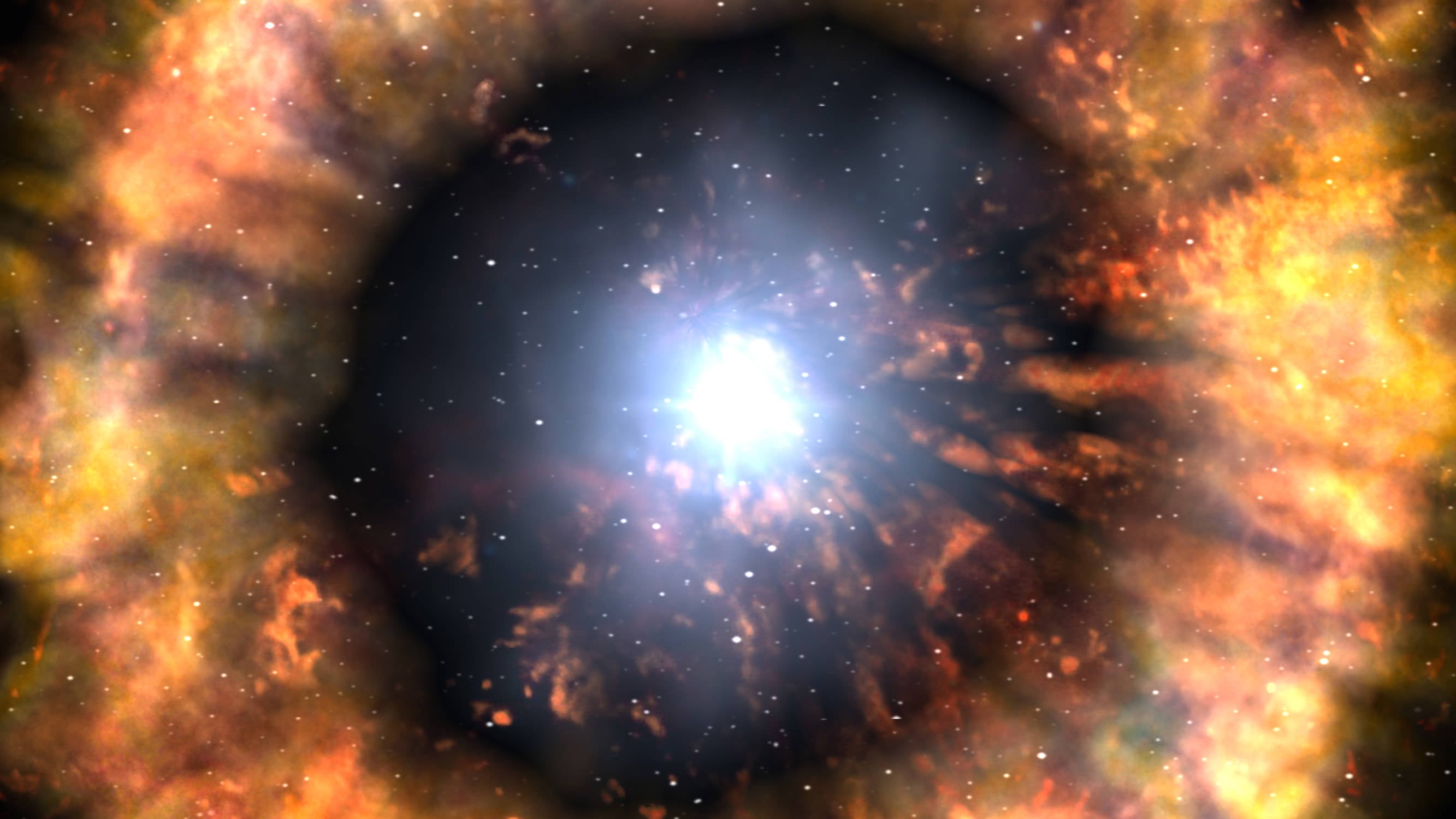
New Technique Finds Farthest Supernovae By Nancy Atkinson - July 08, 2009 10:10 AM UTC | Extragalactic Continue reading
Going to Mars Together By Nancy Atkinson - July 08, 2009 07:44 AM UTC | Space Exploration Continue reading
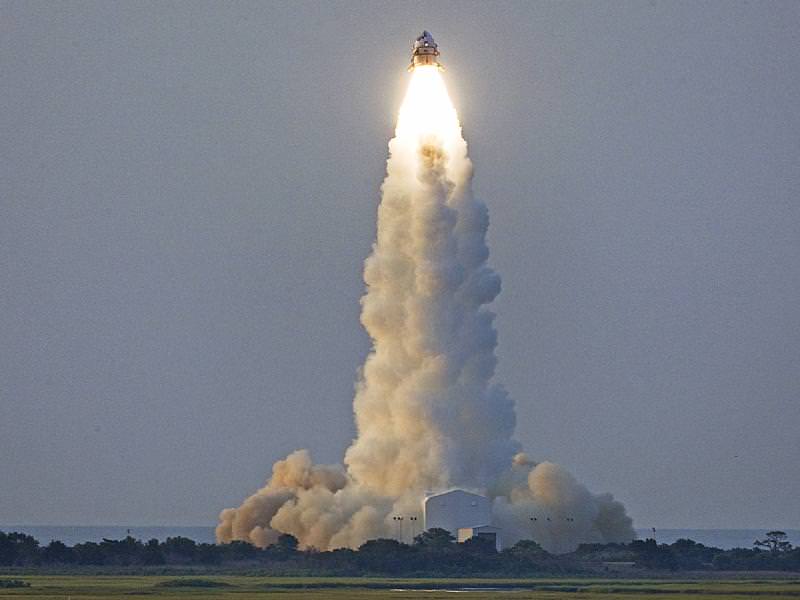
NASA Tests Alternative Escape Pod By Nancy Atkinson - July 08, 2009 07:23 AM UTC | Space Exploration Continue reading
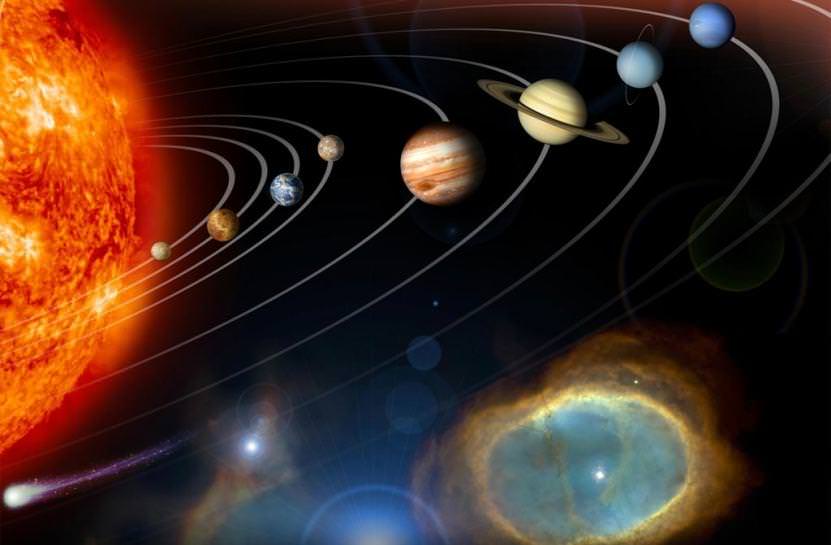
Discovery of the Planets By Abby Cessna - July 07, 2009 10:15 PM UTC | Planetary Science Continue reading
Names of the Planets By Abby Cessna - July 07, 2009 09:29 PM UTC | Planetary Science Continue reading
How Often Are New Stars Born in the Milky Way? By Nancy Atkinson - July 07, 2009 03:14 PM UTC | Milky Way Continue reading
LRO Hi-Def Lunar Flyover Movie By Nancy Atkinson - July 07, 2009 02:42 PM UTC | Planetary Science Continue reading
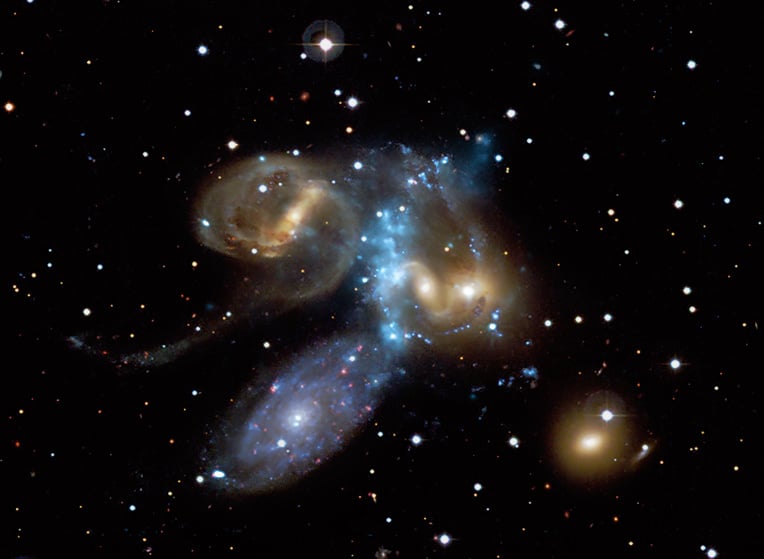
Australian Astronomers Reveal Image of A Cosmic "Blue Whale" By Brian Ventrudo - July 07, 2009 01:17 PM UTC | Extragalactic Continue reading
Carnival of Space #110 - the Phobos-Grunt, Liberty and Pants-on-Fire edition By Nancy Atkinson - July 07, 2009 08:20 AM UTC | Site News Continue reading
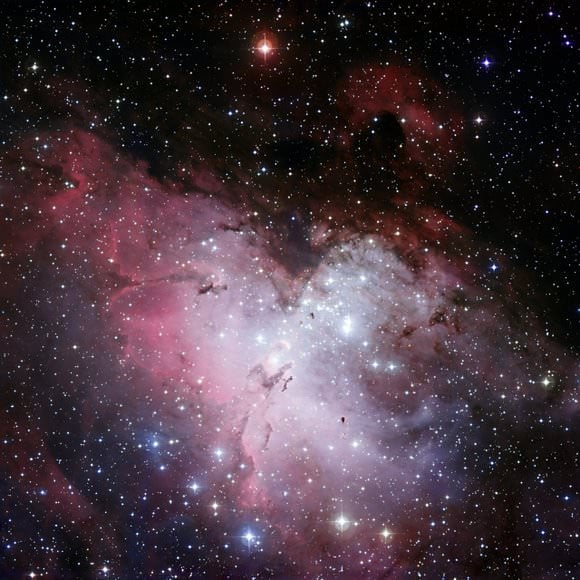
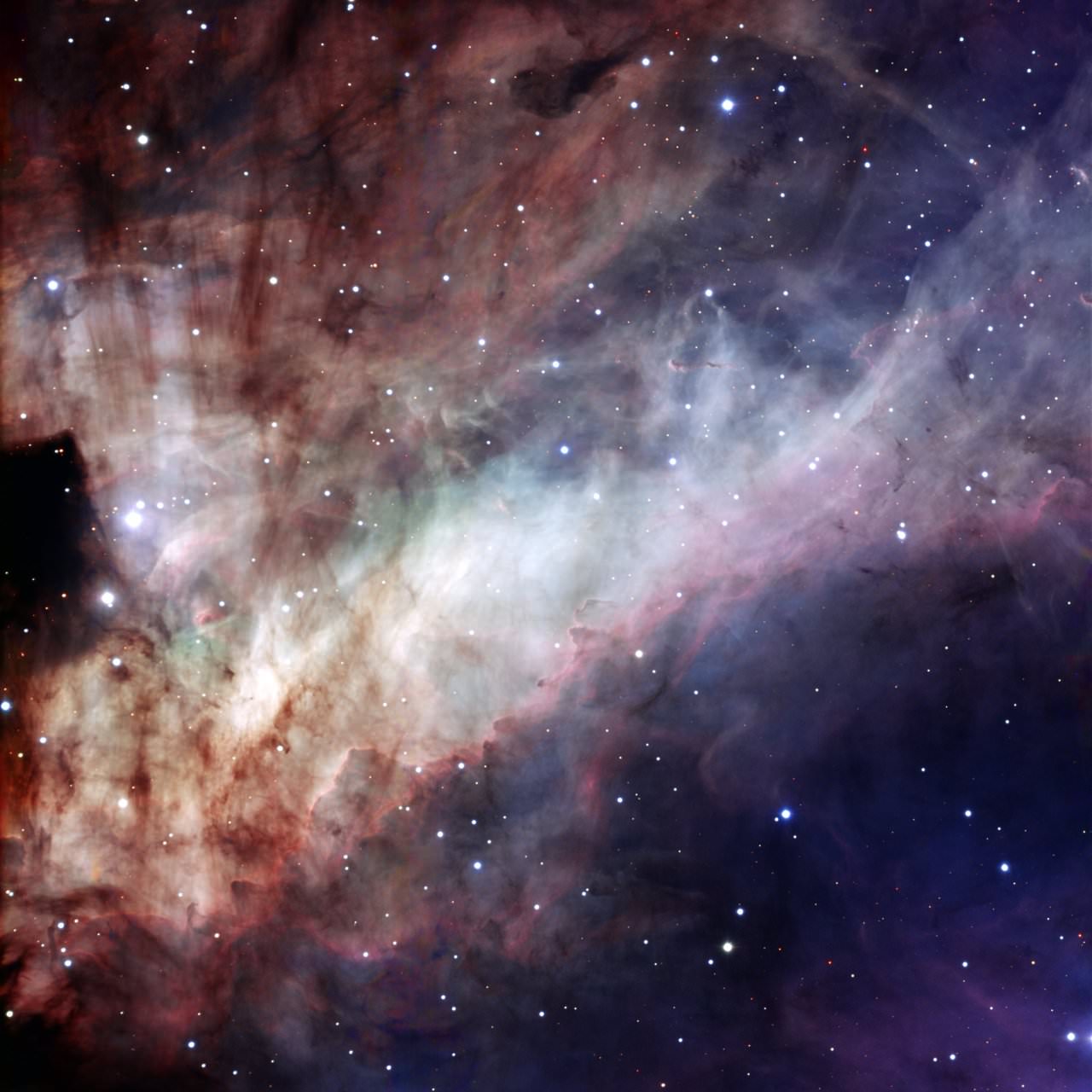
Omega Nebula Struts its Stuff in New, Multicolored Image By Anne Minard - July 07, 2009 06:55 AM UTC | Extragalactic Continue reading
Qué es el mercurio hecho By Fraser Cain - July 05, 2009 09:43 PM UTC | Planetary Science Continue reading
Temperatura de Mercurio By Fraser Cain - July 05, 2009 09:27 PM UTC | Planetary Science Continue reading
 Universe Today