 Universe Today
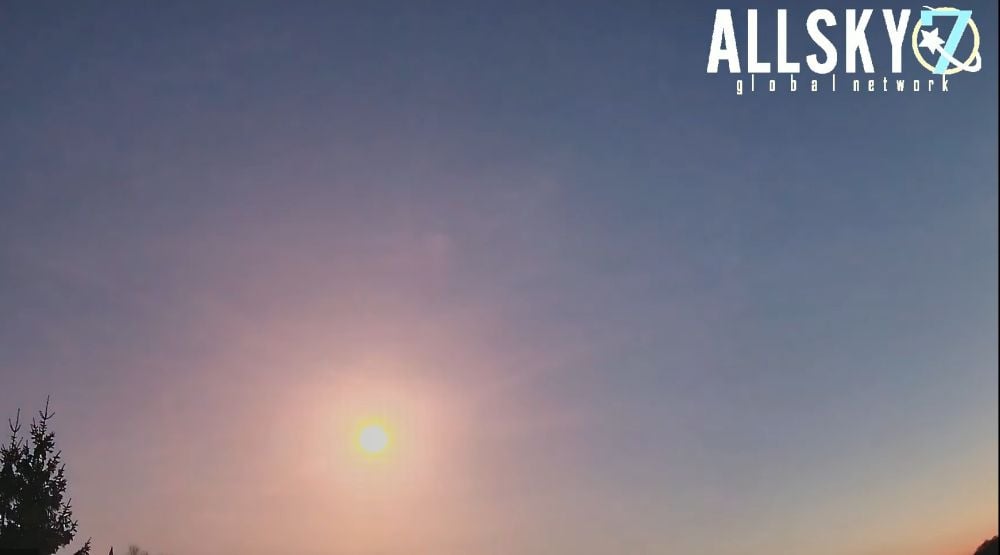
On Sunday March 8th, people in Belgium, France, Germany, Luxembourg, and the Netherlands watched as a fireball crossed the sky. It travelled from the southwest to the northeast, flaming for several seconds. Dedicated meteor cameras, mobile phones, dashcams, and other cameras all captured the event. Some observers even heard the event from the ground. Fragments from the meteor struck homes and buildings in Germany.
The most recent fireball to capture international attention before this one was the Chelyabinsk Meteor in 2013. That was likely an asteroid that exploded in the air before it hit the ground. The ESA is analyzing the event, and they say that fireballs like this can happen from every few weeks to every few years.
The ESA has a planetary defence team, and they're gathering available data to determine how large it was. Their current assessment is that it was several meters in diameter.
It's unlikely that any dedicated survey telescopes saw the object before it entered the atmosphere because of its timing and the direction of its travel. We have only ever detected 11 impactors prior to them entering the atmosphere, so its non-detection isn't unusual. Of course, the Vera Rubin Observatory and its Legacy Survey of Space and Time (LSST) will soon add to that number.
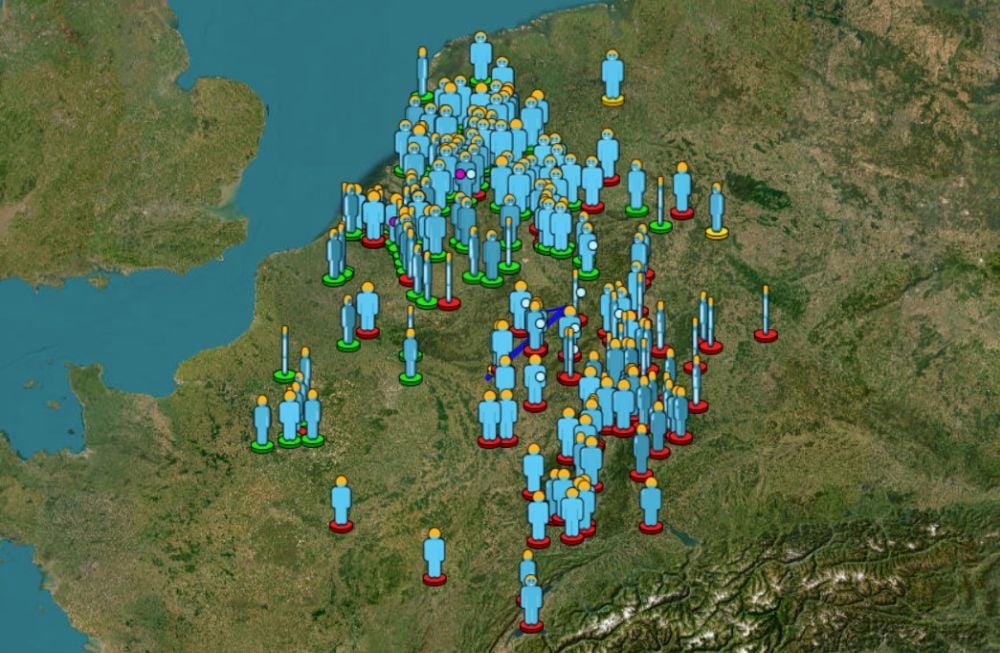 This map shows individual sightings of the fireball. The blue arrow shows the meteor's trajectory. A red circle under a person indicates the witness saw the phenomenon travelling from left to right. A green circle indicates the opposite. A light blue/grey smaller circle on a witness indicates they heard a delayed sound. A purple one indicates they heard a concurrent sound. Image Credit: International Meteor Organization.
But many dedicated meteor cameras did capture it, including those in the AllSky7 fireball network.
News outlets are reporting that some fragments of the meteorite have already been recovered. Once they find their way to laboratories, analysis will reveal its chemical composition is and its classification. Meteorites are classified into groups according to their relationships to other recovered meteorites. Some meteorites come from the same parent body, and studying these relationships can reveal things about the early Solar System.
The ESA says they will provide an update as they learn more.

