Universe Today
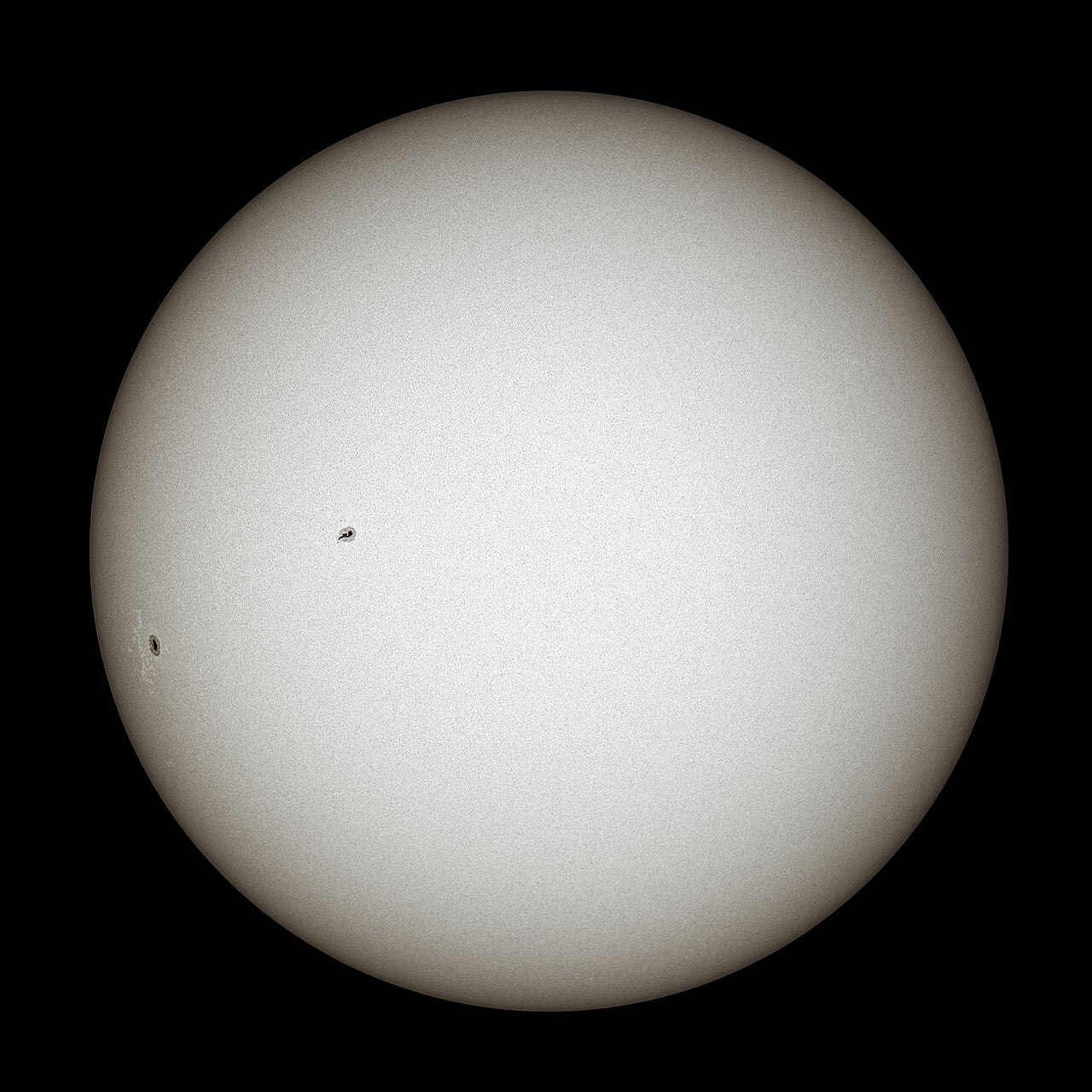
Think you know the Sun? You glance up on a clear day, feel the warmth on your face, and it seems reassuringly constant. Same star, day after day, year after year. But beneath that blazing surface, something altogether more subtle is going on and it has taken scientists forty years of painstaking observation to finally catch it in the act.
A team from the University of Birmingham and Yale University has revealed that the Sun's internal structure doesn't simply reset between cycles. It shifts and those shifts leave detectable fingerprints that could one day help us predict the space weather events that threaten our satellites, power grids, and GPS systems.
 Artist's impression of a GPS Block IIIA satellite in orbit (Credit : US Air Force)
Every eleven years, the Sun swings through its magnetic cycle ramping up from a quiet, orderly state to a frenzy of sunspots and solar flares before settling back down again. The calm periods are known as solar minima, and they've traditionally been viewed as the Sun at its most uniform and predictable. The new research tells a different story.
Using data stretching back to the 1970s from the Birmingham Solar Oscillations Network which is combined of six telescopes positioned at strategic points around the globe to keep the Sun under continuous watch, the team studied four successive solar minima spanning cycles 21 through 25. Their tool of choice was helioseismology or the science of listening to the Sun vibrate.
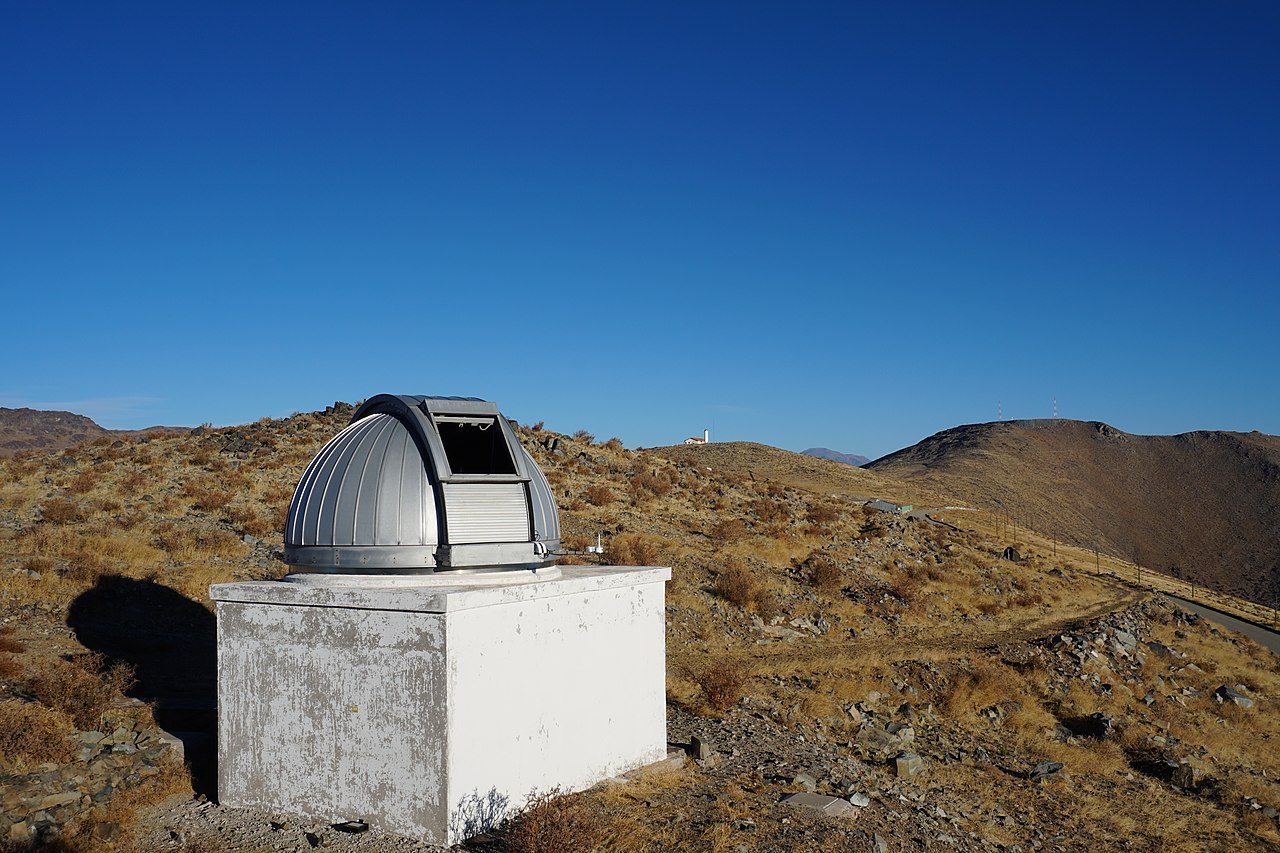 Solar telescope operated as part of the BiSON Network. This particular telescope is at Las Campanas Observatory in Atacama Region, Chile. In the distance, early construction work on the Giant Magellan Telescope can be seen.
Like a bell struck by a hammer, the Sun rings. Trapped sound waves bounce around inside it, making the entire star gently oscillate in ways that carry information about its internal temperature, density, and structure right out to the surface where sensitive instruments can detect them. By analysing the precise frequencies of these oscillations across four separate minima, the researchers could peer inside the Sun and compare what they found.
What emerged was striking. Each minimum was subtly different from the last. The Sun's outer layers had shifted measurably from one quiet period to the next, and the deepest, most prolonged minima left the clearest internal fingerprints of all. Far from being blank slates, these quiet periods appear to set the tone for the activity cycles that follow.
That last point matters enormously. Space weather, the energetic outbursts the Sun hurls into the Solar System, can cripple communications satellites, knock out power grids across entire continents, and overwhelm GPS networks. Being able to forecast it more accurately isn't just scientifically interesting, it has real consequences for modern life.
It’s a reminder that even after centuries of observation, our nearest star still has secrets. And sometimes, the key to unlocking them is simply having the patience to listen long enough.
Source : Forty years' data give unique insight into Sun's inner life