Universe Today
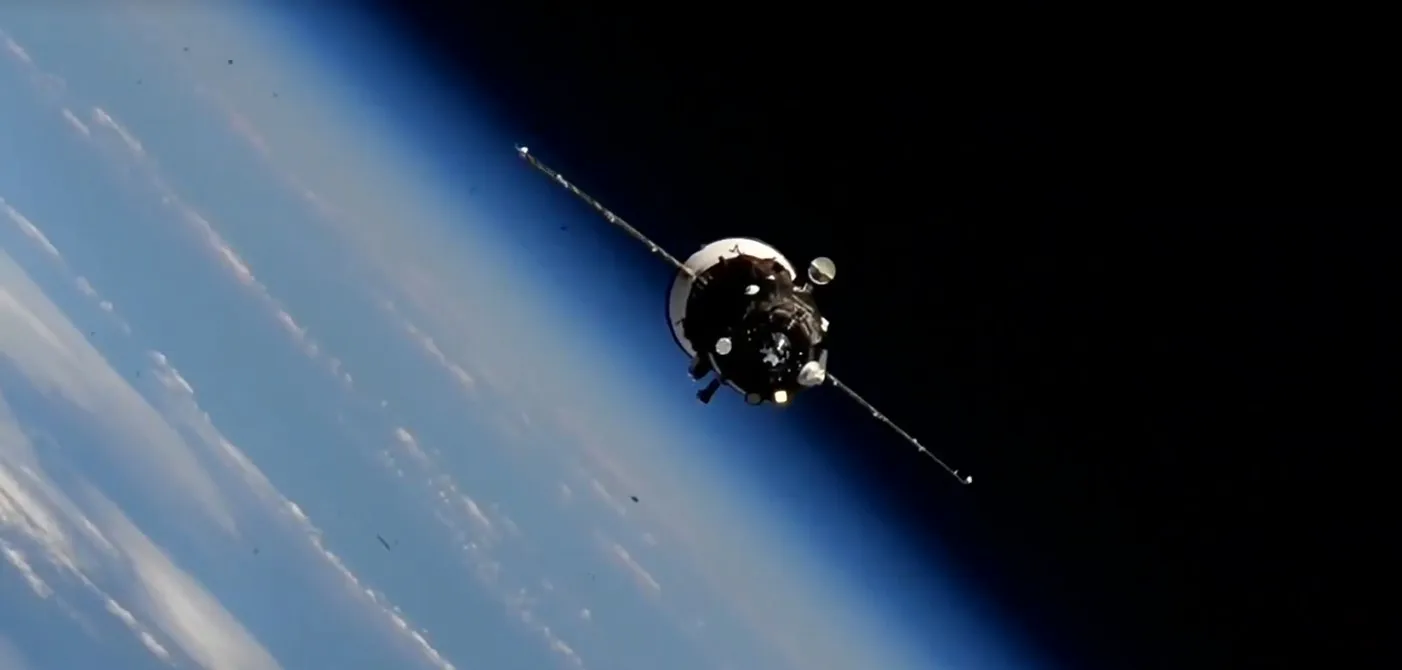
There is something quietly symbolic about a rocket lifting off from a pad that recently fell apart beneath one. Yet that is exactly what happened on 22 March when Russia launched its unmanned Progress MS-33 cargo spacecraft from Site 31 of the Baikonur Cosmodrome, the very launch site that suffered a damaging structural collapse just four months ago.
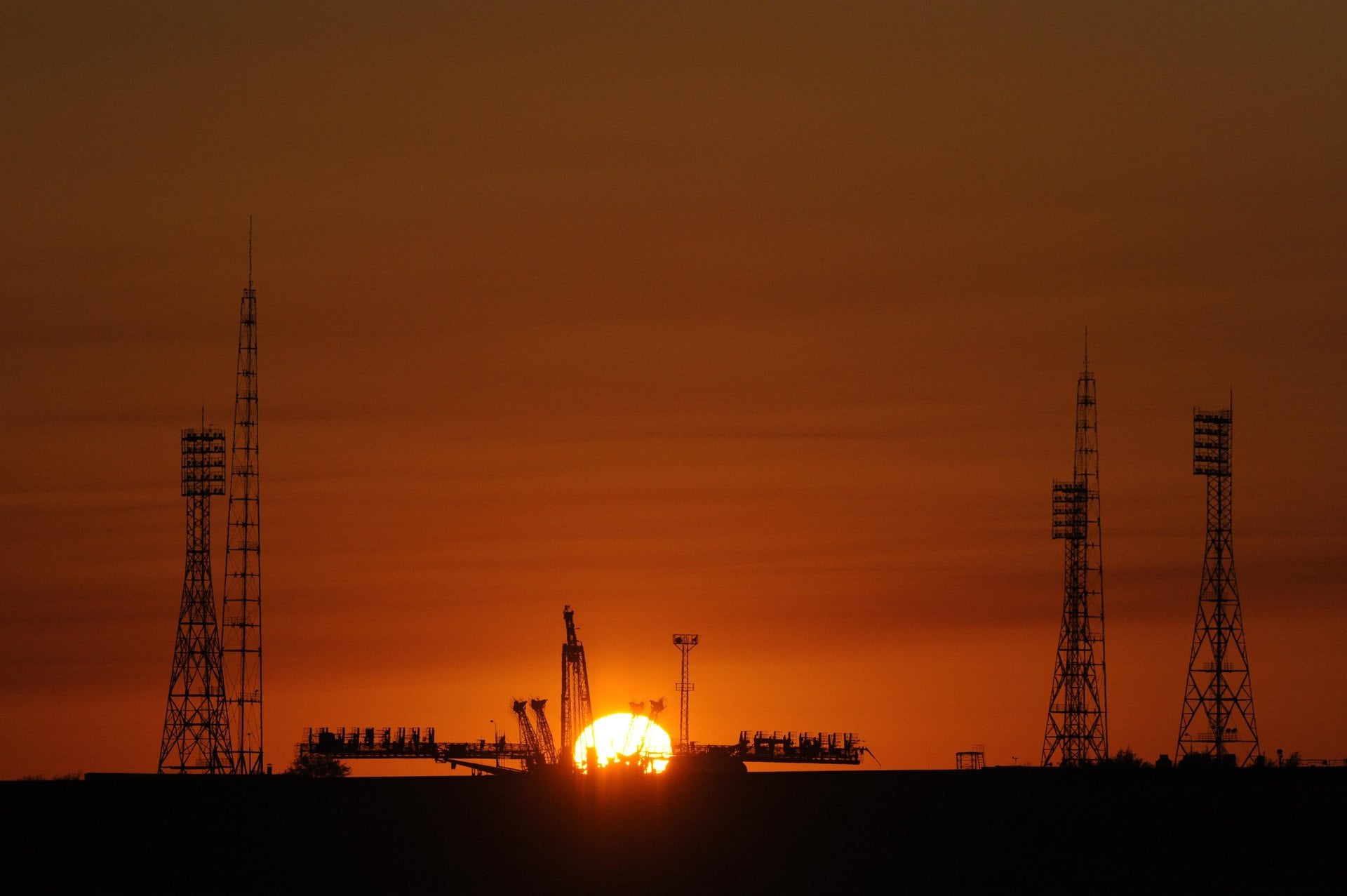 The Soyuz launch pad, Gagarin's Start is seen prior to the rollout of the Soyuz TMA-13 spacecraft at the Baikonur Cosmodrome in Kazakhstan (Credit : Bill Ingalls)
Part of the launch site collapsed during the lift off of Soyuz MS-28 last November, an incident that sent shockwaves through Russia's space programme. Site 31 was Russia's only operational launch pad for crewed missions to the International Space Station, meaning the accident temporarily stripped the nation of its ability to send cosmonauts into space entirely. For a country that once led humanity's charge to space, it was a deeply uncomfortable position to find itself in.
Repairs wrapped up earlier this month, and Sunday's successful cargo launch confirmed the pad is once again operational. "The flight is normal," came the understated commentary from Roscosmos mission control, four words that carried considerably more relief than they might suggest.
To understand why this matters, you have to go back to the beginning. The Soviet Union didn't just participate in the Space Race, for a time, it dominated it. Sputnik, the world's first artificial satellite, launched from Baikonur in 1957. Yuri Gagarin took a Soyuz rocket from the same patch of Kazakh Steppe in 1961 to become the first human in space. For decades, Baikonur was the beating heart of humanity's ambitions beyond Earth.
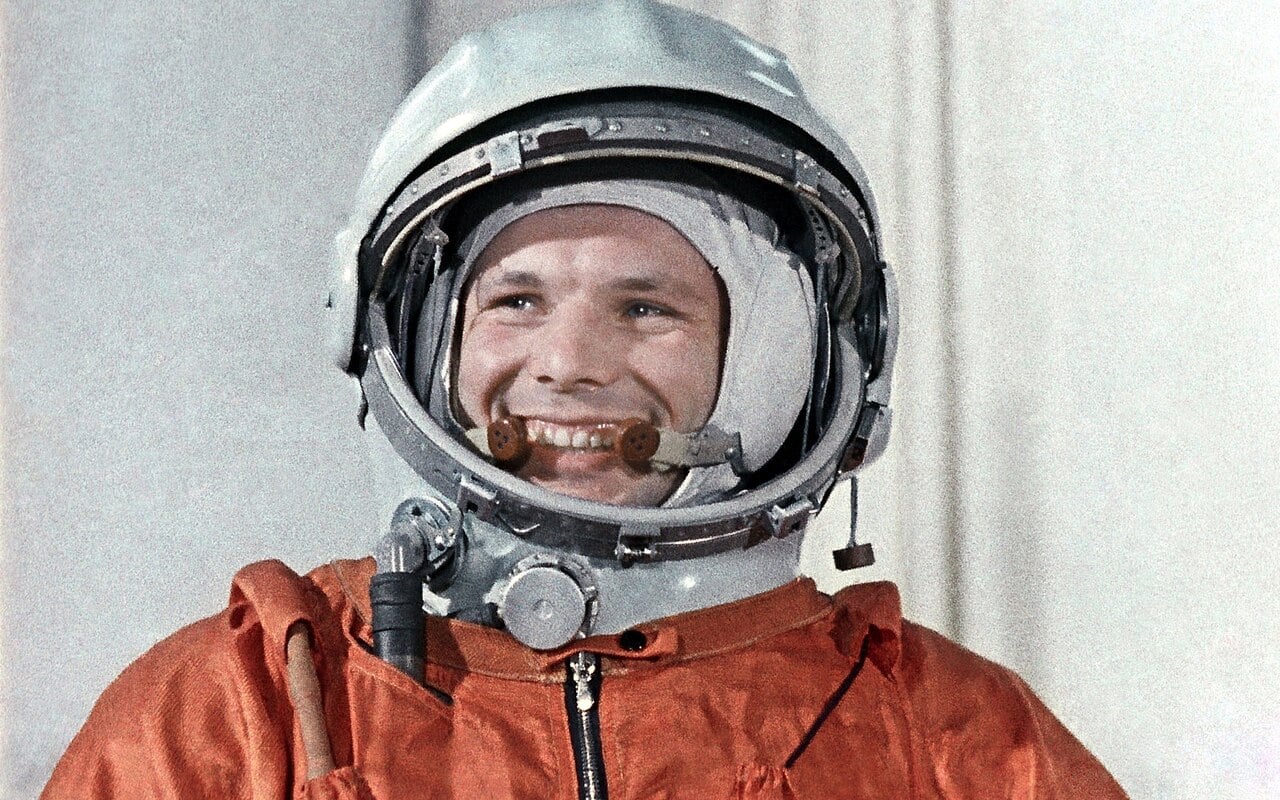 Gagarin in his Vostok 1 spacesuit on 12 April 1961 (Credit : Mos.ru)
The collapse of the Soviet Union in 1991 changed everything. Funding evaporated, talent scattered, and the infrastructure that had launched a generation of pioneers began to age without adequate investment. Russia's space programme has faced numerous setbacks in the post Soviet era, most recently losing its first lunar lander in almost 50 years when the Luna-25 probe crashed on the Moon in 2023.
Baikonur itself sits in Kazakhstan, operated by Russia under a lease agreement running until at least 2050. That arrangement reflects a broader truth, that Russia's once self contained space infrastructure is now complicated by geopolitics, geography and finances in ways the Soviet engineers who built it could never have imagined.
The launchon 22 March is undeniably good news for Roscosmos. The Progress cargo ship is on its way to the ISS, the pad is back in business, and crewed missions can resume. But a single successful launch does not reverse decades of decline. The question hanging over Russia's space ambitions isn't whether they can fix a launch pad. It's whether they can recapture the vision that built it in the first place.
Source : Russia Resumes Use of Space Launch Site Damaged in Accident