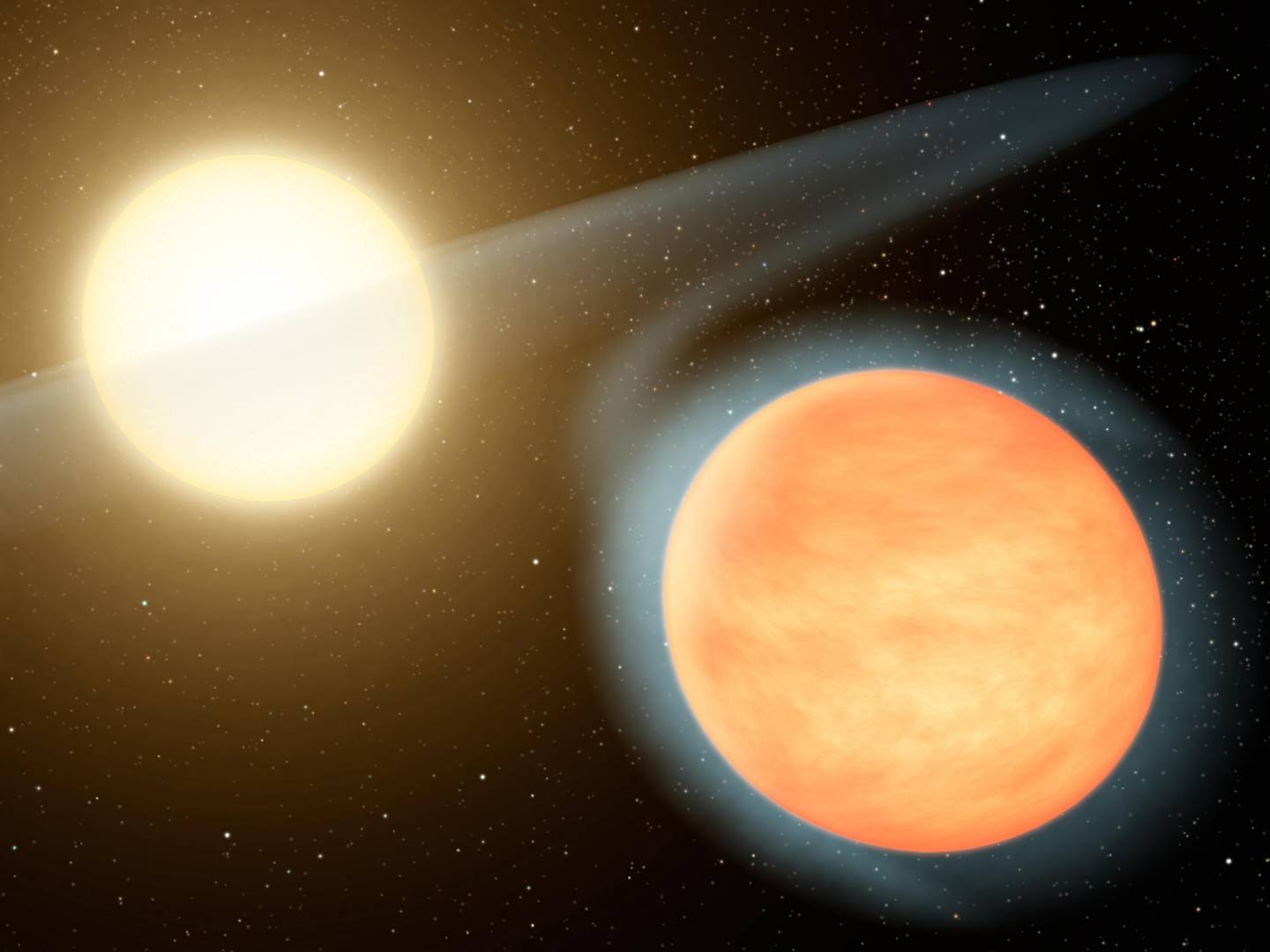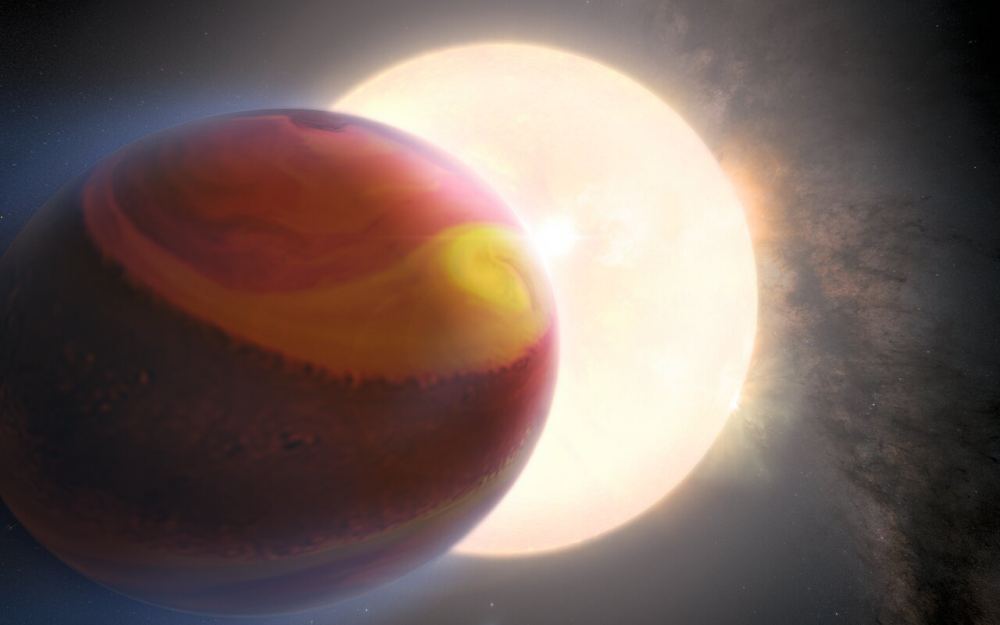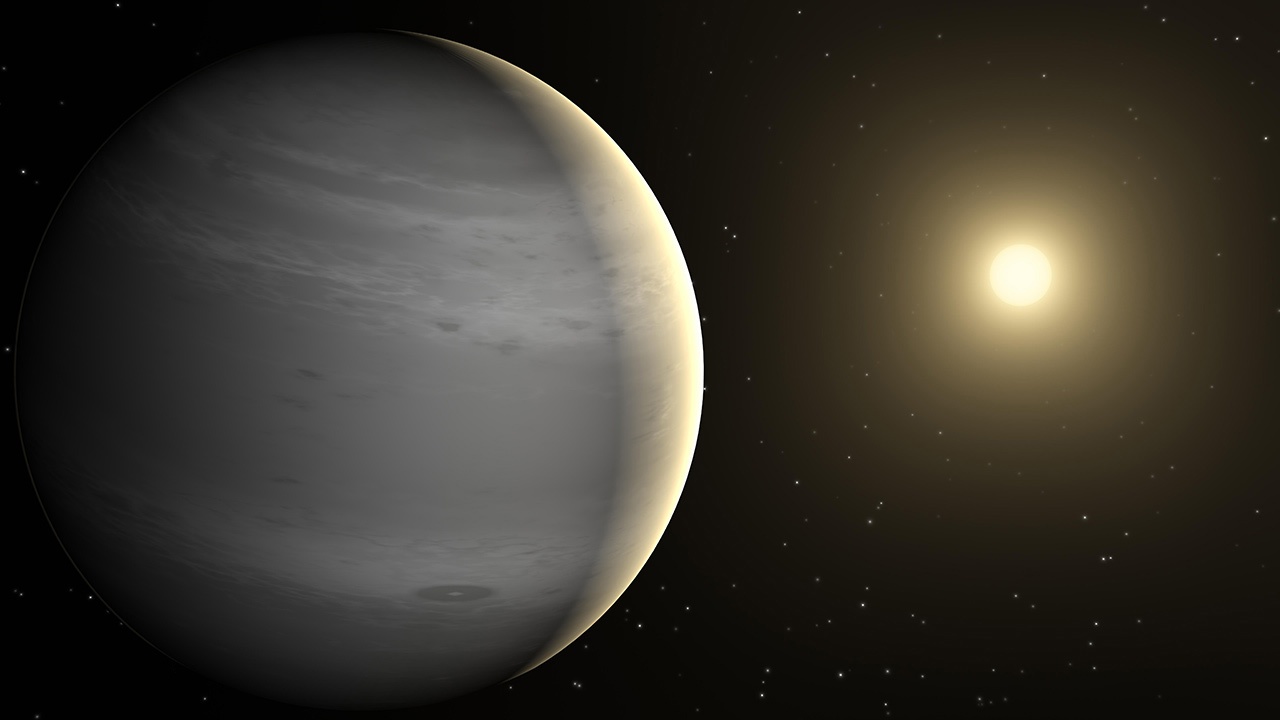
In 2011, astronomers with the Wide Angle Search for Planets (WASP) consortium detected a gas giant orbiting very close to a Sun-like (G-type) star about 700 light-years away. This planet is known as WASP-39b (aka. “Bocaprins”), one of many “hot Jupiters” discovered in recent decades that orbits its star at a distance of less than 5% the distance between the Earth and the Sun (0.05 AU). In 2022, shortly after the James Webb Space Telescope (JWST) it became the first exoplanet to have carbon dioxide and sulfur dioxide detected in its atmosphere.
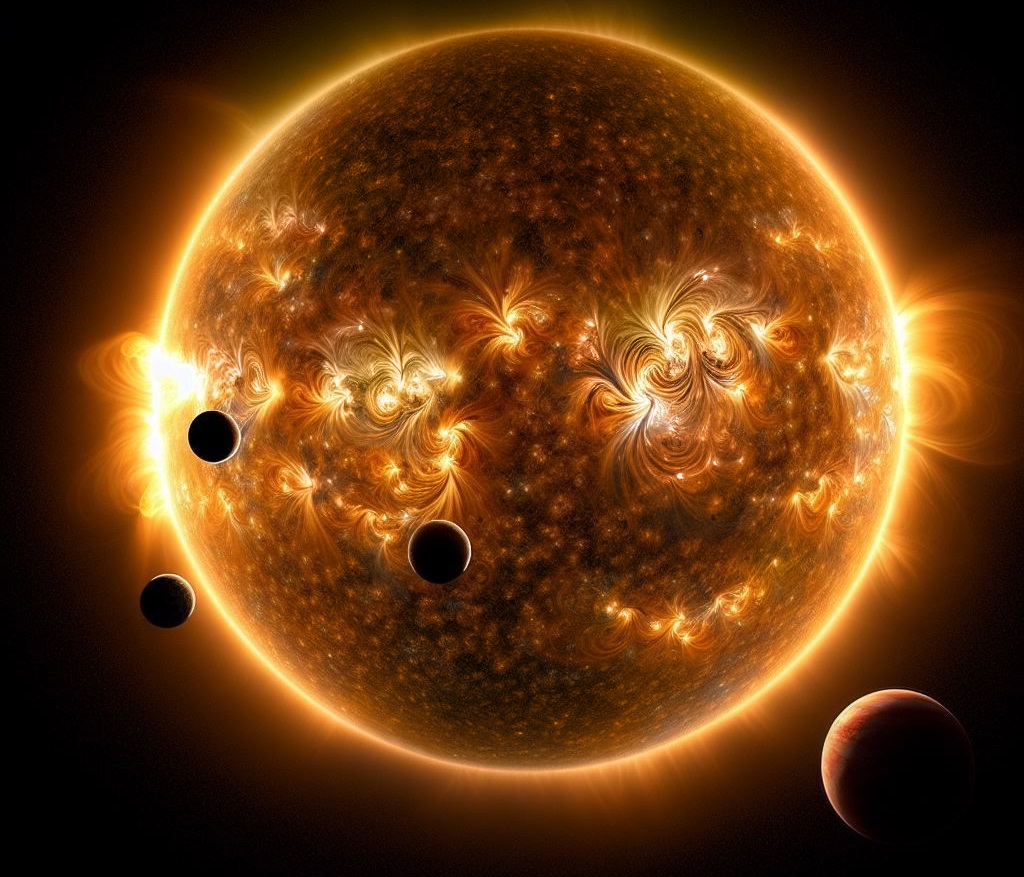
Alas, researchers have not constrained all of WASP-39b’s crucial details (particularly its size) based on the planet’s light curves, as observed by Webb. which is holding up more precise data analyses. In a new study led by the Max Planck Institute for Solar System Research (MPS), an international team has shown a way to overcome this obstacle. They argue that considering a parent star’s magnetic field, the true size of an exoplanet in orbit can be determined. These findings are likely to significantly impact the rapidly expanding field of exoplanet study and characterization.
Continue reading “You Can't Know the True Size of an Exoplanet Without Knowing its Star's Magnetic Field”