 Universe Today
Measuring the Distance Between Quasar Pairs Just Got Easier
A new way to accurately measure the distance between quasar pairs is showing promise through University of Alberta research.
Astronomy observing tips and guides
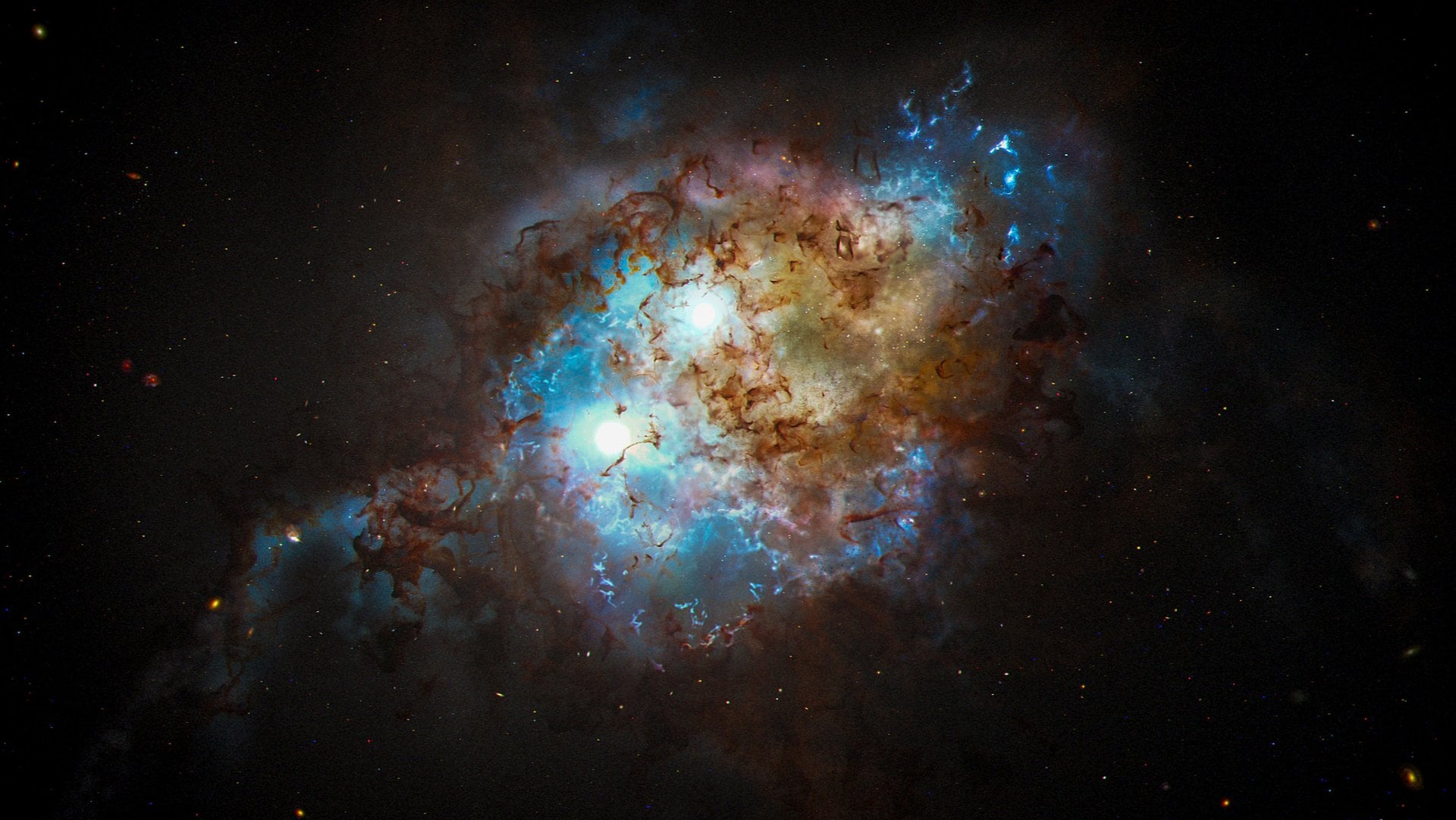
A new way to accurately measure the distance between quasar pairs is showing promise through University of Alberta research.
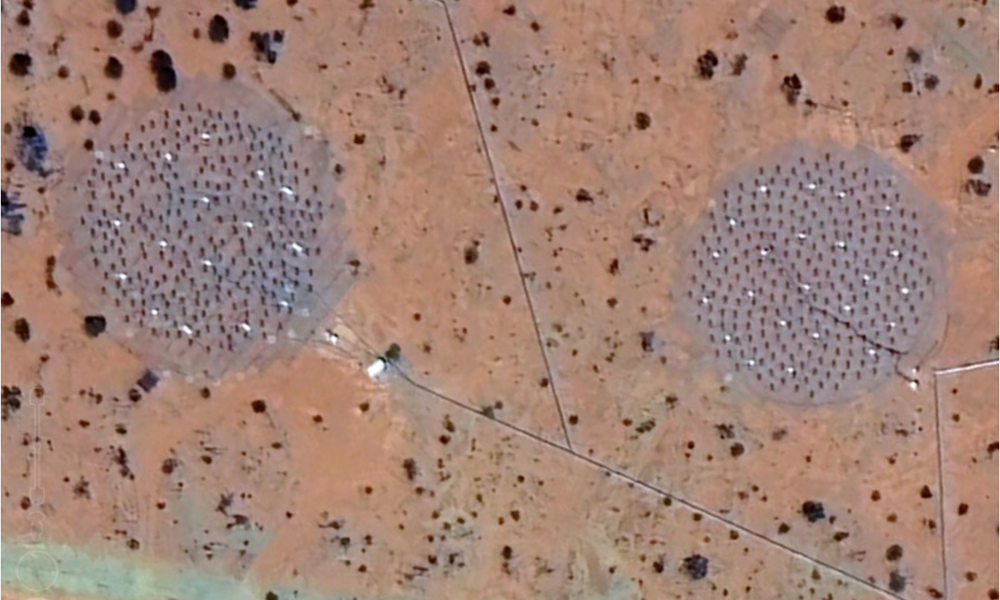
Scientists love taking inspiration from nature. The evolutionary processes that have created such a diverse panoply of life on Earth can be a great source of ideas in solving technical problems. One such example is the pattern of sunflower seeds - they are arranged in a mathematically optimized pattern known as a Vogel spiral, and the international team building the Square Kilometer Array (SKA) in Australia decided to lay out their antennas in a similar pattern. But, as they report in a paper recently published in the Journal of Astronomical Telescopes, Instruments, and Systems, when they did so they found a huge blind spot in the data which hints that maybe this particular natural pattern might need to be modified to work well for this particular application.
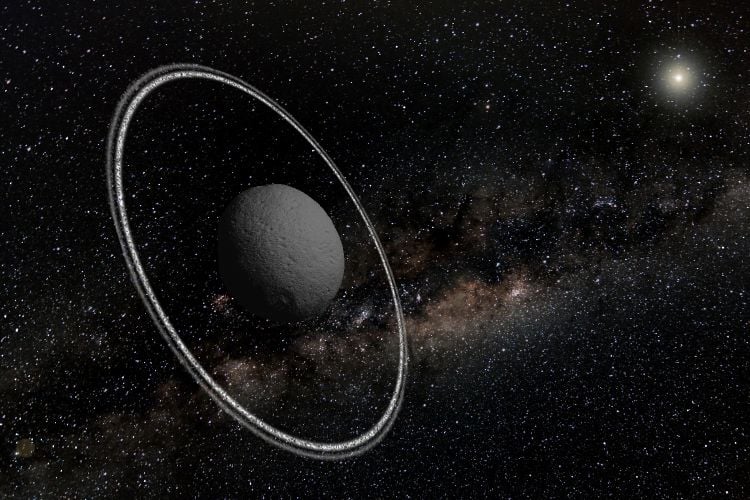
When we think of asteroids, we often think of the main asteroid belt between Mars and Jupiter that contains the majority of the known asteroids in our solar system. However, our solar system hosts several other populations of asteroids and icy rocks, including the Jupiter Trojan asteroids that orbit in Jupiter’s orbit, and the icy bodies and comets of the Kuiper Belt. But there’s one population of asteroids that often gets overlooked called Centaurs, primarily because their orbits are not in a fixed location and instead whose orbits cross the orbits of the outer planets.
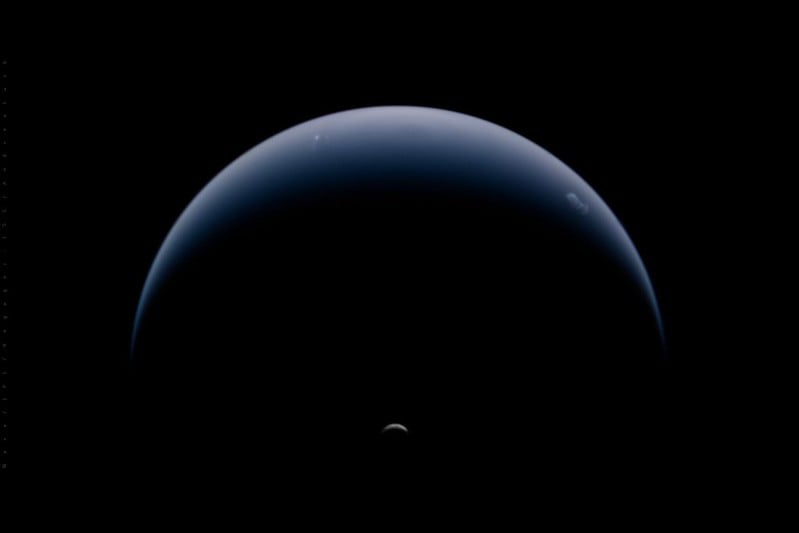
Never seen Neptune for yourself? Late September 2026 presents an ideal opportunity to cross the outermost ice giant off of your ‘life list,’ as the planet reaches opposition for 2026, rising opposite to the setting Sun and riding high to the south towards local midnight.
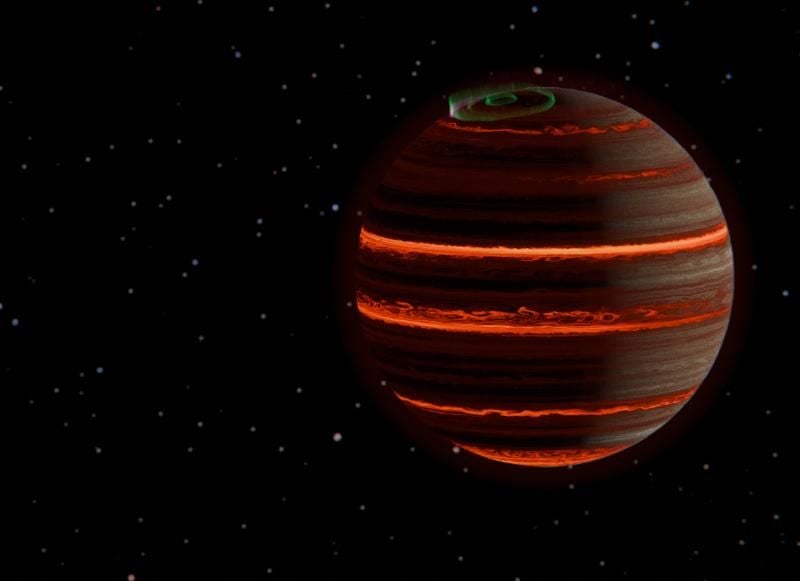
Scientists from Trinity have developed a powerful way to unravel the changing weather patterns on distant worlds. Using this approach, they discovered that the weather on a well-studied brown dwarf, “SIMP 0136”, previously linked with Northern Lights-like phenomena, is largely shaped by just two dominant processes: changes in temperature and the vertical structure of its clouds.
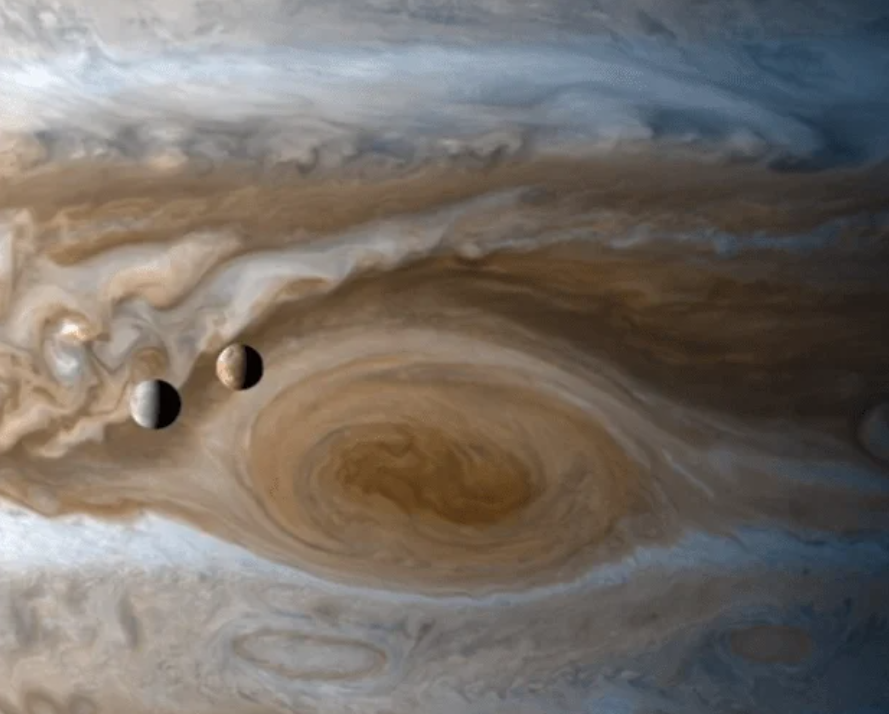
It’s that time of the decade again. Late 2026 going into early 2027 is a special time for the major Jovian moons, as they trade places passing one in front of another as seen from our Earthly point of view. We call this mutual transit-eclipse season, a favorable time to catch the complex interplay of Jupiter’s major moons.
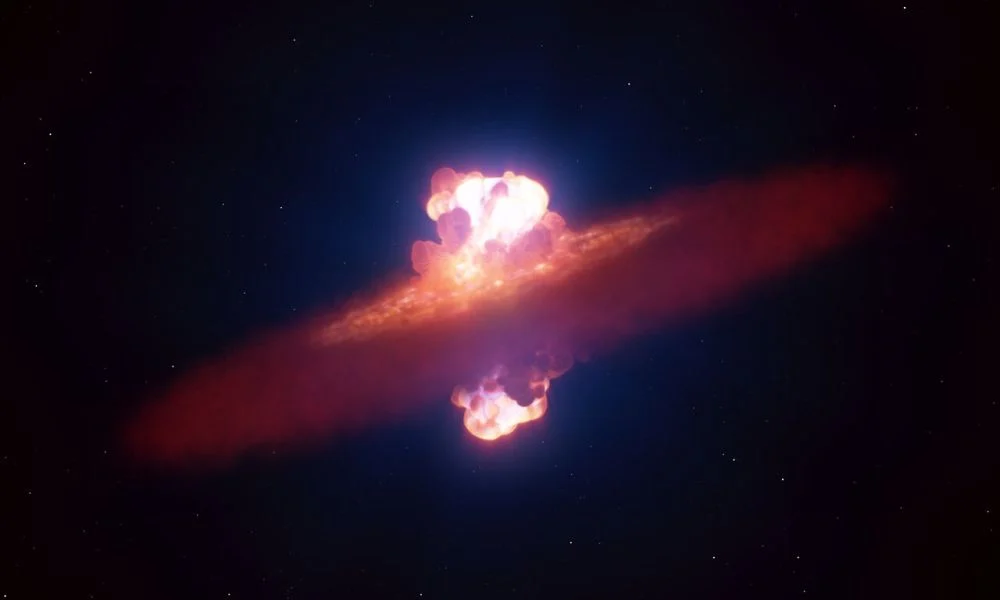
The most comprehensive catalogue of exploding white dwarf stars ever assembled has revealed new clues about dark energy, the mysterious force driving the universe’s accelerating expansion.

Monitoring Earth from above is a messy, inconsistent business. Clouds can block a satellite view, the angle of the Sun can create huge shadows, and orbital paths might not take a system across the same general area for weeks. That inconsistency is hard to deal with for traditional software, and can even confuse standard deep learning algorithms. But, according to a new review paper by researchers Raul-Alexandru Gorgan and Dorian Gorgan of the Technical University of Cluj-Napoca, there’s a new type of frontier AI that could be able to help - bio-inspired Liquid Neural Networks.
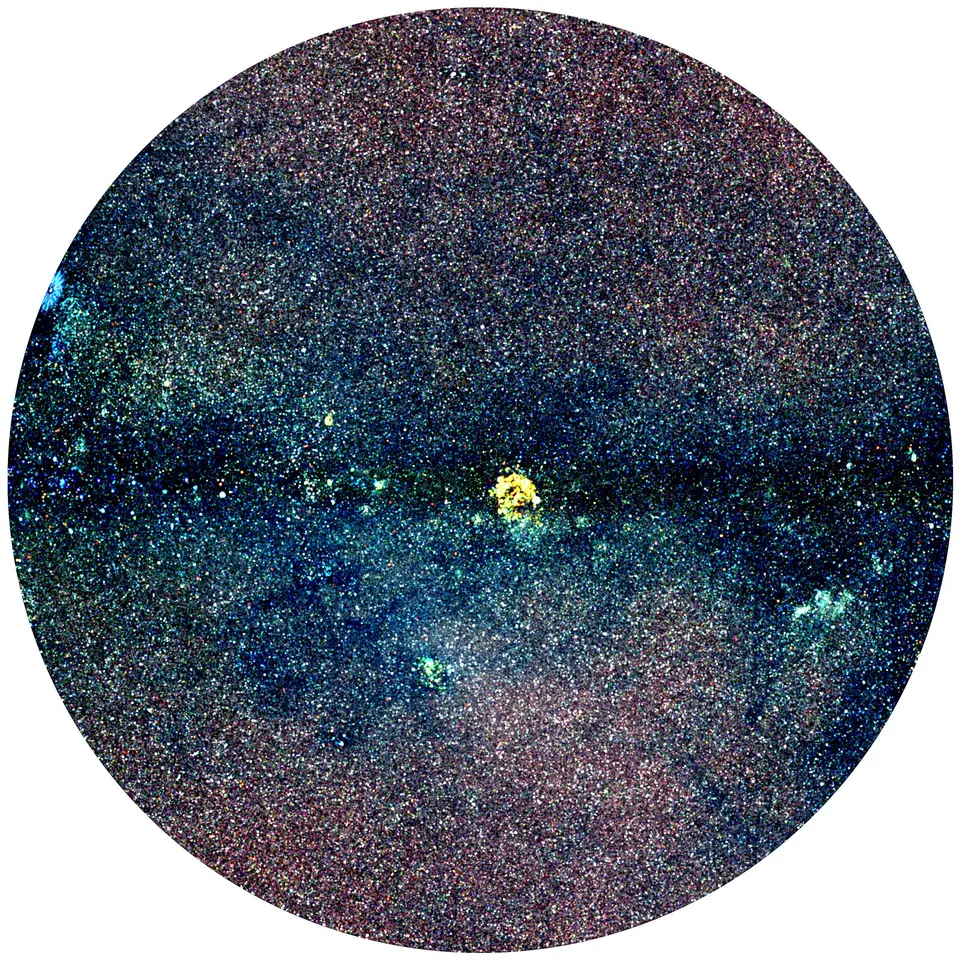
The eROSITA Consortium has issued the survey's second data release (DR2), nearly doubling the previously known eROSITA X-ray sources to two million.
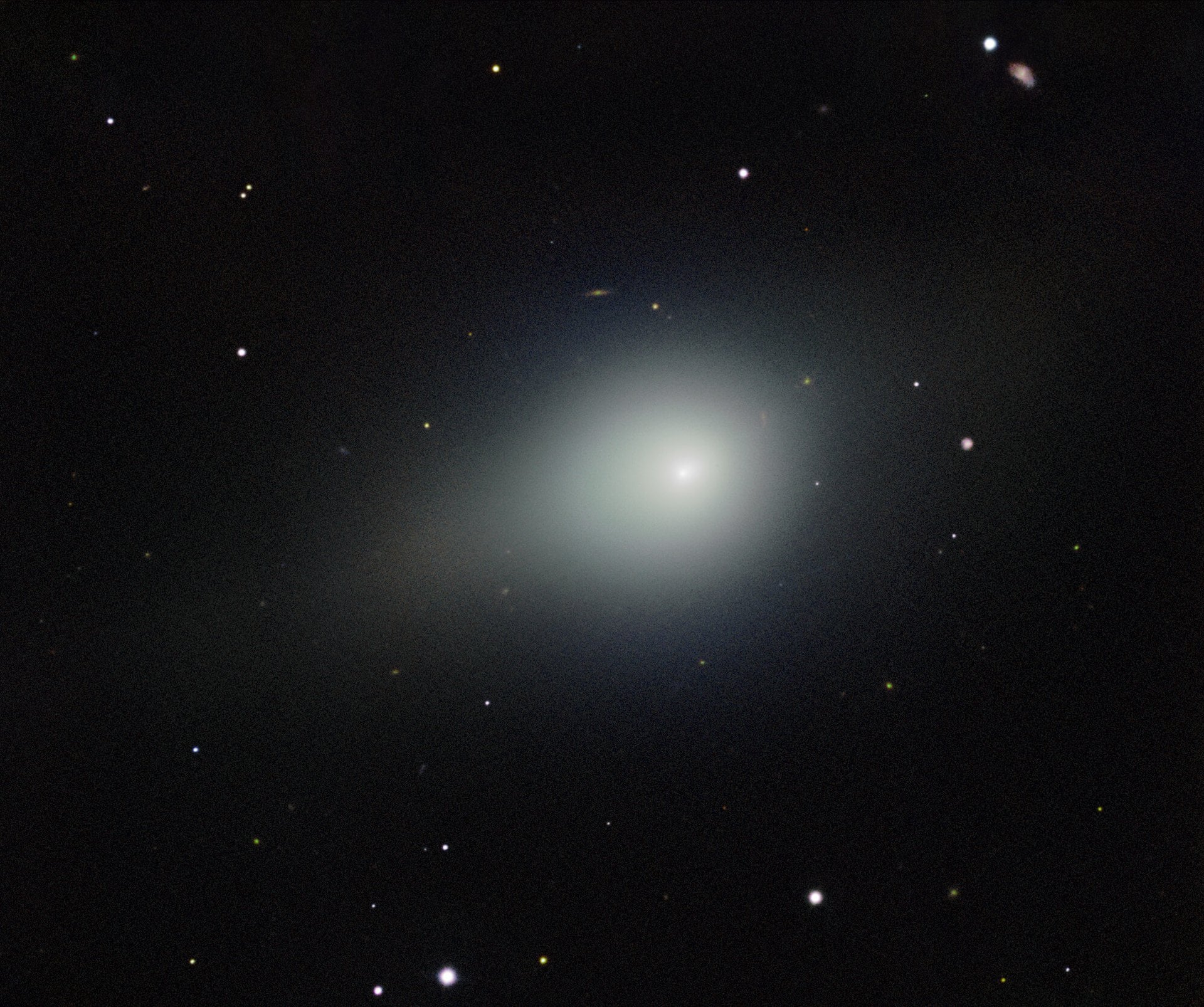
UK astronomers have uncovered new clues about the origin of 3I/Atlas – only the third known object from beyond our Solar System ever spotted in our cosmic neighbourhood.
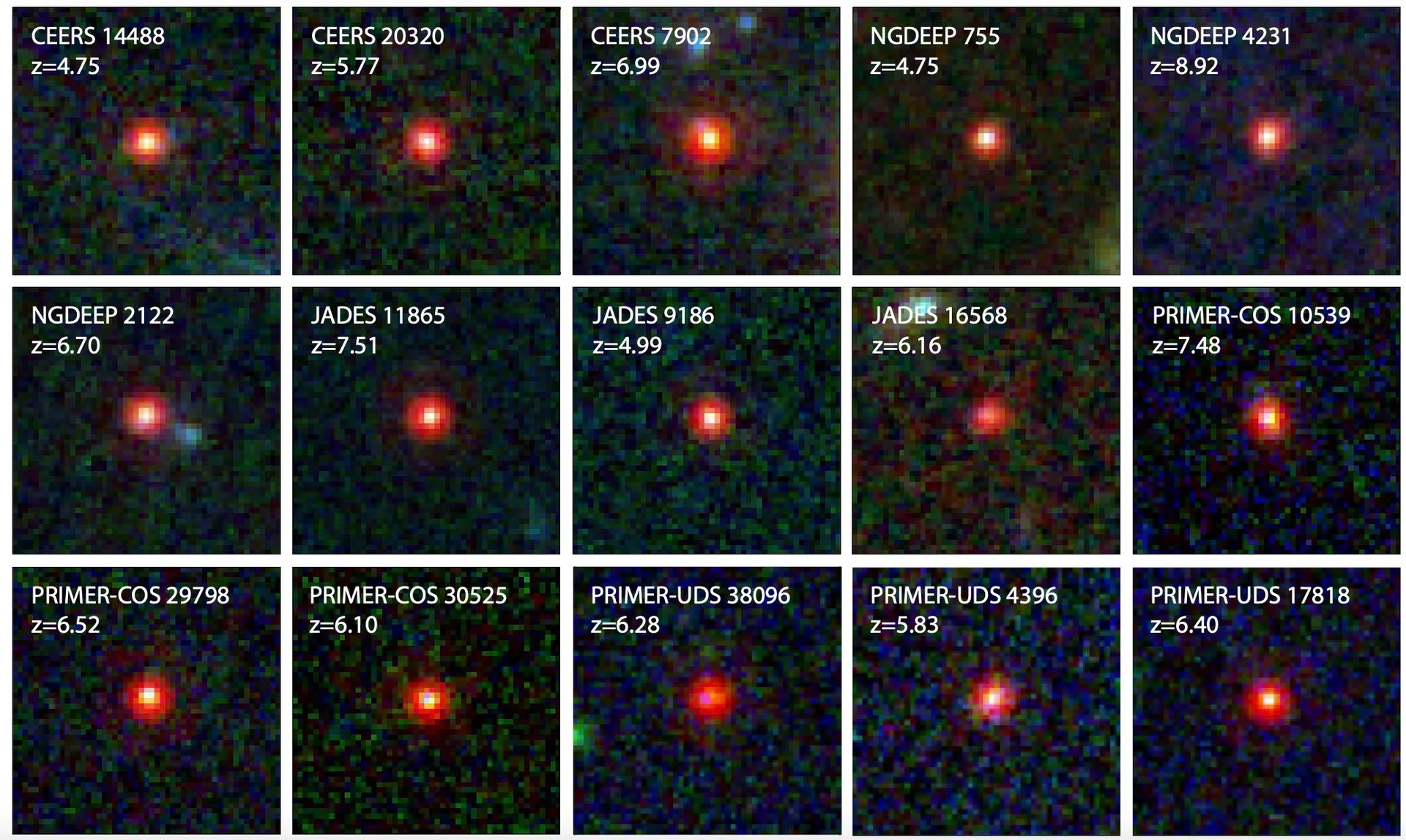
Those "Little Red Dots" discovered by the James Webb Space Telescope, galaxies that existed during the very early Universe, could be sending neutrino particles that are reaching us today.
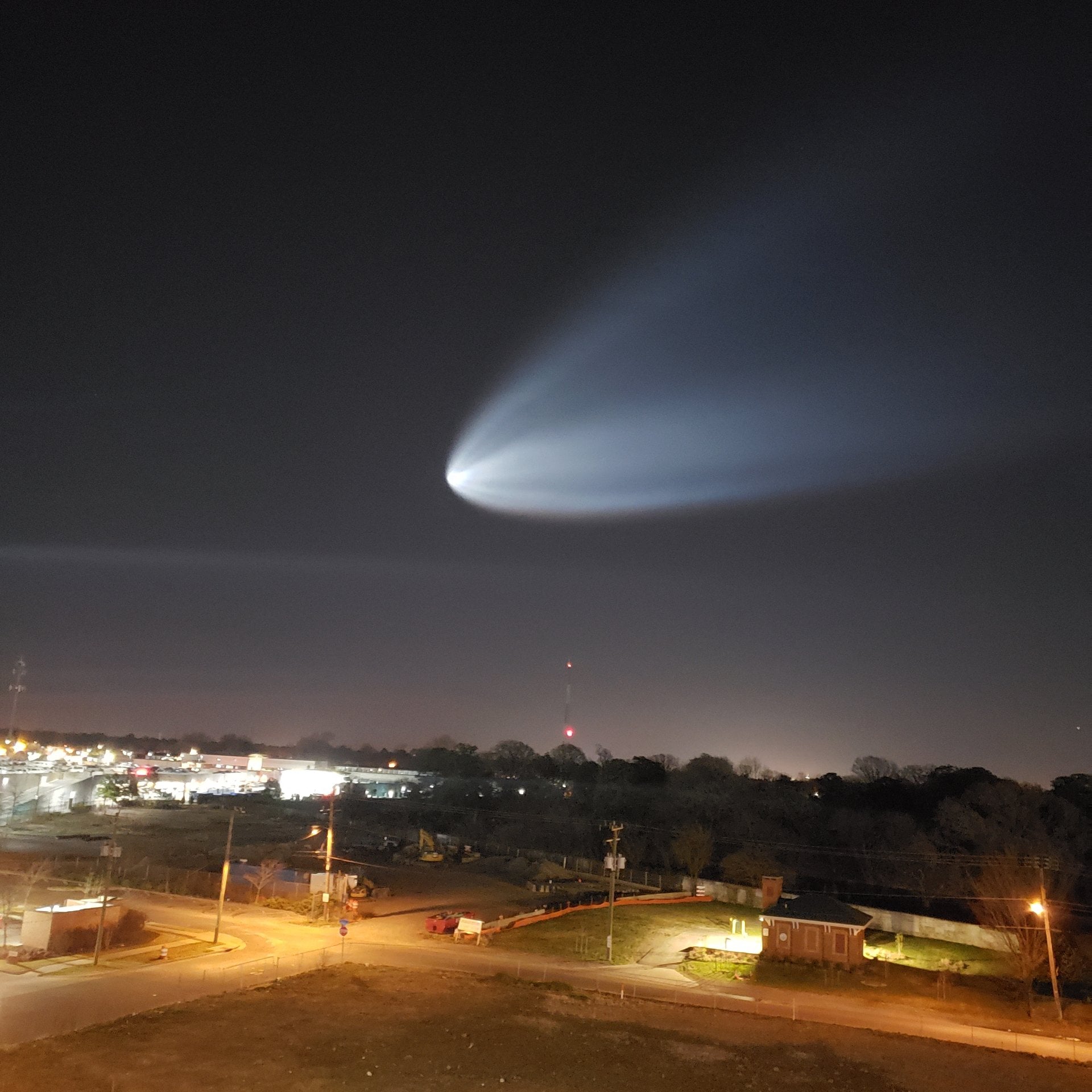
What used to be a rare sight gracing the twilight sky is now becoming strangely commonplace. If you live on either U.S. coast, you have to good chance at seeing what’s become a common sky scene in our modern technocene era: a space launch jellyfish.
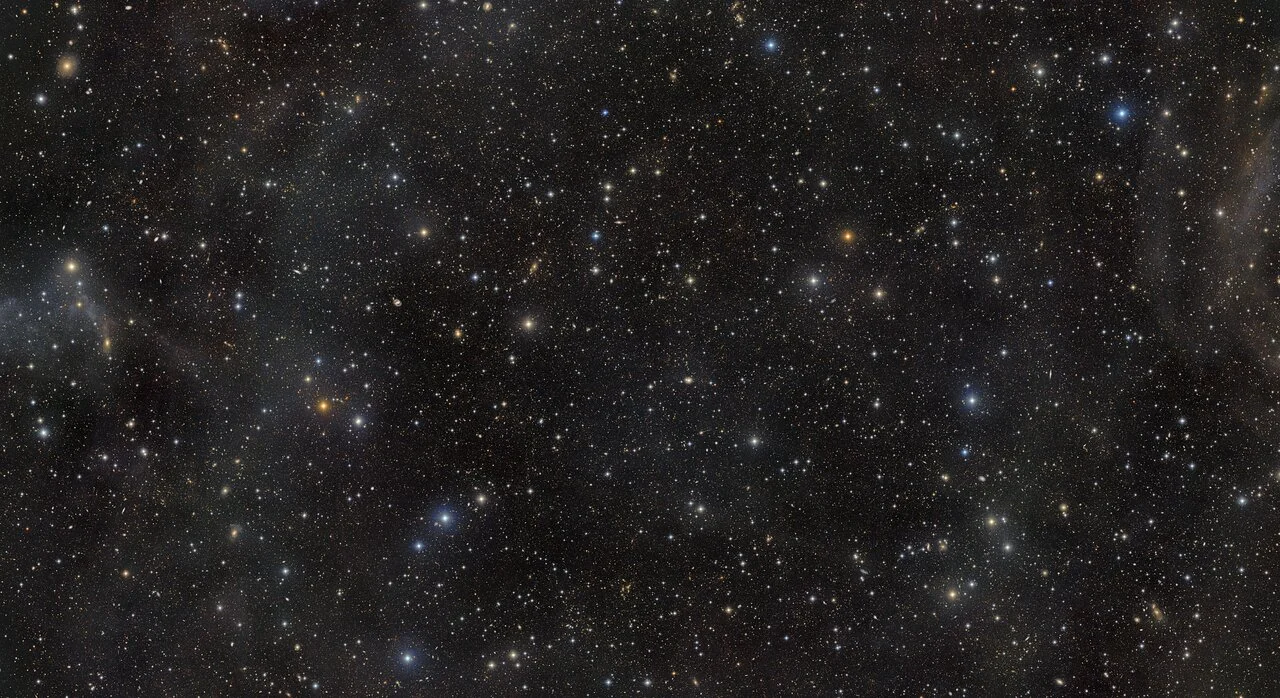
A new image from NSF–DOE Vera C. Rubin Observatory offers a spectacularly deep view into a famous region of sky known as the COSMOS field.
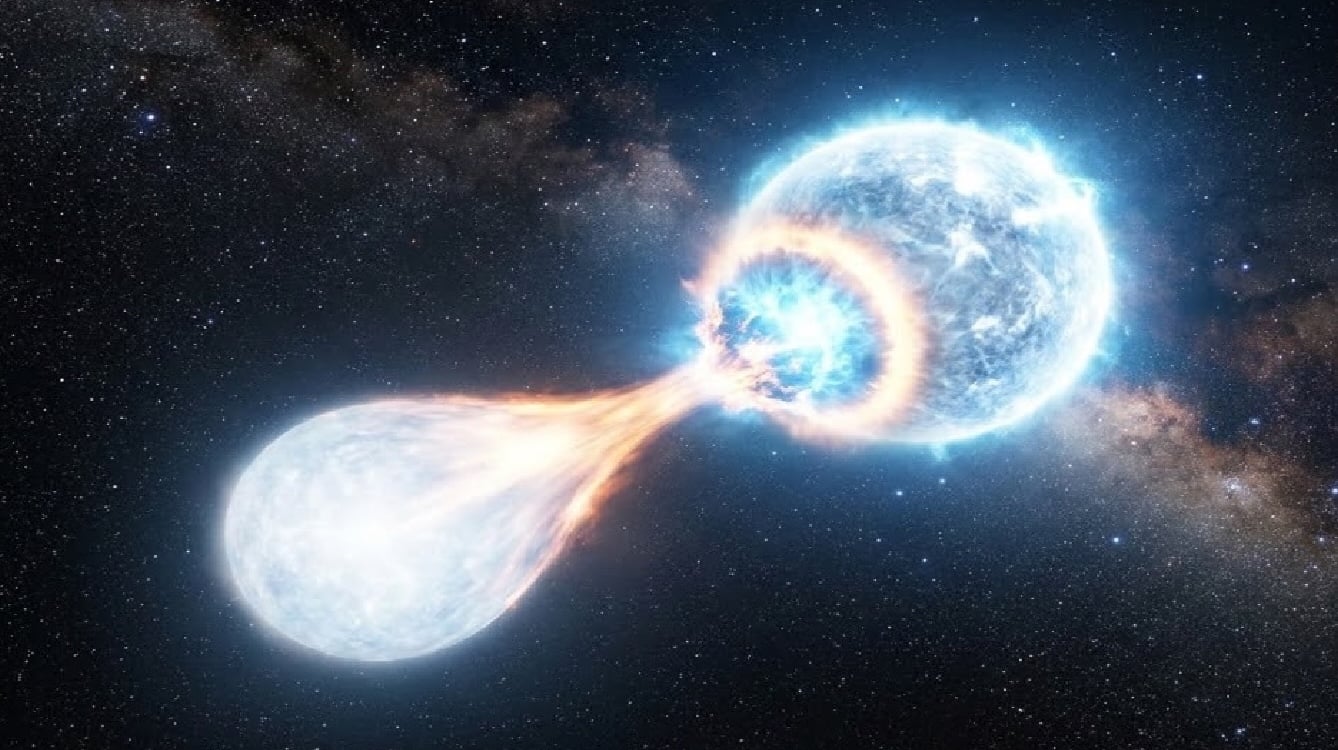
Future gravitational wave observatories will be able to see the gravitational waves of close-orbiting binary stars. A newly studied white dwarf system could be one of the first systems we observe.
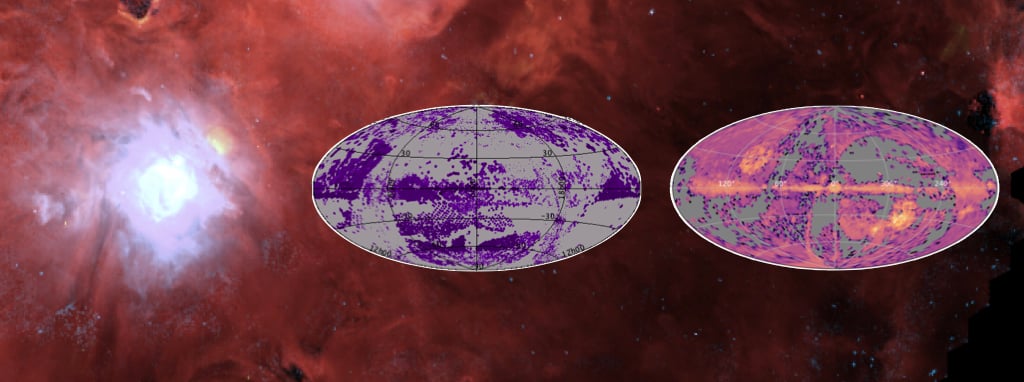
The Sloan Digital Sky Survey (SDSS) has officially launched its twentieth data release (DR20), featuring updated data from multiple observations projects.
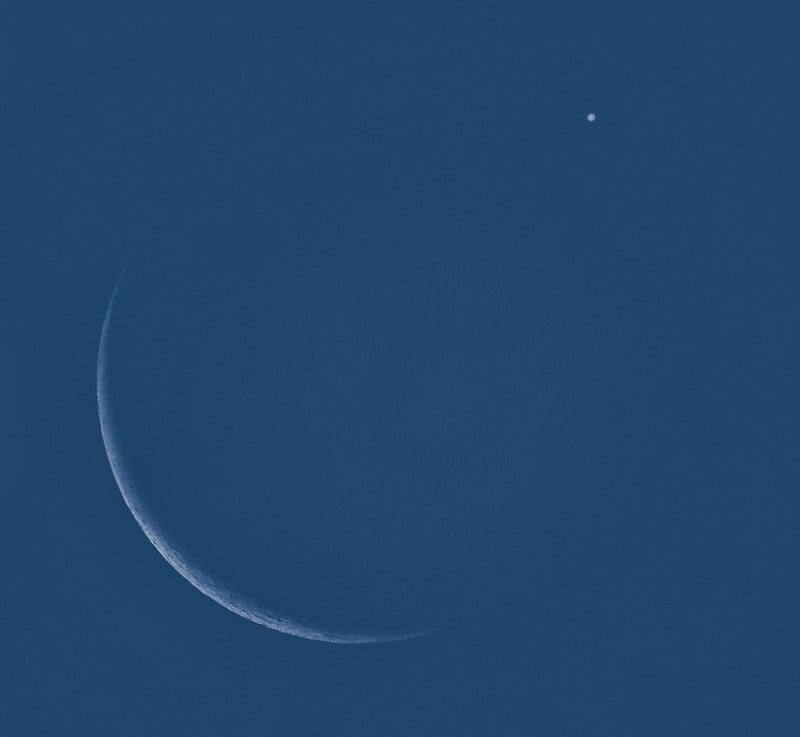
The Moon is busy in September. Coming off of eclipse season in August, the Moon visits no less than two planets, two bright stars and one open cluster in September, as it heads towards the Full Harvest Moon of 2026 on September 26th. No matter where on Earth you happen to be observing from this month, chances are, there’s an occultation of a bright celestial object by the Moon coming to a sky near you.
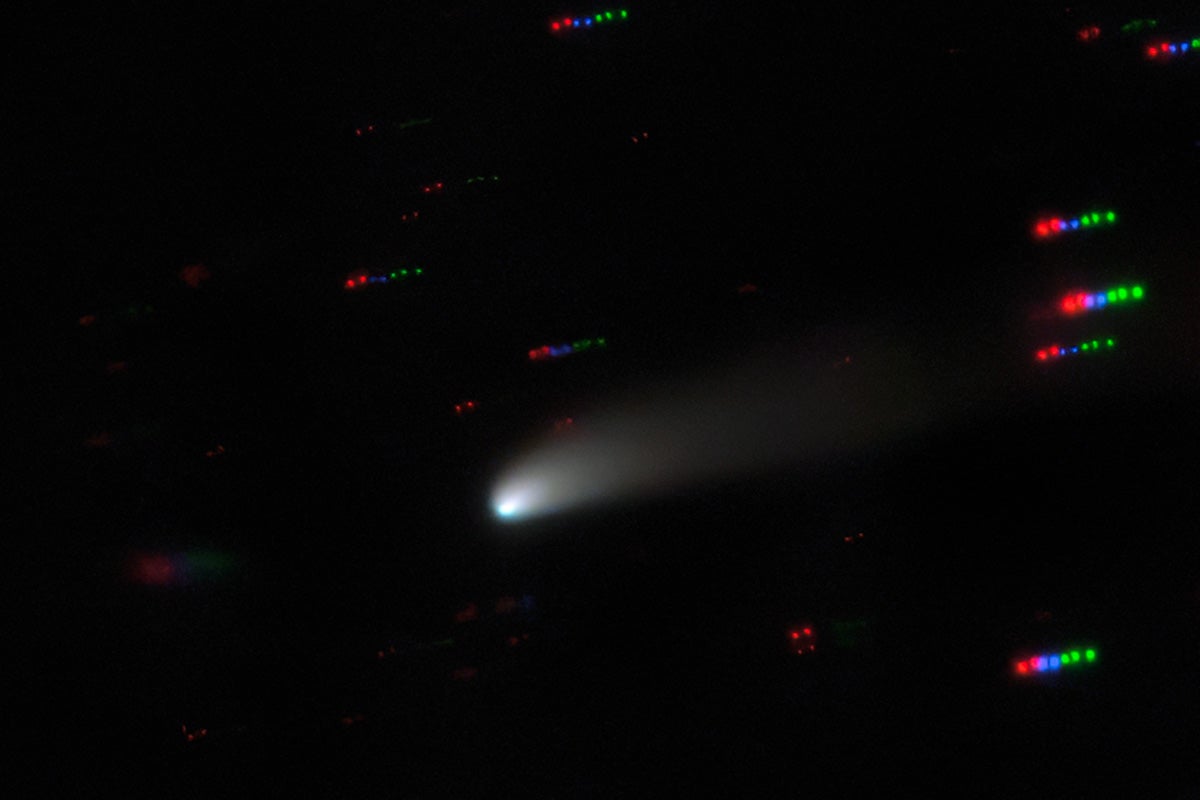
In 1992, Centaur 450P/LONEOS had a close encounter with Saturn, shifting its orbit closer to the Sun. Now astronomers can observe how a small icy body transforms into a comet over time.
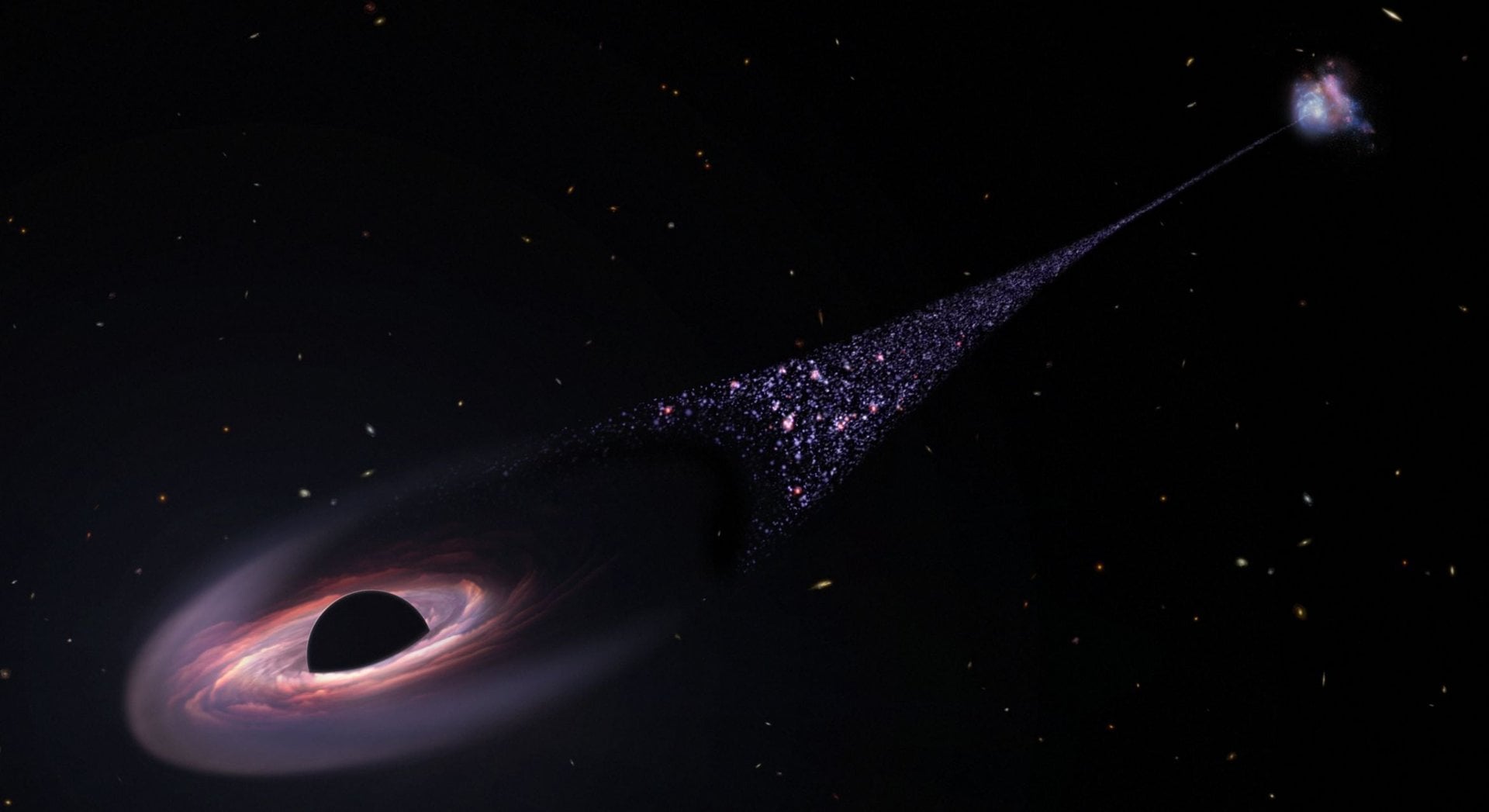
Researchers at UCSB and UT Austin have determined that a galactic merger kicked a supermassive black hole into intergalactic space.
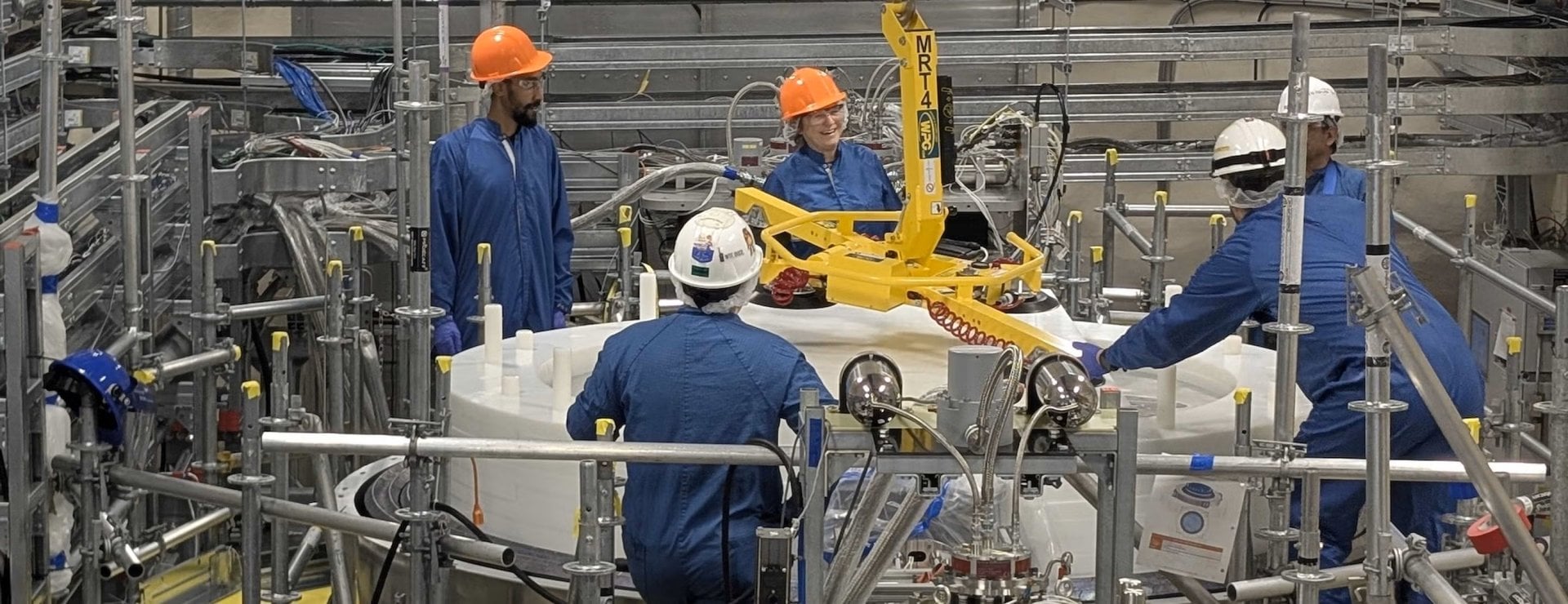
The search for dark matter has reached another milestone - in this case the start of science for one of the world’s newest detectors. The Super Cryogenic Dark Matter Search (SuperCDMS) SNOLAB just began its scientific operations in Ontario, and over the course of the next few years, hope to find direct evidence of “light” dark matter for the first time.
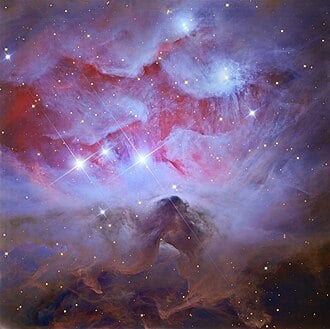
Keeping track of time in the universe is a difficult task. It’s constantly evolving and changing, and studying events that happened billions of years ago, while possible, isn’t exactly easy. A recent paper in the Monthly Notices of the Royal Astronomical Society from astronomers at The Ohio State University has unlocked a whole new way to tell time in space by using a new, perhaps unexpected element - manganese.