Universe Today
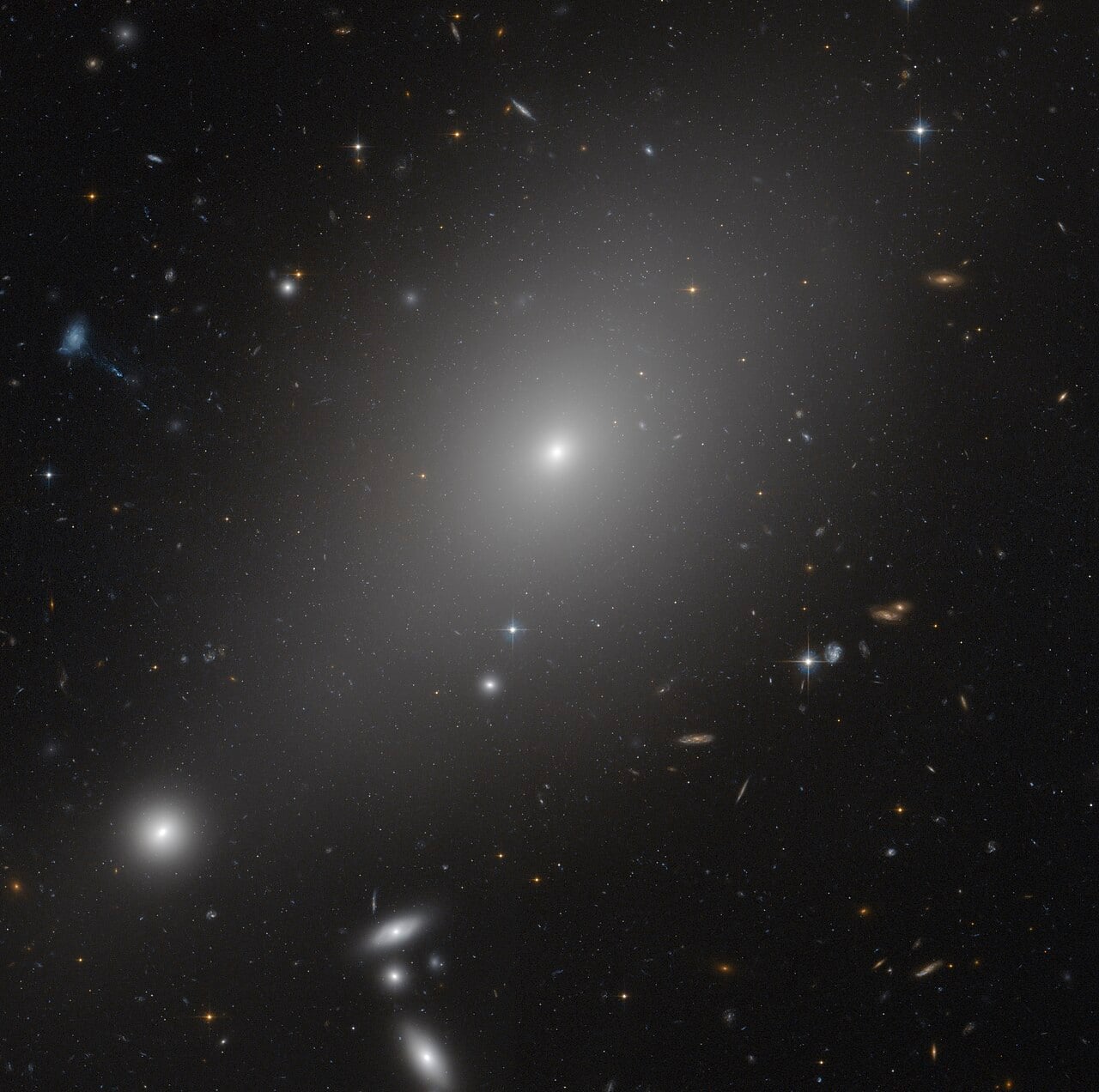
The universe’s most massive galaxies present astronomers with a puzzle. Each containing more than 100 billion stars, making our Milky Way look modest by comparison, these ultramassive systems had already reached enormous sizes less than two billion years after the Big Bang. What astronomers couldn’t easily determine was whether these ancient giants were still actively building stars or had already shut down their stellar factories and retired into quiet old age.
The challenge lies in cosmic dust itself. When massive galaxies continue forming stars, those young stars heat surrounding dust, making the galaxy glow brightly at infrared wavelengths while appearing red and inactive in visible light. This dust can completely hide ongoing star formation, creating what researchers call “dusty impostors”, galaxies that look dead but are actually bustling with stellar birth behind their dusty shrouds.
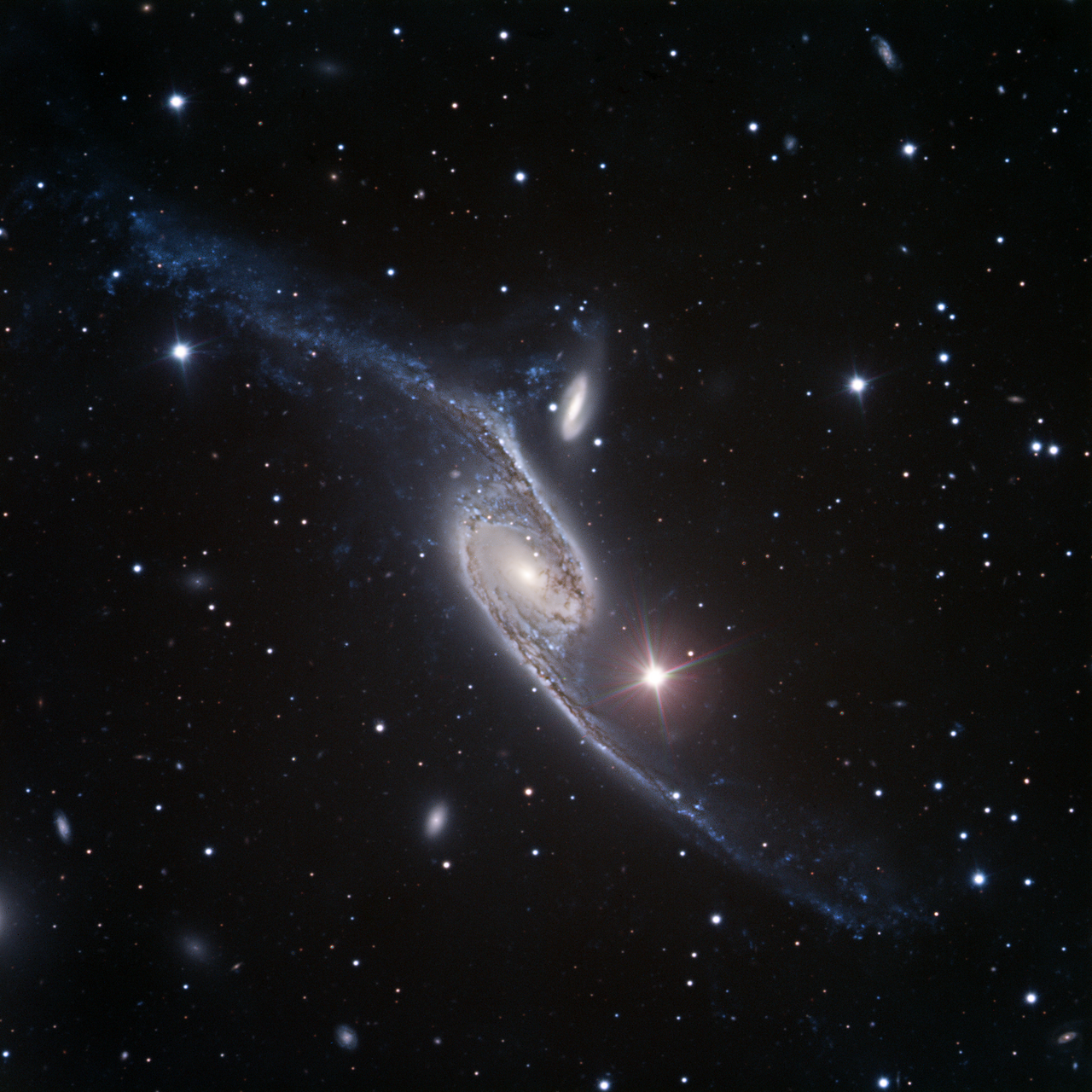 NGC6782 is one of the largest galaxies in the universe. A new study has explored star formation and the evolution of some of the most massive galaxies across the cosmos (Credit : ESO/VLT)
An international team led by Wenjun Chang at UC Riverside has now solved this puzzle for a sample of ultramassive galaxies observed when the universe was roughly three billion years old. Their findings, presented at the American Astronomical Society meeting, reveal that these early galactic giants didn’t follow a single evolutionary path.
The researchers used more than 30 nights of observations from Keck Observatory’s MOSFIRE spectrograph to precisely measure the galaxies’ distances and masses. But the breakthrough came from combining these optical observations with far infrared data from ALMA and radio observations from the Very Large Array. This multi-wavelength approach allowed them to peer through any obscuring dust and determine which galaxies were genuinely quiet and which were dusty impostors.
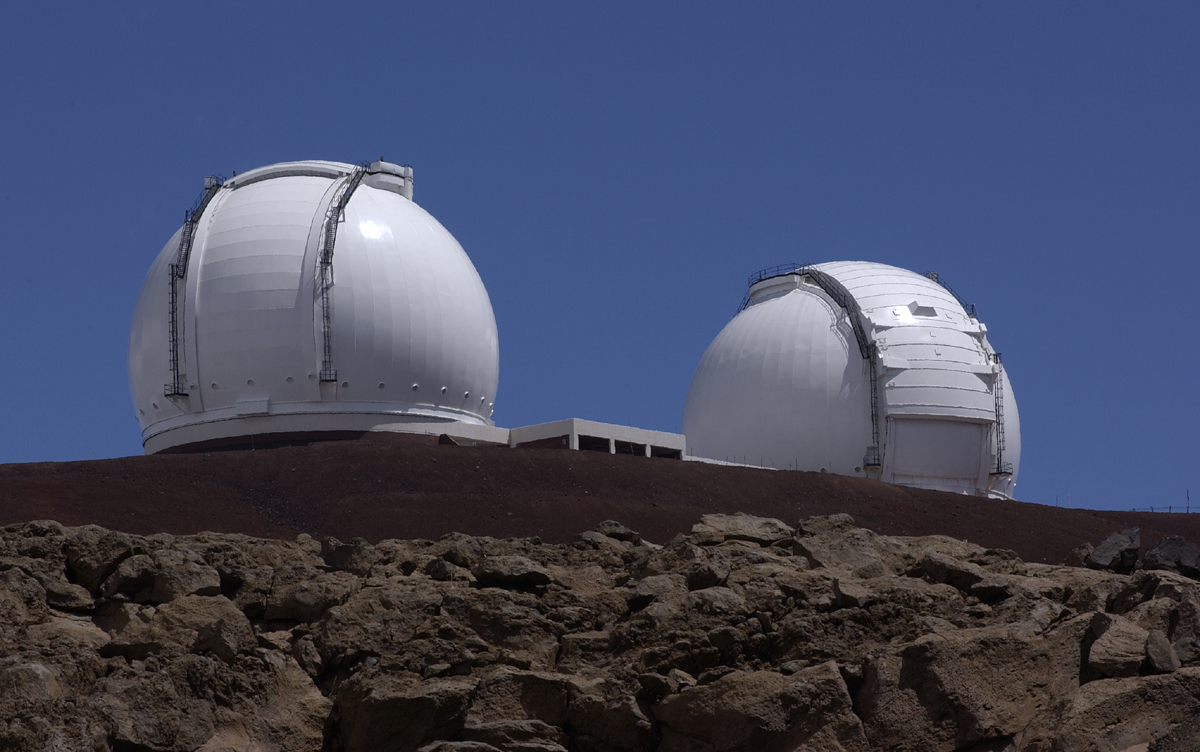 The Keck Observatory atop Mauna Kea (Credit : T. Wynne / JPL)
The results showed remarkable diversity. Most of the ultramassive galaxies studied had indeed shut down star formation efficiently and rapidly. Several systems are among the most dust poor massive galaxies ever identified at such early times, having already lost the material needed to form new stars. Yet two galaxies told different stories; one still forming stars behind heavy dust obscuration, another caught in the process of quenching its stellar assembly line.
“What is striking is not just that we can detect hidden activity, but that we see such diversity among galaxies with similar masses at the same epoch,” - Gillian Wilson, who mentored the study at UC Merced.
The diversity suggests the shutdown of star formation in massive galaxies was neither uniform nor simple, placing important constraints on theories of how galaxies evolve.
Source :Astronomers Reveal Hidden Lives of the Early Universe’s Ultramassive Galaxies