Universe Today
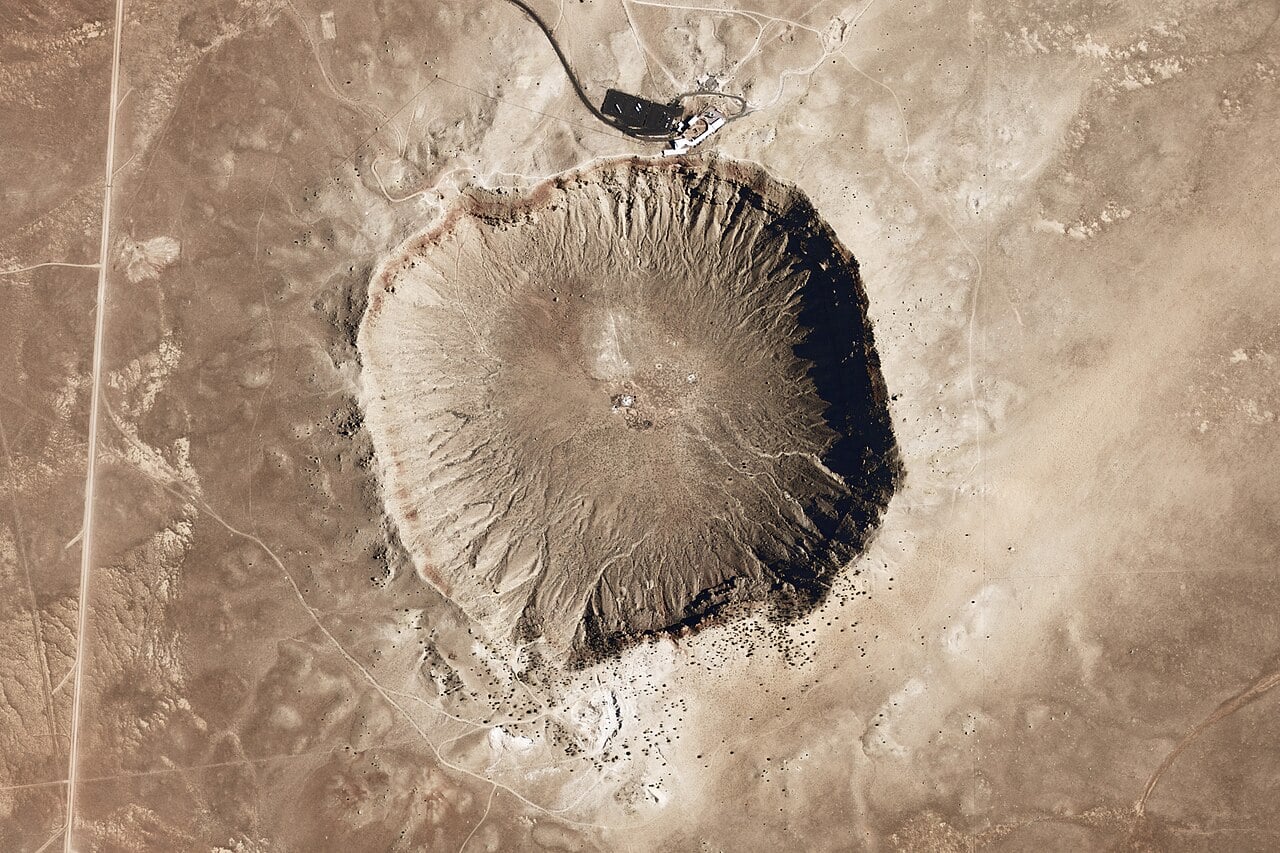
How does something come from nothing? It is perhaps the most profound question in all of science and one we still cannot fully answer. How did a barren, lifeless planet transform itself, over billions of years, into a world teeming with life? Where did it actually begin?
For decades, deep sea hydrothermal vents have been a popular answer. First discovered in the late 1970s with Rutgers oceanographer Richard Lutz among the scientists descending more than a mile beneath the surface in the submersible Alvin to witness them firsthand. These remarkable systems sit on the ocean floor wand around them, superheated mineral rich water bursts through cracks in the Earth's crust. They host entire ecosystems that never see sunlight, running entirely on chemical energy. As a potential birthplace for life, they make a compelling case.
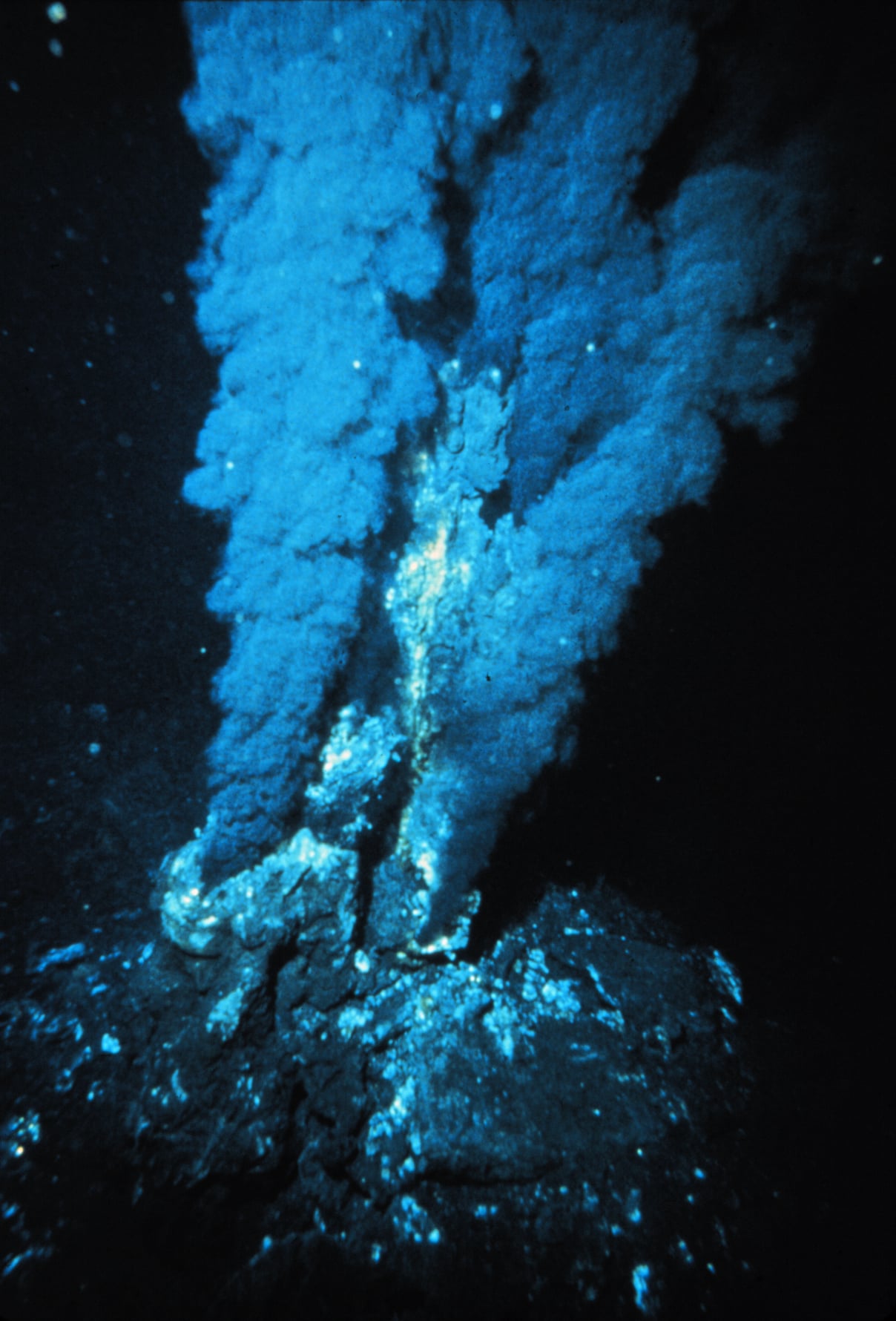 Deep sea hydrothermal vent at the bottom of the Atlantic Ocean (Credit : P. Rona / OAR/National Undersea Research Program)
But new research is shining a light on a rival candidate that has been largely overlooked, the hydrothermal systems created by meteor impacts. The study, led by Shea Cinquemani argues that when large meteors smashed into early Earth, they didn't just leave holes in the ground. The colossal heat of impact melted surrounding rock, and as the crater cooled and filled with water, something extraordinary could have happened. A hot, mineral rich hydrothermal system formed, functionally similar to the deep sea vents already known to support life, but powered entirely by the energy of a meteoric collision.
"You have a lake surrounding a very, very warm centre and now you get a hydrothermal vent system, just like in the deep sea, but made by the heat from an impact.” - Shea Cinquemani from Rutgers School of Environmental and Biological Sciences.
To test the idea, Cinquemani examined three well documented crater sites spanning vastly different periods of history: the Chicxulub structure beneath Mexico's Yucatán Peninsula, formed 65 million years ago; the Haughton structure in the Canadian Arctic, around 31 million years old; and Lonar Lake in India, a mere 50,000 years old and still holding water today. All three hosted long lasting hydrothermal systems and in some cases persisting for thousands to tens of thousands of years. That is a significant stretch of time for complex chemistry to get to work.
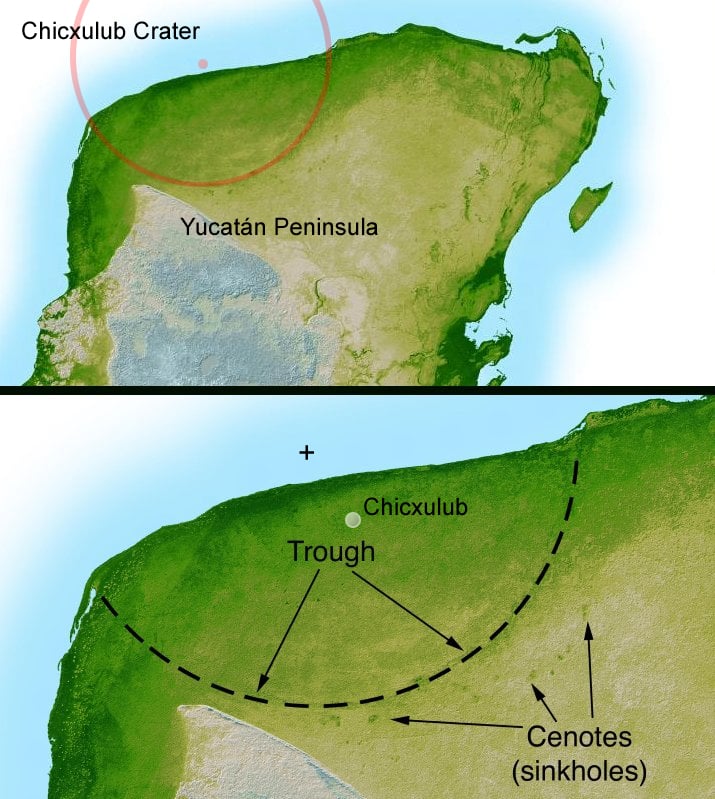 Imaging from NASA's Shuttle Radar Topography Mission STS-99 reveals part of the diametre ring of the crater in the form of a shallow circular trough. Numerous cenotes (sinkholes) cluster around the trough marking the inner crater rim (Credit : NASA/JPL-Caltech)
Crucially, early Earth was being bombarded far more heavily than today. Impact generated hydrothermal systems would have been widespread, dotting the planet and providing repeated opportunities for the chemistry of life to take hold. The research also touches on an elegant problem known as the water paradox which argues too much water can actually break down the delicate molecular structures life depends on. Impact crater systems, with their evolving wet and dry phases, may handle this better than deep sea vents.
Hydrothermal activity like this is thought to exist beneath the icy surfaces of Jupiter's Europa and Saturn's Enceladus, and may once have existed in impact craters on Mars. If these environments on Earth really were cradles of life, they become some of the most compelling targets in the search for life elsewhere in the Solar System and maybe even the Galaxy.