Universe Today
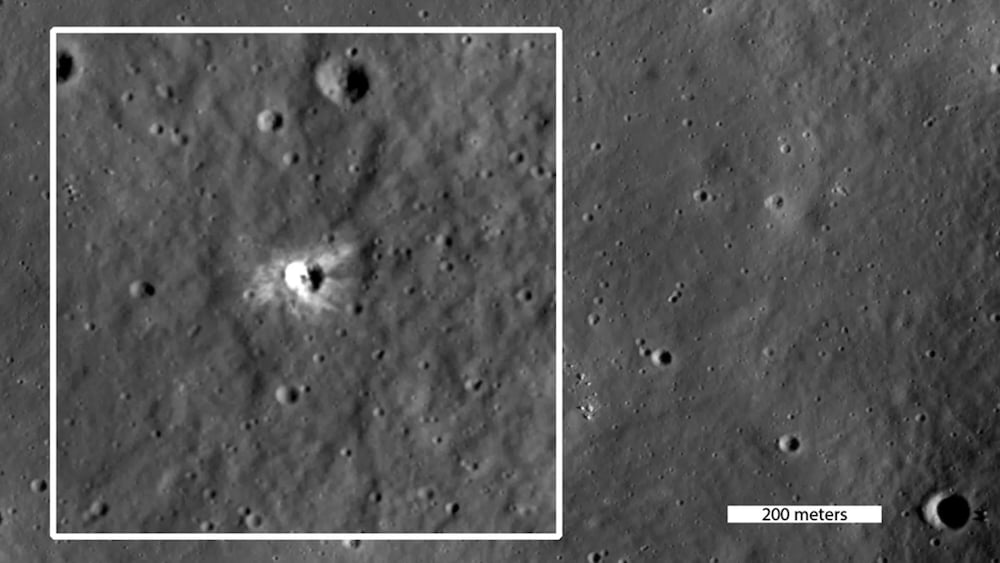
Look up at a full Moon on a clear night and you are staring at a face that has been punched, gouged, and battered for four billion years. Those dark patches are vast basins blasted open by impacts so colossal they reshaped a world. The lighter highlands are pocked and pitted, crater upon crater, each one a frozen record of a collision that happened long before humans walked the Earth. Unlike our own planet, the Moon has no weather to smooth things over, no rivers to fill the hollows and no wind to soften the edges. What hits it, stays.
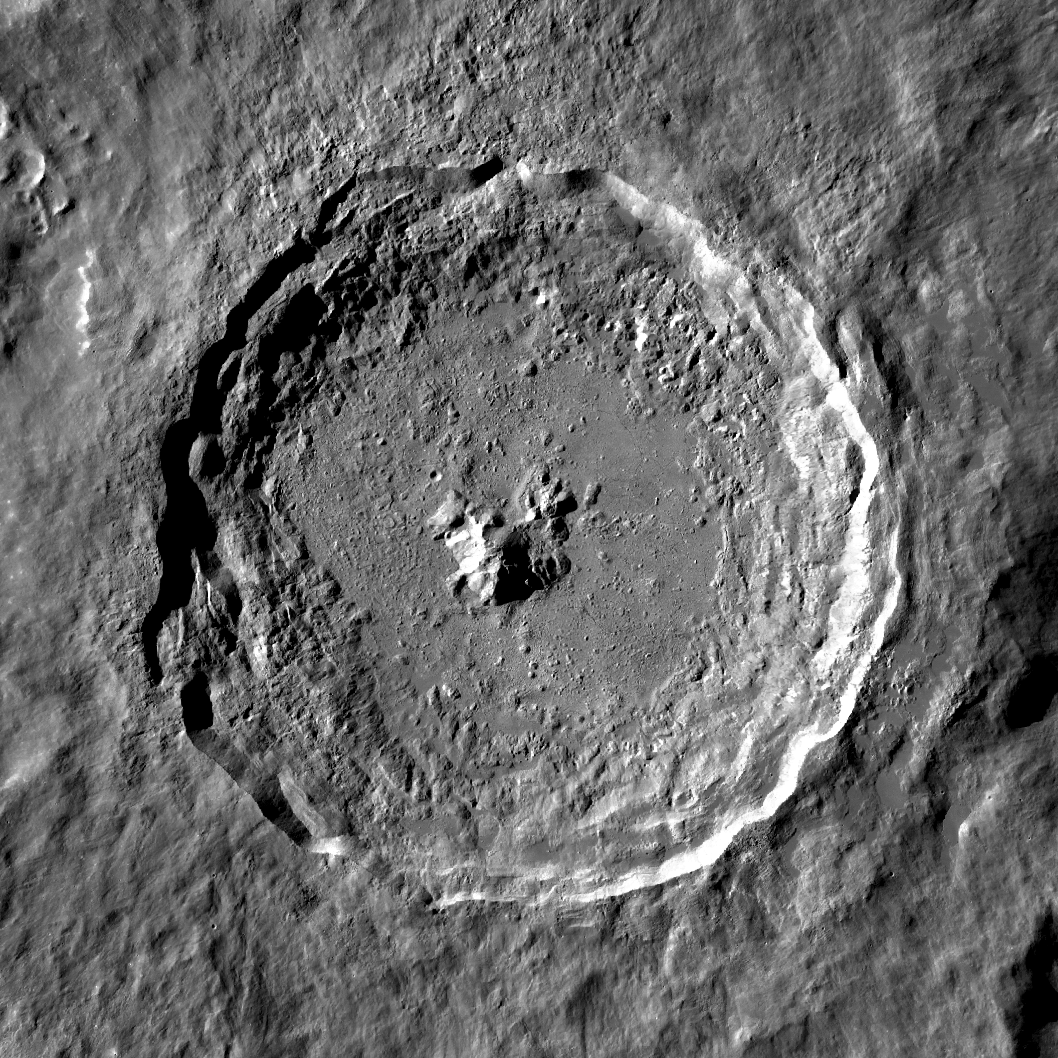 Tycho is a fine example of a lunar crater seen here by the Lunar Reconnaissance Orbiter (Credit : NASA)
These bombardments on the Moon are not just the stuff of history, it’s being bombarded right now and always has been. Space rocks of every size smash into its unprotected surface every single day, carving fresh craters into terrain that has no weather, no erosion, and nowhere to hide. We know this happens but we rarely get to catch it in the act.
In the late spring of 2024, something significant hit the Moon. A space rock travelling at extraordinary speed, punched a crater 225 metres across into the lunar surface. That's roughly the width of two football pitches placed end to end and thanks to NASA's Lunar Reconnaissance Orbiter Camera, have been able to compare images taken before and after the impact to study the result in remarkable detail.
Before this discovery, the largest crater found to have formed during the entire LRO mission was just 70 metres across. This new crater is more than three times that diameter, it’s a rare event that, according to models of how often impacts of this scale occur, should happen only once every 139 years on any given patch of lunar ground. In other words, catching it so soon after formation is extraordinarily lucky.
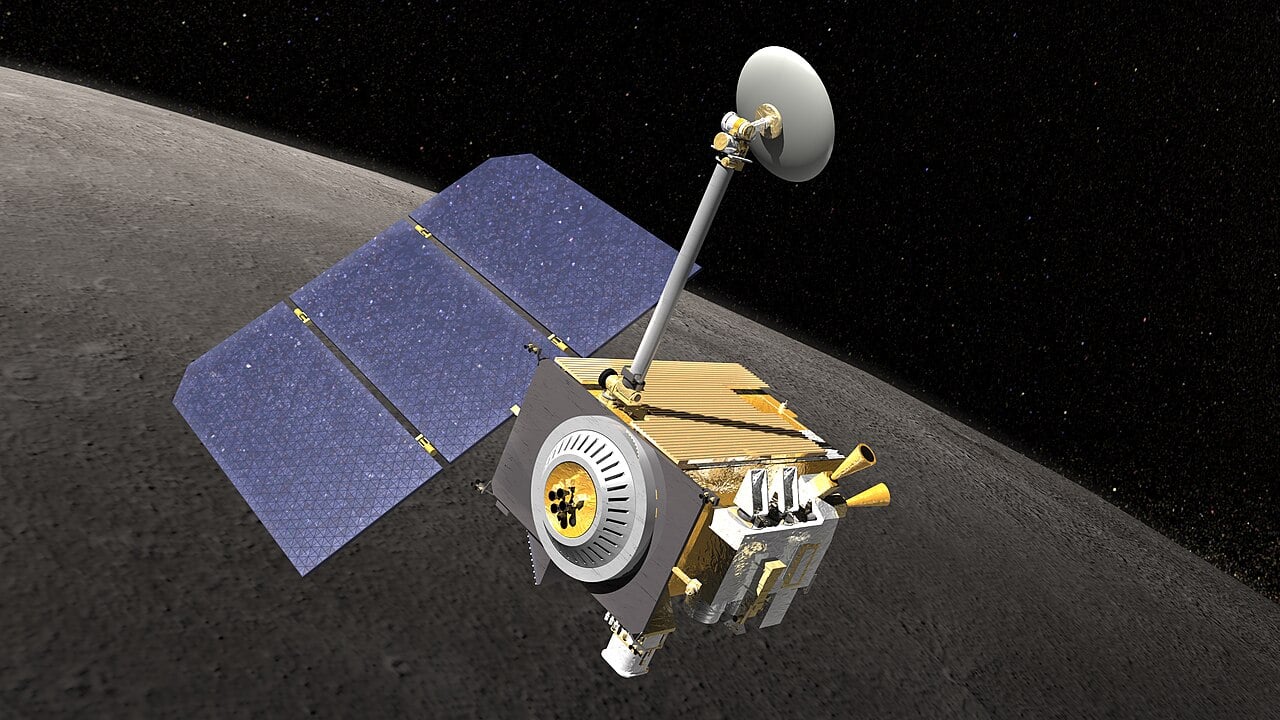 Artist concept of NASA's Lunar Reconnaissance Orbiter (Credit : NASA)
The crater itself is funnel shaped, 43 metres deep, with walls steep enough that you'd struggle to stand on them. Around its rim, enormous blocks of ejected rock with the largest measuring around 13 metres across. The direction of the impactor can even be inferred from the way that debris is distributed: the rock appears to have arrived from the south-southwest, punching through the surface and spraying material northward in a distinctive tongue shaped pattern.
Inside the crater, the team found areas of unusually dark material almost certainly glassy rock, flash melted by the colossal heat of impact and then instantly solidified. It is the fingerprint of a collision that released more energy in milliseconds than it’s possible to imagine.
What makes this discovery genuinely valuable is the high quality before and after imagery. For the first time, scientists have metre scale photographs of a crater of this size taken both before and after formation. That is an extraordinarily rare dataset and one that will allow researchers to test and refine the models we use to understand how craters form not just on the Moon, but across the entire Solar System.