Universe Today
Every electronic device you have ever owned shares a critical weakness. Push it past roughly 200 degrees Celsius and it begins to fail. Your phone, your car's computer, the satellites orbiting above your head right now, all of them have the same thermal ceiling baked into their design. For decades, that ceiling has been one of the most stubborn walls in engineering. Now, a team at the University of Southern California may just have broken through it.
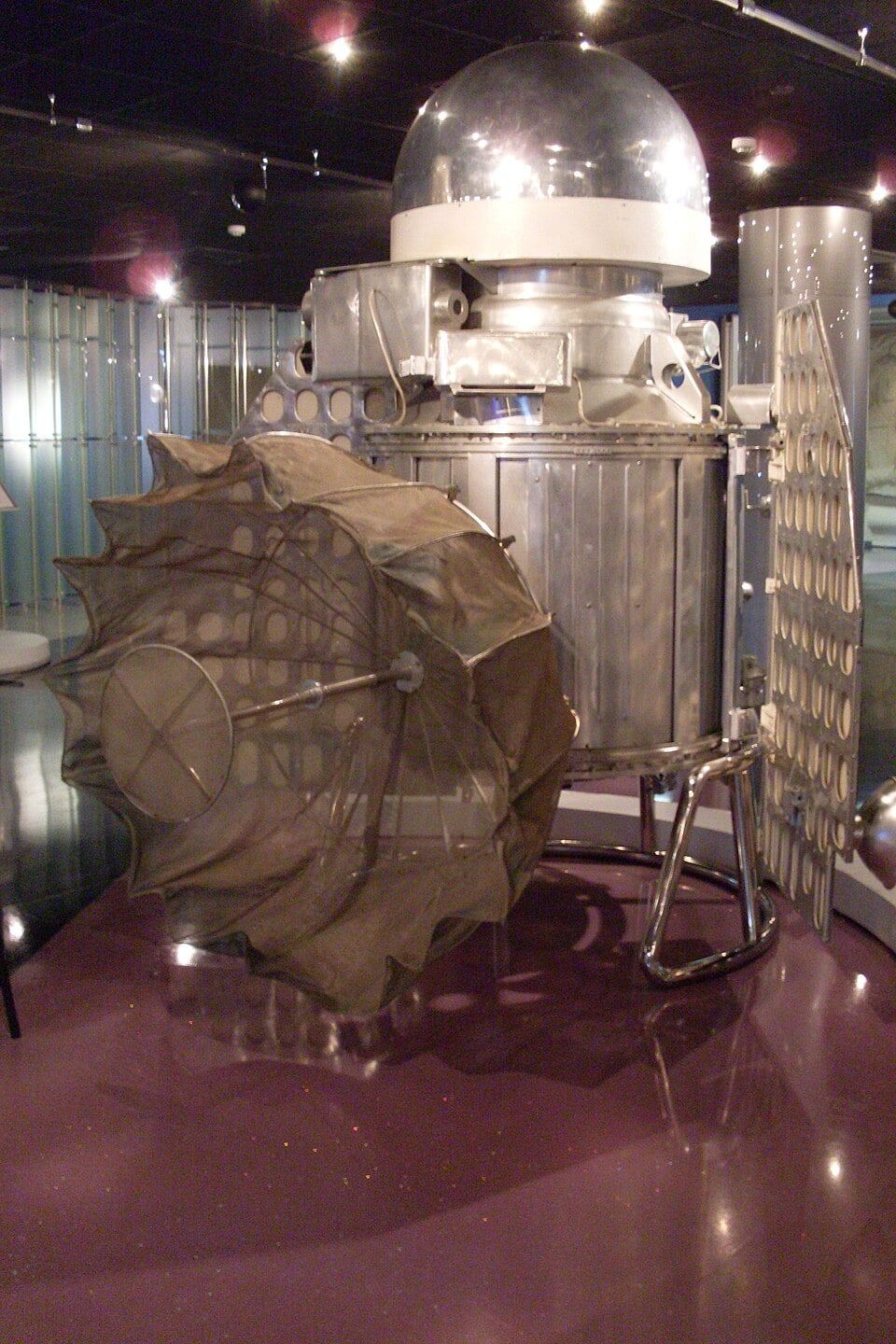 Full-scale model of the Venera 1 in the Memorial Museum of Cosmonautics (Credit : Armael)
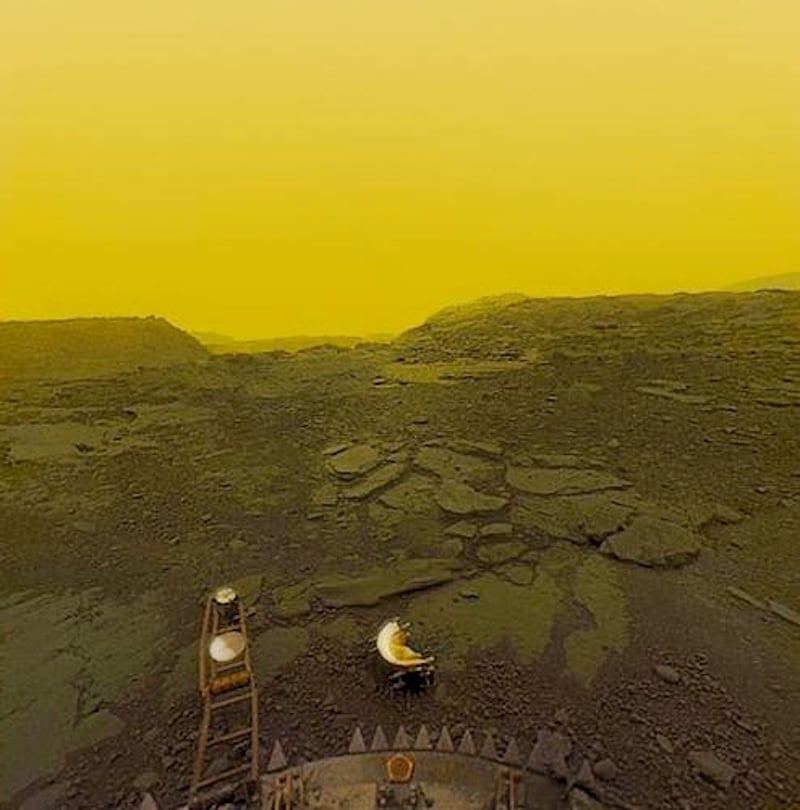
In a paper published in the journal Science, researchers led by Professor Joshua Yang report a new type of memory device that kept working reliably at 700 degrees Celsius. That is hotter than molten lava. Hotter than the surface of Venus, which has defeated every lander ever sent there, destroying their electronics within hours of touchdown. And crucially, 700 degrees was not the limit, it was simply as hot as their testing equipment could go. The device showed no signs of failing.
"You may call it a revolution, it is the best high temperature memory ever demonstrated.” - Professor Joshua Yang from University of Southern California.
The device is called a memristor and it’s a nanoscale component that can both store information and perform computing operations. Think of it as a tiny sandwich with two electrode layers on the outside and a thin ceramic filling in the middle. The team built theirs from tungsten, the metal with the highest melting point of any element, combined with a ceramic called hafnium oxide, and with a layer of graphene at the bottom. Each material can withstand enormous heat. Together, they turned out to be extraordinary.
What makes graphene the key ingredient is the way it interacts with tungsten at the atomic level. In a conventional device, heat causes metal atoms to drift slowly through the ceramic layer until they bridge the two electrodes, short circuiting everything and leaving the device permanently broken. Graphene stops that process dead. Its surface chemistry with tungsten is, as Yang described it, almost like oil and water.
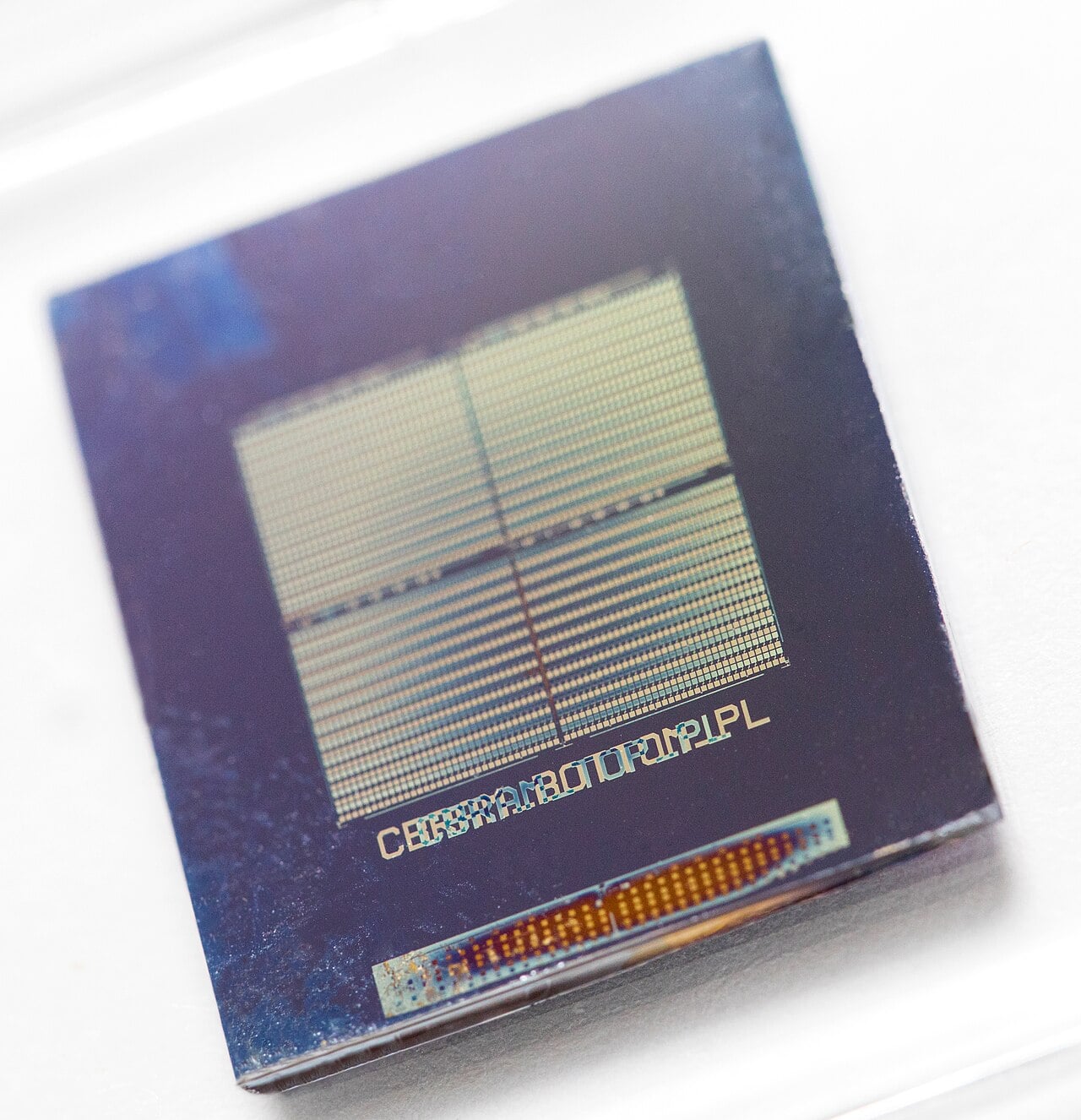 A memristor computer memory device that is enabled by an atomically-thin layers (Credit : U.S. Department of Energy from United States)
Tungsten atoms that drift toward the graphene find they simply cannot take hold, no anchor, no short circuit, no failure. The team used advanced electron microscopy and quantum level computer simulations to understand exactly why, turning a single lucky result into a repeatable principle. And it was lucky. The discovery came by accident. Yang's team was trying to build an entirely different device when they stumbled onto this one.
Space agencies have long been asking for electronics that can operate above 500 degrees, the surface temperature of Venus, without being destroyed. Deep Earth geothermal drilling requires sensors that work where surrounding rock glows red. Nuclear and fusion energy systems too generate punishing heat near their control equipment must be able to withstand it.
The missing component, as Yang put it, has now been made. The road from lab bench to finished product that can be used across multiple applications is still a long one but for the first time, the destination is clearly in sight.
Source : USC Scientists Build a Memory Chip That Survives Temperatures Hotter Than Lava