Universe Today
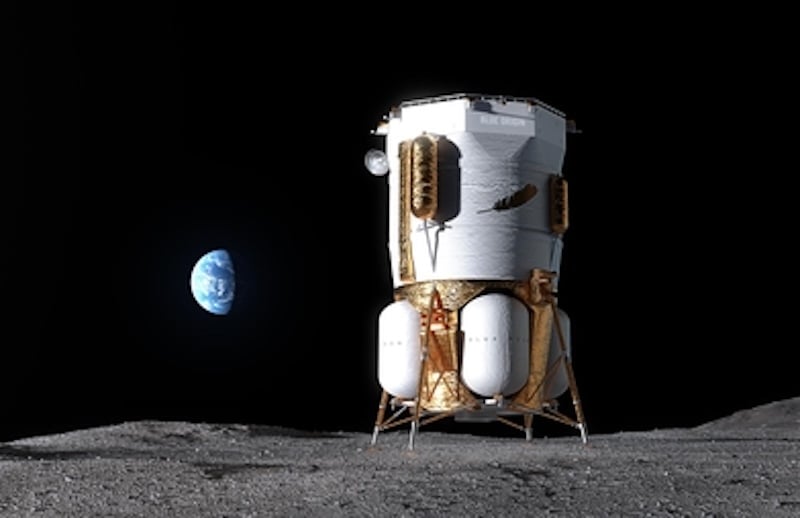
There is a chamber at NASA's Johnson Space Center in Houston that is, in its own way, one of the most extraordinary rooms on Earth. Chamber A is one of the largest thermal vacuum facilities in the world, a vast steel vessel that can recreate the airless, temperature swinging brutality of space without leaving the ground. It has tested spacecraft destined for the Moon, for the planets, and for the deep dark between them. Now it has tested Blue Origin's Blue Moon Mark 1 lunar lander, known as Endurance, and the vehicle has passed with flying colours.
It’s not just a tick box exercise and it matters more than it might sound. Getting to the Moon is one thing, surviving the Moon is quite another and this test is the only way to check it’s viability.
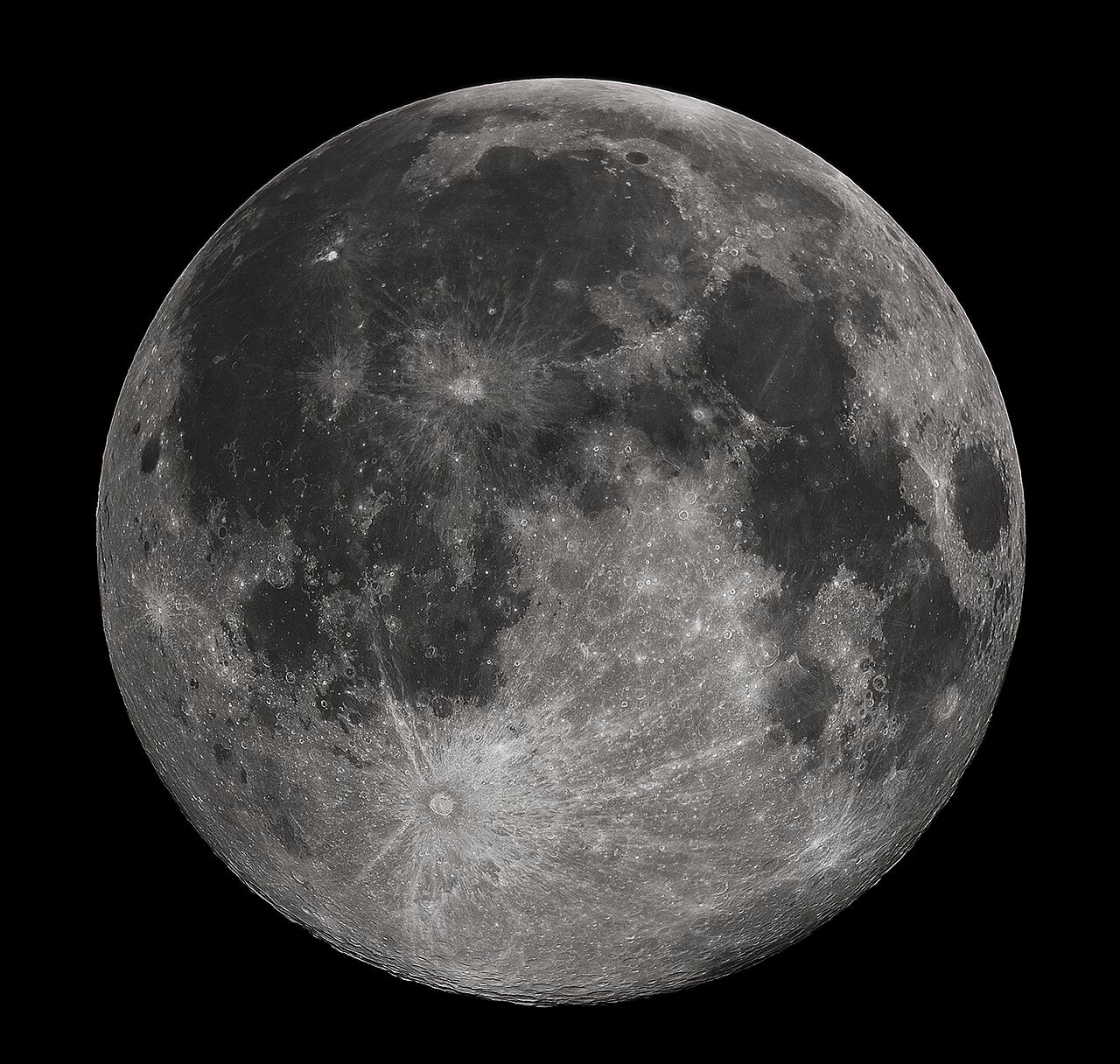 The environment of the Moon is harsh for visiting spacecraft with daytime temperatures hitting 120 degrees but plunging to -130 degrees at night (Credit : Gregory H. Revera)
The lunar environment is harsh since there is no atmosphere to buffer temperature swings, so surfaces in direct sunlight can reach over 120 degrees Celsius while shadowed regions plunge to minus 130. There is no air, no pressure, and no margin for error and any spacecraft heading to the lunar surface has to be proven against those conditions before it ever leaves the launchpad which is precisely what Chamber A is designed to do. Engineers use it to recreate the vacuum of space and the extreme thermal cycling a vehicle will face in flight, checking that every system, every seal, and every material behaves exactly as it should when there is no atmosphere to fall back on.
Endurance is an uncrewed cargo lander, developed by Blue Origin under a reimbursable Space Act Agreement with NASA, a public-private model that gives commercial companies access to NASA's world class facilities while keeping costs and risk firmly within commercial hands. The mission is a demonstration flight, designed to prove out the technologies that will eventually carry astronauts to the surface of the Moon as part of the Artemis programme.
Those technologies are not trivial. Endurance will demonstrate the ability to touch down exactly where intended, not roughly where intended along with cryogenic propulsion systems and the autonomous guidance, navigation and control needed to bring a spacecraft to rest on the lunar surface without anyone at the controls. These are the building blocks of human lunar exploration, and getting them right on an uncrewed test vehicle is exactly how you avoid catastrophic failure when there are people on board.
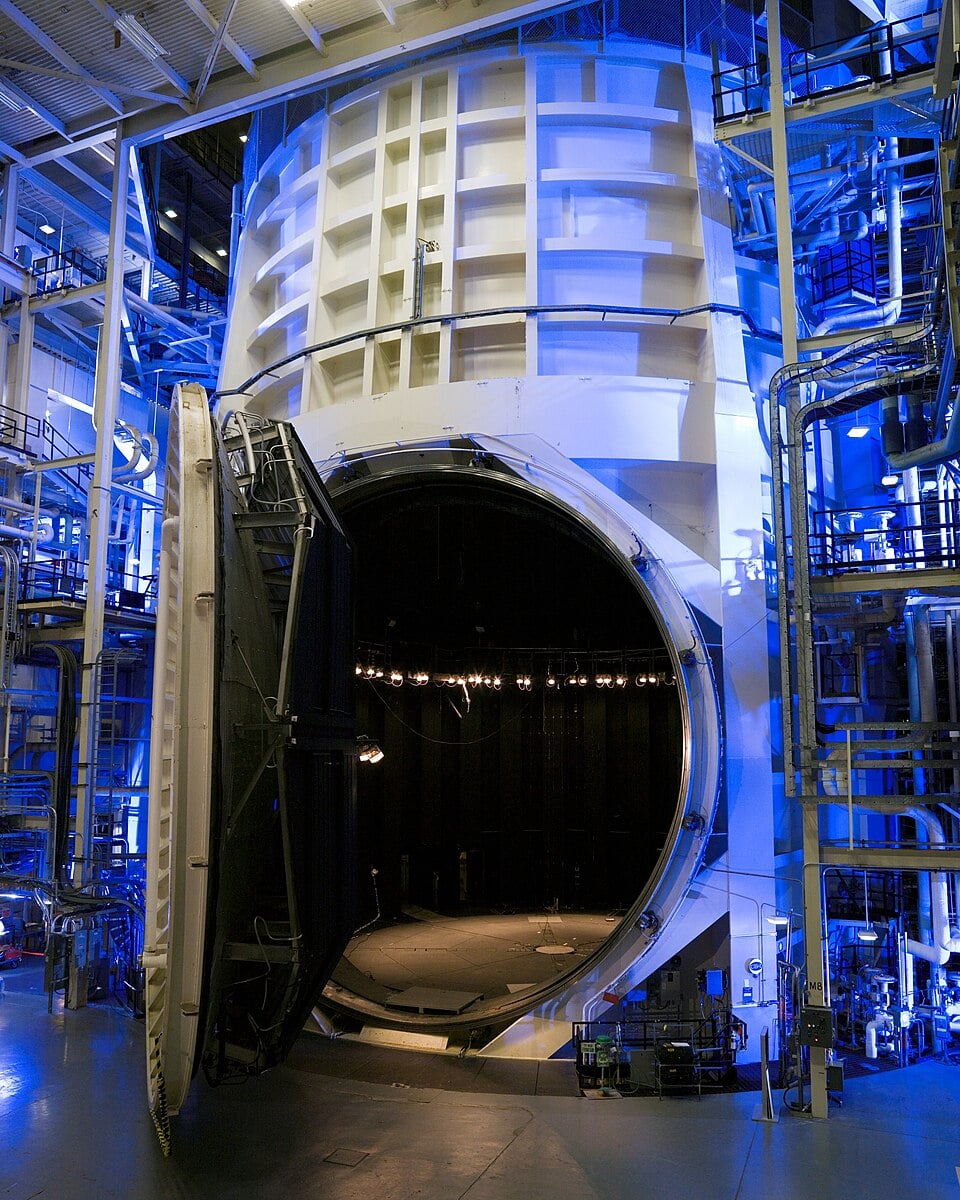 View of Thermal Vacuum Test Chamber A (with its door open) in Building 32 at NASA Johnson Space Center (Credit : NASA)
Endurance will carry two NASA science payloads to the lunar South Pole region under the Commercial Lunar Payload Services initiative. One payload is a set of high resolution stereo cameras that will photograph the interaction between the lander's engine plume and the lunar surface during descent, helping engineers understand the dusty chaos that landing on the Moon creates. The other is a laser retroreflector array, a device that bounces laser light from orbiting spacecraft back to its source, allowing much more precise position measurements on the surface.
The lessons learned from Endurance won't stop with Endurance. Blue Origin is already developing the Blue Moon Mark 2, a larger crewed lander designed to carry astronauts from lunar orbit to the surface and back again, supporting sustained human presence at the South Pole, the region NASA believes holds water ice in permanently shadowed craters, making it the most strategically valuable real estate on the Moon.
Source : Blue Origin Moon Lander Completes Testing at NASA Vacuum Chamber