Universe Today
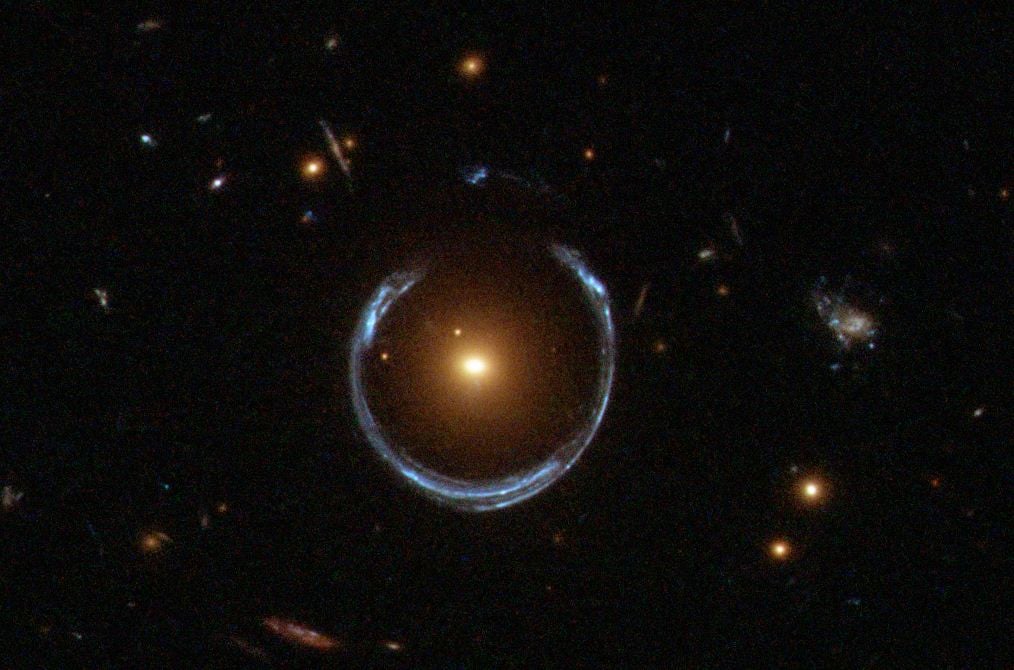
The universe is getting bigger, and there's a problem. Two different ways of measuring its expansion rate give two different answers, and nobody knows why. Now researchers at the University of Tokyo have demonstrated a completely independent method that adds compelling evidence this discrepancy represents something real, not just measurement error.
For decades, astronomers have relied on distance markers like supernovae to measure how fast the universe expands. These "distance ladders" place the expansion rate, known as the Hubble constant, at roughly 73 kilometres per second per megaparsec. Every 3.3 million light years of distance from Earth, objects appear to recede 73 kilometres per second faster.
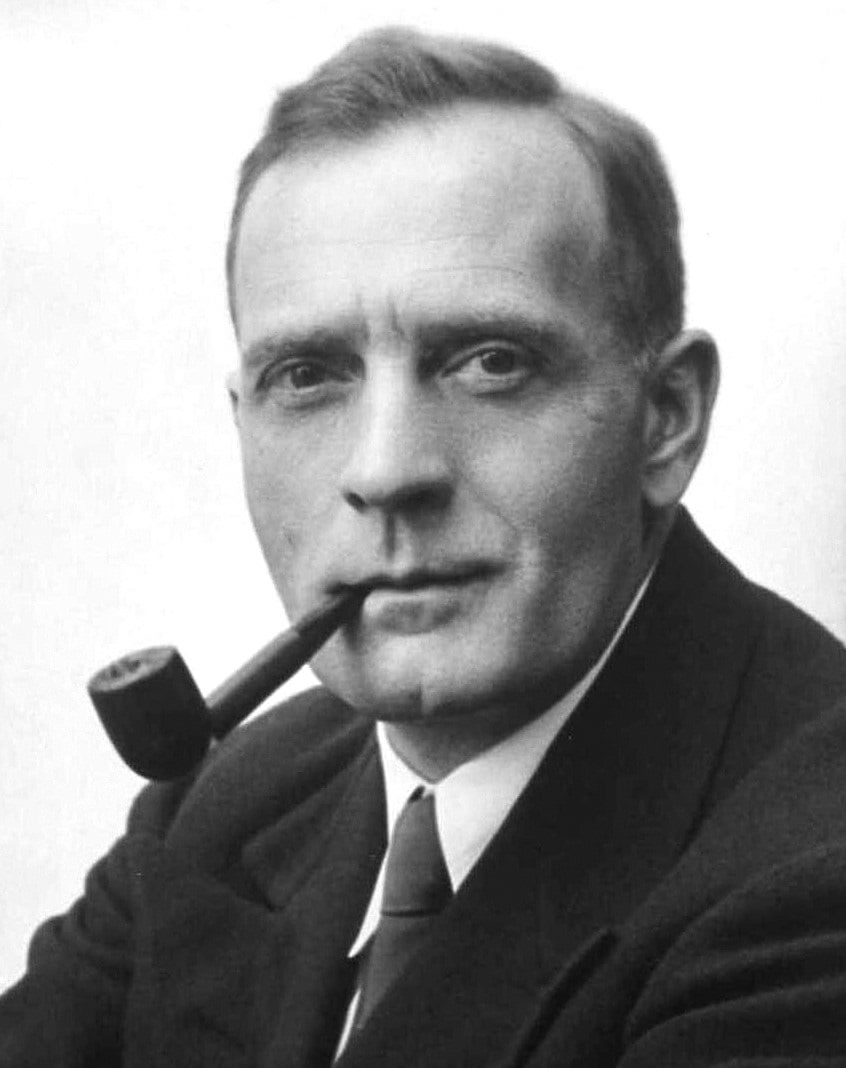 Studio Portrait of Edwin Powell Hubble (Credit : Johan Hagemeyer)
The trouble emerges when you measure the same thing differently. Scientists can examine the cosmic microwave background, ancient radiation from the Big Bang itself, to calculate what the expansion rate should be today. That method yields 67 kilometres per second per megaparsec. The gap between these values is called the Hubble tension, and it matters enormously because it might signal physics we don't yet understand.
Project Assistant Professor Kenneth Wong and his colleagues at the University of Tokyo's Research Centre for the Early Universe have now measured the Hubble constant using time delay cosmography, a technique that sidesteps traditional distance ladders entirely. Their method exploits gravitational lensing, where massive galaxies bend light from objects behind them.
When circumstances align perfectly, a single distant quasar appears as multiple distorted images around the lensing galaxy. Each image travels a different path to reach us, taking different amounts of time. By watching for identical changes in these images occurring slightly out of step, astronomers can measure the time difference between paths. Combined with estimates of how mass is distributed in the lensing galaxy, this reveals the expansion rate of the universe.
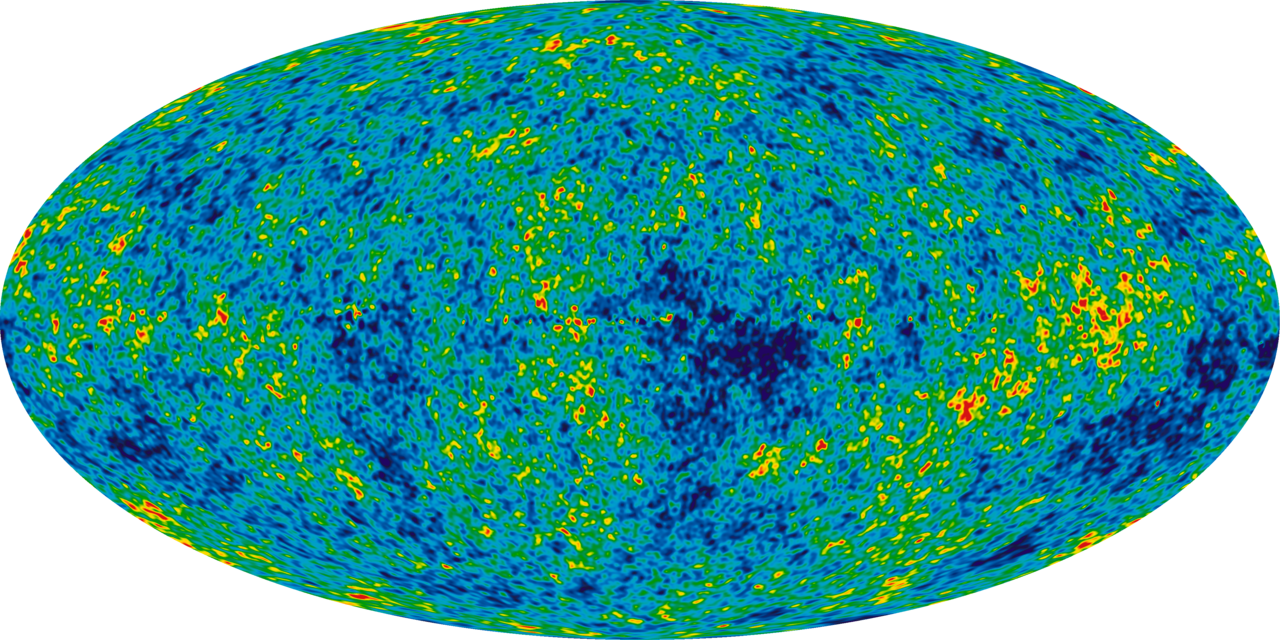 An all sky picture of the infant universe revealed in the Cosmic Background Radiation (Credit : NASA / WMAP Science Team)
The team analysed eight gravitational lens systems, each with a massive galaxy distorting light from a distant quasar, using data from cutting edge telescopes including James Webb. Their measurement yielded a value consistent with the 73 kilometres per second per megaparsec figure from nearby observations, not the 67 from the early universe.
If systematic errors plague either traditional distance ladders or cosmic microwave background analyses, this new method should remain unaffected. The fact that it aligns with present day observations rather than early universe predictions strengthens the case that the Hubble tension represents real physics.
The current precision sits at roughly 4.5 percent. To definitively confirm the tension requires pushing that to 1-2 percent, which means analysing more gravitational lens systems and refining mass distribution models for the lensing galaxies. The largest uncertainty comes from not knowing exactly how mass arranges itself within these lens galaxies, though researchers assume profiles consistent with observations.
The work represents decades of international collaboration between multiple observatories and research teams. If the Hubble tension proves real, it could herald new physics and a fresh era in cosmology, fundamentally changing our understanding of how the universe evolves.
Source : - A speed camera for the universe