Universe Today
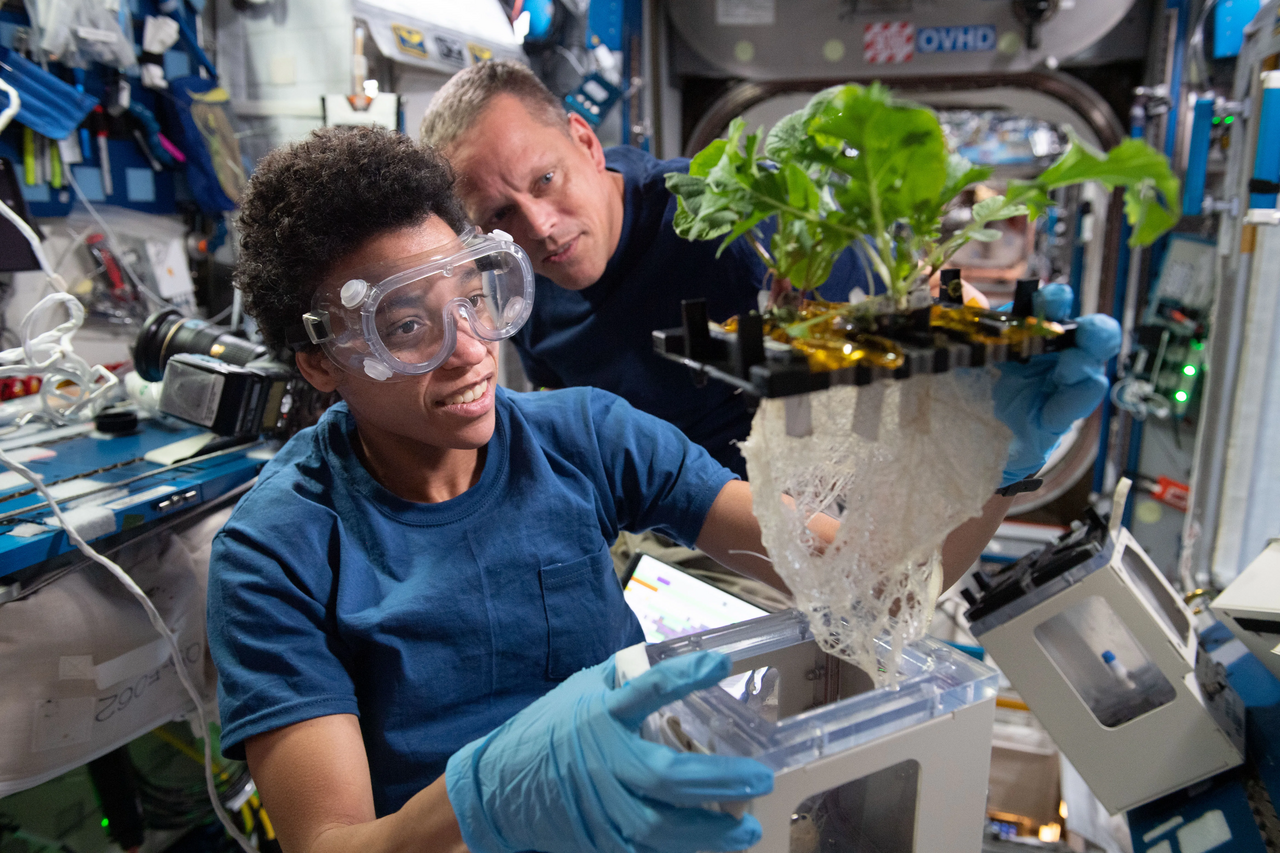
Pick any great expedition in history and somewhere in the story, usually tucked away in a footnote, you'll find the moment the team nearly fell apart. Not because of a storm or a broken compass, but because two people couldn't stand each other, or the pressure became unbearable, or exhaustion turned small irritations into serious conflicts. Ernest Shackleton understood this. He reportedly selected crew members partly on the basis of their ability to get along. He knew that on the ice, personality could matter as much as skill. NASA already does this in their astronaut selection but are now thinking more like Shackleton as it plans a permanent base on the Moon.
The Artemis programme aims to put astronauts back on the lunar surface within this decade, not just for a brief visit, but to stay. A sustained human presence on the Moon means small teams of people living and working together in an extreme, unforgiving environment, cut off from immediate help, for months at a time and in relatively close proximity. The psychological and social dynamics of that situation are, to put it mildly, complex.
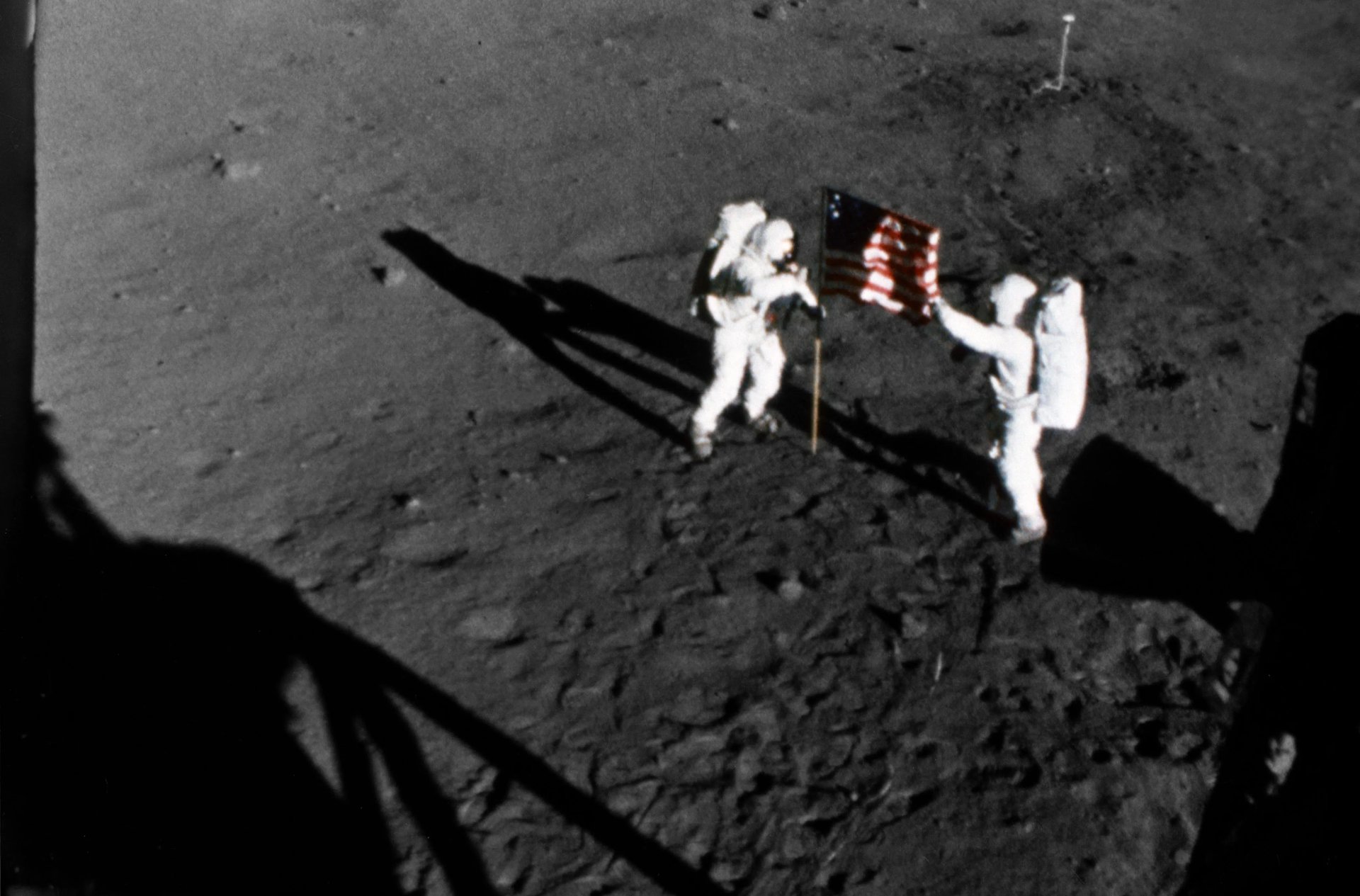 The Apollo 11 astronauts (pictured showing Neil A. Armstrong and Edwin E. “Buzz” Aldrin Jr.) spent just over 8 days together on their historic mission to the Moon
To start getting ahead of those challenges, researchers at George Mason University in Virginia have built something remarkable: a virtual Moon base, populated with virtual astronauts. Using a technique called agent based modelling, they created digital crew members each given their own randomly assigned professional skills, personality traits, and physical health profiles. These simulated astronauts worked together, adapted to each other over time, got better at routine tasks, and dealt with unexpected crises such as equipment failures, moonquakes and intense radiation events. Then the researchers ran the simulation tens of thousands of times and studied what happened.
The results are instructive. Larger crews performed better, and not just because there were more hands available. Bigger teams were more likely to contain astronauts whose personalities complemented rather than clashed with each other, boosting cooperation and overall performance. But longer missions told a more cautionary tale. The longer crews stayed without rotation or replacement, the more psychological stress accumulated and that stress had a measurable, damaging effect on how well they performed the actual work.
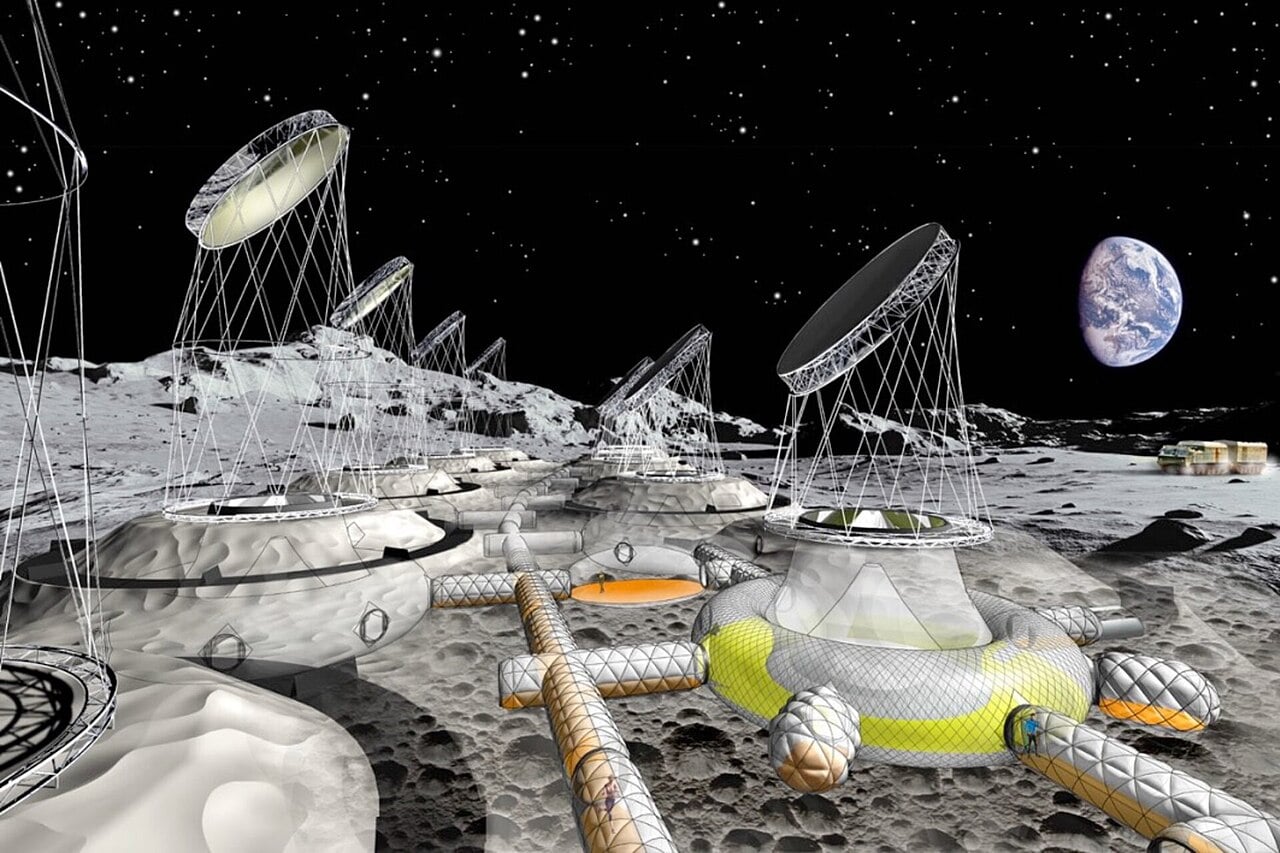 Artist illustration of an inflatable lunar base with greenhouses (Credit : ESA)
Neither finding is entirely surprising in isolation. But having a simulation robust enough to test different crew sizes, mission durations, and personnel combinations before anyone leaves Earth is genuinely valuable. Space agencies can only learn so much from Antarctic stations or submarine deployments. A Moon base will be in a class of its own, and mistakes there will be much harder to fix.
The model is still in its early stages. The team acknowledges it doesn't yet account for the physiological effects of long duration spaceflight, or the communication delays that will add a layer of isolation no Earth based analogue can fully replicate. But the framework exists now, and it will only get more sophisticated.
Source : Simulations predict how astronaut team dynamics could impact future Moon base operations