Universe Today
Put your ear to the ground in the right place and you can hear a train coming from miles away. Long before it appears on the horizon, the vibrations travelling through the earth betray its approach. Scientists have been doing something remarkably similar with the Sun, pressing their ear metaphorically speaking, to the solar surface and listening to the rumbles coming from deep within. What they've just heard has them genuinely puzzled.
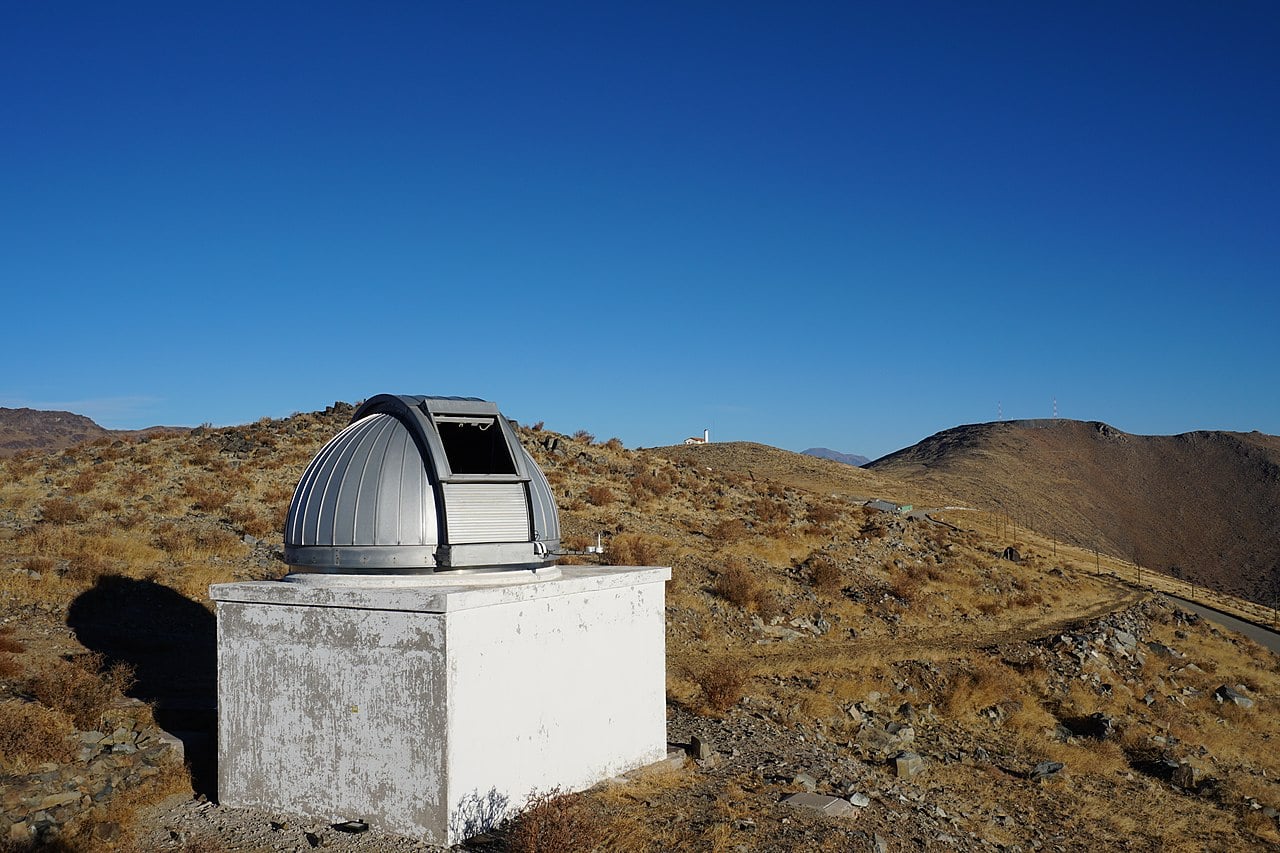
The technique is called helioseismology, and it works by tracking tiny sound waves that reverberate around inside the Sun. Just as geologists use seismic waves to map Earth's interior, solar physicists use these oscillations to peer beneath the Sun's visible surface, somewhere no instrument could ever directly reach. And over the past forty years, a global network of six telescopes called BiSON, the Birmingham Solar Oscillations Network, has been quietly listening, building up one of the most remarkable datasets in all of astrophysics.
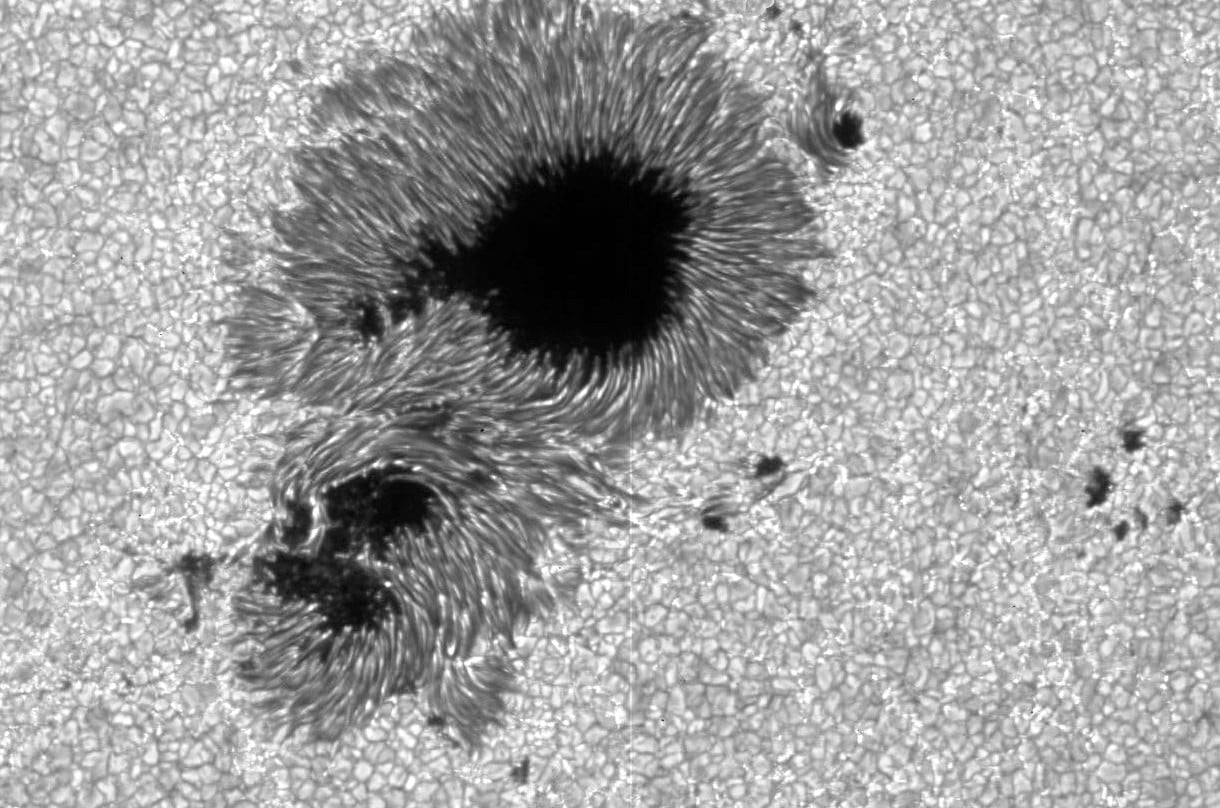 Granules-like structure of surface of sun and sunspots are thought to reveal the activity on the Sun but this new research suggests there may be other ways to measure it using helioseismology (Credit : NASA/JAXA)
The Sun's magnetic activity rises and falls on an eleven year cycle. At its peak, known as solar maximum, the surface seethes with sunspots, solar flares erupt with the energy of billions of nuclear bombs, and vast clouds of plasma are hurled into space. At its minimum, things quieten down considerably. This cycle matters enormously to us on Earth. Solar storms can knock out satellites, disrupt GPS systems, corrupt communications networks and in extreme cases cripple power grids. Understanding and predicting the Sun's behaviour is not just interesting science, it’s becoming critical to the stability of our infrastructure.
And that's precisely why the latest findings from the BiSON team are so significant. By analysing nearly four decades of helioseismic data spanning solar cycles 22 through 25, from 1987 right through to 2025 the researchers discovered that something has been quietly shifting. The Sun's magnetic activity is being squeezed into an increasingly shallow layer, just beneath the visible surface. With each successive cycle, that compression has become more pronounced. In the current solar cycle 25, the effect is particularly strong.
Here's where it gets strange. Traditional measurements of solar activity such as sunspot counts and magnetic field strengths at the surface suggest that cycle 25 is relatively modest. But the helioseismic data tells a different story. Look at the high-frequency oscillations, which probe the shallowest layers, and cycle 25 appears just as powerful as its predecessors. The Sun looks different depending on where you look. The surface is playing it down but the interior is not.
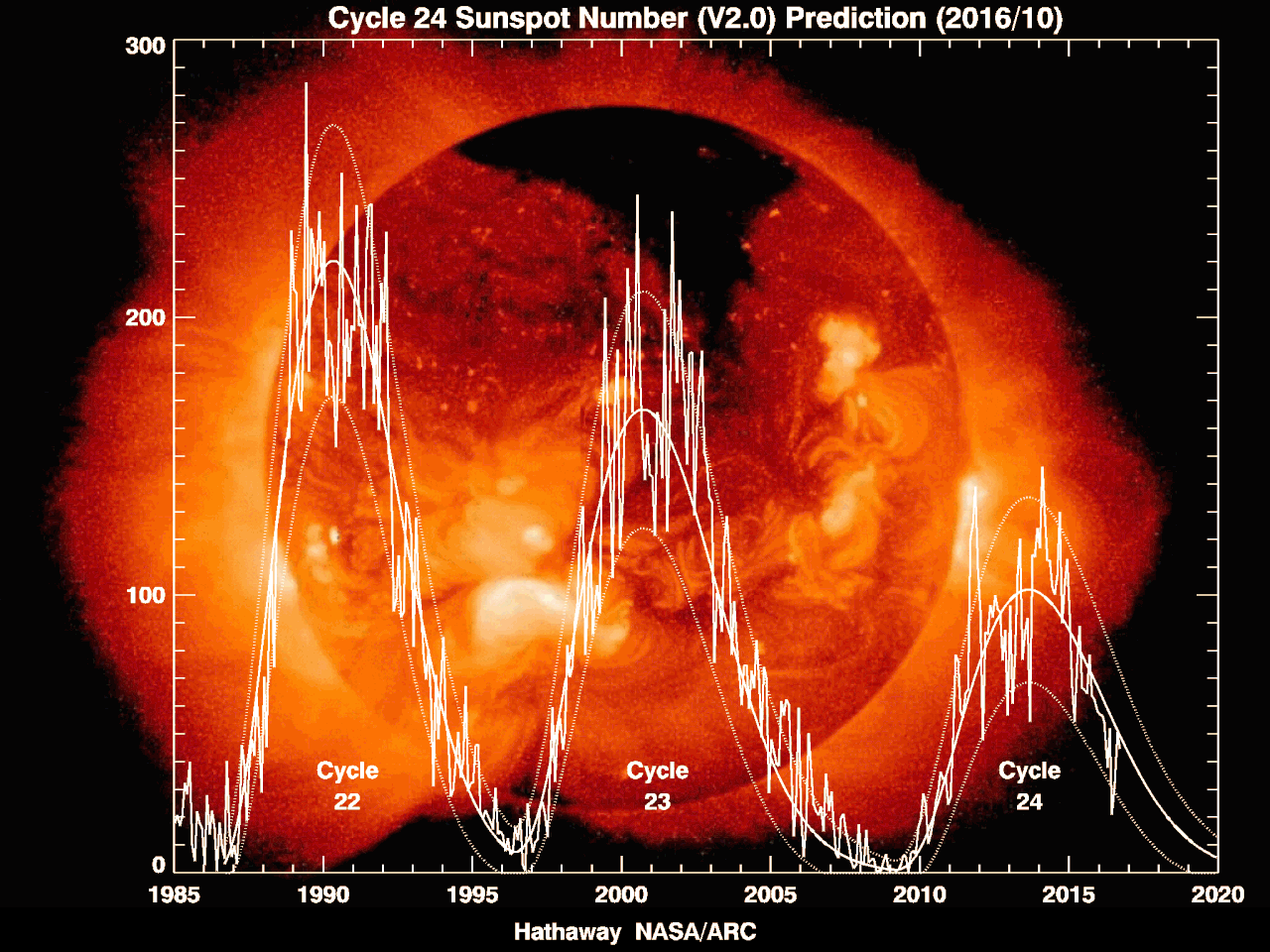 Solar cycle superimposed against an image of the Sun (Credit : David Hathaway, NASA, Marshall Space Flight)
What does this mean? The honest answer is that nobody is entirely sure yet. Lead author Professor Bill Chaplin from the University of Birmingham describes it as the Sun potentially entering "a different mode of behaviour." Whether that represents a long-term shift in the Sun's fundamental character, or simply a chapter in a longer cycle we haven't fully mapped yet, remains an open question.
What we do know is that the answer matters. A Sun that's reorganising its internal magnetic architecture in ways we don't fully understand is a Sun whose future behaviour is harder to predict. And in a world ever more dependent on satellites, communications, and connected technology, a surprise from our nearest star is the last thing we need.
Source : Listening to Sun's 'heart' hints our star could be changing