Universe Today
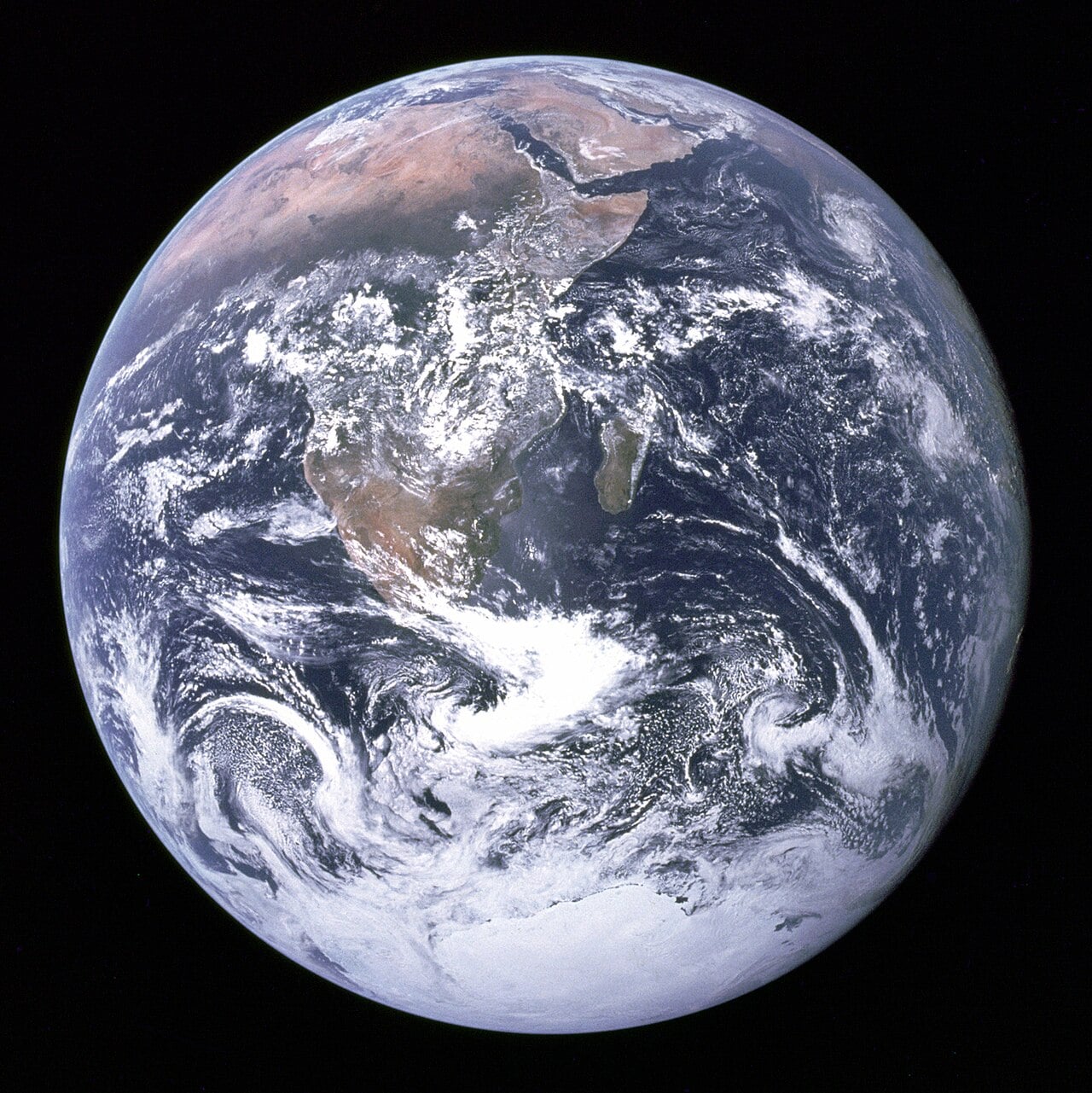
What made Earth the planet that life chose? It's a question scientists have wrestled with for decades, and the answers are rarely simple. Distance from the Sun matters, liquid water matters and a magnetic field that deflects lethal radiation matters. But a new study published in the journal Terra Nova adds something unexpected to that list…. the slow, geological rise of the continents themselves, and a semi precious gemstone most people know from jewellery shops.
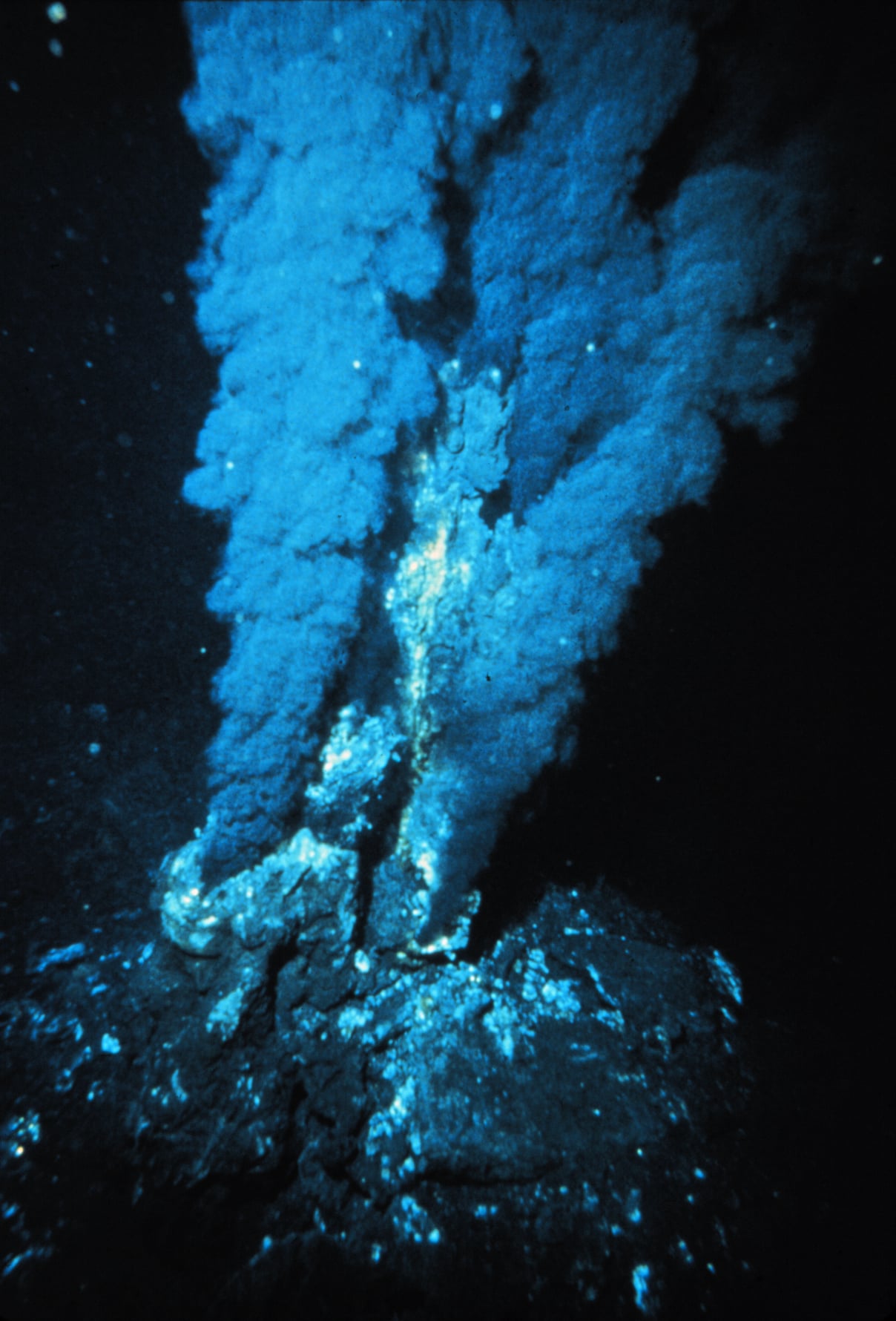 Hydrothermal vents like this one found in the Atlantic Ocean seem to be teeming with life. (Credit : P. Rona / OAR/National Undersea Research Program)
The key ingredient in question is boron. Scientists have long suspected that boron played a crucial role in the origins of life, because it helps stabilise the fragile sugar molecules needed to build RNA, the molecule thought to have come before DNA in life's earliest chemistry. But boron is finicky since it operates within a remarkably narrow window. Too much of it and it becomes toxic to biological systems but too little and it may never have contributed anything at all.
Here's the critical part, without boron in exactly the right concentration, the fragile chemical building blocks of life would have broken down before they ever had the chance to combine into anything more complex. Early Earth it turns out, had far too much of it.
Dr. Brendan Dyck of the University of British Columbia Okanagan and Dr. Jon Wade of the University of Oxford found that before significant landmasses emerged more than 3.7 billion years ago, boron concentrations in the oceans were dangerously high and certainly well outside the range that life can use. What changed everything, they argue, was granite.
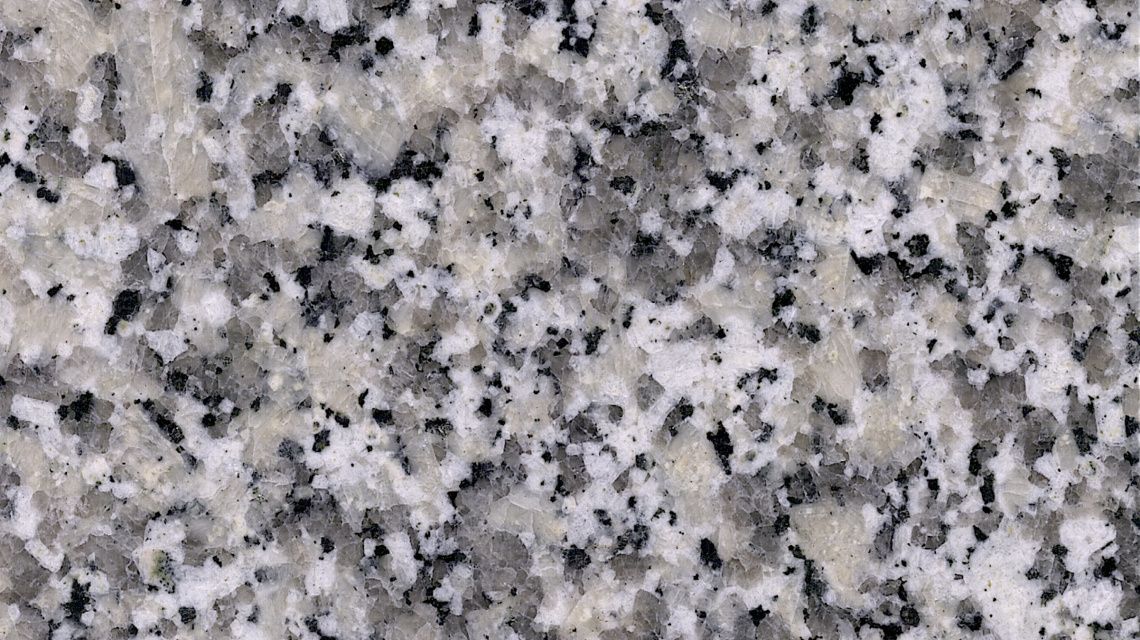 Closeup of the structure of granite rock now thought to be instrumental in the appearance of life (Credit : The Stone Gate)
As granite rich continental crust began to rise and spread, it brought with it a mineral called tourmaline. You might recognise tourmaline as the colourful gemstone found in jewellery. In this story it plays a rather more important role. Tourmaline locks boron away within the rock itself, acting as a vast geological sponge. As the continents grew, weathered and eroded over hundreds of millions of years, tourmaline slowly absorbed the excess, steadily drip feeding boron back into the oceans in carefully regulated quantities. Eventually, concentrations stabilised at levels close to those found in modern seawater, right inside the window that life can actually use.
You might like to think of the continents as a planetary chemistry set rather than just land! If this latest study is correct, they spent billions of years quietly tuning the oceans until the conditions for life were just right. Looking beyond Earth, Mars lacks the granite rich continental crust that made this regulation possible. Without it, any boron present in Martian surface waters would have remained at concentrations biology simply couldn't work with. It's a sobering thought and a powerful new lens through which to view the search for life elsewhere. Whether a planet can host life may depend not just on where it sits relative to its star, but on what's happening deep inside its core.
Source : How the rise of continents may have set the stage for life on Earth