Universe Today
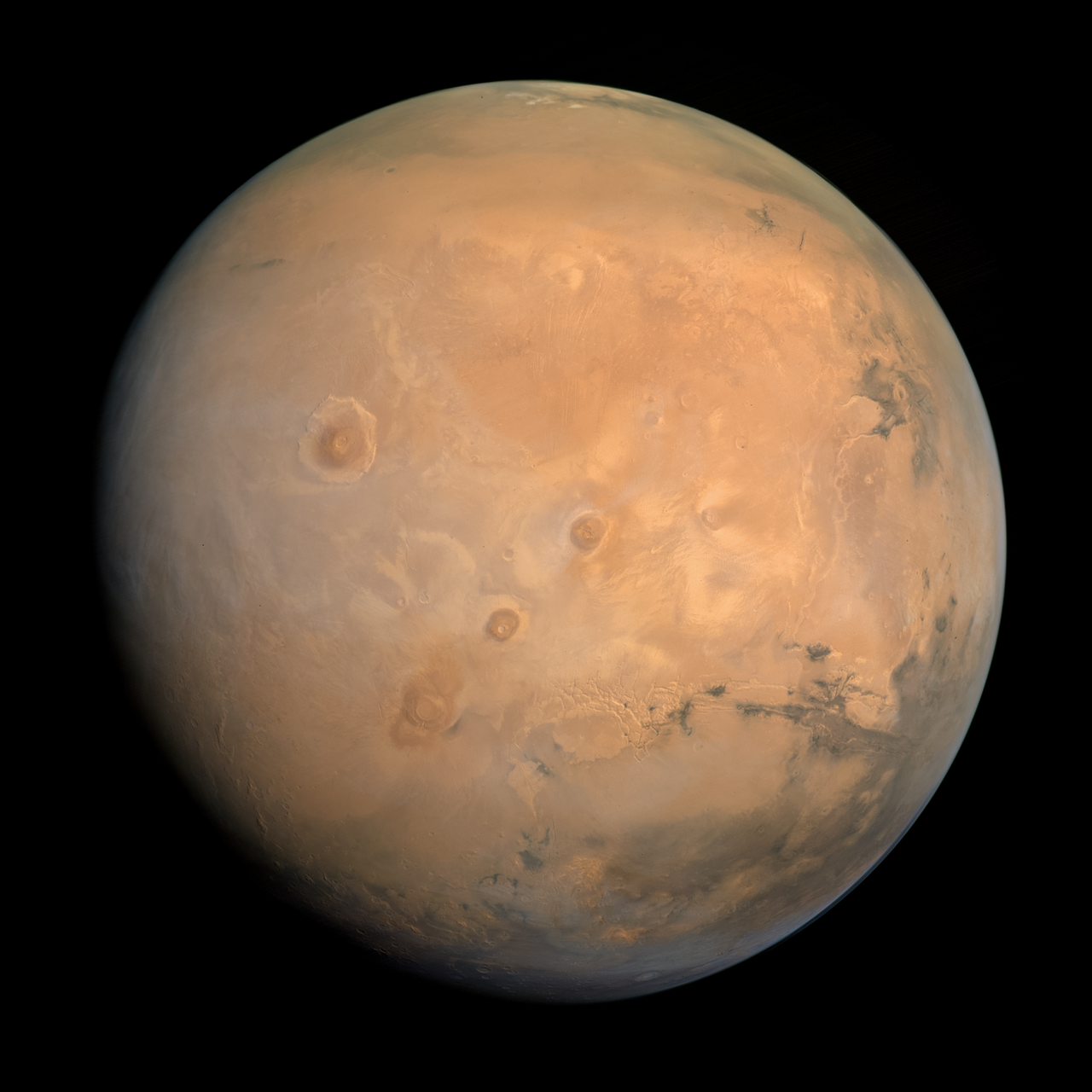
Mars is our nearest planetary neighbour and the world humans are most likely to set foot on beyond the Moon. The fourth planet from the Sun, it sits about 225 million kilometres from Earth on average, close enough that we have sent dozens of spacecraft to explore it, yet far enough to remain, in many ways, deeply mysterious. Roughly half the size of Earth, it has a day almost identical in length to ours, polar ice caps, towering volcanoes, and a canyon system that would stretch across the entire United States. But for all its surface familiarity, Mars today is a world that has been dead for a very long time with a thin atmosphere, no global magnetic field, and temperatures that plunge to minus 80 degrees Celsius on a typical night.
Look at Mars today though and it's hard to imagine it was ever anything other than what it is, a cold, rust coloured desert where the wind carries dust across a landscape that hasn't seen liquid water for billions of years. But the planet's rocks remember what the atmosphere has long since forgotten.
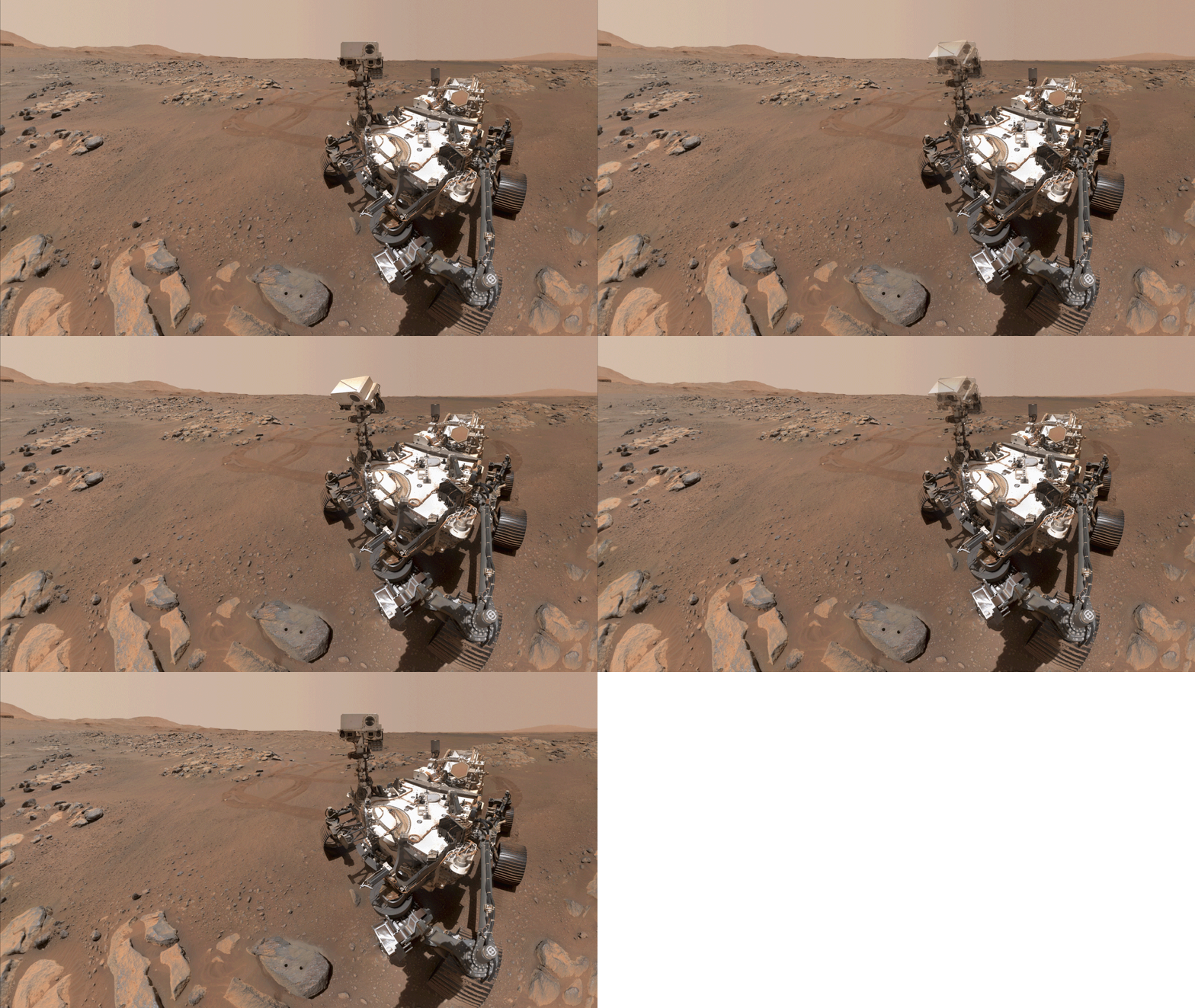 NASA’s Perseverance Mars rover took these 2 selfie versions over a rock nicknamed “Rochette,” on September 10, 2021, the 198th Martian day, or sol of the mission (Credit : NASA/Caltech)
NASA's Perseverance rover has been trundling across Jezero crater since it landed in February 2021, and among the reddish debris scattered along its path it has spotted something that immediately catches the eye, white rocks. Not just a few, there are pebbles, fragments, and boulders of pale, bleached material standing out sharply against the dusty orange surroundings.
Those rocks are kaolinite, an aluminium rich clay mineral, and their presence on Mars is scientifically extraordinary. On Earth, kaolinite forms in one of the most rain soaked environments imaginable….. tropical rainforests, where millions of years of heavy rainfall leach away virtually every other mineral from the rock, leaving this distinctive white clay behind. It is, in essence, a geological fingerprint for a warm, wet, persistently humid climate. Finding it on Mars changes the picture considerably.
"You need so much water that we think these could be evidence of an ancient warmer and wetter climate where there was rain falling for millions of years" - Briony Horgan, professor of planetary science at Purdue University.
To confirm what they were looking at, lead researcher Adrian Broz compared the Martian kaolinite with samples collected from sites near San Diego in California and in South Africa. The match was striking. The rocks from two different planets, separated by hundreds of millions of kilometres, told the same geological story. Kaolinite can also form through hydrothermal activity, where hot water forces its way through rock, but that process leaves a different chemical signature, and the Martian samples don't carry it. What they do carry points firmly toward slow, persistent leaching by rainfall over vast timescales.
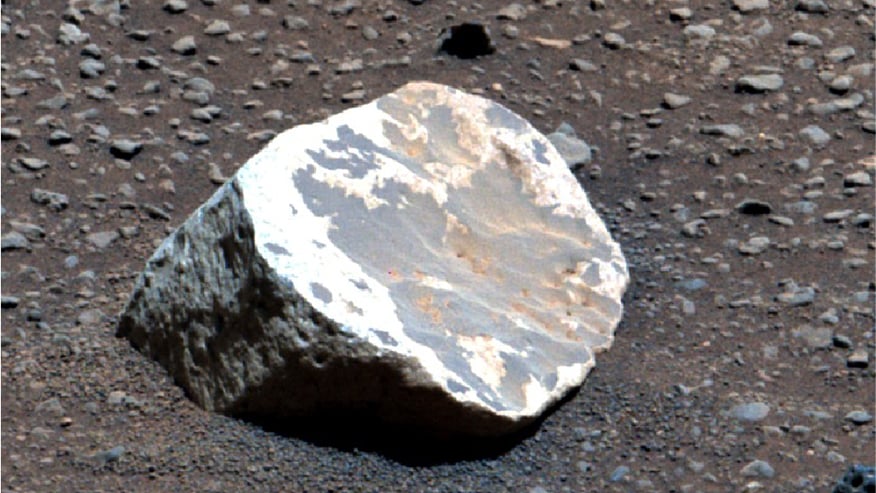 Purdue University research into scattered kaolinite rocks on Mars’ surface shows the dry, dusty planet could have featured a rain heavy climate billions of years ago (Credit : NASA)
There's a puzzle that remains, though. No obvious source for the kaolinite has been identified nearby. The rocks are scattered, suggesting they were either washed into the ancient Jezero lake, which once held a body of water twice the size of Lake Tahoe, or perhaps hurled there by a meteorite impact long ago. For now, nobody is certain.
What is certain is that these pale fragments are some of the most compelling evidence yet that Mars was once a world capable of supporting life. As Broz puts it, all life uses water. And the rocks of Jezero crater are quietly insisting there was once plenty of it.
Source : Findings suggest red planet was warmer, wetter billions of years ago